
Reviewed · FOOD TOURS
NO DIET CLUB – Unique local food tour in Tokyo !
Old Tokyo flavor survives in Sangenjaya. This three-hour walk leaves the crowded sights behind for a neighborhood one station from Shibuya, where you can try Japanese soul food in local eateries and quiet side streets. I love the generous food portions and the way the tour links each tasting with a stroll through old Tokyo. I also like the small group limit of 10, which makes it easier to hear guides such as Marie and Valentin.
The main consideration is that drinks are not included, apart from water. You also need to be comfortable with a changing menu, since tastings depend on the season. Pescatarians are welcome, but this is not a tour built around a fixed list of dishes.
In This Review
- Key points before you book
- Why Sangenjaya makes a better food stop than Shibuya
- The first tastings: Japanese soul food with a local feel
- What the five-plus stops mean in practice
- Marie and Valentin bring different strengths
- A neighborhood walk, not just a restaurant crawl
- Price and value at $68 per person
- Who will enjoy this tour most
- Practical planning for your three hours
- How the tour fits into a Tokyo itinerary
- Should you book NO DIET CLUB?
- FAQ
- Where does the NO DIET CLUB food tour take place?
- How long does the food tour last?
- How many food tastings are included?
- What food might be included?
- Are drinks included?
- Is the tour available in English?
- Can pescatarians join the tour?
- How large is the group?
- Can I cancel or pay later?
Key points before you book
- Sangenjaya instead of central Tokyo’s food corridors: You explore a neighborhood close to Shibuya but far from the usual tourist routes.
- At least five food tastings: The tour covers savory and sweet dishes, with all food included in the price.
- Classic Japanese comfort food: Expect named favorites such as takoyaki, omurice, and curry pan, along with other seasonal discoveries.
- Small groups of up to 10: This is a useful size for asking questions and keeping the walk together.
- English and French guides: Marie and Valentin have led tours praised for their explanations and attention to individual needs.
- Three hours for food and walking: The pauses between stops give you time to digest and notice the neighborhood.
Why Sangenjaya makes a better food stop than Shibuya

Sangenjaya is only one station from Shibuya, yet the mood changes quickly. Instead of focusing on Tokyo’s giant crossings, department stores, and famous visitor sights, this tour takes you through an older local area with narrow alleys, nostalgic shops, and small places to eat.
That contrast is the point. You do not need to travel far from the city center to find a more everyday side of Tokyo. The area lets you combine food with a short neighborhood walk, so the experience is not simply a succession of dishes eaten at speed.
I like this format for a first or second day in Tokyo. The food gives you a reason to explore, while the walking helps you get a feel for the city beyond the major sights. You may also leave with a better sense of where local life continues after you turn away from the well-known districts.
The tour describes Sangenjaya as an area largely free from tourist traps. That does not mean you are visiting an untouched village. It means the focus is on places and streets that are less likely to be built around international tourism. For you, that can mean a more useful introduction to ordinary Tokyo eating habits.
More Food Tours in Tokyo
- Tokyo: Shinjuku Food Tour (13 Dishes at 4 Local Eateries)
★ 5.0 · 6,603 reviews - Tokyo: Shinjuku Food Tour (15 Dishes and 4 Eateries)
★ 4.9 · 2,033 reviews - Best of Shinjuku: Izakaya Food Tour (4 Stops, 14+ Tastings)
★ 5.0 · 1,863 reviews
The first tastings: Japanese soul food with a local feel
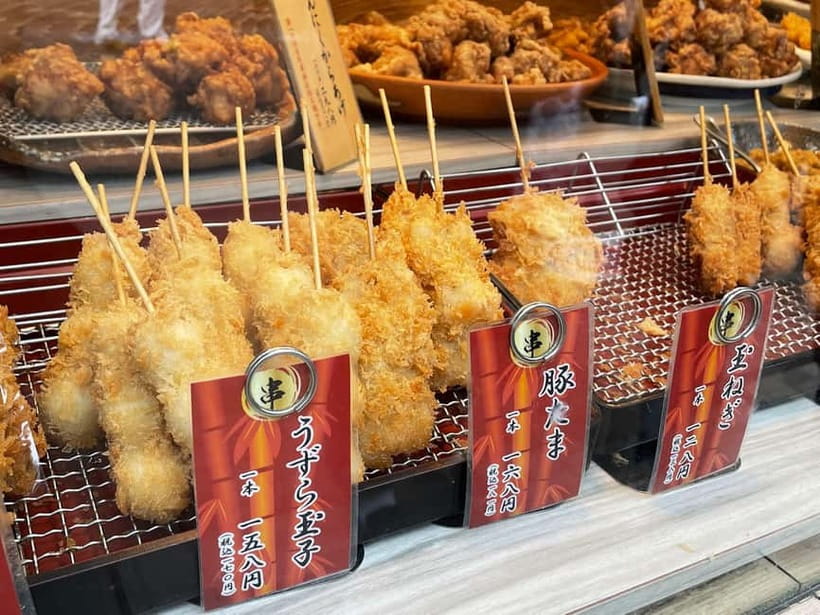
The food list includes takoyaki, the small battered octopus balls associated with Osaka and popular throughout Japan. They are a good example of Japanese comfort food: casual, inexpensive, and full of texture. You may already know the name, but tasting it in the setting of a neighborhood food walk gives your guide a chance to explain more about what you are eating.
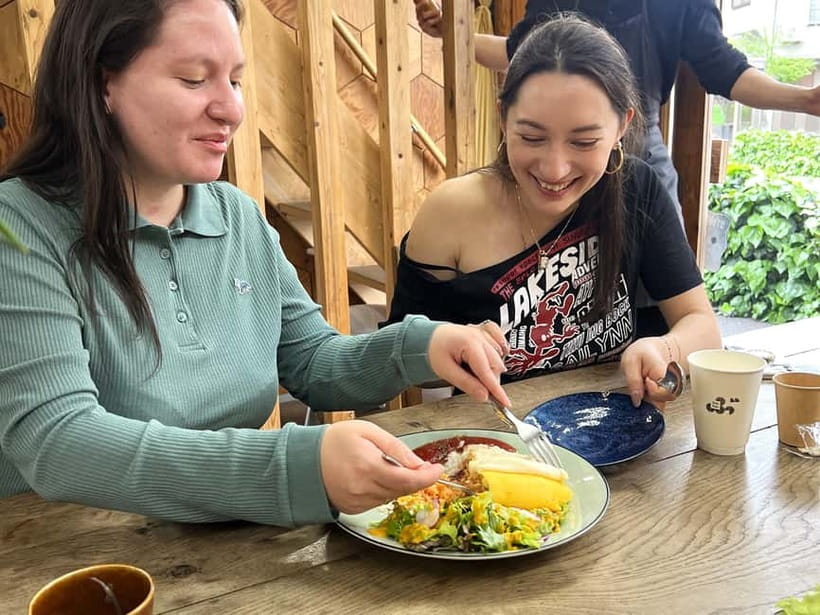
Omurice is another named stop. This familiar dish combines an omelet with rice and sauce, and it shows the softer, home-style side of Japanese food. It is less about ceremony and more about comfort, which fits the tour’s focus on local soul food.
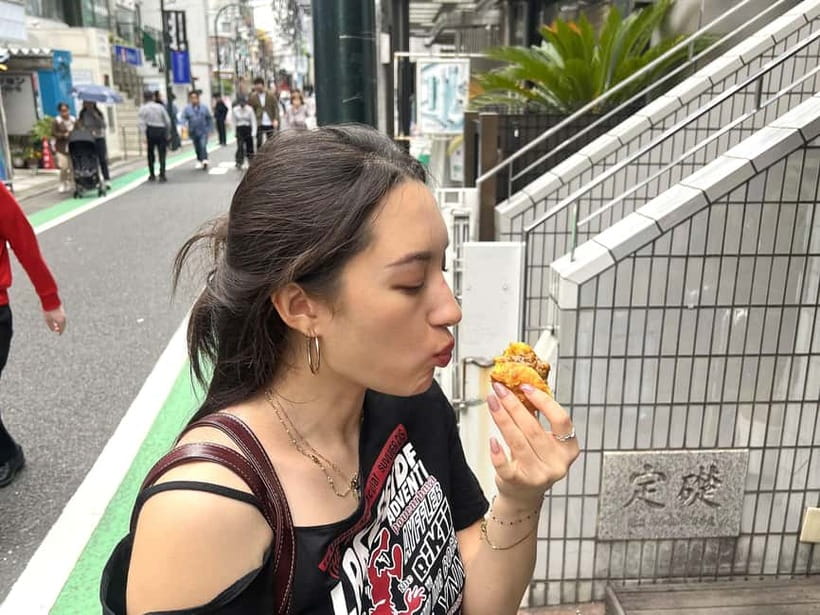
Curry pan brings a different texture. The name refers to bread filled with Japanese curry, usually enjoyed as a quick snack. Along with takoyaki and omurice, it helps show how broad the category of Japanese casual food can be. You are not being limited to sushi and ramen, the two dishes most often placed in front of first-time visitors.
The precise order of dishes can change, and the seasonal note matters. You should treat the named foods as examples of the style of the tour rather than a guaranteed checklist. That flexibility is useful if you want a wider taste of Tokyo, but it may disappoint you if you have booked specifically for one exact dish.
What the five-plus stops mean in practice
All food is included, with a minimum of five tastings across several places. The wording suggests a food-focused walk rather than a tour where one small sample is stretched across three hours. The repeated praise for both quantity and quality supports that impression.
I would still keep your expectations sensible. Five tastings do not necessarily mean five full meals, and the menu may include small portions from different shops. The advantage is variety. You can compare different types of savory and sweet food instead of spending the entire tour on one large plate.
The walking breaks matter. One food-focused comment praised the chance to stroll around the neighborhood between stops and let the food settle. That is a small but practical feature, especially in Japan, where rich snacks, fried items, rice dishes, and sweets can add up faster than you expect.
You should arrive hungry, but not starved. A light meal beforehand may be wise if you have dietary concerns or a sensitive stomach, but arriving after a large lunch would make it harder to enjoy the full range of tastings. Since drinks beyond water cost extra, carrying some yen or a payment method for beverages is also sensible.
Marie and Valentin bring different strengths
The available feedback gives useful detail about the guides. Marie is praised for taking time with the group, explaining unfamiliar dishes, and offering good advice. One experience with her was especially valued because the food went beyond familiar choices and included specialties the participant would not have found alone.
Valentin is also praised for showing small food spots and explaining the calm side of Sangenjaya. One note specifically describes him as attentive to expectations, while another highlights delicious discoveries and a satisfying amount of food. These comments point to guides who do more than lead you from door to door.
The tour is offered in English and French. That is helpful if you want food explanations in a language you follow easily, since the context around a dish can be as useful as the taste itself. The comments about Marie and Valentin suggest that explanations are a central part of the experience, not an afterthought.
Guide quality always depends partly on the person leading your departure. Still, the repeated praise for Marie and Valentin centers on the same strengths: attention, food knowledge, and the ability to make the neighborhood understandable. You should use the tour as a chance to ask questions rather than simply wait for the next bite.
A completely different kind of day out:
- Tokyo Disney Resort – Tokyo Disneyland & Tokyo DisneySea Park Tickets
★ 4.8 · 99,488 reviews - SHIBUYA SKY Ticket
★ 4.7 · 46,509 reviews - JR Whole Japan Rail Pass
★ 4.8 · 29,150 reviews - Mt Fuji and Hakone 1-Day Bus Tour Return by Bullet Train
★ 5.0 · 26,383 reviews
A neighborhood walk, not just a restaurant crawl
The route includes hidden alleys, nostalgic shops, and local eateries that have served food for generations. The available details do not name every shop or promise a fixed route, so you should expect some flexibility in the exact places visited.
That flexibility is part of the charm. A fixed restaurant itinerary can become predictable, while a neighborhood tour can respond to opening hours, seasons, or available food. It also means you should not book this expecting a formal sightseeing route with major landmarks.
The walk gives the food some context. A curry pan is more memorable when you understand where quick snacks fit into daily life. An omelet over rice feels different when your guide explains how the dish fits into Japanese comfort food. These are modest details, but they make it easier for you to remember what you ate after the trip.
I also like the balance between eating and moving. Three hours is long enough to see more than one street, but short enough to fit around other Tokyo plans. You get a neighborhood introduction without giving up an entire day.
Price and value at $68 per person
At $68, the tour is not the cheapest way to buy snacks in Tokyo. You can certainly find inexpensive food on your own, especially if you are comfortable ordering without much English or French support.
The value comes from the combination of five or more tastings, a guide, and a planned walk through Sangenjaya. You are paying to find several places efficiently, understand what you are eating, and avoid spending part of your holiday guessing which small shop is worth entering.
The price makes the most sense for you if you want food with explanation and structure. It is less compelling if your main goal is simply to eat as much as possible for the lowest cost. The tour does not include drinks, so add that expense if you want anything beyond water.
Quantity is an important part of the value here. Several comments praise both the amount and standard of the food, rather than describing the tour as a sample-only experience. That makes the price easier to justify, particularly for visitors who want a substantial introduction to Japanese casual food.
Who will enjoy this tour most
This experience suits curious eaters who want to move beyond the standard Tokyo menu. If you already know you like takoyaki, omurice, and curry pan, the tour gives you a chance to place those dishes in a neighborhood setting. If you do not know them, the guide can help you approach them with more confidence.
It is also a good choice for people who prefer small groups. With a maximum of 10 participants, you are less likely to feel lost in a large crowd. That size should make it easier to hear explanations and mention food preferences before the next stop.
Pescatarians are welcome. The tastings may vary by season, so you should tell the provider about your diet when booking and remain open to substitutions or menu changes. The information specifically welcomes pescatarians, but it does not promise a menu for every other dietary restriction.
The tour could also work well for repeat Tokyo visitors. You do not need another ride past the most famous sights. A quieter area near Shibuya offers a change of pace and a chance to eat food you may not have found on your own.
You may want to skip it if you dislike walking, prefer a fixed menu, or want drinks included. You should also think twice if you are looking for an advanced culinary class. This is a guided neighborhood food walk, not a cooking lesson.
Practical planning for your three hours
The total duration is three hours, and starting times depend on availability. Plan your day around that block rather than treating it as a quick snack stop. The walk between tastings is part of the experience, so you should wear comfortable shoes.
The meeting details are not specified here, so check the exact starting point when you reserve. Since the setting includes alleys and local eateries, arriving on time matters. A late arrival could mean missing the first stop or making the small group wait.
Food is included, but drinks are not, with water as the exception. If you prefer tea, soft drinks, or another beverage with your food, budget separately. This is a small point, but it is easy to overlook when the tour price already includes several tastings.
The booking terms are flexible. You can reserve now and pay later, and cancellation is free up to 24 hours before the activity for a full refund. That makes it easier to place the tour early in your schedule while keeping room for weather or itinerary changes.
How the tour fits into a Tokyo itinerary

I would place this tour near the beginning of a Tokyo stay if you want help understanding Japanese casual food. The guide can introduce dishes and eating styles that may make later solo meals less intimidating.
Sangenjaya also pairs naturally with time around Shibuya because of its close location. You can move from the city’s major shopping and entertainment area to a quieter neighborhood without a long journey. The tour gives you a useful contrast in a single afternoon or evening.
Do not schedule it immediately after another large meal. The experience is designed around repeated tastings, and the value drops if you are too full to try everything. Give yourself time before and after the walk rather than squeezing it between two fixed restaurant bookings.
The neighborhood setting also makes this a good choice when you need a break from Tokyo’s biggest attractions. You still get food, local streets, and city context, but the pace is slower and the focus is narrower.
Should you book NO DIET CLUB?
Book this tour if you want generous local food, neighborhood character, and clear explanations in English or French. The strongest reasons are the small group, the five-plus tastings, and the chance to try food beyond the dishes you would likely order in a tourist-heavy part of Tokyo.
I would be comfortable recommending it to first-time visitors who want a friendly introduction to Japanese soul food, as well as repeat visitors looking for a different corner of the city. The praised guides, especially Marie and Valentin, add confidence that the walk will include useful context rather than just a string of snacks.
Skip it if you need a guaranteed dish list, included drinks, or a menu designed around strict dietary requirements. For everyone else, $68 is a fair price for three hours of food and guidance, provided you value discovery more than the absolute cheapest meal.
FAQ
Where does the NO DIET CLUB food tour take place?
The tour takes place in Sangenjaya, Tokyo, on Honshu. The neighborhood is described as one station from Shibuya and includes local eateries, alleys, and nostalgic shops.
How long does the food tour last?
The activity lasts three hours.
How many food tastings are included?
All food is included, with a minimum of five tastings in several places. The tastings include savory and sweet items.
What food might be included?
Named examples include takoyaki, omurice, and curry pan. The exact tastings may vary with the seasons.
Are drinks included?
Drinks are not included, except for water.
Is the tour available in English?
Yes. Live guides are available in English and French.
Can pescatarians join the tour?
Yes, pescatarians are welcome. Tastings may vary by season, so the food offered can change.
How large is the group?
The tour is limited to 10 participants.
Can I cancel or pay later?
You can cancel up to 24 hours in advance for a full refund. You can also reserve now and pay later.
Just added in Tokyo
- A One-of-a-Kind Sushi Experience in a Special Place of Japan★ 5.0 · 15 reviews
- Tokyo Cute Bento Cooking Class – Make a Kawaii Character Lunchbox★ 5.0 · 126 reviews
- Japanese Home Cooking Class & Walk in Todoroki Temple Tokyo★ 5.0 · 88 reviews
- Japan Tokyo Tower Observatory Deck E-Ticket★ 4.0 · 34 reviews
- Catch a Baseball Game in Tokyo with a Local – Tickets Included★ 5.0 · 24 reviews
- JDM Experience with Fast&Furious RX-7 (English speaking Driver)★ 5.0 · 57 reviews
- Tokyo Private Day Tour by Car with English speaking Driver Guide★ 4.0 · 29 reviews
- Japan Classic 10 Day – One Life Adventures★ 5.0 · 129 reviews
Food Tours, compared.
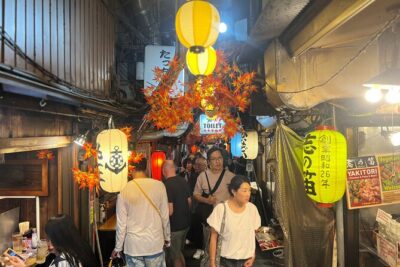
Shinjuku Food Tour (13 Dishes at 4 Local Eateries)
Read our review →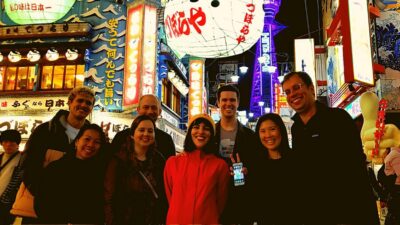
Shinsekai Food Tour with 13-15 Dishes at 5 Eateries
Read our review →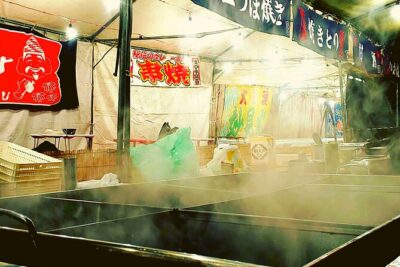
Osaka Food Tour: 13 Dishes at 5 Local Eateries
Read our review →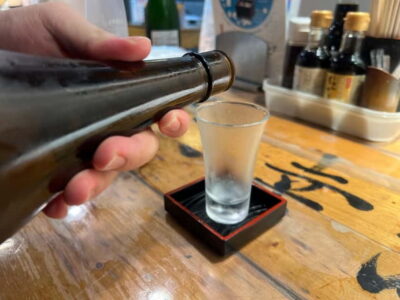
Shinjuku Food Tour (15 Dishes and 4 Eateries)
Read our review →
Best of Shinjuku: Izakaya Food Tour (4 Stops, 14+ Tastings)
Read our review →
Kyoto Night Foodie Tour in Gion (9+ dishes + 6 Sake tastings)
Read our review →
Hungry Osaka Street Food Tour:15 Tastings & 3 Drinks with a Local
Read our review →
Tokyo Night Foodie Tour in Shinjuku – Seasonal Sushi, Wagyu Beef
Read our review →Browse the lists this tour appears in