
Reviewed · FOOD TOURS
Shibuya All You Can Eat Best Food Tour The Original One in Tokyo
Shibuya rewards curious eaters. This four-hour walking tour moves beyond the famous crossing to small dining spots, local drinking lanes, and Japanese dishes that are easy to miss on your own. I like the wide food range, from sushi and yakiniku to takoyaki and sweets. I also like the chance to see a less polished side of Shibuya, including tiny bars and back streets.
The group is limited to 10 people, which helps keep the evening personal. Guides such as Hamada, Kato, Amber, Tanaka, and Hiromi have earned especially warm praise for their friendly manner and cultural explanations. The main concern is the $205 price, which is high for a walking food tour, especially if your guide gives little explanation or the food choices do not suit you.
For the right person, this is less a simple meal than an introduction to eating in Tokyo. You pay for several tastings, local guidance, ordering help, and a route through places you may not find alone. Just arrive hungry, keep an open mind, and understand that the exact restaurants and dishes can vary.
In This Review
- Key points at a glance
- What the four-hour route really offers
- Shibuya 109 and the local restaurant streets
- Nonbei Yokocho, Shibuya’s tiny drinking lane
- Shibuya Crossing, famous but still worth five minutes
- Mega Don Quijote and Tokyo’s wonderfully strange shopping culture
- The food: a full Japanese sampler
- Why the guide can make or break the evening
- Is $205 a fair price?
- Who will enjoy this tour most?
- Practical details for a smoother evening
- Should you book the Shibuya food tour?
- FAQ
- Where does the Shibuya food tour begin?
- Where does the tour finish?
- How long does the tour last?
- How many people can join the tour?
- What food is included?
- Are drinks included?
- Is the tour wheelchair accessible?
- Is hotel pickup included?
- Can I cancel for a full refund?
- What happens if I cancel within 24 hours?
Key points at a glance
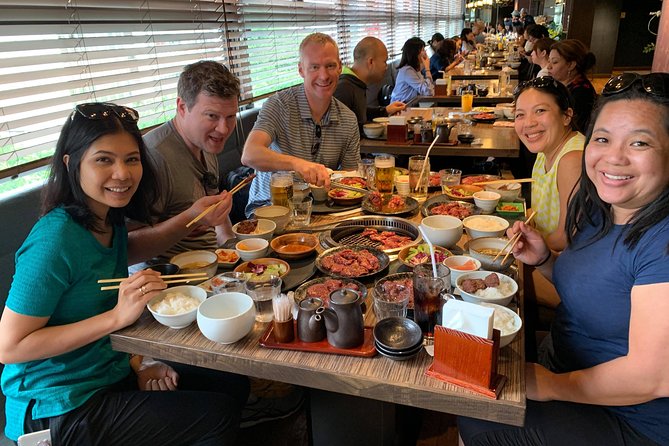
- Four to five food stops: Expect a progression through Japanese favorites, with sushi, yakitori, yakiniku, takoyaki, and desserts included.
- A small group of up to 10: The size allows easier conversation and more help with ordering, though a very small group may feel quiet.
- Shibuya beyond the crossing: The route includes Nonbei Yokocho, local restaurant streets, and the enormous Mega Don Quijote store.
- A generous amount of food: Several people finished feeling completely full, so this is not a light tasting walk.
- Guide quality matters: Hamada, Kato, Amber, Tanaka, and others receive strong praise for warmth, patience, and local insight.
- High cost, useful introduction: At $205 per person, the value depends on how much you value convenience, variety, and help navigating Japanese dining customs.
What the four-hour route really offers
This experience begins at the Hachiko Statue near Shibuya Station. That is a practical meeting place because the statue is one of the easiest landmarks to identify in the area, though the surrounding station district can be crowded and confusing.
From there, you walk through central Shibuya rather than simply sitting down for one meal. The route combines food, sightseeing, shopping, and short cultural explanations. The listed sightseeing stops account for roughly two hours, while the remaining time is used for walking between venues and eating.
That format matters. If you want a formal cooking class or a long meal at one excellent restaurant, this is not the right choice. If you want several small experiences in one evening and prefer someone else to handle the route, it makes more sense.
The title says all you can eat, but the practical description points to four or five food stops with selected dishes. Think of it as a substantial progressive meal rather than an unlimited buffet where you order without limits. The exact menu depends on the guide and restaurant choices.
More Food Tours in Tokyo
- Tokyo: Shinjuku Food Tour (13 Dishes at 4 Local Eateries)
★ 5.0 · 6,603 reviews - Tokyo: Shinjuku Food Tour (15 Dishes and 4 Eateries)
★ 4.9 · 2,033 reviews - Best of Shinjuku: Izakaya Food Tour (4 Stops, 14+ Tastings)
★ 5.0 · 1,863 reviews
Shibuya 109 and the local restaurant streets
The first part takes you around the Shibuya 109 area and nearby streets filled with restaurants and izakaya. Shibuya 109 itself is famous as a major shopping landmark, but the food experience is found in the surrounding streets, where locals eat, meet, and drink.
This is a useful opening because it gives you a quick sense of how much is packed into Shibuya. Bright signs and department stores get most of the attention, yet the side streets contain an assortment of casual places that can be hard to assess if you cannot read the menu.
Your guide can help explain what you are ordering and how the meal works. That assistance is especially helpful with dishes served for sharing, unfamiliar cooking methods, and the small points of Japanese dining etiquette that are not obvious at first.
This stop is not a major sightseeing attraction in itself. You should think of it as a warm-up and orientation. The advantage is practical: you begin seeing Shibuya as a place where people eat after work, not just as a photo stop.
Nonbei Yokocho, Shibuya’s tiny drinking lane
Nonbei Yokocho is one of the most memorable parts of the walk. Its name is often translated as Drunkard’s Alley, and the lane is known for small bars and compact drinking spots. Some venues are so tiny that they hold only a handful of people.
The appeal is the scale. This is a sharp contrast to the huge screens, tall buildings, and constant movement around the crossing. You get a look at a quieter, more intimate corner of Shibuya and a sense of how much the district changes from one street to the next.
One person specifically enjoyed this lane so much that they returned later. That is a good sign for anyone who likes urban details more than major landmarks. You are not visiting a grand temple or historic monument here. You are seeing a small piece of everyday nightlife.
There is also a limitation. Because the bars are so small, the tour may pass through rather than settle inside one. The point is the atmosphere and local context, not a guaranteed seat at a particular bar. Alcohol is not included, but you can purchase alcoholic drinks if available at the stop.
Shibuya Crossing, famous but still worth five minutes
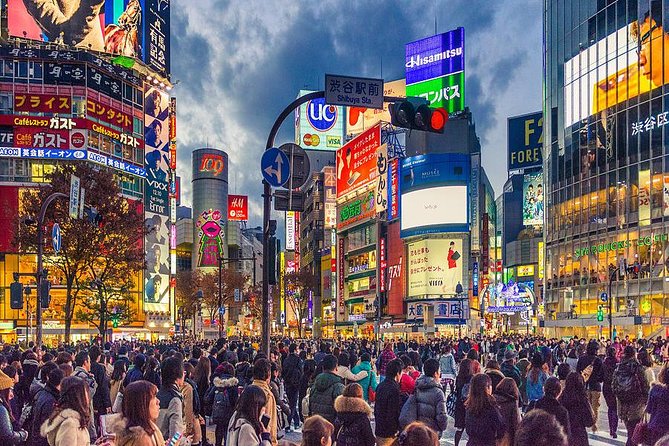
The tour pauses at Shibuya Crossing, likely the most recognizable sight on the route. More than 2,000 people cross every minute according to the tour description, and the brief stop gives you time to take a photo and watch the flow from the middle of one of Tokyo’s best-known public spaces.
You may already have seen the crossing in photographs and videos. Even so, standing inside it is different from viewing it on a screen. The stop is short, around 15 minutes, so do not expect a long history lesson or an extended lookout visit.
I appreciate the balance here. The tour does not allow the famous crossing to swallow the whole evening. You get the photograph, then move on to food and smaller streets. That keeps the experience from becoming just another standard Shibuya sightseeing walk.
A completely different kind of day out:
- Tokyo Disney Resort – Tokyo Disneyland & Tokyo DisneySea Park Tickets
★ 4.8 · 99,488 reviews - SHIBUYA SKY Ticket
★ 4.7 · 46,509 reviews - JR Whole Japan Rail Pass
★ 4.8 · 29,150 reviews - Mt Fuji and Hakone 1-Day Bus Tour Return by Bullet Train
★ 5.0 · 26,383 reviews
Mega Don Quijote and Tokyo’s wonderfully strange shopping culture
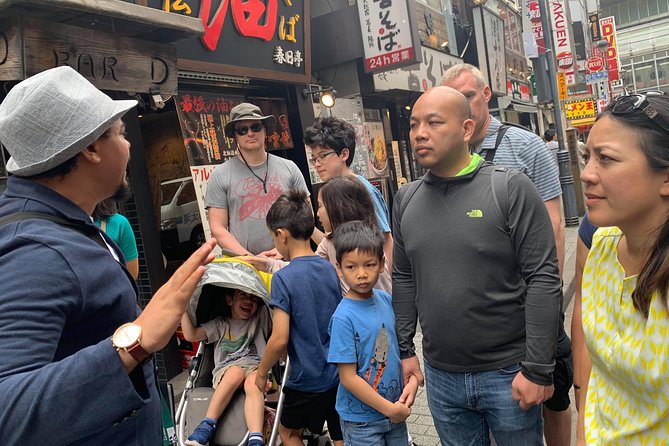
The route also includes Mega Don Quijote, a large 24-hour shopping store selling almost everything from sweets and food to cosmetics, electronics, and household items. This may sound like an odd addition to a food tour, but it gives you a useful look at modern Japanese shopping culture.
The store can be entertaining even if you buy nothing. Shelves are packed with products, the selection is broad, and the atmosphere is very different from a traditional market. You might find snacks, souvenirs, beauty products, or small gifts that are difficult to identify without help.
The tour has enough flexibility to include a quick shopping errand in some cases. One guide even helped with a purchase at BIC Camera, and another tour included shopping detours that added to the evening. These details show how a good guide can respond to practical needs instead of treating the route as a rigid script.
Still, Mega Don Quijote is not a food market. If you prefer every minute to be spent eating, this stop may feel like a distraction. If you enjoy browsing and want a break between courses, it adds variety.
The food: a full Japanese sampler
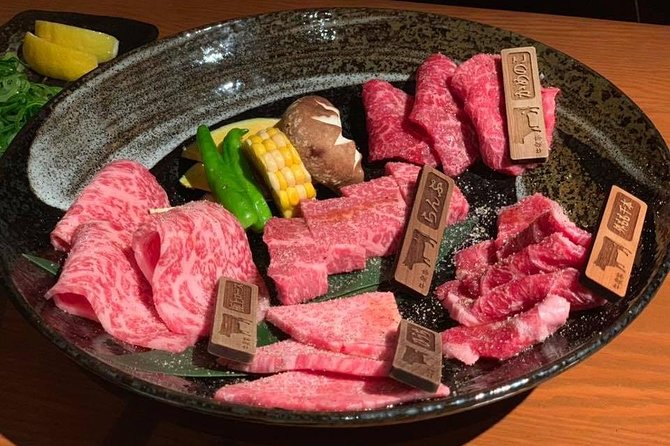
The strongest reason to book is the amount and variety of food. The planned selection includes sushi, yakitori, yakiniku, takoyaki, and desserts, with soft drinks and water included. Alcoholic drinks are available for purchase, but they are not part of the price.
The food may be served across three or four main venues, with smaller tastings or appetizers along the way. Past menus have included sushi, Japanese barbecue, chicken karaage, octopus balls, mochi, steak, and sake purchased separately.
Here is what each style adds:
- Sushi: A direct introduction to one of Japan’s best-known foods, with the guide helping you understand what you are eating.
- Yakitori: Grilled chicken skewers offer a casual izakaya-style experience and are easy to share.
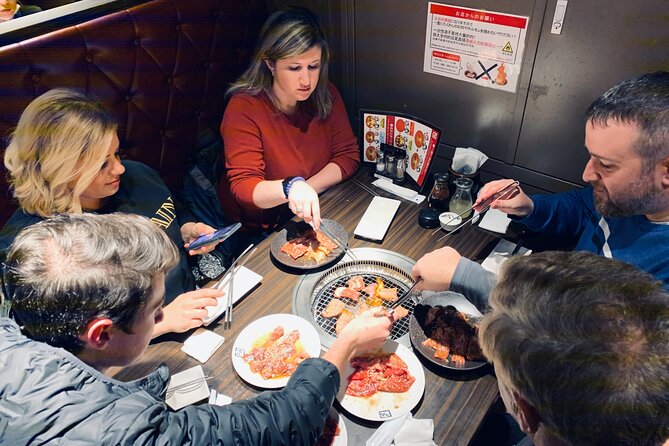
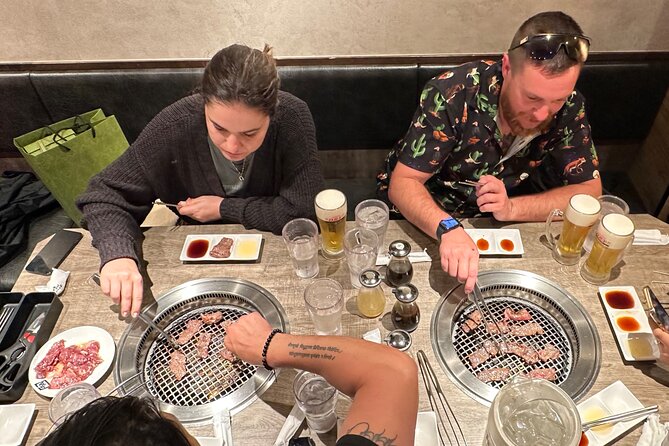
- Yakiniku: You cook meat on a small grill set into the table, which makes the meal more active and social.
- Takoyaki: These hot octopus-filled balls are a classic comfort food, but they can be very hot inside. Let them cool before taking a big bite.
- Dessert: Sweets and mochi give the meal a softer finish after the savory dishes.
The exact mix is not guaranteed. One disappointing account described a visit to a Korean restaurant, while other meals included Japanese barbecue and strong Japanese dishes. That contrast is important. You should not book expecting a fixed restaurant list or identical menu for every departure.
The best guides ask about your preferences and help you try foods outside your normal routine. The weaker experience seems to come when the guide simply asks what the group wants and provides little explanation. If food education is your main goal, make your expectations clear at the beginning.
Why the guide can make or break the evening
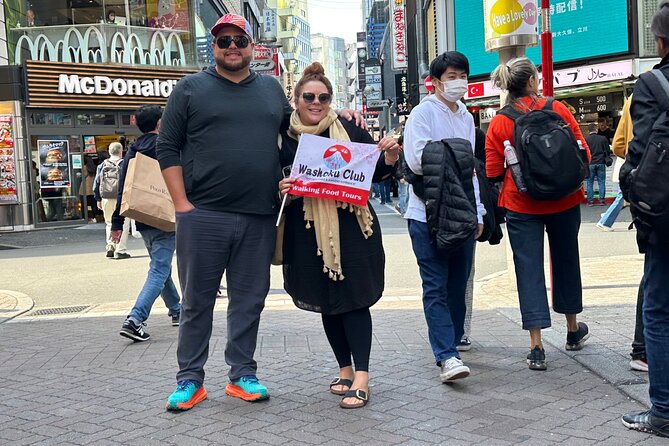
The guide is the tour’s most important ingredient. Food in Tokyo is easy to find. A good guide adds context, translates the menu, explains local habits, keeps the group together, and makes an unfamiliar restaurant feel comfortable.
Hamada receives especially strong praise for patience, warmth, and practical help. He assisted one person with a BIC Camera purchase, waited when members became separated, and added bonus stops while the group regrouped. Another family appreciated his calm approach while dealing with jet lag.
Kato is also repeatedly described as easy company, funny, and full of local trivia. Amber is praised for being patient, pleasant, and able to explain both food and history. Tanaka receives credit for a friendly manner and good area knowledge, while Hiromi is remembered for dining choices that participants would not have found independently.
Names and guide assignments can change, of course. The useful point is that the experience benefits greatly from a guide who treats the tour as a shared evening rather than a checklist.
The small group limit helps. With no more than 10 people, you can usually ask questions without holding up a large crowd. A very small group can even feel almost private. But one person noted that being alone on the tour made it less social, so the group size can work both ways.
Is $205 a fair price?
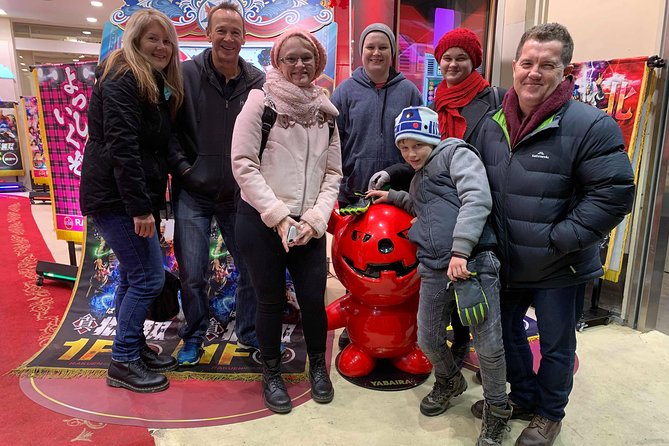
At $205 per person, this is an expensive food walk. You are paying for four hours, four to five food stops, water, two soft drinks, dessert, a professional guide, and the convenience of moving through Shibuya without planning each venue yourself.
The price makes more sense if you are visiting Tokyo for the first time, feel unsure about ordering food, want to try several dishes in one night, or value a friendly local escort. A family can also benefit because one person does not have to organize every restaurant or explain each menu.
The value is weaker if you already know Shibuya well, speak enough Japanese to order comfortably, or mainly want the cheapest possible way to eat sushi and barbecue. You could spend much less by choosing casual restaurants yourself, though you would lose the route, guidance, and cultural explanations.
Food portions seem generous. Several people finished stuffed, and one large eater specifically praised the sushi and steak. That makes the price easier to justify than it would be for a few token bites.
I would still compare the cost with your overall Tokyo budget. This is a premium introduction to Shibuya food culture, not a bargain meal.
Who will enjoy this tour most?
I would recommend it to you if you:
- Are visiting Japan for the first time
- Want to try several Japanese foods in one evening
- Prefer a small group to a large bus tour
- Feel uncertain about restaurant customs or menus
- Enjoy walking through nightlife streets and shopping areas
- Want a social introduction to Shibuya
- Like having a guide who can adjust the evening to practical needs
You may want to skip it if you need a fixed menu, have strict dietary requirements that have not been confirmed, or dislike eating at multiple venues. The supplied information does not list dietary accommodation, so you should ask before booking if allergies or food restrictions are important.
It may also disappoint you if you expect every stop to be deeply explained. Most accounts praise the cultural side, but one poor experience described limited food information and an awkward ordering process. That appears to be an exception, but it is still worth keeping in mind.
Practical details for a smoother evening
The meeting point is the Hachiko Statue at 2 Chome-1 Dogenzaka in Shibuya. Allow time to locate it, since Shibuya Station has many exits and the area can be confusing when you are in a hurry.
Wear comfortable shoes. You will walk through several busy streets and restaurant areas, and the tour lasts about four hours. Come with a light appetite, but do not eat a large meal beforehand. The food can be substantial.
Two soft drinks and water are included. Alcohol is extra, and gratuities are optional. The activity ends back at the meeting point, which is convenient if you are staying in or near Shibuya and want to continue exploring afterward.
The tour is near public transportation, and most people can participate. Confirmation arrives at booking, and cancellation is free up to 24 hours before the start time. Cancellations or changes within 24 hours are not refunded or accepted.
Should you book the Shibuya food tour?
I would book this tour as an early Tokyo activity, especially on your first visit. It gives you a quick education in local eating, takes you through Nonbei Yokocho and other less obvious corners, and removes much of the stress from ordering and choosing restaurants.
I would not book it simply because the title says all you can eat. The experience is a guided series of food stops, not an unlimited restaurant buffet, and the exact venues can change. At $205, you need to value the guide and the access as much as the food.
If Hamada, Kato, Amber, Tanaka, Hiromi, or another strong guide leads your group, the evening could become one of the most useful introductions to Shibuya. If your priority is low cost or a tightly fixed menu, explore independently instead.
FAQ
Where does the Shibuya food tour begin?
It begins at the Hachiko Statue at 2 Chome-1 Dogenzaka, Shibuya, Tokyo 150-0043, Japan.
Where does the tour finish?
The activity ends back at the meeting point.
How long does the tour last?
The tour lasts approximately four hours.
How many people can join the tour?
The group has a maximum of 10 participants.
What food is included?
The tour includes food at four to five stops chosen by the guide. Examples include sushi, yakitori, yakiniku, takoyaki, and desserts.
Are drinks included?
Two soft drinks and water are included. Alcoholic beverages are available to purchase separately.
Is the tour wheelchair accessible?
The supplied information does not state that the tour is wheelchair accessible. It says that most people can participate.
Is hotel pickup included?
No. Hotel pickup and drop-off are not included.
Can I cancel for a full refund?
Yes. You can cancel at least 24 hours before the experience start time for a full refund.
What happens if I cancel within 24 hours?
Cancellations made less than 24 hours before the start time are not refunded. Changes made within that period are not accepted.
Just added in Tokyo
- A One-of-a-Kind Sushi Experience in a Special Place of Japan★ 5.0 · 15 reviews
- Tokyo Cute Bento Cooking Class – Make a Kawaii Character Lunchbox★ 5.0 · 126 reviews
- Japanese Home Cooking Class & Walk in Todoroki Temple Tokyo★ 5.0 · 88 reviews
- Japan Tokyo Tower Observatory Deck E-Ticket★ 4.0 · 34 reviews
- Catch a Baseball Game in Tokyo with a Local – Tickets Included★ 5.0 · 24 reviews
- Tokyo Private Day Tour by Car with English speaking Driver Guide★ 4.0 · 29 reviews
- Japan Classic 10 Day – One Life Adventures★ 5.0 · 129 reviews
- JDM Experience with Fast&Furious RX-7 (English speaking Driver)★ 5.0 · 57 reviews
Food Tours, compared.
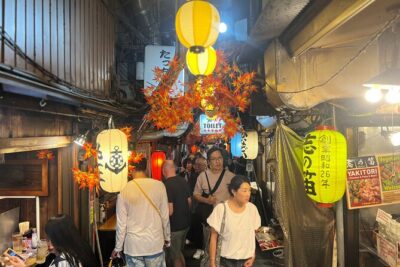
Shinjuku Food Tour (13 Dishes at 4 Local Eateries)
Read our review →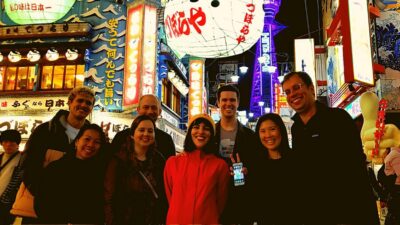
Shinsekai Food Tour with 13-15 Dishes at 5 Eateries
Read our review →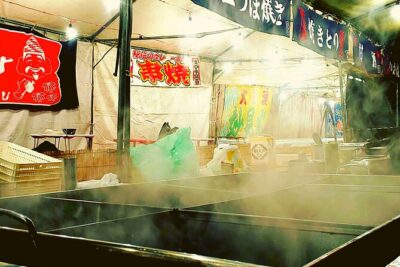
Osaka Food Tour: 13 Dishes at 5 Local Eateries
Read our review →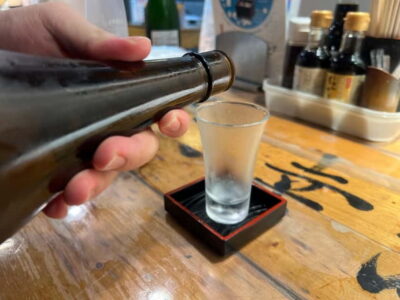
Shinjuku Food Tour (15 Dishes and 4 Eateries)
Read our review →
Best of Shinjuku: Izakaya Food Tour (4 Stops, 14+ Tastings)
Read our review →
Kyoto Night Foodie Tour in Gion (9+ dishes + 6 Sake tastings)
Read our review →
Hungry Osaka Street Food Tour:15 Tastings & 3 Drinks with a Local
Read our review →
Tokyo Night Foodie Tour in Shinjuku – Seasonal Sushi, Wagyu Beef
Read our review →Browse the lists this tour appears in