
Reviewed · FOOD TOURS
Shinjuku: Food Tour – 15 Dishes & 3 Drinks at 4 Eateries
Come hungry, leave oriented. This three-hour Shinjuku food tour gives you a lively introduction to Tokyo nightlife through 15 Japanese dishes and three drinks served at four eateries. I like the mix of sushi, gyoza, yakitori, kushikatsu, sake, and small local bars. I also like that guides such as Ayaka, Naoto, Shun, Midori, Luna, and Yuki have been praised for being friendly and helpful.
The main drawback is organization. The advertised group limit is 15, but one account described a much larger group that struggled to hear the guide and spent too long finding restaurants. You should also be ready to remove your shoes at one stop, and the tour may feel rushed if the group falls behind.
In This Review
- Key points before you book
- Why Shinjuku works so well for a food tour
- Starting at Shinjuku Station East Exit
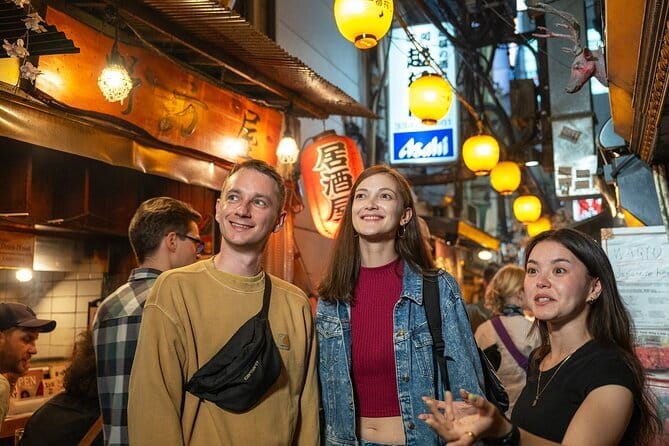
- Omoide Yokocho: Tokyo’s nostalgic first course
- Kabukicho: A local-style izakaya stop
- Golden Gai: Tiny bars and a social finish
- The food and drinks: broad variety, flexible details
- How good is the guiding?
- Who will get the most from this evening?
- Value, timing, and cancellation
- Should you book this Shinjuku food tour?
- FAQ
- How long does the Shinjuku food tour last?
- How many dishes and drinks are included?
- How many eateries does the tour visit?
- Where does the tour start?
- Where does the tour end?
- What is the maximum group size?
- Does the tour include alcoholic drinks?
- Can I cancel for a full refund?
Key points before you book
- Four eateries in about three hours: You move through Omoide Yokocho, Kabukicho, and Golden Gai, with food and drinks spread across the evening.
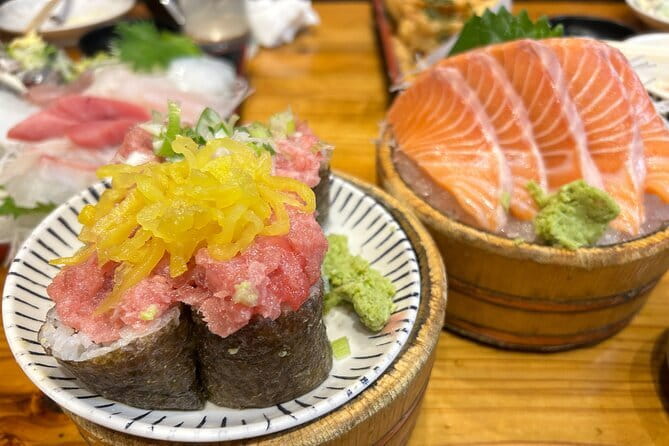
- Up to 15 dishes and three drinks: The generous tasting menu can include sushi, gyoza, fried tofu, yakitori, vegetables, kushikatsu, sake, beer, and other Japanese favorites.
- A useful first look at Shinjuku nightlife: You see three very different areas, from narrow postwar-style lanes to tiny bars in Golden Gai.
- Guides make a big difference: Strong guides have added local context, adapted the pace, and helped people try unfamiliar food.
- Shoes may come off: One restaurant requires guests to remove their shoes, so wear clean socks and footwear that is easy to take off.
- The price is $112.75 per person: That can be fair for a full meal, three drinks, and guided access to places that are not simple for first-time visitors to find.
Why Shinjuku works so well for a food tour
Shinjuku can feel like several cities packed into one district. Bright signs, department stores, narrow lanes, office towers, tiny drinking rooms, and late-night restaurants all sit within walking distance. It is exciting, but it is also easy to wander past the places you actually hoped to find.
That is where this tour earns its keep. You begin at the East Exit Police Box at Shinjuku Station, then walk into Omoide Yokocho before continuing toward Kabukicho and Shinjuku Golden Gai. The route gives you a quick lesson in how Tokyo nightlife changes from one block to the next.
I would not book this only for a polished sightseeing lecture. The real value is practical. You get a guide through crowded streets, a chance to eat several small portions instead of one large meal, and an evening with other people who are also trying to make sense of the district.
The tour is listed at $112.75 per person. That is not cheap by Tokyo standards, but it includes a substantial amount of food, three drinks, four stops, and roughly three hours of company and direction. If you would otherwise spend an evening guessing which izakaya will welcome you, the cost becomes easier to justify.
More Food Tours in Tokyo
- Tokyo: Shinjuku Food Tour (13 Dishes at 4 Local Eateries)
★ 5.0 · 6,603 reviews - Tokyo: Shinjuku Food Tour (15 Dishes and 4 Eateries)
★ 4.9 · 2,033 reviews - Best of Shinjuku: Izakaya Food Tour (4 Stops, 14+ Tastings)
★ 5.0 · 1,863 reviews
Starting at Shinjuku Station East Exit
The meeting point is the police box at the East Exit, listed as 3-chōme-38-1 Shinjuku, Shinjuku City. This matters because Shinjuku Station is famously large and confusing. Give yourself extra time to reach the East Exit rather than relying on a last-minute dash through the station.
The tour ends back at the meeting point. That is useful if you want to continue exploring Shinjuku afterward, and it removes the worry of finding your way back from an unfamiliar side street late at night.
A mobile ticket is provided, and the meeting point is near public transportation. Most people can participate, though the evening involves walking between several neighborhoods and standing or sitting in compact eateries. If you dislike tight spaces or a quick pace, keep that in mind.
The stated maximum is 15 people. That is a sensible size for narrow lanes and small restaurants. Since one poor account described a much larger group with difficulty hearing the guide, I would confirm the expected group size before booking if a quiet, personal experience matters to you.
Omoide Yokocho: Tokyo’s nostalgic first course
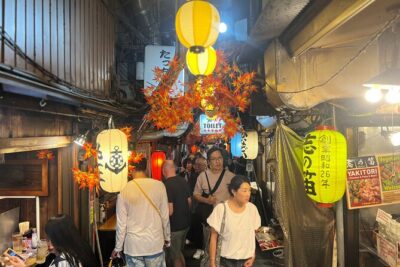
The first hour takes place around Omoide Yokocho, one of Shinjuku’s most recognizable eating lanes. The name is often translated as Memory Lane, and the atmosphere is part of the attraction. The passageways are narrow, the eateries are compact, and the setting feels very different from the broad streets around Shinjuku Station.
Here you may sample yakitori, fried tofu, gyoza, grilled vegetables, and other small dishes. Craft beer and sake are also part of the drinking selection. This is a good opening because the food arrives in approachable portions, letting you try several flavors without committing to one unfamiliar dish.
The gyoza receives particularly strong praise in the tour feedback, while other highlights have included custard-filled fish and a sake tasting. The exact dishes can vary, so I would treat the advertised 15 as up to 15 rather than a fixed menu. Still, the range should give you a broad introduction to everyday Japanese bar food.
Omoide Yokocho is also a place where the guide’s role matters. A first-time visitor might see only a crowded lane of signs and grills. A good guide can help explain what you are eating, point out how the small restaurants work, and keep the group moving without losing anyone.
The drawback is space. These places are not designed like large sightseeing restaurants. You may sit close to other people, and the narrow lanes can make it hard to stay beside the guide. Comfortable shoes and attention at crossings will help.
Kabukicho: A local-style izakaya stop
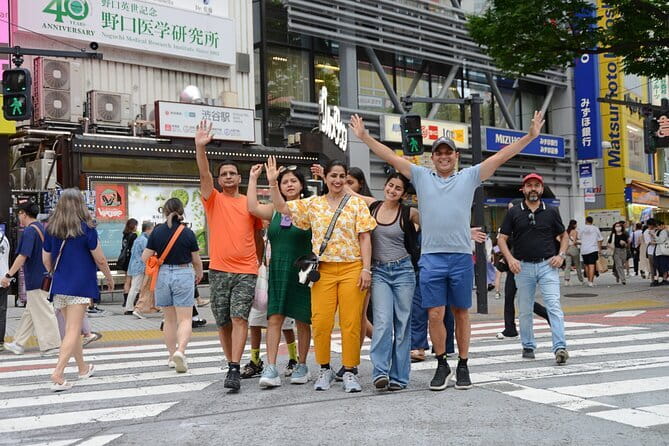
From Omoide Yokocho, the route continues into Kabukicho, Shinjuku’s famous entertainment district. The name may bring to mind neon, clubs, and nightlife, but the tour uses the area to reach an izakaya recommended for its food rather than simply walking through the main tourist streets.
This stop is meant to feel more local and less obvious. The appeal is not a grand dining room. It is the chance to sit in a Japanese drinking establishment where you might not feel confident ordering without help.
The menu can include juicy gyoza, sushi, fried items, grilled foods, and other small plates. Kushikatsu, the popular Osaka-style fried skewer dish, is among the foods highlighted for the experience. With several dishes arriving over the evening, you can compare textures and styles instead of eating the same type of food at every stop.
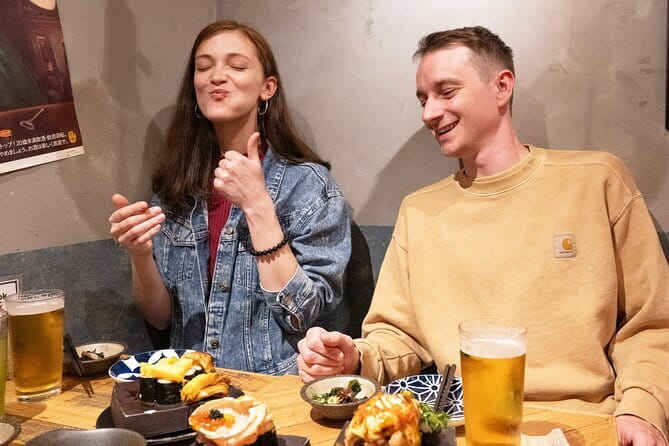
I like this structure because it shows you how an izakaya meal works. You are not simply handed one plate and sent on your way. You get a series of shared portions, drinks, and chances to ask questions. That makes the evening useful for the rest of your time in Japan, especially if you plan to eat independently afterward.
There is a practical caution here. The venues can be difficult to locate, and the small streets are not always intuitive. One negative account described long periods spent outside while the group searched for restaurants. That is a serious problem on a three-hour tour because every delay reduces time at the table. The guide should be clear about the route and keep the group together.
A completely different kind of day out:
- Tokyo Disney Resort – Tokyo Disneyland & Tokyo DisneySea Park Tickets
★ 4.8 · 99,488 reviews - SHIBUYA SKY Ticket
★ 4.7 · 46,509 reviews - JR Whole Japan Rail Pass
★ 4.8 · 29,150 reviews - Mt Fuji and Hakone 1-Day Bus Tour Return by Bullet Train
★ 5.0 · 26,383 reviews
Golden Gai: Tiny bars and a social finish
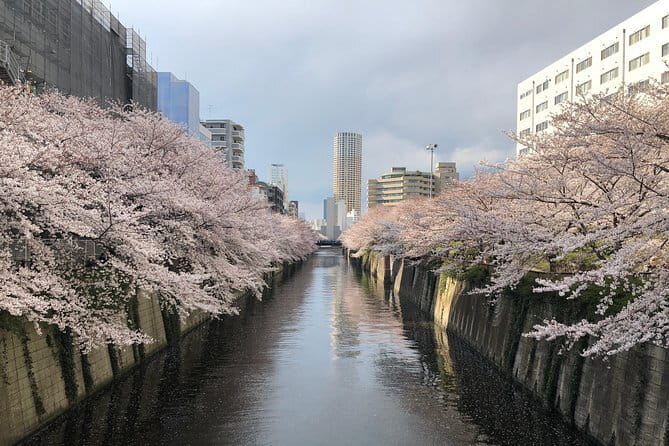
The final area is Shinjuku Golden Gai, a maze of narrow lanes packed with very small bars. The buildings are famously compact, and many bars have only a handful of seats. This is one of the most distinctive parts of the tour, but it is also the stop where expectations need adjusting.
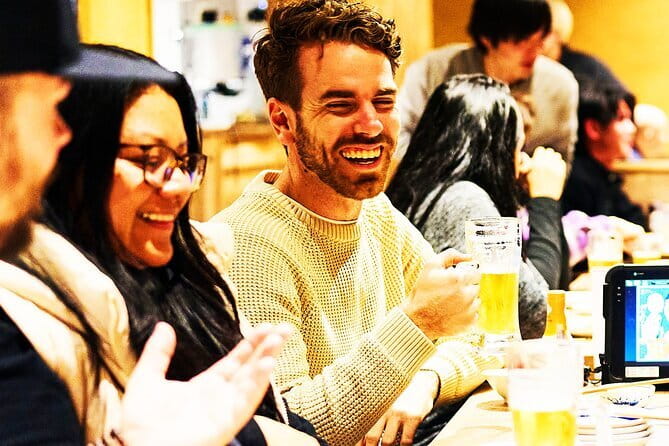
Golden Gai is not a standard restaurant district. You may be visiting a bar built around conversation, atmosphere, and limited seating rather than a large menu. The tour frames this stop as a chance to meet local people and other participants while enjoying another drink.
That social setup can work very well if you are open to conversation. Several guides have been praised for making people comfortable, explaining unfamiliar customs, and treating the evening like dinner with friends. Shun, in particular, was praised for creating a private-feeling experience and adding historical stops when the group arrangement allowed it.
The tour can also help with a common concern: entering a tiny Japanese bar for the first time. With a guide handling the introduction, you do not have to guess about seating, ordering, or basic etiquette. That assistance is valuable in Golden Gai, where a visitor walking in alone may feel unsure.
At the same time, Golden Gai is not ideal for anyone seeking a calm, spacious meal. The bars are close together, the walkways are tight, and conversation may be part of the point. If you want a quiet tasting menu with a fixed seat and detailed food presentation, this is not that kind of experience.
The food and drinks: broad variety, flexible details
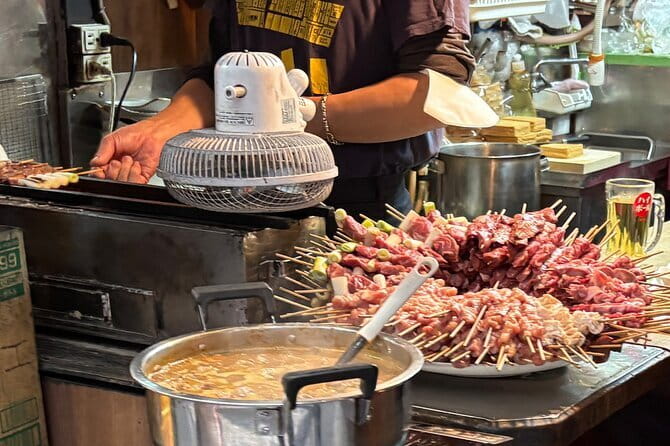
The headline promise is up to 15 dishes and three drinks. That is enough to replace dinner for many people, especially because the food is spread over four stops. The selection may include:
- Sushi
- Gyoza
- Yakitori
- Fried tofu
- Grilled vegetables
- Kushikatsu
- Other small Japanese bar dishes
- Craft beer
- Japanese sake
- A sake flight or other drink options, depending on the evening
The best part is variety. You can try familiar foods such as gyoza and sushi, then add dishes you may not have chosen on your own. Custard-filled fish has been singled out as a memorable sweet bite, and the sake tasting has been praised for its quality and range.
I would not expect every dish to be served as a full restaurant portion. This is a tasting walk, so the food is designed to be shared or served in small amounts across the evening. That is a strength if you enjoy sampling. It may be less satisfying if you want one large meal or have a very narrow diet.
The experience information does not provide a complete allergy or dietary menu. If you have strict dietary needs, ask before booking rather than assuming the guide can adjust every dish. The same applies to alcohol. Three drinks are included, but the details of each pour can vary.
One stop requires you to remove your shoes. Wear clean socks and shoes that slip off easily. It is a small detail, but it can affect your comfort and confidence when the evening is already moving quickly.
How good is the guiding?

The strongest praise is aimed at the guides. Ayaka has been described as excellent at navigating Shinjuku and helping people reach areas they may not find alone. Naoto was praised for taking the group to four spots with different moods and for serving especially good gyoza. Midori has been credited with mixing food, local history, and an enjoyable pace.
Luna, Yuki, Nono, and Shun have also received warm comments for being social, patient, and attentive. One guide took extra care of the group’s needs, while another adjusted the route with historical stops during a private arrangement.
This tells you something important: the quality may depend heavily on who leads your date. A strong guide can turn a series of restaurant visits into a coherent night out. A weak or disorganized guide can leave you outside, confused, and short on eating time.
I would ask questions as you go. If you want to know what a dish is, how it is normally eaten, or why an area matters, speak up. The best results come when you treat the guide as a host rather than as someone who simply carries the group from door to door.
Who will get the most from this evening?
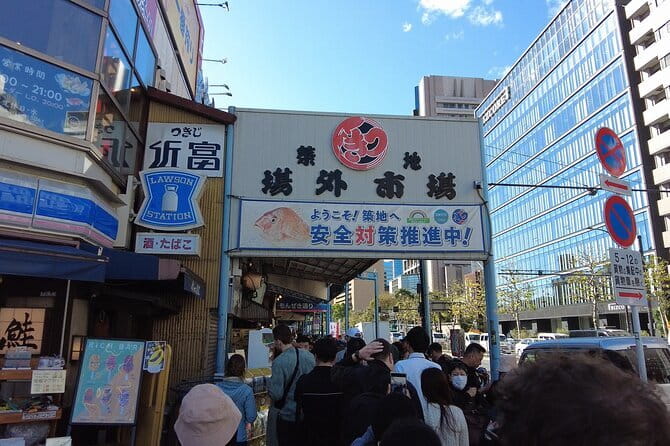
I would recommend the tour most strongly to first-time visitors to Tokyo, solo people who want company at dinner, and anyone who feels unsure about entering small local bars. It is also a good fit if you want to sample many foods in one night without planning four separate restaurant visits.
Food lovers who enjoy sake, grilled dishes, fried snacks, and shared plates should have plenty to explore. The tour also suits people who want to meet fellow participants, since conversation and mingling are part of the Golden Gai stop.
You may want another option if you have serious food restrictions, dislike alcohol, need a slow walking pace, or prefer a private and quiet dinner. The tour is social and compact. It is not built around long explanations at every dish or generous personal space.
The stated group cap of 15 is reassuring, but the conflicting account of a much larger group is worth noting. I would confirm the number if you are booking for a special occasion or if you find large groups stressful.
Value, timing, and cancellation
At $112.75, the tour asks you to pay for more than food. You are also paying for a route through hard-to-find venues, three drinks, a guide, and a structured evening in one of Tokyo’s most confusing nightlife districts.
If you bought comparable dishes and drinks on your own, the total could be lower or higher depending on what you ordered. The tour’s value comes from reducing guesswork. You can try several places in one evening, learn the basic rhythm of izakaya dining, and finish at Golden Gai without having to research every bar.
The duration is about three hours. Since the evening includes four eateries and walking between areas, the schedule has little room for delays. Arrive at the East Exit meeting point early, keep your phone charged, and stay near the guide when moving through crowded streets.
Free cancellation is available if you cancel at least 24 hours before the start time. Cancellations within 24 hours are not refunded, and changes during that period are not accepted. The cut-off follows Tokyo local time.
Should you book this Shinjuku food tour?
Book it if you want a friendly, food-filled introduction to Shinjuku and would rather let a local guide handle the route. The combination of Omoide Yokocho, Kabukicho, and Golden Gai gives you three very different nightlife settings, while the food count makes the $112.75 price easier to defend.
I would be especially happy booking with a guide known for patience and local insight, since the best experiences here appear to come from the human touch. Before paying, confirm the group size, ask about current food choices if you have dietary limits, and prepare for a shoe-removal stop.
Skip it if you want a quiet meal, a fixed menu, or a private tour with plenty of time at each restaurant. For most first-time visitors who want to eat widely, drink some sake, and get their bearings in Shinjuku, this is a strong introduction with one important condition: good organization matters.
FAQ
How long does the Shinjuku food tour last?
The experience lasts approximately three hours.
How many dishes and drinks are included?
The tour includes up to 15 recommended Japanese dishes and three drinks.
How many eateries does the tour visit?
The experience visits four eateries across Omoide Yokocho, Kabukicho, and Shinjuku Golden Gai.
Where does the tour start?
It starts at the police box by Shinjuku Station’s East Exit, listed at 3-chōme-38-1 Shinjuku, Shinjuku City, Tokyo 160-0022, Japan.
Where does the tour end?
The tour ends back at the meeting point.
What is the maximum group size?
The stated maximum is 15 participants.
Does the tour include alcoholic drinks?
Three drinks are included, with options described as craft beer and Japanese sake. A sake flight may also be included depending on the tour arrangements.
Can I cancel for a full refund?
Yes. You can receive a full refund if you cancel at least 24 hours before the experience start time. Cancellations or changes made within 24 hours are not refunded or accepted.
Just added in Tokyo
- Japanese Home Cooking Class & Walk in Todoroki Temple Tokyo★ 5.0 · 88 reviews
- A One-of-a-Kind Sushi Experience in a Special Place of Japan★ 5.0 · 15 reviews
- Tokyo Cute Bento Cooking Class – Make a Kawaii Character Lunchbox★ 5.0 · 126 reviews
- Japan Tokyo Tower Observatory Deck E-Ticket★ 4.0 · 34 reviews
- Catch a Baseball Game in Tokyo with a Local – Tickets Included★ 5.0 · 24 reviews
- JDM Experience with Fast&Furious RX-7 (English speaking Driver)★ 5.0 · 57 reviews
- Tokyo Private Day Tour by Car with English speaking Driver Guide★ 4.0 · 29 reviews
- Japan Classic 10 Day – One Life Adventures★ 5.0 · 129 reviews
Food Tours, compared.
Shinjuku Food Tour (13 Dishes at 4 Local Eateries)
Read our review →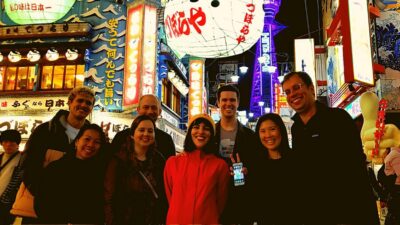
Shinsekai Food Tour with 13-15 Dishes at 5 Eateries
Read our review →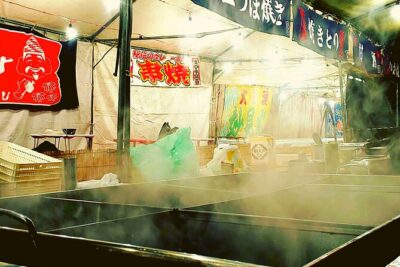
Osaka Food Tour: 13 Dishes at 5 Local Eateries
Read our review →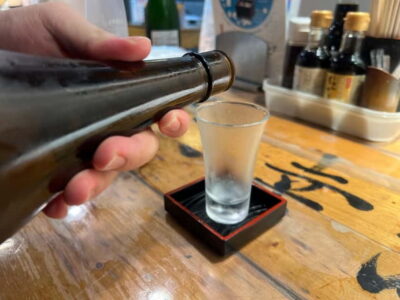
Shinjuku Food Tour (15 Dishes and 4 Eateries)
Read our review →
Best of Shinjuku: Izakaya Food Tour (4 Stops, 14+ Tastings)
Read our review →
Kyoto Night Foodie Tour in Gion (9+ dishes + 6 Sake tastings)
Read our review →
Hungry Osaka Street Food Tour:15 Tastings & 3 Drinks with a Local
Read our review →
Tokyo Night Foodie Tour in Shinjuku – Seasonal Sushi, Wagyu Beef
Read our review →Browse the lists this tour appears in