
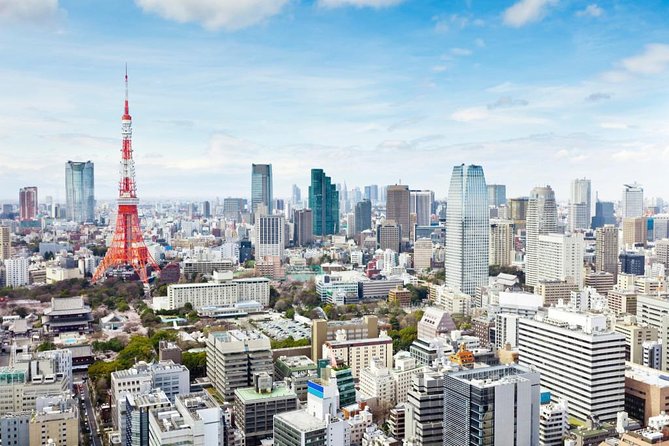
Reviewed · PRIVATE TOURS IN TOKYO
Tokyo 4hr Private Tour with Government-Licensed Guide
Tokyo rewards a good plan. This private half-day tour lets you choose two or three sights with a licensed English-speaking guide, which is especially useful when you want to see major landmarks without spending your first day wrestling with train maps. I like the flexible route and the practical help with public transportation. The main catch is that four hours passes quickly, and transportation, meals, and admission fees are extra.
The tour costs $109.43 per person, with group discounts available. Its strongest value is not the number of places you can squeeze in, but the personal guidance: guides such as Koba, Yusuke, Katsu, Julie, and Michio have helped visitors understand shrine customs, find easier routes, buy train tickets, reload Suica cards, and adjust the pace for older adults and young children. Still, guide quality can vary, and clear spoken English is important here.
In This Review
- Key points to know before booking
- Why a private four-hour tour can make Tokyo easier
- Asakusa and Senso-ji: the best opening for old Tokyo
- Imperial Palace grounds: history without palace interiors
- Meiji Jingu, Yoyogi Park, and Harajuku
- Shibuya Crossing and the modern Tokyo experience
- Tsukiji: a food stop with costs of its own
- Gardens for a quieter side of Tokyo
- Akihabara, Odaiba, and Tokyo Tower
- Traditional neighborhoods beyond the main sights
- How much ground can you cover in four hours?
- Price, guide quality, and what you receive
- Who should book this Tokyo tour?
- Should you book the four-hour private Tokyo tour?
- FAQ
- How long is the Tokyo private tour?
- How many sights can I choose?
- Is hotel pickup included?
- Is this a private group experience?
- Are transportation fees included?
- Are entrance fees included?
- Can I enter the Imperial Palace?
- Does the Tokyo Tower visit include the top deck?
- Can I cancel for a full refund?
Key points to know before booking
- Choose two or three Tokyo sights: The long list of possible stops is a menu, not a promise that you will visit them all.
- Learn the subway with private help: Several guides have assisted with train routes, Shinkansen tickets, Suica cards, and station navigation.
- Walk between the city’s highlights: Pickup is on foot within a designated Tokyo area, and no private vehicle is included.
- Build the tour around your interests: Combine temples, gardens, food markets, modern districts, or traditional neighborhoods.
- Expect extra costs: Transportation, entrance fees, lunch, and personal purchases are not included.
- Allow for guide differences: The overall rating is 4.9 from 1,396 ratings, with 98 percent recommending the experience, but a few people found their guide difficult to understand.
Why a private four-hour tour can make Tokyo easier
Tokyo is not hard because its sights are hidden. It is hard because the city is huge, rail lines overlap, station exits multiply, and a short visit can disappear in transit. A private guide gives you someone to handle the practical details while you focus on the city around you.
The strongest part of this experience is the ability to set priorities. You might choose old Tokyo in Asakusa, the Imperial Palace grounds, and Meiji Jingu Shrine. Or you could build a food and city-life route through Tsukiji, Shibuya, and Harajuku. You are not tied to a fixed bus route or a large group waiting for stragglers.
The four-hour limit is both useful and restrictive. It is long enough for a focused introduction, but not long enough to cover every major district. One successful route included the Imperial Palace East Garden, Meiji Jingu Shrine, Shibuya Crossing, and a return to the hotel. That is a sensible amount for a half-day, especially if you want time to listen rather than race from one photo stop to the next.
You should also think of this as a walking and public transportation experience, not a chauffeured sightseeing trip. The guide meets you on foot within the designated area, and you pay your own train or subway fares. If you want a private car, this is the wrong tour.
More Private Tours in Tokyo
- Tokyo 6hr Private Tour with Government-Licensed Guide
★ 5.0 · 3,902 reviews - Private Tour to Mt. Fuji and Hakone (Fully Licenced Operator)
★ 5.0 · 1,910 reviews - Tokyo Customized Private Tour (Must See Places in 1 Day)
★ 5.0 · 1,499 reviews
Asakusa and Senso-ji: the best opening for old Tokyo
Asakusa gives you an immediate sense of Tokyo’s older downtown, known as shitamachi. The area preserves an atmosphere tied to earlier decades, and Senso-ji is its main draw.
Senso-ji is one of Tokyo’s most colorful and popular Buddhist temples. The legend of its founding begins in 628, when two brothers found a statue of Kannon in the Sumida River. Your guide can provide the cultural context that a quick visit alone may miss, including how to behave at a temple and what you are seeing.
The temple area is free to enter, which makes it a good choice if you want to keep added costs low. The tradeoff is distance. Pairing Asakusa with Shibuya or Odaiba in only four hours can leave little time for careful exploration, so ask your guide to be realistic about the route.
The old Tsukiji market area can pair well with Asakusa if food and traditional Tokyo appeal to you. Tsukiji is now known for its outer market, where you can browse Japanese foods and buy something from local sellers. Food purchases are your responsibility, but a guide can make the experience less confusing and more social. One guide, Bruce Sugano, combined Tsukiji with sushi, sake, a nostalgic shopping street, and Senso-ji.
Imperial Palace grounds: history without palace interiors
The Imperial Palace sits on the former site of Edo Castle, in a large park area surrounded by moats and huge stone walls. The grounds offer a useful introduction to Tokyo’s connection with the Tokugawa shoguns and the city’s transformation from Edo into modern Tokyo.
Be clear about one point: this tour does not include access inside the Imperial Palace. The visit focuses on exterior areas and grounds, including the East Garden when the route allows. Entrance fees may apply to selected gardens, and those costs are not included.
I like this stop for visitors who want a calmer break from Tokyo’s dense streets. One guide, Taku, received special praise for explaining the palace grounds, while Koba included the East Garden in a well-paced four-hour route. The palace is also a practical central stop, but combining it with distant neighborhoods requires careful subway planning.
Meiji Jingu, Yoyogi Park, and Harajuku
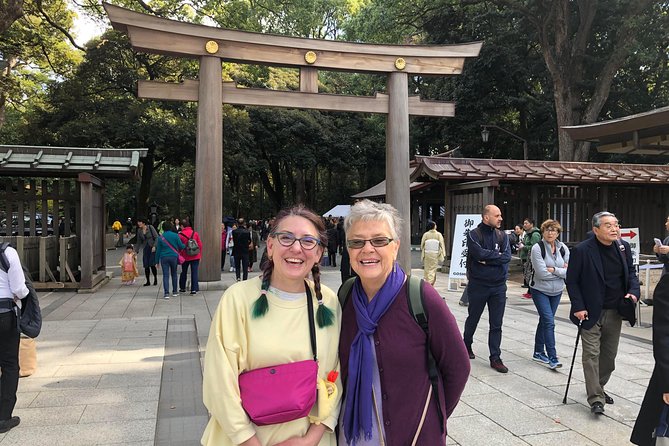
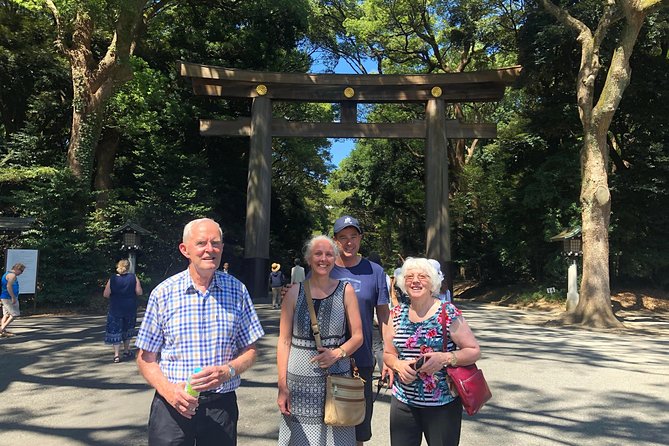
Meiji Jingu Shrine is dedicated to the deified spirits of Emperor Meiji and Empress Shoken. It sits beside Harajuku Station, yet the setting feels far removed from the station’s crowds and fashion shops.
A guide can explain basic shrine customs, Shinto practices, and the difference between Shinto and Buddhism. Yusuke, one of the guides praised for his clear explanations, helped visitors understand what to do at the shrine and pointed out seasonal sights, including Shinto wedding processions and a chrysanthemum display.
Yoyogi Park is nearby and offers wide lawns, ponds, and wooded areas. A listed visit can last about 30 minutes, so it works as a short breathing space rather than a full park outing. Admission is free.
Takeshita Street brings you back into Harajuku’s youth fashion scene. The street is known for bold teenage styles, but the wider Harajuku area also includes older cultural sites such as Meiji Jingu. The contrast makes this trio one of the most efficient choices for a first Tokyo visit.
Families may find this area especially manageable with a private guide. Michio adjusted one tour for a four-year-old, while Julie helped older adults avoid long stairs. These examples show the practical value of a private pace, though you should tell the operator about mobility needs before the tour.
A completely different kind of day out:
- Tokyo Disney Resort – Tokyo Disneyland & Tokyo DisneySea Park Tickets
★ 4.8 · 99,488 reviews - SHIBUYA SKY Ticket
★ 4.7 · 46,509 reviews - JR Whole Japan Rail Pass
★ 4.8 · 29,150 reviews - Mt Fuji and Hakone 1-Day Bus Tour Return by Bullet Train
★ 5.0 · 26,383 reviews
Shibuya Crossing and the modern Tokyo experience
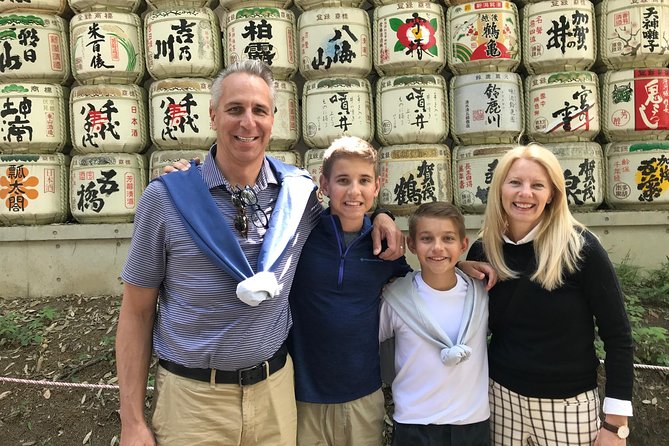
Shibuya Crossing, called Shibuya Scramble locally, is Tokyo’s famous intersection where pedestrians cross from several directions at once. The nearby Hachiko statue honors the loyal dog whose story has become part of Tokyo’s public memory.
This is a short, high-energy stop. Your guide may know useful viewing points, and Katsu was specifically praised for showing a good vantage point near the crossing. The area is also easy to pair with Meiji Jingu or Harajuku, since these districts connect well by the Yamanote Line.
The appeal is simple: you see Tokyo functioning at full speed. The limitation is that a crossing and statue are experiences measured in minutes, not hours. If you prefer gardens, temples, or local neighborhoods, do not let Shibuya consume the route just because it is famous.
Tsukiji: a food stop with costs of its own
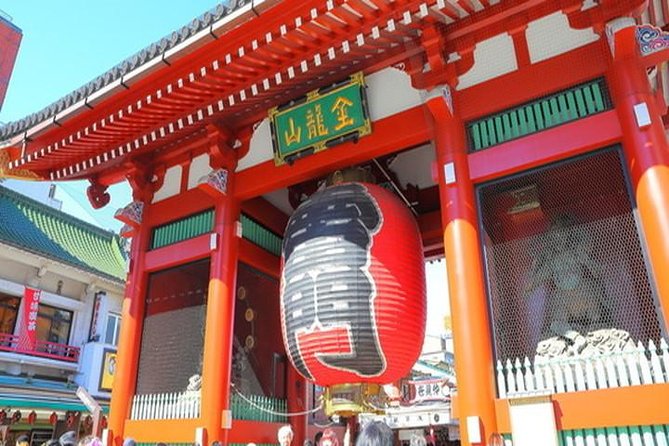
Tsukiji is the old fish market area and remains a lively place to browse Japanese food. It is a good choice if you want your tour to include tasting rather than only sightseeing.
Admission is free, but the food is not. You should budget for snacks or a meal if you select this stop. Since lunch is excluded, confirm how much time your guide expects you to spend eating. Some people prefer a few small food-stall purchases, while others want a proper restaurant meal, and those plans can change the pace of the entire tour.
Tsukiji also pairs well with Ginza or Hama Rikyu Gardens, though the garden has its own entrance fee. Bruce’s tour included sushi and sake, showing how a guide can turn a market visit into a cultural introduction rather than a quick walk past food stalls.
Gardens for a quieter side of Tokyo
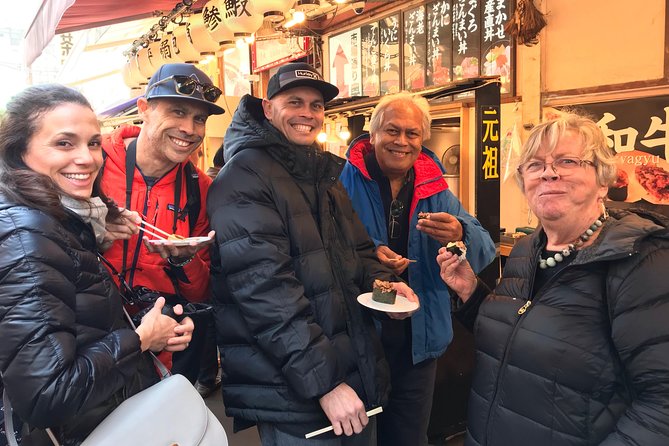
The tour’s choices include several Japanese gardens, and each suits a different route.
Shinjuku Gyoen National Garden is one of Tokyo’s largest and most popular parks, with lawns, walking paths, and quiet scenery close to Shinjuku Station. Admission is not included. It is a strong pick if you want to slow down after busy streets, but it may be too spread out for a rushed four-hour plan.
Koishikawa Korakuen Garden is one of Tokyo’s oldest Japanese gardens. It was built during the early Edo period for the Mito branch of the ruling Tokugawa family. Admission is extra, and the garden deserves more than a token ten-minute photo stop if you care about design and seasonal details.
Rikugien Garden is often considered one of Tokyo’s most beautiful Japanese gardens, alongside Koishikawa Korakuen. Built around 1700 for the fifth Tokugawa shogun, it takes its name from the six principles of poetry. Like the other paid gardens, it can add a pleasant but less central focus to your tour.
Hama Rikyu Gardens sits beside Tokyo Bay and includes seawater ponds that change with the tide, plus a teahouse. It is a good choice for a mix of garden scenery and waterfront views. Admission is not included, so factor that into the price.
The private format works well for gardens because you can set the walking pace and ask for help noticing details. One guide paired Koishikawa Korakuen with Tsukiji and Meiji Jingu for visitors interested in birds, trees, and nature.
Akihabara, Odaiba, and Tokyo Tower
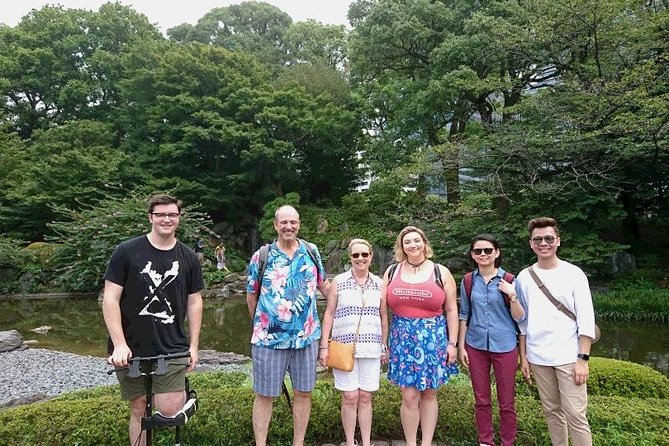
Akihabara is famous for electronics shops and has also become a center of anime, manga, and gaming culture. It suits visitors who want modern pop culture and shopping more than temples or gardens. The district is not a natural partner for every route, so choose it only if it is a real priority.
Odaiba is a shopping and entertainment district on a man-made island in Tokyo Bay. Its history begins with small man-made fort islands, and its modern character is very different from Asakusa or Nezu. The listed visit can take about 30 minutes, but transportation time matters because it is separated from central Tokyo.
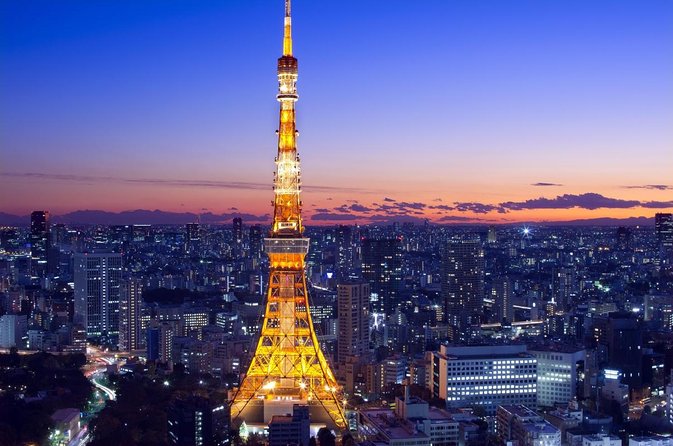
Tokyo Tower is a communications and observation tower built in 1958. It rises 332.9 meters in the Shiba-koen district. The tour includes only access up to the main deck, not the top deck, and admission is extra. A 30-minute stop may work for a quick view, but you should not expect a long tower visit alongside several distant districts.
Traditional neighborhoods beyond the main sights
Shibamata retains an old-school feel on Tokyo’s eastern edge near the Edogawa River, the natural boundary between Tokyo and Chiba Prefecture. It is a good choice if you have already seen the central highlights or want a less familiar side of the city.
Nezu and nearby Yanaka are part of old Tokyo’s shitamachi. They avoided major damage during the world wars and natural disasters, leaving older houses and neighborhood shrines. One guide showed visitors homes that survived the war and local shrines where residents memorialized ancestors. This is the sort of route that can feel personal and grounded, but it is not the best choice if you want a checklist of Tokyo icons.
Golden Gai in Shinjuku began around 1950, after a black market shifted near Shinjuku Station and small eating and drinking establishments took root. The area is known for its tiny bars and narrow lanes. A short visit can give you a look at a distinct piece of postwar Tokyo, though drinks and food are extra and the area may not suit every family.
Gotokuji Temple in Setagaya is associated with the maneki-neko, the luck-inviting cat figurine. The listed time is only about 10 minutes, so treat it as a brief stop unless your guide reshapes the route around it. Admission is free.
How much ground can you cover in four hours?
The practical answer is two or three nearby sites. The long list of possible destinations can sound as if you will see all of Tokyo in one afternoon, but that is not realistic on foot and public transportation.
A sensible plan might include:
- Meiji Jingu, Harajuku, and Shibuya
- Asakusa, Senso-ji, and Tsukiji
- Imperial Palace grounds, Tokyo Station area, and one nearby garden
- Tsukiji, Hama Rikyu Gardens, and Ginza
- Nezu, Yanaka, and Rikugien
You can request more distant combinations, but the train rides will reduce your sightseeing time. Guides have sometimes run slightly over four hours, but you should not rely on that. Ask for a route that fits the stated duration.
The subway help may be the most useful part of the tour. Guides have helped visitors manage different combinations of JR passes, Suica cards, and no transit cards at all. They have also explained how to reach Tokyo Station, reload Suica, find an ATM, and buy Shinkansen tickets. That practical knowledge can save you from losing half a morning later in the trip.
Price, guide quality, and what you receive
At $109.43 per person, this is not a budget walking tour. You are paying for a private guide, a custom route, and the chance to ask questions without a large group controlling the pace. For a couple or small family, the cost can be fair if you use the guide to learn Tokyo’s transport system as well as its sights.
The price does not cover train and subway fares, entrance fees, lunch, or personal expenses. Paid destinations include Shinjuku Gyoen, Koishikawa Korakuen, Hama Rikyu, Tokyo National Museum, Rikugien, and Tokyo Tower. The top deck at Tokyo Tower is also excluded.
The experience has a 4.9 rating from 1,396 ratings, and 98 percent recommend it. The most praised qualities are guide flexibility, historical and cultural explanations, punctuality, kindness, and help with public transportation. Several guides were singled out for adapting routes and pace, including Katsu, Yusuke, Julie, Michio, Masa, Naoko, and Toru Higaki.
There is one important caution. A few people found their guide’s English difficult to understand, including one family whose teenagers stopped following the commentary. The company uses licensed local guides, but individual communication styles differ. If detailed spoken explanation is your top priority, send clear questions about language ability and interests before booking.
Free cancellation is available up to 24 hours before the start time. Date changes made within two days can lead to a different guide or no availability, so choose your date carefully.
Who should book this Tokyo tour?
I would choose this experience if you are visiting Tokyo for the first time, have only a day or two, or feel uneasy about the rail system. It is also a good fit for families, older adults, and anyone who wants a route adjusted for pace, stairs, food interests, or cultural focus.
You should also book it if you want local neighborhood context instead of only famous photo stops. Nezu, Shibamata, Gotokuji, and Yanaka can show you a quieter side of Tokyo, while a guide can explain why a shrine, garden, or old house matters.
I would skip it if you want a fixed sightseeing schedule, a private vehicle, included admission, or a full-day tour. Four hours will not cover the entire city, and the extra transport and food costs can add up.
Should you book the four-hour private Tokyo tour?
Book it if you want a flexible introduction and practical subway training, and if you are willing to choose only two or three priorities. Before the day, tell the operator your interests, walking pace, hotel location, and preferred neighborhoods.
For the best use of time, group nearby sights and avoid crossing the whole city. Ask for clear guidance on which admissions cost extra, and confirm the guide’s English communication if your group depends heavily on detailed commentary. Used this way, the tour can give you both Tokyo’s headline sights and the confidence to explore on your own afterward.
FAQ
How long is the Tokyo private tour?
The tour lasts approximately four hours.
How many sights can I choose?
The tour includes a customizable itinerary of two or three sites from the available destinations.
Is hotel pickup included?
Meetup is on foot within a designated area of Tokyo. A private vehicle is not included.
Is this a private group experience?
Yes. Only your group participates, and multiple tour groups cannot be combined.
Are transportation fees included?
No. You pay transportation costs, including public transportation used during the walking tour.
Are entrance fees included?
No. Entrance fees are generally extra. Guide entry fees are covered only for sights listed under the tour’s included expectations.
Can I enter the Imperial Palace?
No. The tour does not include access to the inside of the Imperial Palace.
Does the Tokyo Tower visit include the top deck?
No. Access is limited to the main deck. The top deck is not included, and admission is extra.
Can I cancel for a full refund?
Yes. Cancel at least 24 hours before the experience start time for a full refund. Cancellations or changes made less than 24 hours before the start time are not accepted for a refund.
Just added in Tokyo
- MT. FUJI/ Private Tour delivered and guided by a top-tier driver★ 5.0 · 27 reviews
- Mt fuji & Hakone customizable day tour w/ English speaking driver★ 5.0 · 45 reviews
- Fuji Speedway Self Drive & Mt. Fuji Private Tour pickup & dropoff★ 5.0 · 14 reviews
- Mt.Fuji Trekking 1 Day Tour up to the summit★ 5.0 · 14 reviews
- Seasonal Mt. Fuji Scenic Views, Fruit Picking and Ropeway Ride!★ 4.5 · 35 reviews
- Customisable Mt.Fuji Private Day Trip, English Speaking Driver★ 5.0 · 22 reviews
- Private Mt Fuji Tour from Tokyo: Scenic BBQ and Hidden Gems★ 5.0 · 146 reviews
- Private Mount Fuji Tour in Luxury Vehicle with English Guide★ 4.5 · 39 reviews
Private Tours in Tokyo, compared.
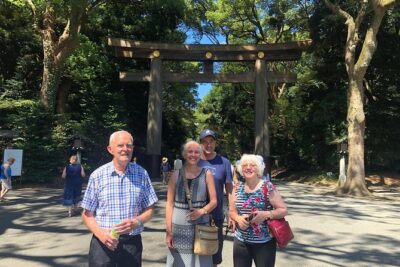
Tokyo 6hr Private Tour with Government-Licensed Guide
Read our review →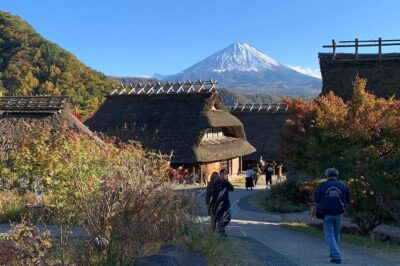
Private Tour to Mt. Fuji and Hakone (Fully Licenced Operator)
Read our review →
Tokyo Customized Private Tour (Must See Places in 1 Day)
Read our review →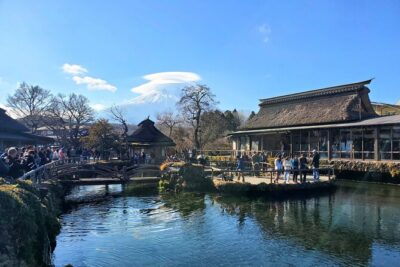
Mount Fuji Full-Day Private Tour from Tokyo (Customizable)
Read our review →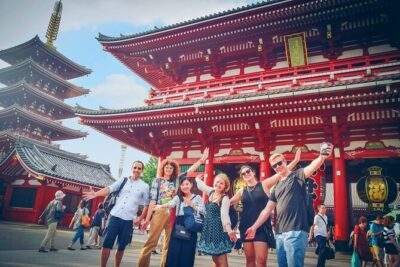
Tokyo Customized Private Tour: See Top Attractions in 1 Day
Read our review →
Mt Fuji Private Tour with English Speaking Driver
Read our review →
Mt. Fuji & Hakone Private Day Tour with English-Speaking Driver
Read our review →
Tokyo Private Day Trip – Enjoy Your First-Time Visit to Tokyo!
Read our review →Browse the lists this tour appears in