
Reviewed · FOOD TOURS
Tokyo: Allstar Food Tour
Tokyo tastes best under the tracks. I like this tour for its mix of Ginza luxury and Yurakucho alley life, plus the chance to try food from different Japanese regions without guessing what to order. The small group, limited to 10 people, also makes conversation with the guide easy. The main drawback is the $181 price, which feels high if you want only a few samples or prefer choosing your own restaurants.
This is especially appealing on your first evening in Tokyo. Guides such as Josh, Motoko, Sandra, Satoshi, and Ryan have been praised for their warmth, humor, and cultural explanations, though your guide will depend on the date. You should also know that transportation, extra drinks, hotel pickup, and gratuity cost extra.
In This Review
- Key points to know before booking
- Starting beneath Ginza’s famous clock
- Ginza’s polished streets and serious food culture
- Yurakucho’s railway-side izakaya
- Old snack traditions and regional flavors
- What you eat, drink, and pay for
- Guides who make the difference
- Timing, walking, and the evening pace
- Dietary needs and age requirements
- Who gets the most from this Tokyo food tour?
- Should you book the Allstar Food Tour?
- FAQ
- Where does the Tokyo Allstar Food Tour meet?
- How long does the tour last?
- What food and drinks are included?
- Is hotel pickup included?
- Can the tour accommodate dietary needs?
- What documents are needed, and can I join alone?
Key points to know before booking
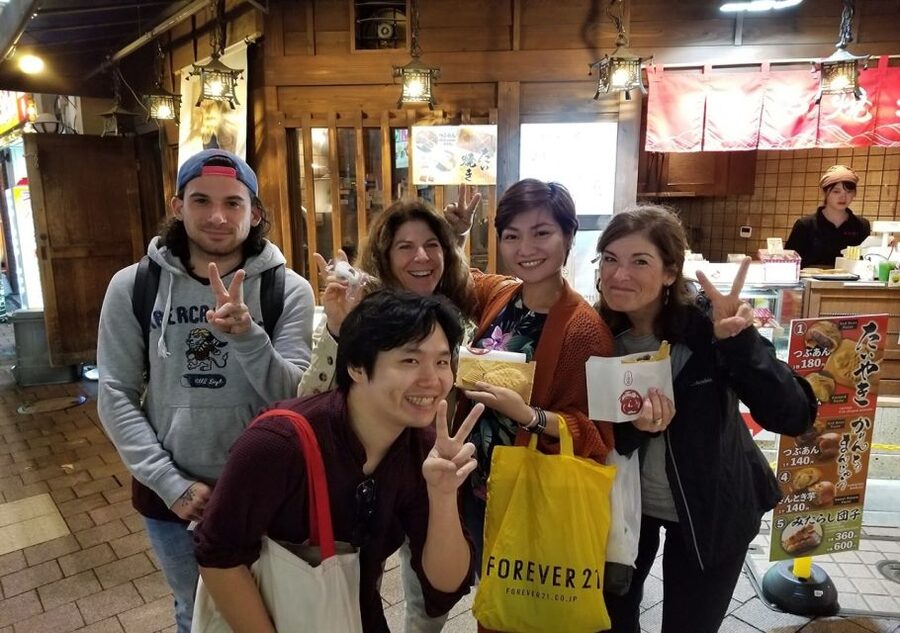
- Ginza meets Yurakucho: See Tokyo’s polished shopping district, then turn toward lantern-lit alleys and restaurants beneath the railway.
- A three-hour tasting route: Expect several food stops, two drinks, snacks, regional dishes, and dessert.
- Small-group format: The tour accepts no more than 10 participants, a useful size for ordering, walking, and asking questions.
- Old snack-making traditions: Visit a specialty snack shop with more than 300 years of history and try crisp rice crackers tied to a recipe more than 200 years old.
- Izakaya customs explained: Your English-speaking guide helps you understand the etiquette and social role of Japanese pubs.
- Plan for the fine print: Dietary options are available, but solo participants should email the supplier before booking, and everyone aged 10 or older must provide passport information.
Starting beneath Ginza’s famous clock
The meeting point is in front of the Ginza Wako Building, also known as Seiko House Ginza, at the Ginza 4-chome Crossing. It is about a minute from Ginza Station, and the clearest station direction is to use Exit A9.
That detail matters. Ginza Station has several exits and underground passages, so you do not want to surface on the wrong side of the district while trying to find a group. From the station, follow signs for the Ginza 4 chome Crossing Gate, pass through the fare gate, and leave through A9.
The Wako Building is an easy landmark, with its well-known clock tower and central position. Arrive with enough time to find the exit and settle in. The tour is built around walking and eating, so comfortable shoes are a better choice than anything meant only for photos.
The route begins in one of Tokyo’s most polished districts. Ginza is famous for luxury stores, department stores, high-end restaurants, and broad, carefully kept streets. It can feel formal at first, but a food guide helps you see the district as more than a shopping address.
I like this opening because it gives you a useful contrast right away. You start among expensive storefronts and grand buildings, then move toward the more informal dining culture around Yurakucho. In three hours, you get two very different views of central Tokyo without spending the whole night on trains.
More Food Tours in Tokyo
- Tokyo: Shinjuku Food Tour (13 Dishes at 4 Local Eateries)
★ 5.0 · 6,603 reviews - Tokyo: Shinjuku Food Tour (15 Dishes and 4 Eateries)
★ 4.9 · 2,033 reviews - Best of Shinjuku: Izakaya Food Tour (4 Stops, 14+ Tastings)
★ 5.0 · 1,863 reviews
Ginza’s polished streets and serious food culture
Ginza is often described as Tokyo’s most luxurious and expensive district. That description is useful, but it can also make the area seem closed off. Food is the way in.
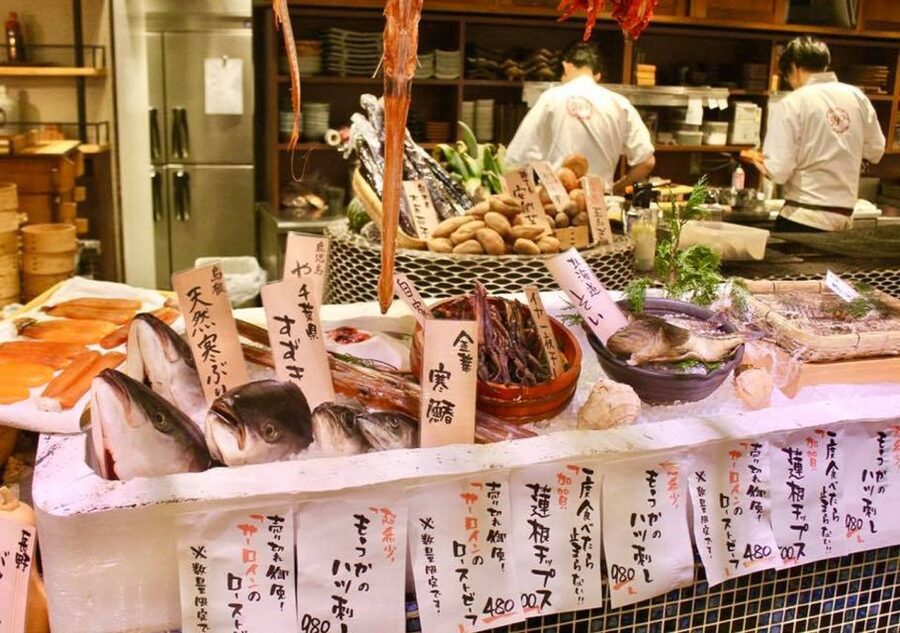
Your guide explains how regional and seasonal ingredients appear in Japanese dining. The point is not simply to collect samples. You learn why a dish belongs to a particular part of Japan, how people eat it, and which customs shape the meal.
The tour includes several food stops, rather than one large restaurant meal. That format gives you variety, but it also means portions and dishes can change. Japanese food culture is broad, and the route may include savory dishes, small snacks, grilled foods, and sweets rather than one fixed menu you could order from a restaurant.
The food stops can include department-store food counters, where you may see a remarkable range of packaged foods and prepared dishes. One description of the route refers to counters carrying around 10,000 food products. That number gives you an idea of the scale, though you should not treat every item as part of your tasting.
This kind of stop is valuable if Japanese food customs are still unfamiliar to you. A guide can explain what you are looking at and how regional specialties differ. Without that help, a large food hall can be exciting but confusing, especially when labels are difficult to read.
The tour also focuses on seasonal flavors. Japan takes seasonality seriously, and the available dishes may reflect the time of year. That is one reason the exact menu should not be treated as permanent. You are paying for a guided introduction to Japanese eating, not a guaranteed list of six specific dishes.
Yurakucho’s railway-side izakaya
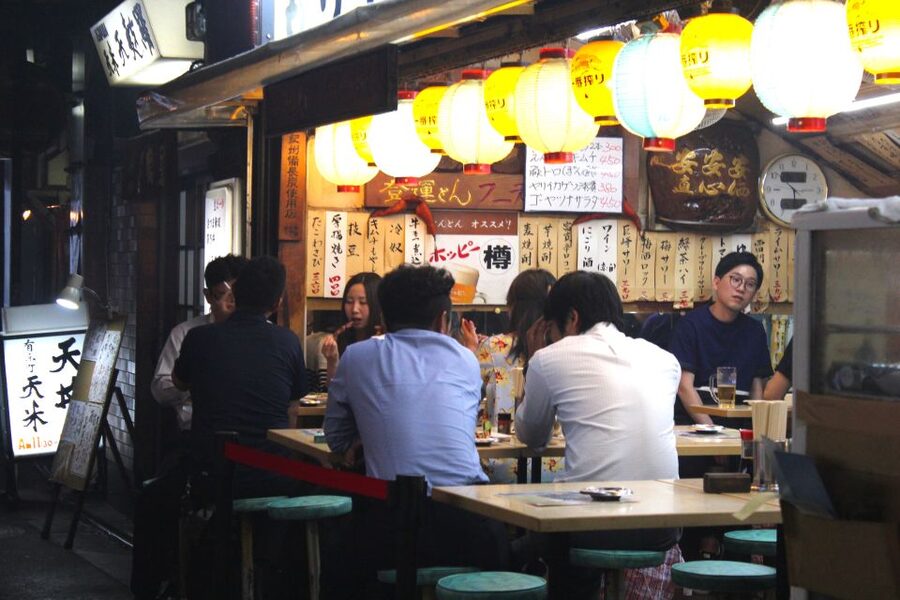
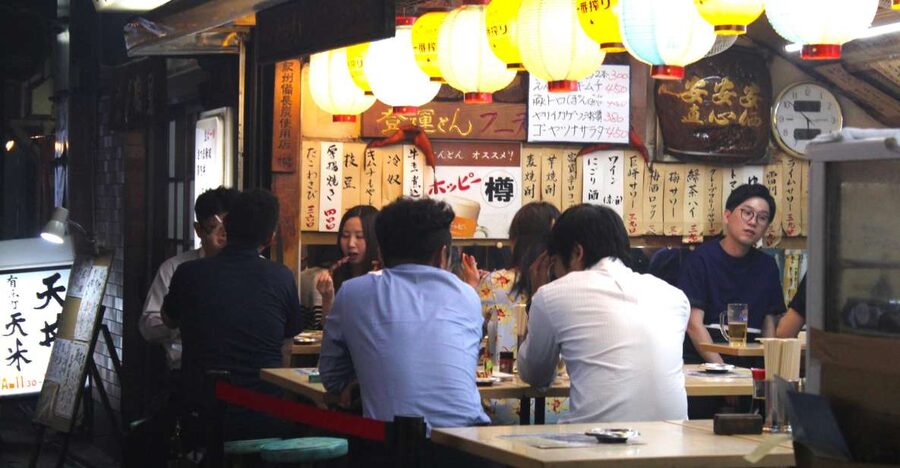
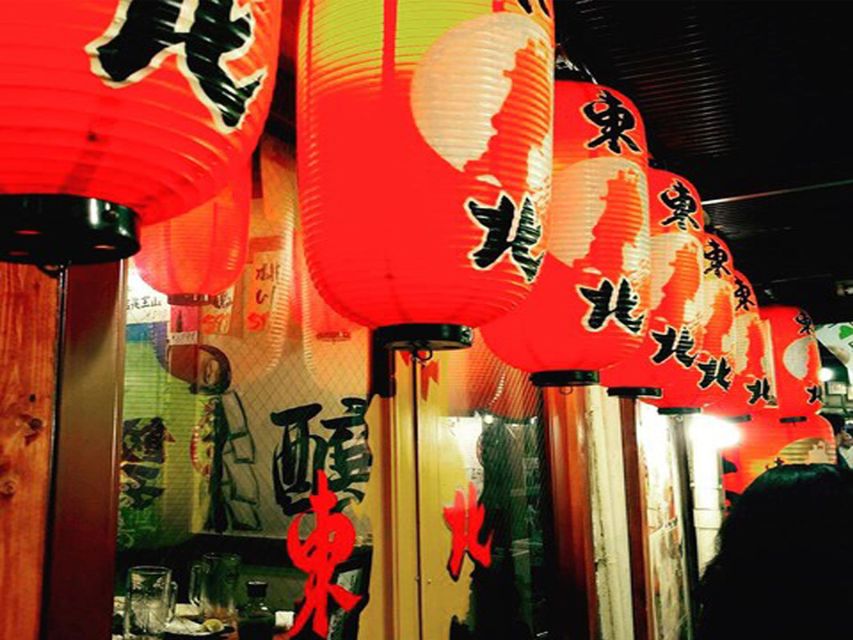
The mood changes as you reach Yurakucho. Here, restaurants and bars operate around the railway, with narrow passages, glowing red lanterns, neon signs, and the sound of trains nearby.
This is the setting many people hope to find when they picture informal Tokyo dining. Under and beside the tracks, small izakaya serve as neighborhood meeting places. An izakaya is more than a bar with food. It is a place where people order several dishes, share them, drink, and spend time talking.
Your guide introduces the customs that make an izakaya different from a standard restaurant. You learn how the ordering works, how the group shares food, and what sort of atmosphere to expect. These explanations are especially useful if you have never entered a small Japanese pub before.
Yakitori restaurants beneath the railway have been part of the route, and the grilled food fits the setting well. You may also visit a side-street bar or a tiny izakaya decorated with colorful murals. The exact stops can change, but the larger point remains: this is food in a social setting, not a restaurant showcase designed only for sightseeing.
I like this part more than a standard city food crawl because the surroundings carry as much interest as the dishes. You hear conversation, smell food cooking, and watch people settle into their evening. The spaces may be tight, and the route is not aimed at anyone seeking a quiet, formal meal. That is part of the charm, but it is also something to consider.
The tour may include an organic or eco-focused restaurant as well. That adds another angle to Tokyo’s food scene and keeps the evening from becoming only grilled meat and bar snacks. Still, you should expect a varied introduction rather than a specialist tour devoted to one cuisine.
Old snack traditions and regional flavors
One of the more unusual stops is a specialty snack shop with more than 300 years of history. The tour also highlights crisp rice crackers made with a secret recipe dating back more than 200 years.
Those details give the food a sense of place. A rice cracker may look simple, but the method, texture, seasoning, and local tradition can tell you more than a generic souvenir snack. Your guide can connect the item to regional food customs and explain what makes it different from similar products.
You may have the chance to taste snacks from several parts of Japan. This is helpful because Tokyo’s food identity is not limited to dishes created in Tokyo. The capital gathers ingredients, recipes, and specialties from across the country.
This part of the tour also works well for shoppers. If you find a snack you like, you can ask about its name and where it comes from. Since extra food and purchases are not included, bring your own budget if you want to buy more after tasting.
The long history of the snack shop does not mean you are visiting a museum. You are there to eat and learn. That practical connection makes the stop more useful than a quick look at an old storefront.
A completely different kind of day out:
- Tokyo Disney Resort – Tokyo Disneyland & Tokyo DisneySea Park Tickets
★ 4.8 · 99,488 reviews - SHIBUYA SKY Ticket
★ 4.7 · 46,509 reviews - JR Whole Japan Rail Pass
★ 4.8 · 29,150 reviews - Mt Fuji and Hakone 1-Day Bus Tour Return by Bullet Train
★ 5.0 · 26,383 reviews
What you eat, drink, and pay for
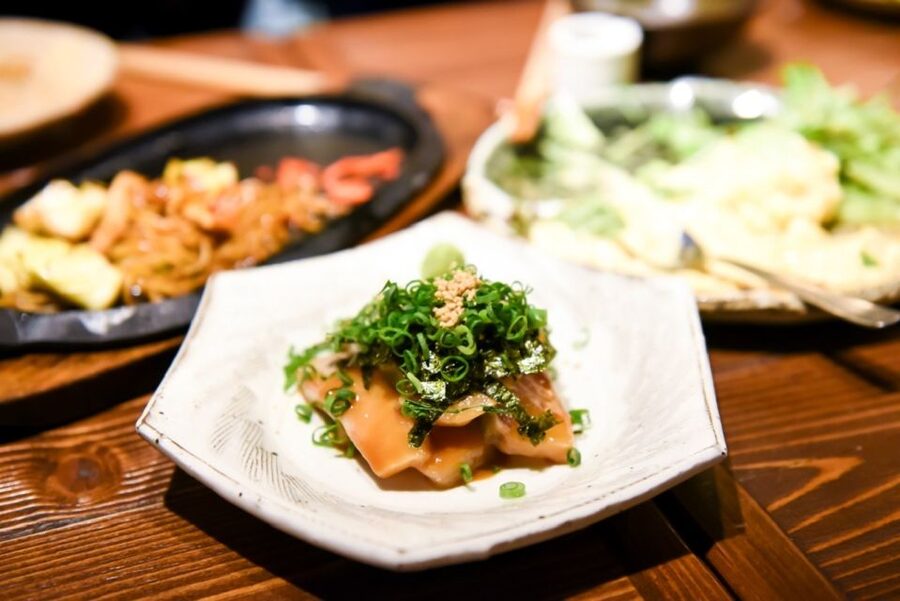
The price is $181 per person for three hours. Included are a variety of dishes at multiple stops, two drinks, unique desserts and snacks, and an English-speaking local guide.
That is a substantial price for a short evening, so value depends on how you use the tour. If you are new to Japan, the fee covers more than food. You are also paying for a local person to choose the route, explain unfamiliar customs, help with ordering, and connect the dishes to Japanese culture.
The price makes less sense if you already know Tokyo’s izakaya scene or are comfortable choosing restaurants on your own. You could certainly spend less by buying individual dishes and drinks, though you would not get the same guidance or the planned contrast between Ginza and Yurakucho.
Two included drinks help, but additional drinks and food are extra. Gratuity is not included, and you pay your own transportation costs. Hotel pickup is also not part of the standard arrangement, though it can be arranged for an additional charge.
The tour’s small size improves the value. With no more than 10 people, it is easier to hear explanations in narrow streets and small restaurants. It also gives you a better chance to ask about ingredients, etiquette, and places to eat later in your trip.
Guides who make the difference
The strongest part of this experience is likely to be the guide. Past guides have included Josh, Motoko, Sandra, Ryan, Anne, and Satoshi, and the praise has focused on their humor, warmth, food knowledge, and ability to explain Japanese culture.
Josh has been described as approachable and funny, with a start time that helped the group avoid the most crowded dinner rush. Motoko has been praised for connecting sushi, ramen, street food, and family-run restaurants with history and local context. Sandra was singled out for clear explanations and good food quality.
Satoshi received especially warm praise for the atmosphere he created, while Ryan was remembered for sharing his enthusiasm for local bars and eating places. Anne was noted for making the walk both informative and entertaining.
Guide quality can vary from one departure to another, but this is not a self-guided tasting route. The person leading you shapes the pace and explains what you might otherwise miss. If your guide is as engaging as these examples, the evening can feel like a friendly introduction rather than a list of stops.
The group size also helps here. A 10-person maximum is not private, but it is small enough for personal questions. A solo participant should email the supplier before booking, so do not assume that joining alone is automatically available.
Timing, walking, and the evening pace
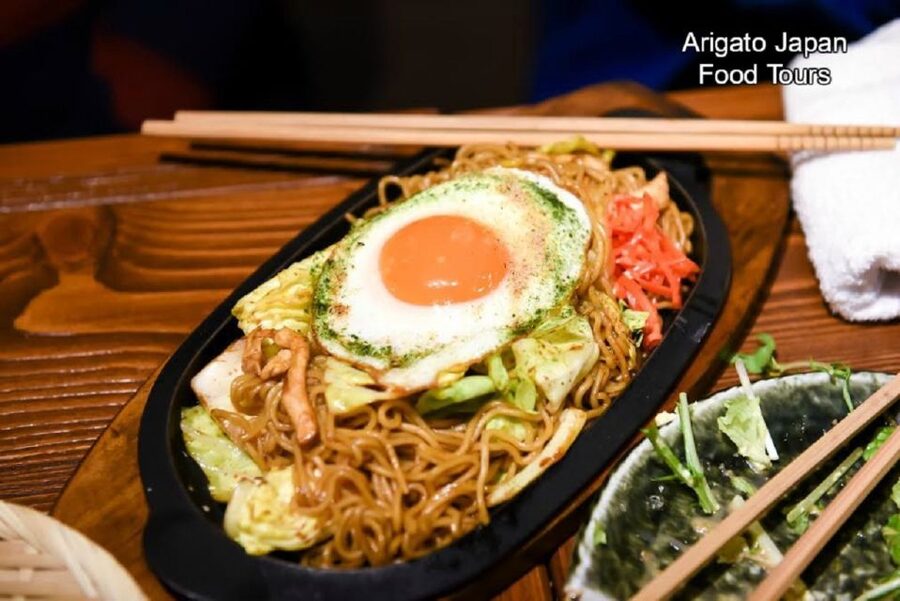
The tour lasts three hours, with starting times depending on availability. One useful feature is the chance to begin before the heaviest dinner rush. That can make it easier to enter small restaurants and keep the group moving.
You should expect a steady walking tour rather than a seated meal. The route links Ginza and Yurakucho, includes alleyways and railway-side areas, and moves between food stops. The description does not provide an exact walking distance, so plan for regular walking and wear shoes that can handle hard city pavement.
The evening has a natural rhythm. You begin with an orientation to the district, move into food tastings and cultural explanations, spend time around the izakaya streets, and finish with dessert. The dessert gives the tour a gentle ending after savory dishes and drinks.
Because there are several stops, pacing matters. You may not get a long rest between tastings. If you prefer to eat one full meal slowly, this format may feel rushed. If you like trying small portions in different places, it should suit you better.
Dietary needs and age requirements
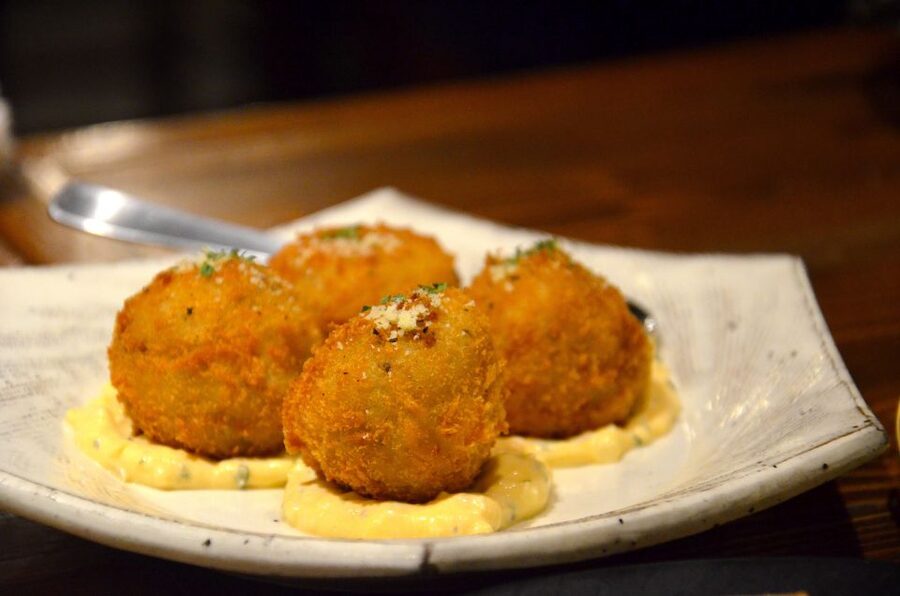
Dietary options are available, but you should raise your needs before booking rather than waiting until the meeting point. The information does not list every available accommodation, so the supplier needs to confirm what can be arranged for your specific diet.
All participants aged 10 and older must provide a copy of their passport information. That requirement is easy to overlook, so prepare it before the tour date.
The experience is a good match for adults and older children who enjoy walking, trying unfamiliar food, and listening to cultural explanations. It may be less suitable for very young children who need a predictable meal or do not enjoy narrow, lively dining spaces.
Who gets the most from this Tokyo food tour?
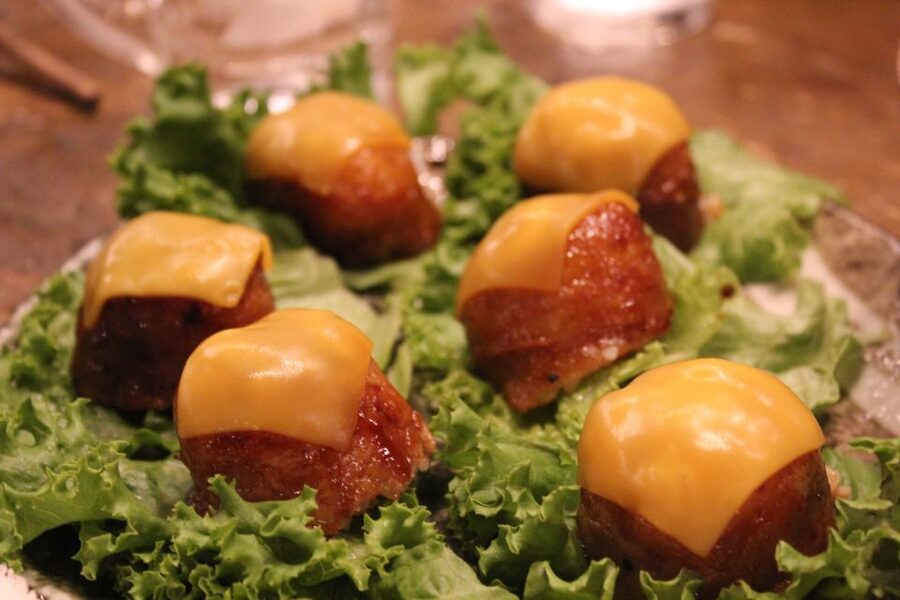
I would choose this tour for a first or second night in Tokyo. It helps you understand two central neighborhoods, teaches you how izakaya dining works, and gives you a list of foods and areas to explore on your own afterward.
It also suits people who feel nervous about entering small Japanese restaurants. The guide handles the route and gives context, so you can focus on eating and observing. The English-language explanations are a real benefit when menus and customs feel unfamiliar.
Food-focused visitors should enjoy the range of regional and seasonal flavors. So should anyone who prefers local bars, railway-side restaurants, and small tastings over a formal high-end dinner.
I would hesitate to book it for a strict budget, a large family group, or someone who wants a private experience. The $181 fee is easier to justify when you value the guide and cultural explanations as much as the food.
Should you book the Allstar Food Tour?
Book it if you want a guided first taste of Tokyo’s food customs, especially the difference between polished Ginza and informal Yurakucho. The old snack shop, railway-side izakaya, two included drinks, and final dessert give the three-hour route a useful range.
Skip it if you already know these neighborhoods, prefer ordering independently, or want a full dinner for the lowest possible cost. For everyone else, the small group and strong guide-led format make this a practical way to get your bearings, learn what to eat, and step into Tokyo’s local dining culture with confidence.
Free cancellation is available up to 24 hours before the tour for a full refund, and you can reserve now and pay later. Those options help if your Tokyo schedule is still changing.
FAQ
Where does the Tokyo Allstar Food Tour meet?
The meeting point is in front of the Ginza Wako Building, also called Seiko House Ginza, at Ginza 4-chome. From Ginza Station, follow signs for the Ginza 4 chome Crossing Gate and use Exit A9.
How long does the tour last?
The tour lasts three hours. Starting times depend on availability when you book.
What food and drinks are included?
The tour includes a variety of dishes at multiple food stops, two drinks, unique desserts, and snacks. Extra food and drinks are not included but may be purchased at your own expense.
Is hotel pickup included?
No. Hotel pickup is not included in the standard price, but it may be arranged for an additional charge. Transportation costs are also not included.
Can the tour accommodate dietary needs?
Dietary options are available. Contact the supplier before booking so your specific requirements can be confirmed.
What documents are needed, and can I join alone?
A copy of passport information is required for every participant aged 10 or older. If you are joining as a single participant, email the supplier before booking.
Just added in Tokyo
- A One-of-a-Kind Sushi Experience in a Special Place of Japan★ 5.0 · 15 reviews
- Tokyo Cute Bento Cooking Class – Make a Kawaii Character Lunchbox★ 5.0 · 126 reviews
- Japanese Home Cooking Class & Walk in Todoroki Temple Tokyo★ 5.0 · 88 reviews
- Japan Tokyo Tower Observatory Deck E-Ticket★ 4.0 · 34 reviews
- Catch a Baseball Game in Tokyo with a Local – Tickets Included★ 5.0 · 24 reviews
- JDM Experience with Fast&Furious RX-7 (English speaking Driver)★ 5.0 · 57 reviews
- Tokyo Private Day Tour by Car with English speaking Driver Guide★ 4.0 · 29 reviews
- Japan Classic 10 Day – One Life Adventures★ 5.0 · 129 reviews
Food Tours, compared.
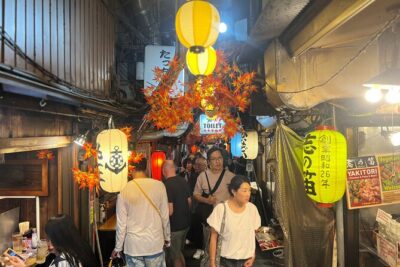
Shinjuku Food Tour (13 Dishes at 4 Local Eateries)
Read our review →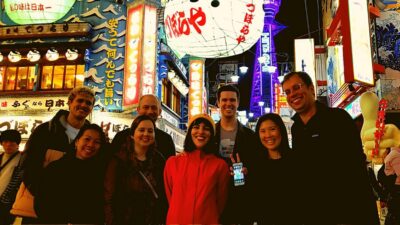
Shinsekai Food Tour with 13-15 Dishes at 5 Eateries
Read our review →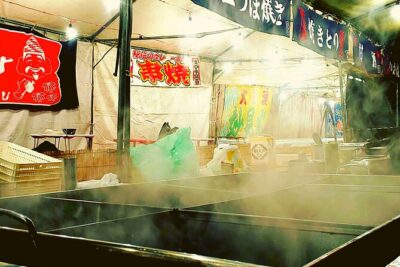
Osaka Food Tour: 13 Dishes at 5 Local Eateries
Read our review →
Shinjuku Food Tour (15 Dishes and 4 Eateries)
Read our review →
Best of Shinjuku: Izakaya Food Tour (4 Stops, 14+ Tastings)
Read our review →
Kyoto Night Foodie Tour in Gion (9+ dishes + 6 Sake tastings)
Read our review →
Hungry Osaka Street Food Tour:15 Tastings & 3 Drinks with a Local
Read our review →
Tokyo Night Foodie Tour in Shinjuku – Seasonal Sushi, Wagyu Beef
Read our review →Browse the lists this tour appears in