
Reviewed · FOOD TOURS
Tokyo: Authentic Food Tour in Ginza and Shimbashi
Tokyo eats best after the suits go home. This three-hour walk brings you from Ginza to Shimbashi, using small local restaurants and traditional sweets to show a side of Tokyo that luxury shopping alone cannot. I like the compact route and the chance to ask an English-speaking guide how Japanese food culture works in daily life.
I also like the small group limit of 10, which should make conversation easier and restaurant stops less awkward. The main drawback is that the exact dishes and drinks are not listed, so you cannot judge the full food value before booking. Wheelchair users should also choose another tour because this one is not suitable for wheelchairs.
In This Review
- Key points at a glance
- Why this Ginza food walk is different
- Meeting at Tokyu Plaza Ginza
- First stop: Ginza for local food
- Second stop: Yurakucho and the five-minute walk
- Third stop: Shimbashi and the final meal
- What the guide adds to the food
- Is $146 a fair price?
- Who should book this evening?
- Practical advice before you go
- Final verdict: a good first taste of central Tokyo
- FAQ
- How much does the Ginza and Shimbashi food tour cost?
- How long does the tour last?
- What language is the tour conducted in?
- How large is the group?
- Where does the tour begin?
- Which neighborhoods does the tour visit?
- What kind of food is included?
- Is the tour suitable for wheelchair users?
Key points at a glance
- Three Tokyo neighborhoods in three hours: Walk from Ginza through Yurakucho to Shimbashi, with a food stop in each area.
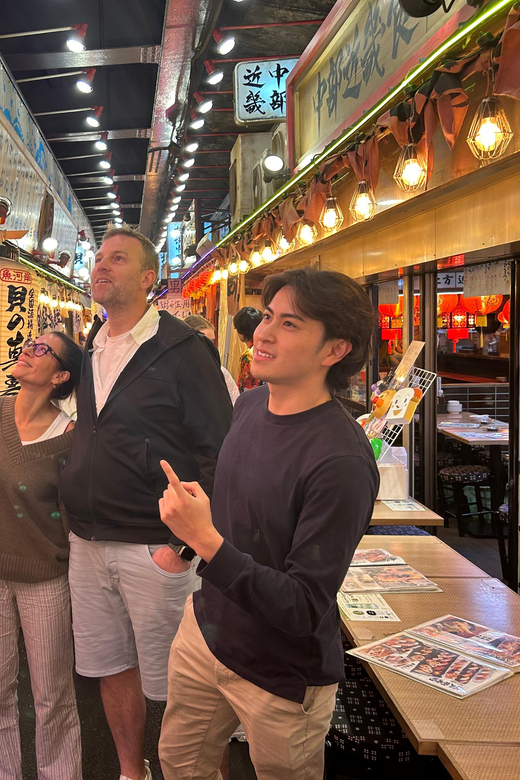
- A local guide shapes the evening: Guides including Doren, Reo, Ryota, and Yota have been praised for their humor, care, and advice about Japanese life.
- Small restaurants, not a grand food hall: The route is designed around less obvious places that are easy to miss on your own.
- Food plus practical Tokyo advice: You can ask about Japanese dining customs, local foods, drinks, and how to plan the rest of your visit.
- Easy central meeting point: Begin at Tokyu Plaza Ginza, in front of the BOSS store near Ginza Station exits C2 and C3.
- A short, social evening: The tour lasts three hours, costs $146 per person, and allows free cancellation up to 24 hours before departure.
Why this Ginza food walk is different
Ginza is usually presented as Tokyo’s polished shopping district. Department stores, designer brands, bright signs, and expensive restaurants fill the familiar picture. This tour uses Ginza as a starting point, then steers you toward local food in three nearby neighborhoods.
That change of focus matters. You are not simply being shown famous buildings or handed a list of restaurants. You are walking with someone who can explain what you are eating and how the places fit into ordinary Japanese dining culture.
The tour also avoids trying to cover all of Tokyo in one night. Ginza, Yurakucho, and Shimbashi sit close enough together for a practical walking route. Each food stop receives about 50 minutes, with roughly five minutes of walking between areas. The pace should feel manageable, though you will want comfortable shoes.
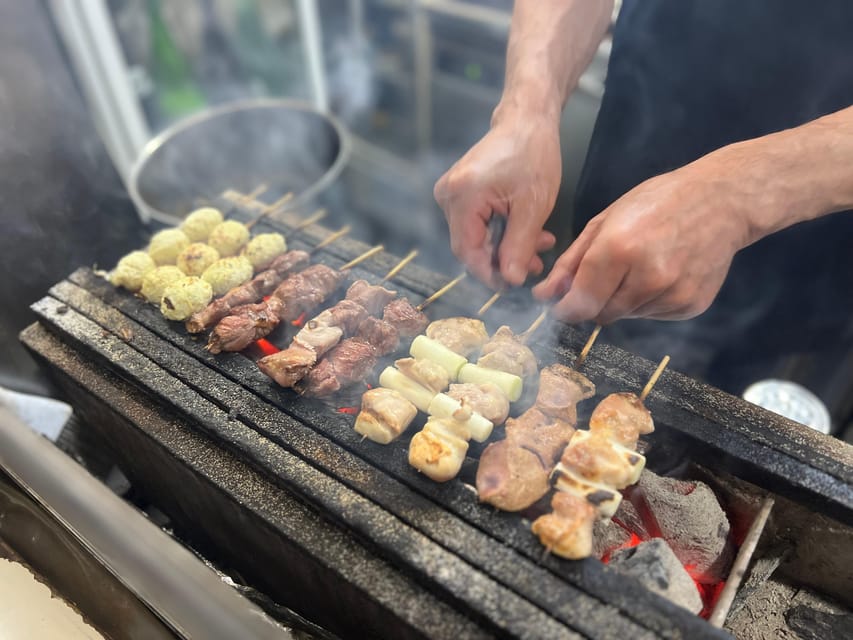
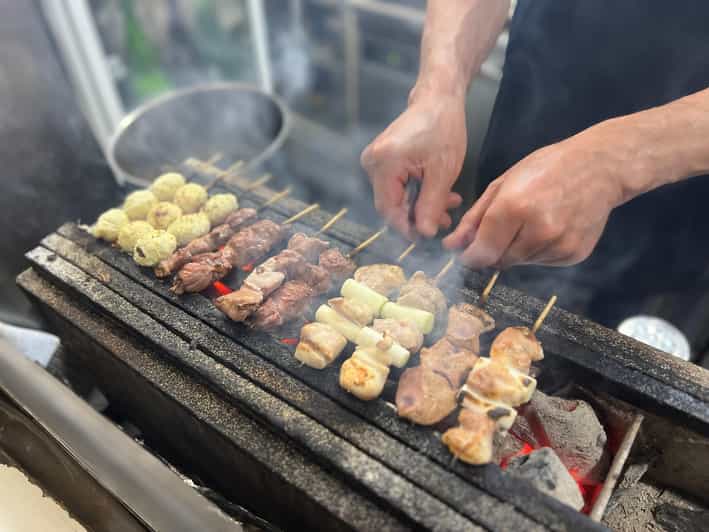
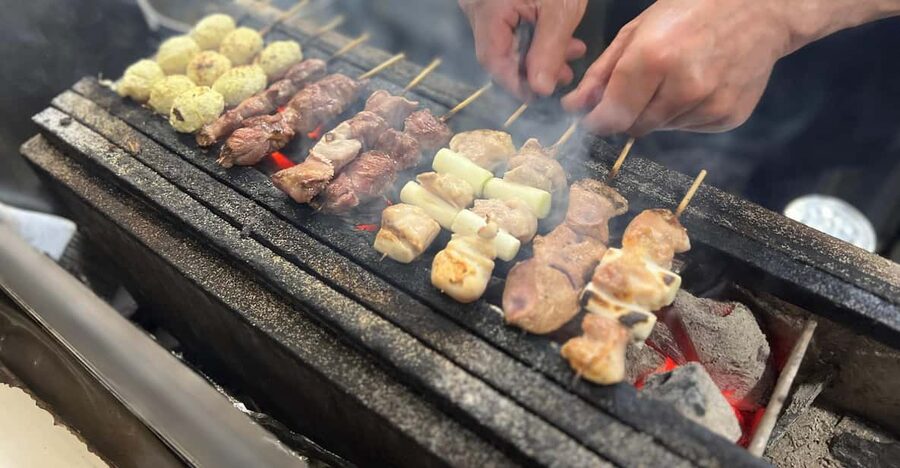
The meal is described as a selection of authentic Japanese foods, various dishes, and traditional desserts. Since no fixed menu is provided, you should think of this as a guided tasting route rather than a guaranteed sushi, ramen, or ten-course meal. That uncertainty is the one major point to consider before paying the $146 price.
More Food Tours in Tokyo
- Tokyo: Shinjuku Food Tour (13 Dishes at 4 Local Eateries)
★ 5.0 · 6,603 reviews - Tokyo: Shinjuku Food Tour (15 Dishes and 4 Eateries)
★ 4.9 · 2,033 reviews - Best of Shinjuku: Izakaya Food Tour (4 Stops, 14+ Tastings)
★ 5.0 · 1,863 reviews
Meeting at Tokyu Plaza Ginza
The meeting point is Tokyu Plaza Ginza, in front of the BOSS store. If you come up from Ginza Station through exit C2 or C3, the store should be directly in front of you.
This is a useful meeting place because the instructions give you both a recognizable shop and nearby station exits. Tokyo station areas can be confusing when several streets and underground passages meet, so having a clear landmark helps.
Arrive with enough time to find the correct exit. The coordinates provided for the meeting point are 35.672245025634766, 139.7624053955078, which can help if you prefer to check your position on a map.
The walk begins and ends at the same place. That is handy if you are staying near Ginza or want to continue shopping, have a drink, or return to your hotel by subway after the food stops.
First stop: Ginza for local food
The opening 50-minute stop takes place in Ginza. Here, the tour looks past the district’s luxury image and focuses on Japanese food favored by local diners.
The appeal is the contrast. You begin in one of Tokyo’s most famous commercial areas, but the point of the visit is not expensive retail or formal dining. Your guide can help you understand the food in front of you, explain parts of Japanese culture, and suggest ideas for the rest of your Tokyo plans.
Because the exact restaurant and dishes are not named, you should not arrive expecting a particular specialty. The wording allows for regional food and different dishes, so the meal may be better suited to curious eaters than to anyone seeking one specific item.
I like this opening because it gives you a useful orientation. Ginza can feel formal and intimidating if you only see the department stores and high-end storefronts. A food stop with a local guide offers a more relaxed way into the area.
The timing also works well early in a Tokyo visit. You can ask which foods to try later, how to approach restaurants, and where to spend time in the city. Several guide names connected with this tour, including Reo and Yota, have been praised for sharing practical advice about food and Japanese daily life.
Second stop: Yurakucho and the five-minute walk
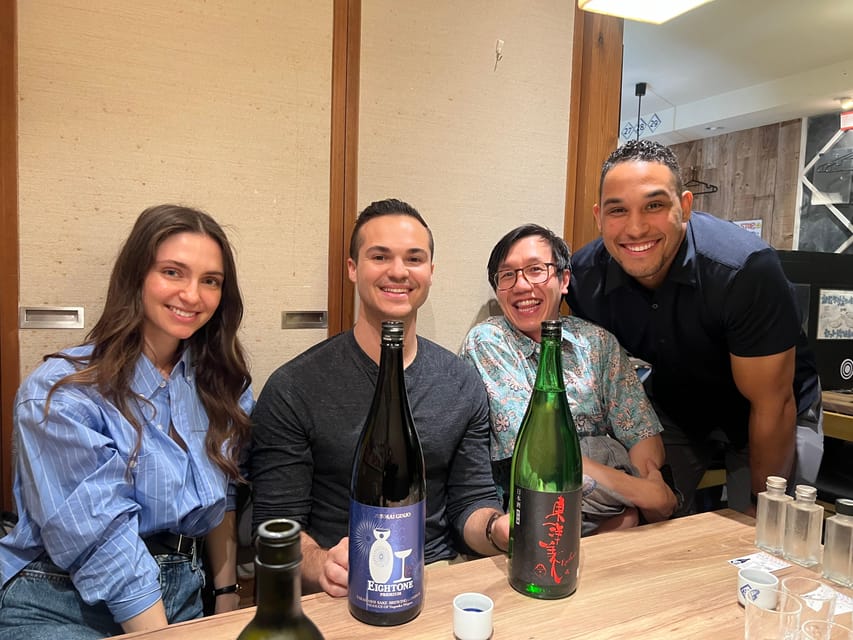
After about five minutes on foot, the route reaches Yurakucho for another 50-minute regional food stop. This middle section breaks up the evening and keeps you moving instead of sitting in one restaurant for three hours.
Yurakucho gives the route a different setting from Ginza, even though the neighborhoods are close. The tour description emphasizes walking around the heart of Tokyo while talking with the guide, so the value here is partly in the conversation between meals.
This is where a small group can make a real difference. With no more than 10 people, you should have a reasonable chance to ask questions without turning the guide into a distant voice at the front of a crowd. If fewer people book, the group may feel even more personal. One participant ended up with a private walk when the other people failed to appear, though you should treat that as a possibility rather than a promise.
The five-minute transfer is short, but the tour is still entirely on foot. If you have mobility concerns, check carefully before booking. The activity is specifically not suitable for wheelchair users, and the route includes walking between food stops.
A completely different kind of day out:
- Tokyo Disney Resort – Tokyo Disneyland & Tokyo DisneySea Park Tickets
★ 4.8 · 99,488 reviews - SHIBUYA SKY Ticket
★ 4.7 · 46,509 reviews - JR Whole Japan Rail Pass
★ 4.8 · 29,150 reviews - Mt Fuji and Hakone 1-Day Bus Tour Return by Bullet Train
★ 5.0 · 26,383 reviews
Third stop: Shimbashi and the final meal
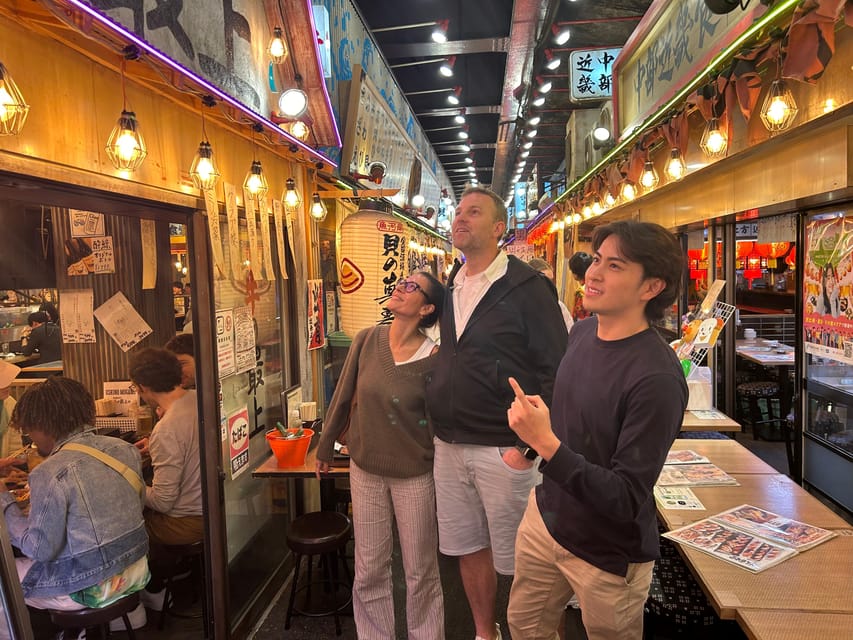
The final 50-minute food stop is in Shimbashi. This completes the route before you walk back to Tokyu Plaza Ginza.
Shimbashi is a fitting finish for a food-focused evening because the tour presents it as another place for regional food, rather than simply an endpoint. You get one more chance to try a dish or dessert, ask about local customs, and compare the feel of the three neighborhoods.
The food schedule is spaced evenly: Ginza, Yurakucho, and Shimbashi each receive about 50 minutes. That gives the evening a clear rhythm. You are unlikely to spend the full tour sitting in one place, but you also are not rushing through a dozen tiny samples in a few minutes.
Keep your expectations realistic. The information does not promise a set number of dishes, restaurant visits, alcoholic drinks, or a particular dessert. It does promise various Japanese foods and traditional desserts, but the precise selection can differ. If you have allergies, strong dietary restrictions, or a strict food wish list, ask the provider before booking.
What the guide adds to the food
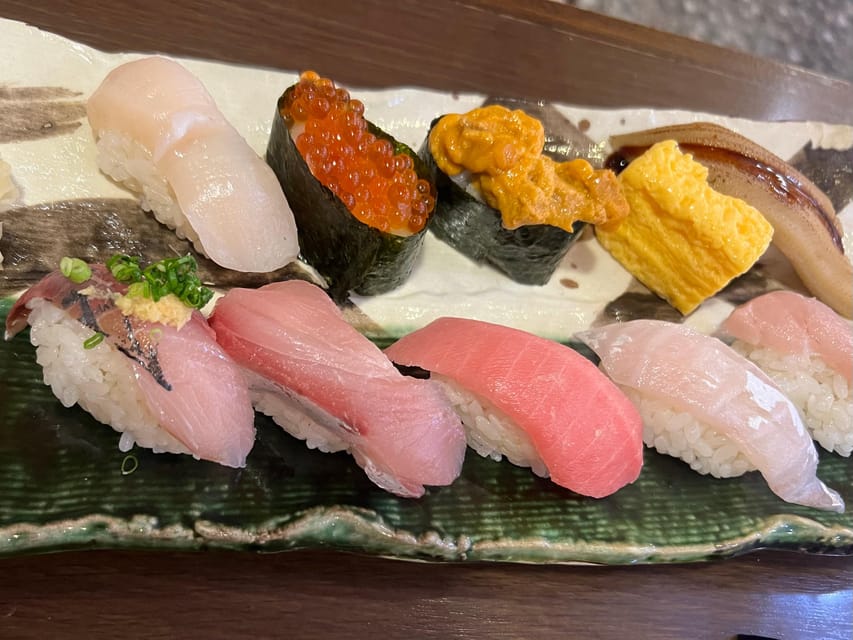
Food tours can be expensive if they only take you to places you could have found with a quick search. The guide is the main reason this one may earn its price.
The strongest praise has gone to the guides’ personal approach. Doren has been described as making for a relaxed evening while offering useful help with Tokyo’s food culture. Reo has been praised for being considerate and for pointing out places to find good food and drinks. Ryota has been singled out for lively, funny, and interesting conversation, while Yota has been praised for friendly guidance and a strong grasp of Tokyo’s food scene.
Those details give you a good sense of the tour’s character. This is not presented as a formal lecture. You should expect a social walk where the guide talks about Japanese life, answers questions, and helps you feel less unsure in unfamiliar restaurants.
That can be especially useful if you are new to Japan. Restaurant customs, ordering habits, unfamiliar ingredients, and regional food names can all make a first meal feel like a small puzzle. A guide can turn that puzzle into part of the fun.
The tour also includes itinerary advice. You can ask what to do after the walk, which parts of Tokyo fit your interests, and how food might shape the rest of your trip. For a first or second day in the city, that added planning help may be worth as much as the meal itself.
Is $146 a fair price?
At $146 per person, this is not a budget dinner. The price includes a three-hour guided food walk, but the supplied details do not specify the number of dishes, the number of drinks, or the total amount of food.
That makes the value depend on what you want. If you mainly want the cheapest possible meal, spend your money elsewhere. Tokyo has plenty of affordable food, and you can eat without paying for a guide.
If you want help finding small restaurants, prefer to ask questions in English, and like tasting several kinds of Japanese food in one evening, the price becomes easier to justify. You are paying for access, context, company, and planning advice, not just calories.
The small group limit also supports the price. Ten people is far more manageable than a large coach group, especially when entering compact restaurants or stopping to discuss a dish. Still, I would confirm what food and beverages are included before booking, since the available information leaves those details open.
The reserve-now, pay-later option gives you flexibility, and free cancellation is available up to 24 hours before the start for a full refund. Those terms reduce some booking risk, but they do not solve the menu uncertainty.
Who should book this evening?
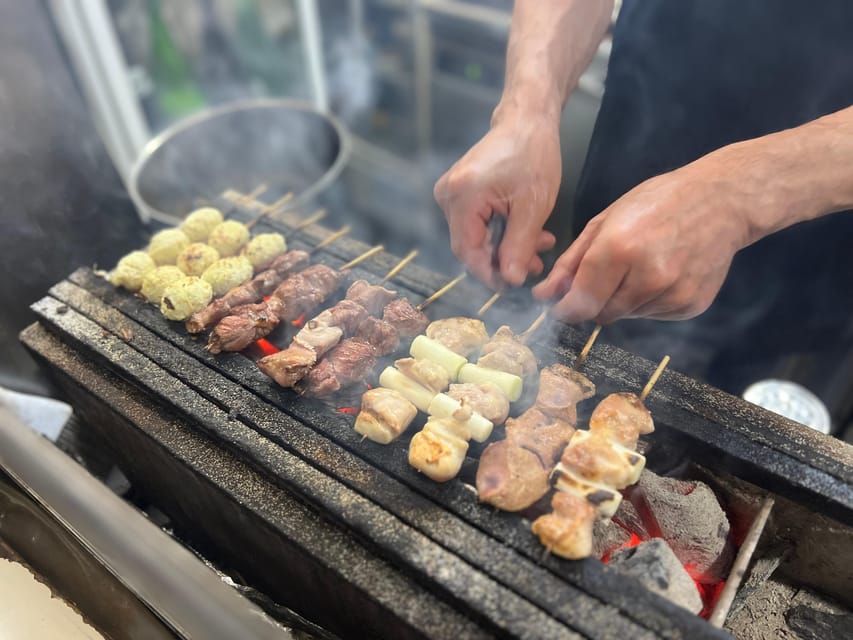
I would recommend this walk to someone who wants a gentle introduction to Tokyo food culture rather than a specialist food crawl.
It suits you especially well if:
- You are visiting Tokyo for the first time.
- You want an English-speaking local guide.
- You enjoy walking between several food stops.
- You want cultural explanations along with dinner.
- You are comfortable trying foods without knowing the full menu in advance.
- You want ideas for planning the rest of your Tokyo visit.
- You prefer a group of 10 or fewer.
It is less suitable if you need a wheelchair-accessible route, want a precise list of dishes before booking, or are looking for a long sit-down meal with guaranteed drinks.
Families can decide based on the ages and food habits of their children, but the available details do not describe a special family format. People with dietary restrictions should also ask specific questions before reserving.
Practical advice before you go
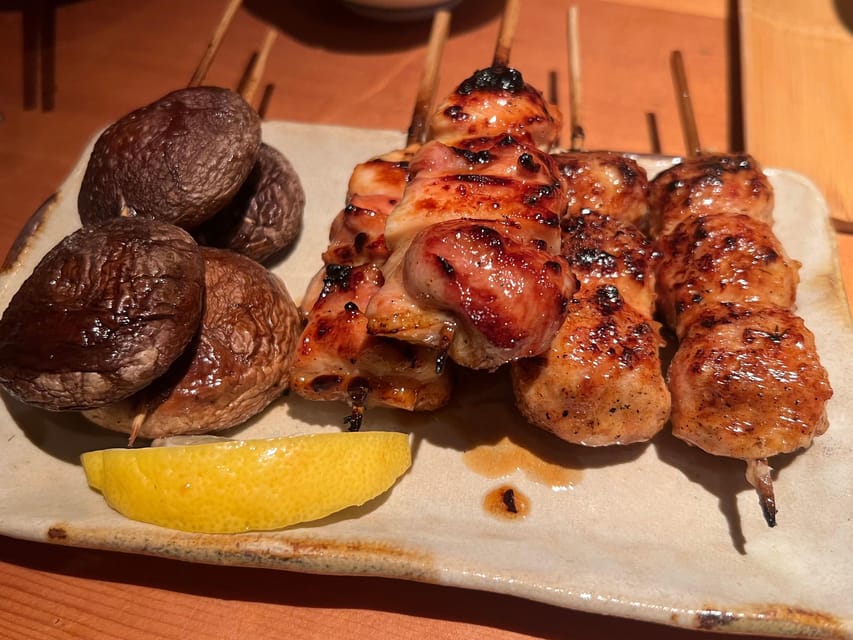
Wear shoes you can walk in for three hours. The transfers are short, but the experience includes movement through three neighborhoods and a return walk to the starting point.
Meet in front of the BOSS store, not simply somewhere inside Tokyu Plaza Ginza. Using exit C2 or C3 from Ginza Station should put you close to the landmark.
Keep some flexibility in your appetite. The tour includes food at three stops, plus various dishes and traditional desserts, but the exact portions are not stated. It is wise not to eat a large meal immediately beforehand, while also avoiding the assumption that this will replace every meal of the day.
Bring questions. The guide’s cultural and itinerary advice is one of the strongest reasons to choose this tour. Ask about foods you have seen elsewhere in Tokyo, dining etiquette, and areas you may want to visit next.
Finally, remember that the experience is conducted in English. The tour is limited to 10 participants, which should help you follow the conversation and speak with the guide.
Final verdict: a good first taste of central Tokyo
I would book this tour if I wanted an easy, social introduction to Japanese food in a central part of Tokyo. The route is compact, the meeting point is clear, and the three neighborhoods give the evening enough variety without making you spend hours in transit.
The best part is the guide-led access to places you might miss while walking around Ginza alone. The personal advice from guides such as Doren, Reo, Ryota, and Yota also suggests that the evening is as much about understanding Japanese life as it is about eating.
I would skip it if $146 feels high without a fixed menu, or if you need wheelchair access and a fully specified food plan. For everyone else, especially first-time visitors who want local help and a relaxed food walk, this looks like a worthwhile way to spend three hours.
FAQ
How much does the Ginza and Shimbashi food tour cost?
The tour costs $146 per person.
How long does the tour last?
The tour lasts three hours.
What language is the tour conducted in?
The tour is conducted in English with a live guide.
How large is the group?
The group is limited to 10 participants.
Where does the tour begin?
The meeting point is Tokyu Plaza Ginza, in front of the BOSS store. From Ginza Station, use exit C2 or C3 to reach the ground level.
Which neighborhoods does the tour visit?
The route visits Ginza, Yurakucho, and Shimbashi, then returns to Tokyu Plaza Ginza.
What kind of food is included?
The tour includes authentic Japanese local foods, various dishes, regional food stops, and traditional desserts. The exact menu is not specified.
Is the tour suitable for wheelchair users?
No. The activity is not suitable for wheelchair users.
Just added in Tokyo
- Tokyo Cute Bento Cooking Class – Make a Kawaii Character Lunchbox★ 5.0 · 126 reviews
- Japanese Home Cooking Class & Walk in Todoroki Temple Tokyo★ 5.0 · 88 reviews
- A One-of-a-Kind Sushi Experience in a Special Place of Japan★ 5.0 · 15 reviews
- Japan Tokyo Tower Observatory Deck E-Ticket★ 4.0 · 34 reviews
- Catch a Baseball Game in Tokyo with a Local – Tickets Included★ 5.0 · 24 reviews
- JDM Experience with Fast&Furious RX-7 (English speaking Driver)★ 5.0 · 57 reviews
- Tokyo Private Day Tour by Car with English speaking Driver Guide★ 4.0 · 29 reviews
- Japan Classic 10 Day – One Life Adventures★ 5.0 · 129 reviews
Food Tours, compared.
Shinjuku Food Tour (13 Dishes at 4 Local Eateries)
Read our review →
Shinsekai Food Tour with 13-15 Dishes at 5 Eateries
Read our review →
Osaka Food Tour: 13 Dishes at 5 Local Eateries
Read our review →
Shinjuku Food Tour (15 Dishes and 4 Eateries)
Read our review →
Best of Shinjuku: Izakaya Food Tour (4 Stops, 14+ Tastings)
Read our review →
Kyoto Night Foodie Tour in Gion (9+ dishes + 6 Sake tastings)
Read our review →
Hungry Osaka Street Food Tour:15 Tastings & 3 Drinks with a Local
Read our review →
Tokyo Night Foodie Tour in Shinjuku – Seasonal Sushi, Wagyu Beef
Read our review →Browse the lists this tour appears in