

Reviewed · FOOD TOURS
Tokyo: Best of Shibuya Food Tour
Shibuya tastes better off the main crossing. This three-hour walk pairs five food stops with small-street discoveries, giving you a useful way to see beyond neon signs and the famous Hachiko area. I like the wide range of Japanese dishes, from sushi and okonomiyaki to ramen and traditional sweets. I also like the friendly local guides, including Alex, Jane, Maya, and Saika, who add food tips, cultural facts, and plenty of good humor. The main drawback is that the $170 price is high for a walking meal, and some stops may involve standing rather than sitting.
You should arrive early. The guide waits only five extra minutes, and the meeting point is the colorful Hachiko wall mural outside the station, not the crowded statue. Bring your passport, comfortable shoes, and an appetite. Families have enjoyed the tour, but three hours of walking, standing, and eating can test young children.
In This Review
- Key points at a glance
- Starting at the Hachiko mural, not the statue
- Shibuya beyond the famous crossing
- Stop one: sushi in a standing restaurant
- Stop two: izakaya dishes and local conversation
- Stop three: regional-style okonomiyaki
- Stop four: ramen and the rhythm of quick meals
- Stop five: dessert in a Shibuya depachika
- What the $170 price really covers
- Guide quality shapes the evening
- Families, food restrictions, and stamina
- Practical tips for a smoother food walk
- Should you book the Best of Shibuya Food Tour?
- FAQ
- How long is the Tokyo Best of Shibuya Food Tour?
- How many food stops are included?
- What kinds of food might I try?
- Is dessert included?
- How many drinks are included?
- Where is the meeting point?
- How late can I arrive?
- Is hotel pickup included?
- What should I bring?
- What is the cancellation policy?
Key points at a glance

- Five food stops in three hours: Expect a broad sampling of Japanese dishes rather than one long restaurant meal.
- Backstreet Shibuya: The route moves beyond Scramble Crossing into compact alleys, local restaurants, and less obvious corners.
- Dessert in a depachika: The tour finishes with a traditional sweet and a look around a Japanese department-store food hall.
- Small groups of up to 10: This makes it easier to ask questions and keep the group together in busy Shibuya.
- Two drinks included: Additional food and drinks cost extra, but the included tastings make this more than a simple neighborhood walk.
- English-speaking local guides: Guides such as Alex, Saika, Jane, Maya, and Shion have been praised for warmth, cultural explanations, and practical Tokyo advice.
Starting at the Hachiko mural, not the statue

The meeting point is easy to misunderstand, especially if you arrive through Shibuya Station expecting to see the famous dog statue. You should meet in front of the Hachiko wall mural at the Hachiko exit. The mural is colorful and visible as soon as you leave the station.
The statue area is often packed. The mural gives the group a clearer place to gather, but allow extra time to find the correct exit inside the station. You should be facing the large intersection with the mural behind you.
Punctuality matters here. The guide can wait only five minutes after the scheduled start, then the group leaves. Once the walk begins, the guide cannot stop to give directions or take phone calls. In practical terms, arriving ten or fifteen minutes early is part of the ticket.
That strict start has a reason. The group visits restaurants with reserved timing and limited space, so a late arrival can affect the entire meal sequence. It may feel unforgiving, but it helps the tour move through five stops in a short afternoon or evening.
More Food Tours in Tokyo
- Tokyo: Shinjuku Food Tour (13 Dishes at 4 Local Eateries)
★ 5.0 · 6,603 reviews - Tokyo: Shinjuku Food Tour (15 Dishes and 4 Eateries)
★ 4.9 · 2,033 reviews - Best of Shinjuku: Izakaya Food Tour (4 Stops, 14+ Tastings)
★ 5.0 · 1,863 reviews
Shibuya beyond the famous crossing
Shibuya is known for huge screens, department stores, and the crossing where people stream in every direction. Those sights are worth seeing, but they tell only one small part of the neighborhood.
The food walk shifts your attention to backstreets, narrow lanes, compact restaurants, and local eating habits. You may pass storefronts that are easy to miss when you are focused on the bright main roads. The guide explains what you are seeing and connects food with Japanese customs, regional cooking, and everyday life.
That local context is one of the tour’s best features. Several guides have helped people understand more than the dishes themselves. Saika, for example, combined restaurant visits with facts about Japanese culture, took photographs during the walk, and answered questions about local habits. Alex has been praised for adding personal cultural perspective, while Maya and Shion brought history and food explanations into the route.
The exact path and guide can vary. That is useful to know because this is not a fixed food checklist delivered in the same way every time. The strength of the experience depends partly on who leads your group and how much you enjoy asking questions.
Stop one: sushi in a standing restaurant

One reported sequence begins with sushi at a standing restaurant. This kind of setting gives you a quick taste of a distinctly urban Japanese eating style. It is informal, efficient, and focused on the food rather than a long table service experience.
The sushi has received especially warm praise, with one participant calling it the best sushi they had eaten up to that point in Japan. You get to try delicate seafood and fresh ingredients while the guide explains the dish and the setting.
The limitation is clear: standing food stops are not ideal for everyone. If you have trouble standing for long periods, ask about the format before booking. The tour information does not promise a seat at every stop, and one past group found that only one location had seating.
That does not make the stop poor. It simply means you should think of this as a moving tasting walk, not a seated dinner. Wear shoes that can handle pavement and bring enough energy for the full three hours.
Stop two: izakaya dishes and local conversation

An izakaya is a Japanese drinking and dining spot where people share small dishes with drinks. The stop may give you a chance to try familiar or new foods in a setting that feels more social than a standard restaurant meal.
The tour includes two drinks, which may be served across the food stops. The included drinks add value because they help you experience the connection between Japanese food and casual dining culture without paying separately at every visit.
You can buy additional food and drinks at your own expense. That flexibility is useful if one dish catches your attention or you want another drink, but it can also push the final cost above the $170 ticket.
The guide is important at this point. Menus and ordering customs can feel confusing in a small Japanese restaurant, particularly when you do not read Japanese. A guide can explain what is being served and help the group move through the meal without wasting time.
A completely different kind of day out:
- Tokyo Disney Resort – Tokyo Disneyland & Tokyo DisneySea Park Tickets
★ 4.8 · 99,488 reviews - SHIBUYA SKY Ticket
★ 4.7 · 46,509 reviews - JR Whole Japan Rail Pass
★ 4.8 · 29,150 reviews - Mt Fuji and Hakone 1-Day Bus Tour Return by Bullet Train
★ 5.0 · 26,383 reviews
Stop three: regional-style okonomiyaki

Okonomiyaki is often described as a savory Japanese pancake, though that simple label does not tell you much about the range of styles. The tour can include an okonomiyaki restaurant with regional versions of the dish.
This is one of the more substantial stops. One past group specifically praised the regional variations and found the pancakes especially good. You should expect a filling portion, not just a tiny bite, which makes the advice to arrive hungry worth taking seriously.
The generous servings are a plus for anyone who wants a proper meal. They are less convenient if you want to sample every dish in large amounts. One participant enjoyed the variety but wished for half portions or smaller samples because the food added up quickly.
That is the central tradeoff of this tour. You get enough food to leave satisfied, but you may need to pace yourself. Eat lightly before meeting the group, and do not assume that five stops means five small tastes.
Stop four: ramen and the rhythm of quick meals

A ramen stop adds a familiar Tokyo favorite to the route. The experience can include a restaurant along a ramen street, giving you another compact dining setting and another chance to see how local restaurants use limited space.
Ramen makes a useful contrast with sushi and okonomiyaki. The meal is hot, filling, and comforting, but it can also be difficult to fit into a food crawl if earlier portions were generous. Listen to your guide about how much to eat at each stop, and tell the guide early if you have dietary restrictions or cannot manage full portions.
The food tour has made accommodations for dietary needs in the past, but you should communicate those needs when booking or before the walk begins. The supplied information does not promise that every restriction can be handled, so do not wait until the first restaurant to raise the issue.
This stop also shows why the small-group format matters. With no more than 10 people, the guide can keep the party moving through tight spaces and answer individual questions. An older account described a group of 12 as too large for some restaurants. The current limit of 10 is an improvement, though the experience may still feel snug in small venues.
Stop five: dessert in a Shibuya depachika

The tour ends with dessert and a visit to a Shibuya depachika, the basement food hall found beneath a Japanese department store. This is a fitting final stop because it shifts the tour from small restaurants to the polished world of Japanese department-store food.
You may try a handmade traditional sweet while the guide explains what makes it part of Japanese food culture. Past groups have described the dessert as a local specialty and praised it as a satisfying finish.
The depachika visit also gives you a practical idea for the rest of your trip. These food halls are useful places to browse regional sweets, prepared dishes, gift foods, and beautifully presented ingredients. The tour does not include extra purchases, so bring a payment method if you want to buy something for later.
Ending indoors is helpful in cold or rainy weather. One family had a particularly good experience in winter because the guide adjusted the timing to provide enough indoor rest and even handed out warmers. Conditions and guide decisions vary, but the final food hall offers a comfortable close to a walking-heavy route.
What the $170 price really covers

At $170 per person, this is not a cheap way to eat in Tokyo. You can find individual Japanese meals for much less, and confident diners can explore Shibuya without a guide.
The price makes more sense if you value access, structure, and interpretation. You receive food at five stops, two drinks, dessert, and an English-speaking local guide. You also avoid the guesswork of choosing restaurants, reading unfamiliar menus, and working out how to order in cramped local venues.
The tour can be especially good value early in your Japan trip. Guides have offered restaurant suggestions for later in Tokyo and other cities, explained foods you might otherwise skip, and helped people learn useful Japanese phrases. That advice can save you from spending several meals on places that do not suit your tastes.
Still, I would not book this tour solely for the amount of food. Part of the cost pays for the guide’s time and the coordinated restaurant visits. If you already enjoy finding small restaurants on your own, $170 may feel steep. If you want a relaxed introduction to Japanese food with cultural explanation built in, the price is easier to defend.
Hotel pickup is not included, though it may be arranged for an additional charge. Transportation costs, gratuity, and extra food or drinks are also separate. The walk itself is the main transport, so factor in the distance and the need for comfortable shoes.
Guide quality shapes the evening

The strongest part of this experience is the human element. The guide does more than point out restaurants. The best guides explain why a dish matters, answer questions about Japanese customs, and keep the group comfortable while moving through a busy district.
Alex has been praised repeatedly for being fun, warm, and full of useful information. Jane has led people to small independent restaurants they would not have found alone. Maya has received praise for selecting good stops and adding historical facts, while Saika has been noted for excellent English, humor, photographs, and extra effort.
Other guides, including Shion, Kumie, Michie, Serena, Sakura, Ryan, and Ramona, have also been praised for hospitality and food knowledge. Individual personalities differ, so you cannot guarantee a particular guide unless the operator allows a request. The consistent point is that the guide can make a complicated part of Tokyo feel easier to understand.
You should take an active role. Ask about ingredients, regional differences, ordering habits, and places to eat after the tour. The more questions you bring, the more useful the cultural side becomes.
Families, food restrictions, and stamina
Families have had good experiences on this tour, including groups with children as young as six and eight. Kids who enjoy trying unfamiliar foods can have a great time, especially because the route keeps changing and includes several kinds of dishes.
The walk is not effortless. You may stand at some stops, walk between venues, and eat enough food to feel full well before the final dessert. A family with tired children may need to pace itself, particularly after a full day of sightseeing.
Food restrictions deserve advance planning. One group praised Kumie for adjusting dishes so nobody was left out. That is encouraging, but the tour does not provide a detailed list of guaranteed substitutions. Send your requirements ahead of time and understand that some Japanese restaurants may have limited alternatives.
The tour is also a good match for solo visitors and couples. A small group gives you conversation without the scale of a large bus tour, and a two-person booking may sometimes feel nearly private if other places are not full. That depends on the date and cannot be promised.
Practical tips for a smoother food walk
- Arrive at least 10 to 15 minutes early at the Hachiko wall mural.
- Do not wait at the Hachiko statue.
- Eat a light breakfast or lunch beforehand, but save room for several generous tastings.
- Wear comfortable shoes and expect walking and possible standing.
- Carry your passport. A copy of passport information is required for each participant aged 10 and over.
- Tell the operator about dietary restrictions before the tour.
- Bring money for extra drinks, additional food, and purchases at the depachika.
- Ask your guide for restaurant suggestions for later in your trip.
- If you want photos, ask your guide. Saika and other guides have taken group pictures during the walk.
- Use the free cancellation policy if needed, but cancel at least 24 hours in advance for a full refund.
Should you book the Best of Shibuya Food Tour?
Book it if you want an organized first taste of Tokyo food, prefer small restaurants to tourist-oriented dining rooms, and value a local English-speaking guide. It is particularly useful at the start of a Japan trip, when restaurant customs and unfamiliar dishes can slow you down.
You may want to skip it if you dislike standing, need strict control over portion sizes, or prefer spending $170 on several independent meals. The food is generous, the pace is active, and the exact guide and restaurant order can vary.
For most people who want food plus neighborhood context, this is a strong introduction to Shibuya. The combination of five stops, two drinks, cultural stories, and a depachika finish gives you much more than a meal. Just arrive early, come hungry, and treat the ticket as payment for guidance as much as for dinner.
FAQ
How long is the Tokyo Best of Shibuya Food Tour?
The tour lasts three hours.
How many food stops are included?
The experience includes five food stops with a variety of dishes.
What kinds of food might I try?
Possible dishes include sushi, izakaya food, okonomiyaki, ramen, regional Japanese dishes, and traditional desserts.
Is dessert included?
Yes. Dessert is included, and the tour ends with dessert and a visit to a Shibuya depachika.
How many drinks are included?
Two drinks are included. Additional drinks and food can be purchased separately.
Where is the meeting point?
Meet in front of the Hachiko wall mural outside Shibuya Station at the Hachiko exit. Do not meet at the Hachiko statue.
How late can I arrive?
The guide can wait only five additional minutes after the scheduled start time. After that, the group departs.
Is hotel pickup included?
No. Hotel pickup is not included, but it may be arranged for an additional charge.
What should I bring?
Bring your passport and comfortable shoes. A copy of passport information is required for all participants aged 10 and over.
What is the cancellation policy?
You can cancel up to 24 hours in advance for a full refund. The reserve-now, pay-later option allows you to hold a place without paying immediately.
Just added in Tokyo
- A One-of-a-Kind Sushi Experience in a Special Place of Japan★ 5.0 · 15 reviews
- Tokyo Cute Bento Cooking Class – Make a Kawaii Character Lunchbox★ 5.0 · 126 reviews
- Japanese Home Cooking Class & Walk in Todoroki Temple Tokyo★ 5.0 · 88 reviews
- Japan Tokyo Tower Observatory Deck E-Ticket★ 4.0 · 34 reviews
- Catch a Baseball Game in Tokyo with a Local – Tickets Included★ 5.0 · 24 reviews
- Japan Classic 10 Day – One Life Adventures★ 5.0 · 129 reviews
- JDM Experience with Fast&Furious RX-7 (English speaking Driver)★ 5.0 · 57 reviews
- Tokyo Private Day Tour by Car with English speaking Driver Guide★ 4.0 · 29 reviews
Food Tours, compared.
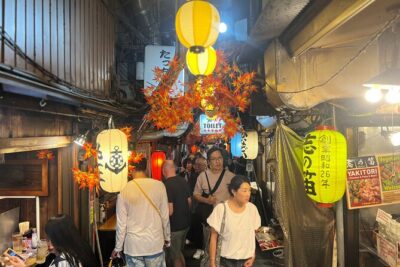
Shinjuku Food Tour (13 Dishes at 4 Local Eateries)
Read our review →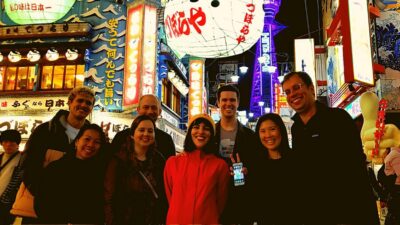
Shinsekai Food Tour with 13-15 Dishes at 5 Eateries
Read our review →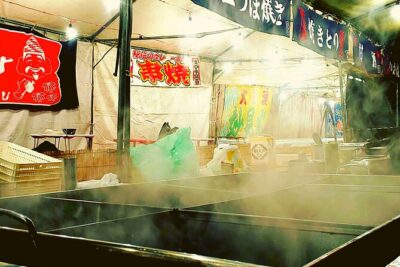
Osaka Food Tour: 13 Dishes at 5 Local Eateries
Read our review →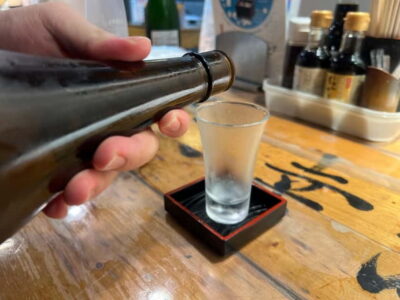
Shinjuku Food Tour (15 Dishes and 4 Eateries)
Read our review →
Best of Shinjuku: Izakaya Food Tour (4 Stops, 14+ Tastings)
Read our review →
Kyoto Night Foodie Tour in Gion (9+ dishes + 6 Sake tastings)
Read our review →
Hungry Osaka Street Food Tour:15 Tastings & 3 Drinks with a Local
Read our review →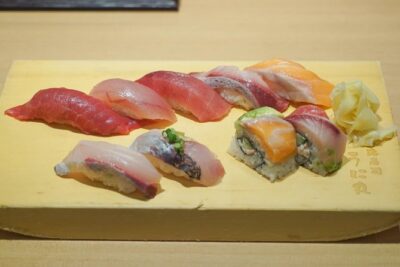
Tokyo Night Foodie Tour in Shinjuku – Seasonal Sushi, Wagyu Beef
Read our review →Browse the lists this tour appears in