
Reviewed · PHOTOGRAPHY SESSIONS
Tokyo Cyberpunk Street Photo Tour
Tokyo looks different after sunset. Neon, crowds, and reflective streets turn Shinjuku and Shibuya into a giant night-photography classroom, and this three-hour walk gives you a professional guide to help frame it. I especially like the small maximum of four people and the fact that you can use a camera or a phone.
The strongest part is the practical coaching. Guides such as Charles, Lukasz, Luke, and Stephane have helped beginners adjust exposure, composition, contrast, and long-exposure settings without making the lesson feel stiff. The main caution is pace: one guest struggled to keep up with a fast-walking guide, and Shinjuku Station can be confusing when you are trying to find the meeting point.
In This Review
- Key points before you book
- What this Tokyo night photo tour is really like
- Starting near Shinjuku Station at 7:00 pm
- Kabukicho: Tokyo neon with plenty of movement
- Omoide Yokocho and the art of finding a frame
- The train to Shibuya and what the price covers
- Shibuya at night: crowds, signs, and the famous crossing
- The photography coaching is the main attraction
- What the guides do well, and where the experience varies
- Who should book this evening walk
- Is $184.99 good value for two people?
- My verdict: book it for the photos, not the sightseeing
- FAQ
- How long does the Tokyo Cyberpunk Street Photo Tour last?
- What time does the tour start?
- Where is the meeting point?
- Where does the tour finish?
- What neighborhoods does the tour visit?
- Can I use a smartphone instead of a camera?
- What is included in the price?
- How many people can join?
- What happens if the weather is poor?
Key points before you book
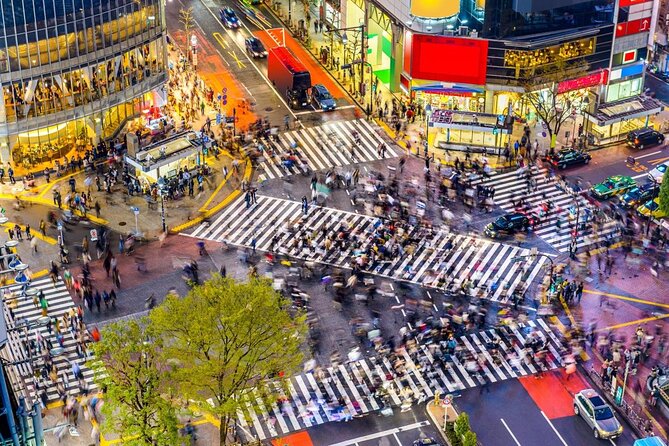
- Shibuya Crossing after dark: Work on crowd shots, long exposure, and glowing signage at one of Tokyo’s most famous intersections.
- A real photography lesson: You get hands-on help with camera settings, framing, exposure, and phone-camera controls.
- Small group size: The maximum is four people, which gives the guide time to work with different skill levels.
- Two distinct Tokyo neighborhoods: Shinjuku brings neon alleys and nightlife, while Shibuya adds youth culture and the famous crossing.
- Good for phone photographers: Several participants learned useful techniques on iPhones, including contrast adjustments and exposure lock.
- Shared transport between districts: The train from Shinjuku to Shibuya is at your own expense, so keep a little local fare ready.
What this Tokyo night photo tour is really like
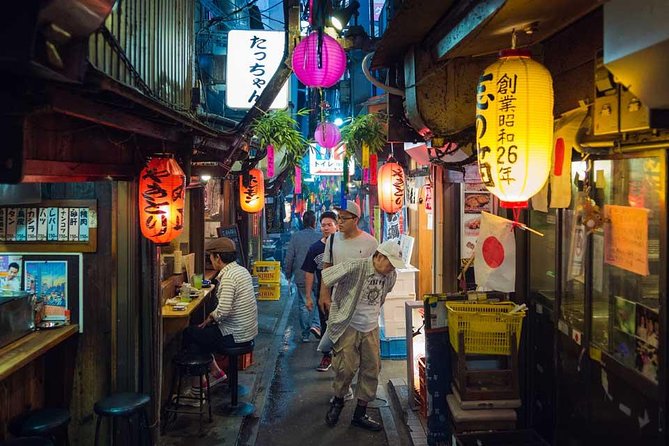
This is not a sightseeing tour with a few casual snapshots added on. It is a walking photography workshop set in some of Tokyo’s most visually active streets. You move through Shinjuku and Shibuya while the guide points out subjects, suggests camera settings, and helps you make better choices in the moment.
The advertised duration is about three hours, while the detailed schedule describes roughly two and a half hours of photography time. That difference may reflect walking and the train transfer. Either way, you should plan for an evening outing beginning at 7:00 pm and ending near Shibuya Station.
The group size matters. With no more than four people, the guide can look at your screen, suggest a change, and give you time to try it. That is much more useful than a large group lecture, especially when one person carries a Canon, another uses a Fuji, and someone else has only an iPhone.
You do not need advanced photography skills. The strongest feedback comes from beginners and casual photographers who learned how to control exposure, improve composition, and find better positions for familiar sights. Experienced photographers can still benefit from local guidance and from having someone point out useful shooting locations.
More Photography Sessions in Tokyo
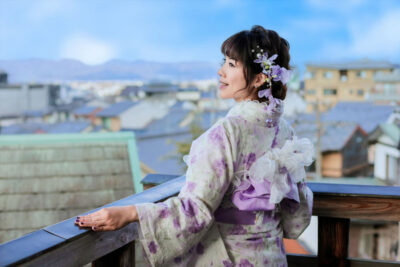
- Tokyo Kimono, Furisode, and Yukata Rental Experience | Exquisite Hairstyling & Japanese Makeup & Photo Shoot (Ookini Asakusa Kaminarimon)
★ 4.8 · 767 reviews - Tokyo Ryogoku Sumo Morning Practice + Photo Shoot with Wrestlers
★ 4.5 · 277 reviews - Tokyo by Night Photography Tour (Private Option Available)
★ 5.0 · 151 reviews
Starting near Shinjuku Station at 7:00 pm
The tour begins outside Happy Lemon Keio Shinjuku Shop at 1-chōme-1-4 Nishishinjuku, Shinjuku City. The location is near public transport, but Shinjuku Station is enormous, and finding the right exit or street corner can take longer than expected.
I would arrive early. One participant reached the station ten minutes before the meeting time but still arrived ten minutes late because the meeting point was difficult to locate. The address is precise, yet first-time visitors should allow extra time to get above ground and confirm the shop location.
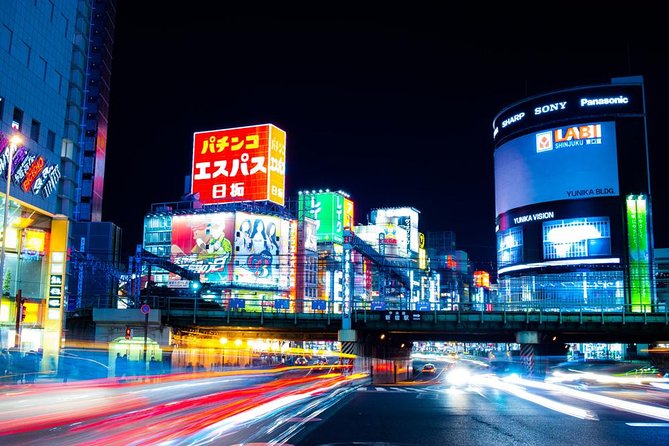
Once the group is together, the evening starts in Shinjuku. This is a useful choice because the district gives you many kinds of subjects in a short walk: illuminated signs, traffic, narrow lanes, shopfronts, people moving through the streets, and strong contrasts between bright signs and dark side streets.
The guide does more than point at famous buildings. You learn to notice lines, color, reflections, spacing, and movement. Those are the small decisions that make a night photograph look intentional instead of simply bright.
Kabukicho: Tokyo neon with plenty of movement
The first major stop is Kabukicho, with about an hour set aside for the area. It is one of the liveliest parts of Shinjuku after dark, filled with glowing signs and nightlife traffic.
This is where the tour’s camera instruction becomes practical. You may work on slowing the shutter to record motion, balancing the strong light from signs, or finding a composition that does not include too much visual clutter. The guide can adjust the advice to your equipment, which is important because a phone and a manual camera need different approaches.
The setting also gives you a useful lesson in street photography. Kabukicho is not just one postcard view. You can photograph large signs and illuminated landmarks, then turn into a smaller lane for a tighter frame or a more atmospheric scene.
That variety is valuable for beginners. You are not waiting around for one perfect subject. You can take several approaches to the same scene and quickly see how a different position or exposure changes the result.
There is a limit here. The tour is focused on making photographs, not on giving a detailed cultural or historical explanation of Kabukicho. If you want a full introduction to Shinjuku’s background, you should pair this experience with a separate sightseeing walk.
Omoide Yokocho and the art of finding a frame
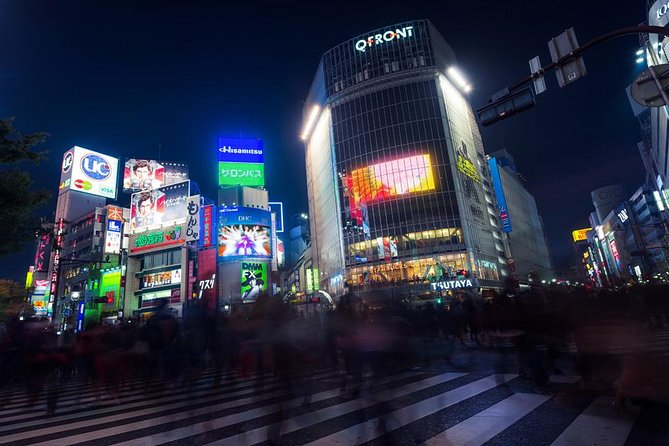
The itinerary includes about 30 minutes in Omoide Yokocho, also known as Memory Lane. Its narrow passageways and compact eateries offer a different visual mood from the large signs of Kabukicho.
This is a good place to practice close composition. Instead of photographing a wide city view, you might look for repeating lines, warm lights, signs, small details, or a frame that layers the lane with people and illuminated storefronts.
The guide’s value is often strongest in places like this. A local photographer can show you where to stand and what to leave out. Several participants appreciated having someone identify strong positions instead of spending the entire evening searching for them.
You should also expect a walking environment rather than a quiet studio class. The streets can be crowded, and you need to keep your equipment secure and stay aware of the group. One guide received praise for keeping everyone together through large crowds, but the faster pace reported by another participant is worth taking seriously.
If you walk slowly, need frequent breaks, or prefer time to set up every shot, tell the guide at the beginning. The group is small, so it is easier to manage expectations early.
A completely different kind of day out:
- Tokyo Disney Resort – Tokyo Disneyland & Tokyo DisneySea Park Tickets
★ 4.8 · 99,488 reviews - SHIBUYA SKY Ticket
★ 4.7 · 46,509 reviews - JR Whole Japan Rail Pass
★ 4.8 · 29,150 reviews - Mt Fuji and Hakone 1-Day Bus Tour Return by Bullet Train
★ 5.0 · 26,383 reviews
The train to Shibuya and what the price covers
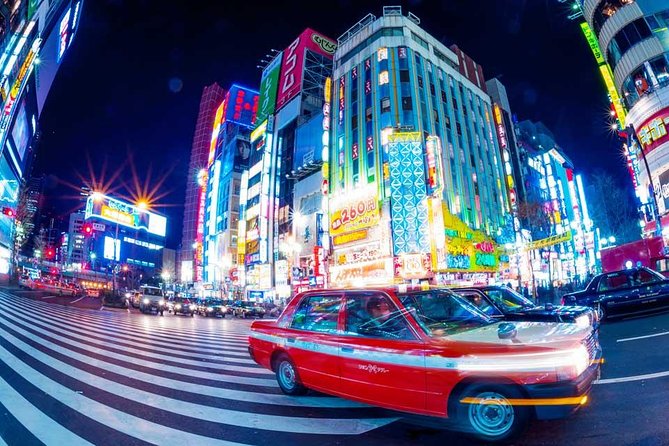
After Shinjuku, you travel by train to Shibuya. The fare is not included, so budget for that separately. The experience includes the professional photography instructor, but not transport costs.
The price is $184.99 per group of up to two people. For two people sharing the booking, that works out to about $92.50 each. That is not a cheap night walk, but it is fairer when you treat it as private-style instruction rather than a standard group tour.
The maximum group size is four, and the small format is a major part of the value. A guide working with only a few photographers can offer direct feedback on your exact camera or phone. Several people specifically praised the workshop style: the guide demonstrated a technique, let them practice, then corrected the settings or composition.
The value is weaker if you only want someone to lead you to famous sights. You can see Shinjuku and Shibuya without paying for a photography lesson. You are paying for the guide’s eye, local shooting positions, and personal instruction.
The train transfer also breaks up the evening nicely. Shinjuku offers tighter streets and neon alleys, while Shibuya gives you wider crowds and a major intersection. You get more visual range than you would from staying in one district.
Shibuya at night: crowds, signs, and the famous crossing
The final major stop is Shibuya Crossing, with around 45 minutes scheduled there. This is the tour’s most recognizable scene and the place where the cyberpunk theme makes the most sense.
At the crossing, you can work with movement and scale. People stream through the intersection, giant signs fill the background, and the changing flow gives you repeated chances to try a shot. A longer exposure can turn moving figures into streaks, while a faster setting can freeze individual people within the crowd.
The guide can help you decide which approach suits your camera. The aim is not simply to photograph the crossing as proof that you were there. It is to make the image readable, with a clear subject, controlled highlights, and a useful balance between people and signage.
The crossing has been associated with the futuristic look of Blade Runner, and that comparison helps explain its appeal. The attraction is not an exact film location. It is the combination of artificial light, dense movement, towering screens, and wet or reflective surfaces when conditions allow.
You may also photograph the surrounding streets rather than spending the full time facing the intersection. Shibuya’s entertainment, dining, and shopping signs provide plenty of nearby material, and a good guide should help you look beyond the obvious view.
The tour finishes around Shibuya Station. That is convenient if you plan to continue your evening from there, but it is not a circular route back to Shinjuku. Plan your onward journey before the walk ends.
The photography coaching is the main attraction
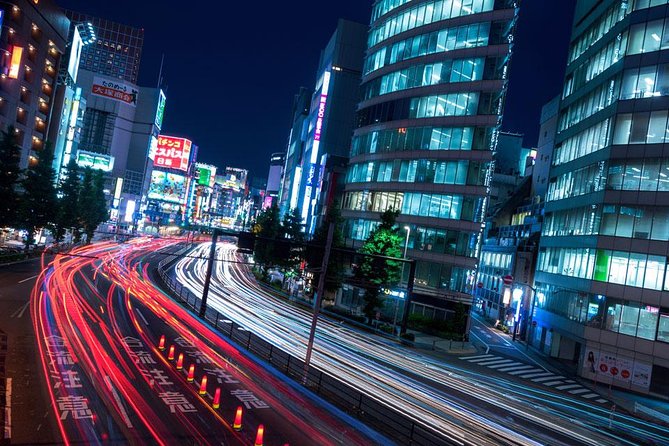
The best part of this experience is the direct instruction. Charles is praised for patience, energy, and practical camera help. Lukasz is repeatedly described as using a clear demonstration-then-practice method, and Luke is noted for giving beginners as much attention as more experienced photographers.
The advice can be quite specific. Participants learned about shutter speed, exposure, composition, contrast, and exposure lock. Phone users received help finding controls they had not used before, including contrast adjustments and a lock function that prevents the exposure from changing while they reframe.
That makes the tour useful even if you do not own a dedicated camera. A phone can produce strong night images when you control where it meters and how you compose the frame. You should not expect the guide to transform your phone into a professional camera, but you can leave with techniques you can use for the rest of your trip.
Camera owners should bring equipment that allows at least some control over shutter speed or overall exposure. A tripod was suggested for some participants, but it is not listed as an included item. Since the route involves walking through crowded districts, think carefully about how much gear you want to carry.
The instruction is broad rather than technical in a classroom sense. If you want a detailed lesson in post-processing, advanced lighting, or studio technique, this is not that kind of course. It is about seeing a scene, choosing a position, setting up quickly, and getting a better image in real city conditions.
What the guides do well, and where the experience varies
The guide quality is one of the tour’s biggest strengths. The named guides receive praise for being friendly, patient, enthusiastic, and comfortable with both cameras and smartphones. They also bring local knowledge that helps you find interesting places you might not choose on your own.
A useful detail is that the guides work with different skill levels in the same small group. Beginners can receive basic help with buttons and exposure, while more experienced photographers can ask about composition and long exposure.
The experience is not identical every time. Different guides are named in the feedback, including Charles, Lukasz, Luke, and Stephane, so the tone and walking pace may vary. One participant had a poor experience after losing track of a fast-moving guide and missing the final hour. That is an important warning for anyone who walks slowly or has mobility concerns.
Rain can also affect the evening. One guide changed the plan when it rained, and the experience requires good weather. If the operator cancels because of poor conditions, you are offered another date or a full refund. Your own cancellation is different: the booking is non-refundable and cannot be changed for any reason.
Who should book this evening walk
I would recommend it most strongly to you if you meet one or more of these descriptions:
- You want better night photographs of Tokyo, not just quick snapshots.
- You are a beginner who wants one-on-one help without signing up for a formal course.
- You use a phone and want to understand exposure, contrast, framing, or lock controls.
- You are carrying a camera but feel unsure about photographing moving crowds and bright signs.
- You want a small group rather than a large sightseeing procession.
- You would like to see Shinjuku and Shibuya in one evening with a clear photographic purpose.
It may not suit you if your main goal is history, food, nightlife, or a broad cultural tour. One participant described the experience as strictly photography focused, and that is the right expectation.
It may also be frustrating if you want a slow, relaxed stroll. You cover two districts, use public transport between them, and photograph in crowded streets. Wear comfortable shoes, arrive early at the meeting point, and stay close to the guide.
Is $184.99 good value for two people?
For two people, the cost makes more sense because you share the group price and receive a small-group lesson. If both of you care about photography, the tour can deliver useful instruction that continues helping you long after the evening ends.
For one person, the price is harder to justify unless you place a high value on direct coaching. The strongest value comes from the guide’s ability to troubleshoot your actual equipment and take you to effective shooting positions.
The tour does not include transport, and the stops themselves have no admission charge. That means the payment is mainly for the instructor and the planning, not tickets or special access. I would book it early if the date matters, since it is commonly reserved about 25 days ahead.
My verdict: book it for the photos, not the sightseeing
I would book this Tokyo Cyberpunk Street Photo Tour if I wanted a practical introduction to night photography and had only one evening for Shinjuku and Shibuya. The small group, hands-on coaching, phone-friendly instruction, and strong guide feedback make it more useful than a simple neon-lit walk.
I would skip it if I wanted a detailed tour of Tokyo’s culture or a very slow evening out. Arrive early, allow for the train fare, bring equipment with exposure control if you have it, and tell the guide your walking speed and skill level. If you do that, you have a good chance of ending the night with both better pictures and a better eye for Tokyo after dark.
FAQ
How long does the Tokyo Cyberpunk Street Photo Tour last?
The experience is advertised as approximately three hours. The detailed schedule describes about two and a half hours of touring, plus walking and the train journey between Shinjuku and Shibuya.
What time does the tour start?
The tour starts at 7:00 pm.
Where is the meeting point?
The meeting point is Happy Lemon Keio Shinjuku Shop, 1-chōme-1-4 Nishishinjuku, Shinjuku City, Tokyo 160-0023, Japan.
Where does the tour finish?
The tour ends at 2-chōme-2-1 Dōgenzaka, Shibuya, Tokyo 150-0043, Japan, near Shibuya Station.
What neighborhoods does the tour visit?
The route covers Shinjuku and Shibuya, including Kabukicho, Omoide Yokocho Memory Lane, and Shibuya Crossing.
Can I use a smartphone instead of a camera?
Yes. The tour is designed for cameras and smartphones, and guides have provided practical instruction for iPhone users.
What is included in the price?
A professional photography instructor is included. Transport costs are not included.
How many people can join?
The activity has a maximum of four participants. The listed price is $184.99 per group for up to two people.
What happens if the weather is poor?
The experience requires good weather. If the operator cancels because of poor weather, you can choose another date or receive a full refund. Your own cancellation or amendment is non-refundable.
Just added in Tokyo
- Tokyo Cute Bento Cooking Class – Make a Kawaii Character Lunchbox★ 5.0 · 126 reviews
- Japanese Home Cooking Class & Walk in Todoroki Temple Tokyo★ 5.0 · 88 reviews
- A One-of-a-Kind Sushi Experience in a Special Place of Japan★ 5.0 · 15 reviews
- Japan Tokyo Tower Observatory Deck E-Ticket★ 4.0 · 34 reviews
- Catch a Baseball Game in Tokyo with a Local – Tickets Included★ 5.0 · 24 reviews
- JDM Experience with Fast&Furious RX-7 (English speaking Driver)★ 5.0 · 57 reviews
- Tokyo Private Day Tour by Car with English speaking Driver Guide★ 4.0 · 29 reviews
- Japan Classic 10 Day – One Life Adventures★ 5.0 · 129 reviews
Photography Sessions, compared.
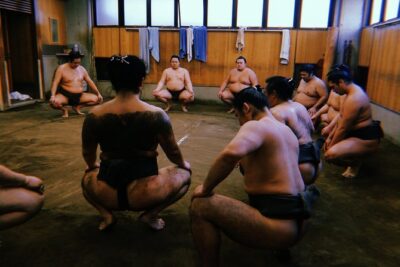
Tokyo Ryogoku Sumo Morning Practice + Photo Shoot with Wrestlers
Read our review →
Tokyo by Night Photography Tour (Private Option Available)
Read our review →
Private Vibrant Nighttime Photoshoot (Dotonbori)
Read our review →Browse the lists this tour appears in