
Reviewed · SUMO EXPERIENCES
Tokyo Ryogoku Sumo Morning Practice + Photo Shoot with Wrestlers
Sumo gets real before breakfast. This two-hour Ryogoku tour brings you close to wrestlers during an unstaged morning practice, not a polished show for tourists. I like the rare access to a working sumo stable and the chance to see the sport’s discipline at arm’s length. The main catch is that you may sit silently on the floor for more than an hour, and photo opportunities depend on the stable.
The tour also gives you a local guide to explain the rules, ranks, daily routines, and customs that are easy to miss on your own. Guides such as Mayu, Masao, Ayaka, Yumiko, and others have helped make this outing especially useful for first-time sumo watchers. Still, the quality of the explanation can vary, so I would book this for the access first and the guiding second.
In This Review
- Key details before you book
- Why a sumo stable beats a ringside seat
- Meeting at JR Ryogoku Station East Exit
- The five-to-30-minute walk through sumo town
- Inside the stable: quiet, close, and very physical
- What the training can teach you about sumo
- Photos with wrestlers, only if the stable agrees
- The short Ryogoku finish
- Is $98.16 a fair price?
- Who should book this morning visit?
- How to make the morning go well
- Should you book the Tokyo sumo morning practice?
- FAQ
- Where does the sumo morning tour meet?
- What time does the tour start?
- How old must participants be?
- Can I take photos of the wrestlers?
- Do I have to sit on the floor?
- What happens if the stable cancels the practice?
Key details before you book
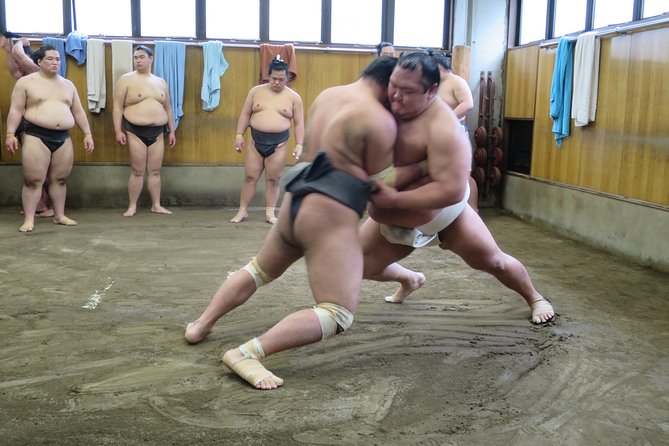
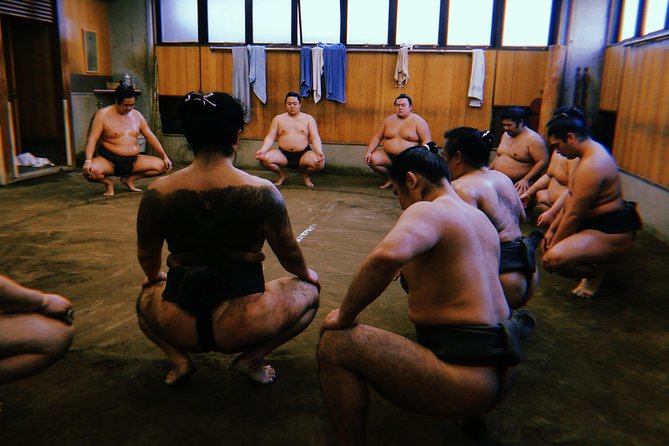
- Watch genuine morning training: You see wrestlers warming up, practicing techniques, and sometimes engaging in intense bouts.
- Enter a working sumo stable: The stable available on your date can change, and the walk from the station may take about five to 30 minutes.
- Expect floor seating: Most stables use tatami flooring and do not offer chairs. You may sit for 60 to 90 minutes or longer.
- Photos are not guaranteed: The stable decides if practice photos or posed photos with wrestlers are allowed.
- Meet at the correct station: Use the JR Ryogoku Station East Exit, not the Ryogoku Oedo Line Station.
- Small group format: The maximum group size is seven, though a large booking may be divided between different stables.
Why a sumo stable beats a ringside seat
A tournament is exciting, but it is also a public event with crowds, ceremony, and a formal ring. At a stable, you see the less polished part of sumo: repetition, fatigue, silence, hierarchy, and hard physical work.
That difference matters. The wrestlers are not putting on a special morning show. They are training for upcoming bouts and following their normal routine. You might see warmups, strength work, technical drills, and practice matches. Some sessions feel calm and methodical. Others become startlingly intense when two large athletes collide only a few feet away.
I like this setting because it gives you a better sense of sumo as a way of life, not only as a contest. The training reveals respect and strict behavior, along with the physical cost of reaching the top ranks. It also shows why sumo is tied so closely to Japanese custom and ceremony.
You should not expect a lecture every minute. During practice, you must remain quiet, and the wrestlers are the focus. The guide may explain things before the visit, write notes during the session, or answer questions afterward. That makes the experience more rewarding, but your attention needs to stay on the stable floor.
More Photography Sessions in Tokyo
- Tokyo Kimono, Furisode, and Yukata Rental Experience | Exquisite Hairstyling & Japanese Makeup & Photo Shoot (Ookini Asakusa Kaminarimon)
★ 4.8 · 767 reviews - Tokyo Cyberpunk Street Photo Tour
★ 5.0 · 165 reviews - Tokyo by Night Photography Tour (Private Option Available)
★ 5.0 · 151 reviews
Meeting at JR Ryogoku Station East Exit
The meeting point is outside Re.Ra.Ku Ryogoku Ekimae, beneath the elevated tracks at the JR Ryogoku Station East Exit. Look for a guide holding a red or orange MagicalTrip sign.
This is one of those small Tokyo details that can ruin a morning if you overlook it. Ryogoku has two stations, and the tour specifically uses JR Ryogoku Station. Do not go to the Ryogoku Station on the Toei Oedo Line.
The start time is 8:00 a.m., but you should arrive early. The instructions require the group to meet about 10 minutes before the start, and anyone more than 15 minutes late may be refused entry with no refund or rescheduling. That strict rule makes sense inside a quiet stable, where a late arrival could interrupt training, but it leaves little room for a wrong turn.
Your guide gives a short introduction before the walk. This is where you may learn about stable life, sumo ranks, training customs, and what behavior is expected. The best guides make this preparation useful. Yumiko, for example, reportedly helped guests understand the session by adding written notes during practice. Masao has also been praised for explaining the structure of sumo and the stable system.
The quality of this opening matters. A few people have found that explanations given outdoors near the station were hard to hear because of traffic and passing pedestrians. If the introduction seems rushed, save your questions for the walk and the time after practice.
The five-to-30-minute walk through sumo town
From the station, you walk with the guide to a stable selected according to that day’s availability. The walk may take only five minutes, or it may stretch to 30 minutes.
That uncertainty is worth understanding before you pay. You are not choosing a particular stable or guaranteed wrestler. Sumo stables can adjust schedules at short notice based on tournament plans, wrestler condition, or other internal decisions. The available location can change, and a large group may be split between separate stables.
The walk itself helps place you in Ryogoku, Tokyo’s sumo district. The guide may point out local sights and explain the area’s connection to the sport. Some outings have included a brief stop around Ryogoku Kokugikan, the major sumo arena, while another reported an additional visit to Ekōin Temple.
The published schedule gives about 10 minutes for exploring the Kokugikan area. Treat this as a short local orientation, not a full museum visit or arena tour. The main event is still the stable practice.
Inside the stable: quiet, close, and very physical
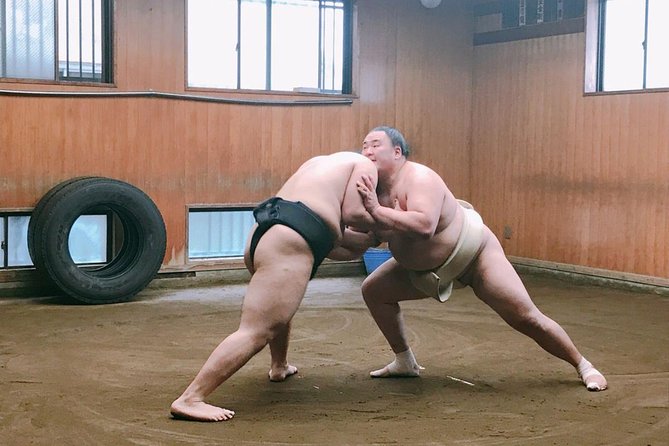
Once you arrive, you enter with the guide and sit in the permitted tatami areas. The stable controls the rules, and all other areas are off-limits.
Most importantly, expect to sit on the floor. There are usually no chairs, and you may remain there for about an hour and 20 minutes. Practice can sometimes continue for two hours, which may push the end of the tour later than planned.
The sitting is not a minor detail. If your knees, hips, or back dislike floor seating, this can become uncomfortable well before the training ends. Go to the toilet before the tour because you may not be allowed to leave during practice. Wear clothing that lets you sit comfortably and keep your movements small.
Silence is part of the experience. Depending on the stable’s rules, you may be asked to wear a mask, sit in a certain manner, and avoid photos until practice finishes. You cannot treat the stable like a sports arena where you stand, chat, and record whenever you wish.
This restraint is also what makes the visit feel genuine. You are watching a private working routine, and the wrestlers are not there to entertain you. The atmosphere can be almost severe, especially when the exercises become repetitive or a bout ends with a heavy slap and a sudden return to quiet.
The best view goes to the people who arrive first. Seating is first come, first served, and late arrivals may sit two or three rows back. A small group does not guarantee a front position because other tour groups or direct visitors may already be inside.
More Sumo Experiences in Tokyo
- Tokyo: Sumo Show Experience with Chicken Hot Pot and a Photo
★ 4.8 · 6,678 reviews - Tokyo: Sumo Live Show with Photo in Shinjuku
★ 5.0 · 3,438 reviews - Tokyo: Sumo Show and Dining Experience
★ 4.8 · 2,742 reviews - the SUMO show
★ 5.0 · 1,960 reviews
What the training can teach you about sumo
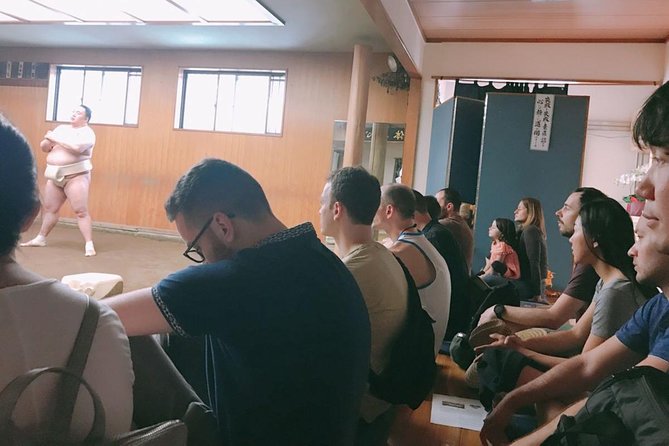
A good guide helps you read the activity in front of you. You may learn how wrestlers prepare their bodies, how practice bouts work, and how rank and seniority shape stable life.
You also begin to notice details beyond the wrestling itself. The strict order of the room, the focus on hygiene, the respect between wrestlers, and the business side of maintaining a stable all add meaning to the physical drills. One particularly positive account described gaining a better sense of the sport’s hierarchy, daily life, training demands, and customs after seeing the session up close.
The practice is not always a complete lesson. Some visitors receive only a brief introduction and little explanation while seated. Others get detailed commentary from guides who point out small techniques and explain what is happening. I would not book this expecting a guaranteed classroom presentation or printed guide.
That variation is the tour’s biggest weakness. The stable access is the valuable part, while the guide’s contribution determines how much context you take away. If your main goal is to see real training, the experience can work even with limited narration. If you already know sumo and want advanced detail, ask questions before and after the practice.
Photos with wrestlers, only if the stable agrees
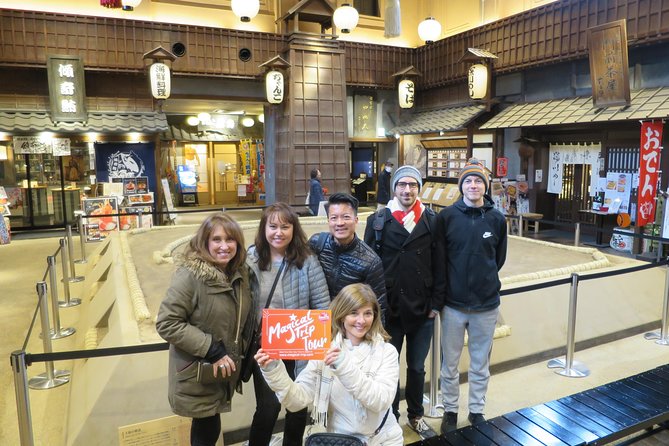
The tour includes photos, but that does not mean you can photograph everything.
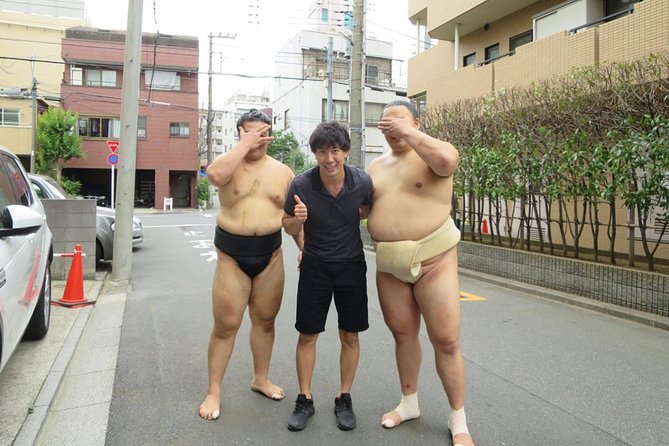
The stable decides if guests may take pictures during training and if wrestlers will pose afterward. Some groups have been allowed to photograph practice and take a posed group photo. In other cases, photography has been prohibited during the session, with pictures allowed only after practice. There is also a chance that no posed photo will be available.
That rule is outside the guide’s control. You should see the photo as a possible extra, not the reason to book. If the wrestlers do pose, it can be a memorable finish, especially after watching such an intense session at close range.
Tour photos are included, which is useful when you need to remain discreet and follow stable rules. Still, ask your guide what is permitted on the morning itself. Stable policies can differ, and they can change without much warning.
The short Ryogoku finish
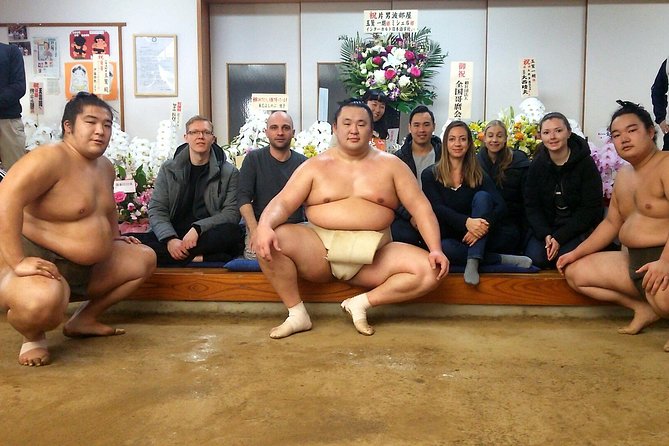
After practice, the guide may answer questions outside the stable and walk you through a small part of Ryogoku. The itinerary includes about 10 minutes around Ryogoku Kokugikan before the group returns to the station.
Do not expect lunch, a sumo museum visit, or a long neighborhood walk. This is a focused morning activity. One useful point for planning: there is no meal included, even though some separate sumo-related experiences may offer hot pot or other food.
The tour ends back at the original meeting point. Because training sometimes runs long, leave some flexibility in your morning schedule. A tight connection or timed reservation soon afterward could turn an enjoyable extension into a scramble.
Is $98.16 a fair price?
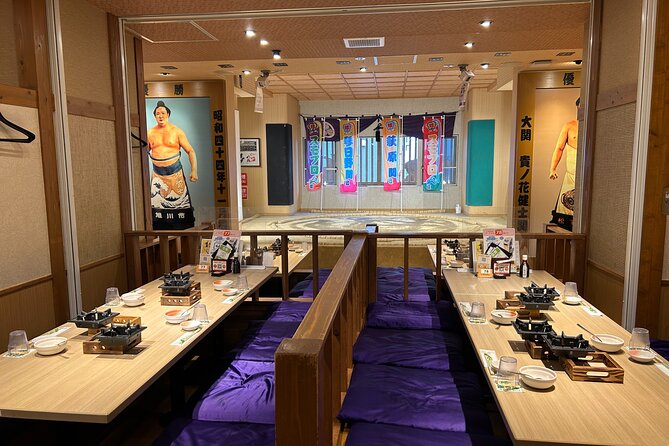
At $98.16 per person, this is not a cheap sightseeing stop. You are paying for arranged access, a local escort, small-group organization, and the chance to enter a place that is difficult to approach without Japanese contacts or a guide.
I think the price makes sense if you care about sumo or want an unusual cultural experience that cannot be replaced by a quick visit to the Kokugikan exterior. Seeing genuine practice from a few feet away has a value that a museum display cannot match.
The calculation changes if you mainly want a posed photo or a polished explanation. Photos are not guaranteed, seating may be near the back, and the guide may provide only a short introduction. A few people have felt the activity did not offer enough added value beyond watching practice, especially when they arrived partway through a session.
The 94 percent recommendation rate and 4.7 rating suggest that most people find the access worthwhile. I would still judge the price against your interests. A sumo fan, sports enthusiast, or first-time visitor looking for traditional culture is more likely to feel satisfied than someone who wants a relaxed, fully narrated tour.
Who should book this morning visit?
I would recommend it most strongly to:
- Sumo fans who want to see normal training rather than only an official tournament
- Visitors curious about Japanese customs, discipline, and stable life
- Solo visitors who are comfortable sitting quietly in a small group
- Sports fans who appreciate repetition, technique, and physical effort
- Adults and older children aged 12 and above who can follow strict stable rules
I would think twice if you need flexible timing, dislike floor seating, or expect constant conversation. Children under 12 cannot enter, and the stable will deny admission without a refund.
Summer requires extra care. Tokyo can be very hot and humid, so bring water and wear a hat for the walk and time outdoors. Inside, the main challenge is not the heat alone but sitting still and staying quiet.
The tour can also be a poor match for anyone who wants certainty. The stable, start time of practice, photo rules, length of training, and even the possibility of cancellation can change. If the stable cancels because the schedule or practice changes, the booking is fully refunded. You may also be asked to change the date or time to match availability.
How to make the morning go well
Arrive early at the JR station and confirm that you are at the East Exit. Save the meeting information on your phone because the group cannot wait for late arrivals.
Use the toilet before meeting the guide, eat something beforehand, and bring water. Wear comfortable clothes for sitting on tatami, and avoid planning another fixed appointment immediately afterward.
Follow the stable’s rules even if you see someone else behaving differently. Do not assume that another visitor’s camera use means photography is allowed for your group. The stable can refuse people who break its rules, and that refusal does not bring a refund.
Finally, focus on the practice itself. The most rewarding part is not a staged pose. It is watching athletes repeat demanding movements, test techniques, and work within a strict group structure while you sit quietly nearby.
Should you book the Tokyo sumo morning practice?
Book it if you want close access to real sumo training and can accept a few unknowns. The physical proximity, quiet discipline, and chance to see serious practice make this one of Tokyo’s more distinctive sports experiences.
Skip it if you need a guaranteed front-row seat, a fixed stable, full photography rights, or a long guided lesson. At this price, those limits matter.
For the right visitor, the tour offers something a tournament ticket cannot: a look at the daily work behind the ceremony. Arrive on time, sit patiently, respect the rules, and let the wrestlers’ training carry the morning.
FAQ
Where does the sumo morning tour meet?
Meet at Re.Ra.Ku Ryogoku Ekimae by the JR Ryogoku Station East Exit. Do not use Ryogoku Station on the Oedo Line. The guide carries a red or orange MagicalTrip sign.
What time does the tour start?
The tour starts at 8:00 a.m. You should arrive about 10 minutes early. Anyone more than 15 minutes late may not be allowed to join and will not receive a refund or rescheduling.
How old must participants be?
The tour is for people aged 12 and over. Children under 12 cannot enter the sumo morning practice and will be refused admission without a refund.
Can I take photos of the wrestlers?
Photography depends on the stable’s rules. You may be allowed to take photos during practice or pose with wrestlers afterward, but neither option is guaranteed.
Do I have to sit on the floor?
Yes, you should be prepared to sit on tatami flooring because most stables do not provide chairs. Practice may last about an hour and 20 minutes, and sometimes longer.
What happens if the stable cancels the practice?
The stable may cancel or change the practice schedule because of tournament plans or a wrestler’s condition. If the booking is canceled for that reason, you will receive a full refund.
Just added in Tokyo
- MT. FUJI/ Private Tour delivered and guided by a top-tier driver★ 5.0 · 27 reviews
- Mt.Fuji Trekking 1 Day Tour up to the summit★ 5.0 · 14 reviews
- Mt fuji & Hakone customizable day tour w/ English speaking driver★ 5.0 · 45 reviews
- Fuji Speedway Self Drive & Mt. Fuji Private Tour pickup & dropoff★ 5.0 · 14 reviews
- Seasonal Mt. Fuji Scenic Views, Fruit Picking and Ropeway Ride!★ 4.5 · 35 reviews
- Customisable Mt.Fuji Private Day Trip, English Speaking Driver★ 5.0 · 22 reviews
- Private Mt Fuji Tour from Tokyo: Scenic BBQ and Hidden Gems★ 5.0 · 146 reviews
- Private Mount Fuji Tour in Luxury Vehicle with English Guide★ 4.5 · 39 reviews
Sumo Experiences, compared.
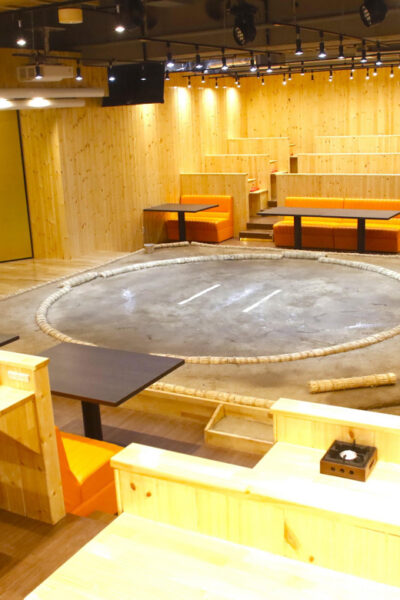
Sumo Show Experience with Chicken Hot Pot and a Photo
Read our review →
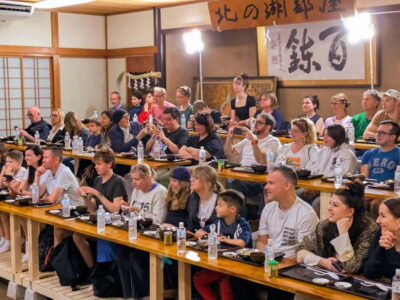
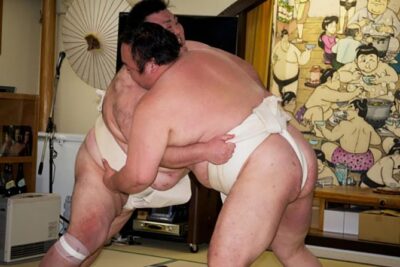
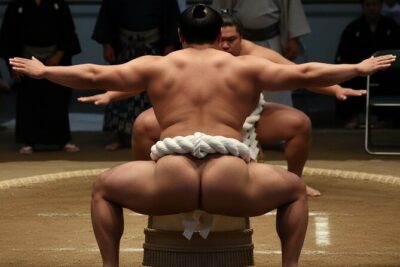
Tokyo Shinjuku Sumo Show & Experience with Photo
Read our review →
Asakusa Sumo Club Sumo Show Admission with Chankonabe in Tokyo
Read our review →
Tokyo Ginza Sumo Experience: Performance vs Pure Practice
Read our review →Browse the lists this tour appears in