Reviewed · TEA CEREMONIES
Kyoto: Tea Ceremony with Kimono and Photoshoot
Tea tastes better in a kimono. This Kyoto experience pairs traditional kimono dressing with a calm English-language tea ceremony, so you do more than pose for costume photos. I especially like making your own matcha and receiving three professional photographs, but the 90-minute schedule can feel tight if the shop is running late.
You also get time to walk around Kyoto in your kimono after the ceremony, which adds real value to the afternoon. The main caution is simple: arrive early, since anyone more than 10 minutes late cannot join and will not receive a refund.
In This Review
- Key points at a glance
- Why this Kyoto experience feels more complete than a dress-up shop
- Arriving at Nishiki Market or Gion
- Choosing a kimono and getting dressed
- The tea room demonstration in English
- Making matcha and enjoying Japanese sweets
- The professional photoshoot and three finished images
- Walking through Kyoto in a kimono afterward
- Is $127 a fair price?
- Who should book this experience?
- My verdict: book it for culture, not just costume photos
- FAQ
- How long does the Kyoto tea ceremony experience last?
- How much does the experience cost?
- Which languages are available?
- Where does the experience take place?
- What is included in the price?
- Can I book only the kimono dressing or only the tea ceremony?
- What happens if I arrive late?
- Can I walk around Kyoto in the kimono afterward?
Key points at a glance
- Choose from two Kyoto locations: Book either the Nishiki Market shop or the Gion shop, and check the address carefully before setting out.
- Wear a complete kimono look: Staff dress you in a kimono, and some participants can choose fabric colors and hair accessories.
- Learn the meaning behind the ritual: An English-speaking tea master explains the ceremony, including cleansing and blessing steps.
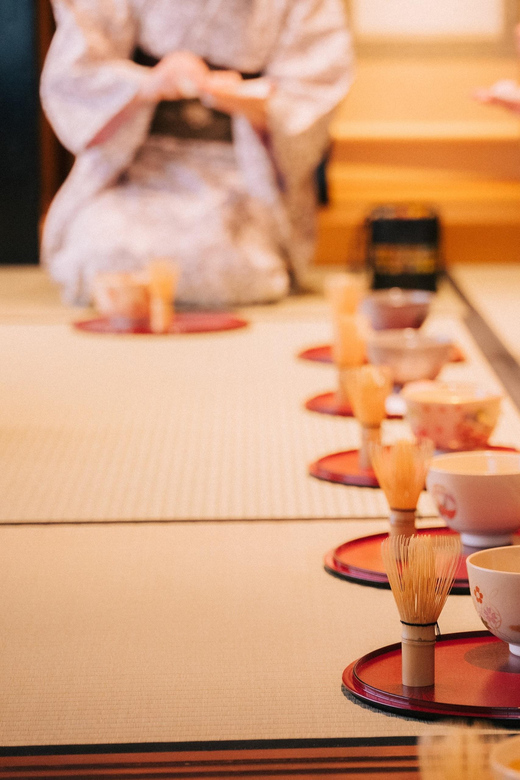
- Make your own matcha: You prepare green tea and enjoy it with Japanese sweets after watching the demonstration.
- Receive three professional photos: A photographer captures your time in the kimono, with finished images sent by email.
- Keep the kimono for a short Kyoto stroll: Return times are 6:00 PM at Nishiki Market and 5:00 PM in Gion.
Why this Kyoto experience feels more complete than a dress-up shop
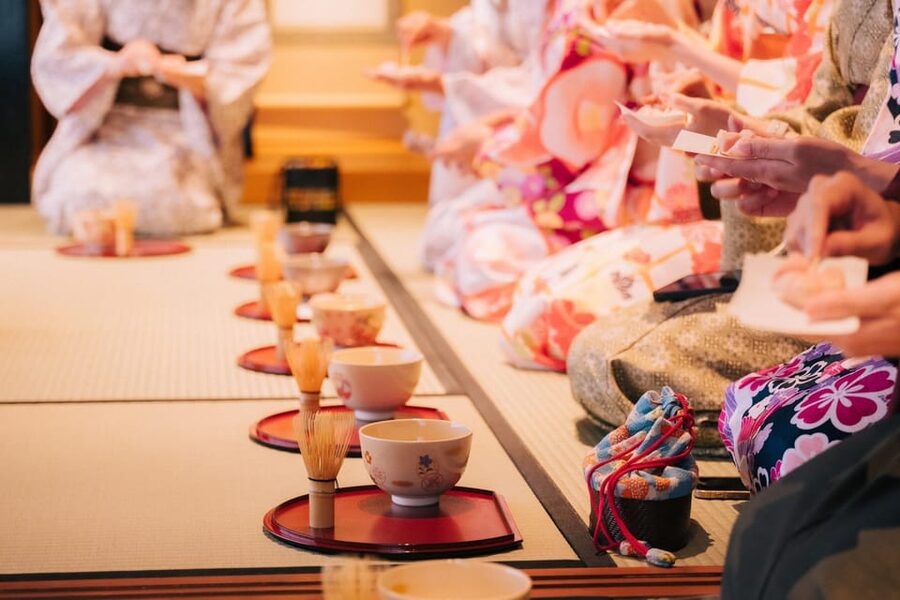
Kyoto offers many chances to put on a kimono and take a few pictures. That can be fun, but this activity gives the clothing a cultural setting. You learn why the tea ceremony follows set movements, watch a demonstration in English, and then prepare your own matcha.
That combination is the reason I consider the experience more than a photo stop. The kimono gives you a visual connection to Kyoto, while the tea room explains a little of the thought behind the ritual. You leave with pictures, but you also understand more about what you were wearing and doing.
The group is limited to 10 people. That is small enough for the tea master to explain the process clearly, although the exact feel will depend on how many people are booked at your time. An English-speaking instructor leads the activity, which matters when the ceremony includes customs that are easy to miss if you are only watching.
The provider is Japan Wonder Travel, and the experience has a 4.9 rating from 90 reviews. Individual praise focuses heavily on the staff, the smooth organization, the cultural explanation, and the quality of the photographs. Mami is singled out as kind and well informed, while other comments describe the whole team as polite and attentive.
More Kimono Experiences in Kyoto
- [Kyoto & Nara Day Tour] Sagano Scenic Railway & Nara Park & Fushimi Inari Taisha Thousand Torii Gates & Togetsukyo Bridge & Bamboo Grove & Kimono Forest (Departing from Osaka)
★ 4.9 · 10,942 reviews - Kyoto Geisha Walking Tour: Gion District & Hidden Gems
★ 4.7 · 3,273 reviews - Kyoto: Gion Magical Night Walking Tour with Geisha Trivia
★ 4.9 · 2,393 reviews
Arriving at Nishiki Market or Gion
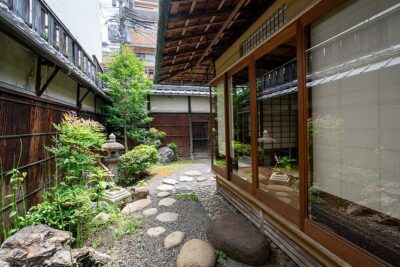
You choose between two locations when booking: Nishiki Market and Gion. The meeting point depends on the option you select, so do not treat the two shops as interchangeable. Arriving at the wrong location means you cannot join the activity.
This is one of those Kyoto details worth handling before the day begins. Check the exact shop name and address, then allow extra time for finding it. The late-arrival rule is strict: more than 10 minutes after the start time means no participation and no refund.
The Nishiki Market option gives you until 6:00 PM to return the kimono. The Gion option has an earlier return time of 5:00 PM. That difference matters if you want to walk around afterward, particularly if you choose an afternoon appointment.
The activity itself lasts 90 minutes, but one participant reported waiting about an hour after arriving on time before the ceremony began. That may not happen at every session, but I would avoid scheduling a train, meal, or major sightseeing visit immediately afterward. A little breathing room will keep the afternoon pleasant.
Choosing a kimono and getting dressed
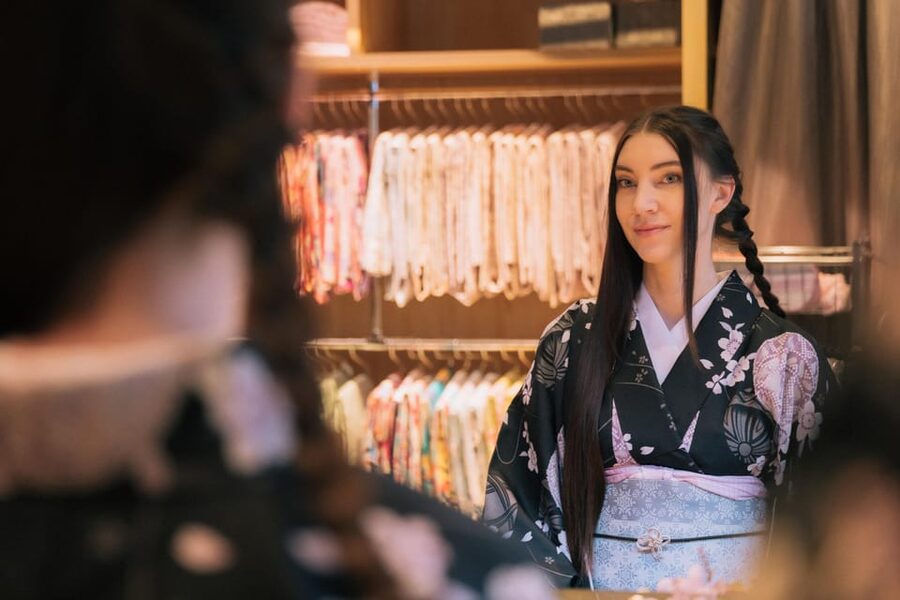
Once you arrive, you complete a short survey and move to the changing area. The staff need the height and gender of every participant in advance so they can prepare suitable kimono sets.
Kimono dressing is included in the price. The preparation is part of the fun, but it is not a quick jacket change. Several reviews describe staff helping with the full outfit, and one participant appreciated choosing the fabric color and hair accessories. Those choices give you some control over the final look, though the available selection may depend on the shop and the day.
You will remove your shoes indoors. Smoking is not allowed, and shoes are not worn inside, so choose footwear that you can take off without fuss. The activity is not suitable for wheelchair users, and children under 5 cannot join.
The kimono also changes how you move. The clothing is formal and fitted, not casual sightseeing wear. You can walk outside afterward, but I would plan a gentle stroll rather than a long march across Kyoto. You will enjoy the outfit more if you are not rushing between distant sights.
The tea room demonstration in English
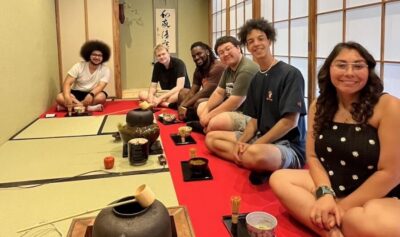
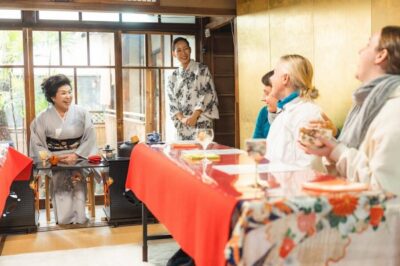
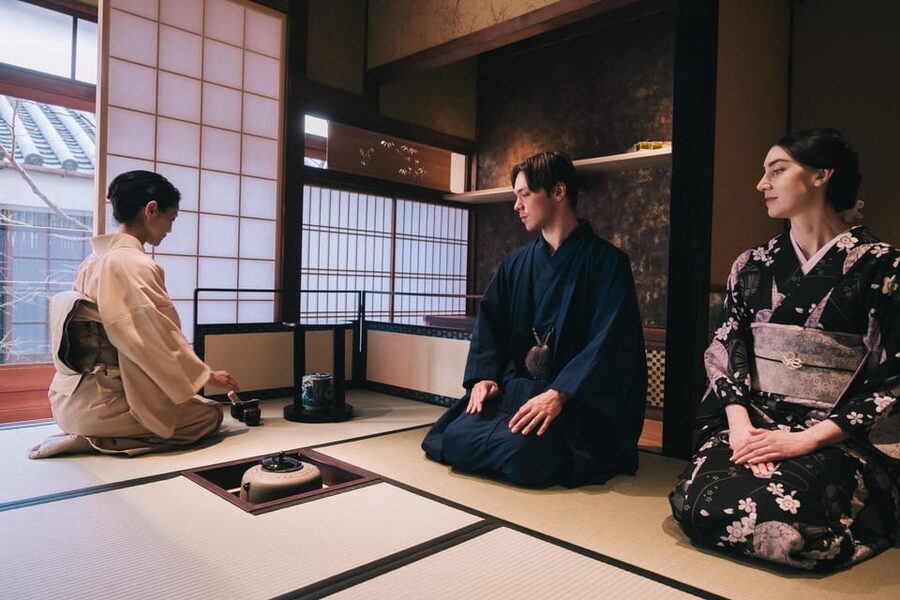
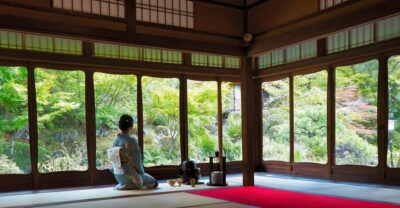
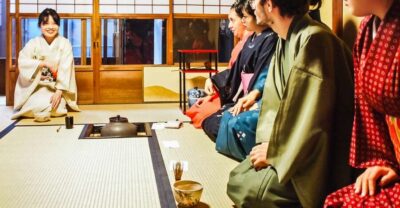
After dressing, you enter the tea room and watch the tea master prepare the ceremony. The instruction is in English, and the presentation explains the cultural purpose behind the actions rather than asking you to copy movements without context.
This is where the experience earns its cultural value. The ceremony is not treated as a stage show alone. You see the care given to cleansing, preparation, and the serving of tea. One participant specifically found the explanation of cleansing and blessing the tea especially interesting.
I like this format because it gives you a way into a tradition that can otherwise seem quiet and mysterious. The ceremony uses deliberate gestures and a set order. You do not need prior knowledge, and the relaxed explanation helps you notice details that might otherwise pass quickly.
The tone appears friendly rather than severe. Several comments praise the staff for being polite, respectful, and easy to work with. That makes a difference if you are worried about making a mistake. You are there to learn, not to pass an exam in tea etiquette.
Still, keep your expectations sensible. This is a 90-minute introduction, not a full course in tea ceremony. You will learn the basic meaning and watch a demonstration, but you will not become a tea master in one sitting.
More Photography Sessions in Kyoto
- Kyoto: Maiko Makeover and Photoshoot Experience
★ 4.7 · 239 reviews - Kyoto: Private Photoshoot Service
★ 5.0 · 158 reviews - Kyoto: Private Gion District Photoshoot Experience
★ 5.0 · 79 reviews - Kyoto Tea Ceremony and Samurai Photo Session
★ 5.0 · 70 reviews
Making matcha and enjoying Japanese sweets
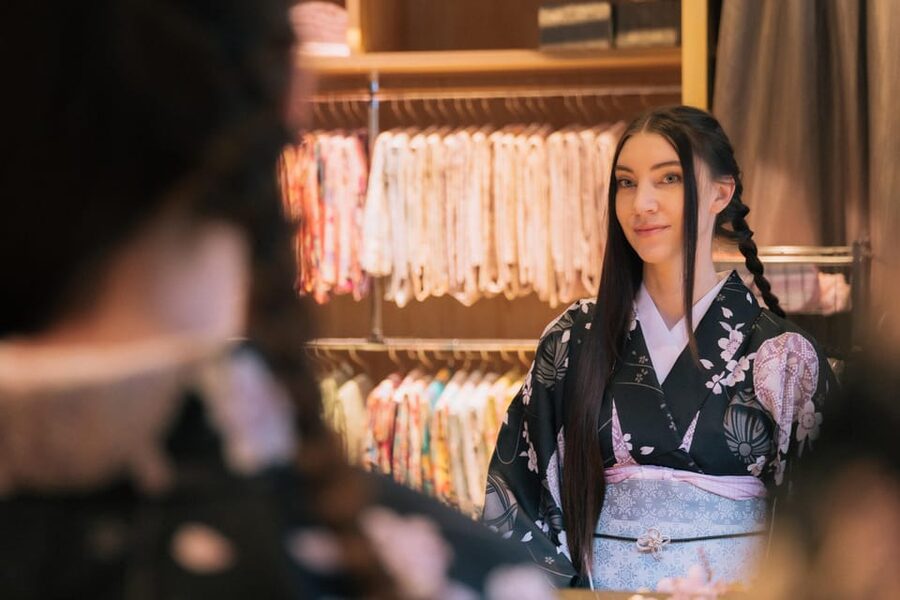
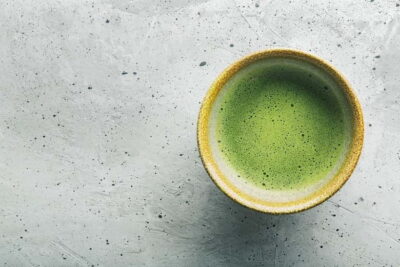
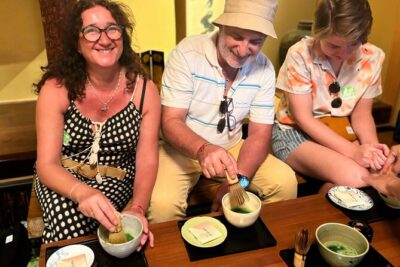
After the demonstration, you prepare your own matcha green tea. This hands-on step is important. Watching someone else make tea can be beautiful, but using the tools yourself helps the movements make sense.
You also receive Japanese sweets with the matcha. The sweet and slightly bitter pairing is a classic part of the experience, and it gives you a small taste of how tea is enjoyed in this setting.
Food allergies should be reported in advance. The supplied information does not list the ingredients or offer a detailed menu, so you should not assume that every sweet will suit your diet. If you have an allergy, tell the provider before the activity rather than waiting until you sit down.
The tea preparation is guided, so you do not need to bring equipment or know how to whisk matcha. You can focus on the process, the explanation, and the pleasure of doing something with your hands. For many people, this will be the most memorable part of the 90 minutes.
The professional photoshoot and three finished images
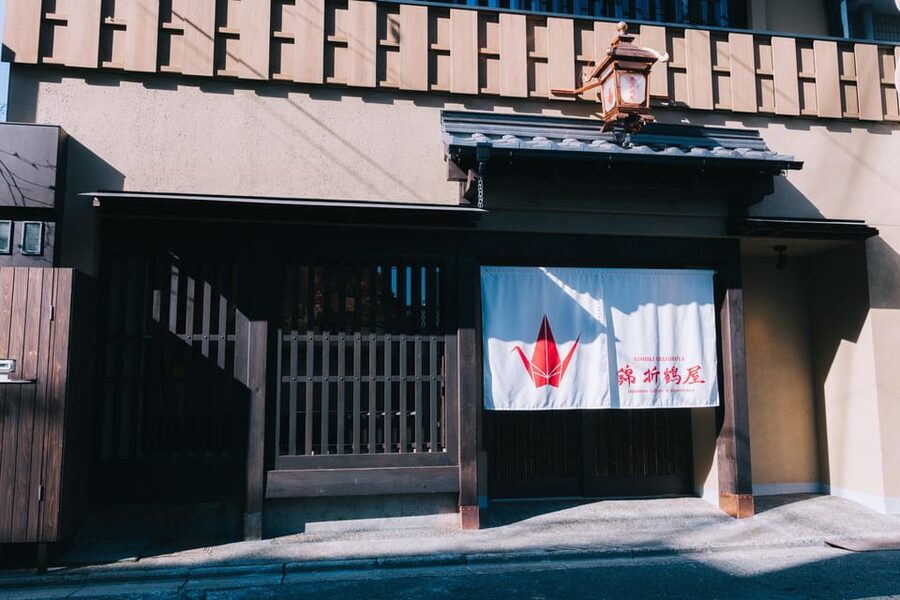
A professional photographer takes pictures during the experience, and you receive three photographs as a memento. The photos add practical value because kimono dressing is difficult to capture well with quick phone snapshots, especially when you are also trying to follow the ceremony.
The photography is not limited to the formal tea room moment. The staff also make time for pictures in the kimono, and you have an opportunity to take your own photos in the waiting area and outside if timing allows. One participant said the professional images arrived by email a couple of hours later.
Three photographs is a modest number, so do not expect a full fashion session with dozens of edited images. What you get is a small, useful set of finished pictures rather than an extensive album. For many people, that is enough. You get a polished reminder without spending the day posing.
The quality receives strong praise, with one participant calling the pictures first class and another saying the images turned out great. Results can always vary with lighting, pose, and the pace of the session, but the photographer is a meaningful part of the package.
If photographs are a major reason for booking, arrive with a clear idea of the style you want. You can also use your own phone when there is free time, but do not let picture-taking crowd out the tea ceremony itself. The cultural part is what gives the photos their setting and meaning.
Walking through Kyoto in a kimono afterward
After the tea ceremony and photos, you may stroll around in the kimono. This is a nice extra, especially if you have booked the Gion location and want to spend time in that historic Kyoto area, or if you are already planning to visit Nishiki Market.
The rules are practical: return the kimono to the Nishiki Market shop by 6:00 PM or to the Gion shop by 5:00 PM on the same day. These are firm return deadlines, so check your appointment time before planning the rest of your day.
I would keep the outing close to the shop. The information does not promise an extended rental or transport support, and the outfit is better suited to a short walk than a packed sightseeing schedule. You may find that a nearby lane, market visit, or photo stop is plenty.
This optional stroll gives you a chance to enjoy the outfit in Kyoto itself rather than only inside a studio. It also lets you take personal pictures beyond the three professional shots. Just keep an eye on the clock and avoid getting so comfortable in your new look that you forget to return it.
Is $127 a fair price?
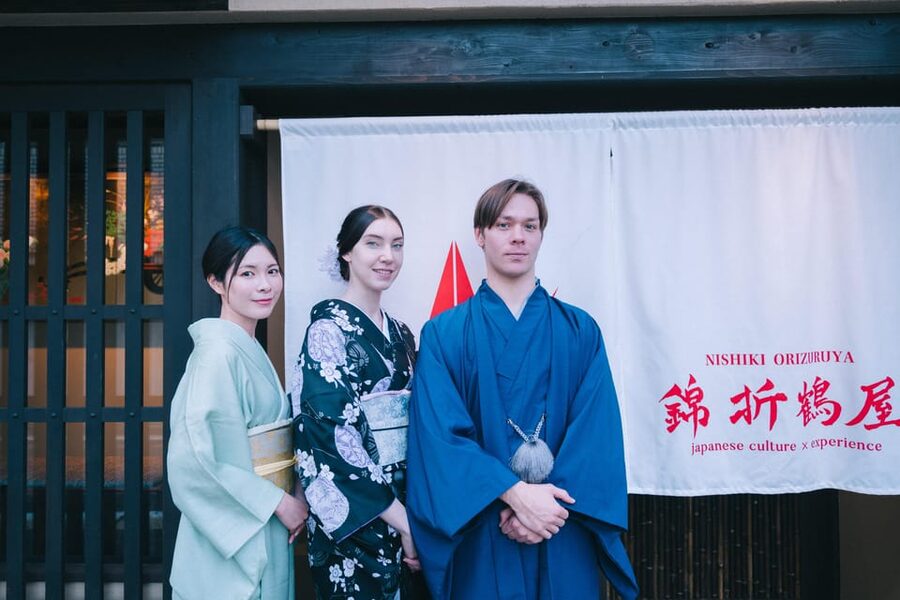
At $127 per person, this is not the cheapest way to rent a kimono for pictures. The price includes the kimono dressing, the English tea ceremony demonstration, matcha, Japanese sweets, and three professional photos.
I think the value is reasonable if you want several parts of Kyoto culture in one organized visit. You are paying for staff assistance, instruction, tea preparation, photography, and the outfit. Booking separate kimono rental and photography could cost less or more, depending on what you choose, but it would not necessarily include the tea ceremony lesson.
The price makes less sense if you only want to wear a kimono for a few casual photos. The activity does not offer a tea ceremony-only or kimono-dressing-only option. You must take the full package, so book it for the combined experience.
The small group limit also helps support the price. With no more than 10 participants, the class should be easier to follow than a large commercial demonstration. I would view the experience as a cultural activity with photographs, not as a simple costume rental.
Free cancellation is available up to 24 hours before the start time, and you can reserve now and pay later. That flexibility is useful while arranging a Kyoto schedule, but it does not protect you from the strict 10-minute late rule.
Who should book this experience?
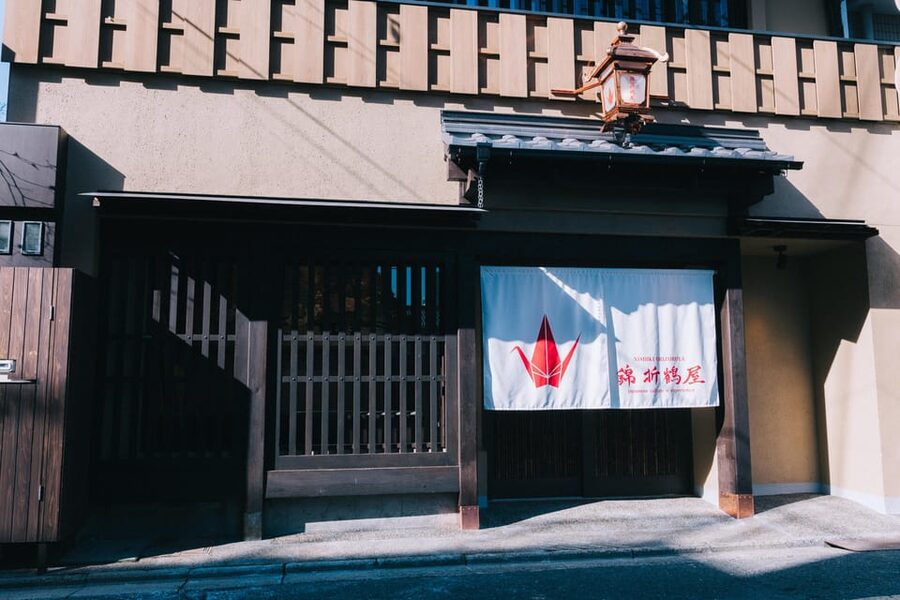
I would recommend it to first-time visitors who want an easy introduction to Japanese tea culture. You do not need previous knowledge, and the English instruction removes much of the uncertainty.
It is also well suited to couples, friends, and solo visitors who care about photographs. The chance to choose colors and hair accessories, then receive three professional images, gives the activity a clear keepsake value.
Families should note the age limit. Children under 5 cannot participate, and wheelchair users are not accepted. If your group includes anyone with mobility needs, this is not the right choice based on the stated restrictions.
You should also think about your schedule. The activity is 90 minutes, but a delay is possible, and you must return the kimono by a fixed time. Plan it as a main event for the afternoon, not as a quick filler between tightly timed attractions.
My verdict: book it for culture, not just costume photos
I would book this experience if you want a friendly, guided introduction to Kyoto’s tea ceremony, plus a kimono and a few polished photos. The strongest points are the respectful staff, the English explanation, the chance to make your own matcha, and the option to walk outside afterward.
I would skip it if you only want a kimono rental or if you dislike fixed schedules. You cannot book only one part, and the late-arrival policy leaves no room for confusion.
For the best experience, send the required height and gender details early, confirm your exact location, report food allergies, arrive well before the start time, and leave room after the 90-minute session. If those conditions suit you, $127 buys a well-organized cultural hour and a half with a useful souvenir at the end.
FAQ
How long does the Kyoto tea ceremony experience last?
The experience lasts 90 minutes.
How much does the experience cost?
The listed price is $127 per person.
Which languages are available?
The tea ceremony instruction is provided in English by an English-speaking instructor.
Where does the experience take place?
There are two possible locations: Nishiki Market and Gion. The meeting point depends on the option selected when booking.
What is included in the price?
The package includes kimono dressing, an English tea ceremony demonstration, matcha green tea, Japanese sweets, and three photographs taken by a professional photographer.
Can I book only the kimono dressing or only the tea ceremony?
No. The experience is offered as a combined kimono and tea ceremony activity.
What happens if I arrive late?
If you arrive more than 10 minutes after the scheduled starting time, you cannot join and no refund is available.
Can I walk around Kyoto in the kimono afterward?
Yes. You may stroll around in the kimono after the tea ceremony, but you must return it to the Nishiki Market shop by 6:00 PM or the Gion shop by 5:00 PM on the same day.
More Tea Ceremonies in Kyoto
- Kyoto: Tea Ceremony in a Traditional Tea House in Kiyomizu
★ 4.9 · 3,519 reviews - Kyoto: Tea Ceremony Ju-An at Jotokuji Temple
★ 4.9 · 3,207 reviews - Kyoto: 45-Minute Tea Ceremony Lesson Experience
★ 4.3 · 2,378 reviews - Kyoto: Table-Style Tea Ceremony at a Kyo-Machiya
★ 4.9 · 1,211 reviews
Just added in Kyoto
- The “Golden Route” and Ancient Japan by DIAMIR Erlebnisreisen – 14-Day Tour★ 2.0 · 2 reviews
- Japan: Castles & Cuisine by G Adventures – 6-Day Kyoto to Osaka Tour★ 4.5 · 4 reviews
- Cycle Japan by Explore! – 13-Day Kyoto to Tokyo Tour★ 4.7 · 12 reviews
- Cycle Japan by Intrepid Travel – 11-Day Kyoto to Tokyo Tour★ 4.8 · 2 reviews
- Classic Japan by Intrepid Travel – 11-Day Kyoto to Tokyo Tour★ 4.4 · 14 reviews
- Ancient & Modern Japan 14-Day Tour by Exodus Adventure Travels★ 4.4 · 40 reviews
- 5 Day Cultural Adventure of Kyoto, Nara & Osaka by Tourist Journey★ 2.5 · 2 reviews
- 12 Days Kinosaki Onsen Escape: A Journey Through Japan’s Timeless Towns by UME Travel★ 4.8 · 5 reviews
Tea Ceremonies, compared.
Tea Ceremony in a Traditional Tea House in Kiyomizu
Read our review →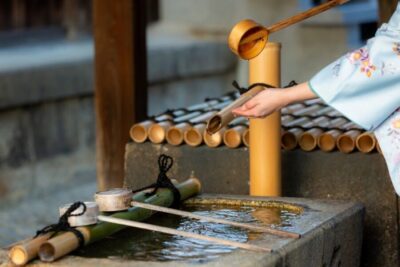
World Heritage Kyoto & Nara Uji Authentic Matcha Experience
Read our review →