Reviewed · TEA CEREMONIES
Kyoto Tea Ceremony and Samurai Photo Session
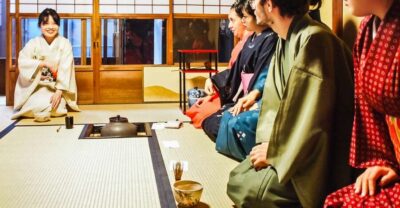
Tea, sweets, and samurai armor make an unlikely trio. This Kyoto experience brings them together inside a 100-year-old machiya, where you learn the basics of matcha, taste seasonal wagashi, and make a Kyoto-style matcha latte. I especially like the hands-on format and the friendly instruction from Maya, whose humor and clear English help beginners feel at ease. The main consideration is the short schedule: the tea portion takes about 50 minutes, while the full activity is listed at approximately 1 hour 20 minutes.
I also like the small group size, capped at 10 people. You get a chance to hold the whisk, prepare your own tea, ask questions, and take photos in samurai armor rather than simply watching a demonstration. At $71.74 per person, it is not the cheapest cultural activity in Kyoto, but the combination of instruction, sweets, latte-making, and photos gives it solid value if you want an easy introduction to Japanese tea culture.
In This Review
- Key points to know before booking
- Entering the Kyoto machiya
- The opening explanation: tea, mindfulness, and tradition
- Making traditional matcha with your own hands
- Seasonal wagashi and the taste of Kyoto
- A Kyoto-style matcha latte for a modern finish
- Samurai armor and the final photo session
- Timing, group size, and overall pace
- Is $71.74 a fair price?
- Who will enjoy this most?
- Should you book the Kyoto tea ceremony and samurai photo session?
- FAQ
- Where does the Kyoto tea ceremony and samurai photo session begin?
- Where does the activity end?
- How long does the experience last?
- How many people can join the activity?
- Is the activity suitable for beginners?
- Is the activity available in English?
- What food and drinks are included?
- Can I take photos during the experience?
- Can I cancel for a full refund?
Key points to know before booking
- A 100-year-old machiya provides the setting: The traditional Kyoto townhouse gives the lesson a sense of place that a modern classroom would lack.
- You make matcha yourself: The class explains the process, then lets you prepare traditional matcha with guidance.
- The experience includes a matcha latte: This modern version makes the activity approachable for people who find straight matcha too strong.
- Seasonal wagashi comes with the tea: These Japanese sweets balance matcha’s bitter, grassy flavor.
- Samurai armor photos finish the visit: The final photo session adds a playful, memorable touch to the quieter tea lesson.
- The group is limited to 10 people: That is small enough for personal help without making the event feel private or expensive.
Entering the Kyoto machiya
The activity begins at Samurai Gyoza Factory Kyoto, located at 230-1 Kamimyōkakujichō in Nakagyo Ward. The meeting point is near public transportation, and the activity ends at the same location, so you do not need to arrange a second pickup or find your way across town afterward.
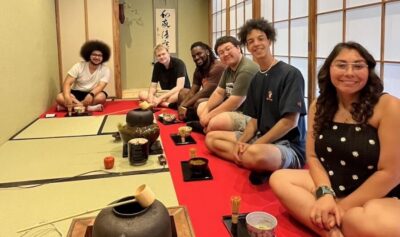
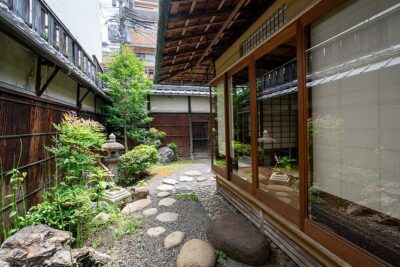
The setting matters. A machiya is a traditional Kyoto townhouse, usually marked by a narrow frontage and a long interior layout. Here, the building is about 100 years old. That does not turn the class into a museum visit, but it gives the tea lesson a more fitting backdrop than a hotel meeting room.
You should allow a little time to locate the meeting point before the start. The address is specific, and the name Samurai Gyoza Factory may sound more like a food class than a tea ceremony. Keep the address handy on your phone, especially if you are arriving by taxi or public transport.
Once inside, the mood shifts from ordinary city sightseeing to a quieter cultural activity. The experience is compact, which works well if you have a packed Kyoto schedule. You can fit it between major sights rather than giving up half a day.
More Castles and Historic Sites in Kyoto
- Kyoto Samurai Experience
★ 5.0 · 1,294 reviews - Kyoto: Nijo-jo Castle and Ninomaru Palace Guided Tour
★ 4.7 · 1,020 reviews - Kyoto: Kendo and Samurai Experience with Uniform and Gear
★ 4.9 · 815 reviews
The opening explanation: tea, mindfulness, and tradition
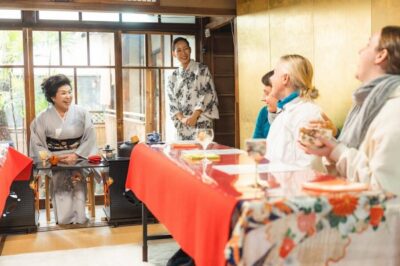
The session begins with an explanation of the tea ceremony and its place in Japanese culture. You learn about the history and the idea of mindfulness behind the ritual. The instructor also demonstrates how the ceremony is performed before asking you to try parts of it yourself.
This introduction is one of the strongest parts of the activity. A tea ceremony can look mysterious if you only see the formal movements from a distance. The explanation gives meaning to the gestures, tools, and pauses. You begin to understand that the ceremony is not simply about making a cup of green tea. It is also about attention, calm, respect, and sharing a moment.
Maya receives especially strong praise for her warmth, humor, English, and ability to explain the process clearly. Her lighthearted style appears to keep the lesson from becoming stiff or overly formal. That is useful for first-time visitors, since nobody is expected to arrive already knowing how to kneel, bow, whisk, or handle the equipment.
You should not expect a full professional tea-school lesson in under an hour. The emphasis is on a friendly introduction, not advanced technique or a strict study of every rule. For most visitors, that is a sensible trade-off. You get enough context to appreciate what you are doing without spending an entire afternoon on formal instruction.
Making traditional matcha with your own hands
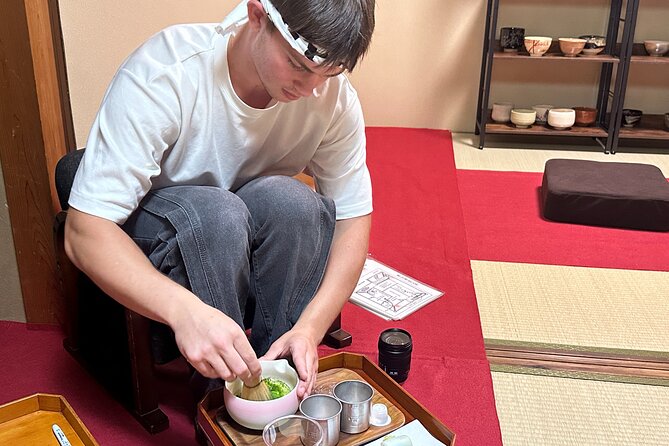
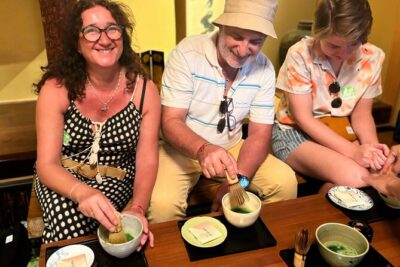
After the demonstration, you prepare matcha yourself. This is where the experience becomes more than a performance. You are not just handed a bowl and told to drink. You learn the basic method, use a bamboo whisk, and receive help as you work.
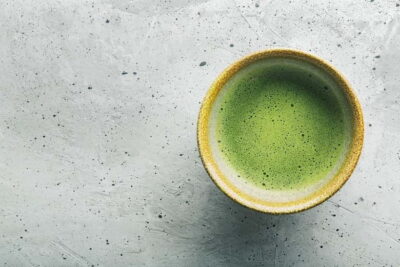
The class uses good-quality matcha, an important detail for anyone who already enjoys Japanese green tea. Matcha has a strong flavor that can be grassy, bitter, creamy, or slightly sweet depending on the powder and preparation. Better tea makes the lesson more rewarding, especially if this is your first proper taste.
Maya’s patient instruction is useful here. You can try the whisking technique without worrying about making a perfect bowl. The class is designed for beginners, and the atmosphere appears encouraging rather than judgmental. If your first attempt is foamy but uneven, that is part of the fun.
The activity also gives you a chance to compare your preparation with the instructor’s. You may notice how whisking changes the texture and how the balance of water and powder affects the taste. These are small lessons, but they help you understand why matcha preparation is treated as a craft.
A practical tip: if you dislike bitter drinks, do not assume the class will be unpleasant. The later latte portion offers a softer, creamier option. If you already love matcha, pay attention to the traditional preparation first, since that is the clearest look at the tea itself.
Seasonal wagashi and the taste of Kyoto
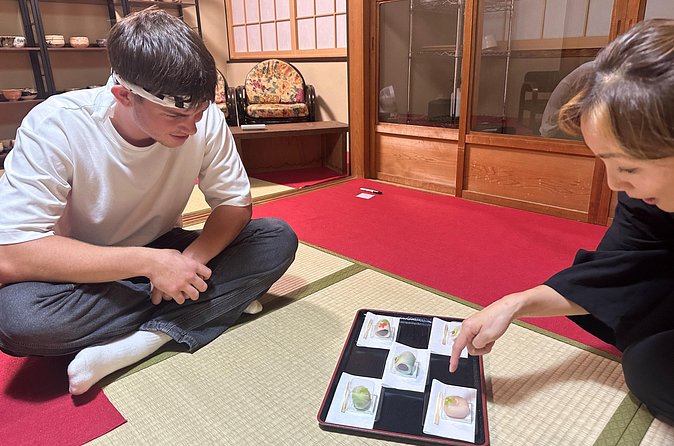
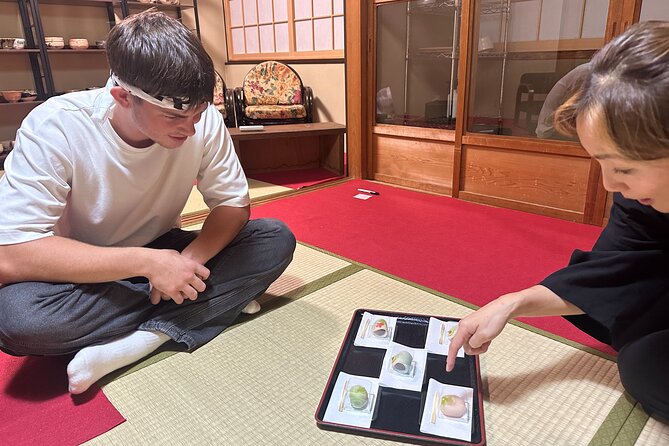
The matcha comes with seasonal wagashi, traditional Japanese sweets. These are more than a snack added to the booking. Their sweetness is meant to balance the sharp, earthy flavor of matcha, and the seasonal element connects the food to the time of year.
Wagashi can be delicate in flavor and appearance. The portion is likely to be small, which is normal for this style of tea service. Do not come expecting a full meal. Think of it as a carefully chosen accompaniment that helps you enjoy the tea.
This pairing also makes the experience accessible to people who are more interested in food than ceremony. You get to taste something distinctive while learning why it belongs beside the tea. Several strong points from the experience center on the quality of the matcha and the enjoyment of the sweets, so this is not an activity built on atmosphere alone.
If you have dietary restrictions, the available information does not specify ingredients or substitutions. Ask the provider before booking if this is important to you.
More Photography Sessions in Kyoto
- Kyoto: Maiko Makeover and Photoshoot Experience
★ 4.7 · 239 reviews - Kyoto: Private Photoshoot Service
★ 5.0 · 158 reviews - Kyoto: Tea Ceremony with Kimono and Photoshoot
★ 4.9 · 90 reviews - Kyoto: Private Gion District Photoshoot Experience
★ 5.0 · 79 reviews
A Kyoto-style matcha latte for a modern finish
The traditional tea preparation is followed by a matcha latte workshop. You make your own creamy latte, and the instructor explains the method step by step. A recipe is also provided so you can try making it at home.
This is a smart addition. A formal bowl of matcha may feel unfamiliar, while a latte gives you a familiar entry point. You can enjoy the flavor in a gentler form and leave with a practical skill rather than only a memory.
The latte-making also gives the class a modern Kyoto feel. The experience respects the traditional ceremony but does not pretend that every visitor wants to follow a formal tea practice. You get both sides: the old method and a drink that fits easily into everyday life.
The recipe is a useful value point. At home, you can adjust the strength, sweetness, and texture to suit your taste. It also helps justify the price for anyone who likes cooking classes and food workshops. You are paying for participation, instruction, ingredients, and the setting, not simply for a cup of tea.
Samurai armor and the final photo session
The final part changes the mood completely. After the tea and latte, you have the chance to put on authentic samurai armor and take photos.
This is not a quiet cultural lesson anymore. It is a playful photo opportunity, and that contrast works. The tea ceremony provides the calm and reflective part of the visit. The armor session gives you something energetic and memorable to share with family or friends.
The photos may be especially appealing if you are building a Kyoto album beyond the usual temple and shrine pictures. You leave with an image that clearly connects to Japanese popular imagination, while the tea portion gives the visit more substance than a costume photo alone.
Keep expectations sensible. The experience description promises the chance to wear armor and take photos, but it does not specify how many photographs are taken, whether a professional photographer is provided, or whether edited images are included. Bring a phone with enough battery if you want to make the most of the photo time.
The armor element also makes this a strong choice for mixed-interest groups. One person may be excited by tea culture, another by food, and another by samurai history. Everyone gets a clear reason to take part.
Timing, group size, and overall pace
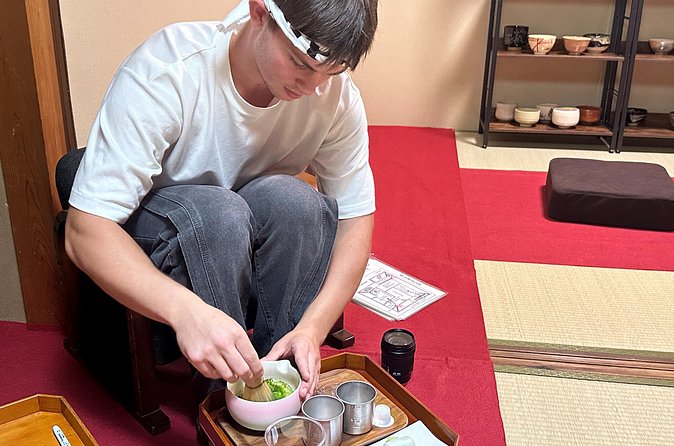
The tea ceremony itself is described as taking about 50 minutes, while the full activity is listed at approximately 1 hour 20 minutes. The difference likely allows time for the latte and armor photos, but you should treat the total as an estimate rather than a promise to the minute.
That short length is convenient. Kyoto rewards slow wandering, yet its major sights can fill every hour of your day. This activity gives you a focused cultural experience without requiring a full morning or afternoon.
The maximum group size is 10 people. That is large enough to create a social atmosphere, but small enough that you should have a reasonable chance to participate. A group this size also allows the instructor to correct your whisking technique and answer questions without turning the lesson into a crowded demonstration.
The pace will suit you if you like structured activities. It may feel quick if you want an extended, highly formal tea ceremony with long periods of silence. The class is built for participation and variety, so it moves from explanation to demonstration, hands-on tea, sweets, latte-making, and photos.
Is $71.74 a fair price?
At $71.74 per person, this is a midrange cultural activity rather than a bargain tea tasting. The value comes from the number of elements packed into a short visit:
- Instruction about tea ceremony history and mindfulness
- A traditional matcha preparation
- High-quality matcha
- Seasonal wagashi
- A hands-on matcha latte lesson
- A recipe to use at home
- Samurai armor photos
- A small group capped at 10 people
If you only want to drink matcha, the price is harder to defend. Kyoto has cheaper cafés and sweets. If you want a quick, guided introduction with several hands-on parts, the cost makes more sense.
I would compare it with the price of a standard food workshop or cultural demonstration. You receive more than refreshments, but less than a long, formal course. The best value comes when you care about both the tea lesson and the photo session.
The fact that the experience is often booked well in advance also suggests that you should not wait until the last moment if your Kyoto dates are fixed. Free cancellation is available up to 24 hours before the start time, but changes or cancellations inside that window are not accepted for a refund.
Who will enjoy this most?
This experience is a good fit for first-time matcha drinkers, couples, families with older children, and friends who want a cultural activity with a relaxed tone. You do not need previous tea knowledge, and the clear English instruction makes the class accessible to international visitors.
It is also useful for people with limited time in Kyoto. You get a traditional setting, food, instruction, and photos in roughly 80 minutes. The meeting point returns you to where you started, making it easy to continue sightseeing afterward.
You may want to choose something else if you are looking for a strict, lengthy tea-school ceremony, a full Japanese meal, or a private session. The format is interactive and cheerful, not solemn from beginning to end.
I would also avoid booking it only for the armor photos. The tea, sweets, and latte-making are the main substance. The costume session works best as the fun final chapter, not the entire reason for coming.
Should you book the Kyoto tea ceremony and samurai photo session?
Book it if you want a friendly, compact way to learn about matcha while doing more than watching. The strongest reasons are Maya’s approachable instruction, the small group, the quality tea, and the mix of traditional and modern preparation.
The samurai armor photos make the activity more memorable, while the recipe gives the matcha latte lesson a little value after you leave Kyoto. At $71.74, it is a fair choice for visitors who want several experiences in one short session.
Skip it if you want a quiet, highly formal ceremony with no playful extras. For everyone else, especially first-time visitors, this offers a practical and enjoyable introduction to Kyoto tea culture in a setting that feels connected to the city.
FAQ
Where does the Kyoto tea ceremony and samurai photo session begin?
It begins at Samurai Gyoza Factory Kyoto, located at 230-1 Kamimyōkakujichō, Nakagyo Ward, Kyoto, 604-0025, Japan.
Where does the activity end?
The activity ends back at the meeting point.
How long does the experience last?
The full activity is approximately 1 hour 20 minutes. The tea ceremony portion is described as taking about 50 minutes.
How many people can join the activity?
The group has a maximum of 10 participants.
Is the activity suitable for beginners?
Yes. The experience is designed for beginners and includes explanations, demonstrations, and guided participation in making matcha.
Is the activity available in English?
The instructor Maya is described as speaking English clearly, and the explanations cover the tea ceremony, its history, and the preparation process.
What food and drinks are included?
You make traditional matcha, enjoy seasonal wagashi, and prepare a creamy matcha latte.
Can I take photos during the experience?
Yes. The activity includes a chance to wear samurai armor and take photos.
Can I cancel for a full refund?
Yes. You can cancel at least 24 hours before the local start time for a full refund. Cancellations or changes made less than 24 hours before the start time are not refunded or accepted.
More Tea Ceremonies in Kyoto
- Kyoto: Tea Ceremony in a Traditional Tea House in Kiyomizu
★ 4.9 · 3,519 reviews - Kyoto: Tea Ceremony Ju-An at Jotokuji Temple
★ 4.9 · 3,207 reviews - Kyoto: 45-Minute Tea Ceremony Lesson Experience
★ 4.3 · 2,378 reviews - Kyoto: Table-Style Tea Ceremony at a Kyo-Machiya
★ 4.9 · 1,211 reviews
Just added in Kyoto
- The “Golden Route” and Ancient Japan by DIAMIR Erlebnisreisen – 14-Day Tour★ 2.0 · 2 reviews
- Japan: Castles & Cuisine by G Adventures – 6-Day Kyoto to Osaka Tour★ 4.5 · 4 reviews
- Cycle Japan by Explore! – 13-Day Kyoto to Tokyo Tour★ 4.7 · 12 reviews
- Cycle Japan by Intrepid Travel – 11-Day Kyoto to Tokyo Tour★ 4.8 · 2 reviews
- Classic Japan by Intrepid Travel – 11-Day Kyoto to Tokyo Tour★ 4.4 · 14 reviews
- Ancient & Modern Japan 14-Day Tour by Exodus Adventure Travels★ 4.4 · 40 reviews
- 5 Day Cultural Adventure of Kyoto, Nara & Osaka by Tourist Journey★ 2.5 · 2 reviews
- 12 Days Kinosaki Onsen Escape: A Journey Through Japan’s Timeless Towns by UME Travel★ 4.8 · 5 reviews
Tea Ceremonies, compared.
Tea Ceremony in a Traditional Tea House in Kiyomizu
Read our review →
World Heritage Kyoto & Nara Uji Authentic Matcha Experience
Read our review →