
Reviewed · FOOD TOURS
Tokyo: Local Foodie Adventure near Roppongi
Tokyo has a quieter side worth tasting. This small-group food walk leads you through Azabujuban, an old neighborhood near Roppongi with more than 300 shops, local shrines, temples, and family-run food stops. I like the mix of five Japanese treats and neighborhood history, and I especially like that the walk includes conversations with local residents rather than only quick bites at famous tourist spots.
The tour also gets high marks for its warm, personal guiding, especially from Ellen, who is praised for her care, flexibility, and knowledge of the area. The main consideration is that the food selection changes with store availability, so you should treat the menu as a tasty surprise rather than a fixed list. You will also walk through town for several stops, so comfortable shoes matter.
In This Review
- Key Points At a Glance
- Why Azabujuban Makes a Good Food Walk
- Meeting at Azabujuban Station Exit 4
- Five Japanese Treats, With Room for Surprise
- Yakitori and Savory Street Foods
- Mame Daifuku and Taiyaki
- The Value of a Flexible Menu
- Shrines, Temples, and Local Good Luck
- Shops You Will Not Find Everywhere
- A Special Stop for Sailor Moon Fans
- Meeting Local People Along the Way
- How the Guide Shapes the Experience
- Is $71 a Fair Price?
- Walking, Weather, and Practical Comfort
- Who Should Book This Azabujuban Walk?
- Final Verdict: A Personal Way Into Local Tokyo
- FAQ
- Where does the tour meet?
- Where does the tour end?
- How many people usually join the tour?
- What food is included?
- Is a drink included?
- What should I bring?
Key Points At a Glance

- Azabujuban beyond Roppongi: See a quieter Tokyo neighborhood with more than 300 shops and a long local tradition.
- Five Japanese foods included: Possible treats include yakitori, mame daifuku, taiyaki, oden, pastries, omelettes, or sushi, depending on the day.
- Shrines and temples: Add good-luck customs, local folklore, and cultural context to the food stops.
- A very small group: The usual group size is only one to four people, which allows for questions and some tailoring.
- One drink included: The price covers one alcoholic beverage, while extra food and drinks cost more.
- A Sailor Moon connection: Fans can visit real-life places linked to the setting that inspired manga creator Naoko Takeuchi.
Why Azabujuban Makes a Good Food Walk
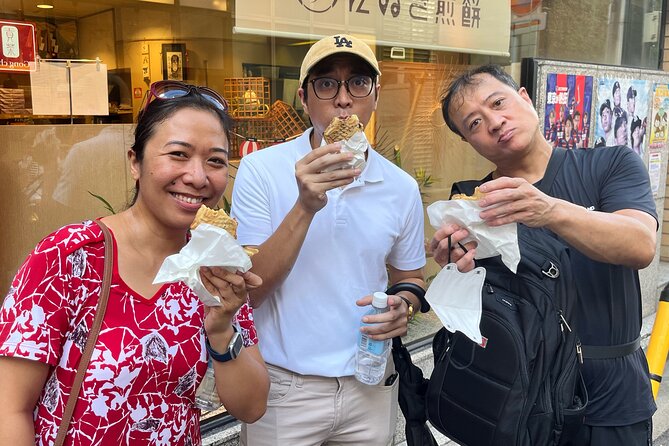
Roppongi is famous for nightlife, high-rise buildings, and international restaurants. Azabujuban offers a different pace. It is close by, but the neighborhood feels more local and compact, with stores that have served the area for decades and small places selling familiar Japanese foods.
I like tours that use food as a way into a place, rather than treating food as the whole show. Here, a snack can lead to a story about a shop, a shrine, a local custom, or the people who have kept a business going. That gives you more than a checklist of dishes.
The neighborhood is said to have more than 300 shops, some open for almost a century. That does not mean every stop will be ancient or traditional, but it does give the area a strong sense of continuity. You are seeing a part of Tokyo where daily life and visitor curiosity still share the same narrow streets.
The tour is conducted in English, which is helpful when food names and local customs would otherwise pass by too quickly. You can ask about ingredients, preparation, neighborhood history, and the meaning of the places you visit.
More Food Tours in Tokyo
- Tokyo: Shinjuku Food Tour (13 Dishes at 4 Local Eateries)
★ 5.0 · 6,603 reviews - Tokyo: Shinjuku Food Tour (15 Dishes and 4 Eateries)
★ 4.9 · 2,033 reviews - Best of Shinjuku: Izakaya Food Tour (4 Stops, 14+ Tastings)
★ 5.0 · 1,863 reviews
Meeting at Azabujuban Station Exit 4
The meeting point is easy to identify: Azabujuban Station, Exit 4, in front of Oslo Coffee. Look for the Japan Hopping Tours logo and the guide waiting there.
This is a useful arrangement because you do not have to search for a small restaurant or guess which side street to take. Once everyone meets, the group begins on foot and returns to the same point at the end.
The small size is one of the tour’s strongest practical features. With only one to four people expected, you can ask questions without trying to speak over a large crowd. It also gives the guide more room to adjust the food stops to your interests, as Ellen did for some groups.
No transportation is included, and no transport is needed during the walk itself. You should budget for your route to and from Azabujuban Station.
Five Japanese Treats, With Room for Surprise
The tour includes five different Japanese treats, with the exact selection changing according to store availability. That flexibility is important in a neighborhood food walk. It means the guide can work with what is fresh, open, and available instead of forcing every group through an identical menu.
Possible foods named for the experience include yakitori, mame daifuku, taiyaki, and oden. The food described by past participants also included snacks, pastries, omelettes, and sushi. You should not expect all of these on one day, but the range shows that the tour can move between sweets, grilled foods, hot dishes, and everyday Japanese fare.
Yakitori and Savory Street Foods
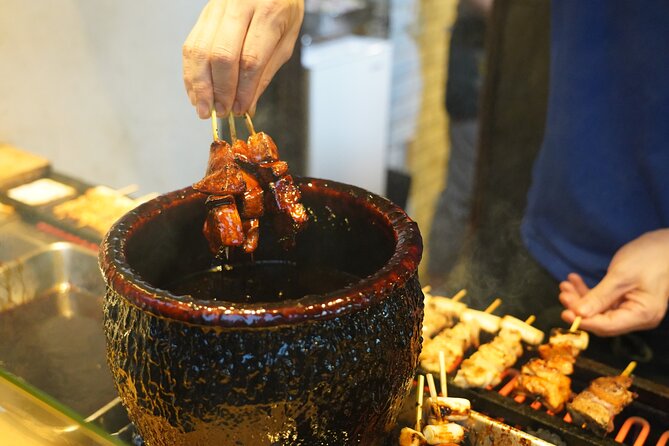
Yakitori is a natural fit for this kind of walk. These grilled chicken skewers are simple, filling, and closely tied to casual Japanese eating. Depending on the stop, you might get a chance to see how a small shop handles familiar food with its own style.
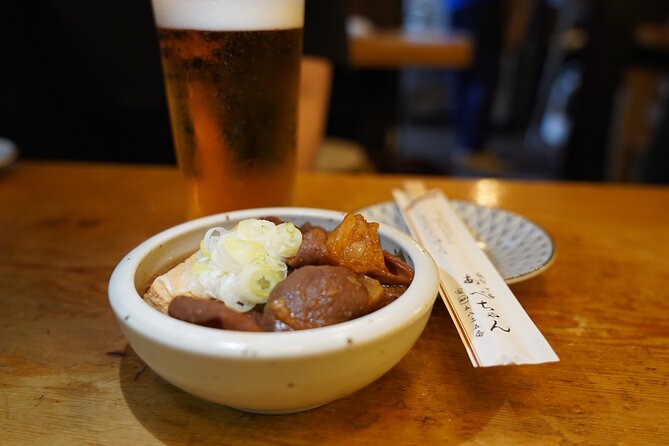
Oden gives you another side of Japanese comfort food. It is a savory dish built around items simmered in broth, and it makes a good contrast with grilled snacks or sweets. Homemade oden was specifically highlighted as one of the foods you might try.
The important point is variety. Five stops do not turn the outing into a formal restaurant meal. Instead, you get several small encounters that show how Japanese people eat on ordinary days.
A completely different kind of day out:
- Tokyo Disney Resort – Tokyo Disneyland & Tokyo DisneySea Park Tickets
★ 4.8 · 99,488 reviews - SHIBUYA SKY Ticket
★ 4.7 · 46,509 reviews - JR Whole Japan Rail Pass
★ 4.8 · 29,150 reviews - Mt Fuji and Hakone 1-Day Bus Tour Return by Bullet Train
★ 5.0 · 26,383 reviews
Mame Daifuku and Taiyaki
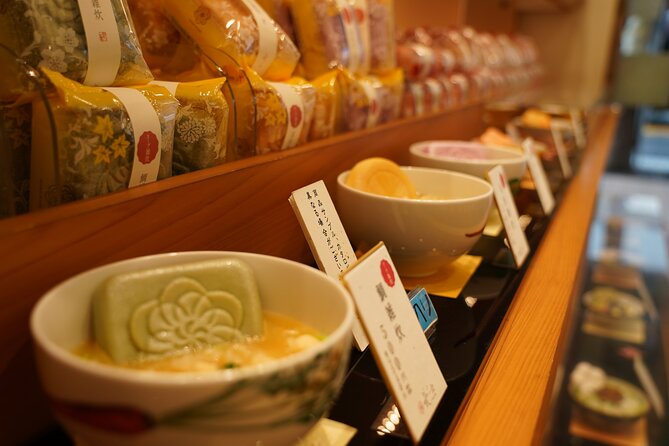
Mame daifuku combines soft mochi with sweet filling and beans. Its texture may be unfamiliar if you have only tried Western-style pastries, but that is part of the fun. It is the sort of bite where the guide’s explanation helps you understand not only what you are eating, but why it is a beloved Japanese treat.
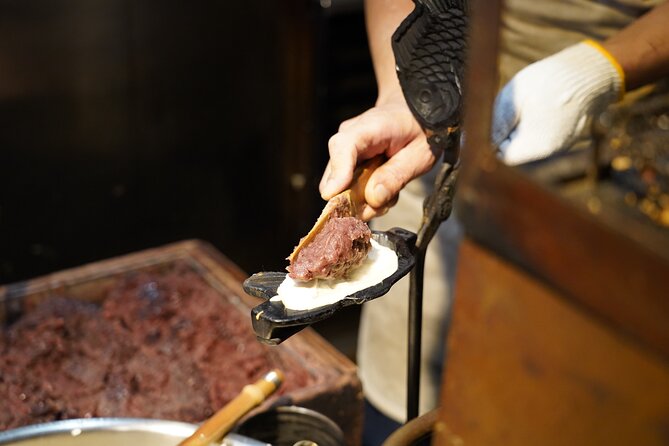
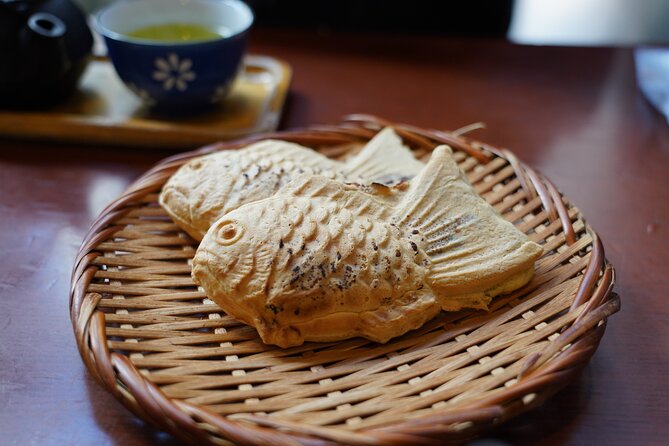
Taiyaki is shaped like a fish and is often filled with sweet red bean paste, though the filling can vary. The appeal is immediate: crisp outside, soft center, and a shape that makes a quick snack feel playful.
You may find that the sweets arrive between savory stops, which keeps the walk from feeling heavy. The included food should be enough to fill you up, but you should still think of it as a grazing meal rather than a large sit-down lunch.
The Value of a Flexible Menu
A fixed menu would make planning easier, but it could also make the walk less connected to the neighborhood as it exists that day. Store hours, supply, and availability can change. The guide may substitute one food for another, so do not book this if you need exact dishes for dietary or personal reasons.
Additional food and drinks are not included. If you see something you want at one of the shops, bring money for extra purchases. That can be a pleasant part of the outing, especially if you want to return later for a favorite sweet or a gift.
Shrines, Temples, and Local Good Luck
Food is only half of the route. You also visit local shrines and temples associated with good luck, local folklore, and neighborhood traditions.
These visits give the walk some breathing room between tastings. Instead of moving from one shop to another without context, you get a chance to see the spiritual places that remain part of daily Japanese life. The guide can explain what makes each place meaningful and how it fits into Azabujuban’s story.
I appreciate this balance. A food tour can become a parade of snacks, but the shrines and temples help you understand the neighborhood as a community rather than a collection of businesses.
The route also includes local folklore destinations. This is where a good guide matters most. Ellen is praised for answering questions, explaining the area clearly, and creating a comfortable atmosphere. Her style appears to be friendly rather than rushed, which suits a neighborhood where the stories matter as much as the stops.
Shops You Will Not Find Everywhere
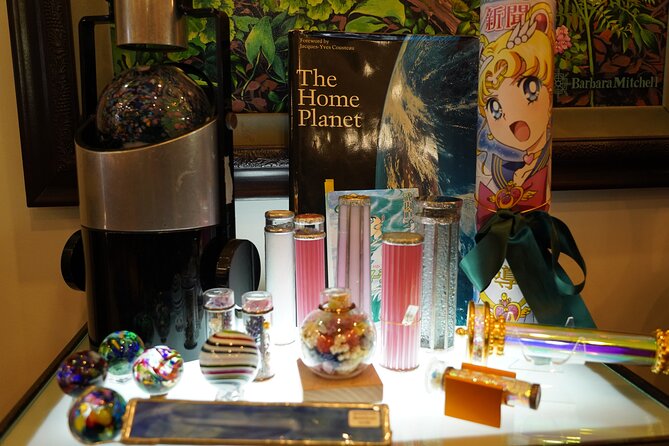
Azabujuban has unique stores where you can browse for gifts and everyday goods. The appeal is not simply finding a souvenir with Tokyo printed on it. It is seeing the kinds of small businesses that serve local residents and discovering products connected to the neighborhood.
Because the tour visits more than food shops, you get a better sense of the area’s rhythm. One store may lead to a conversation about a local specialty. Another may offer an item that makes a more personal gift than something purchased in a major department store.
I would keep some space in your bag and a little spending money available. Purchases are personal expenses and are not covered by the tour price, but the shopping stops make the walk more useful if you want to take home something from this particular part of Tokyo.
A Special Stop for Sailor Moon Fans
The tour includes real-life places that inspired the setting for manga creator Naoko Takeuchi. That gives Sailor Moon fans an extra reason to choose this neighborhood walk.
You should keep expectations sensible. The experience is not presented as a dedicated theme-park attraction or a full manga tour. Rather, the connection adds another layer to the neighborhood and lets fans see places associated with the world behind the story.
For someone who grew up with Sailor Moon, this may turn an ordinary street or local setting into a memorable stop. For everyone else, it is still part of the area’s cultural character.
Meeting Local People Along the Way
A major strength of this tour is the chance to chat with local residents and encounter staff or other people at the food stops. That makes the outing feel more personal than a route built only around photographs.
You should not expect every conversation to be long or guaranteed. Local businesses are still serving their customers, and the day’s pace may vary. But the small group gives you a better chance to ask questions and pay attention to how the neighborhood functions.
Past participants particularly valued the home-style feel of the restaurants and the encounters with staff and diners. That suggests the best moments may come between the headline foods: a short exchange, a shopkeeper’s welcome, or a story about how a store has served the area.
How the Guide Shapes the Experience
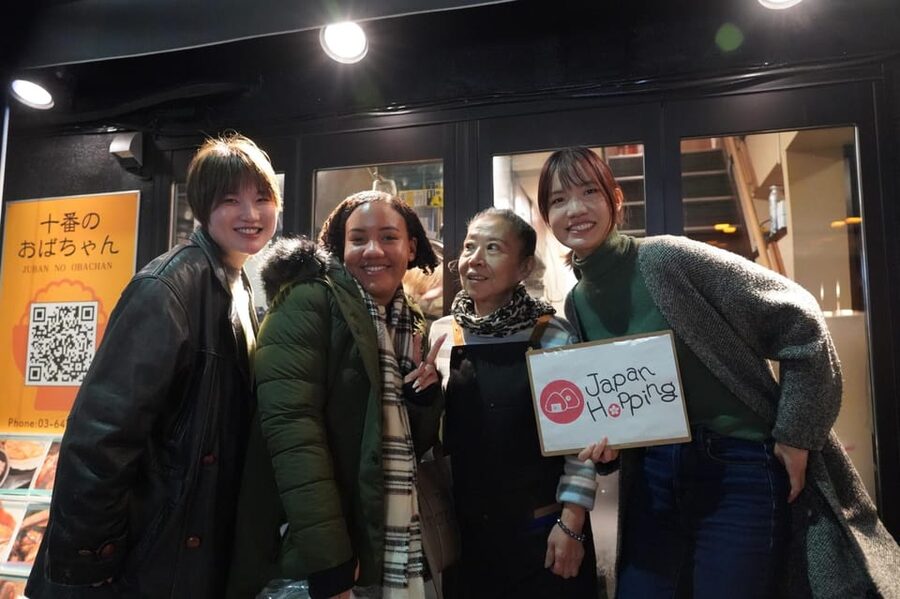
The guide can make or break a food walk, and this tour receives especially strong praise in that area. Ellen is described as friendly, well prepared, and able to answer questions about the food and neighborhood. She also tailored stops to individual needs for some groups.
That flexibility matters because people arrive with different priorities. You may want more sweets, more traditional foods, more cultural background, or more time to look at shops. With a group of one to four people, it is easier to explain what interests you.
The tone also seems important. Several accounts describe a pleasant atmosphere, warmth, humor, and genuine care. That does not promise a perfect day for every group, but it points to a guide who understands that a food walk should feel social, not mechanical.
If you want a guide who simply delivers facts and moves on, this may feel more conversational than necessary. If you like asking questions and learning through personal stories, that is a clear advantage.
Is $71 a Fair Price?
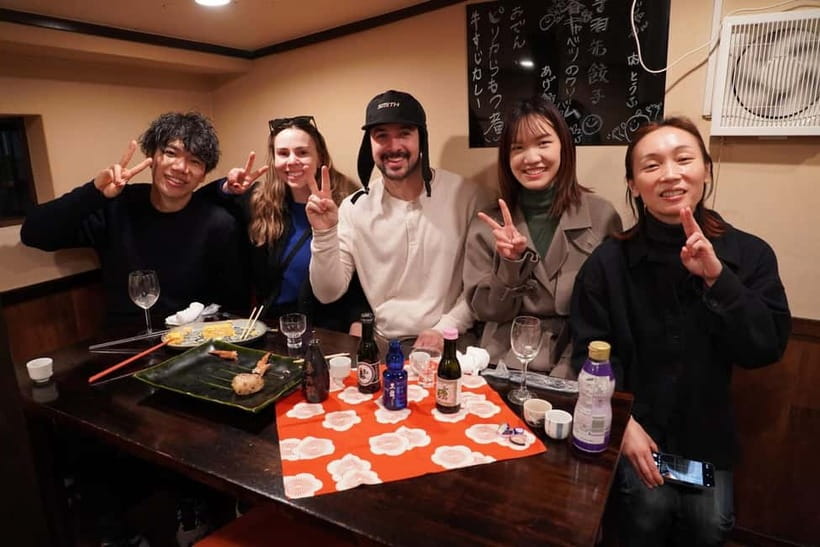
At $71 per person, the tour is not the cheapest way to buy five snacks in Tokyo. You are paying for the guide, the local context, the route through Azabujuban, the shrine and temple visits, the small group, and one alcoholic beverage, not just the food itself.
I think the value is strongest for first-time visitors who might otherwise pass through Azabujuban without understanding what makes it different. A guide helps you locate the worthwhile food stops and explains the customs and history that you would probably miss alone.
The price is less attractive if you already know the neighborhood, speak Japanese comfortably, and prefer to choose every dish yourself. You will also spend extra if you want additional food, drinks, or gifts.
Still, a group of only one to four people changes the calculation. You are not paying for a large coach-style outing. You are getting a more personal walk with room for questions and some adjustment.
Walking, Weather, and Practical Comfort
You need comfortable shoes. The tour involves walking around the neighborhood, visiting several stops, and returning to the station meeting point.
A moderate level of physical fitness is recommended. The information does not give a fixed duration or exact walking distance, so you should avoid booking it if extended walking is difficult for you.
Tokyo weather can make any walking tour feel different from the plan. One participant described humid conditions, but still found the guide’s warmth and the food made the outing worthwhile. Even so, consider the season and bring what you normally need for walking outdoors.
The tour is not suitable for people over 95 years old. No other specific accessibility details are provided, so contact the operator before booking if you have mobility, dietary, or other needs that could affect the route.
Who Should Book This Azabujuban Walk?
I would recommend it to you if you want a neighborhood view of Tokyo rather than another trip through the city’s biggest landmarks. It is also a good choice if you enjoy trying several foods in small portions and learning the story behind each place.
Sailor Moon fans have an added reason to go. So do visitors who enjoy shrines, local folklore, traditional sweets, and small shops that have served the same area for many years.
Families, couples, and solo visitors can all fit the format, but the group size may vary from one to four people. That makes it particularly appealing if you dislike crowded tours or want to talk with the guide.
I would hesitate if you need a guaranteed menu, have strict dietary restrictions that have not been confirmed in advance, or want a full sit-down meal. The food should fill you up, but the experience is built around several small stops and a changing selection.
Final Verdict: A Personal Way Into Local Tokyo
Book this tour if you want food, neighborhood stories, and small-scale cultural stops in one outing. The strongest reasons are the intimate group size, Ellen’s highly praised guiding style, the mix of savory and sweet foods, and the chance to see Azabujuban beyond its shops.
Skip it if you want a fixed tasting menu or a tightly timed sightseeing route. For everyone else, $71 is a reasonable price for a guided introduction to an area that is easy to overlook from nearby Roppongi. The food may change, but that is part of the point: you are exploring what Azabujuban has to offer that day.
FAQ
Where does the tour meet?
Meet at Azabujuban Station, Exit 4, in front of Oslo Coffee. Look for the guide holding the Japan Hopping Tours logo.
Where does the tour end?
The walk ends back at the original meeting point near Azabujuban Station.
How many people usually join the tour?
This is a small-group activity, with one to four people expected to join.
What food is included?
The tour includes five different Japanese treats. The selection depends on store availability and may include foods such as yakitori, mame daifuku, taiyaki, oden, pastries, omelettes, or sushi.
Is a drink included?
Yes. One alcoholic beverage is included. Additional food and drinks are not included.
What should I bring?
Bring comfortable shoes for walking around the neighborhood. Transportation costs and personal expenses are not included.
Just added in Tokyo
- Manga Lesson with a Professional Japanese Manga Artist in Nakano★ 5.0 · 77 reviews
- Making a bento box with cute character look in Japan★ 5.0 · 15 reviews
- Tokyo/Ikebukuro Manga drawing workshop by pro-Manga artists★ 5.0 · 65 reviews
- Luxury Tokyo Sake, Cocktail, Whisky and Pairing Tour★ 5.0 · 18 reviews
- Tokyo Ueno Food & Nature & Localtown Tour: 10Dishes+ Drinks★ 5.0 · 34 reviews
- Make Your Own Bonsai with a Professional Bonsai Artist in Tokyo★ 4.5 · 18 reviews
- Make Traditional Nerikiri Sweets & Matcha experience in Shibuya★ 5.0 · 130 reviews
- Daikoku Parking Tokyo Drift & APIT Car Meet JDM Culture Tour★ 5.0 · 79 reviews
Food Tours, compared.
Shinjuku Food Tour (13 Dishes at 4 Local Eateries)
Read our review →
Shinsekai Food Tour with 13-15 Dishes at 5 Eateries
Read our review →
Osaka Food Tour: 13 Dishes at 5 Local Eateries
Read our review →
Shinjuku Food Tour (15 Dishes and 4 Eateries)
Read our review →
Best of Shinjuku: Izakaya Food Tour (4 Stops, 14+ Tastings)
Read our review →
Kyoto Night Foodie Tour in Gion (9+ dishes + 6 Sake tastings)
Read our review →
Hungry Osaka Street Food Tour:15 Tastings & 3 Drinks with a Local
Read our review →
Tokyo Night Foodie Tour in Shinjuku – Seasonal Sushi, Wagyu Beef
Read our review →Browse the lists this tour appears in