Reviewed · TOKYO TOURS
Tokyo: Mt. Fuji, Oshino Hakkai and Gotemba Outlets 1-Day Bus Tour
Fuji rewards an early start. This full-day bus tour gives you a practical way to reach Mt. Fuji’s 5th Station, Lake Kawaguchi, Oshino Hakkai, and Gotemba Premium Outlets without arranging several trains and buses yourself. I like the mix of mountain views and traditional Japanese scenery, and I like that the $56.68 price includes round-trip transport and a guide. The main catch is time: you spend much of the day on the road, and the mountain may hide behind clouds.
The tour lasts about nine to ten hours and begins and ends near Shinjuku Station’s West Exit. Guides may speak English, Chinese, or both, and the quality of English commentary can vary. Guides named Mei, George, Koji, and Yoh have been praised for being organized, friendly, and informative, but one poor experience involved very limited English explanation.
In This Review
- Five things to know before you book
- What this Mt. Fuji day trip is really designed to do
- Starting at Shinjuku and settling into the bus
- Mt. Fuji’s 5th Station: a quick look above the tree line
- Lake Kawaguchi and the craft park lunch stop
- Oshino Hakkai and its eight clear spring ponds
- Gotemba Premium Outlets: useful if you want to shop
- Guides, language, and the pace of the day
- The best season and the Fuji visibility problem
- Who should book this day trip?
- Should you book the Mt. Fuji bus tour?
- FAQ
- How long does the tour last?
- Where does the tour start and finish?
- Is hotel pickup included?
- Is lunch included?
- Is the tour available in English?
- Is Mt. Fuji guaranteed to be visible?
- What happens if the road to the 5th Station is closed?
- How early should I arrive?
- Can I cancel for a refund?
Five things to know before you book
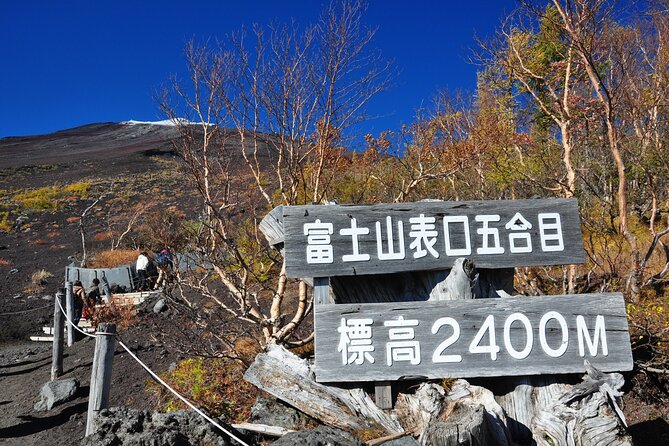
- The 5th Station is weather-dependent: At roughly halfway up Mt. Fuji, it is the highest point reached by bus on this outing, but the road can close and clouds can block the view.
- You get four very different stops: Mountain scenery, Lake Kawaguchi, sacred spring ponds at Oshino Hakkai, and outlet shopping make this a broad sampler rather than a slow-paced local tour.
- Forty minutes at Mt. Fuji is short: You can see the monument, browse shops, use the facilities, and take photos, but you will not have time for a serious mountain visit.
- Oshino Hakkai is the most traditional stop: The eight clear ponds and small village setting offer a calmer, more distinctly Japanese experience than the outlet mall.
- Gotemba is shopping, not sightseeing: The outlet stop lasts about 90 minutes, though traffic or holiday crowds can shorten it.
- The meeting rules are strict: Arrive at least 10 minutes early at the exact Shinjuku meeting point. Late arrivals and wrong-location arrivals are not refunded.
What this Mt. Fuji day trip is really designed to do
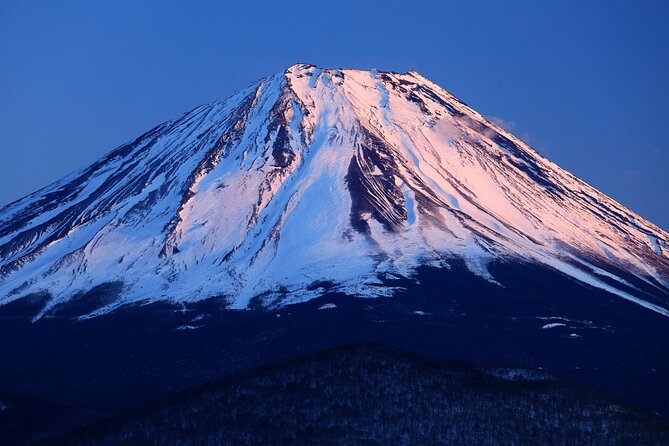
This is a coverage tour. In one day, you tick off several famous places around Mt. Fuji that would be awkward to connect by public transport. The air-conditioned bus is the main reason to book it. You can sit back while someone else handles the roads, transfers, and return journey to Tokyo.
That convenience comes with a trade-off. Mt. Fuji is far enough from Tokyo that traffic can eat up large parts of the day. You may spend more time seated than walking. This is not a relaxed stay beside one lake, and it is not a climbing trip. It is a quick introduction to the Fuji area with a shopping stop added at the end.
The price is strong for this format. At $56.68 per person, round-trip bus fare and an English- or Chinese-speaking conductor are included. Lunch is optional and costs extra, so the final price depends on what you select when booking. For a first visit to Tokyo, the transport alone can make the outing worthwhile.
The tour can carry up to 45 people. Depending on the number of bookings, English and Chinese commentary may take place on the same bus. That may mean announcements in two languages and less detailed explanation in either one. If cultural interpretation matters greatly to you, check the language arrangement before paying.
A few more options to weigh up in Tokyo
- Tokyo Disney Resort – Tokyo Disneyland & Tokyo DisneySea Park Tickets
★ 4.8 · 99,488 reviews - SHIBUYA SKY Ticket
★ 4.7 · 46,509 reviews - JR Whole Japan Rail Pass
★ 4.8 · 29,150 reviews
Starting at Shinjuku and settling into the bus
The starting point is around Shinjuku Station West, at 1 Chome-5 Nishishinjuku. The tour returns to the same general area, and Shinjuku is the only available drop-off point. It will not return to Ueno, so plan your evening around Shinjuku.
This meeting arrangement demands attention. You need to arrive 10 minutes before departure, confirm your name with the guide or staff, and use the exact meeting point shown in the booking information and QR code. The guide works from a list assigned to each bus, so arriving at another pickup point may leave you behind.
The bus is air-conditioned, and one piece of luggage is allowed per person. Stored luggage must fit within a combined height, width, and depth of 155 centimeters. You cannot reach bags placed in the trunk between stops, so keep passports, medication, money, and other essentials with you.
The road journey can be pleasant when the guide keeps up a steady stream of information. Mei received praise for punctuality and organization, while George was noted for keeping the day moving. Koji and Yoh were also praised for cultural explanations and helpful tips. Still, commentary is not guaranteed to be equally strong on every departure, especially on a bilingual bus.
Mt. Fuji’s 5th Station: a quick look above the tree line
The first major stop is Mt. Fuji’s 5th Station, with about 40 minutes to explore. At an elevation of roughly 2,300 meters on the Fuji Subaru Line, it is around halfway up the Yoshida Trail and the highest point accessible by bus on this route.
You can expect shops, restaurants, observation areas, and the popular 5th Station monument. A seasonal post office, known as the Mt. Fuji Gogome Kani Post Office, may also be operating during its limited season. It sells souvenirs and provides a memorable place to send a postcard from the mountain.
This is a useful stop for a first look at Fuji, but the schedule is tight. Forty minutes may be enough for a photograph, a quick look around, a restroom break, and one shop. It is not enough for an extended walk or a thoughtful visit to the climbing gateway.
Bring a jacket or coat. Even if Tokyo feels warm, the 5th Station can be cold, and the mountain weather changes quickly. Most important, keep your expectations realistic. Mt. Fuji may be completely hidden by cloud, fog, or rain. The tour runs in ordinary bad weather and cancels only in extreme conditions such as typhoons.
The road to the 5th Station can also close. When that happens, the operator may substitute another location. One substitute stop was described as underwhelming and received little explanation, so this is one of the tour’s real risks. You are paying to see the Fuji area, not receiving a guarantee of a clear mountain view.
Lake Kawaguchi and the craft park lunch stop

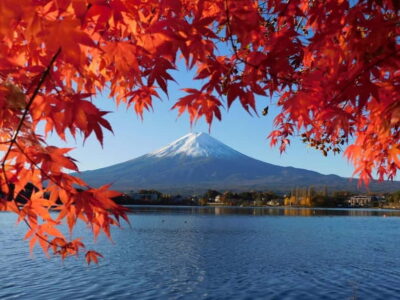
The day continues toward Lake Kawaguchi, one of the Fuji Five Lakes and one of the best-known places to frame Mt. Fuji over water. The itinerary uses Kawaguchiko Craft Park for about an hour, beside the lake.
The lake is valuable even when Fuji is covered. It gives you a change of pace after the bus ride and mountain station, with water, open views, and a chance to take photographs. On a clear day, the mountain’s reflection can be striking. One especially fortunate outing included a nearby lake view with a clear reflection, the kind of image that looks ready for a postcard.
Lunch here is optional. You select your preferred meal when booking, and the cost is not included in the basic tour price. If you want the organized meal, choose it in advance rather than assuming you can add it easily on the day.
An hour is enough for lunch and a short look at the lakeside area, but not both at a leisurely pace. If Fuji is your only goal, you may wish this stop were longer. If you appreciate local food and a break from sightseeing, the optional meal makes the schedule easier.
A completely different kind of day out:
- Mt Fuji and Hakone 1-Day Bus Tour Return by Bullet Train
★ 5.0 · 26,383 reviews - TOKYO SKYTREE® Ticket
★ 4.7 · 25,136 reviews - teamLab Borderless Tickets: MORI Building DIGITAL ART MUSEUM
★ 4.7 · 24,126 reviews - teamLab Planets TOKYO Ticket
★ 4.7 · 21,663 reviews
Oshino Hakkai and its eight clear spring ponds
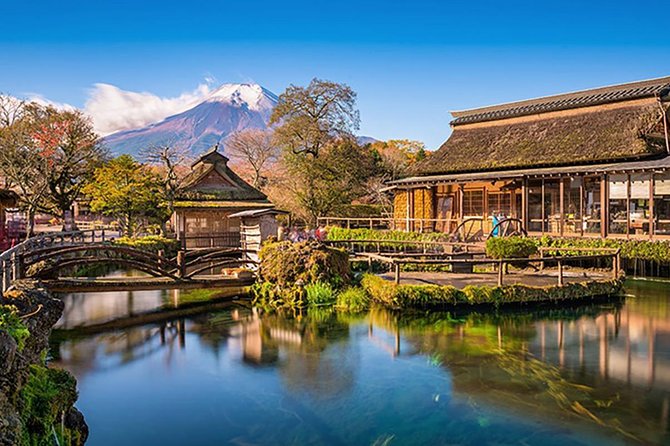
Oshino Hakkai is the most rewarding stop for a sense of traditional Japan. The village is known for eight ponds fed by water filtered naturally through Mt. Fuji’s volcanic ground. The springs are recognized as a Natural Monument, included in the Fuji UNESCO World Heritage area, and connected with Japan’s famous water sites.
You have about 50 minutes here. That is enough to walk between several ponds, admire the clear water, and browse the village stalls and small shops. The setting is calmer and more intimate than the large commercial stops, though it can still feel busy when several tour buses arrive together.
Look for the pond views, traditional buildings, and small details around the water. A small garden near the entrance has a pond and flowers. It charges 200 yen through an honor box rather than a staffed reception desk, so carry some cash if you want to enter.
Oshino Hakkai also has a spiritual side. Nearby shrines and Fuji pilgrimage sites reflect the mountain’s long religious importance. The wider area includes Asama shrines, including Nino Asama Shrine, which has existed for more than 1,200 years. The bus schedule does not allow a full shrine tour, but the stop gives you a glimpse of the old connection between Mt. Fuji, pilgrimage, and sacred water.
This is where the guide’s language skills matter. A good explanation can turn a pretty pond into a meaningful cultural stop. Without it, you can still enjoy the scenery, but you may miss why the ponds and shrines matter.
Gotemba Premium Outlets: useful if you want to shop
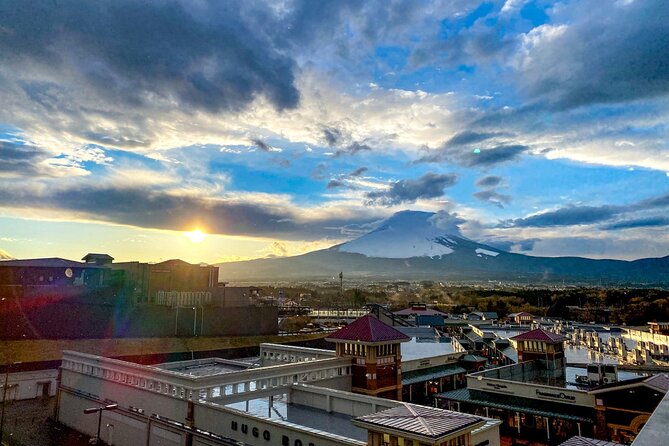
The final scheduled stop is Gotemba Premium Outlets, one of Japan’s largest outlet malls. It has hundreds of stores selling Japanese and international brands, with fashion, accessories, and other goods.
The planned time is about 90 minutes. That sounds generous until you see the size of the mall. Finding a specific brand, comparing prices, eating, and getting back to the bus can use the whole allowance. Several people found the shopping period too short, and one practical warning is worth repeating: an hour at the outlet may barely cover the restroom and a quick snack.
I would treat Gotemba as a bonus, not the reason to book the tour. It works well if you want to browse Japanese and international labels, use seasonal discounts, or fill the last part of the day with shopping. It is less useful if you would rather have extra time at Mt. Fuji or Lake Kawaguchi.
The mall can also be affected by traffic delays. On weekends, holidays, and poor-weather days, the bus may arrive late or the stop may be shortened. In severe conditions, some planned attractions can be omitted without a refund. You should not plan an important evening reservation immediately after the tour.
Guides, language, and the pace of the day
The strongest experiences depend heavily on the guide. Mei was praised for being on time, organized, and full of useful information. George was described as helpful and good at keeping the schedule. Koji and Yoh received praise for explaining local history and culture, while another guide was appreciated for filling the long bus journeys with small facts about the area.
The feedback is not uniformly positive. One English-language booking produced a guide with very limited English, with most explanations given in Chinese and only short announcements in English. That means you should view the English guide promise as a basic service feature, not a guarantee of a detailed English lecture.
The tour may combine English and Chinese speakers on one bus. If both languages are being used, the day may feel slower and the commentary more compressed. Still, the guide’s role remains useful for meeting instructions, timing, and basic context.
The schedule is also affected by road conditions. The operator may adjust stop times, delay the return, or remove attractions during serious traffic, holidays, rain, or other disruptions. This is normal for a Fuji bus tour from Tokyo, but it is important to understand before you compare this outing with a private car tour.
The best season and the Fuji visibility problem
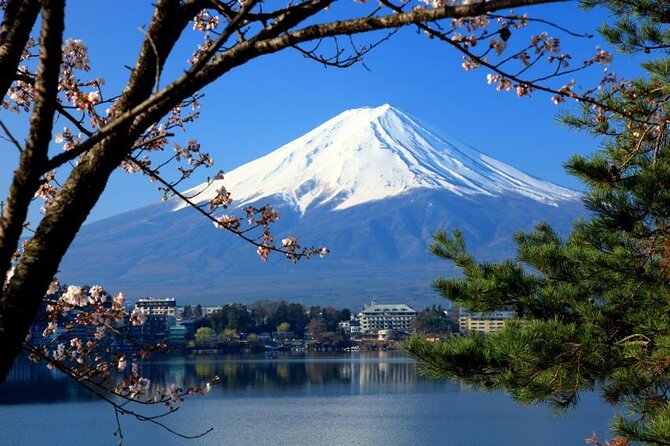
Mt. Fuji is never guaranteed on this tour. Clouds can cover the summit at the 5th Station, and rainy-season weather can hide the mountain completely. June is particularly risky because it begins Japan’s rainy season, while winter often offers clearer air, though cold conditions require warm clothing.
Clear weather can transform the entire day. The 5th Station becomes more than a collection of shops, Lake Kawaguchi gains its famous mountain backdrop, and the ride between stops becomes part of the experience. On a cloudy day, you still have Oshino Hakkai, the lake, lunch, and the outlets, but the central star may be missing.
I would check the forecast before booking, but I would not expect a forecast to provide certainty. The tour operates rain or shine, and cancellation generally happens only in extreme weather. If seeing Fuji clearly is the one thing you care about most, a flexible plan with a second possible viewing day may be wiser than relying on this single outing.
Who should book this day trip?
I would recommend it to first-time Tokyo visitors who want a low-cost overview of the Fuji region and do not want to manage several rural connections. It suits couples, families, and small groups who enjoy seeing several famous places in one day and are comfortable with a brisk schedule.
It also suits shoppers who like the idea of ending a scenic day at Gotemba Premium Outlets. The optional lunch is convenient if you prefer an organized meal, while the bus removes the need to find your own route back to Tokyo.
I would be more cautious if you want long walks, quiet shrine visits, detailed guiding in English, or several hours beside Lake Kawaguchi. Climbers should also look elsewhere, since this is a sightseeing trip with only a short stop at the 5th Station.
The 3.9 rating reflects that split experience. The best days include a clear Fuji, a strong guide, smooth traffic, and enough time at each stop. The weakest days involve cloud, a closed 5th Station, limited English commentary, or a Gotemba arrival so late that shopping becomes a hurried lap.
Should you book the Mt. Fuji bus tour?
Book it if you want an affordable, efficient sampler with transport handled for you. The combination of the 5th Station, Lake Kawaguchi, Oshino Hakkai, and Gotemba is good value at $56.68, especially when the mountain is visible and the guide keeps the day organized.
Skip it if you need guaranteed Fuji views or want a slow, deeply explained visit. The short 40-minute mountain stop and possible bilingual commentary are the biggest limitations. Arrive early at the exact Shinjuku meeting point, bring warm layers and cash for small fees, and leave your evening open in case traffic delays the return.
FAQ
How long does the tour last?
The tour lasts approximately nine to ten hours.
Where does the tour start and finish?
It starts near Shinjuku Station West, at 1 Chome-5 Nishishinjuku, Shinjuku City, Tokyo. The tour returns to the Shinjuku Station West Exit area, which is the only available drop-off point.
Is hotel pickup included?
No. Hotel pickup and hotel drop-off are not included.
Is lunch included?
No. Lunch is optional and costs extra. You choose the preferred lunch option when booking.
Is the tour available in English?
An English- or Chinese-speaking conductor is included. Depending on the group, English and Chinese commentary may be provided on the same bus.
Is Mt. Fuji guaranteed to be visible?
No. Visibility depends on weather conditions and is not guaranteed.
What happens if the road to the 5th Station is closed?
The operator may use an alternative location if the 5th Station cannot be reached. The schedule may also change because of weather, traffic, or other conditions.
How early should I arrive?
You should arrive at least 10 minutes before departure at the exact meeting point selected for your booking.
Can I cancel for a refund?
You can cancel at least 24 hours before the experience start time for a full refund. Cancellations or changes made less than 24 hours before departure are not refunded.
Just added in Tokyo
- A One-of-a-Kind Sushi Experience in a Special Place of Japan★ 5.0 · 15 reviews
- Tokyo Cute Bento Cooking Class – Make a Kawaii Character Lunchbox★ 5.0 · 126 reviews
- Japanese Home Cooking Class & Walk in Todoroki Temple Tokyo★ 5.0 · 88 reviews
- Japan Tokyo Tower Observatory Deck E-Ticket★ 4.0 · 34 reviews
- Catch a Baseball Game in Tokyo with a Local – Tickets Included★ 5.0 · 24 reviews
- JDM Experience with Fast&Furious RX-7 (English speaking Driver)★ 5.0 · 57 reviews
- Tokyo Private Day Tour by Car with English speaking Driver Guide★ 4.0 · 29 reviews
- Japan Classic 10 Day – One Life Adventures★ 5.0 · 129 reviews
Tokyo Tours, compared.
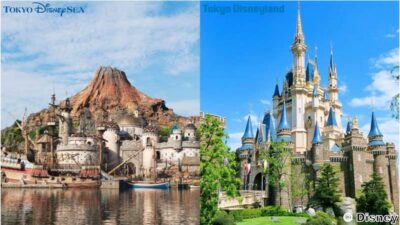
Tokyo Disney Resort – Tokyo Disneyland & Tokyo DisneySea Park Tickets
Read our review →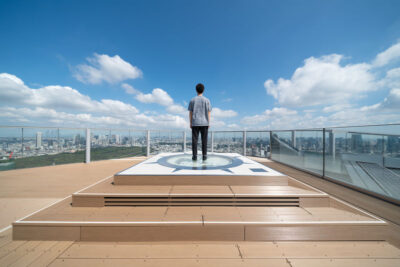
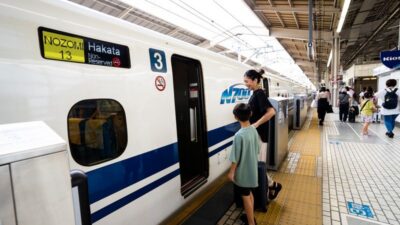
Mt Fuji and Hakone 1-Day Bus Tour Return by Bullet Train
Read our review →

teamLab Borderless Tickets: MORI Building DIGITAL ART MUSEUM
Read our review →