
Reviewed · FOOD TOURS
Tokyo: Shibuya Food Tour (13 dishes and 4 Eateries)
Shibuya tastes better after dark. This three-hour food walk pairs 13 Japanese dishes at four eateries with an easy route through Dogenzaka and Center-gai. I like the generous range, from sushi and tuna to udon, karaage, dumplings, yakiniku, drinks, and dessert. I also like the small group, capped at 10 people, which keeps the evening personal. The main caution is guide consistency: most guides earn warm praise, but the amount of food explanation and sightseeing commentary can vary.
At $77.44 per person, the tour makes sense if you want several tastings without planning four stops yourself. Guides such as Hoshi, Naruto, Kei, Mat, Benjamin, and Will have been praised for being friendly, funny, clear, and helpful with restaurant suggestions. Still, you should not book this mainly as a detailed Shibuya history tour. The food is the reliable star, while the cultural commentary depends more on the guide.
In This Review
- Key points to know before you book
- Four eateries, 13 dishes, and a useful introduction to Japanese food
- Starting near Dogenzaka and getting your bearings
- Hachiko: a short stop that may need your attention
- Dogenzaka’s izakaya streets and the first food stops
- Center-gai and the busy heart of Shibuya
- The food quality is the strongest reason to go
- Your guide can make the evening much better
- Is $77.44 a fair price?
- Timing, walking, and practical points
- Who should book this Shibuya food walk?
- Should you book it?
- FAQ
- How long does the Shibuya food tour last?
- How many Japanese dishes are included?
- How many eateries does the tour visit?
- What types of food might be served?
- Are food and drinks included in the price?
- Is alcohol served on the tour?
- How large is the group?
- Where does the tour start?
- Where does the tour end?
- Can I cancel for a refund?
Key points to know before you book
- Four eateries and 13 tastes: You receive a broad sample of Japanese food rather than one sit-down meal.
- A small evening group: The maximum is 10 people, useful in crowded Shibuya and narrow restaurant spaces.
- Food and drinks are included: Additional orders cost extra, and alcohol is served only to people aged 20 or older.
- The walking is centered on Shibuya: The route includes Shibuya Crossing, Hachiko, Dogenzaka, and Center-gai.
- Come hungry: Several people found the portions generous enough to fill a family group.
- Guide quality matters: Hoshi and Naruto receive especially strong praise, though the sightseeing talk may be brief with some guides.
Four eateries, 13 dishes, and a useful introduction to Japanese food
The central idea is simple: walk around Shibuya, stop at four local places, and taste many small portions. This gives you more variety than ordering one dinner on your own, especially if Japanese menus still feel like a puzzle.
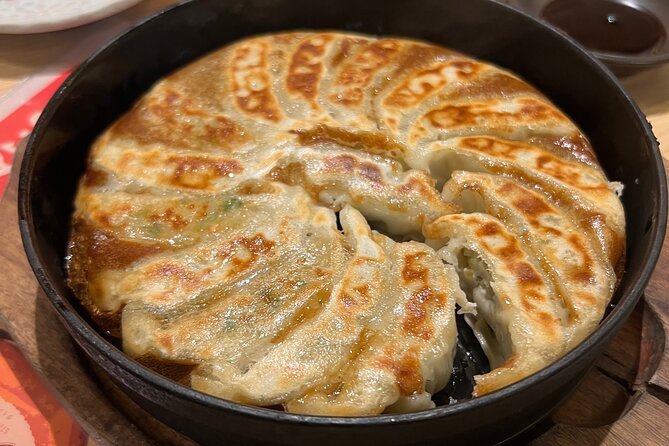
The food selection covers familiar and less familiar territory. Depending on the evening’s menu, you might try sushi, several types of tuna, yakiniku, udon, karaage, dumplings, drinks, and dessert. That mix matters because it gives you different textures and styles in one night: raw fish, grilled meat, fried chicken, noodles, savory dumplings, and something sweet at the end.
I like this format for a first evening in Tokyo. You can sample dishes without committing to a full portion of something you may not enjoy. The guide orders for the group, so you avoid the uncertainty of pointing at a menu and hoping for the best.
The tradeoff is choice. You do not select every dish yourself, and the guide works within the group’s planned menu. If you have allergies, dietary restrictions, or strong dislikes, tell the guide early. One account specifically notes that the guide arranged alternatives for members of the group, which is encouraging, but the tour information does not promise every dietary need can be handled.
The food is also not presented as a luxury tasting menu. One person considered the cost high compared with a separate Michelin meal. That is a fair comparison only if you want a formal dinner. Here, you are paying for food, drinks, navigation, restaurant access, and a guide who organizes the evening. The value is strongest when you care about variety and convenience.
More Food Tours in Tokyo
- Tokyo: Shinjuku Food Tour (13 Dishes at 4 Local Eateries)
★ 5.0 · 6,603 reviews - Tokyo: Shinjuku Food Tour (15 Dishes and 4 Eateries)
★ 4.9 · 2,033 reviews - Best of Shinjuku: Izakaya Food Tour (4 Stops, 14+ Tastings)
★ 5.0 · 1,863 reviews
Starting near Dogenzaka and getting your bearings
The meeting point is Kusumoto Building, 1-chome-3-3 Dogenzaka, Shibuya. Confirmation arrives at booking, and the location is near public transportation. You should allow time to reach the building, since Shibuya station can feel confusing even when you are close on the map.
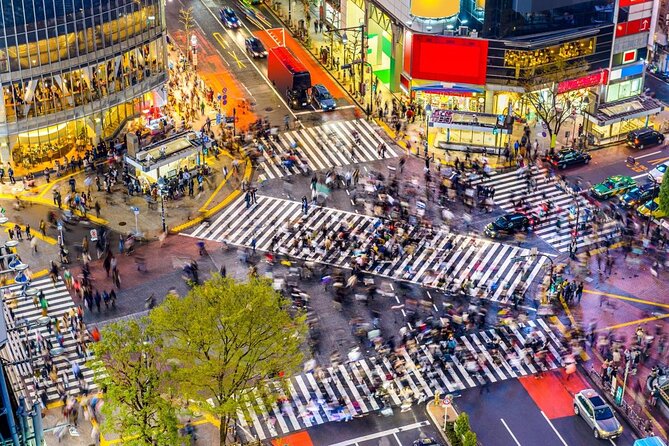
The first listed stop is Shibuya Crossing, about a 15-minute visit. This is the famous scramble crossing, where several streams of people move across the intersection at once. The tour uses it as an opening orientation point before moving into the surrounding food streets.
The crossing itself is free, and you do not need a ticket. Its value here is practical as much as visual. You begin in the part of Shibuya most people recognize, then move away from the obvious photo stop toward the streets where the restaurants are found.
Do not expect a long formal presentation at the crossing. The experience description says you will check it out, but the depth of the explanation depends on the guide. One less satisfied account found the crossing was visited without much commentary. If you want detailed facts about the crossing, ask a direct question rather than waiting for a lecture.
Hachiko: a short stop that may need your attention
The next listed stop is Hachiko, also scheduled for about 15 minutes. Hachiko is the famous loyal dog associated with Shibuya, and the tour is meant to explain his story.
This is a handy early stop because the statue is close to the station and easy to combine with the crossing. It also gives the evening a human story before the focus turns fully to food.
There is one practical wrinkle: the route may not always include a full stop at the statue. One account specifically said Hachiko was missed and had to be visited afterward. If seeing the statue matters to you, ask the guide at the beginning and keep an eye on the meeting route.
That small issue points to the tour’s overall character. It is primarily a food walk with Shibuya sights along the way, not a sightseeing tour with food added afterward. You will see the district, but the time belongs mainly to eating.
Dogenzaka’s izakaya streets and the first food stops
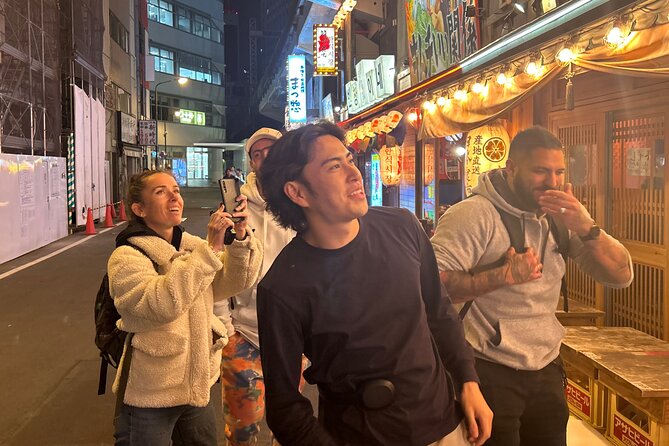
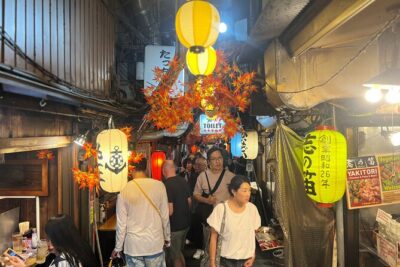
Dogenzaka receives about an hour in the stated schedule. This area is a useful change of pace from the open crossing and station plaza. It is known for local izakayas and small shops, and the guide takes you through the district toward some of the evening’s eateries.
I like having a guide here because Shibuya’s side streets are easy to pass through without knowing what you are looking at. A small entrance, basement restaurant, or compact bar may not announce itself in English. Going with someone who knows the stops removes much of the guesswork.
The first eateries are where the tour’s value becomes clear. Rather than sitting down for one long course, you move from place to place and taste a planned selection. The walk between stops is described as easy, and several accounts praise the smooth movement from one restaurant to the next.
You may receive sushi or tuna, dumplings, grilled meat, noodles, or fried chicken as part of the broader selection. The exact order and dishes can vary, so treat the 13-dish promise as the main guarantee, not a fixed menu with every item listed in advance.
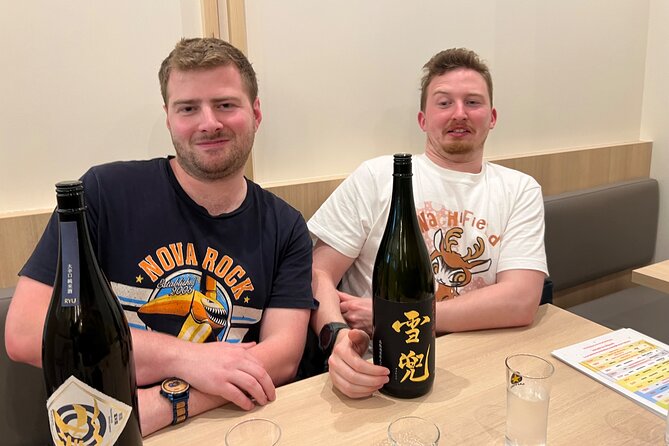
Drinks are included, and several people particularly enjoyed the beverage choices. Alcohol is available only to those aged 20 or older. If you are under 20, or simply do not drink, the tour information does not specify the exact nonalcoholic alternatives, so ask the guide when you meet.
A completely different kind of day out:
- Tokyo Disney Resort – Tokyo Disneyland & Tokyo DisneySea Park Tickets
★ 4.8 · 99,488 reviews - SHIBUYA SKY Ticket
★ 4.7 · 46,509 reviews - JR Whole Japan Rail Pass
★ 4.8 · 29,150 reviews - Mt Fuji and Hakone 1-Day Bus Tour Return by Bullet Train
★ 5.0 · 26,383 reviews
Center-gai and the busy heart of Shibuya
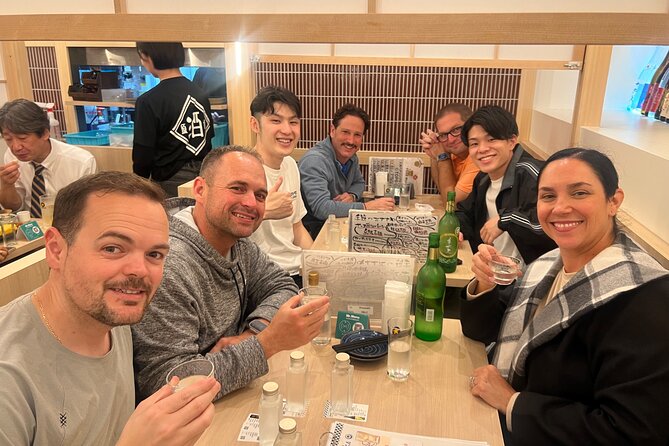
The tour then spends about an hour around Shibuya Center-gai. This is one of the district’s busiest streets, packed with shops, food businesses, and nightlife. It is a lively setting for an evening meal, though you should expect crowds and plenty of street noise.
The guide helps you keep moving as a group, which is one reason the 10-person limit matters. A group of this size is easier to gather at crossings and restaurant entrances than a large coach party. It also gives you a better chance to ask questions or speak with the guide directly.
The route may circle around the station area more than once. One person felt the walking path repeated itself and passed near the starting point again. That will not bother you if the food is your priority, but it may disappoint you if you expect a carefully designed sightseeing loop with new scenery at every turn.
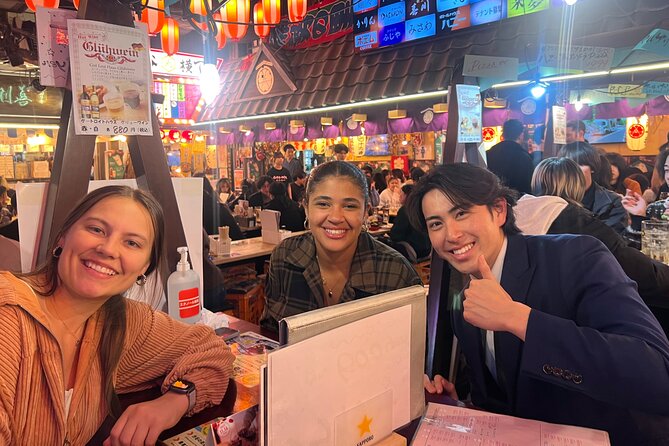
Center-gai is also where the tour feels most urban rather than traditional. You are not being taken to a quiet old quarter. You are eating Japanese food amid modern Shibuya’s signs, crowds, bars, and shopping streets. That contrast is part of the experience.
The food quality is the strongest reason to go
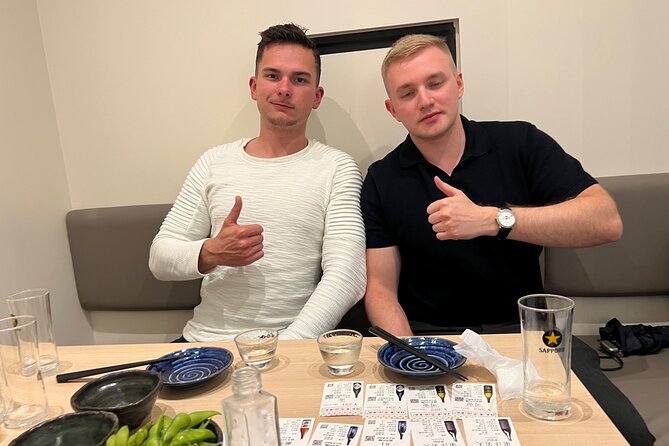
The most consistent praise goes to the food. People describe it as delicious, plentiful, varied, and sometimes more interesting than what they would have chosen alone. Several accounts say the portions were large enough to leave a family of four satisfied, though appetites naturally differ.
The menu gives you a chance to compare styles rather than simply collect similar bites. Tuna and sushi offer fresh seafood. Yakiniku brings grilled meat. Udon adds a warm noodle dish. Karaage supplies crisp fried chicken, while dumplings provide another savory option. Dessert closes the meal with a sweet finish.
This is also a good way to try something unfamiliar without ordering a full serving. Naruto was praised for making the food fun and for guiding people toward dishes they would not have selected independently. Hoshi was praised for explaining how to eat each dish, which can be useful when a meal arrives with unfamiliar sauces, cuts, or presentation.
Still, you should keep your expectations in check. The tour does not promise a chef-led lesson at every table, and it does not list each dish in advance. If you are a serious food expert looking for rare ingredients or a highly technical culinary seminar, the format may feel too broad.
For most people, the strength is simpler: you eat a lot, try a lot, and do not have to make every decision yourself.
Your guide can make the evening much better
Guide quality is the biggest variable. Hoshi receives repeated praise for his friendliness, clear English, food explanations, humor, and care with the group. Naruto is often described as fun, warm, helpful, and good with families and children. Kei receives praise for restaurant advice, communication before the meeting, and his ability to discuss food in detail. Mat, Benjamin, and Will are also singled out for friendly and engaging service.
That matters because a food walk needs more than a series of restaurant doors. A good guide explains what is on the plate, helps you order or eat it, keeps the group together, and gives useful ideas for the rest of your Tokyo stay.
Several guides appear to do this well. Kei, for example, has been praised for sending restaurant suggestions for other parts of Japan and for answering detailed food questions. Naruto helped one person find the meeting point and made the evening easier for a guest already feeling overwhelmed by Tokyo.
But there was also a sharp complaint about a guide who offered little information about Shibuya, Hachiko, or the food. Another account found the commentary thinner than expected, even though the guide was friendly. That criticism is specific and important: you may get an excellent food night without receiving much history or city orientation.
I would book this for its organized tasting experience first, and its sightseeing talk second. Ask questions throughout the evening. That is the best way to get more from a quieter guide.
Is $77.44 a fair price?
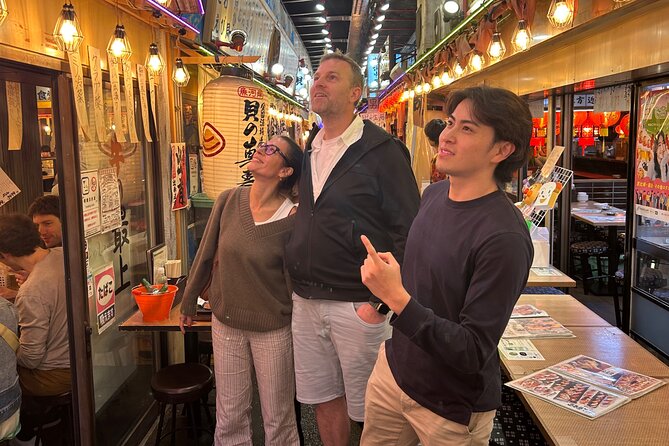
At $77.44, the cost is reasonable if you use the tour as dinner and an introduction to local eating spots. You receive food and drinks at four eateries, a three-hour walking experience, and help navigating Shibuya after dark. You also avoid paying for four separate mistakes while trying to choose restaurants on your own.
The value improves if you arrive hungry. The menu is designed to add up, and the portions can be generous. Eating a full meal beforehand would make the tour feel wasteful.
The price feels less attractive if you mainly want a cheap snack crawl or if you prefer to choose every dish and drink yourself. Additional food and drinks are not included, so any extra ordering increases the final cost.
You should also compare the tour with what you want from the evening. A high-end restaurant may offer more refined cooking for a similar amount. This tour offers breadth, movement, and guidance instead. I would choose it when variety and ease matter more than formal dining.
Timing, walking, and practical points
The activity lasts about three hours and ends in Shibuya. The guide can take you to Shibuya station afterward, which is useful if you are still learning the area or plan to continue into the evening.
The walking is described as easy, but you should still wear comfortable shoes. The route includes busy streets, crossings, Dogenzaka, and Center-gai, so you will be on your feet and moving through crowds.
The tour accepts a maximum of 10 people. That is small enough for personal attention without making the experience feel like a private tour. Most people can participate, and public transportation is nearby.
You receive a mobile ticket, and confirmation is provided at booking. Free cancellation is available up to 24 hours before the start time. Changes or cancellations inside that window are not accepted for a refund. The activity can also be changed or refunded if bad weather prevents it from operating or if the minimum group size is not reached.
Who should book this Shibuya food walk?
I would recommend it to a first-time Tokyo visitor who wants a friendly introduction to Japanese food without spending an evening researching restaurants. It is also a good fit for families, couples, and solo visitors who like meeting a small group while eating.
Food-focused visitors should enjoy the range, especially if you want sushi, tuna, udon, yakiniku, karaage, dumplings, drinks, and dessert in one outing. You will also get practical restaurant suggestions for later in your stay when the guide is engaged.
I would be more cautious if you need strict dietary control, dislike group dining, or want a serious history tour. The menu is planned for you, the exact dishes can vary, and the amount of commentary depends on the guide.
Should you book it?
Book this tour if you want a filling, varied evening with four restaurant stops and little planning. The food, portions, guide friendliness, and small-group format receive the strongest praise, and the $77.44 price can work well when the tastings replace dinner.
Before booking, decide what matters most. If your priority is trying many Japanese dishes and getting oriented around Shibuya, this is a solid choice. If your priority is detailed history, a fixed menu, or full control over every order, you may want a different kind of evening.
FAQ
How long does the Shibuya food tour last?
The tour lasts approximately three hours.
How many Japanese dishes are included?
The experience includes 13 different Japanese dishes.
How many eateries does the tour visit?
You visit four local eateries in Shibuya.
What types of food might be served?
The food selection can include sushi, yakiniku, udon, karaage, dumplings, several types of tuna, drinks, and dessert.
Are food and drinks included in the price?
Yes, food and drinks are included. Additional food and drinks are not included.
Is alcohol served on the tour?
Alcoholic beverages are served only to people aged 20 or older.
How large is the group?
The activity has a maximum of 10 people.
Where does the tour start?
It starts at Kusumoto Building, 1-chome-3-3 Dogen-zaka, Shibuya, Tokyo 150-0043, Japan.
Where does the tour end?
The tour ends in Shibuya. The guide can take you to Shibuya station.
Can I cancel for a refund?
You can cancel up to 24 hours before the experience start time for a full refund. Cancellations or changes made less than 24 hours before the start are not accepted for a refund.
Just added in Tokyo
- A One-of-a-Kind Sushi Experience in a Special Place of Japan★ 5.0 · 15 reviews
- Tokyo Cute Bento Cooking Class – Make a Kawaii Character Lunchbox★ 5.0 · 126 reviews
- Japanese Home Cooking Class & Walk in Todoroki Temple Tokyo★ 5.0 · 88 reviews
- Japan Tokyo Tower Observatory Deck E-Ticket★ 4.0 · 34 reviews
- Catch a Baseball Game in Tokyo with a Local – Tickets Included★ 5.0 · 24 reviews
- JDM Experience with Fast&Furious RX-7 (English speaking Driver)★ 5.0 · 57 reviews
- Tokyo Private Day Tour by Car with English speaking Driver Guide★ 4.0 · 29 reviews
- Japan Classic 10 Day – One Life Adventures★ 5.0 · 129 reviews
Food Tours, compared.
Shinjuku Food Tour (13 Dishes at 4 Local Eateries)
Read our review →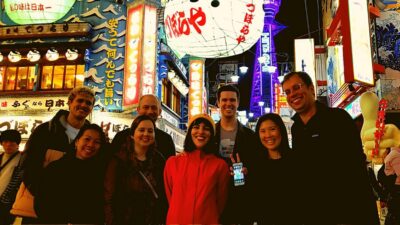
Shinsekai Food Tour with 13-15 Dishes at 5 Eateries
Read our review →
Osaka Food Tour: 13 Dishes at 5 Local Eateries
Read our review →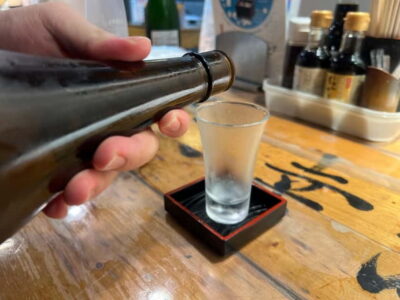
Shinjuku Food Tour (15 Dishes and 4 Eateries)
Read our review →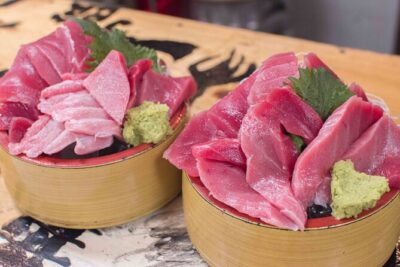
Best of Shinjuku: Izakaya Food Tour (4 Stops, 14+ Tastings)
Read our review →
Kyoto Night Foodie Tour in Gion (9+ dishes + 6 Sake tastings)
Read our review →
Hungry Osaka Street Food Tour:15 Tastings & 3 Drinks with a Local
Read our review →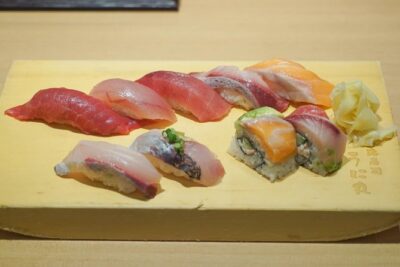
Tokyo Night Foodie Tour in Shinjuku – Seasonal Sushi, Wagyu Beef
Read our review →Browse the lists this tour appears in