Reviewed · TOKYO TOURS
Tokyo Tower Observation Deck E-Tickets.
Tokyo Tower puts Tokyo under your feet. This $14.85 ticket gives you access to the main observation deck, 150 meters above the city, with wide views toward Tokyo Skytree and, on a clear day, Mt. Fuji. I like the easy mobile e-ticket and the chance to see Tokyo from a landmark that has watched the city change for more than half a century.
I also like the flexible visit length. You can allow one to two hours, take photos, browse the shops, and stop for tea at Café La Tour. The main caution is important: this ticket covers the 150-meter deck, not the higher Top Deck. The difference is easy to miss when booking, and adding the upper level at the tower may mean another line and another charge.
In This Review
- Key points at a glance
- What your Tokyo Tower ticket includes
- Reaching the 150-meter main deck
- Tokyo views by day and after dark
- The Skywalk Window and the height factor
- Café La Tour, shops, and the end of the visit
- The most important choice: main deck or Top Deck
- E-ticket entry and practical timing
- Weather can make or break the view
- What the 3.9 rating means for your decision
- Who will enjoy Tokyo Tower most?
- Should you book Tokyo Tower Observation Deck tickets?
- FAQ
- What does the Tokyo Tower e-ticket include?
- How high is the observation deck included with this ticket?
- Does this ticket include the Top Deck?
- How long does the Tokyo Tower visit take?
- Can I show the ticket on my phone?
- When will I receive the e-ticket?
- Do I need to bring identification?
- Are food, drinks, or transportation included?
Key points at a glance
- 150-meter main deck: See Tokyo from the tower’s primary observation level, with views toward Tokyo Skytree and Mt. Fuji when weather cooperates.
- Top Deck costs extra: The standard ticket does not include the higher viewing level, so check the selected ticket grade carefully.
- Useful mobile entry: The e-ticket is sent by email by the day before your visit and can be shown on your phone.
- Best in clear weather: Mt. Fuji is a special bonus, not a daily guarantee. Cloud, haze, and rain can greatly reduce the view.
- A quick city stop: Plan about one to two hours, making this easy to fit between other Tokyo sights.
- Skywalk Window: The glass floor offers a direct look toward the ground, though it may not suit anyone uneasy with heights.
What your Tokyo Tower ticket includes
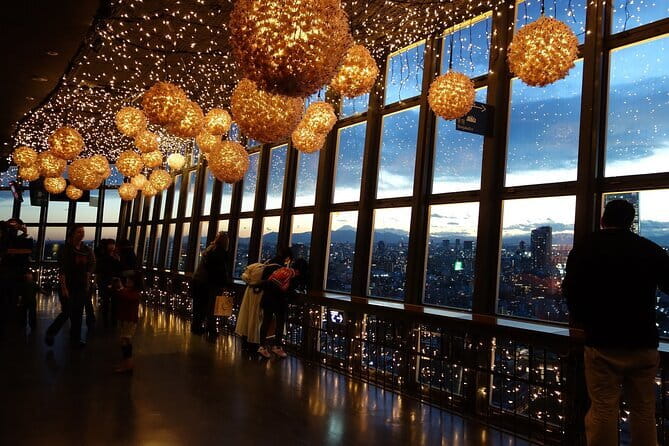
This is a self-guided admission ticket, not a guided tour. You receive entry to Tokyo Tower’s observation deck and an e-ticket according to the tour grade selected at booking.
The standard experience takes you to the main deck at 150 meters. From there, you get a broad look over Tokyo, with the city spreading in every direction. On a clear day, Mt. Fuji may appear in the distance, while Tokyo Skytree gives you another famous point of reference.
The ticket costs $14.85 per person. That is a reasonable price for a short, central Tokyo attraction, especially if you want a classic city view without committing half a day. The value depends heavily on the weather and on your expectations. If you simply want a high viewpoint and a memorable photo, the cost is fair. If you specifically want the highest possible platform, this ticket may leave you disappointed.
The attraction has welcomed around 180 million people since opening, which tells you something about its place in Tokyo sightseeing. It is popular for good reason, but popularity also means crowded viewing areas at busy times.
A few more options to weigh up in Tokyo
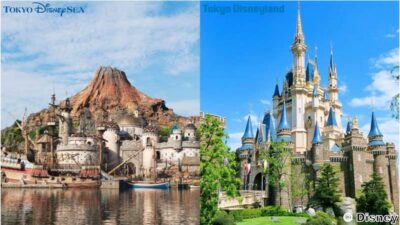
- Tokyo Disney Resort – Tokyo Disneyland & Tokyo DisneySea Park Tickets
★ 4.8 · 99,488 reviews - SHIBUYA SKY Ticket
★ 4.7 · 46,509 reviews - JR Whole Japan Rail Pass
★ 4.8 · 29,150 reviews
Reaching the 150-meter main deck
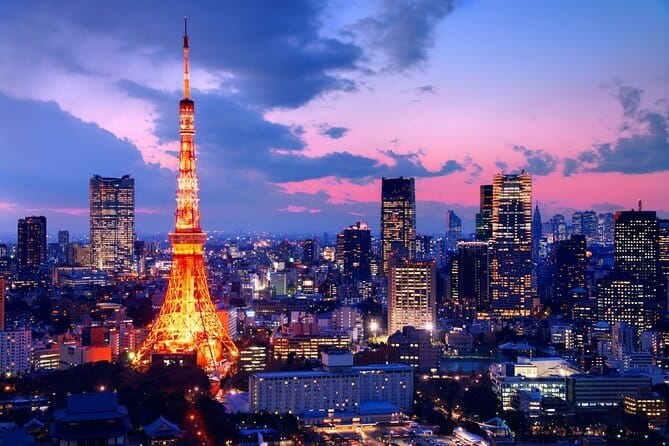
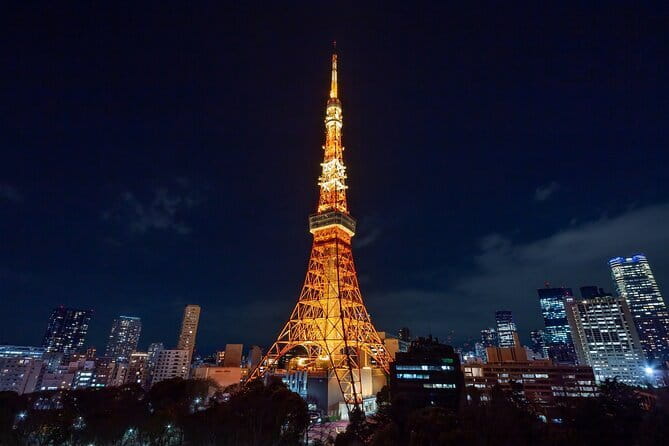
Tokyo Tower’s orange and white frame is easy to recognize, and the tower itself provides a strong sense of arrival. Once inside, you make your way up to the main observation deck by climbing or riding, according to the arrangements at the tower.
The main deck is the heart of this ticket. You can look across Tokyo from several angles, take photographs, and pause to get your bearings. The experience is less about a scheduled program and more about choosing your own pace.
That freedom works well for different kinds of visits. I would allow one hour if you are mainly taking in the view, and closer to two hours if you want time for the shops, refreshments, and photographs. Families can keep the visit short if children lose interest, while photography fans may want longer.
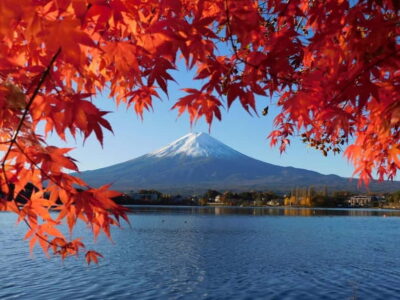
The city view is strongest when the air is clear. Mt. Fuji can dominate the background when conditions are right, creating the kind of picture that makes the ticket feel like a bargain. On a hazy day, you may see far less detail, even if the tower and nearby buildings remain impressive.
Tokyo views by day and after dark
Daytime gives you the best chance of seeing distant landmarks. Look for Tokyo Skytree and watch for Mt. Fuji beyond the city. The view changes with the light, so a sunny morning, a clear afternoon, and a sunset visit can each feel different.
Sunset is especially appealing because it can combine the fading daylight with Tokyo’s evening lights. A clear sunset may also give Mt. Fuji a strong outline. The catch is that sunset is a popular time, so the observation deck may feel crowded.
At night, Tokyo turns into a broad field of lights. The tower itself is lit in colored lights, adding a strong visual element before or after you reach the deck. Night photography can be excellent, but interior lighting may reflect on the windows and make clear pictures harder. If photos matter to you, hold your phone or camera close to the glass and look for a darker spot when possible.
The view is not only about distance. The tower lets you see how large and layered Tokyo really is. You get a sense of the city’s spread rather than just another street-level impression. Still, do not expect every landmark to be easy to identify. The ticket provides the viewpoint, not a personal guide to explain every building.
The Skywalk Window and the height factor

Before leaving the deck, look for the Skywalk Window, a glass floor section that lets you look straight down. It is the classic Tokyo Tower height test, and it adds a little drama to an otherwise relaxed viewing stop.
If you are comfortable with heights, it is a fun place for a photograph. If you are uneasy with them, you can simply walk around it. The main deck has plenty to offer without stepping onto the glass.
The deck can become crowded, particularly on a hot, busy day. Some visitors have found there are few places to sit or wait, so plan for a mostly standing visit. Take water with you if needed, since food and drinks are not included in the ticket.
Children must remain with an adult at all times. That rule matters most around the viewing windows and the Skywalk Window, where excitement can make younger children move quickly.
A completely different kind of day out:
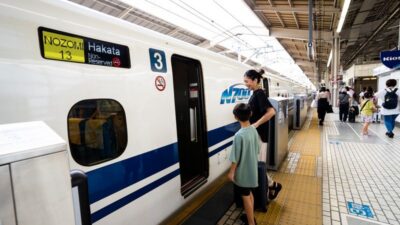
- Mt Fuji and Hakone 1-Day Bus Tour Return by Bullet Train
★ 5.0 · 26,383 reviews - TOKYO SKYTREE® Ticket
★ 4.7 · 25,136 reviews - teamLab Borderless Tickets: MORI Building DIGITAL ART MUSEUM
★ 4.7 · 24,126 reviews - teamLab Planets TOKYO Ticket
★ 4.7 · 21,663 reviews
Café La Tour, shops, and the end of the visit
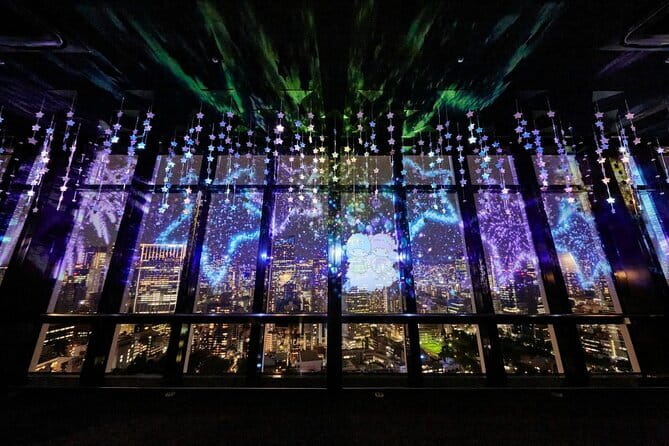
Café La Tour gives you the option of buying tea high above the city. It is not included in the admission price, but it can turn a quick lookout into a more relaxed break.
The shops and food court are useful after the deck visit. They give you somewhere to browse and regroup before heading back to street level. The shops also make Tokyo Tower easier to fit into a family outing, since not everyone needs to spend the same amount of time looking out from the windows.
Do not expect the café or food court to replace a full meal plan. The ticket only includes observation deck admission. Food, drinks, and transportation are separate costs.
The most important choice: main deck or Top Deck
The biggest source of confusion is the difference between the main deck and the Top Deck. This $14.85 option is for the 150-meter observation deck. It does not cover the higher level.
Several low ratings came from people who thought they had purchased access to the top viewing area. Others paid for an additional ticket at the tower and ran into delays with confirmation or had to pay again. That makes the ticket grade more than a minor booking detail.
Before completing your purchase, check the exact wording of the selected option. If the Top Deck is your main reason for visiting, do not assume it is included because the product name refers broadly to Tokyo Tower observation access.
Adding the upper level may also be difficult at a busy time. One problem is that the line to add it at the tower can be long. If you want the higher view, sort out the correct option before you arrive rather than hoping to upgrade quickly on site.
The main deck is still worthwhile for many people. It gives you the classic tower experience and broad city views. But the upper level distinction should be clear in your own plans, especially if you are visiting Tokyo on a tight schedule.
E-ticket entry and practical timing
Confirmation is provided when you book, and the e-ticket is sent by email by one day before the selected date. You do not need to print it. Showing the ticket on your smartphone is accepted.
Bring a valid photo ID or passport. You may be asked to show it at the entrance, and the ticket is valid only for the date and time selected. This is not the kind of admission to treat casually after a long Tokyo day. Arriving late can count as a no-show, with no rescheduling or refund.
The mobile ticket is a useful feature because it reduces paper and can help you move through entry more quickly. Some visits have had almost no line at the tower, while busy periods can be much slower. Advance booking is intended to help you avoid a long ticket queue, but it does not remove all waiting inside a popular attraction.
Tokyo Tower is near public transportation, but transportation is not included. The practical approach is to plan your route before your selected entry time and allow a little breathing room. Tokyo’s train system is efficient, but stations can be large and confusing when you are changing lines or carrying bags.
Weather can make or break the view
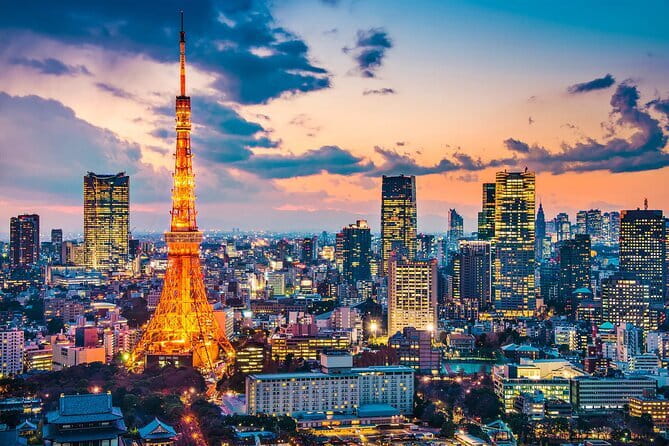
This experience requires good weather. If poor weather forces a cancellation, you are offered a different date or a full refund. If the tower is open but the air is hazy, the visit may still go ahead, yet distant views can be weak.
I would choose a clear day when possible, but I would not wait too long if your Tokyo schedule is short. Weather forecasts can change, and the tower remains worthwhile for the city view, architecture, colored night lighting, and the Skywalk Window even when Mt. Fuji is absent.
For the best chance of distant views, daytime is the safer choice. For atmosphere, sunset and evening are appealing. The tradeoff is simple: daylight helps you see farther, while night gives you Tokyo’s lights and the tower’s illuminated exterior.
Hot weather can also affect comfort. The observation area may feel crowded, with limited places to rest. Carry water and avoid scheduling the tower immediately after a long outdoor walk if you are visiting in summer.
What the 3.9 rating means for your decision
The overall rating is 3.9 from 37 reviews, which fits the experience well. The strongest praise focuses on the views, especially clear views of Mt. Fuji, fast entry on some visits, and the chance to photograph Tokyo from a famous landmark.
The most serious complaints involve ticket confusion. Invalid ticket problems have also been reported, with staff at Tokyo Tower unable to validate at least one admission. That is not something to ignore. Keep the booking email, the e-ticket, your identification, and any confirmation details available on your phone.
If your ticket does not arrive by the promised time, contact the booking provider before going to the tower. If you buy an extra ticket, make sure you receive a confirmation number before assuming the purchase is complete. These steps cannot guarantee a problem-free visit, but they can prevent an awkward scramble at the entrance.
The experience itself is simple. You are paying for access, not a guided tour, special commentary, or included refreshments. That simplicity is a benefit if you want to set your own pace. It is a limitation if you prefer a guide to explain Tokyo’s neighborhoods and landmarks.
Who will enjoy Tokyo Tower most?
I would recommend this ticket to you if you want a classic Tokyo viewpoint, enjoy city photography, or need a one to two-hour activity near public transportation. It also works well for families because you can keep the visit short and add shops or food afterward.
It suits first-time visitors who want to see one of Tokyo’s best-known structures. The tower’s orange and white form is part of the city’s visual identity, and the view helps you understand Tokyo’s scale.
You may want to skip it if your schedule is packed with other observatories or if you are mainly interested in the highest possible view. The ticket is also a weaker choice on a rainy or very hazy day, unless you are happy with a shorter indoor attraction and do not care about Mt. Fuji.
Anyone afraid of heights should know about the glass floor and the 150-meter elevation. You can avoid the Skywalk Window, but the main purpose of the ticket is still looking down from a tall tower.
Should you book Tokyo Tower Observation Deck tickets?
Book this ticket if you want a straightforward, fairly priced city view from a historic Tokyo landmark, and you are content with the 150-meter main deck. The views can be spectacular, especially around sunset or on a clear day when Mt. Fuji appears.
Before booking, confirm three things: the ticket includes only the main deck, your selected date and time are workable, and you can show your passport or photo ID. Keep the e-ticket ready on your phone, and check your email by the day before the visit.
I would not book it blindly if the Top Deck is essential to you. In that case, choose the correct higher-level option from the start. For everyone else, Tokyo Tower offers a compact and memorable look at the city, with enough shops, food, and photo spots to make the stop feel like more than a quick elevator ride.
FAQ
What does the Tokyo Tower e-ticket include?
It includes admission to the Tokyo Tower observation deck, with the e-ticket provided according to the tour grade selected at booking.
How high is the observation deck included with this ticket?
The included main observation deck is 150 meters above the ground.
Does this ticket include the Top Deck?
No. The standard ticket covers the main deck only. Access to the Top Deck costs extra.
How long does the Tokyo Tower visit take?
The expected duration is approximately one to two hours.
Can I show the ticket on my phone?
Yes. You do not need to print the e-ticket. You can show it from your smartphone.
When will I receive the e-ticket?
The e-ticket is sent by email by one day before the selected tour date.
Do I need to bring identification?
Yes. Bring a valid photo ID or passport because it is required at the entrance.
Are food, drinks, or transportation included?
No. Food, drinks, and transportation are not included in the ticket price.
Just added in Tokyo
- Very popular in Harajuku♡Animal petting zoo★ 4.6 · 39 reviews
- Yokohama Port: Private Customizable Tour with Transfer★ 5.0 · 19 reviews
- Wagyu & Sake 8 Course Tasting Dinner in Shinjuku★ 4.9 · 20 reviews
- Warner Bros. Studio Tour Tokyo – The Making of Harry Potter★ 4.8 · 181 reviews
- Yanaka District: Historical Walking Tour in Tokyo’s Old Town★ 4.8 · 117 reviews
- Tokyo: Classic Tsukiji Food Tour★ 4.9 · 78 reviews
- Tokyo: Tsukiji Fish Market Tour with 6 Stops & Seafood Lunch★ 4.5 · 165 reviews
- Tokyo Wagyu & Sake Pairing Tasting Experience with Local Flavors★ 5.0 · 108 reviews
Tokyo Tours, compared.
Tokyo Disney Resort – Tokyo Disneyland & Tokyo DisneySea Park Tickets
Read our review →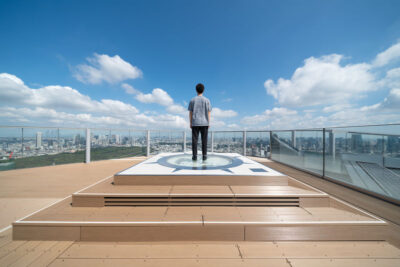
Mt Fuji and Hakone 1-Day Bus Tour Return by Bullet Train
Read our review →

teamLab Borderless Tickets: MORI Building DIGITAL ART MUSEUM
Read our review →