Reviewed · TOKYO TOURS
Variety of Tokyo or Yokohama Tours Customizable and Memorable
Tokyo rewards a flexible plan. This private walking experience lets you shape the day around your hotel, interests, and energy level instead of following a fixed route. I like the chance to combine famous districts with quieter places such as Yanaka Ginza or lesser-known shrines, and I like having a native English-speaking guide who can help with trains, money exchange, and local food choices. The main drawback is simple: you need to be ready for a long day on foot, often reaching at least 10,000 steps.
The roughly seven-hour format gives you enough time to see more than one part of the city without rushing through a dozen photo stops. You pay $10 per person as the listed price, but meals, public transportation, and some admission fees are extra. For groups of five or more, Happy Travels Japan covers transportation and one entrance fee, which can change the value considerably.
In This Review
- Five things to know before you book
- A flexible seven-hour introduction to Tokyo
- Shibuya and Harajuku for modern Tokyo
- Asakusa and Ueno for older Tokyo
- Tsukiji, Tokyo Tower, Zojoji Temple, and the Imperial Palace
- Yanaka Ginza and quieter neighborhood stops
- Yokohama Chinatown and the harbor
- Sankeien Garden and an Edo-era time capsule
- What the guide adds to the day
- The real cost beyond the $10 price
- Walking, trains, and the pace of the day
- Who should book this experience
- Cancellation and weather notes
- FAQ
- How long is the tour?
- Is this a private tour?
- Can the Tokyo route be customized?
- Which Tokyo areas can be included?
- What does the Yokohama route include?
- Are meals included?
- Is public transportation included?
- How much does Sankeien Garden cost?
- Do I need to be physically fit?
- Can I cancel for a refund?
- Should you book this Tokyo or Yokohama walk?
Five things to know before you book
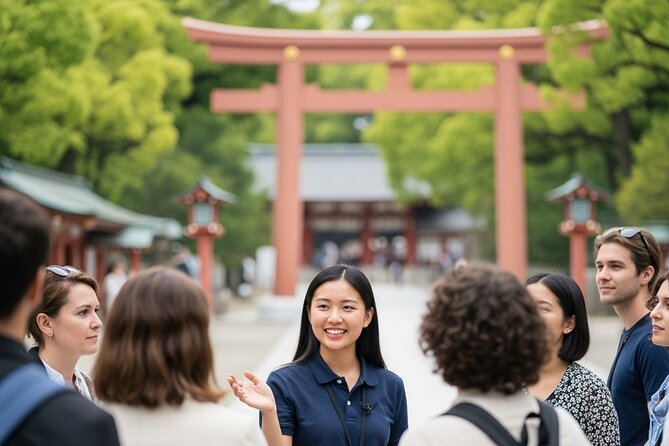
- Your hotel and interests shape the route: The guide can plan around where you are staying and focus on temples, food, shopping, history, or major sights.
- Tokyo and Yokohama are separate choices: Tokyo can cover areas such as Shibuya, Harajuku, Asakusa, Ueno, Tsukiji, and the Imperial Palace. Yokohama focuses on Chinatown, the harbor, Red Brick Warehouse, and Sankeien Garden.
- Expect a walking and train day: There is no private car or bus. You use Tokyo or Yokohama public transportation, with fares usually costing about ¥400 to ¥700 one way.
- The guide adds practical help: You can chat directly before the tour about your route, train travel, money exchange, hotel bookings, and personal recommendations.
- A strong fit for active first-time visitors: The tour is private, customizable, and rated 4.9 from 17 published ratings, with 100 percent recommending it. Still, it is not suited to anyone who cannot walk long distances.
A flexible seven-hour introduction to Tokyo
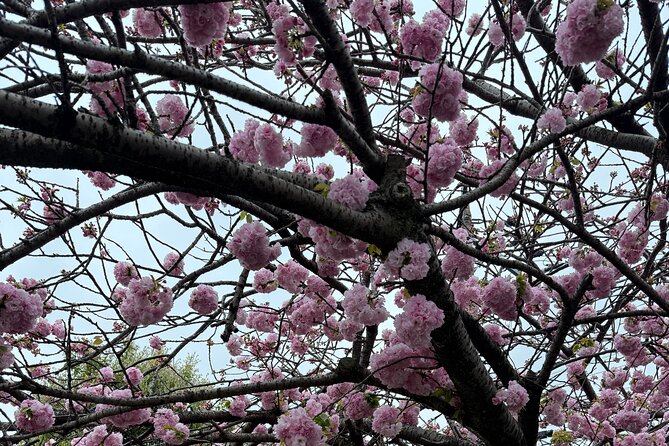
The best feature here is not a particular landmark. It is the freedom to decide what kind of Tokyo day you want.
You might build a classic first visit around Shibuya, Harajuku, Asakusa, and Ueno. You might prefer Tsukiji, Tokyo Tower, Zojoji Temple, and the Imperial Palace. Or you can ask for a day built around local food, shopping districts, temples, and smaller neighborhoods.
That flexibility matters in Tokyo because the city does not work like one compact sightseeing zone. Shibuya and Harajuku feel very different from Asakusa. Tsukiji has a food-centered atmosphere, while the Imperial Palace area offers a quieter look at the capital’s formal side. A guide who can adjust the route helps you avoid spending the whole day crossing the city for a few disconnected stops.
The guide can also plan around your hotel location. This is useful if you are staying outside the central areas or if you want to finish near a particular station, shopping district, or restaurant area. Ask about the route before the day begins. A little planning should help reduce backtracking and protect your time.
A few more options to weigh up in Tokyo
- Tokyo Disney Resort – Tokyo Disneyland & Tokyo DisneySea Park Tickets
★ 4.8 · 99,488 reviews - SHIBUYA SKY Ticket
★ 4.7 · 46,509 reviews - JR Whole Japan Rail Pass
★ 4.8 · 29,150 reviews
Shibuya and Harajuku for modern Tokyo
Shibuya and Harajuku give you the city’s youthful, fashionable face.
The tour information does not promise a specific viewing platform, shop, or restaurant, so you should not book expecting a fixed list of stops. Instead, think of these districts as broad areas where your guide can help you choose what fits your interests.
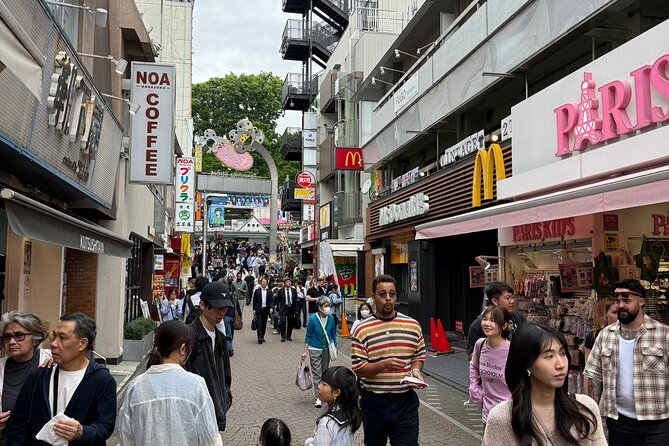
Shibuya suits visitors curious about major city streets, shopping, and Tokyo’s fast-moving urban culture. Harajuku adds fashion, youth culture, and access to important religious sites. If you want a classic Tokyo introduction, these neighborhoods make sense together.
The tradeoff is pace. These areas can be crowded, and a walking route through them may involve frequent crossings, station passages, and busy sidewalks. You will get more from the stop if you tell the guide whether you want shopping time, street scenes, food, or cultural sights. Otherwise, a broad neighborhood visit may feel less focused.
Asakusa and Ueno for older Tokyo
Asakusa and Ueno offer a useful counterpoint to Shibuya and Harajuku.
Asakusa is the place to request if you want temples, traditional streets, and a stronger sense of old Tokyo. Ueno adds another major cultural and shopping area, though the exact stops depend on your custom plan. Together, they help show that Tokyo is not only neon, fashion, and tall buildings.
I like this pairing for first-time visitors who want contrast in the same day. You can see one side of the modern capital, then spend time in districts with a more traditional feel. A local guide can also explain what you are seeing instead of leaving you to interpret every temple gate or neighborhood street alone.
The limitation is that famous areas can take time to cross. If you want both Asakusa and Ueno in addition to Shibuya and Harajuku, tell the guide your priorities early. Seven hours sounds generous, but Tokyo’s size and train transfers can quickly eat into sightseeing time.
Tsukiji, Tokyo Tower, Zojoji Temple, and the Imperial Palace
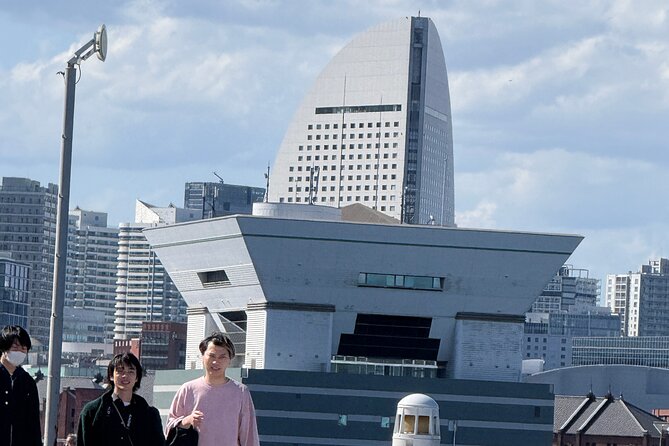
A different Tokyo plan centers on food, landmarks, and national history.
Tsukiji is the natural choice if you want local food stops. Meals and snacks are not included, but that is not necessarily a weakness. You pay for what you choose, and the guide can point you toward foods that fit your appetite and budget. If tasting local specialties is a priority, allow room in the schedule for eating rather than treating food as a quick side stop.
Tokyo Tower gives you one of the city’s best-known visual markers, while Zojoji Temple adds a religious and historic setting nearby. The Imperial Palace area brings a different tone, with formal grounds and a connection to Japan’s modern capital.
Admission arrangements depend on the route. For groups of five or more, Happy Travels Japan pays for one location’s entrance fee. Smaller groups should expect to cover entrance costs themselves when required. The description does not promise a tower observation deck ticket, so confirm exactly what is included if that view is important to you.
A completely different kind of day out:
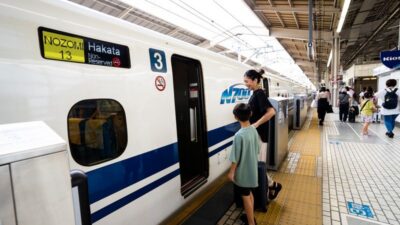
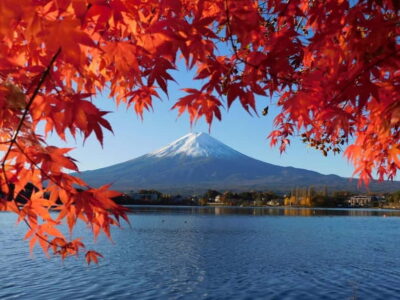
- Mt Fuji and Hakone 1-Day Bus Tour Return by Bullet Train
★ 5.0 · 26,383 reviews - TOKYO SKYTREE® Ticket
★ 4.7 · 25,136 reviews - teamLab Borderless Tickets: MORI Building DIGITAL ART MUSEUM
★ 4.7 · 24,126 reviews - teamLab Planets TOKYO Ticket
★ 4.7 · 21,663 reviews
Yanaka Ginza and quieter neighborhood stops
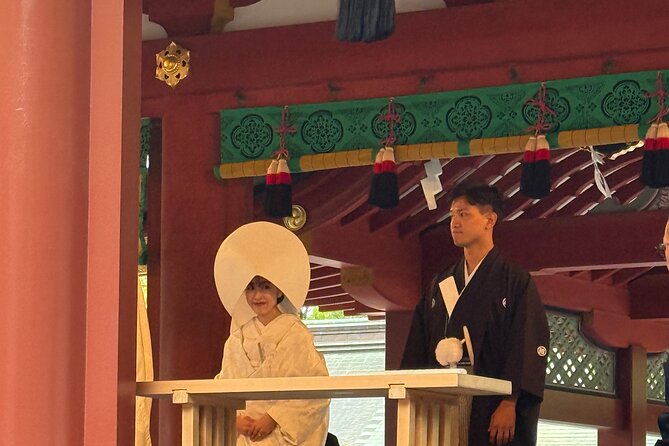
The custom plan can take you beyond Tokyo’s headline districts.
Yanaka Ginza is specifically offered as an option, along with smaller shrines that can remind you of Kyoto. That is valuable for anyone who has already seen the major Tokyo names or wants a slower neighborhood experience. These stops give the guide room to explain daily life, local streets, and places that are easy to miss when you only follow a standard sightseeing circuit.
I would consider this choice especially useful on a second or third day in Tokyo. It also suits repeat Japan visitors who are less interested in checking famous landmarks off a list.
There is a practical catch: quieter places may be less familiar to you than Shibuya or Asakusa, so the experience depends more on the guide’s planning and your own interests. Use the pre-tour chat to say clearly what you want. Ask for temples, food, local shopping, or a neighborhood walk, rather than simply requesting something different.
Yokohama Chinatown and the harbor
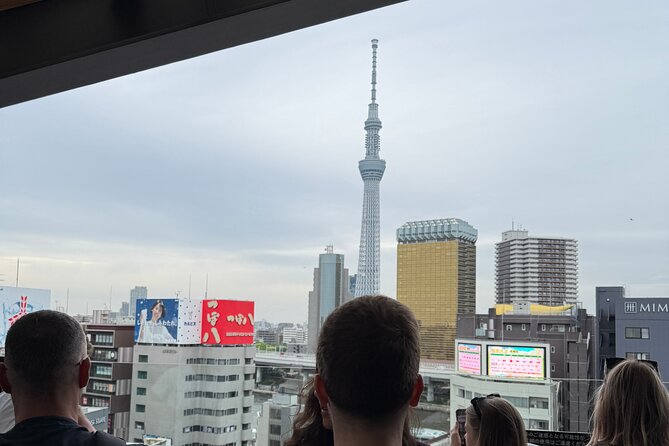
The Yokohama option feels like a separate day, not a small add-on to Tokyo.
You begin with one of the world’s largest Chinatowns, where the focus is walking and local food. Meals are not included, so you can decide how much to spend and what to try. This part of the tour should suit anyone who enjoys food districts more than formal museum visits.
From Chinatown, the route can continue toward Yamashita Park. The waterfront views offer a break from dense city streets and help explain Yokohama’s identity as a port city. The day also covers the city’s role in the modernization of Japan, giving the walk some historical purpose beyond shopping and photos.
The Red Brick Warehouse adds another change of pace. You can shop there and get something to eat, though the tour does not include purchases or meals. I like the way this route links food, harbor views, urban history, and shopping in one area.
Because Tokyo and Yokohama are distinct cities, choose Yokohama only if you want to give it most of your day. Trying to force Tokyo highlights and Yokohama into seven hours would not make sense.
Sankeien Garden and an Edo-era time capsule
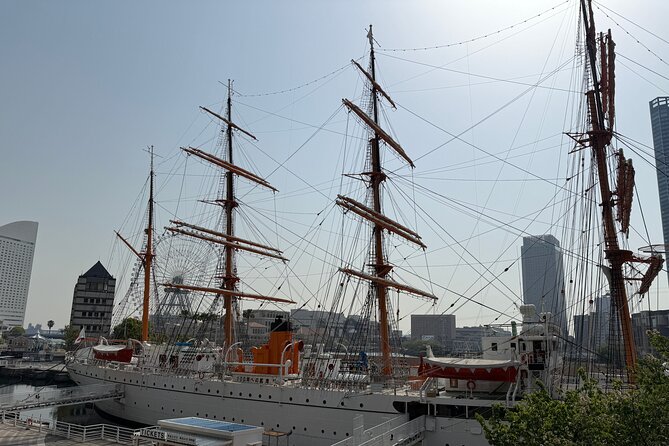
Sankeien Garden is the most distinctive cultural stop in the Yokohama plan.
The garden preserves buildings and settings connected with Japan’s Edo period, making it feel like a pause from the port city outside. The description presents it as a traditional garden tucked away in Yokohama, so it is a good choice when you want architecture, quiet paths, and historical atmosphere rather than more shopping.
Admission is separate: ¥700 for adults and ¥200 for children under 15, paid on site. That fee is modest, but you should include it in your budget because it is not covered by the listed price.
The garden also adds travel time and walking. If you choose it, you may need to give up another Yokohama stop or keep the rest of the route concise. That is not a flaw, but it is the sort of decision a custom tour should help you make.
What the guide adds to the day
The guide is the main reason to choose this experience instead of building your own route with a guidebook and transit app.
Happy Travels Japan pairs the tour with a native English-speaking guide who can explain local history, share stories, and offer practical tips. You can also speak with the host before the tour to plan your route. That contact is useful for families, first-time visitors, and anyone worried about getting trains right.
One published account gives the guide Jack special credit for keeping a family together when a daughter wandered off or fell behind. That detail tells you something practical about the service. The guide is not simply pointing at landmarks. He can help manage the pace and group movement, which matters in crowded stations and busy districts.
Another account praises a guide who listened carefully, spoke Japanese well, and taught the group about the area. I would pay attention to that combination. A guide who listens can turn a generic city walk into a day that matches your interests.
You can also ask for help with money exchange, hotel bookings, and train travel. These extras are not the main sightseeing program, but they can save time when you are still finding your feet in Japan.
The real cost beyond the $10 price
The listed $10 per person price looks very low for a private seven-hour tour. You should treat it as an entry price, not the complete cost of the day.
You still pay for meals, snacks, drinks, personal purchases, and most public transportation. One-way bus or train fares generally run about ¥400 to ¥700, depending on the route. Sankeien Garden costs extra, and other admission fees may apply unless your group has five or more people and uses the included one-location benefit.
For a small group, the value comes from customization and personal assistance rather than included attractions. If you would otherwise pay for a private guide, the price is appealing. If you mainly want transport, tickets, and meals bundled together, this is not that kind of tour.
Groups of five or more receive a stronger deal because transportation and one entrance fee are covered by Happy Travels Japan. Confirm the exact route and inclusions before you go, since the custom nature of the tour means costs can vary.
Walking, trains, and the pace of the day
This is a walking tour, full stop. There is no private car or bus, and public transportation is part of the experience.
You should be comfortable walking at least 10,000 steps. The day may include stations, transfers, sidewalks, temple grounds, shopping streets, and waterfront paths. Good shoes matter more here than a dressy outfit.
A moderate level of physical fitness is required. The tour is not recommended if you cannot manage long walks. Families should also discuss pace in advance, especially if children tend to wander or tire easily. Jack’s ability to help keep a family together is encouraging, but you should still keep an eye on your own group.
The walking format has a benefit: you see how Tokyo or Yokohama connects by train and on foot. You are not sealed inside a coach, and you can ask questions as the day unfolds. The cost is energy, time at stations, and less control over the route if you have mobility limits.
Who should book this experience
I see this as a strong choice for first-time visitors who want help making sense of a large city. It also works well for repeat visitors who want a neighborhood-focused day instead of another standard route.
It suits you best if you:
- Want a private day for your own group
- Prefer local stories and advice to a fixed audio guide
- Enjoy walking and public transportation
- Need help building a route around your hotel
- Want to mix major sights with food, temples, shopping, or smaller neighborhoods
- Are happy to pay separately for meals and most train fares
It is less suitable if you want a luxury vehicle, minimal walking, or a fixed schedule with every admission ticket included. It may also disappoint if you expect a fully bundled food tour or guaranteed entry to a specific Tokyo attraction.
The experience is available with a chosen start time and tour length when booking, which gives you useful control. It is also a private activity, so only your group takes part. Since the average booking lead time is 98 days, planning early is sensible if your Japan schedule is fixed.
Cancellation and weather notes
You can cancel at least 24 hours before the local start time for a full refund. Changes made within 24 hours are not accepted, and cancellations inside that period are not refunded.
The experience requires good weather. If poor weather causes cancellation, you can choose another date or receive a full refund. Since the route is outdoors and depends on walking, check the forecast before your final planning.
FAQ
How long is the tour?
The tour lasts approximately seven hours, though you can choose your preferred start time and tour length when booking.
Is this a private tour?
Yes. Only your group participates in the activity.
Can the Tokyo route be customized?
Yes. The guide can plan the Tokyo day around your hotel location and interests, including landmarks, temples, shopping districts, local food, and neighborhood areas.
Which Tokyo areas can be included?
Possible Tokyo areas include Harajuku, Shibuya, Asakusa, Ueno, Tsukiji, Tokyo Tower, Zojoji Temple, the Imperial Palace, and Yanaka Ginza. The exact route is custom.
What does the Yokohama route include?
The Yokohama plan can include Chinatown, Yamashita Park, the harbor, Red Brick Warehouse, local food stops, and Sankeien Garden.
Are meals included?
No. Meals, snacks, and drinks are not included.
Is public transportation included?
For groups under five, train and bus fares are not included. Fares are approximately ¥400 to ¥700 one way, depending on the route. For groups of five or more, Happy Travels Japan pays for transportation and one entrance fee.
How much does Sankeien Garden cost?
Admission is ¥700 for adults and ¥200 for children under 15. You pay this onsite.
Do I need to be physically fit?
You should have a moderate fitness level and be able to walk at least 10,000 steps. The tour is not recommended for anyone unable to walk long distances.
Can I cancel for a refund?
You can receive a full refund if you cancel at least 24 hours before the experience start time. Poor-weather cancellations offer a different date or a full refund.
Should you book this Tokyo or Yokohama walk?
Book it if you want a private guide who can shape the day around your interests and hotel, and if you are comfortable walking, taking trains, and paying for food and some tickets separately. The strongest reasons are the flexible planning, practical local help, and the chance to pair famous places with quieter neighborhoods.
For Tokyo, ask yourself if you want a broad first-day overview or a focused route such as food and temples. For Yokohama, allow the city its own day and choose Sankeien Garden if historic buildings and gardens appeal to you.
At $10 per person, the listed price is attractive, but the tour’s true value depends on how much you use the guide’s planning and local advice. If you want independence with a safety net, this is a smart pick. If you want a coach, fixed tickets, and almost no walking, choose something else.
Just added in Tokyo
- Very popular in Harajuku♡Animal petting zoo★ 4.6 · 39 reviews
- Yokohama Port: Private Customizable Tour with Transfer★ 5.0 · 19 reviews
- Wagyu & Sake 8 Course Tasting Dinner in Shinjuku★ 4.9 · 20 reviews
- Warner Bros. Studio Tour Tokyo – The Making of Harry Potter★ 4.8 · 181 reviews
- Yanaka District: Historical Walking Tour in Tokyo’s Old Town★ 4.8 · 117 reviews
- Tokyo: Classic Tsukiji Food Tour★ 4.9 · 78 reviews
- Tokyo: Tsukiji Fish Market Tour with 6 Stops & Seafood Lunch★ 4.5 · 165 reviews
- Tokyo Wagyu & Sake Pairing Tasting Experience with Local Flavors★ 5.0 · 108 reviews
Tokyo Tours, compared.
Tokyo Disney Resort – Tokyo Disneyland & Tokyo DisneySea Park Tickets
Read our review →
Mt Fuji and Hakone 1-Day Bus Tour Return by Bullet Train
Read our review →

teamLab Borderless Tickets: MORI Building DIGITAL ART MUSEUM
Read our review →