
Reviewed · PRIVATE CAR WITH DRIVER
Private Car Tour to see Highlights of Kamakura, Enoshima, Yokohama from Tokyo
Three destinations, one private van. This 10-hour outing gives you a practical way to connect samurai-era Kamakura, seaside Enoshima, and modern Yokohama without changing trains or solving the day’s route yourself. I especially like the flexible format and the local Japanese guides, who can shape the day around temples, gardens, food, anime, or city views.
I also like that transportation costs are covered, including fuel, highway tolls, parking, and bottled water. The main caution is simple: you cannot sensibly visit every stop listed in one day. The operator advises choosing about four to six sites, and traffic between Tokyo, Kamakura, Enoshima, and Yokohama can make even that plan feel full.
In This Review
- Key Points at a Glance
- Why a Private Car Helps on This Route
- Kamakura Begins with the Great Buddha
- Bamboo, Matcha, and Quiet Temple Time
- Kamakura’s Major Shrine and Shopping Street
- Five More Temples, but Choose Carefully
- Enoshima Brings Sea Air and a Different Pace
- Yokohama Shows Japan’s Port-City Side
- Chinatown, Cup Noodles, and Ramen
- What the Guides Add
- Planning Your Four to Six Stops
- Costs, Comfort, and Practical Limits
- Should You Book This Private Day Trip?
- FAQ
- How long is the private car tour?
- How many people can join the private tour?
- Does the tour include pickup?
- Are entrance fees included?
- Is lunch included?
- Can I cancel for a full refund?
Key Points at a Glance
- Kamakura’s Great Buddha and temples: See the 13.5-meter bronze Amida Buddha, bamboo at Hokokuji, flowers at Hasedera, and major Zen temples.
- A genuinely private setup: Your group alone rides in the air-conditioned vehicle, with space for up to eight people.
- Flexible local guiding: Guides such as Yoshi, Yoshimi, Ken, Masae, Sumiko, and Taiji have been praised for adjusting the day to family interests.
- A choice between Enoshima and Yokohama: You can focus on a seaside island, port-city culture, gardens, food, or skyline views.
- Good value for a larger group: At $1,183.65 per group, the cost makes more sense when divided among several people.
- A long day with extra fees: Temple, garden, museum, and observation-deck admission is not included, and lunch is also separate.
Why a Private Car Helps on This Route
Kamakura is roughly 1 to 1.5 hours from Tokyo, depending on traffic. Add Enoshima or Yokohama, then return to Tokyo, and the day involves a fair amount of movement.
You could use trains and local transport, but this route includes several separate areas. A private car saves you from changing trains, finding the right local bus, and walking back to a station after each visit. That matters most for families, older visitors, groups with limited time, or anyone traveling during poor weather.
The vehicle includes air conditioning, parking, gasoline, highway tolls, private transportation, and bottled water. A professional driver handles the road while your guide handles the visits. One highly praised experience involved stormy weather, when having a driver made the long day feel safer and more manageable.
The price is $1,183.65 for up to eight people. That is expensive for one or two people, but the arithmetic improves quickly for a family or group of friends. Split eight ways, the transportation and guiding cost is about $148 per person before admissions and lunch. Split four ways, it is about $296 each. You are paying for time, door-to-door movement, and a private guide, not just a ride.
The tour offers pickup, but you should confirm the exact pickup details when booking. The advertised schedule is a menu rather than a fixed route. Plan your priorities in advance, then ask the guide to refine the order.
A few more options to weigh up in Tokyo
- Tokyo Disney Resort – Tokyo Disneyland & Tokyo DisneySea Park Tickets
★ 4.8 · 99,488 reviews - SHIBUYA SKY Ticket
★ 4.7 · 46,509 reviews - JR Whole Japan Rail Pass
★ 4.8 · 29,150 reviews
Kamakura Begins with the Great Buddha
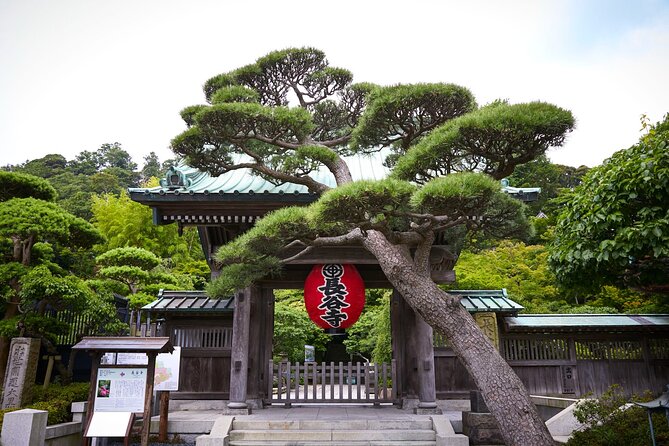
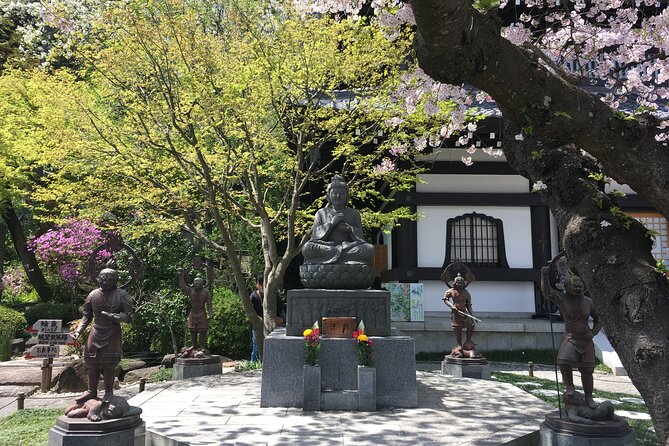
Kotoku-in, home of the Great Buddha of Kamakura, is the obvious first choice for many visitors. The open-air bronze statue of Amida Buddha measures 13.5 meters, or about 44 feet, and is Kamakura’s only national treasure.
You can enter the statue for 20 yen, while the temple admission is listed as 200 yen per person. The visit is usually around 30 minutes, enough to see the statue, take photographs, and hear the basic story of the site without turning the stop into a long temple visit.
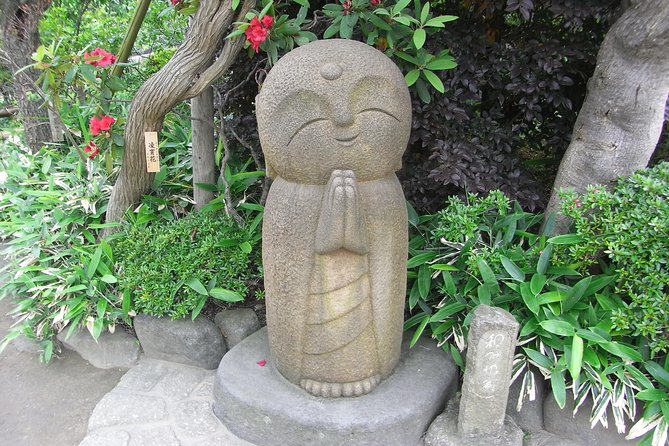
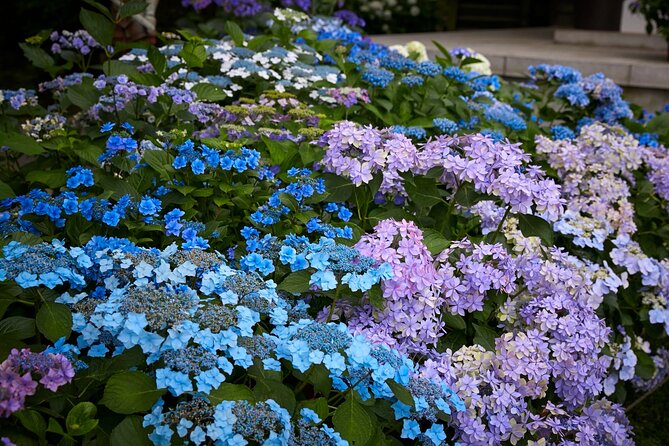
I would pair the Great Buddha with Hasedera rather than trying to rush through too many smaller sites. Hasedera is known as the temple of flowers, with cherry blossoms in spring, hydrangeas from late May through late June, and maple color in autumn. Its main religious image is a 9.18-meter gilded wooden statue of Kannon, the goddess of mercy.
Hasedera takes 30 to 60 minutes, with a listed admission fee of 400 yen. The seasonal timing matters. If you visit during hydrangea season, expect the flowers to be a major reason for stopping. At other times, the temple’s gardens and Kannon statue carry more of the visit.
Bamboo, Matcha, and Quiet Temple Time
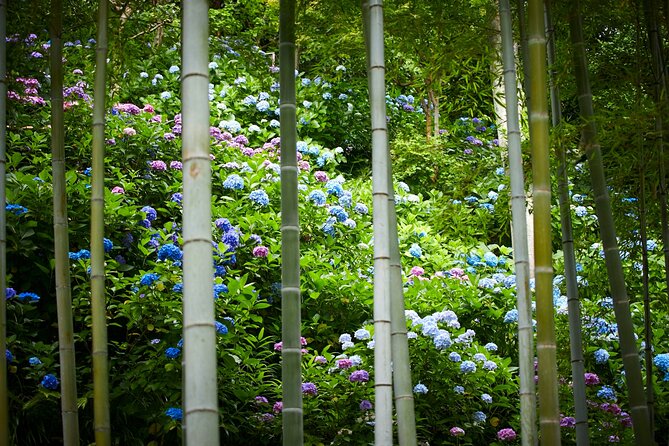
Hokokuji offers a different mood. This small temple is famous for its bamboo grove, where tall green stalks create a cool, shaded setting. It has received a three-star rating in the Michelin travel guide, but the real appeal is not a checklist rating. It is the chance to pause.
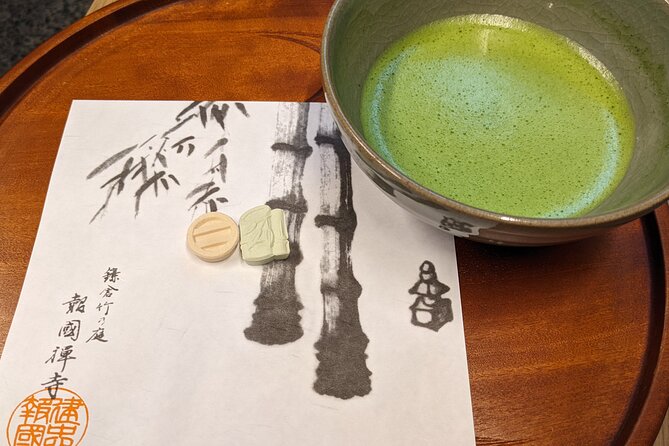
Admission is listed at 600 yen per person, including matcha and a Japanese sweet in the teahouse overlooking the grove. The visit can take 20 to 60 minutes, depending on how long you sit with the tea.
This is one of the best stops for you if you want a quiet cultural moment rather than another large monument. It is also a useful reminder that a private tour works better when you leave room to slow down. If you add too many temples, Hokokuji becomes just another quick photograph.
Kamakura’s Major Shrine and Shopping Street
Tsurugaoka Hachimangu is Kamakura’s central Shinto shrine and is linked with the god of war and the samurai. It is also a popular wedding site, so you might see ceremonies or wedding activity during your visit.
Allow 30 to 60 minutes. There is no admission fee listed for the shrine. The site is especially attractive during cherry blossom or azalea season, but its broad approach and ceremonial scale make it worthwhile beyond those periods.
Komachidori, the shopping street near the shrine, gives the day a more casual turn. You can browse restaurants, cafés, and shops for 20 to 80 minutes. Suggested souvenirs include Kamakura-bori carved lacquerware, Toshimaya Hato sable pigeon-shaped cookies, and bean snacks from Kamakura Mameya.
I would use Komachidori for a snack or a short browse, not as the center of the day. The street can become crowded, and a long shopping stop may take time away from the temples. Still, it is a useful place for lunch planning, especially since lunch is not included.
A completely different kind of day out:
- Mt Fuji and Hakone 1-Day Bus Tour Return by Bullet Train
★ 5.0 · 26,383 reviews - TOKYO SKYTREE® Ticket
★ 4.7 · 25,136 reviews - teamLab Borderless Tickets: MORI Building DIGITAL ART MUSEUM
★ 4.7 · 24,126 reviews - teamLab Planets TOKYO Ticket
★ 4.7 · 21,663 reviews
Five More Temples, but Choose Carefully
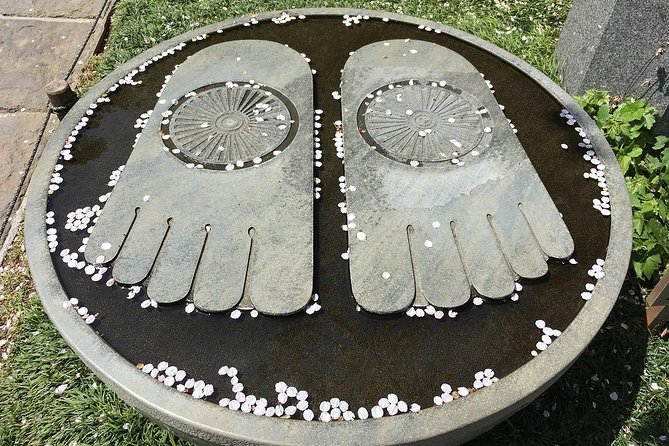
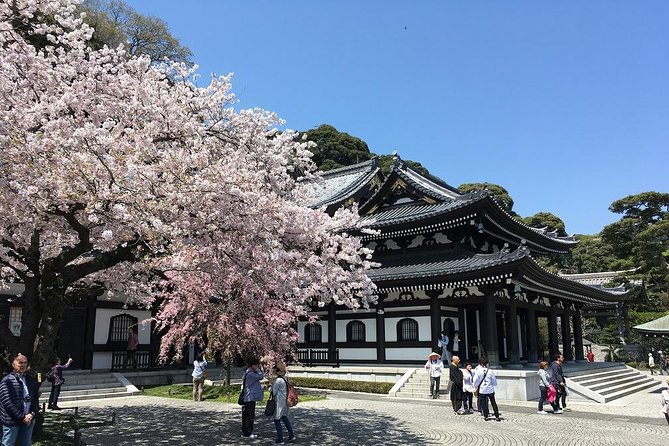
Kencho-ji is described as Kamakura’s oldest and highest-ranking Zen temple. It offers meditation practice on certain dates and sells Zen-themed T-shirts. Admission is 500 yen per person, with about 30 minutes suggested.
Engaku-ji is the second important Zen temple in Kamakura. Its large gate and bell are the main visual draws, and the grounds include a café serving lunch, Japanese sweets, matcha, and other drinks on certain dates. Admission is 300 yen per person.
Meigetsuin is known as the Hydrangea Temple. From late May to late June, blue hydrangeas bring many people to the site. Its circular window frames the garden behind the main hall, creating one of Kamakura’s most recognizable photographs. Admission is 500 yen.
Zeniarai Benten is a Shinto shrine tied to the belief that washing cash in its holy water can increase income. The admission listing is free, and 30 minutes is suggested. It is a fun cultural stop, especially if you enjoy local customs that are more hands-on than simply looking at buildings.
Tokeiji is a quieter temple with an important social history. It served as a refuge for women abused by their husbands at a time when only men could request divorce. Its gardens offer flowers through the year, including plums in early spring, iris and climbing hydrangea in June. Admission is 200 yen.
These stops are appealing, but the schedule is the issue. A 10-hour tour cannot give 30 to 60 minutes to all of them and still leave time for Enoshima or Yokohama. For a first visit, I would choose two or three Kamakura sites, then use the remaining hours elsewhere.
Enoshima Brings Sea Air and a Different Pace
Enoshima is a small island with a shrine, aquarium, botanical garden, observation tower, caves, and viewpoints toward Mount Fuji when the weather cooperates. The suggested visit ranges from 30 to 150 minutes, which tells you how flexible this stop can be.
A short visit lets you walk, see the island atmosphere, and take photographs. A longer visit gives you time for one or more paid attractions, though each added activity reduces the time available for Yokohama.
Enoshima is a strong choice if you want a break from temple architecture. It has a seaside character and gives the day more variety. The drawback is that island visits can become rushed if you are also trying to fit several Kamakura temples and a full Yokohama route.
There is also a short photo stop at a railroad crossing with the sea in the background. The location appeared in the opening sequence of the anime Slam Dunk. This is a small addition, but it may be a highlight for anime fans. Ask for it only if it fits your route and traffic conditions.
Yokohama Shows Japan’s Port-City Side
Yokohama gives you a clear contrast with Kamakura. Instead of shrines and temple lanes, you get waterfront parks, modern towers, old port buildings, foreign influence, museums, and Chinatown.
Minato Mirai 21 is the city’s central waterfront district. The area includes Landmark Tower, Cosmo World amusement park, and the Red Brick Warehouses. A 30 to 60-minute visit works for a broad look, but you will need more time if you want to shop or enter attractions.
The Landmark Tower Sky Garden offers views from 273 meters, or about 900 feet. Admission is listed at 1,000 yen per person. On a clear day, you can see across Yokohama Bay and Tokyo Bay, with a chance of Mount Fuji. Clouds and haze can change the value of the ticket, so ask your guide about conditions before making it a fixed priority.
Yamashita Park is a pleasant place for a short stroll with coffee. It is popular with local residents, and street performers appear on weekends. Osanbashi Yokohama International Passenger Terminal provides another strong view of the Minato Mirai area.
Minato-no-mieru Oka Park offers a second scenic viewpoint and an English garden. Its setting connects with the western residential districts created when Yokohama opened as an international port near the end of the Tokugawa shogunate. These parks are free and make good alternatives if you do not want another paid attraction.
Chinatown, Cup Noodles, and Ramen
Yokohama Chinatown is the largest Chinatown in Japan, making it a logical lunch option if you want Chinese food during your Japan visit. Lunch is not included, but the guide can arrange a stop or lunch there upon request.
The Cup Noodles Museum Yokohama is a playful choice for families and food fans. Run by Nissin, the first company to invent cup noodles, it explains the story of instant noodles and offers activities such as creating your own original cup noodles, choosing toppings, sampling noodle flavors from around the world, and buying museum-only souvenirs.
Admission is listed at 500 yen per person, and the suggested visit is 45 to 90 minutes. If you choose this stop, confirm the timing with your guide because activities may require available reservation slots. One family group particularly enjoyed making original Cup Noodles as an unexpected part of a temple-focused day.
Ramen fans may prefer the Shinyokohama Ramen Museum. It offers eight types of ramen in one place, with admission listed at 310 yen and about one hour suggested. Since this is both a museum and a food stop, it can cover lunch and sightseeing at once, but it may not suit a group with different dining interests.
What the Guides Add
The strongest part of this experience is the human service. The company uses local Japanese guides and professional drivers, and the positive feedback repeatedly centers on patience, flexibility, clear English, and good timing.
Names associated with especially warm comments include Yoshi, Yoshimi, Masae, Sumiko, Taiji, Elina, Ken, Kenji, Matsashi, and Hoshi. You cannot assume which guide will be assigned, but you can see the kind of service the company aims to provide. Yoshi was praised for energetic storytelling and excellent English. Yoshimi was described as patient, caring, and enthusiastic about Japanese culture. Sumiko and driver Toshi were credited with handling a holiday crowd without making the day feel rushed.
Several outings included a traditional lunch, udon making, sushi, or a Cup Noodles activity. These extras were not guaranteed parts of the basic route, but they show what can happen when you tell the guide your interests before the day begins.
There is one important warning. One unhappy experience involved a guide who seemed unfamiliar with some information and continued explaining after the group wanted to move on. The company’s response cited limited preparation, a reservation-time restriction, and a changed lunch venue. That is a useful lesson: agree on your four to six priorities before pickup, and tell the guide clearly when you want to leave a site.
Planning Your Four to Six Stops
The best way to use this tour is to build a focused plan. Here are three sensible combinations:
- Classic Kamakura: Great Buddha, Hasedera, Hokokuji, Tsurugaoka Hachimangu, and Komachidori.
- Kamakura and Enoshima: Great Buddha, Hasedera, Tsurugaoka Hachimangu, Komachidori, and Enoshima.
- Kamakura and Yokohama: Great Buddha, one or two temples, Minato Mirai, Chinatown, and either the Landmark Tower or Cup Noodles Museum.
For a flower-focused visit, choose Hasedera and Meigetsuin during hydrangea season, or Hasedera during cherry blossom or autumn color. For Zen, choose Kencho-ji and Engaku-ji. For gardens, combine Hokokuji with Sankeien Gardens.
Sankeien is a traditional Japanese-style garden created by a wealthy businessman. Seventeen important buildings moved from Kyoto and other places are arranged around the grounds. Admission is 700 yen, and you should allow 30 to 90 minutes. It is a good substitute for several smaller temple visits if you want gardens and architecture in one stop.
Costs, Comfort, and Practical Limits
The base price covers the vehicle and road expenses, but not admissions, lunch, or gratuity. Listed admission costs range from 200 yen at Tokeiji to 1,000 yen at the Landmark Tower Sky Garden. If you visit several paid sites, budget those fees separately.
A gratuity of 5 to 20 percent is suggested. The final amount is your choice and should reflect the guide and driver’s service.
Most people can participate, and service animals are allowed. The tour is near public transportation, though the main advantage is avoiding the need to use it during the day. The schedule may change or be canceled because of weather or traffic, and the price remains the same with or without the vehicle.
The weather policy deserves attention. The tour will not be canceled or refunded simply because some views or sites are hard to see in bad weather. Mount Fuji views are never guaranteed, and the observation deck is less rewarding in haze. If you book, accept that the temples, food, and guiding may matter more than a perfect photograph.
Free cancellation is available until 24 hours before the start time for a full refund. Changes or cancellations inside that 24-hour window are not accepted for a refund.
Should You Book This Private Day Trip?
I would book this experience for a family or group of four to eight people that wants Kamakura with a possible Enoshima or Yokohama add-on. The private van, driver, and flexible guide can save a great deal of effort, especially on a rainy day or during a short Tokyo stay.
I would not choose it for one or two budget-minded people, or for anyone who wants a slow temple walk with no fixed end time. Public transport will cost less, and a single destination gives you more freedom.
The key is to resist the temptation to chase every listed attraction. Pick four to six places, tell the guide what matters to you, and leave some space for lunch or an unplanned favorite. Done that way, this is a comfortable and useful way to see a broad slice of the Tokyo area, from samurai-era Kamakura to Enoshima’s coast and Yokohama’s international port culture.
FAQ
How long is the private car tour?
The tour lasts approximately 10 hours.
How many people can join the private tour?
The vehicle and private activity are available for your group, with up to eight people.
Does the tour include pickup?
Pickup is offered. Confirm the exact pickup arrangements when booking.
Are entrance fees included?
No. Entrance fees are separate for sites such as the Great Buddha, Hasedera, Hokokuji, Kencho-ji, Engaku-ji, Meigetsuin, Tokeiji, Sankeien Gardens, the Cup Noodles Museum, the Shinyokohama Ramen Museum, and the Landmark Tower Sky Garden.
Is lunch included?
No. Lunch is not included. A traditional meal, Chinatown stop, or another lunch option can be discussed with the guide, and vegetarian food can be requested when booking.
Can I cancel for a full refund?
Yes. You can cancel at least 24 hours before the experience start time for a full refund. Cancellations or changes made less than 24 hours before the start time are not accepted for a refund.
Just added in Tokyo
- Very popular in Harajuku♡Animal petting zoo★ 4.6 · 39 reviews
- Yokohama Port: Private Customizable Tour with Transfer★ 5.0 · 19 reviews
- Wagyu & Sake 8 Course Tasting Dinner in Shinjuku★ 4.9 · 20 reviews
- Warner Bros. Studio Tour Tokyo – The Making of Harry Potter★ 4.8 · 181 reviews
- Yanaka District: Historical Walking Tour in Tokyo’s Old Town★ 4.8 · 117 reviews
- Tokyo: Classic Tsukiji Food Tour★ 4.9 · 78 reviews
- Tokyo: Tsukiji Fish Market Tour with 6 Stops & Seafood Lunch★ 4.5 · 165 reviews
- Tokyo Wagyu & Sake Pairing Tasting Experience with Local Flavors★ 5.0 · 108 reviews
Private Car with Driver, compared.
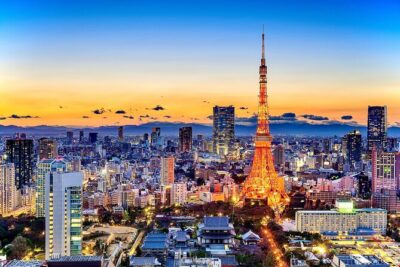
Tokyo Private Sightseeing Tour by Car- English speaking chauffeur
Read our review →
Tokyo Private Tour by Vehicle with English-Speaking Chauffeur
Read our review →Mt FUJI Day Tour with Private Car and English Speaking Guide
Read our review →
Private Car Tour to Mt. Fuji Lake Kawaguchiko or Hakone
Read our review →
Kyoto Private Car Tour – Full Day with Local Guide & Nara Option
Read our review →
Mt Fuji Exclusive Tour with Private Car English Guide
Read our review →
Tokyo Private Customizable Tour with English Speaking Chauffeur
Read our review →Browse the lists this tour appears in