
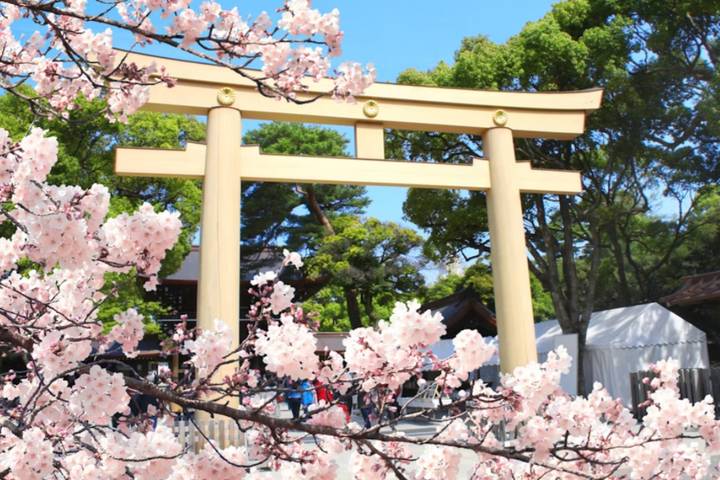
Reviewed · MULTI-DAY TOURS THAT VISIT ODAWARA
11 Day Southern Japan Cherry Blossom Festival by UME Travel Review
Tokyo’s spring parks, Fuji views, Kyoto’s red torii gates and Hiroshima’s Peace Memorial Park make this an ambitious way to see several sides of Japan in 11 days. The route also ends in Osaka, so you won’t need to double back to Tokyo for your flight home.
I like the mix of guided excursions and free days: you get help with major sights and long-distance travel, but room to set your own pace in Tokyo, Kyoto and Osaka. I also like that the route pairs big-name sights with smaller details, from Oshino Hakkai’s volcanic springs to a sake museum in Fushimi.
The main trade-off is the pace. You change hotels several times, and the schedule includes long train journeys alongside full sightseeing days. There is also a practical detail to confirm before booking: the listed hotel nights account for nine nights, and no lodging is specified for Day 7.
In This Review
- Key points before you book
- A fast route through Japan, with room to choose
- Tokyo: an easy arrival, then a day to make your own
- Mt. Fuji: lake views, a ropeway and spring water
- Hakone to Kyoto: a scenic day with a long finish
- Kyoto: free time for temples, lanes and local choices
- Arashiyama: gardens, bamboo and a slow railway ride
- Fushimi and Nara: torii gates, sake and deer
- Hiroshima and Miyajima: a serious history lesson, then island scenery
- Osaka: one open day before your flight home
- What the price covers, and where the value lies
- Should you book this Japan tour?
- FAQ
- Where does the tour start and end?
- How long is the tour?
- Are international flights included?
- Which meals are included?
- Are guides included every day?
- Which hotels are listed?
- Is accommodation included for every night?
- Is the Lake Kawaguchi boat cruise included?
- When is cherry-blossom season?
- What should I know about food requirements?
Key points before you book
- Lake Kawaguchi and Oshino Hakkai give you two different views of the Mt. Fuji region: a lake resort town and a village of clear volcanic springs.
- Hakone combines a lake cruise and a volcanic crater, followed by a bullet train ride from Odawara to Kyoto.
- Kyoto gets three hotel nights, with guided time in Arashiyama and Fushimi, plus free time to choose your own temples and neighborhoods.
- Hiroshima and Miyajima are separate day experiences, with the Peace Memorial Park and Museum followed by Itsukushima Shrine and its famous torii gate.
- The tour is partially guided, not a day-by-day escorted group trip. Some days are yours to plan, and the included meals are breakfasts.
- Check the missing overnight detail: the accommodation list does not identify where you stay after Day 7.
A fast route through Japan, with room to choose
This private, partially guided tour starts in Tokyo and ends in Osaka. It links major cities and well-known sights by train, with selected guided visits and transport arranged along the way. The setup suits you if you want structure for the complicated parts but don’t need a guide beside you every hour.
The itinerary is full, though not every day is tightly programmed. Tokyo, Kyoto and Osaka each have free time, while Arashiyama, Fushimi, Nara, Hiroshima and Miyajima have planned sightseeing. That balance gives you choices, but independent days mean you’ll need to manage local transport and decide how much you want to see.
UME Travel lists English-speaking local guides, but no guide names are provided. If you want to know who will lead a specific day, or whether a particular excursion is private to your party, ask before booking. The tour is called private, yet it is also described as partially guided, so it is worth clarifying exactly which services are private and which are independently arranged.
A few more options to weigh up in Tokyo
- Tokyo Disney Resort – Tokyo Disneyland & Tokyo DisneySea Park Tickets
★ 4.8 · 99,488 reviews - SHIBUYA SKY Ticket
★ 4.7 · 46,509 reviews - JR Whole Japan Rail Pass
★ 4.8 · 29,150 reviews
Tokyo: an easy arrival, then a day to make your own
On Day 1, a driver meets you in the airport arrival hall and takes you by private car to your hotel. That is a useful start after a long flight, particularly if you are new to Tokyo or arriving with luggage. International flights are not included.
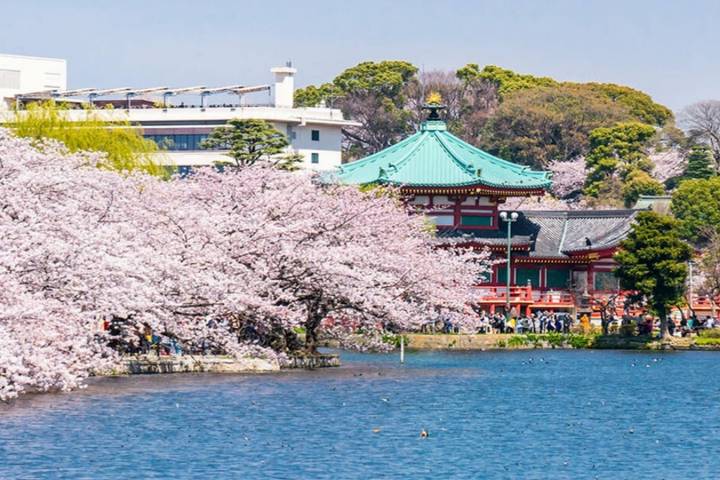
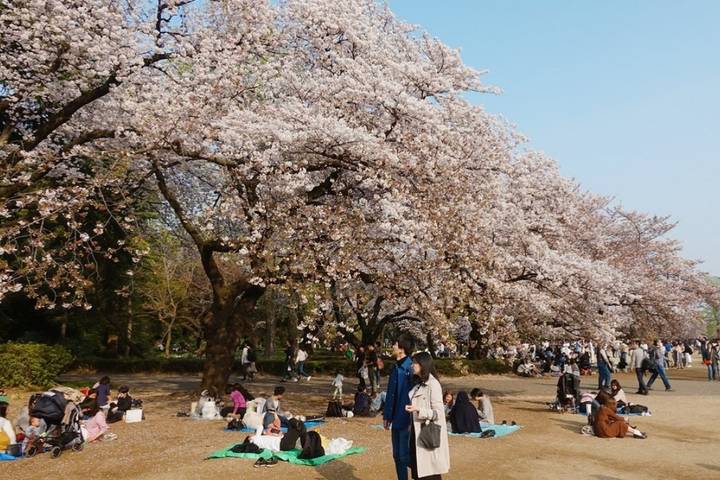
Day 2 is free. Meiji Jingu Shrine offers a quiet, wooded approach and a major Shinto site dedicated to Emperor Meiji and Empress Shoken. Shinjuku Gyoen and Ueno Park are the suggested choices if you want spring flowers, but blossom timing varies from year to year.
Ueno pairs a park visit with a zoo and several museums, while Shinjuku Gyoen is a more focused garden stop. You have one open day, so pick one area rather than trying to cross the city several times. Breakfast is included; other meals and your day’s plans are your own.
Mt. Fuji: lake views, a ropeway and spring water
Day 3 takes you to the Lake Kawaguchi area, with a ride on the Mt. Fuji Panoramic Ropeway to Kawaguchiko Tenjozan Park. From the observation decks, you can look across the lake toward Mt. Fuji when skies are clear. The view is the point, but Fuji is a mountain, not a guaranteed photo backdrop; clouds can hide it.
Oshino Hakkai adds a different texture to the day. Its eight springs are fed by water filtered through volcanic layers, and the village is known for its clear, drinkable spring water. The excursion boat Appare on Lake Kawaguchi is listed as optional, so check whether you want to budget extra for it.
You stay at HOTEL MYSTAYS Fuji Onsen Resort. The tour calls it a 3-star hotel, but does not specify whether an onsen visit or hot-spring bathing is included. Ask if that is important to you, rather than assuming the hotel’s name guarantees access to a particular bathing experience.
Hakone to Kyoto: a scenic day with a long finish
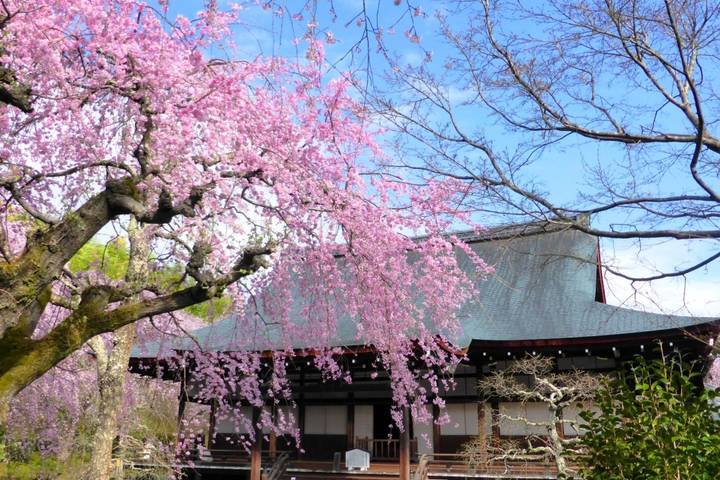
Day 4 is a busy combination of Hakone sights and onward travel. You cruise Lake Ashinoko on the Hakone Pirate Ship, ride the ropeway to Owakudani and visit the volcanic crater, where steam and sulfur smells are part of the setting. The tour also includes Mishima Skywalk, a 400-meter suspension bridge with views toward Mt. Fuji and Suruga Bay.
The local black jade is presented as a specialty, with a folk claim about longevity attached to it. Treat that as local lore, not a health promise. The more dependable reason to stop is the crater’s volcanic terrain and the views from the area.
Later, you take the Shinkansen from Odawara to Kyoto. The bullet train makes a long transfer far easier than a road journey, but it still makes for a full day. At Kyoto station, you make your own way to Hotel Elcient Kyoto Hachijoguchi, so keep your luggage manageable and check your arrival instructions in advance.
A completely different kind of day out:
- Mt Fuji and Hakone 1-Day Bus Tour Return by Bullet Train
★ 5.0 · 26,383 reviews - TOKYO SKYTREE® Ticket
★ 4.7 · 25,136 reviews - teamLab Borderless Tickets: MORI Building DIGITAL ART MUSEUM
★ 4.7 · 24,126 reviews - teamLab Planets TOKYO Ticket
★ 4.7 · 21,663 reviews
Kyoto: free time for temples, lanes and local choices
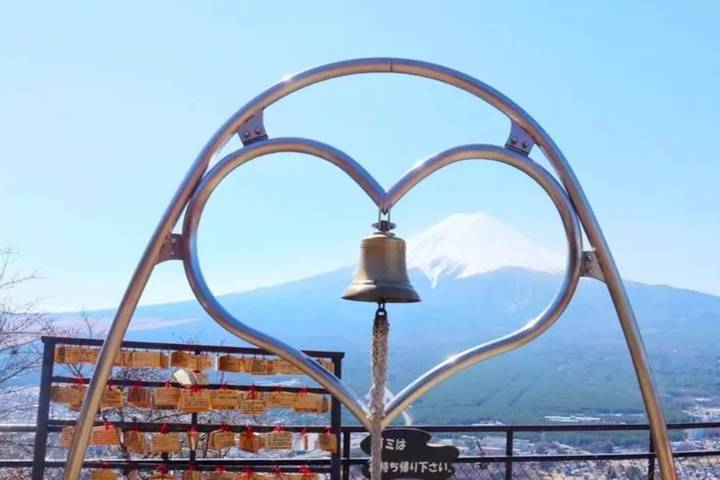
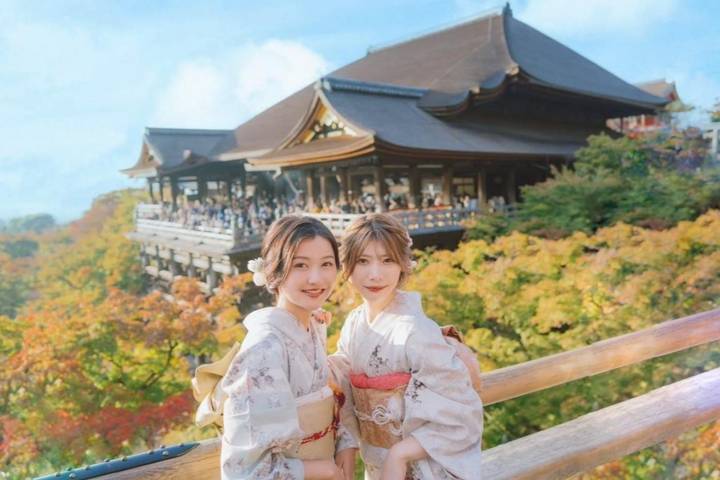
Day 5 is open for independent exploring. Kiyomizu-dera is a World Heritage temple with a broad view over the city, while Yasaka Shrine and Hanamikoji Dori offer a different feel in the historic Gion area. Taxis and public transport are suggested ways to get around.
This flexibility is useful because Kyoto’s sights are spread across the city, and you can choose a day that matches your energy. It also means there is no included guide for this day, so plan a route rather than treating the temple list as a walkable cluster. You’ll want to decide which sight matters most before adding more stops.
Arashiyama: gardens, bamboo and a slow railway ride
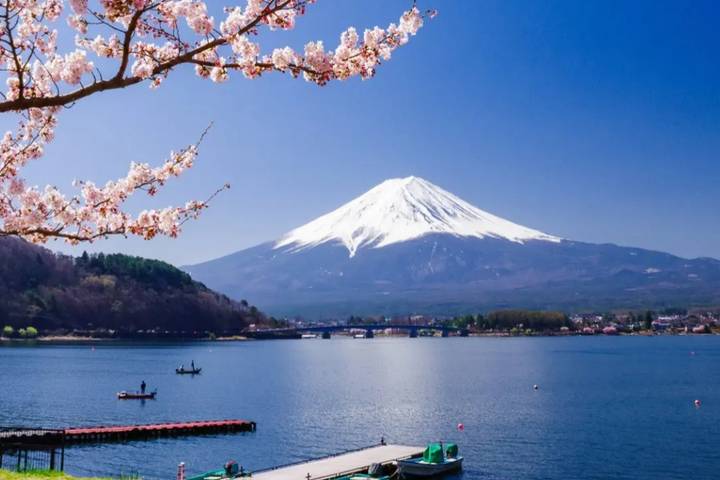
The Day 6 walking tour takes you to Tenryuji Temple, known for its gardens, then to the Sagano Scenic Railway along the Hozugawa River. The old-fashioned train moves at a gentler pace than the Shinkansen, with forest and rural views along the way. It is a welcome change from city streets and station platforms.
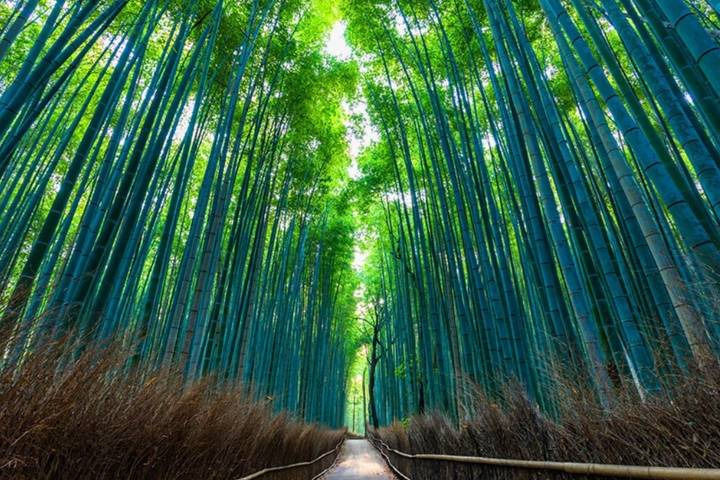
The route also includes the Sagano Bamboo Forest, Togetsukyo Bridge and Okochi-Sanso. The bamboo grove is a famous stop, but it can feel brief in a packed sightseeing area; Okochi-Sanso offers a calmer contrast, with traditional residential architecture and a tea house. Taken together, these stops make the half-day more than a quick photo visit.
Fushimi and Nara: torii gates, sake and deer
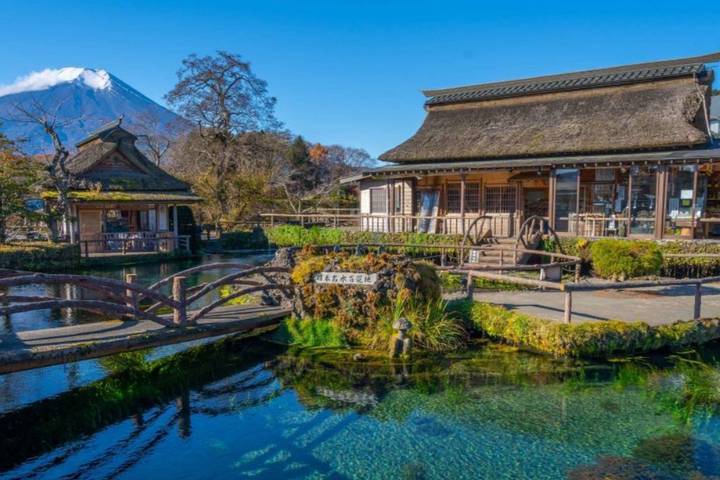
Day 7 begins at Fushimi Inari Shrine, where thousands of vermilion torii gates line trails on Mount Inari. You can walk only part of the route or continue farther uphill, depending on time and stamina. The shrine is a working religious site as well as a popular attraction, so take care to leave room for worshippers and other walkers.
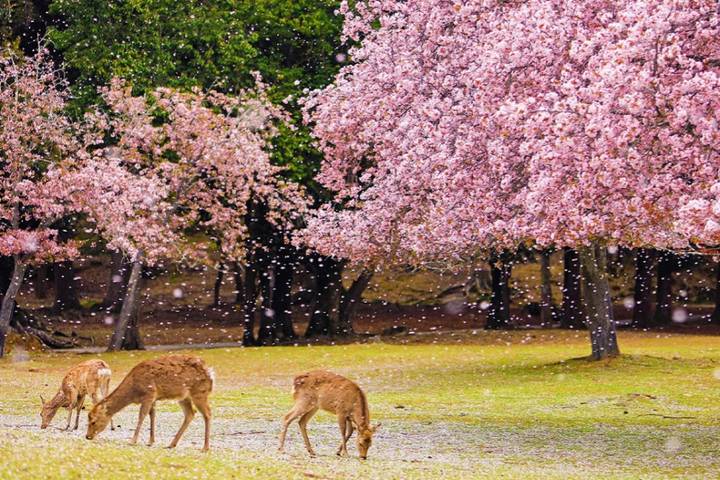
At the Gekkeikan Okura Sake Museum, you learn about Fushimi’s brewing tradition and have a tasting. Then the tour continues to Nara Park, where deer roam freely, and Todaiji Temple, a major Buddhist site founded in 752. Deer crackers are sold in the park, but don’t tease the deer with food; they can become pushy when they expect a snack.
One thing needs sorting before you travel: the accommodation details list Kyoto nights for Days 4, 5 and 6, but do not say where you sleep after this Day 7 excursion. The full hotel breakdown accounts for nine nights across an 11-day trip. Ask UME Travel to confirm the missing night and hotel in writing.
Hiroshima and Miyajima: a serious history lesson, then island scenery
On Day 8, you travel by bullet train to Hiroshima with a guide. The Atomic Bomb Dome and Peace Memorial Park make this a solemn day, and the museum uses photographs, models, recovered objects and explanations to show the effects of the bombing. It also addresses Japan’s wartime actions in Asia, giving the visit a broader historical frame.
Allow emotional space for the museum. Its subject is difficult, and this is not a stop to rush through just to tick off a landmark. The park’s trees and paths create a quieter setting around the memorials, but they do not soften what the exhibits describe.
Day 9 takes you to Miyajima before continuing to Osaka by train and local transport. Itsukushima Shrine and the island’s well-known floating torii gate are the main draw. Deer also roam here, but they are wild and must not be fed, unlike the familiar cracker-feeding custom in Nara.
The route packs a lot into two consecutive days, with hotel changes and rail travel. You spend the night in Osaka at Best Western Plus Hotel Fino Osaka Kitahama, but make sure you understand how luggage is handled between Hiroshima, Miyajima and Osaka.
Osaka: one open day before your flight home
Day 10 is free, giving you time to choose between food, shopping, history and city views. Kuromon Market is suggested for browsing and eating, while Osaka Castle Park offers green space. Dotonbori is the place for a high-energy evening walk, and Shinsaibashi is the shopping option.
For a view from above, the Hep Five Ferris Wheel is another suggested stop. You have only one free day, so choose a couple of areas rather than trying to do the whole list. On Day 11, a private car transfers you from your hotel to Kansai International Airport.
What the price covers, and where the value lies
The tour starts at $4,680 per person, based on the cheapest room option and two people sharing. That is a substantial spend, but it includes 10 breakfasts, listed hotels, an English-speaking guide for selected excursions, the specified trains and cruises, transport, and private airport transfers in Tokyo and Osaka. You are paying for a route that joins several distant regions without having to book each major train and excursion separately.
The value depends on how much planning help you want. If you are comfortable buying rail tickets, arranging hotels and sorting transport on your own, you may prefer to build a similar trip independently. If you want the main transfers and selected sightseeing organized, while keeping several days free, the package can save planning time.
The inclusions do not cover international flights, and only breakfast is consistently listed as included. The tour notes that dietary needs can be hard to accommodate in Japan, especially vegan diets, and says you may need to provide for yourself for some meals. Contact the operator about strict requirements before paying.
The itinerary is advertised year-round, but cherry blossoms are seasonal and vary by region. The timing notes put Kansai and Kanto generally in late March to early April, while the wider Honshu window extends into mid-April. Those are guides, not guarantees; if blossoms are your main reason for going, ask about your exact dates and stay flexible about what is in bloom.
The tour is rated low intensity, but that does not mean it is effortless. Expect walking at shrines, parks and temples, time on public transport, and several hotel changes. Anyone who prefers a slow trip with long stays in one place may find this schedule tiring.
Should you book this Japan tour?
I’d consider this trip if you want a broad first look at Japan, value arranged rail and airport transfers, and are happy to plan some days yourself. Its strongest appeal is the range: Tokyo, Mt. Fuji, Hakone, Kyoto, Nara, Hiroshima, Miyajima and Osaka all feature in one route, with spring scenery and major cultural sites along the way.
I’d hesitate if you want a relaxed pace, a guide every day, or a trip built entirely around peak cherry blossoms. Before booking, get a clear answer about the missing Day 7 accommodation, ask which excursions are privately guided, and confirm what meals and optional activities will cost. Those answers will tell you more about the tour’s real value than the headline price alone.
FAQ
Where does the tour start and end?
It starts in Tokyo and ends in Osaka. A private car transfer is included from Tokyo airport to the hotel and from the Osaka hotel to Kansai International Airport.
How long is the tour?
The tour lasts 11 days.
Are international flights included?
No. International flights are not included.
Which meals are included?
The package lists 10 breakfasts. Other meals are not listed as included.
Are guides included every day?
No. The tour is described as partially guided and includes an English-speaking local guide for selected excursions. Several days, including time in Tokyo, Kyoto and Osaka, are free for independent plans.
Which hotels are listed?
The named hotels are Dormy Inn Akihabara Hot Spring in Tokyo, HOTEL MYSTAYS Fuji Onsen Resort, Hotel Elcient Kyoto Hachijoguchi, Hotel Intergate Hiroshima and Best Western Plus Hotel Fino Osaka Kitahama.
Is accommodation included for every night?
The listed hotels account for nine nights, and no hotel is specified for Day 7. Confirm the full night-by-night accommodation plan with UME Travel before booking.
Is the Lake Kawaguchi boat cruise included?
The Appare sightseeing cruise is listed as an optional activity. The Mt. Fuji Panoramic Ropeway is listed as included.
When is cherry-blossom season?
The tour’s seasonal guide gives late March to early April for Kanto and Kansai, and late March to mid-April for Honshu. Actual bloom dates vary.
What should I know about food requirements?
Breakfast is included, but the tour notes that dietary needs can be limited in Japan, particularly for vegans. Contact UME Travel about strict requirements, and be prepared to arrange some meals yourself.
Just added in Tokyo
- Mt. Fuji & Hakone Cherry Blossom private One Day Tour★ 4.5 · 35 reviews
- Fish Market & Tokyo Skyline Private Walking Tour★ 5.0 · 14 reviews
- 25-Min Downtown Helicopter Tour : Tokyo Skytree and Tokyo Tower★ 5.0 · 19 reviews
- Private Tour with a Local Guide – Learn about daily life in Japan★ 5.0 · 22 reviews
- Tokyo: 3-Hour Bike/E-Bike Tour of the City’s Highlights★ 5.0 · 209 reviews
- 30-Min Tokyo Central Private Heli Tour– Asakusa, Skytree, Shibuya★ 5.0 · 13 reviews
- Tokyo 2-Hour Genuine Samurai Experience: Kendo in Japan★ 5.0 · 112 reviews
- Official Japan Go-Kart Through Tokyo Bay / Ginza (IDP Required)★ 4.5 · 71 reviews
Multi-Day Tours That Visit Odawara, compared.

Visions of Japan with Hiroshima & Osaka 15-Day Tour by Globus
Read our review →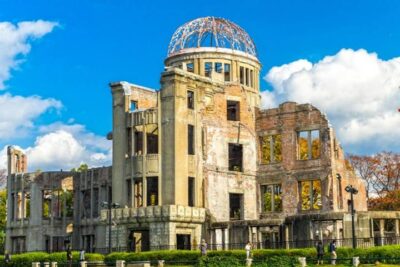
10 Days Japan Delight with Hiroshima (Private Guide No Group) by UME Travel
Read our review →
Japan Plus 11-Day Culture Tour: Golden Route & Beyond by The Dragon Trip
Read our review →
Legend of Japan (from Tokyo to Osaka) by TruTravels – 12-Day Tour
Read our review →
7-Day Best Japan Mini Group Tour with 3/4 Stars Hotels by Agate Travel
Read our review →
Japanese Scenes and Mount Fuji 19-Day Tour by Europamundo
Read our review →
Discovering Kamakura and Mount Fuji by Europamundo – 2-Day Tour
Read our review →
7 Day Essential Japan (Private Guide and Driver) – Umetravel
Read our review →Browse the lists this tour appears in