
Reviewed · NARITA TOURS
14 Days Japan Panoramic (Private 3 Star Hotels) by Stunning Tours – Reviews & Prices
A single two-week route from Narita to Osaka takes you from Tokyo’s shrine paths to Shirakawa-go’s old farmhouses, then on to Kyoto temples, Hiroshima’s Peace Park, and Osaka’s neon-lit streets. The appeal is range: you see much more than Japan’s biggest cities, without organizing every hotel and transfer yourself.
I like the contrast between grand sights and hands-on stops, especially the gold-leaf workshop in Kanazawa and udon-making in Takamatsu. I also like that the coach links places that are awkward to string together on your own. The trade-off is a packed schedule, with long drives and little time at some stops. Despite the tour name, this is a group tour, not a private tour; expect 10 to 30 people.
In This Review
- At a glance
- A wide-ranging route, with a busy rhythm
- Narita and Tokyo: a soft start, then a city day
- Fuji, Kawaguchiko, Shirakawa-go, and Takayama
- Kanazawa and Kyoto: craft, garden, and temple streets
- Nijo Castle, Himeji, and the Hiroshima visit
- Udon, Ritsurin Garden, Nara, and Osaka
- Hotels, meals, transport, and the true cost
- Who should book this Japan tour?
- FAQ
- Is this a private tour?
- Does the tour use the bullet train?
- What is included in the tour price?
- Which airports should I use?
- Are the optional excursions guaranteed?
- Can the operator arrange a room for three people?
- Can I request a special diet?
At a glance
- Mount Fuji by road: Visit the 5th Station, then take a short cruise on Lake Kawaguchiko.
- Countryside and old towns: Walk among Shirakawa-go’s traditional farmhouses and Takayama’s historic streets.
- Two hands-on activities: Make a small gold-leaf craft in Kanazawa and Sanuki udon in Takamatsu.
- A moving Hiroshima visit: See Miyajima Island, Itsukushima Shrine, Peace Memorial Park, and the Atomic Bomb Dome.
- Coach-based travel: Transportation between cities and sights is by tour bus, not bullet train.
- Value with limits: Thirteen hotel nights, daily breakfast, a guide, and listed sightseeing are included. Flights, insurance, tips, and optional tours are not.
A wide-ranging route, with a busy rhythm
This tour’s main strength is geographical variety. You start near Tokyo, pass through mountain and rural areas, then cross western Honshu and Shikoku before finishing in Osaka. The route joins famous landmarks with smaller cultural experiences, and the coach means you can cover ground without repeatedly changing trains with your luggage.
That convenience comes with a cost in time. Several days combine long drives with sightseeing, so you may reach a place, see its main feature, and move on before you’ve had much time to wander. The schedule suits you if your priority is a broad first look at Japan. If you prefer slow mornings, long museum visits, or several nights in one base, this will feel hurried.
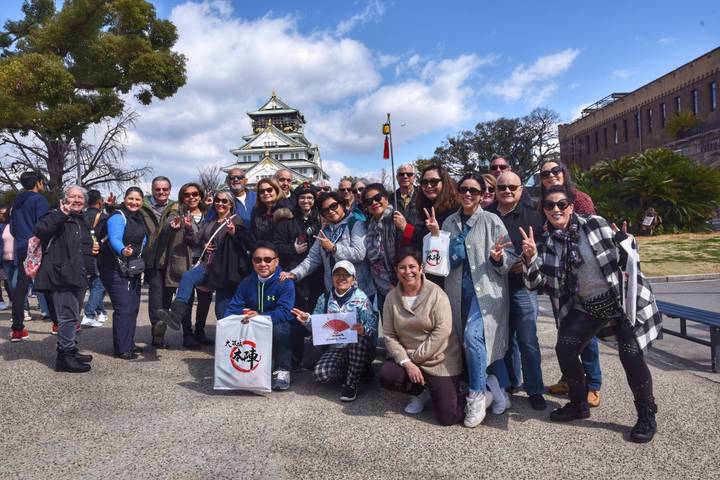
The group size is listed as 10 to 30. A full coach can make it harder to hear a guide if you’re standing far away at a site, so stay close during explanations. The guide and driver have drawn especially strong praise, with guide names on past departures including Steve, Jason, Yuka, Judy, and others. Your guide will depend on your departure, so don’t book expecting a particular person.
A few more options to weigh up in Narita
- Narita Airport (NRT) Private Transfer to Central Tokyo
★ 4.5 · 300 reviews - Private arrival Transfer from Narita Airport(NRT) to central Tokyo city
★ 4.5 · 128 reviews - Narita Airport(NRT): Private Transfer to Tokyo/Yokohama 1-9pax
★ 5.0 · 47 reviews
Narita and Tokyo: a soft start, then a city day
Day one is a practical arrival night in Narita. You collect your bags and use the shuttle instructions supplied before departure to reach the hotel. The tour begins near Tokyo, but Narita is not central Tokyo, so think of this as a place to land and rest, not an extra sightseeing day.
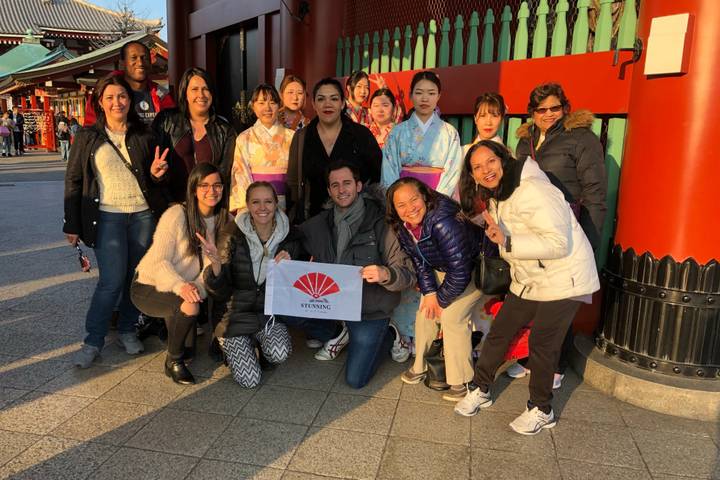
The next day pairs Meiji Shrine with Asakusa and Nakamise Street, then ends at Tokyo Tower’s observation deck. Meiji Shrine offers a quiet change of pace from the city, while Asakusa gives you a taste of older Tokyo and a street of craft shops. Tokyo Tower puts the city’s scale in view. Admission to the observation deck is included.
Day three is free, with an optional Nikko excursion listed at $110. That flexibility is welcome after the first sightseeing day. You can stay in Tokyo and choose your own pace, or pay extra for a day trip to a UNESCO World Heritage site. Ask your guide for details and confirm the optional trip’s availability before counting on it.
Fuji, Kawaguchiko, Shirakawa-go, and Takayama
The next travel day heads to Mount Fuji’s 5th Station, at about 2,300 meters, then Lake Kawaguchiko for a short cruise. The 5th Station has shrines, torii gates, shops, and views toward the Fuji Five Lakes. Weather matters: Fuji can be hidden by clouds, so the visit offers a chance at grand views, not a guarantee. The coach then continues to the Nagano region for the night.
Day five is a long countryside route to Shirakawa-go and Takayama, ending in Kanazawa. Shirakawa-go is known for its gassho-zukuri farmhouses, some more than 250 years old. Their steep, thatched roofs are built to handle heavy snow. It’s a memorable change from city streets, though your visit is a stop rather than a rural overnight.
In Takayama, you walk along Sannomachi Street, lined with old homes, shops, and restaurants. Both places reward a slow wander, but the schedule may not leave much room for one. Keep an eye on the return time, and don’t assume you can explore every lane at leisure.
Kanazawa and Kyoto: craft, garden, and temple streets
Kanazawa’s Kenrokuen is a major garden stop, with seasonal trees, ponds, and carefully arranged paths. The garden’s character changes with the season, making this one of the route’s stronger stops for anyone who enjoys Japanese garden design. You’ll also join a gold-leaf craft workshop, where you learn about the process and decorate an item of your own. It’s a welcome hands-on break from looking at landmarks through a camera.
After the coach ride to Kyoto, you have the rest of the day at leisure. The next day’s guided visits include Kiyomizu-dera and Ninenzaka. The temple’s wooden stage projects above the hillside, and the old street below offers traditional-style buildings and shops. Expect other visitors here, particularly at popular times; this is one of Kyoto’s best-known areas.
The afternoon is free, or you can choose the optional Maiko dinner show for $250. That is a substantial extra, so weigh it against your budget and interest. Kyoto has much more to see than this short visit allows. One useful question to ask before booking is whether your departure includes any additional Kyoto stops, since the core schedule here focuses on Kiyomizu-dera and Ninenzaka.
A completely different kind of day out:
- From Narita Airport: Private Layover or Transit Guided Tour
★ 4.8 · 29 reviews - Airport transfer: Narita, Haneda (Tokyo), HND-NRT Airport shuttle
★ 4.5 · 26 reviews - For Narita Airport Users: Layover or Transit Guided Private Tour
★ 5.0 · 22 reviews - 3 Day Japan Highlights Tour: Tokyo, Mt.Fuji, Nara, Kyoto, Osaka
★ 5.0 · 22 reviews
Nijo Castle, Himeji, and the Hiroshima visit
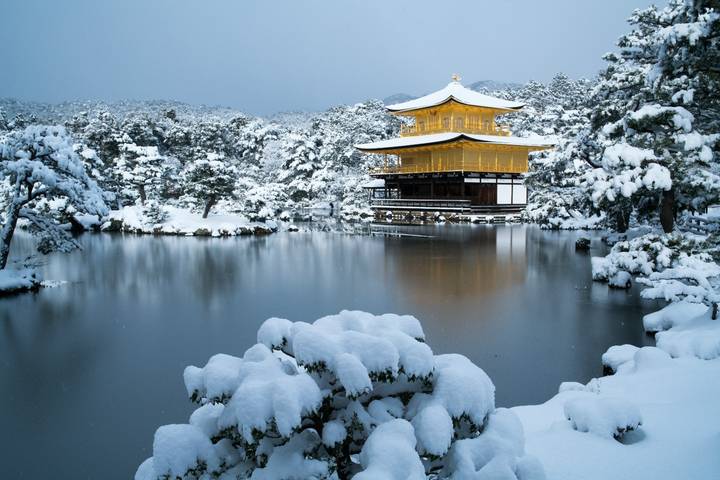
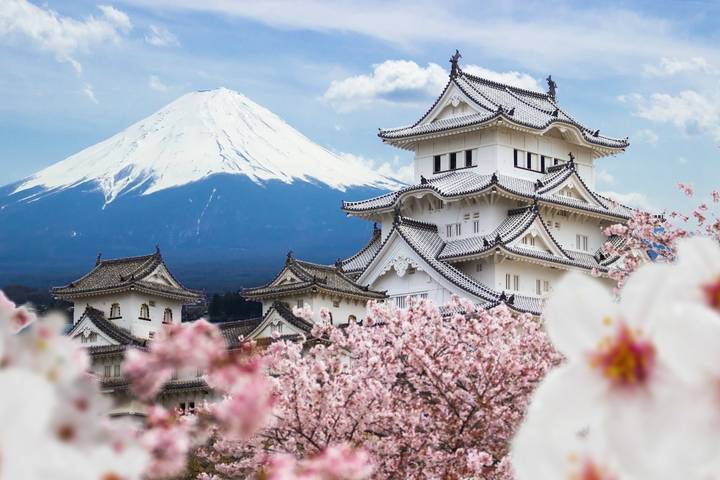
On day eight, you visit Nijo Castle before driving to Himeji Castle, known as White Heron Castle for its pale exterior. These are two very different castle experiences: Nijo is a broad complex with historic buildings, while Himeji is noted for its size, appearance, and preserved grounds. Both are UNESCO-listed sites, and together they make a strong history-focused day.
The tour then continues to the Okayama or Hiroshima area. Hotel names and locations can vary, and the schedule describes stays around Kurashiki or Hiroshima, so check the confirmed hotel details before departure. The next day brings a coach ride to Hiroshima, a boat to Miyajima Island, and a visit to Itsukushima Shrine. The guided time on the island is listed as 45 minutes. That is enough for a focused introduction, but not a relaxed island outing. Lunch is not included.
Back in Hiroshima, you visit Peace Memorial Park and the Atomic Bomb Dome. This is a sober, important stop. Give yourself time to take in the exhibits and the memorial sites, rather than treating them as just another photo stop. The day combines Miyajima’s scenery with Hiroshima’s history, but the pace is demanding.
Day ten is free in the Okayama area, with an optional Naoshima art excursion listed at $135. Naoshima is known for contemporary art, architecture, and sculpture. It could be a good choice if modern art is a priority, but check what the excursion includes and how much time you’ll have on the island.
Udon, Ritsurin Garden, Nara, and Osaka
On day eleven, the route goes through Kagawa for a Sanuki udon-making workshop at Takamatsu Udon School, followed by Ritsurin Garden. Making noodles gives you a practical connection to a local food tradition; the garden offers ponds, hills, trees, and pavilions, with Mount Shiun behind it. You then continue to Osaka. It’s a full day, but the mix of food and garden time is a pleasant change from temples and castles.
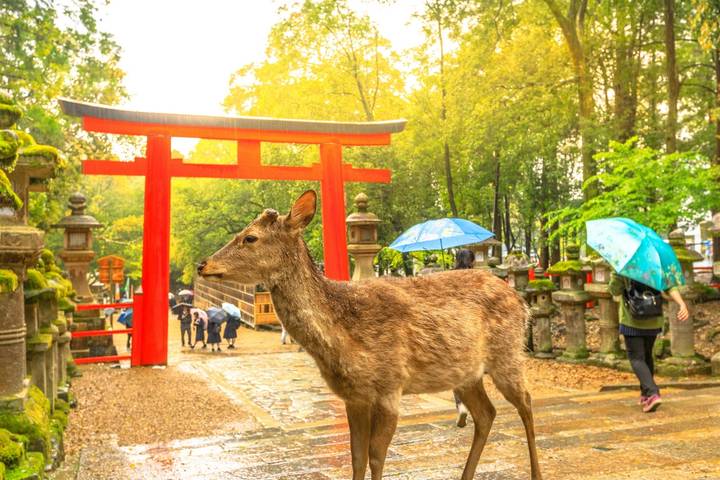
The next day begins in Nara Park, where you can buy deer crackers for 200 yen a pack and feed the free-roaming deer. Keep your food put away until you’re ready to use it; the deer know exactly what those crackers are for. Later, the group visits Kuromon Ichiba market, then the Minami district and Dotonbori.
Kuromon is a good place to browse seafood, produce, and street food, though lunch is at your own expense. Minami and Dotonbori are crowded commercial areas, with shops, restaurants, canal-side sights, and famous illuminated signs. They’re lively, but after a full day on your feet, a long stretch of free time for shopping can feel less like a treat and more like an endurance test. Plan a place to sit or a route back to the hotel if you need a rest.
Day thirteen is free in Osaka, or you can book the optional Ine and Amanohashidate excursion for $125. It includes Ine Bay’s traditional boat houses, the Amanohashidate sandbar, and Chionji Temple. It’s an appealing change of scenery, but it is another full day away from Osaka. If you want time for Osaka itself, keep the day free.
Hotels, meals, transport, and the true cost
The price starts at $3,299 for the cheapest room category. It includes 13 nights in three-star hotels, daily breakfast, an English-speaking guide, coach transport between cities and attractions, and the sightseeing activities listed as included. For a two-week trip covering this many regions, that can be good value, especially if you would otherwise need to plan each transfer and hotel yourself.
The price does not include flights, travel insurance, or optional excursions. The Nikko, Naoshima, Maiko dinner, and Ine outings are extra, with listed prices of $110, $135, $250, and $125 respectively. Tips are not mandatory; the suggested amount is $7 to $10 per person per day in total for the guide and driver. Add these costs before comparing the tour with an independent trip.
The tour uses a coach, not the bullet train. That makes the route straightforward and keeps luggage changes to a minimum, but it also means long road journeys. The driver has been a frequent source of praise for safe, patient driving and regular rest stops. You should still expect to spend substantial time seated on travel days.
Hotel rooms are clean and functional, but Japanese rooms can be small. Some past departures had cramped rooms, particularly in Tokyo, and hotel locations vary. The operator says it cannot upgrade hotels, and it does not provide triple rooms; three people are assigned two rooms. Daily breakfast is included. Vegetarian, vegan, halal, and kosher food options can be requested, but meals beyond breakfast are generally your responsibility, so communicate dietary needs early and be prepared to plan lunches and dinners.
Who should book this Japan tour?
I’d consider this tour if it’s your first visit and you want a guided introduction to Japan without handling every connection yourself. It also suits families and solo travelers who are comfortable joining a group, and anyone who values seeing countryside, historic towns, and major cities in one trip.
I’d think twice if you want a private guide, a small group, upgraded hotels, bullet-train travel, or unhurried time in Kyoto and Hiroshima. The title’s use of private refers to the hotel category, not a private tour. The schedule also involves plenty of walking; one account of the trip described days reaching roughly 12,000 to 18,000 steps. That can vary, but comfortable shoes and a realistic sense of your stamina are sensible.
Before booking, check which optional excursions will actually run on your dates. Their availability can depend on arrangements and group interest, and they are not included in the base price. Also confirm your airport plan: the tour starts at Narita, while the final day ends in Osaka, and you’ll need to arrange transport to Kansai International Airport or Osaka International Airport.
FAQ
Is this a private tour?
No. It is a guided group tour for 10 to 30 people. The title refers to the private three-star hotel arrangement, not a private guide or vehicle.
Does the tour use the bullet train?
No. Transportation between cities and attractions is by tour bus.
What is included in the tour price?
The package includes 13 nights in three-star hotels, daily breakfast, an English-speaking guide, coach transportation, and the sightseeing activities listed as included. Flights, insurance, tips, and optional excursions are not included.
Which airports should I use?
The tour starts at Narita Airport and ends in Osaka. The stated departure airports are Osaka International Airport, also called ITM, or Kansai International Airport, KIX. You arrange your own flights.
Are the optional excursions guaranteed?
The optional excursions are not part of the included activities. Confirm availability for your departure before relying on one, and budget separately for its listed price.
Can the operator arrange a room for three people?
No triple rooms are offered. A group of three is assigned two rooms.
Can I request a special diet?
Yes. Vegetarian, vegan, halal, and kosher food options can be requested. Tell Stunning Tours which option you need.
Just added in Narita
- Tokyo to Takayama – 13 days by On The Go Tours★ 4.4 · 5 reviews
- Splendours of Japan (Takayama, Takayama Festival) 9-Day Tour by Trafalgar★ 4.1 · 14 reviews
- 9 Days Japan Golden Tour Package WITH OISHI PARK by Delightful Travel★ 4.7 · 3 reviews
- Discover Japan on a Budget: 8-Day Ultimate Starter by Vio Travel★ 2.5 · 2 reviews
- Classic Japan 11-Day Tour by Trafalgar★ 4.0 · 1 review
- Best of Japan – 8 days by On The Go Tours★ 3.8 · 3 reviews
- 12 Days Summer Tokyo and Hokkaido Tour by UME Travel★ 5.0 · 2 reviews
- Japan Unlimited WiFi Router – Narita Airport Pickup★ 3.5 · 15 reviews
Narita Tours, compared.

Narita Airport (NRT) Private Transfer to Central Tokyo
Read our review →
Private arrival Transfer from Narita Airport(NRT) to central Tokyo city
Read our review →
Narita Airport(NRT): Private Transfer to Tokyo/Yokohama 1-9pax
Read our review →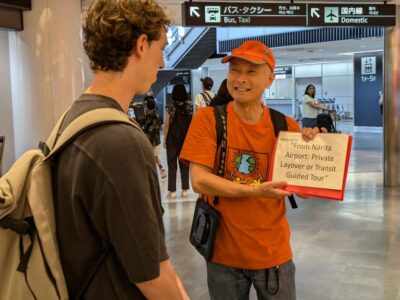
From Narita Airport: Private Layover or Transit Guided Tour
Read our review →
Airport transfer: Narita, Haneda (Tokyo), HND-NRT Airport shuttle
Read our review →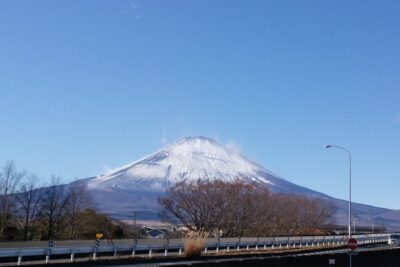
3 Day Japan Highlights Tour: Tokyo, Mt.Fuji, Nara, Kyoto, Osaka
Read our review →
For Narita Airport Users: Layover or Transit Guided Private Tour
Read our review →
Private Transfer from Narita Airport to Yokohama Port and City
Read our review →Browse the lists this tour appears in