
Reviewed · FOOD TOURS
Asakusa, Tokyo’s #1 Family Food Tour
Food tells Asakusa’s story quickly. This three-hour walking tour combines five food stops with the district’s famous temples, backstreets, and old downtown character. I like the small group limit of 10, which gives you a better chance to ask questions, and I like that lunch is included rather than leaving you to find a meal on your own. The main consideration is the price: at $221 per person, you are paying for guidance, context, and convenience as much as for the food itself.
I also like the mix of familiar and less obvious tastes, from melon pan and matcha to Japanese plums, pickles, rice crackers, and regional foods from southern Japan. Guides Michie and Wesley have received especially warm praise for being personable and patient, even lending cooling products during a very hot, humid outing. Still, expect plenty of walking, changing food stops, and no hotel pickup or transport included.
In This Review
- Key points to know before booking
- Why Asakusa works so well for a food walk
- The opening at Kaminarimon and the Asakusa information center
- Japanese plums, pickles, crackers, and tea
- Melon pan and the appeal of a simple local treat
- Lunch with flavors from southern Japan
- Matcha, ice cream, and the final sweet note
- Senso-ji, Hōzōmon, and Asakusa Shrine
- Group size, pace, and family considerations
- Dietary needs and changing food stops
- Is $221 per person a fair price?
- Who should book this Asakusa food tour?
- Should you book it?
- FAQ
- Where does the Asakusa food tour begin?
- What time does the tour start?
- How long does the experience last?
- Where does the tour end?
- How many food stops are included?
- Is lunch included?
- What foods might be sampled?
- Is a drink included?
- Is the tour suitable for vegetarians?
- Can children join the tour?
- What happens if the weather is poor?
- Can I cancel for a full refund?
Key points to know before booking
- Five food stops include lunch, dessert, regional samples, and one drink.
- The group is limited to 10 people, making this more personal than a large bus-style food outing.
- The food changes with the season, so the exact tastings are not guaranteed.
- Southern Japanese cuisine adds regional variety beyond the usual Tokyo dishes.
- The route ends at Senso-ji, leaving you in a useful spot for more Asakusa sightseeing.
- Vegetarian and pescetarian diets are accommodated, but additional dietary needs should be checked before booking.
Why Asakusa works so well for a food walk
Asakusa is one of Tokyo’s best places to connect food with place. The district is home to Senso-ji, Kaminarimon, Hōzōmon, Nakamise Street, and Asakusa Shrine, but the most useful part of this experience is the way your guide links those major sights to local eating habits.
You begin at the Asakusa Culture Tourist Information Center at 11:00 a.m. That location is directly across from the Kaminarimon area and gives you a clear meeting point near public transportation. The opening orientation takes only about five minutes, but it helps you understand where you are before the food and crowds take over.
From there, you set off through Asakusa on foot. Your guide uses side streets and alleyways to move between food stops, rather than keeping you only on the main sightseeing route. That matters in Asakusa, where a few steps away from the major gates can give you a calmer sense of the old downtown neighborhood.
I like this style of touring because food becomes a reason to notice details you might otherwise pass by. You are not simply stopping to eat. You are also hearing why certain foods are popular in Japan, how regional flavors differ, and how Asakusa’s local character fits into the wider city.
More Food Tours in Tokyo
- Tokyo: Shinjuku Food Tour (13 Dishes at 4 Local Eateries)
★ 5.0 · 6,603 reviews - Tokyo: Shinjuku Food Tour (15 Dishes and 4 Eateries)
★ 4.9 · 2,033 reviews - Best of Shinjuku: Izakaya Food Tour (4 Stops, 14+ Tastings)
★ 5.0 · 1,863 reviews
The opening at Kaminarimon and the Asakusa information center
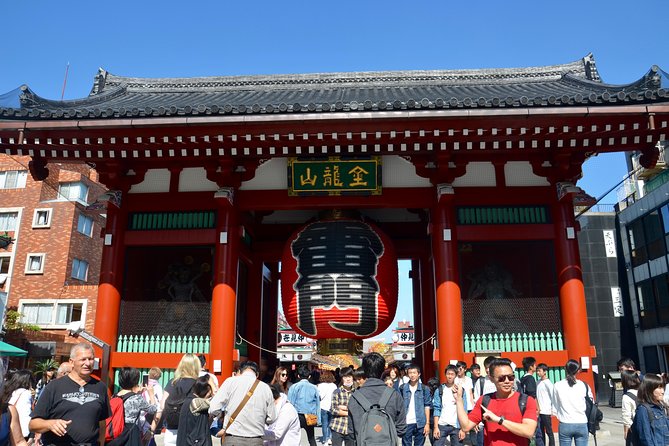
The Asakusa Culture Tourist Information Center is the starting point. You will meet your English-speaking guide there and receive an introduction to the district before walking toward the main sights and food stops.
The nearby Kaminarimon gate is one of Tokyo’s most recognizable entrances. It is a natural place to begin because it immediately gives you the grand Asakusa setting: temple architecture, traditional shopping streets, and a clear sense that this is a major cultural district rather than just another restaurant neighborhood.
The stop at Kaminarimon is brief, listed at about one minute, so do not expect an extended formal visit. Its value comes from the explanation your guide provides as you move through the area. If you want postcard photos, you will have opportunities around the gate, but the tour’s focus is food and local context.
The small group size helps here. With no more than 10 people, you should be able to hear the guide’s comments without the strain of following a large crowd. That is especially useful around a popular sight where people are moving in several directions.
Japanese plums, pickles, crackers, and tea
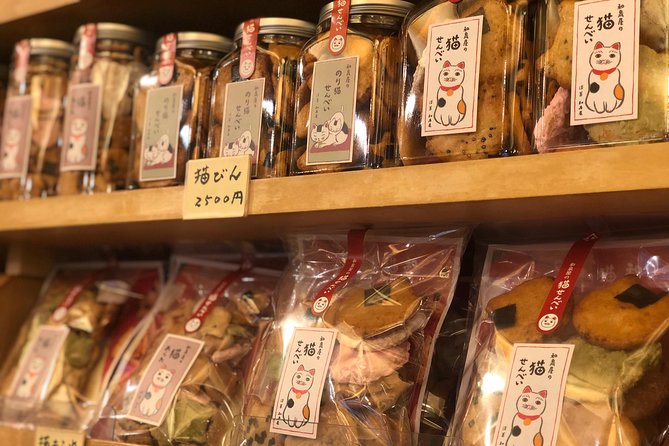
The first food samples introduce you to everyday Japanese flavors rather than only famous dishes. You may try Japanese plums, pickles, rice crackers, and tea, with the exact selection changing according to the season and local availability.
These are useful tastings for families because they offer several textures and flavor profiles in small portions. Japanese plums can be sharply sour or salty, pickles bring a crisp and briny note, and rice crackers provide a familiar snack format with distinctly Japanese seasoning. Tea adds a quieter, more traditional part of the tasting.
I appreciate that the food is not limited to sweets. A tour built only around dessert is easy to enjoy but tells you less about how people eat day to day. These smaller regional samples give you a better sense of the range of Japanese snack culture.
The seasonal changes are worth keeping in mind. If you have your heart set on one particular item, the food may not match the exact list on the day you visit. That flexibility is normal for a food walk, but it is still an important point for picky eaters and families planning around allergies.
Melon pan and the appeal of a simple local treat
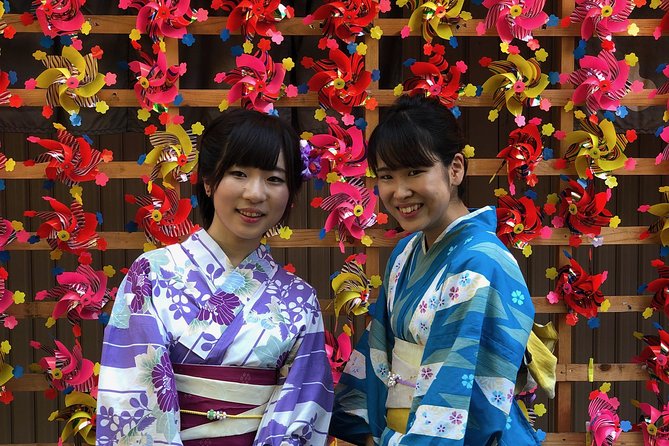
One of the most enjoyable stops is likely to be melon pan, a sweet Japanese bread with a crisp, cookie-like topping. Despite its name, it does not necessarily taste like melon. The name comes from its shape and patterned surface.
The tour presents melon pan as a local dessert and one of Japan’s less familiar treats for many international visitors. It is an easy food to enjoy, especially with children, because it feels part pastry and part soft bread. You get a snack that is portable, recognizable, and still different from standard Western bakery fare.
This is also a good example of why a local guide helps. Without context, you might see melon pan as just another sweet bun. With an explanation of its place in Japanese food culture, it becomes a small detail worth remembering.
The tour includes dessert, so you do not need to budget separately for every sweet stop. Additional food and drinks are not included, however. If your group wants extra portions or another beverage, plan to pay for those yourself.
A completely different kind of day out:
- Tokyo Disney Resort – Tokyo Disneyland & Tokyo DisneySea Park Tickets
★ 4.8 · 99,488 reviews - SHIBUYA SKY Ticket
★ 4.7 · 46,509 reviews - JR Whole Japan Rail Pass
★ 4.8 · 29,150 reviews - Mt Fuji and Hakone 1-Day Bus Tour Return by Bullet Train
★ 5.0 · 26,383 reviews
Lunch with flavors from southern Japan
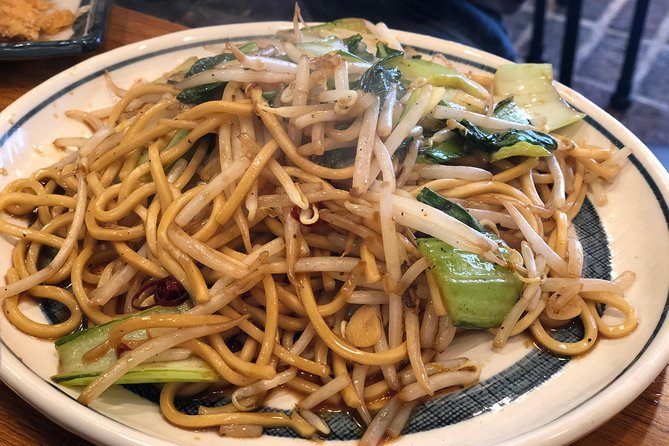
Lunch is the central food stop. Rather than serving only the most familiar Tokyo-style dishes, the tour includes cuisine from southern Japan. That regional angle gives the meal more purpose than simply filling the gap between snacks.
The exact restaurant and menu are not specified, and food stops can change because of restaurant schedules, public holidays, weather, or other unexpected circumstances. Substitutions may be made when needed. You should view the lunch as a chance to sample southern regional cooking, not as a guaranteed dish-by-dish menu.
That uncertainty is a small drawback, but it also allows the guide to work with what is open and available. Restaurants in Tokyo can have changing schedules, and a fixed menu would not necessarily serve you better if a venue suddenly closes.
The included lunch improves the tour’s value. You are receiving five food stops, dessert, regional samples, and one drink during a three-hour experience. At $221, that is not a cheap way to eat, but it can be reasonable if you want a guided introduction without spending time researching restaurants, reading menus, or deciding where to go next.
For a family, the value depends on how many people will actively enjoy the food. If everyone in your group is curious and willing to sample unfamiliar items, the included meal and tastings make the price easier to justify. If one or two people eat very little, the cost may feel high.
Matcha, ice cream, and the final sweet note
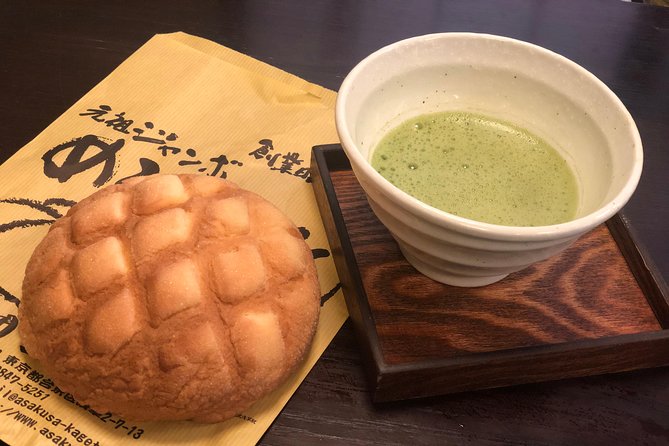
The tour ends with matcha tea or ice cream, depending on the day’s arrangement. This gives you a gentle finish after several savory and sweet samples.
Matcha is a useful inclusion because it is closely linked with Japanese food tradition, while ice cream may be the easier choice for children. Since the final tasting can vary, families should not assume that both options will be available.
The last stop also gives you a chance to ask your guide for advice about the rest of your afternoon. The tour ends in the central Senso-ji area, so you are well placed to continue exploring without arranging a separate transfer.
Senso-ji, Hōzōmon, and Asakusa Shrine
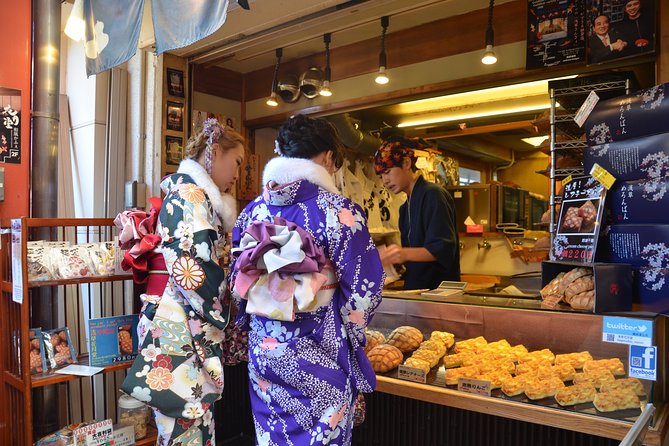
The cultural sights are not treated as separate sightseeing blocks. Instead, they frame the food walk.
At Hōzōmon, your guide continues explaining local life and Japanese culture. The stop is short, but it forms part of the route toward Senso-ji and the surrounding temple grounds. You will get more from this portion if you listen for the links between the neighborhood, its traditions, and the food sold nearby.
Senso-ji receives special attention. Your guide shares lesser-known details of the temple and explains the character of Asakusa as a shitamachi, or traditional downtown neighborhood. This is one of the tour’s strongest features for first-time visitors because the temple can otherwise feel like a quick photo stop surrounded by crowds.
The tour also includes Asakusa Shrine. Again, the formal stop is brief, but your guide helps you see the area from a local perspective rather than treating it as a checklist of famous buildings.
The route ends at the main gate of Senso-ji, near Nakamise Street. This is a practical finish. You can continue shopping, revisit a sight for photos, visit more temple grounds, or simply make your own way to the next part of Tokyo.
Group size, pace, and family considerations
The maximum group size is 10 people. That is small enough to keep the guide involved and large enough to provide a little social energy without creating a private-tour price.
Children must be accompanied by an adult. A passport information copy is required for children aged 10 and above, so prepare that before the outing. The experience is described as family-friendly, but you should still consider your child’s ability to walk and sample several kinds of food during three hours.
The tour requires a strong physical fitness level. You will be walking through busy streets, temple areas, side lanes, and food stops, with no hotel pickup or drop-off. Transportation costs are also excluded, so you need to reach the meeting point independently and arrange your own return.
Tokyo’s heat can make a difference. A five-star account specifically praised Michie and Wesley for helping during weather of 35°C with 70 percent humidity, even providing their own cooling products. That is a useful reminder to bring water, wear light clothing, and plan for warm conditions. The tour requires good weather, and poor conditions may lead to a new date or a full refund.
Dietary needs and changing food stops
Vegetarian and pescetarian guests can join. The food selection may change with the season, restaurant schedules, public holidays, weather, and other conditions, so you should not expect a completely fixed menu.
If you have allergies, strong dislikes, or other dietary restrictions, confirm that the operator can accommodate them before booking. The supplied information specifically identifies vegetarian and pescetarian options, but it does not promise every other dietary requirement.
The tour includes one drink. Any extra drinks or food cost more. This is easy to overlook when the walk includes several stops, especially if you are visiting in hot weather or traveling with children.
Is $221 per person a fair price?
At $221 per person, this experience sits in the premium range for a three-hour food tour. The cost makes the most sense if you value a small group, English-language guidance, an included lunch, five food stops, and cultural interpretation around major Asakusa sights.
You are also paying for efficiency. A guide who knows the alleys can move you between stops without requiring you to plan every restaurant and snack shop yourself. That can be valuable on a first day in Tokyo, when reading menus and navigating unfamiliar streets may take more time than expected.
The price is harder to justify if you mainly want a full meal or prefer to choose every dish yourself. Asakusa has many food options, and independent eating can cost less. This experience is aimed at convenience, explanation, and variety rather than a bargain lunch.
Free cancellation is available up to 24 hours before the 11:00 a.m. start time. The experience also requires a minimum of two people, so solo visitors cannot book it alone under the stated rules.
Who should book this Asakusa food tour?
I would point this tour toward families, first-time visitors to Tokyo, and anyone who wants an easy introduction to Japanese snacks and regional food. It is also a good fit if you want temple sightseeing without giving up an afternoon to a formal history tour.
You will likely enjoy it most if you are open to tasting small portions of unfamiliar food and walking at a steady pace. The combination of melon pan, matcha, pickles, rice crackers, and southern Japanese lunch gives you more range than a single restaurant visit.
I would hesitate if you have limited mobility, want a private experience, dislike changing menus, or need firm control over every ingredient. The group is small, but this is still a shared walking tour through an active district.
Should you book it?
Book this tour if you want Asakusa explained through food, with lunch and dessert already built into the afternoon. The small group, central finish, local side streets, and mix of regional tastings give it real practical value for a first visit.
Skip it if $221 feels too high for three hours or if you would rather choose your own restaurants. For families who want a guided start to Tokyo and an easy way to connect Senso-ji with everyday Japanese flavors, it is a strong choice, provided everyone can manage the walking and changing menu.
FAQ
Where does the Asakusa food tour begin?
The tour begins at the Asakusa Culture Tourist Information Center, located at 2-chōme-18-9 Kaminarimon, Taito City, Tokyo 111-0034, Japan.
What time does the tour start?
The stated start time is 11:00 a.m.
How long does the experience last?
The tour lasts approximately three hours.
Where does the tour end?
The tour ends at the main gate of Senso-ji Temple in the Asakusa area, near Nakamise Street.
How many food stops are included?
Five food stops are included, including lunch.
Is lunch included?
Yes. The tour includes a traditional lunch featuring cuisine from southern Japan.
What foods might be sampled?
Possible tastings include Japanese plums, pickles, rice crackers, tea, ice cream, melon pan, and matcha. The exact foods can change with the season.
Is a drink included?
Yes. One drink is included. Additional drinks and food are not included.
Is the tour suitable for vegetarians?
The experience is listed as suitable for vegetarian and pescetarian diets.
Can children join the tour?
Yes. The tour is family-friendly, but children must be accompanied by an adult. A passport information copy is required for children aged 10 and above.
What happens if the weather is poor?
The experience requires good weather. If it is canceled because of poor weather, you will be offered another date or a full refund.
Can I cancel for a full refund?
Yes. You can cancel at least 24 hours before the start time for a full refund. Changes or cancellations made less than 24 hours before the start time are not accepted for a refund.
Just added in Tokyo
- Very popular in Harajuku♡Animal petting zoo★ 4.6 · 39 reviews
- Yokohama Port: Private Customizable Tour with Transfer★ 5.0 · 19 reviews
- Wagyu & Sake 8 Course Tasting Dinner in Shinjuku★ 4.9 · 20 reviews
- Warner Bros. Studio Tour Tokyo – The Making of Harry Potter★ 4.8 · 181 reviews
- Yanaka District: Historical Walking Tour in Tokyo’s Old Town★ 4.8 · 117 reviews
- Tokyo: Classic Tsukiji Food Tour★ 4.9 · 78 reviews
- Tokyo: Tsukiji Fish Market Tour with 6 Stops & Seafood Lunch★ 4.5 · 165 reviews
- Tokyo Wagyu & Sake Pairing Tasting Experience with Local Flavors★ 5.0 · 108 reviews
Food Tours, compared.
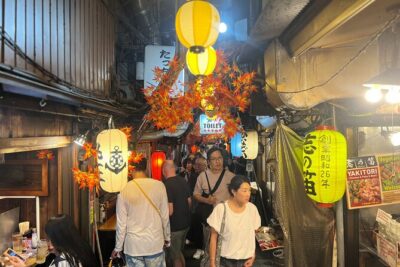
Shinjuku Food Tour (13 Dishes at 4 Local Eateries)
Read our review →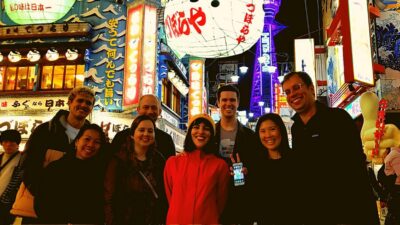
Shinsekai Food Tour with 13-15 Dishes at 5 Eateries
Read our review →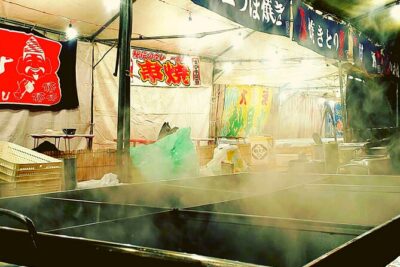
Osaka Food Tour: 13 Dishes at 5 Local Eateries
Read our review →
Shinjuku Food Tour (15 Dishes and 4 Eateries)
Read our review →
Best of Shinjuku: Izakaya Food Tour (4 Stops, 14+ Tastings)
Read our review →
Kyoto Night Foodie Tour in Gion (9+ dishes + 6 Sake tastings)
Read our review →
Hungry Osaka Street Food Tour:15 Tastings & 3 Drinks with a Local
Read our review →
Tokyo Night Foodie Tour in Shinjuku – Seasonal Sushi, Wagyu Beef
Read our review →Browse the lists this tour appears in