
Reviewed · SUMO EXPERIENCES
Tokyo: Family Sumo Workshop & Live Wrestling Show with Lunch
Sumo hits harder up close. In Ryogoku, Tokyo’s sumo district, this 105-minute family workshop puts you beside former professional wrestlers instead of far away in a stadium seat. I like the ring access and the way the English-speaking MC explains the rituals without turning the session into a dry lecture. I also like that you get a filling mini chanko hotpot lunch, with vegetarian, vegan, and some allergy-friendly options available by request.
The main consideration is the lunch policy for strict halal or cross-contamination needs. The kitchen can avoid pork and alcohol, but there is no official Halal certification, and the provider cannot promise a meal if strict separation from cross-contamination is required.
In This Review
- Key details before you book
- Why this Ryogoku workshop works so well
- Meeting the wrestlers in Tokyo’s sumo quarter
- Learning shiko, teppo, and suri-ashi
- The exhibition bout brings the power
- Your turn inside the padded ring
- Chanko nabe is more than a convenient lunch
- Who will get the most from the $60 price
- Family planning, ages, and timing
- Is this a real taste of sumo?
- Should you book the Ryogoku sumo workshop?
- FAQ
- How long does the sumo workshop last?
- Where does the activity take place?
- How do I identify the guide?
- Is transport to the venue included?
- Is the activity conducted in English?
- Do I have to wrestle a sumo wrestler?
- What should I wear?
- Is lunch included?
- Can the kitchen accommodate vegetarian or vegan diets?
- Is the meal officially Halal?
Key details before you book
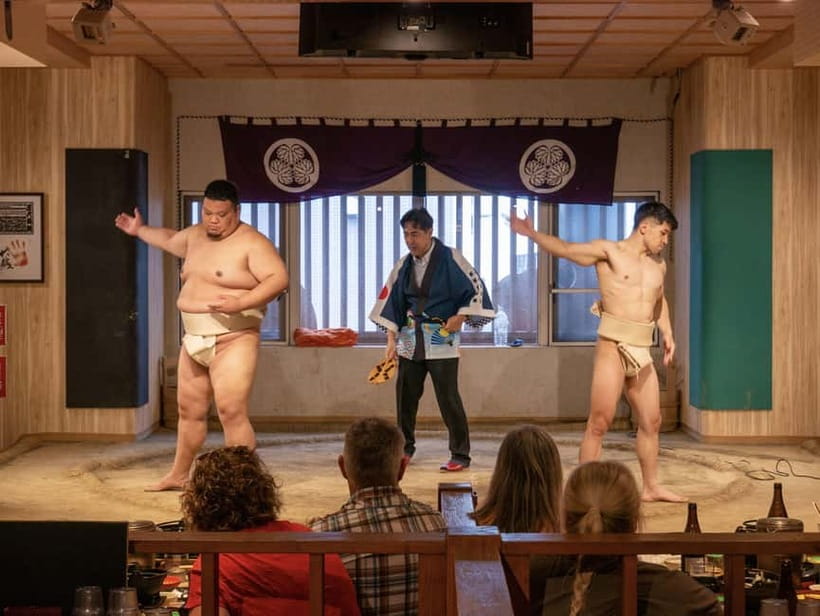
- You can enter a real dohyo: Try shiko, teppo, and suri-ashi, then step into the ring for a supervised challenge.
- Former pros lead the session: The wrestlers demonstrate drills, practice bouts, and full-speed exhibition wrestling.
- The show is built for families: Children and adults can watch, ask questions, take photos, or volunteer.
- Lunch is part of the value: A hot mini chanko nabe meal follows the wrestling, and portions are described as generous.
- Ryogoku is the right setting: You are taking part in Tokyo’s traditional sumo quarter, not watching a generic stage act.
- Plan your clothing carefully: Wear loose sportswear, and remember that shoes come off before you step onto the ring.
Why this Ryogoku workshop works so well
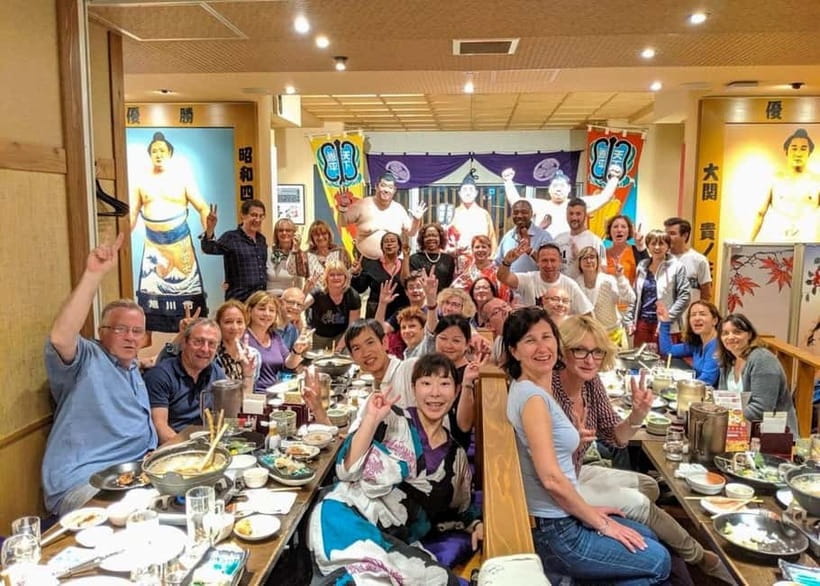
Tokyo gives you plenty of polished sightseeing, but sumo offers something more physical and local. It is a sport, a ritual, a show, and a meal all at once. This workshop brings those parts together in a compact morning or daytime activity.
I especially like the balance between watching and doing. You are not forced into the ring, so a shy child, a tired parent, or anyone nursing a sore knee can stay seated and film. If you want to take part, the wrestlers guide you through the basics before inviting volunteers to challenge them.
The atmosphere is playful rather than solemn. The wrestlers use humor, but the demonstrations still show the strength and control behind the sport. Several visitors singled out the hosts and wrestlers for being warm, funny, and inclusive. Guides named Alisa, Alyssa, Rio, Ko, Yuto, and Nozomi were praised at different sessions, though the exact team can change.
At $60 per person, the price is strong for Tokyo if you value hands-on activities. Admission, ring access, instruction, equipment, a live exhibition, photo time, and lunch are included. You still pay for your own transport and any extra drinks or food, but the core package covers the parts that often cost extra on similar outings.
More Sumo Experiences in Tokyo
- Tokyo: Sumo Show Experience with Chicken Hot Pot and a Photo
★ 4.8 · 6,678 reviews - Tokyo: Sumo Live Show with Photo in Shinjuku
★ 5.0 · 3,438 reviews - Tokyo: Sumo Show and Dining Experience
★ 4.8 · 2,742 reviews
Meeting the wrestlers in Tokyo’s sumo quarter
The workshop takes place in Ryogoku, the part of Tokyo most closely linked with sumo. You meet in front of the face-in-hole photo board at the shop. Look for a person holding a smartphone displaying AlvaJapan. The instructions ask you to wait outside and not enter before 10:00 AM, so arrive with enough time to find the meeting point but do not go inside early.
Transport is not included. You need to make your own way to the venue, and the instructions recommend calling the guide on WhatsApp if you get lost. That small detail matters in Tokyo, where a wrong train or a confusing station exit can quickly eat into your start time.
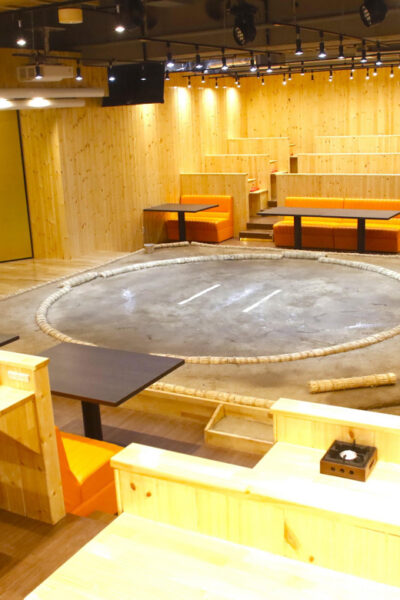
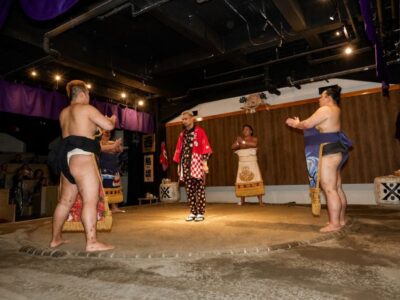
The separate entrance helps you get into the venue without joining a long public queue. Once inside, the small-scale setting puts you close to the ring. You can hear the footwork, the slaps, and the impact much more clearly than you would from a high seat in a large arena.
This is not a tournament day at the Kokugikan, and you should not book it expecting official competition. It is a demonstration and workshop led by former professionals. For families, first-time visitors, and anyone with limited time in Tokyo, that tradeoff is sensible. You get contact and explanation instead of a formal sporting event that may require more planning.
Learning shiko, teppo, and suri-ashi
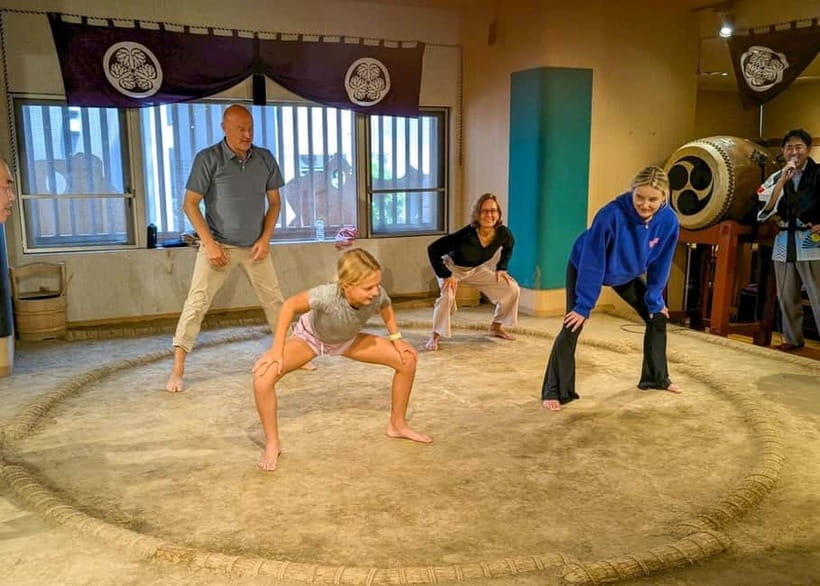
The opening part introduces basic training movements. The names may sound intimidating, but the exercises are explained in simple terms and demonstrated before you try them.
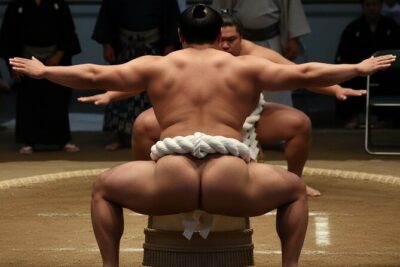
Shiko is the familiar sumo leg lift and stomp. The movement looks simple until you try to keep your balance and control the descent. The explanation connects the stomp with sumo ritual and the traditional belief that it helps drive away evil spirits.
Teppo is a pushing drill. It teaches the repeated forward pressure that forms part of a wrestler’s training. You do not need to know the rules in advance to understand the point: sumo depends on balance, timing, and the ability to move another person while keeping your own position.
Suri-ashi uses sliding footwork. Your feet stay close to the floor as you move, rather than lifting high. It is a useful introduction because it shows how sumo wrestlers maintain contact and stability in the ring.
The bilingual presentation gives the movements context. The English-speaking MC explains the salt-tossing ritual, shiko, and other customs while the wrestlers demonstrate them. The best part is that the information stays connected to what you are seeing. You learn a little, then watch the principle in action.
Loose sportswear is the practical choice. Shoes come off before ring drills, so wear clean socks and avoid clothing that restricts your legs. Ring practice is optional, and you can remain seated if you prefer to watch.
The exhibition bout brings the power
After the drills, the wrestlers show what the movements look like at speed. This is where the workshop shifts from light exercise to full entertainment.
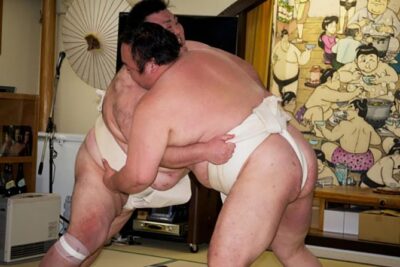
You hear the smack of strikes and the heavy collision of bodies. The contrast is striking: the basic exercises seem manageable when explained slowly, but the demonstration reveals the force and precision required in a real bout. The wrestlers are former professionals, so the performance has far more control and skill than a simple comedy skit.
The show also explains the rules and etiquette. That makes the action easier to follow, especially if you have never watched sumo before. The MC keeps the mood lively, and the question-and-answer time gives you a chance to ask about training, rules, and the life of a wrestler.
I would not describe the activity as a serious training course. You will learn the foundation of several movements, not become a sumo athlete in an hour. That is the right expectation. The value lies in feeling the technique in your own body and seeing it performed by people who trained professionally.
A completely different kind of day out:
- Tokyo Disney Resort – Tokyo Disneyland & Tokyo DisneySea Park Tickets
★ 4.8 · 99,488 reviews - SHIBUYA SKY Ticket
★ 4.7 · 46,509 reviews - JR Whole Japan Rail Pass
★ 4.8 · 29,150 reviews - Mt Fuji and Hakone 1-Day Bus Tour Return by Bullet Train
★ 5.0 · 26,383 reviews
Your turn inside the padded ring
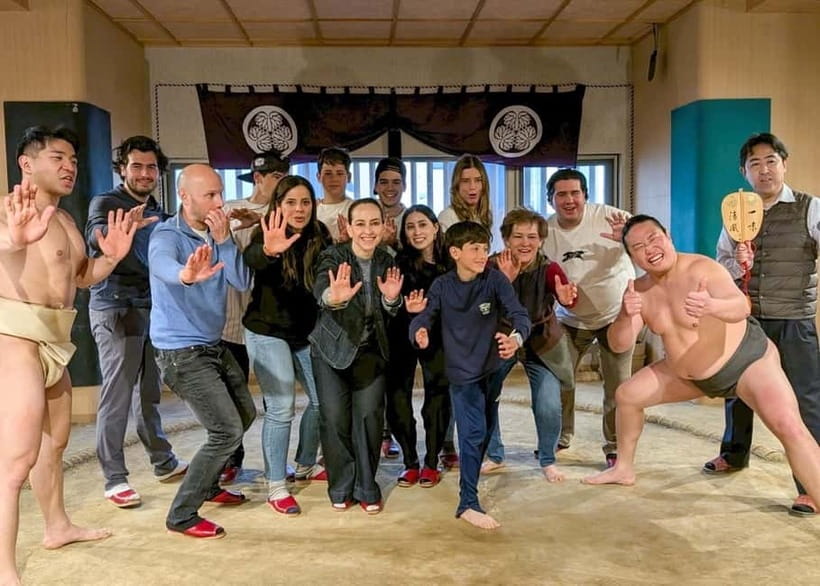
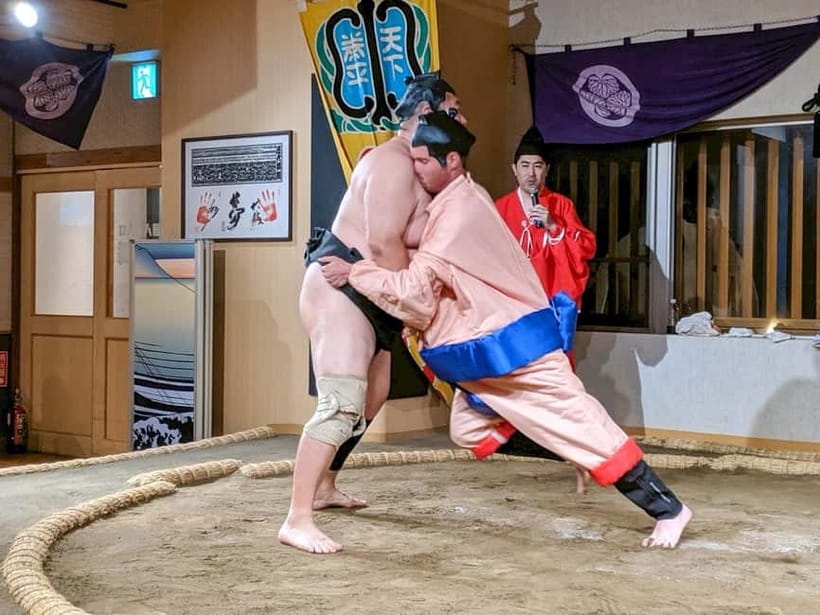
The volunteer challenge is the portion most likely to become a family story. You can put on a padded sumo suit and try to push a wrestler out of the ring. The suit keeps the contest safe and adds a generous dose of comedy.
Do not expect a fair fight. One former professional may weigh around 160 kilograms, and your chance of winning is not the point. You get to feel how difficult it is to move a trained wrestler who knows how to hold position. Even a short charge gives you a better sense of sumo’s strength than watching from a seat.
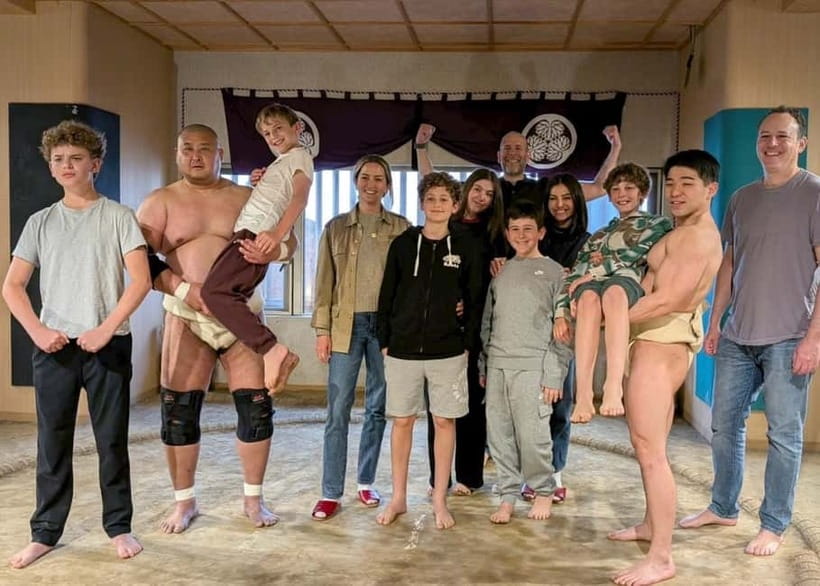
Parents may film or join the action. Family members who stay seated can cheer, take photos, and enjoy the spectacle. The wrestlers encourage participation, but nobody has to volunteer.
Good health is required for anyone who challenges a wrestler. The activity involves pushing and physical contact, so you should skip the ring if you have a condition that makes exertion risky. Children have been welcomed into the fun, but the supplied information does not set out a specific minimum age for ring participation. Use your judgment and follow the staff’s instructions.
Photo time follows the activity. You can use your own phone or camera for photos with the wrestlers. This is a useful inclusion because many paid activities charge separately for photos, and families can capture the moment without buying a package.
Chanko nabe is more than a convenient lunch
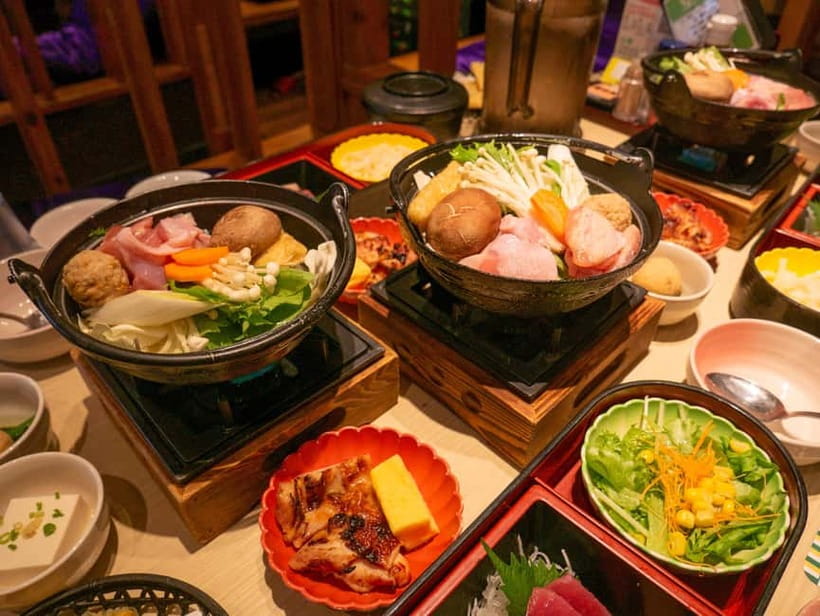
The meal is a mini serving of chanko nabe, the hotpot associated with sumo wrestlers. It is generally made with meat, protein, vegetables, and broth, providing the hearty meal that supports a wrestler’s demanding routine.
Here, lunch is not a token snack after the show. People repeatedly describe it as delicious and plentiful, with some advising you not to eat much beforehand. That makes the $60 price easier to justify, especially in Tokyo, where a meal and a paid cultural activity can quickly exceed that amount when purchased separately.
The meal also gives the MC a chance to explain why chanko is tied to sumo life. You are not simply handed a bowl and sent on your way. The food connects the athletic performance to the daily discipline behind it.
Vegetarian and vegan meals can be arranged, along with some allergy-friendly options. You need to submit dietary requests at least 48 hours in advance. Halal needs require extra care: the provider can avoid pork and alcohol, but the kitchen does not have official Halal certification. If strict avoidance of cross-contamination is essential, a meal cannot be provided.
Alcohol and extra menu items are not included. You can order additional items on site, but the package covers the mini hotpot lunch rather than an open-ended meal.
Who will get the most from the $60 price
This suits families who want an activity that works for different ages and energy levels. A child can watch the wrestlers, try a basic drill, cheer for a parent, or take part in the challenge. Adults get the cultural explanation, the physical novelty, and a substantial meal.
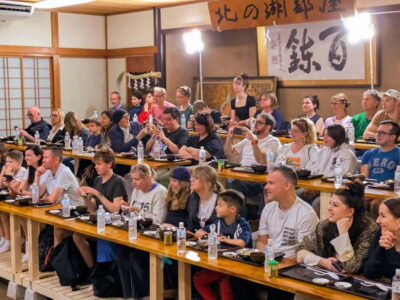
It also works for solo visitors. The setting encourages shared laughs with the rest of the group, and one solo participant described enjoying the activity alongside families. You do not need to arrive with a large party to feel involved.
The workshop is a good choice if you want:
- A short activity that fits around other Tokyo plans
- English commentary and a chance to ask questions
- Direct contact with former professional wrestlers
- A cultural activity that does not require prior sumo knowledge
- A meal included in the admission price
- A wheelchair-accessible venue
It may not suit you if you want to watch official tournament sumo, avoid physical contact, or require certified Halal food with strict kitchen separation. It is also less appealing if you prefer quiet museum-style learning. The tone is energetic, comic, and participatory.
The event may not run if the minimum number of participants is not reached. If holding the event is especially important to your schedule, a private reservation is the safer option.
Family planning, ages, and timing
The advertised duration is 105 minutes. The ring program comes first, followed by lunch, and the pace may vary depending on the number of volunteers and questions. Keep the rest of your day flexible rather than booking a tight connection immediately afterward.
Children under five are not provided a meal under the child rate. If a child under five needs lunch, book that child at the adult rate. Children aged six and older cannot use the child rate, so check the age categories carefully before paying.
The workshop is conducted in English. That makes it easy for English-speaking families to follow the explanations, ask questions, and understand the ring instructions. Japanese phrases and customs may still appear in the setting, but the main guidance is in English.
Free cancellation is available up to 24 hours before the start time, and you can reserve now and pay later. Those policies are useful in Tokyo, where train plans and weather can disrupt a packed itinerary.
Is this a real taste of sumo?
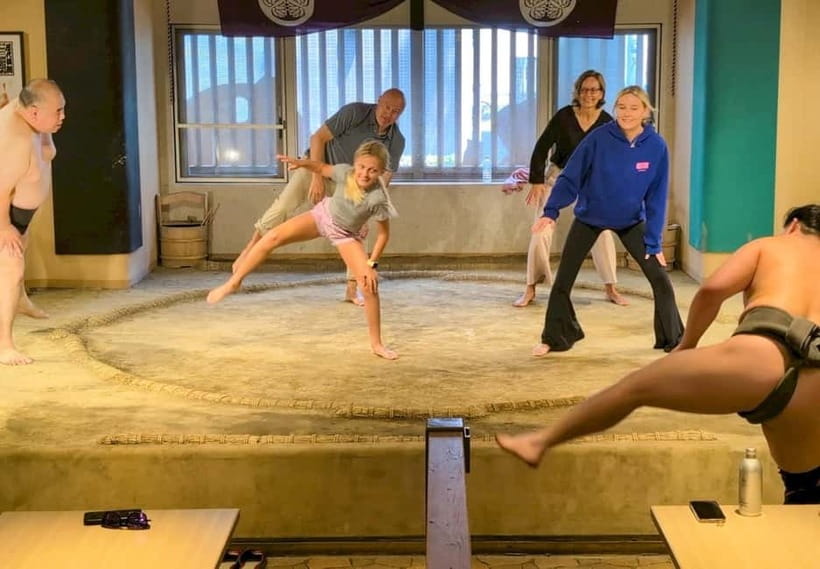
Yes, with sensible limits. You are not joining a professional stable or attending an official tournament. You are seeing trained former wrestlers demonstrate rituals, drills, practice bouts, and controlled challenges in a purpose-built setting.
That distinction does not make the workshop superficial. Sumo can be hard to understand from a distance, especially when you do not know why wrestlers throw salt, stomp, or slide their feet. Here, the explanations arrive at the moment you see each action, and the ring access turns an abstract tradition into a physical memory.
The humor also helps. Sumo carries formal rituals, but the padded challenge and audience participation keep the event friendly for children and first-time visitors. The result is cultural learning without the stiffness of a lecture.
Should you book the Ryogoku sumo workshop?
I would book it if you want a fun, compact introduction to sumo with real human contact. The strongest reasons are the former professionals, the chance to enter the ring, the clear English presentation, and the generous chanko lunch.
Book with loose clothing, arrive at the marked meeting point, and send dietary information at least 48 hours ahead. If you need certified Halal food, strict allergy separation, or a formal tournament, choose another activity. For most families, couples, solo visitors, and curious first-timers, this is a good-value Tokyo morning with plenty of laughs and a story worth carrying home.
FAQ
How long does the sumo workshop last?
The experience lasts 105 minutes. The program includes the wrestling demonstration, training, optional audience challenges, photo time, and chanko hotpot lunch.
Where does the activity take place?
It takes place in Ryogoku on Honshu, Tokyo’s traditional sumo district. The meeting point is in front of the face-in-hole photo board at the shop.
How do I identify the guide?
Look for the person holding a smartphone displaying AlvaJapan. The instructions ask you to wait in front of the store and not enter before 10:00 AM.
Is transport to the venue included?
No. You arrange and pay for your own transport to the meeting point.
Is the activity conducted in English?
Yes. The instructor and MC provide English commentary, with Japanese commentary also used during the demonstrations.
Do I have to wrestle a sumo wrestler?
No. Ring drills and the audience challenge are optional. You can remain seated, watch, take photos, or film.
What should I wear?
Loose sportswear is recommended. Shoes are removed before you step onto the ring.
Is lunch included?
Yes. The price includes a mini chanko hotpot lunch. Alcoholic drinks and additional menu items cost extra.
Can the kitchen accommodate vegetarian or vegan diets?
Yes, vegetarian and vegan options can be arranged. You must provide dietary requests at least 48 hours before the activity.
Is the meal officially Halal?
No. The provider does not have official Halal certification. They can avoid pork and alcohol, but they cannot provide the meal when strict cross-contamination avoidance is required.
More Show in Tokyo
- Mt Fuji & Hakone Cruise, Drum Show Bullet Train 1 Day from Tokyo
★ 4.0 · 7,413 reviews - the SUMO show
★ 5.0 · 1,960 reviews - Tokyo Shinjuku Sumo Show & Experience with Photo
★ 5.0 · 1,750 reviews - Asakusa Sumo Club Sumo Show Admission with Chankonabe in Tokyo
★ 4.8 · 1,669 reviews
More Lunch Experiences in Tokyo
- Tokyo: Mt.Fuji & Lake Kawaguchiko 1-Day Bus Tour w/Optional Lunch
★ 4.5 · 839 reviews - Tokyo: Sumo Experience and Chanko Nabe Lunch
★ 4.8 · 257 reviews - Tokyo: 1 Day Bus Tour with Meiji-Jingu,Odaiba,lunch&Skytree
★ 4.6 · 156 reviews - Nagano Snow Monkey 1 Day Tour with Beef Sukiyaki Lunch from Tokyo
★ 4.5 · 123 reviews
Just added in Tokyo
- Tokyo Cute Bento Cooking Class – Make a Kawaii Character Lunchbox★ 5.0 · 126 reviews
- Japanese Home Cooking Class & Walk in Todoroki Temple Tokyo★ 5.0 · 88 reviews
- A One-of-a-Kind Sushi Experience in a Special Place of Japan★ 5.0 · 15 reviews
- Japan Tokyo Tower Observatory Deck E-Ticket★ 4.0 · 34 reviews
- Catch a Baseball Game in Tokyo with a Local – Tickets Included★ 5.0 · 24 reviews
- JDM Experience with Fast&Furious RX-7 (English speaking Driver)★ 5.0 · 57 reviews
- Tokyo Private Day Tour by Car with English speaking Driver Guide★ 4.0 · 29 reviews
- Japan Classic 10 Day – One Life Adventures★ 5.0 · 129 reviews
Sumo Experiences, compared.
Sumo Show Experience with Chicken Hot Pot and a Photo
Read our review →
Tokyo Shinjuku Sumo Show & Experience with Photo
Read our review →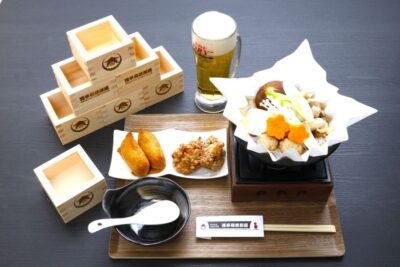
Asakusa Sumo Club Sumo Show Admission with Chankonabe in Tokyo
Read our review →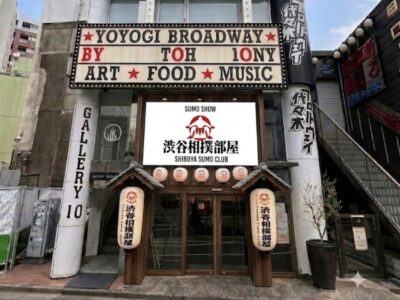
Tokyo Ginza Sumo Experience: Performance vs Pure Practice
Read our review →Browse the lists this tour appears in