
Reviewed · SUMO EXPERIENCES
Authentic Sumo Experience in Tokyo: Enter the Sanctuary
Sumo is far more than a match. This four-hour experience near Kawasaki lets you see a former sumo stable, watch practice from close range, learn basic movements from wrestlers, and share a hearty chanko-nabe lunch. I especially like the behind-the-scenes room tour and the chance to take part instead of simply sitting in an audience. The main drawback is the strict 9:30 a.m. start, plus the possibility that the stable may cancel a few days before the visit.
The setting feels more personal than a large tournament hall. You meet the guide at Shin-Kawasaki Station, travel to a stable officially used until 2022, and spend time around the same dining room and table used by sumo wrestlers. Guides such as Charlie, Jim, Lily, and Fugi have been praised for clear English, good humor, and warm introductions. At $171.12 per person, this is not a cheap morning, but the included transport from the station, lunch, guide, photos, and shirt make it a fairly full cultural experience.
In This Review
- Key moments that make this sumo morning special
- Why this Kawasaki sumo experience feels different
- Meeting at Shin-Kawasaki Station at 9:30 a.m.
- A room tour through the sumo lifestyle
- Watching morning practice from the edge of the ring
- Trying sumo movements with the wrestlers
- Making chanko-nabe with the wrestlers
- Is $171.12 a fair price?
- Timing, weather, and what to bring
- Who will enjoy this most?
- Booking, cancellation, and final practical advice
- Should you book this sumo experience?
- FAQ
- Where does the sumo experience take place?
- What time does the tour start?
- What is included in the price?
- Is lunch included?
- Can I participate in sumo training?
- Can children join the experience?
- Can I bring a suitcase?
- What happens if I arrive late?
- Can I cancel for a full refund?
Key moments that make this sumo morning special
- A former working stable: See the dining room, bath, and practice space used by wrestlers until 2022.
- Practice from ring-side: Watch a morning training session close to the ring, rather than viewing sumo only from a stadium seat.
- Wrestler-led participation: Try sumo exercises and movements, with some participants getting the chance to challenge a retired wrestler.
- Chanko-nabe made together: Help prepare chicken dumplings and eat the filling hot pot around an authentic sumo-room table.
- Small-group setting: The maximum group size is 15, which leaves room for questions and personal attention.
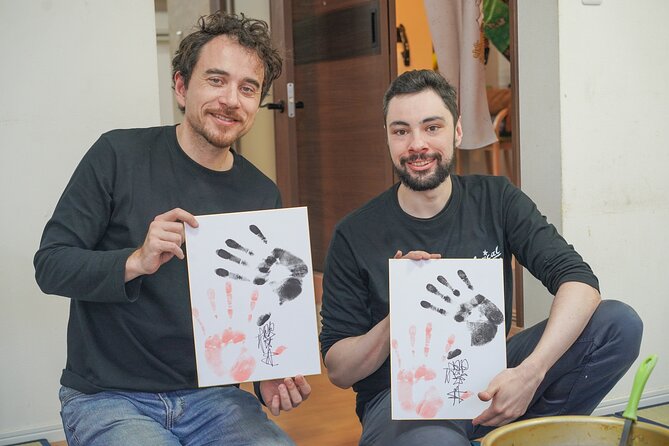
- Useful extras: The price includes a certified MagicalTrip guide, tour photos, and an original-designed T-shirt.
Why this Kawasaki sumo experience feels different
Tokyo has many ways to see Japanese sport and tradition, but most give you a seat and a fixed view. This outing gives you access to the daily world around sumo: where wrestlers eat, bathe, train, and spend their time together.
That matters because sumo is built around routine. The ring is only one part of the picture. The room tour helps you understand how the stable functions, while the guide explains the customs and traditions that shape a wrestler’s life.
You also get a chance to see the contrast between the quiet, serious side of training and the playful part of the visit. The morning may begin with a focused explanation and formal demonstration. Later, the wrestlers invite participation, and the mood becomes much more relaxed. Families in particular may appreciate that change of pace.
The experience is based at a stable that was officially used through 2022. It is not simply a staged wrestling set built for tourists. That does not mean you should expect to see a current tournament or an unrestricted look at every part of sumo life. You are visiting with a guide and following a planned program. Still, the former stable setting gives the morning a sense of place that a theater demonstration cannot match.
More Sumo Experiences in Japan:
- Tokyo: Sumo Show Experience with Chicken Hot Pot and a Photo
★ 4.8 · 6,678 reviews - Tokyo: Sumo Live Show with Photo in Shinjuku
★ 5.0 · 3,438 reviews - Tokyo: Sumo Show and Dining Experience
★ 4.8 · 2,742 reviews
Meeting at Shin-Kawasaki Station at 9:30 a.m.
Your day begins at Shin-Kawasaki Station, with the stated meeting address at 1-chōme-2-1 Kashimada, Saiwai Ward, Kawasaki, Kanagawa. The activity ends back at the meeting point.
The start is firm. If you are more than five minutes late without contacting the operator, the booking is treated as a cancellation, with no refund or rescheduling. I would arrive early and allow extra time for finding the right station exit and meeting location. The details refer to both Shin-Kawasaki Station and the Kashimada address, so check the final meeting instructions carefully before leaving your hotel.
The short transfer to the stable is part of the value. Several people have appreciated being met at the station and taken to the facility in a comfortable van or taxi included in the price. That saves you from trying to locate a private sumo training space in an unfamiliar part of Kawasaki.
Do not bring a large suitcase. Suitcases are not permitted, and you will have a much easier time with a small day bag. The site is near public transportation, and the group can include up to 15 people. That is large enough to create energy during the activities but small enough for questions and conversation.
A room tour through the sumo lifestyle
Before the training begins, your guide explains how sumo wrestlers live and introduces the sport’s history and customs. This is more useful than a quick list of rules because it gives you a frame for everything you are about to see.
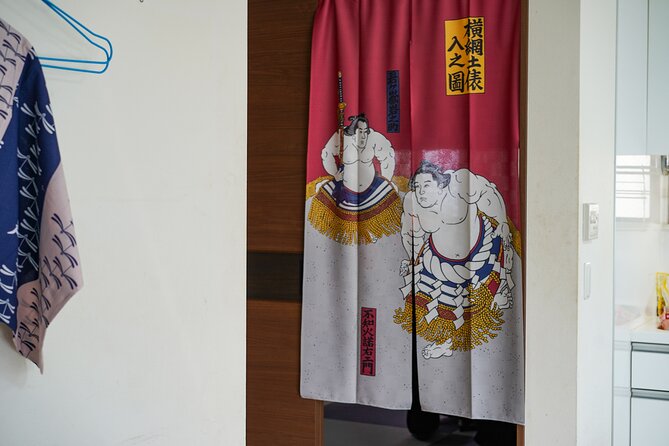
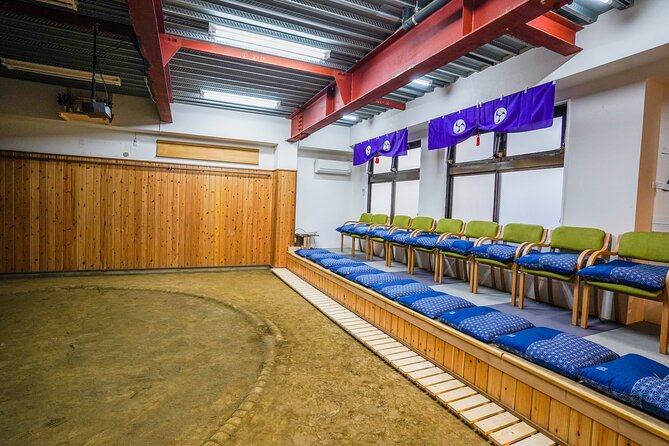
The room tour includes the dining room, bath, and practice area. Each space helps explain the shared nature of life in a stable. You see where meals are eaten, where wrestlers wash, and where the daily work of training takes place.
The dining room is especially important later, when you return for lunch. You are not just eating a Japanese hot pot in a nearby restaurant. You are sitting around a table that was actually used in the sumo room. That small detail gives the meal a stronger connection to the place.
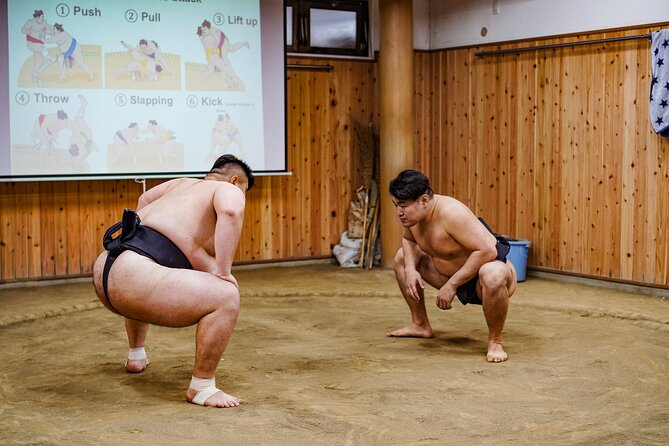
Guides use commentary and, in at least one reported case, a PowerPoint presentation to make the history lesson easier to follow. If you know little about sumo, you should not feel out of place. The program is designed to explain the sport to beginners, while long-time fans can ask more specific questions about training and the wrestlers’ lives.
Guides have been praised for their English and their ability to keep the tone friendly. Charlie has been noted for meeting the group promptly at the station and sharing plenty of sumo information. Jim has been singled out for detailed explanations, while Lily was praised for her passion for the sport. Guide quality can vary from one date to another, but the program clearly depends on an active guide rather than a simple self-guided visit.
Watching morning practice from the edge of the ring
The centerpiece is a morning practice session viewed from right in front of the sumo ring. Training usually begins around 7:00 a.m. and lasts three to four hours, so your 9:30 start places you within the normal practice period.
This is not a tournament bout with banners, crowds, and formal match scheduling. It is training, which means the focus is on repetition, discipline, and physical preparation. You may find the atmosphere more serious at first than the cheerful lunch and participation session that follows.
The close position matters. From near the ring, you can pay attention to the movements and the effort behind them rather than watching a distant contest through a stadium crowd. The guide’s explanations help you understand what you are seeing and why the exercises matter.
The practical limitation is that a stable can cancel unexpectedly a few days to a couple of days before the scheduled date. Sumo stables operate on their own routines, and the operator cannot guarantee that every planned visit will go ahead. If seeing live practice is the main reason you are booking, keep some flexibility in your schedule.
A completely different kind of day out:
- Tokyo Disney Resort – Tokyo Disneyland & Tokyo DisneySea Park Tickets
★ 4.8 · 99,488 reviews - Universal Studios Japan Studio Pass
★ 4.8 · 89,883 reviews - Universal Studios Japan Express Pass
★ 4.7 · 53,138 reviews - SHIBUYA SKY Ticket
★ 4.7 · 46,509 reviews
Trying sumo movements with the wrestlers
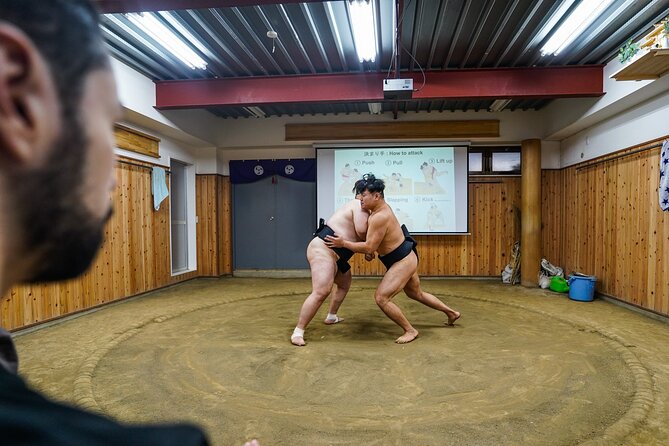
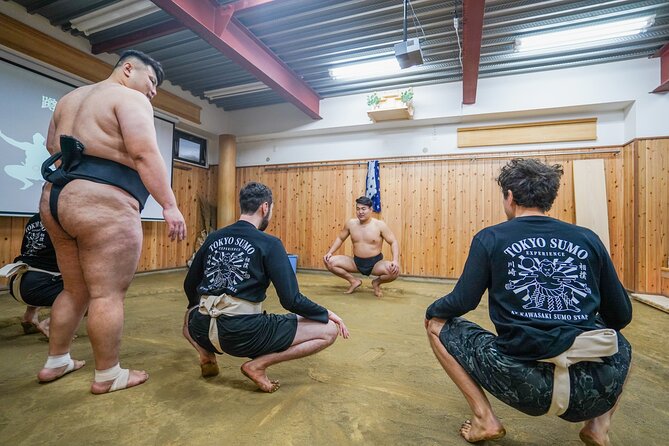
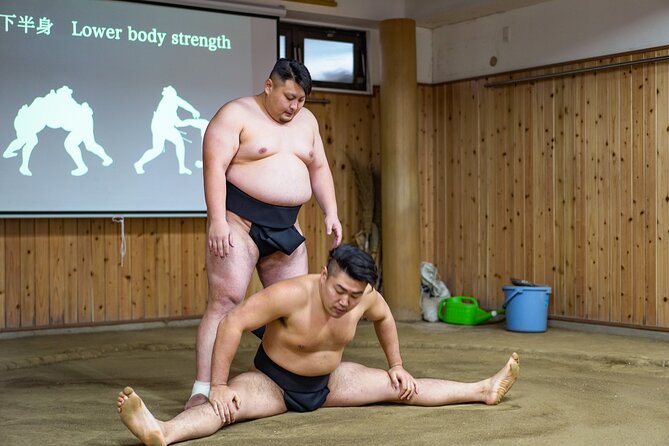
After watching, you may take part in sumo exercises and basic movements with the wrestlers. Participation is optional, so you can join in, watch friends or family, or simply ask questions.
This is where the experience becomes memorable for many people. The instructors use humor and encouragement, which helps break the initial shyness. The first part may feel formal, but the hands-on section tends to become lively once people step forward.
Some participants have had the chance to enter the ring and challenge a retired sumo wrestler. You should treat this as a playful demonstration, not a competitive match. The point is to feel the stance, balance, force, and unusual physical demands of sumo. You will not become a rikishi in one morning, but you will gain a much better sense of how hard even the basic movements can be.
The activity suits families particularly well. Children and teenagers can burn off some energy, and adults can join without needing prior knowledge of sumo. One caution: the experience is interactive, so wear clothing that allows comfortable movement. The information does not state a specific dress code, but restrictive clothing would make the practical portion less enjoyable.
If you prefer a quiet cultural tour, the participation may feel a little exposed. You might be asked to join a group demonstration, and there is no promise that every person will wrestle. The good news is that the program allows people who wish to participate to do so, rather than requiring every member of the group to enter the ring.
Making chanko-nabe with the wrestlers
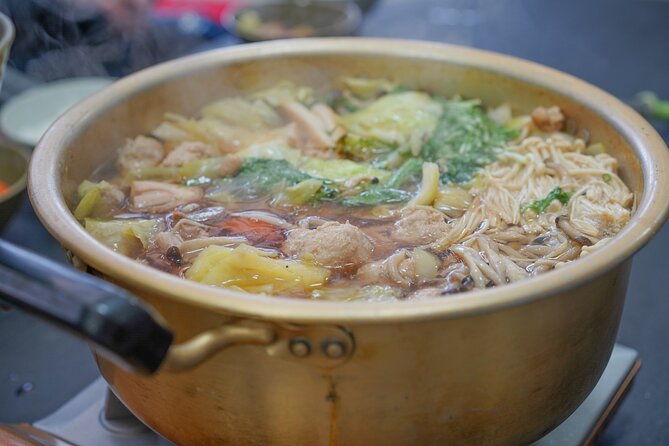
Lunch is not an afterthought. You help make chicken dumplings, which form the main ingredient of the chanko-nabe, then eat the hot pot together around the sumo-room table.
Chanko-nabe is strongly associated with sumo because it is a substantial shared meal that helps wrestlers build their large physiques. Here, the food also creates time for conversation. Once the exercises are over, you can ask the wrestlers questions in a less formal setting.
The meal has earned especially strong praise. People have enjoyed the hot pot and the chance to prepare part of it with the wrestlers. One child reportedly ate four bowls, which tells you something about how filling the lunch can be. The menu includes the sumo wrestler’s lunch, but extra food and drinks are not included.
Tell the operator about allergies or dietary requests at least one day ahead. Same-day requests cannot be accommodated. Even with advance notice, allergy-free food and special substitutions cannot be guaranteed because the food is prepared in kitchens outside MagicalTrip’s control. If you have a serious allergy or strict dietary need, consider this limitation carefully before paying.
Is $171.12 a fair price?
At $171.12 per person, this is a premium half-day activity. You are paying more than you would for a museum visit or a standard sightseeing walk, but the comparison is not quite fair. The price includes the sumo program, a certified guide, transport from the station, lunch, tour photos, and an original-designed T-shirt.
The strongest value comes from access. You are not merely hearing a talk about sumo. You enter a former stable, watch practice close to the ring, meet wrestlers, try the movements, and eat a meal connected to the space. Those elements would be difficult to arrange independently.
The price makes the most sense if sumo is high on your Japan wish list, or if you want an activity that works for several age groups. It is also useful for a short Tokyo visit because the four-hour program combines a cultural explanation, a live practice session, physical participation, and lunch in one booking.
The value is weaker if you only want to watch a professional tournament. This is not a tournament ticket, and the practice session may be canceled by the stable. It is also less suitable if you dislike group participation or cannot eat the provided meal.
Timing, weather, and what to bring
The full activity lasts about four hours and 10 minutes, beginning at 9:30 a.m. The early start is part of the appeal because sumo training follows a morning routine, but it can be difficult after a late night in Tokyo.
Arrive well before the start. The no-late-entry rule is unusually strict: missing the group means no participation, refund, or date change. Keep your belongings light because large luggage is not allowed.
Summer in Japan can be hot and humid. Bring water and wear a hat, particularly if you will spend time outside during transfers. The experience takes place mainly at the stable, but staying hydrated is still sensible.
The operator states that most people can participate. The practical section involves sumo movements, but the information does not provide detailed accessibility guidance. If you have mobility concerns, contact the operator before booking and explain what you need.
Who will enjoy this most?
I would recommend this to:
- Families looking for a hands-on cultural activity
- Couples who want something beyond temples and shopping
- First-time visitors curious about Japanese customs
- Long-time sumo fans who want contact with the training world
- Solo visitors who enjoy guided group activities
- Anyone who likes food, conversation, and a little physical comedy
You do not need prior sumo knowledge. The historical explanation starts with the basics, and the guides help translate the rituals and movements into plain terms.
I would hesitate if your schedule cannot absorb a last-minute change. The stable may cancel shortly before the date, and the operator does not control that decision. I would also think twice if you have serious dietary restrictions, are bringing heavy luggage, or strongly dislike being invited to participate.
Booking, cancellation, and final practical advice
Free cancellation is available up to 24 hours before the local start time for a full refund. Cancellations or changes made within 24 hours are not accepted, and no-shows are not refunded. The operator also requires a minimum number of participants, so a cancellation for that reason may result in another date, another experience, or a full refund.
Because the activity can sell quickly, booking ahead is sensible, especially if your Japan itinerary has little spare time. But leave some flexibility around the date if the live practice matters most to you.
Before the morning, confirm the station meeting details, pack water in summer, leave your suitcase at your accommodation, and plan to arrive early. Tell the operator about food concerns at least one day before the activity, though strict allergy-free preparation is not guaranteed.
Should you book this sumo experience?
Yes, if you want to understand sumo as a way of life rather than just a sport. The former stable, close-up practice, wrestler-led exercises, shared chanko-nabe, and friendly guides create a fuller experience than a short demonstration.
I especially like the balance of serious and playful moments. You begin with customs and training, then move into hands-on exercises and a relaxed meal. At the same time, you should accept the firm schedule, possible stable cancellation, no-suitcase rule, and limits around dietary requests.
For a family, couple, or sumo fan, this is one of the more distinctive ways to spend a morning near Tokyo. If the price fits your budget and you can keep your schedule flexible, I would book it.
FAQ
Where does the sumo experience take place?
The experience takes place in Kawasaki, near Tokyo, at a sumo stable officially used until 2022. You meet at Shin-Kawasaki Station and return to the meeting point at the end.
What time does the tour start?
The tour starts at 9:30 a.m. The activity lasts approximately four hours and 10 minutes.
What is included in the price?
The price includes the sumo experience, a certified MagicalTrip guide, a sumo wrestler’s lunch, tour photos, and an original-designed T-shirt.
Is lunch included?
Yes. You help prepare chicken dumplings for chanko-nabe and eat the hot pot together with the wrestlers. Additional food and drinks are not included.
Can I participate in sumo training?
Yes. People who wish to participate can try sumo movements and exercises with the wrestlers. Participation is optional.
Can children join the experience?
Most people can participate, and the activities have been enjoyed by families and younger participants. The information does not give a specific minimum age.
Can I bring a suitcase?
No. Large luggage such as suitcases is not permitted. Bring only a small bag with essential items.
What happens if I arrive late?
The tour starts on time. If you are more than five minutes late without contacting the operator, it is treated as a cancellation, and you cannot join, reschedule, or receive a refund.
Can I cancel for a full refund?
Yes. You can cancel for a full refund if you do so at least 24 hours before the local start time. Cancellations within 24 hours and no-shows are not refunded.
Just added in Japan
- Private Unforgettable Mt Fuji Tour with English Speaking Driver★ 5.0 · 142 reviews
- Japanese Cooking and Udon Making Class in Tokyo with Masako★ 5.0 · 35 reviews
- Private Kamakura plus Yokohama Tour – English Speaking Driver★ 4.5 · 28 reviews
- Luxury van Ride to famous car meet up spot Daikoku★ 4.5 · 148 reviews
- Private Harajuku Omotesando Architecture Walking Tour★ 5.0 · 67 reviews
- Private Tour to Mt Fuji and Hakone with English Speaking Driver★ 5.0 · 133 reviews
- Private Customizable Walking Tour of Tokyo★ 5.0 · 70 reviews
- Japanese Food Cooking Class in Asakusa, Tokyo★ 5.0 · 39 reviews
Sumo Experiences, compared.
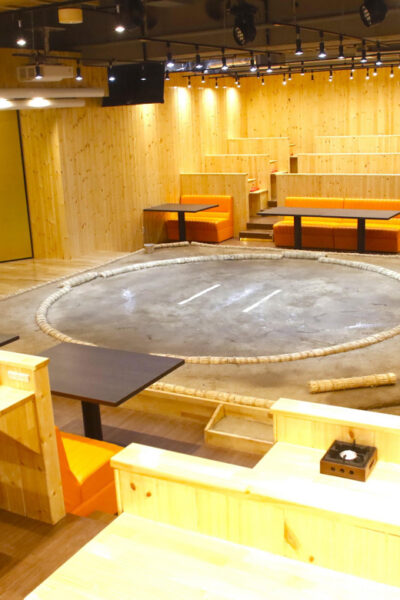
Sumo Show Experience with Chicken Hot Pot and a Photo
Read our review →
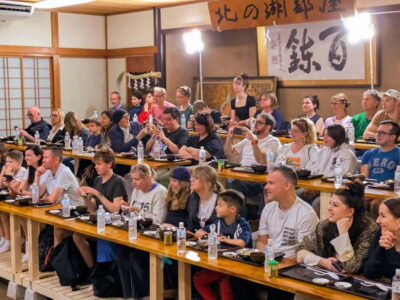
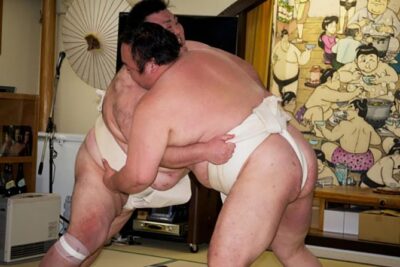
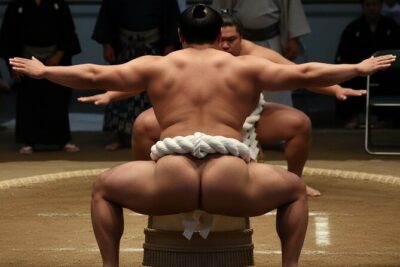
Tokyo Shinjuku Sumo Show & Experience with Photo
Read our review →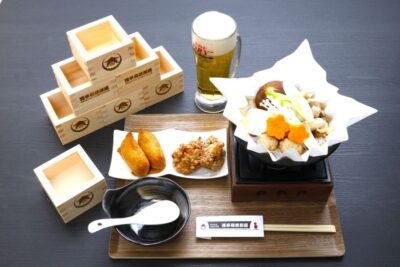
Asakusa Sumo Club Sumo Show Admission with Chankonabe in Tokyo
Read our review →
Tokyo Ginza Sumo Experience: Performance vs Pure Practice
Read our review →Browse the lists this tour appears in