
Reviewed · TEMPLES AND SHRINES
Day Tour to Miyazaki Takachiho Gorge & Shrine depart from Fukuoka
Kyushu’s myths come alive here. This long day from Fukuoka takes you into the mountains for Takachiho Gorge, Kamishikimi Kumanoimasu Shrine, Amanoiwato Shrine, and the sacred cave of Amanoyasukawara. I like the mix of dramatic nature and Japanese spirituality, and I like having a guide explain the myths and shrine customs instead of trying to piece them together on your own. The catch is simple: the road is long, and some stops involve steep paths, stairs, and a brisk schedule.
At $99.40 per person, this is a useful way to reach a remote part of Kyushu without arranging several trains, buses, and transfers. Guides such as Emi, Helen, Mao, Sun, Thomas, and Suki have earned praise for clear explanations, good timekeeping, humor, and helping with photographs. Still, you should expect a full day in an air-conditioned vehicle, possibly up to 46 people, with limited time to linger at the most popular sights.
In This Review
- The four things to know before booking
- Why this day trip reaches places Fukuoka cannot
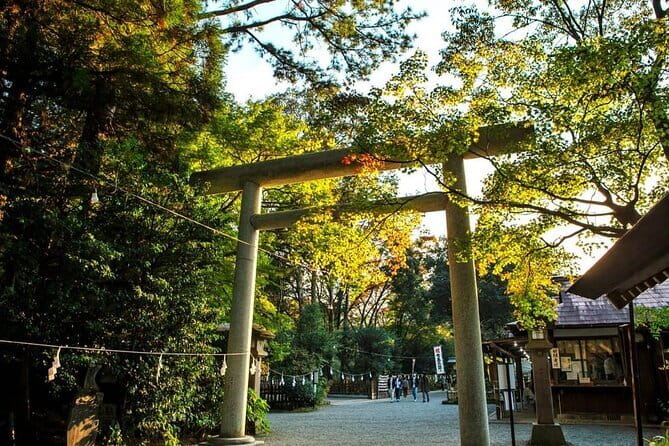
- Kamishikimi Kumanoimasu Shrine: a quiet start among cedar trees
- Amanoiwato Shrine and the story of Amaterasu
- Amanoyasukawara: the sacred cave and its stone piles
- Takachiho Gorge: save your energy for Manai Falls
- Guides can make the long road much easier
- What the $99.40 price really buys you
- Walking, weather, and the small print that matters
- Who will enjoy this tour most
- Should you book the Takachiho day trip?
- FAQ
- Where does the tour start and end?
- How long does the tour last?
- What is included in the price?
- Are meals and drinks included?
- Is the tour suitable for people with mobility issues?
- What happens if bad weather cancels the tour?
The four things to know before booking
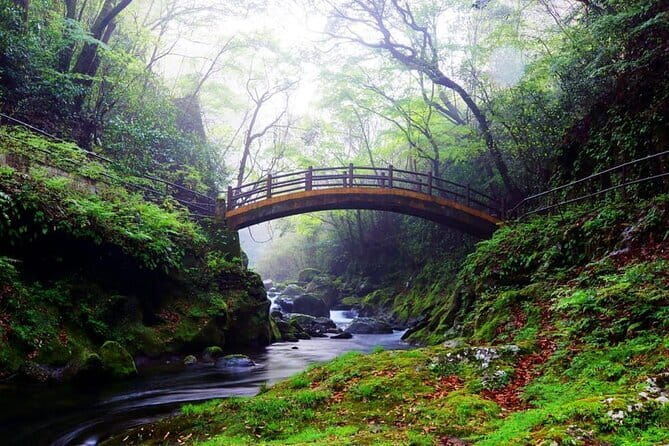
- Takachiho Gorge is the visual prize: Manai Falls and the emerald-green water make this the tour’s most memorable stop.
- The mythology gives the shrines purpose: Your guide explains Amaterasu, the sun goddess, and the stories connected with each sacred site.
- Travel takes a large part of the day: Depending on traffic and conditions, the ride from Fukuoka and back can take roughly five to seven hours in total.
- Expect serious walking: Steep slopes, uphill and downhill sections, and many stairs are part of the experience.
- Lunch is not included: Bring food or use any available opportunity to buy something, since the schedule may not leave room for a relaxed meal.
- The best guides add real value: Guides praised by name include Emi, Helen, Mao, Sun, Thomas, Suki, and Ame.
Why this day trip reaches places Fukuoka cannot
Fukuoka is an excellent base for Kyushu, but Takachiho is far away in the mountains of Miyazaki Prefecture. Reaching it independently means studying regional transport, allowing extra time for connections, and accepting that remote sights are not always easy to link in one day.
This tour removes that planning burden. You meet at 8:00 a.m. outside the Lawson Oriental Hotel Fukuoka Store near Hakata Station, then ride directly toward the shrines and gorge. The experience ends back at the same meeting point.
That convenience matters. You can rest during the long ride instead of concentrating on mountain roads or checking bus timetables. The trip also gives you a guide who can explain why these places matter in Shinto belief. This is not simply a scenic outing with random shrine stops. The sites connect to Japanese creation stories, gods, sacred caves, and ideas about purity and worship.
The tradeoff is time. The listed stop durations add up to more than nine hours before the drive is counted, while the advertised total is approximately nine to ten hours. In practice, traffic, weather, group movement, and the time needed to gather everyone can stretch the day. Some people have found the total day closer to eleven hours, with six and a half or seven hours spent on the bus.
That is not a flaw in the destination. It is the basic geography of the trip. You are paying to make a difficult day trip possible from Fukuoka, not to visit a nearby attraction.
More Day Trips in Fukuoka
- Kyushu: Mount Aso, Kusasenri & Takachiho Gorge Day Tour (Optional Takachiho Boat Ride Experience)
★ 4.9 · 4,957 reviews - Kyushu One-Day Tour: Yufuin no Mori Train & Yufuin Town & Nyoirin-ji Temple & Dazaifu & Hell Hot Springs (Departing from Fukuoka)
★ 4.9 · 4,474 reviews - Shiraito Falls & Forest Cafe & Handmade Flower Salt Pudding & Grilled Seafood & Totoro Forest & Sakurai Futamigaura & Angel’s Wings & Coconut Tree Swing Day Tour (Departing from Hakata Station, with Mandarin, English, and Cantonese speaking guide)
★ 4.9 · 1,840 reviews
Kamishikimi Kumanoimasu Shrine: a quiet start among cedar trees
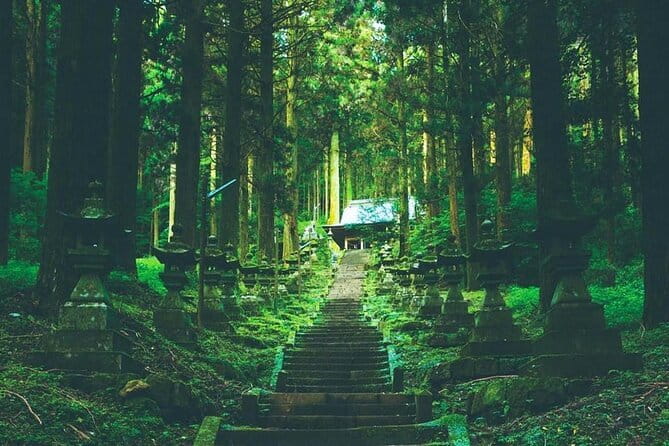
The first stop is Kamishikimi Kumanoimasu Shrine in Takamori, Kumamoto Prefecture. It is known for its forest setting, old cedar trees, and mystical atmosphere. The approach feels more secluded than the larger, better-known shrines in Japanese cities.
The planned visit lasts about three hours, with no admission charge. That generous block gives the group time to walk through the forest, see the shrine buildings, and take photographs without treating the stop as a quick roadside pause.
This is also where a guide’s background information helps most. A good explanation turns the setting from a pretty woodland into a place linked to Japanese spiritual tradition. Guides have been praised for explaining shrine etiquette and the stories behind the sites, which can help you understand why quiet behavior, respectful movement, and thoughtful photography matter.
The drawback is physical effort. Forest shrine approaches often include stairs and uneven ground, and the tour as a whole is not suitable for anyone who struggles with extended walking. The exact difficulty can feel different depending on weather, fitness, and how quickly the group moves.
If you are saving energy for the gorge, pace yourself here. You do not need to rush through the first stop, but you should remember that this is only the beginning of a long day.
Amanoiwato Shrine and the story of Amaterasu
Amanoiwato Shrine in Takachiho is tied to one of Japan’s most famous myths. It honors Amaterasu, the sun goddess, and the site is connected with the story of her hiding away after a conflict with her brother. According to the myth, the world was plunged into darkness until the other gods found a way to draw her out.
The visit lasts about one hour and admission is free. The shrine is important not only for its appearance but also for the story attached to it. You will get more from this stop if you listen to the explanation before walking around. Guides such as Ame have been praised for giving clear background information and explaining how much time the group has at each place.
This stop can feel more meaningful than expected because the mythology creates a thread between the buildings, the surrounding rock, and the next visit to Amanoyasukawara. Instead of seeing two unrelated religious sites, you begin to understand them as parts of one sacred story.
Time may feel tight, especially if you want to stop for photographs or quietly take in the setting. The tour is designed to show several important places in one day, not to provide a long period for meditation at each one.
Amanoyasukawara: the sacred cave and its stone piles
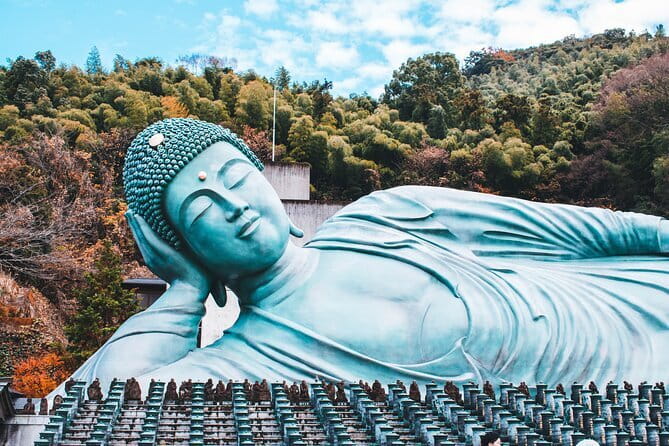
Amanoyasukawara is a sacred cave near Amanoiwato Shrine. Japanese mythology describes it as the place where the gods gathered to discuss how to bring Amaterasu out of hiding.
The scheduled visit lasts about one hour and 20 minutes. It is a striking change from a conventional shrine courtyard. The cave setting, rock walls, and many small stone arrangements create a solemn, unusual atmosphere.
This is one of the stops where the guide’s story matters as much as the view. Without context, you may simply see a cave filled with stones. With an explanation of the myth and the meaning of the site, the visit becomes a look at how Japanese religious practice connects natural places with sacred stories.
There are also stairs and steep sections here. Several people have found the walking more strenuous than the tour description suggests, particularly at the final shrine and cave area. If you have a recent injury, limited balance, or difficulty with inclines, this part deserves careful thought before booking.
The route is not designed for everyone to move at the same speed. A considerate guide can help the group manage different abilities, and Mao and Helen have been praised for doing exactly that. Even so, you should not count on being able to skip the hard sections and still see everything comfortably.
A completely different kind of day out:
- teamLab Forest Fukuoka Ticket
★ 4.7 · 1,925 reviews - Fukuoka Tower Admission Ticket
★ 4.8 · 1,804 reviews - Uminonakamichi Marine World Admission Ticket in Fukuoka
★ 4.8 · 1,298 reviews - Mt. Aso & Takachiho Gorge Tour with Optional Boat Ride
★ 4.7 · 222 reviews
Takachiho Gorge: save your energy for Manai Falls
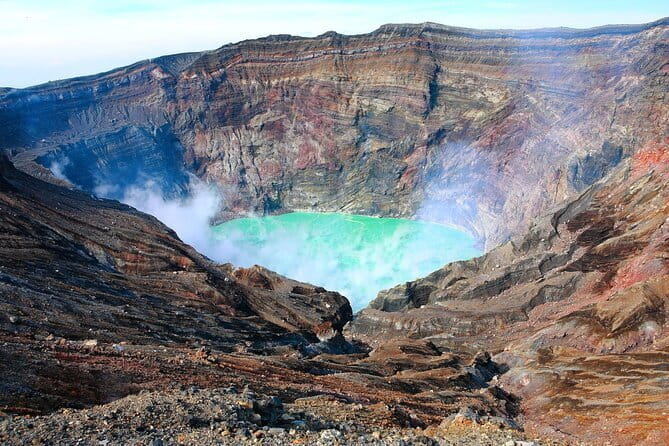
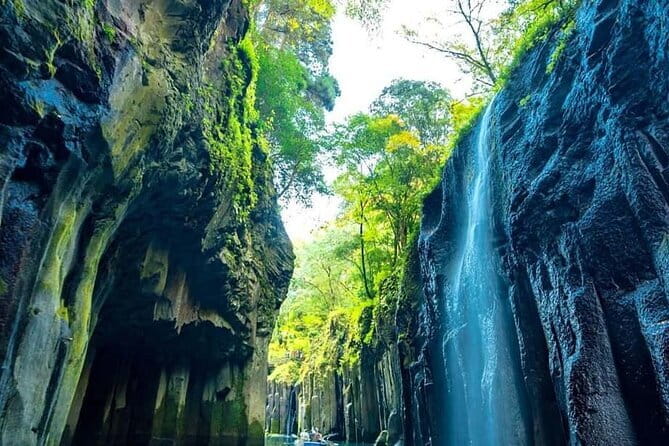
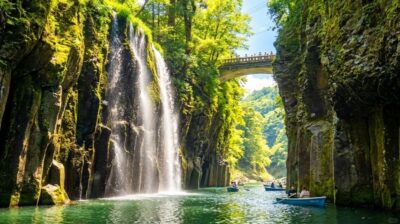
Takachiho Gorge is the headline attraction. Volcanic activity formed the dramatic cliffs, while the Gokase River runs below in green water. Manai Falls drops into the gorge and is recognized as one of Japan’s top 100 waterfalls.
The planned visit lasts four hours, which sounds generous. In reality, the time can pass quickly because the gorge involves walking, photo stops, and movement through a popular area. Some days are crowded, and a large group may need to proceed in an organized line rather than stop wherever it wishes.
The views are worth the effort. The contrast between dark rock walls, water, trees, and the waterfall gives this stop a very different feel from the shrines. It is also the place where many people most want extra time, especially for photography.
A useful tip is to conserve some energy earlier in the day. The gorge includes uphill and downhill sections, and you may be tired after the first three stops. Comfortable shoes are essential. This is not a stroll from a bus directly to a viewpoint.
The tour information does not promise a boat ride, so you should not book it expecting a choice between walking and boating. The experience centers on seeing the gorge by foot. If you have your heart set on rowing below Manai Falls, confirm current arrangements before paying, since the provided details do not include boat tickets or boat time.
The gorge also creates the biggest scheduling tension. You have traveled a long way to see it, but the itinerary must still get the whole group back to Fukuoka. A guide such as Sun may improve the experience by explaining the route, setting clear return times, and helping with photographs, but no guide can create extra daylight or shorten the drive home.
Guides can make the long road much easier
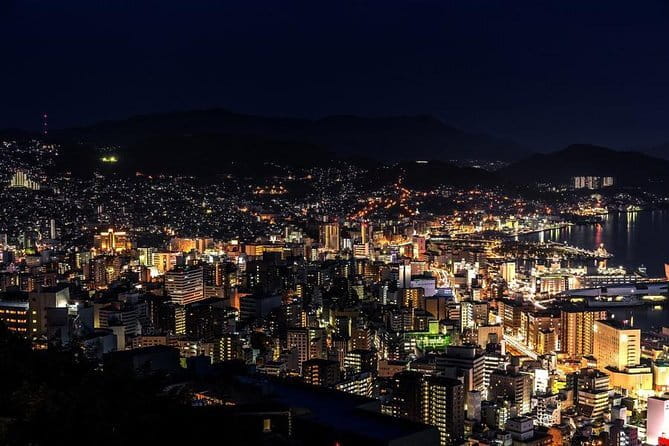
The guide is one of the strongest parts of this experience when the match is good. Emi has been praised for historical explanations, while Helen has received credit for clear English, careful group management, and attention to people who need more help. Mao has been noted for balancing group organization with enough freedom for individuals to explore.
Sun is especially useful if you value photographs. He has been praised for offering to take pictures at attractive locations and helping many people get a good shot without setting up a tripod. Thomas brings humor and keeps the mood light, even in rainy weather. Suki and Ame have also been praised for making the sites easier to understand.
The experience can vary with the guide and the day’s group. Bilingual explanations may feel rushed, and a large group makes it hard for every person to hear every detail. One poor experience included complaints about unclear guiding and uncomfortable driving, while other feedback described a comfortable bus and careful, energetic guides.
That mixed picture is worth taking seriously. The tour company, TrevoTour Travels, provides the structure and transport, but your day depends partly on traffic, weather, group size, and the guide assigned to your departure.
What the $99.40 price really buys you
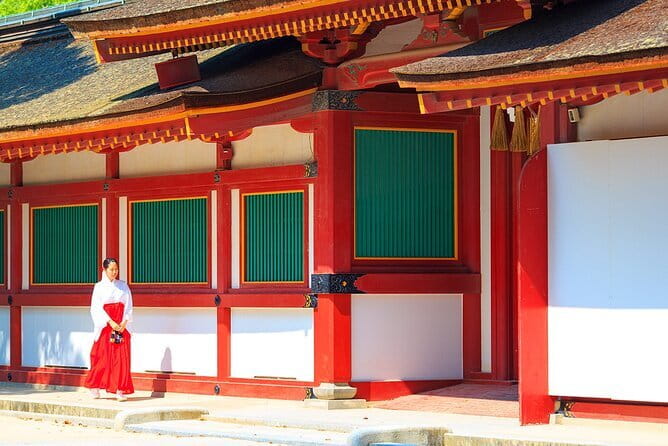
At $99.40, the tour offers reasonable value if your priority is seeing remote Kyushu highlights in one day. The price includes an air-conditioned vehicle and a guide. From July through September, ice cream is included.
Admissions to the listed stops are free, so you are mainly paying for transport, coordination, and interpretation. That is important here. Independent transport to four mountain sights could be difficult to arrange in a single day, and driving yourself would add responsibility on roads you may not know.
The price does not include hotel pickup or drop-off, meals, or drinks. You must reach the Lawson meeting point near Hakata Station by 8:00 a.m. You should also plan for the return to that same point rather than a drop-off at your hotel.
Food deserves special planning. Some stops may provide opportunities to find food and use facilities, but several people have found that there is no proper sit-down lunch break. Bring a snack and water, and do not assume you will have a leisurely meal between shrine visits and the gorge.
The vehicle is air-conditioned, which is welcome on a long summer ride. Still, the maximum group size is 46 people, so this is not necessarily an intimate private outing despite the description emphasizing a private vehicle. Ask for clarification if a small group or private transport is central to your decision.
Walking, weather, and the small print that matters
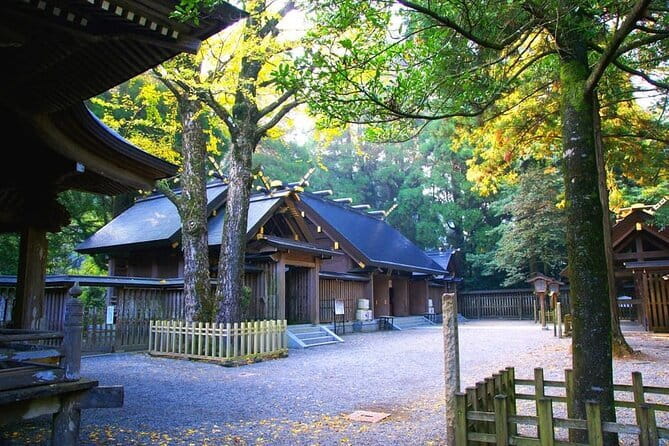
The tour suits most people who can manage a full day of sightseeing, but it is not a good choice if you need a low-effort outing. Expect stairs, steep slopes, uneven paths, and a lot of uphill and downhill walking. The physical demands are easy to underestimate because the tour is presented as a cultural and scenic day trip.
Rain can change the experience. The operator can cancel for poor weather or other extreme conditions, offering another date or a full refund. If the tour runs in rain, the views may still be beautiful, but paths can feel harder and photographs less reliable.
Confirmation is provided at booking, and the meeting point is near public transportation. Late arrivals and no-shows are not refunded, so build in time to reach Hakata Station and find the Lawson store.
You can cancel for a full refund up to 24 hours before the start time. Changes made less than 24 hours before departure are not accepted, and cancellations inside that period are not refunded.
Who will enjoy this tour most
I would recommend this trip to you if you have at least several days in Fukuoka and want to see a remote side of Kyushu without planning the transport yourself. It is especially good for people who enjoy a mix of scenery, folklore, shrines, and guided explanation.
It also suits photographers, fans of Japanese mythology, and visitors who prefer one organized day to several complicated regional connections. The gorge and shrine combination gives you both nature and culture, rather than repeating the same type of attraction all day.
You may want to skip it if your idea of a good holiday day includes a slow lunch, long quiet visits, or plenty of time at each viewpoint. The journey is long, the stops can feel rushed, and the largest groups may make personal attention difficult.
Families and older visitors should consider the walking carefully. A guide may help, but this is not an accessible tour in the easy, flat-city sense. If you recently broke a leg or cannot handle stairs, choose a gentler outing.
Should you book the Takachiho day trip?
Book it if you want to see Takachiho Gorge and the surrounding sacred sites from Fukuoka, and you accept that the destination requires a long ride. At $99.40, the transport and planning are fairly priced, especially when independent access would be awkward.
I would book with three conditions: wear proper walking shoes, bring food and water, and keep your expectations focused on seeing several highlights rather than lingering at one. If the gorge matters most, save your energy for it and move efficiently at the earlier shrines.
Skip it if you dislike coach travel, need a relaxed lunch, or have mobility limits. For the right person, though, this is a value-packed introduction to one of Kyushu’s most beautiful and spiritually important areas. The road takes time, but Takachiho rewards the effort.
FAQ
Where does the tour start and end?
The tour starts at 8:00 a.m. at the Lawson Oriental Hotel Fukuoka Store, located at 4-23 Hakataekichūōgai, Hakata Ward, Fukuoka. It ends back at the same meeting point.
How long does the tour last?
The listed duration is approximately nine to ten hours, including travel time. Actual days may run longer because traffic and seasonal conditions can affect the journey.
What is included in the price?
The price includes an air-conditioned vehicle and a guide. Ice cream is included from July through September.
Are meals and drinks included?
No. Food and drinks are not included, so you should plan to bring something or use available opportunities to buy food during the day.
Is the tour suitable for people with mobility issues?
The tour involves many stairs, steep slopes, and uphill and downhill walking. It may not suit anyone with mobility difficulties or a recent injury.
What happens if bad weather cancels the tour?
If poor weather or another extreme condition causes cancellation, you can choose a different date or request a full refund.
More Temples and Shrines in Fukuoka
- From Fukuoka: Miyazaki, Takachiho Gorge And Shrine Day Tour
★ 4.5 · 44 reviews - Kyushu: Aso Vocano, Grassland,Onsen and Aso shrine 1-Day Tour
★ 4.5 · 23 reviews - Fukuoka’s Sacred Path: Temples, History & Culture
★ 5.0 · 17 reviews - [Kyoto & Nara Day Tour] Sagano Scenic Railway & Nara Park & Fushimi Inari Taisha Thousand Torii Gates & Togetsukyo Bridge & Bamboo Grove & Kimono Forest (Departing from Osaka)
★ 4.9 · 10,942 reviews
Just added in Fukuoka
- Treasures of Kyushu 7-Day Tour by Europamundo★ 5.0 · 1 review
- Kyushsu Half Island Express Tour (8 Days) by MW Tours★ 5.0 · 1 review
- teamLab Forest Fukuoka Ticket★ 4.7 · 1,925 reviews
- Fukuoka Nakasu River Cruise Ticket★ 4.6 · 164 reviews
- Shiraito Falls & Forest Cafe & Handmade Flower Salt Pudding & Grilled Seafood & Totoro Forest & Sakurai Futamigaura & Angel’s Wings & Coconut Tree Swing Day Tour (Departing from Hakata Station, with Mandarin, English, and Cantonese speaking guide)★ 4.9 · 1,840 reviews
- Uminonakamichi Marine World Admission Ticket in Fukuoka★ 4.8 · 1,298 reviews
- Fukuoka Tower Admission Ticket★ 4.8 · 1,804 reviews
- Kyushu One-Day Tour: Yufuin no Mori Train & Yufuin Town & Nyoirin-ji Temple & Dazaifu & Hell Hot Springs (Departing from Fukuoka)★ 4.9 · 4,474 reviews
Temples and Shrines, compared.
![[Kyoto & Nara Day Tour] Sagano Scenic Railway & Nara Park & Fushimi Inari Taisha Thousand Torii Gates & Togetsukyo Bridge & Bamboo Grove & Kimono Forest (Departing from Osaka)](https://media.japanvisits.com/wp-content/uploads/kyoto-nara-day-tour-sagano-scenic-railway-nara-park-fushimi-inari-taisha-thousand-torii-gates-togetsukyo-bridge-bamboo-grove-kimono-forest-departing-from-osaka-k110001-400x257.jpg)
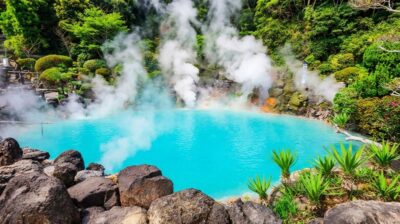
Kyushu One-Day Tour: Yufuin no Mori Train & Yufuin Town & Nyoirin-ji Temple & Dazaifu & Hell Hot Springs (Departing from Fukuoka)
Read our review →
Fushimi Inari, Kinkakuji, Bamboo Grove 1 Day Bus Tour
Read our review →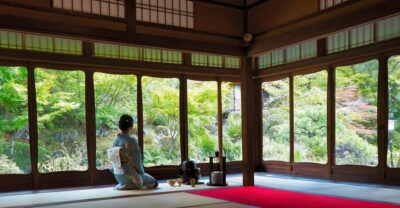
Tea Ceremony in a Traditional Tea House in Kiyomizu
Read our review →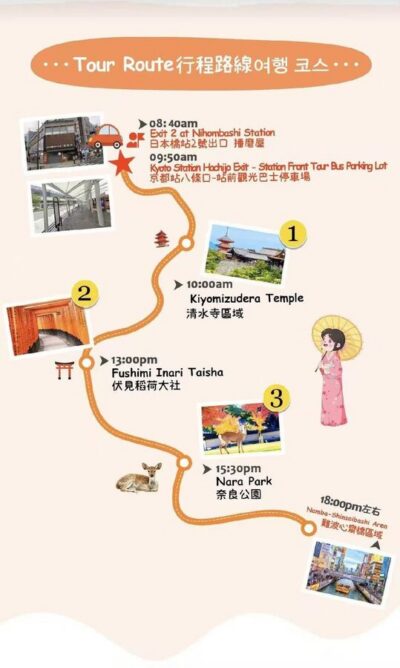
Kyoto Nara Day Trip │ Kiyomizu-dera Temple + Fushimi Inari-taisha Shrine + Nara Park (Departing from Osaka/Kyoto)
Read our review →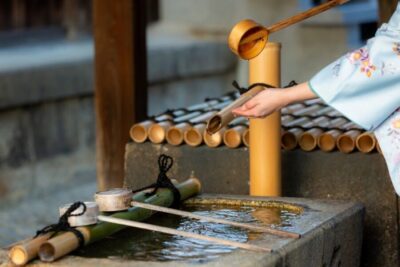
Browse the lists this tour appears in