Reviewed · MULTI-DAY TOURS THAT VISIT KAWAGUCHIKO
Discover the Best of Japan in 9 Days by Bravo Indochina Tours – Reviews & Prices
Mount Fuji, Kyoto’s temple lanes and Osaka’s neon-lit food streets all fit into this private nine-day trip from Tokyo to Osaka. A driver handles transfers, an English-speaking guide leads the scheduled sightseeing, and you ride the Shinkansen between Japan’s two biggest urban centers.
I like the mix of famous sights and local rituals, especially the tea ceremony and sumo show in Tokyo. I also like having a private vehicle for the day trips to Mount Fuji and Nara, where public transport can add time and extra planning.
The trade-off is a packed schedule: several days run from morning to late afternoon, and the itinerary gives you little time to wander on your own. The supplied details also differ on hotel category and price, so confirm exactly what your own quote covers before paying.
In This Review
- At a glance: Japan in nine days
- Tokyo opens with shrines, gardens and a sumo show
- Mount Fuji: a long drive for a change of pace
- The Shinkansen carries you to Kyoto’s old streets
- Kyoto’s temples and Arashiyama in one day
- Nara’s Great Buddha, then onward to Osaka
- Osaka’s castle, market and neon finish
- What the price buys, and what to confirm
- Is this tour a good fit?
- How long is the tour, and where does it start and end?
- Which cities and destinations are included?
- Are the tours private?
- Is the Shinkansen ticket included?
- What meals are included?
- Is kimono rental included with the tea ceremony?
- How much walking is involved at Chureito Pagoda?
At a glance: Japan in nine days
- Tokyo’s cultural stops: Visit the Imperial Palace East Gardens, Meiji Shrine, Senso-ji and a traditional tea ceremony.
- Sumo with lunch: The Asakusa Sumo Club show includes front-row VIP seating and lunch.
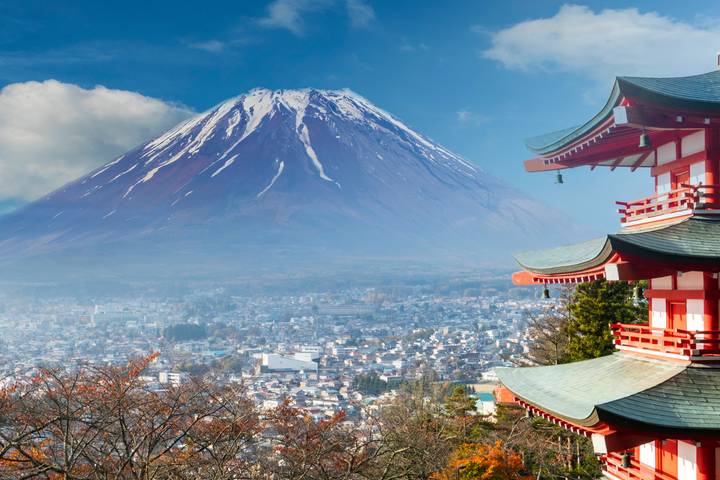
- Mount Fuji by road and water: Stop at Oshino Hakkai and Chureito Pagoda, then cruise Lake Kawaguchi.
- Kyoto’s greatest hits: See Nijo Castle, Kiyomizu-dera, Kinkaku-ji and Arashiyama.
- Nara and Osaka: Meet Nara’s famous deer, visit Todaiji’s Great Buddha Hall, then finish among Osaka’s food stalls and bright signs.
- Private travel, busy days: A chauffeur and vehicle simplify transfers, but the itinerary prioritizes coverage over free time.
Tokyo opens with shrines, gardens and a sumo show
The trip begins with an airport pickup at either Haneda or Narita. A driver meets you with a welcome sign and takes you to your hotel in a private Toyota Alphard. The driver is not described as English-speaking, and there is no guide on this transfer, so keep your hotel details and any arrival instructions handy.
There is a schedule discrepancy worth sorting out before departure. One overview places a guided Tokyo tour on Day 1, while the detailed dated plan makes Day 1 an arrival and starts sightseeing the next morning. If you land after a long flight, the arrival-only version is the more sensible plan. Ask Bravo to confirm which schedule applies to your booking.
Tokyo sightseeing includes the Imperial Palace East Gardens, Meiji Shrine, the Meiji Jingu Museum and the shrine’s inner garden. The East Gardens close on Mondays and Fridays, which matters because a schedule change could affect this stop. The gardens offer a quieter counterpoint to the city’s busy streets, while Meiji Shrine gives you a look at Shinto practice in a wooded setting.
The next Tokyo day brings a tea ceremony, Senso-ji Temple, a sumo show and Tokyo Skytree. Kimono rental during the tea ceremony costs about USD 20 to 30 per person, payable on site. It is optional, so you can take part in the ceremony without adding the costume expense.
At Senso-ji, expect a major Buddhist temple in Asakusa, followed by the Asakusa Sumo Club’s two-hour show, scheduled from noon to 2 pm. Front-row VIP seats and lunch are included. It’s a convenient way to see a sumo performance without needing to arrange a separate ticket or meal, though a show is not the same as attending a tournament.
The Skytree observation deck gives you a broad view across Tokyo. The day ends with a choice of Ginza or Akihabara, a useful bit of flexibility: Ginza is known for shopping, while Akihabara is the more obvious choice if electronics and anime culture appeal to you. You won’t have long in both, so decide in advance which one you’d rather see.
The detailed plan schedules a second visit to the Imperial Palace East Gardens and Meiji Shrine on another Tokyo day, although those stops already appear on the first sightseeing day. That looks like duplicated text, not a clear extra tour. Ask the operator to confirm how the Tokyo days will actually be used.
A few more options to weigh up in Tokyo
- Tokyo Disney Resort – Tokyo Disneyland & Tokyo DisneySea Park Tickets
★ 4.8 · 99,488 reviews - SHIBUYA SKY Ticket
★ 4.7 · 46,509 reviews - JR Whole Japan Rail Pass
★ 4.8 · 29,150 reviews
Mount Fuji: a long drive for a change of pace
A private vehicle takes you southwest from Tokyo to the Kawaguchiko area, about 120 to 130 kilometers away. The drive is listed at roughly 1.5 to two hours each way, so expect a substantial day on the road even before sightseeing begins.
Oshino Hakkai is one of the stops, followed by Arakurayama Sengen Shrine and its well-known Chureito Pagoda. Reaching the shrine involves around 400 stairs, but a longer, easier winding path is available. If you have knee concerns or simply want to save your legs, ask your guide about the gentler route.
The day ends with a cruise on Lake Kawaguchi, with views toward Mount Fuji when the weather allows. This is a strong itinerary choice because it gives you several different ways to see the mountain rather than relying on a single viewpoint. But Fuji can be obscured by clouds, and no schedule can guarantee a clear view. Treat the cruise and lakeside setting as worthwhile in their own right, with the mountain as a bonus.
You return to Tokyo that evening. The private vehicle avoids managing local connections, but it does not make the day short. Bring water and comfortable shoes, and keep the early start in mind if you’re still adjusting to the time zone.
The Shinkansen carries you to Kyoto’s old streets
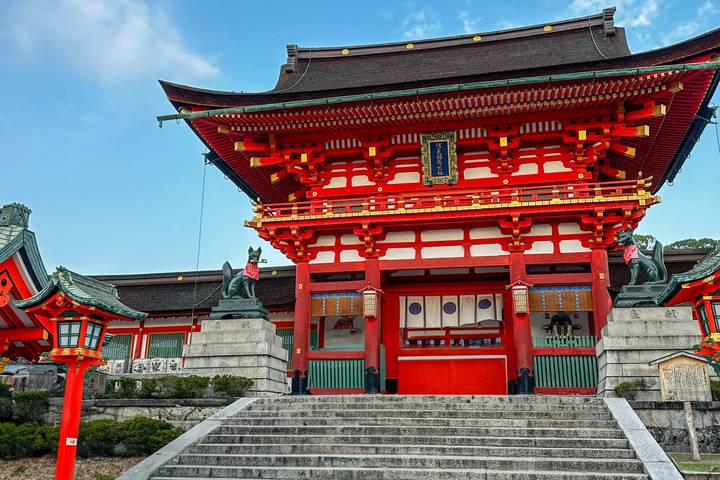
On the Tokyo-to-Kyoto transfer, a driver takes you to Tokyo Station, then you board the Nozomi Shinkansen at 8:39 am. The scheduled arrival is 10:50 am, with an ordinary-class reserved seat. A driver meets you at Kyoto Station and takes you to your hotel.
There is no English-speaking guide on these station transfers. Your sightseeing guide joins for the Kyoto tour, which starts around 11 am. That is a tightly timed arrival day: train delays, station navigation and hotel drop-off could eat into the planned visits. Confirm where your luggage goes and whether the guide can adjust the afternoon if the train runs late.
The first Kyoto stops include Nijo Castle, the Kyoto Imperial Palace, Kiyomizu-dera Temple, the Sannen-zaka and Ninen-zaka lanes, and Hanamikoji Street. Kiyomizu-dera is a major temple complex, while the sloping lanes nearby make a good place to see traditional-style streets and browse shops. The day ends at Gion Corner Theatre for a roughly 50- to 60-minute performance showing several traditional arts.
After the show, you walk back to the hotel on your own, passing Pontocho Alley. Dinner is not included, leaving you free to choose a restaurant there. That independence is welcome after a guided day, but the schedule is still busy, and there is little time for a slow meal before the walk back.
Kyoto’s temples and Arashiyama in one day
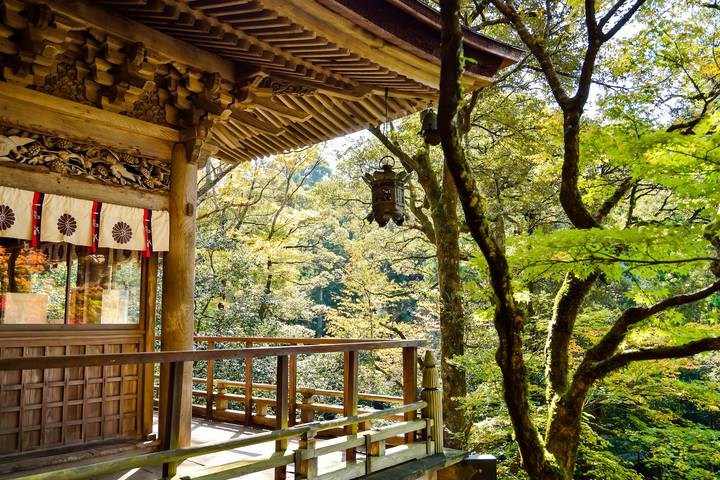
The next full day includes Kinkaku-ji, Kiyomizu-dera, Tenryu-ji, the Arashiyama Bamboo Forest, Okochi Sanso and Togetsukyo Bridge. Seeing Kiyomizu-dera again so soon after the previous day may feel repetitive. Ask whether the guide can swap or shorten that stop if you would rather have more time elsewhere.
Kinkaku-ji, the Golden Pavilion, is one of Kyoto’s most recognizable sights. Tenryu-ji’s temple buildings are included, which is useful because the plan covers more than an exterior visit. Arashiyama’s bamboo path and Togetsukyo Bridge bring a change of scenery, while Okochi Sanso adds a garden visit to the day.
The appeal here is having a driver connect sites spread across the city. The drawback is that this is a checklist day, and popular places can feel crowded. If a quiet stretch of bamboo is your goal, ask your guide how the timing can work around the busiest periods. No exact visit times are provided, so don’t assume you can avoid crowds.
A completely different kind of day out:
- Mt Fuji and Hakone 1-Day Bus Tour Return by Bullet Train
★ 5.0 · 26,383 reviews - TOKYO SKYTREE® Ticket
★ 4.7 · 25,136 reviews - teamLab Borderless Tickets: MORI Building DIGITAL ART MUSEUM
★ 4.7 · 24,126 reviews - teamLab Planets TOKYO Ticket
★ 4.7 · 21,663 reviews
Nara’s Great Buddha, then onward to Osaka
The Nara day starts with Todaiji Temple, including the museum and Great Buddha Hall if time permits. That qualification matters: the schedule also includes Kasuga Taisha, Nara Park and an optional climb to the summit of Mount Wakakusa. You may need to choose between a relaxed visit and fitting in every stop.
Todaiji’s Great Buddha is a major highlight, and the temple complex helps put Japan’s Buddhist traditions in context. Nara Park is known for its free-roaming deer, but remember they are animals, not props. Follow your guide’s advice about how to approach them.
Kasuga Taisha is another important shrine, with a different atmosphere from the Buddhist temples. Mount Wakakusa is an optional uphill walk, so decide how much energy you have after the morning. At day’s end, a private transfer takes you to Osaka, about an hour from Kyoto to Nara and roughly half an hour from Nara to Osaka by the supplied estimates.
This arrangement saves you from handling luggage and rail connections during a multi-stop day. It also means you’ll spend a good portion of the day moving between places. Bring shoes you can walk in, and don’t count on the summit option if you’d rather keep the day gentle.
Osaka’s castle, market and neon finish
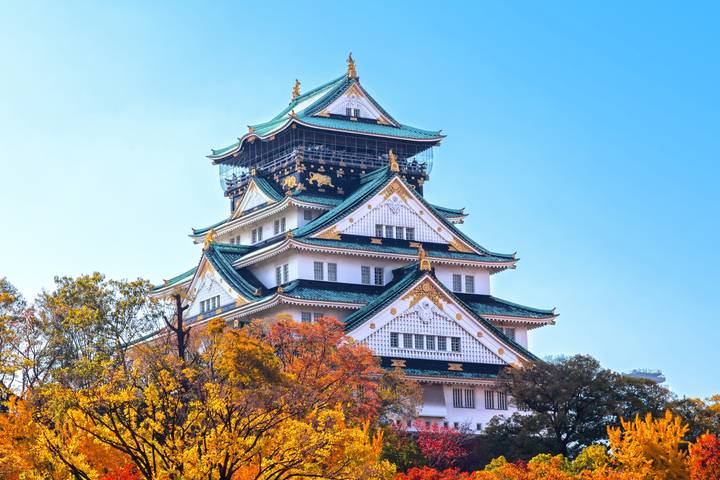
Osaka’s sightseeing day combines Osaka Castle, Tsutenkaku Tower, the Aerial Garden Observatory, Kuromon Ichiba Market and Dotonbori. The castle tower is included, along with the other listed observation stops. That is a lot of high-level views in one day, so you may want to ask how much time is planned at each.
Kuromon Ichiba Market is a practical place to see food stalls and local products. Dotonbori offers a lively contrast, with restaurants and shops in a famous entertainment district. The schedule includes time there, but no meal is listed, so budget for lunch or dinner yourself. Breakfast is the only meal clearly included each day, apart from lunch during the sumo show.
A private transfer takes you to Kansai International Airport on departure day. The drive is listed at about 40 minutes in the early morning, though traffic and your flight time affect the actual journey. International flights are not included.
What the price buys, and what to confirm
The advertised starting price is from $5,679, but the currency and exact room basis are not clear in the supplied information. A separate detailed quotation gives AUD 11,000 per adult for two adults, with a total of AUD 22,000. That quotation describes a longer Japan-and-Thailand trip, not just this nine-day Japan tour, so it is not a like-for-like price comparison.
The detailed Japan hotel plan names four-star properties: Shibuya Excel Hotel Tokyu in Tokyo, Cross Hotel Kyoto, and Osaka Excel Hotel Tokyu. Elsewhere, the included accommodation is described as three-star. The mismatch could reflect different versions or room options, so get the hotel names, category and room type in writing for your own dates.
The value is clearest if you want a private guide and driver on sightseeing days, airport and station transfers, the listed Shinkansen seat, and breakfast. You also avoid arranging several complicated day trips yourself. On the other hand, meals beyond the specified sumo lunch, international flights, gratuities, travel insurance and personal expenses are extra.
The booking terms say a 10 percent deposit is due upfront, with the balance due 60 days before departure. Interest-free installments every two weeks are also offered. Hotel availability is not guaranteed until confirmation, and equivalent alternatives may be used if the named hotels are unavailable.
Bravo Indochina Tours has operated in Asia and Indochina for more than ten years and lists 24/7 support from its local team and head office. Rachel is named as a patient contact for detailed pre-trip questions, and the support approach includes WhatsApp updates. No sightseeing guide names are provided, so ask who will lead your tours and how to reach the local team while in Japan.
Is this tour a good fit?
I’d consider this trip if you want a high-coverage first visit and value private transfers, English-speaking guides on sightseeing days, and the convenience of having the main arrangements handled. It suits couples, families and people who want a structured introduction to Tokyo, Kyoto, Nara and Osaka without planning every train and attraction themselves.
It is less suited to you if you want long stretches of unplanned time, slow meals, or a deep focus on one city. Some days are dense, and the Tokyo plan has duplicate stops in its written details. Before booking, get a corrected day-by-day schedule, confirm the hotel standard and final currency, and clarify whether the Mount Fuji outing runs as described on your dates.
How long is the tour, and where does it start and end?
It lasts nine days, starts in Tokyo and ends in Osaka.
Which cities and destinations are included?
The route covers Tokyo, Kawaguchiko and Mount Fuji, Kyoto, Nara and Osaka.
Are the tours private?
The tour is described as private, with private driver services for tours and transfers unless otherwise stated. The listed sightseeing days include an English-speaking guide.
Is the Shinkansen ticket included?
Yes. The Tokyo-to-Kyoto train is listed as the Nozomi, in an ordinary-class reserved seat.
What meals are included?
Daily hotel breakfast is included. Lunch is included with the Asakusa Sumo Club show. Other meals and drinks are not included unless specifically stated.
Is kimono rental included with the tea ceremony?
No. Kimono rental is optional and costs about USD 20 to 30 per person, payable on site.
How much walking is involved at Chureito Pagoda?
The route to the shrine involves about 400 stairs. A longer winding path is available as an easier alternative.
Just added in Tokyo
- Mt. Fuji & Hakone Cherry Blossom private One Day Tour★ 4.5 · 35 reviews
- Fish Market & Tokyo Skyline Private Walking Tour★ 5.0 · 14 reviews
- 25-Min Downtown Helicopter Tour : Tokyo Skytree and Tokyo Tower★ 5.0 · 19 reviews
- Private Tour with a Local Guide – Learn about daily life in Japan★ 5.0 · 22 reviews
- Tokyo: 3-Hour Bike/E-Bike Tour of the City’s Highlights★ 5.0 · 209 reviews
- Tokyo 2-Hour Genuine Samurai Experience: Kendo in Japan★ 5.0 · 112 reviews
- Official Japan Go-Kart Through Tokyo Bay / Ginza (IDP Required)★ 4.5 · 71 reviews
- 30-Min Tokyo Central Private Heli Tour– Asakusa, Skytree, Shibuya★ 5.0 · 13 reviews
Multi-Day Tours That Visit Kawaguchiko, compared.



Essential Japan GO by Europamundo – 7-Day Tokyo to Osaka Tour
Read our review →
Visions of Japan with Hiroshima & Osaka 15-Day Tour by Globus
Read our review →
14 Days Japan Panoramic (Private 3 Star Hotels) by Stunning Tours
Read our review →
Wonders of Japan End Osaka GO by Europamundo – 12-Day Tour
Read our review →
Wonders of Japan End Osaka (including Fukuyama) 12-Day Tour by Europamundo
Read our review →