
Reviewed · MULTI-DAY TOURS
Simply Japan
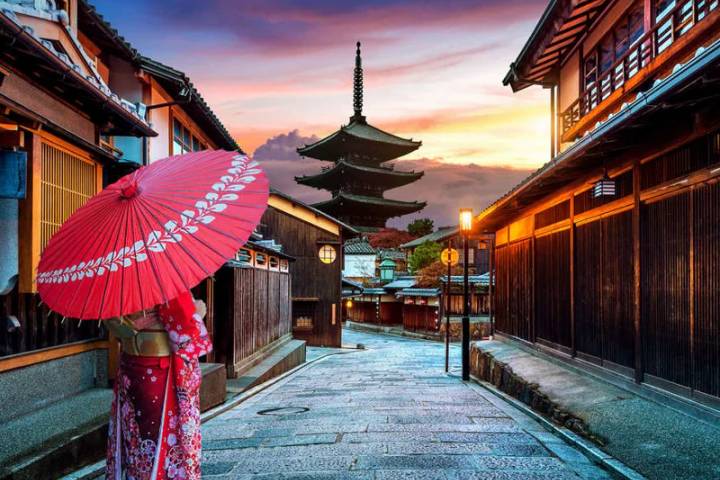
Tokyo’s morning fire ceremony sets the tone for Simply Japan: this is a trip of vivid contrasts, from taiko drums and ancient temple rituals to neon-lit crossings and fast, quiet bullet trains. Over 14 days, you travel from Tokyo to Kyoto, with stops for castles, gardens, mountain towns, snow monkeys and the solemn Peace Park in Hiroshima.
I like the range: the route pairs famous places with less familiar stops such as Matsumoto and Kanazawa, and it includes the rare chance to sleep in a Buddhist temple lodging and attend morning prayers. I also like that the group travels by public transport, giving you a practical feel for how Japan moves.
The trade-off is pace. You change hotels often, spend long days on your feet and have limited time in some major cities, especially Tokyo and Kyoto. From $5,120, the price makes most sense if you value a guided route, included transport and cultural experiences more than a leisurely, stay-put holiday.
In This Review
- What makes this Japan trip distinctive
- From Asakusa temples to Shibuya lights
- Matsumoto Castle and Nagano’s temple rituals
- Kanazawa gardens and Takayama sake
- Hiroshima’s difficult history and Miyajima’s quiet paths
- Kyoto’s castle, tea and bamboo paths
- What the price covers, and what it does not
- Is Simply Japan the right fit?
- FAQ
- How long is the Simply Japan tour?
- How large is the group?
- Is the tour fully guided?
- What accommodation is included?
- Are meals included?
- Is the snow monkey sighting guaranteed?
- Are airport transfers included?
- Can I book a single room?
What makes this Japan trip distinctive
- A fire ceremony in Tokyo: Hear taiko drums and chanting at Fukagawa Fudo-do, a vivid introduction to Buddhist practice.
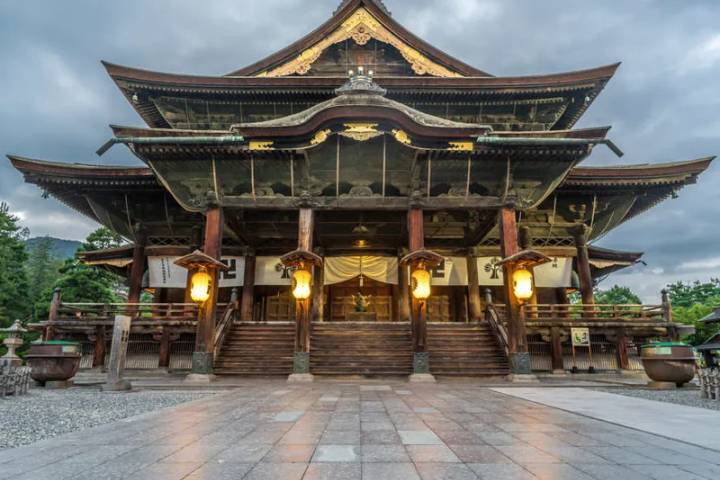
- A night in temple lodging: Sleep on a futon in Nagano and rise early for monks’ prayers at Zenkoji. Some departures use a hotel instead.
- A close look at Japan by rail: Ride express trains and the shinkansen, with a route that links cities, mountain towns and the coast.
- A thoughtful mix of famous and quieter stops: See Tokyo, Kyoto and Hiroshima, but also spend time in Matsumoto, Nagano, Kanazawa and Takayama.
- A moving visit to Hiroshima: The Peace Park and museum add essential context to a trip otherwise full of beauty and ceremony.
- A walking-heavy schedule: Expect long days on foot, steep castle stairs and some early starts. Comfortable shoes matter.
From Asakusa temples to Shibuya lights
The tour begins in Tokyo, with a welcome meeting planned for 6:30pm on day one. Arrive whenever you like, but allow time to reach the hotel: it is about an hour from Haneda and roughly an hour and a half from Narita. A complimentary airport transfer is available if you arrive on day one and provide your international flight details.
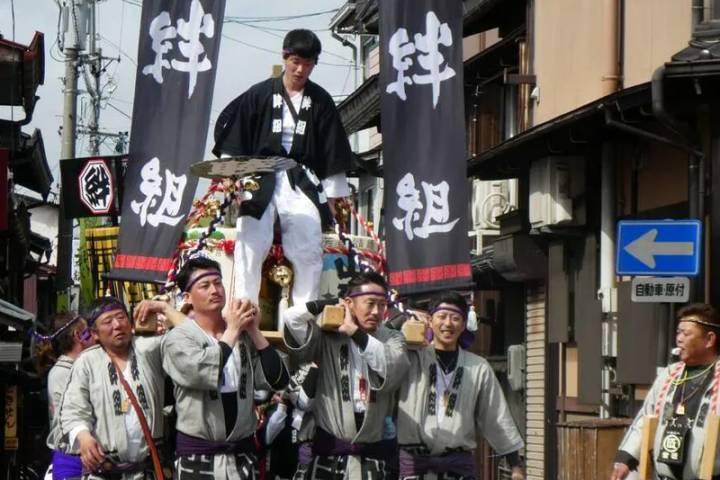
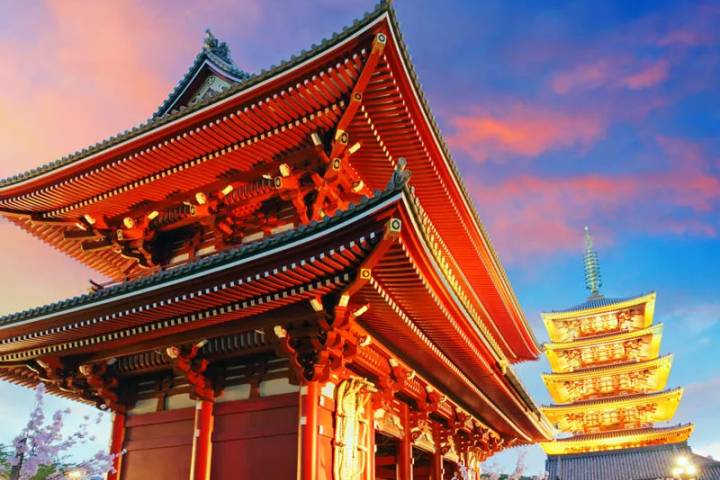
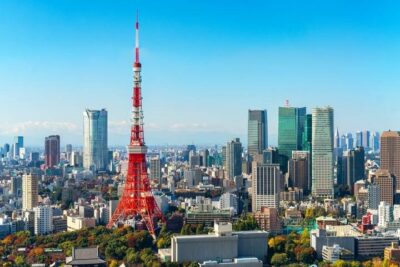
On day two, you explore the city by metro and on foot. At Senso-ji, Tokyo’s oldest temple, pass beneath the imposing Thunder Gate and into the lively temple precinct. The visit to Fukagawa Fudo-do is a different sort of experience: the morning fire service combines flames, sutra chanting and powerful taiko drumming. It is one of the trip’s most memorable chances to see living religious practice, rather than just admire a shrine from outside.
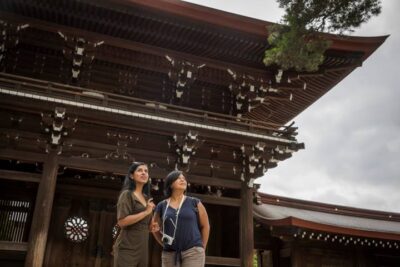
Later, Meiji Jingu offers a pause among wooded grounds, before the day ends around Shibuya Crossing. The route covers a lot of ground, with around seven to eight hours on your feet. If you tire easily, pace yourself and save energy for the free afternoon.
Day three is open for your own Tokyo plans. The tour leader can help with transport and choices, but this is not a guided day. You could head up Tokyo Skytree, walk through Hamarikyu Gardens or take a Sumida River cruise. Harajuku, Akihabara and Shinjuku are other options, each with a different feel.
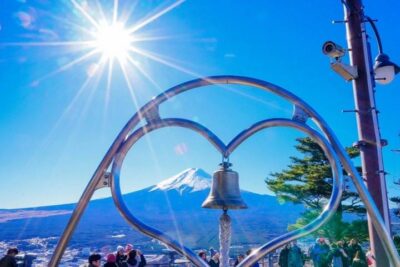
The suggested day trips are appealing, but you cannot fit them all in. Lake Kawaguchi offers a chance to see Mount Fuji, though clouds can hide the mountain, especially in hazy summer weather. Nikko combines lavish Toshogu Shrine with forest, lakes and waterfalls; Kamakura has temples, beaches and its nearly 800-year-old Great Buddha. For a better chance of Fuji views, the tour notes point to early morning or late afternoon. In peak spring and autumn periods, transport availability can be tight, so plan ahead.
A few more options to weigh up in Tokyo
- Tokyo Disney Resort – Tokyo Disneyland & Tokyo DisneySea Park Tickets
★ 4.8 · 99,488 reviews - SHIBUYA SKY Ticket
★ 4.7 · 46,509 reviews - JR Whole Japan Rail Pass
★ 4.8 · 29,150 reviews
Matsumoto Castle and Nagano’s temple rituals
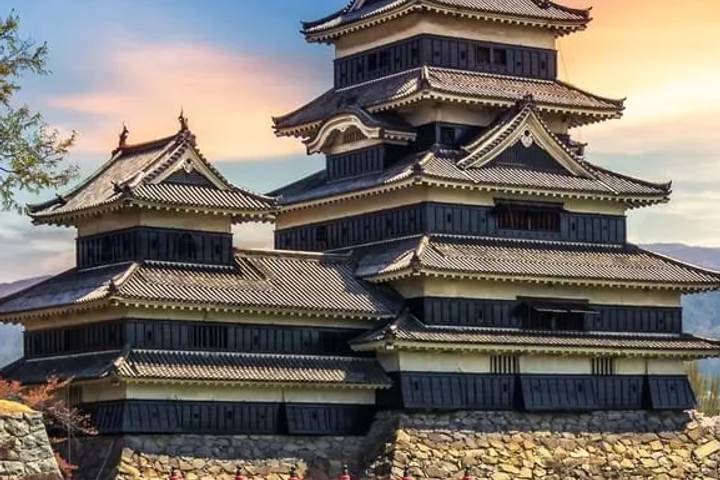
A three-hour express train ride brings you to Matsumoto, where the black-walled castle is known as Crow Castle. Inside, original wooden rooms and steep stairways give the visit a more immediate feel than a museum display. The castle’s hidden floor, moon-viewing pavilion and defensive features help explain how it worked as a stronghold. The stairs are very steep, so you can choose how many levels to climb.
The next day brings the Jigokudani snow monkeys. A mostly flat, 30-minute forest walk, with some steep stairs and narrow sections, leads to the hot spring area where Japanese macaques gather. You typically spend about half an hour watching them. They can be seen year-round, but sightings are less dependable in October and November, when forest food is plentiful. As with any wild animal, there is no guarantee they will be at the pool.
Nagano’s Zenkoji Temple is a spiritual high point. The group stays in a simple temple lodging, with tatami mats, futons, paper walls and shared same-sex bathing facilities and toilets. It is a modest stay, not a cushy hotel night, and that is part of the appeal: you experience a pilgrim-style setting before joining the monks’ early morning prayers and receiving a blessing.
Some listed departures substitute a comfortable hotel for the temple lodging, while still visiting Zenkoji for the morning ceremony. Check the accommodation for your exact date if the overnight stay is a main reason you are booking.
Kanazawa gardens and Takayama sake
After prayers, you travel to Kanazawa, once home to the powerful Maeda samurai clan. The first afternoon takes in the old samurai district, where narrow lanes and earthen walls offer a sense of the city’s feudal past. Nomura Samurai House is an optional visit, not part of the included program.
A free day gives you room to see why Kanazawa earns its place on this route. Omicho Market is a good stop for seafood and chirashi-zushi, a bowl of rice topped with sushi ingredients. The Higashi Chaya and Kazuemachi Chaya districts preserve traditional teahouse architecture, while Kenrokuen is one of Japan’s best-known landscaped gardens. Give the garden time; it is more than a quick photo stop, with carefully composed ponds, stones and plantings.
Takayama brings another change of scale. In the old Sanmachi Suji district, dark wooden merchant houses recall a town shaped by skilled carpenters and trade. The included sake brewery visit offers a taste of a local craft linked to the region’s mountain water and cold winters. If you have time, Hida No Sato is an open-air collection of Edo-period thatched houses; Hida beef is a local dinner specialty.
Accommodation details deserve a quick check here. The tour’s general inclusions describe a simple ryokan stay, while the named hotel list gives Tokyu Stay Hida Takayama. Lodging can vary, so confirm what applies to your departure rather than booking on the assumption of a particular style of night.
Hiroshima’s difficult history and Miyajima’s quiet paths
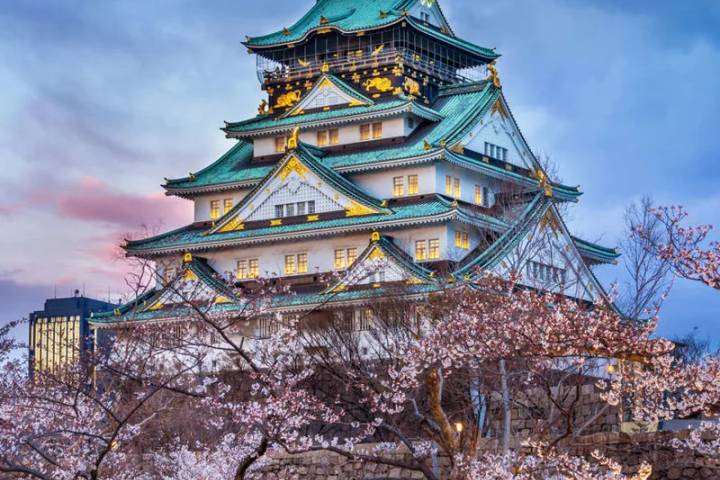
The journey from Takayama to Hiroshima is a substantial travel day, using a scenic train to Nagoya and then the shinkansen. The bullet train covers the roughly 400-kilometre stretch to Hiroshima in about two and a half hours, reaching speeds up to 300 kilometres per hour. Luggage is forwarded ahead on some legs, so you travel with a day bag.
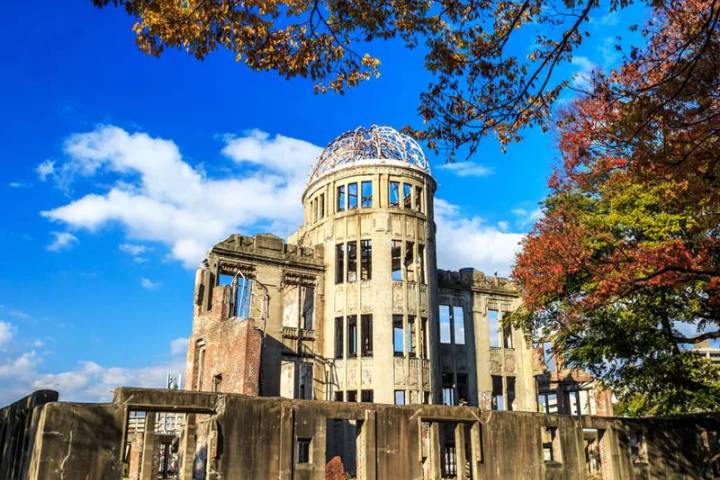
Hiroshima’s Peace Memorial Park and museum are among the most important stops on the route. The museum can be emotionally demanding, but it gives essential context to the city’s destruction by the atomic bomb on August 6, 1945, and its message of peace. Leave space in your day to take in the memorials at your own pace. For dinner, try Hiroshima-style okonomiyaki, a savoury pancake whose ingredients are layered rather than mixed.
The following day, a local train and ferry take you to Miyajima Island. Its red torii gate appears to float at high tide, and deer wander through the island’s streets. Daisho-in Temple is included, while the UNESCO-listed Itsukushima Shrine is an optional visit. You can also hike Mount Misen, a two- to two-and-a-half-hour walk, or use the cable car for part of the climb. The upper station still requires a 20- to 30-minute walk to the observatory.
Miyajima balances the intensity of Hiroshima with open air and time to wander. If hiking is not your plan, you still have plenty to see around the temples and shore. You return to Hiroshima for the night rather than staying on the island.
A completely different kind of day out:
- Mt Fuji and Hakone 1-Day Bus Tour Return by Bullet Train
★ 5.0 · 26,383 reviews - TOKYO SKYTREE® Ticket
★ 4.7 · 25,136 reviews - teamLab Borderless Tickets: MORI Building DIGITAL ART MUSEUM
★ 4.7 · 24,126 reviews - teamLab Planets TOKYO Ticket
★ 4.7 · 21,663 reviews
Kyoto’s castle, tea and bamboo paths
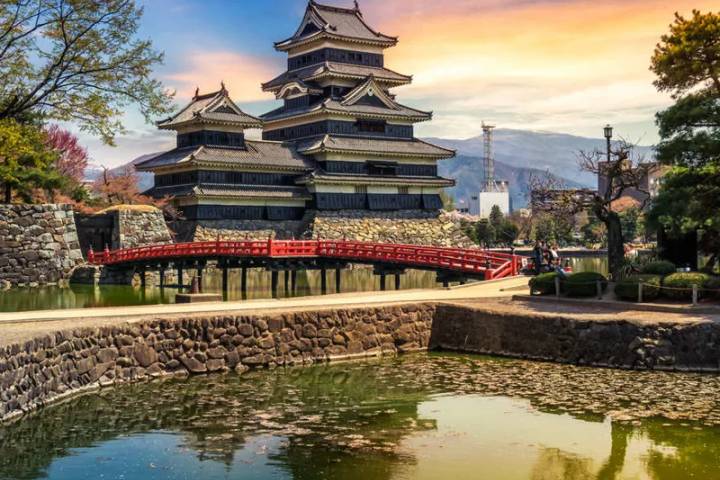
A morning shinkansen takes you to Kyoto, where the first included visit is Nijo Castle. Built in 1603 as a shogun’s palace, it is known for its grand rooms and nightingale floors, designed to chirp underfoot as a warning against intruders. The gardens are carefully laid out, too. It is a strong introduction to the power and formality of the shogun’s world.
The next morning includes a private tea ceremony, with instruction in preparing matcha. After that, the day is yours. Fushimi Inari’s thousands of red torii gates are best tackled early, while Nishiki Market gives you a chance to sample foods such as octopus stuffed with quail egg, eel and matcha ice cream. The Philosopher’s Path, Silver Pavilion, Eikando and Nanzenji make a rewarding garden-and-temple day, but you will need to choose. Kyoto has far more to see than one free afternoon can hold.
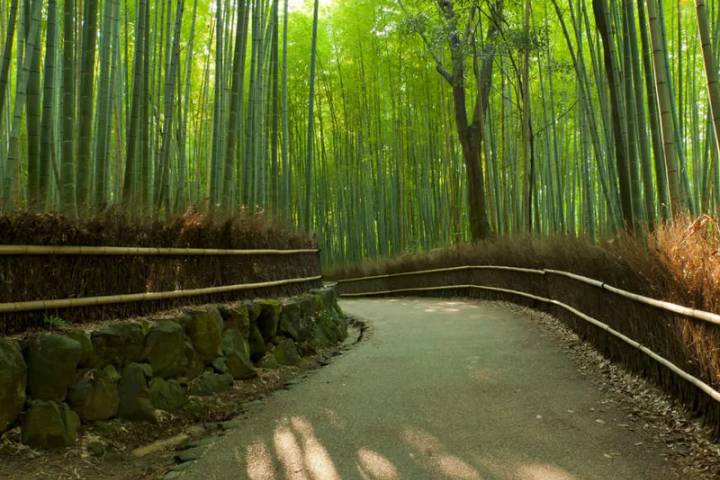
Arashiyama, on the city’s western edge, is a guided day trip. You visit Tenryu-ji, a Zen temple with a garden, then walk through the bamboo grove and across to Togetsukyo Bridge. The area is especially popular in cherry blossom and autumn-color seasons, so the planned early start is practical. After lunch, you can return to Kyoto or stay longer to browse craft shops, sample local sweets or explore the quieter Sagano area. A bike rental is another option if you want to see more of the countryside.
The tour ends after breakfast on day 14. Kyoto deserves extra time if you can spare it: several people on previous departures have found the city too rewarding to squeeze into the scheduled visits alone. Extra nights can be arranged, but check the hotel arrangements when booking.
What the price covers, and what it does not
The advertised starting price is $5,120. It includes accommodation, listed activities, transport shown in the program, a tour leader and 13 breakfasts. International flights, travel insurance, lunches, dinners, personal spending, tips and visa costs are not included. Eating independently is part of the approach, so you can choose local restaurants rather than being tied to hotel meals.
For a two-week trip across Japan, the value lies in the route and the logistics. Trains, ferries and city transport are stitched together for you, while a Suica card is provided for included sightseeing journeys. The group size is 7 to 16, large enough to share the experience but small enough for a tour leader to help with practical questions.
Tour leaders are coordinators as well as interpreters of daily life, and you should not expect a separate specialist guide at each cultural site. Leaders named on past departures include Raya, Raul, Santi, Doni and Sam; who leads your trip will depend on the date. Past comments especially praised leaders who handled transport clearly, answered questions and offered food and free-time advice. That support matters in a country where metro systems can feel daunting at first.
Is Simply Japan the right fit?
I would choose this tour if you want a broad first visit, like traveling by rail and are comfortable with full days of walking. The route gives you both headline sights and meaningful rituals, from the Tokyo fire service to Zenkoji’s morning prayers, alongside Hiroshima’s memorial sites and the deer and shrines of Miyajima.
It is less suitable if you want slow mornings, extensive free time in Tokyo or Kyoto, or private bathrooms every night. The trip is rated medium intensity, is open to ages 16 and up, and includes simple communal temple accommodation on some departures. If those conditions suit you, the mix of city life, mountain towns, sacred spaces and history makes the price easier to justify. If not, consider a shorter route or add nights in Tokyo and Kyoto to make the pace your own.
FAQ
How long is the Simply Japan tour?
It lasts 14 days, starting in Tokyo and ending in Kyoto.
How large is the group?
Group size is listed as 7 to 16 people. The tour is open to ages 16 and over.
Is the tour fully guided?
Yes. An English-speaking tour leader accompanies the group and handles logistics, safety and briefings. The tour information says there is not a separate guide at each cultural site.
What accommodation is included?
The trip includes standard hotels and a simple Buddhist temple lodging. Accommodation can vary by departure; some dates use a hotel instead of the Nagano temple lodging. Confirm the details for your chosen date.
Are meals included?
Thirteen breakfasts are included. Lunches and dinners are not, giving you a chance to choose local restaurants.
Is the snow monkey sighting guaranteed?
No. The macaques are wild, so sightings cannot be guaranteed. They visit the hot spring throughout the year, but are less likely to gather there in October and November.
Are airport transfers included?
A complimentary arrival transfer is available if you arrive on day one at Haneda or Narita and provide your international flight information. At the end, the tour finishes in Kyoto, with Kansai International Airport about 90 minutes away by train and Osaka International Airport about an hour away by shuttle bus.
Can I book a single room?
Single-room options are available, with an additional cost that varies by departure date. Ask for the supplement and availability for your chosen date.
Just added in Tokyo
- Japan: Tokyo Nights & Kyoto Temples★ 4.7 · 20 reviews
- Japan: Land of the Rising Sun★ 4.7 · 122 reviews
- Japan Classic 14 Day – One Life Adventures★ 4.9 · 1,003 reviews
- A Classic 11 Day Japan Holiday★ 4.8 · 32 reviews
- 5 Day All Inclusive Japan Classics(Private Guide and Driver)Family Tour Customizable★ 5.0 · 4 reviews
- 13-Day Japan Tour: Tokyo, Mount Fuji, Kyoto, Nara, Osaka & Beyond★ 4.5 · 207 reviews
- Tokyo to Osaka Shinkansen Tickets & Schedule★ 4.9 · 8,499 reviews
- TV Anime “The Apothecary Diaries” x TOKYO CITY VIEW★ 4.8 · 49 reviews
Multi-Day Tours, compared.
9D Splendid Japan-Private 3 Star Hotels-Osaka to Tokyo
Read our review →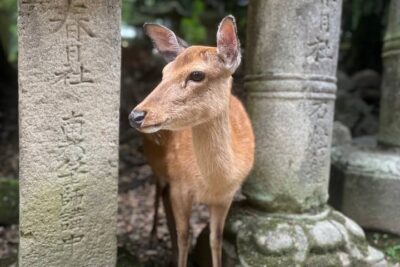
13-Day Japan Tour: Tokyo, Mount Fuji, Kyoto, Nara, Osaka & Beyond
Read our review →
5 Day All Inclusive Japan Classics(Private Guide and Driver)Family Tour Customizable
Read our review →Browse the lists this tour appears in