
Reviewed · MULTI-DAY TOURS THAT VISIT KAMAKURA
Essential Japan and Hakone 8-Day Tour by Europamundo: Itinerary & Reviews
In eight days, this tour takes you from Tokyo’s city streets to a hot spring bath near Mount Fuji, then on to Kyoto’s temples and Osaka’s food districts. It packs in a remarkable range of Japan, including a boat ride on Lake Kawaguchiko and a visit to the Great Buddha at Kamakura.
I like two things in particular: the route mixes famous sights with quieter stops such as Hokoku-ji’s bamboo grove, and the included transport and admissions make a complicated first visit easier to manage. The night in a traditional inn near Fuji, with dinner and onsen access, adds a welcome change from city hotels.
The trade-off is a brisk schedule. Long coach rides, early departures and plenty of walking leave limited time to linger, while groups can reach 72 people and guide teams may change. I would not choose it if you want a slow, independent visit to Japan.
- A big first visit in eight days: Tokyo, Kamakura, Mount Fuji, Kyoto, Nara and Osaka are all on the route.
- Fuji country with a hot spring stay: Owakudani, Oshino Hakkai, a Lake Kawaguchiko boat ride and the Fifth Station are planned, weather permitting.
- Admission costs are partly covered: Major stops include Tokyo Skytree, Odawara Castle, Kinkakuji and Todaiji Temple.
- Meals are selective, not all-inclusive: Breakfast is included, plus two dinners and one lunch.
- Expect a coach-tour rhythm: The group can range from 2 to 72, and changing guides or coaches may affect the feel of the trip.
- Walking can add up: Although the physical rating is low, one account describes days topping 20,000 steps, including stairs.
In This Review
- Tokyo’s temples, towers and evening streets
- Kamakura’s Buddha and a night in Odawara
- Owakudani, Lake Kawaguchiko and Mount Fuji
- A restored village, waterfalls and the long ride to Kyoto
- Kyoto’s garden temples and famous gates
- Nara’s Great Buddha and Osaka after dark
- What the price covers, and what it does not
- Group size, walking and guide changes
- Who should book this Japan route?
- FAQ
- Where does the tour start and end?
- How long is the tour?
- Which places does the tour visit?
- Are meals included?
- Is the Mount Fuji Fifth Station visit guaranteed?
- What kind of accommodation is provided?
- Is the tour conducted in English?
- How much walking should I expect?
Tokyo’s temples, towers and evening streets
Your first day is deliberately light. After customs, a shared shuttle takes you to the hotel, then you have time to rest and find your bearings. Tour details arrive later, so keep the afternoon flexible rather than planning a distant activity.
The next day brings a guided city tour of about seven hours. At Zojoji Temple, you get a clear view of Tokyo Tower and see rows of Jizo statues, guardians of children, dressed in knitted hats and bibs. It is a calm start before the scale and pace of the city take over.
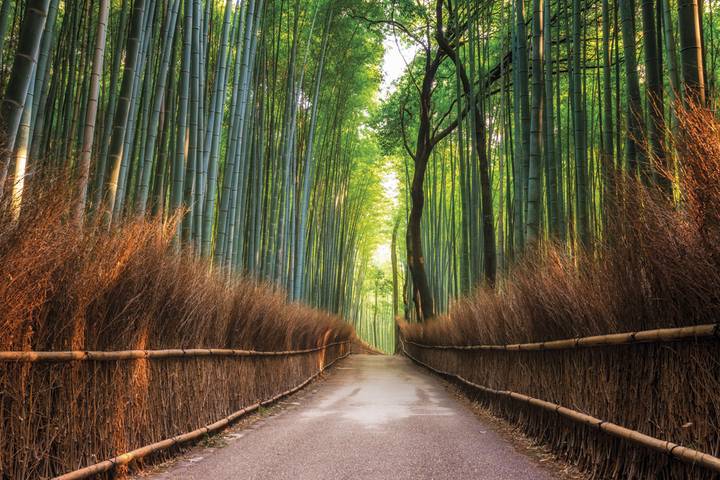
You see Shibuya Crossing from the bus, rather than stopping to cross it on foot, then visit Meiji Shrine. The contrast is useful: Tokyo’s crowded streets give way to wooded shrine grounds, where the city feels far away. Tokyo Skytree’s Tembo Deck, 350 meters above the ground, adds a sweeping view, with admission included. Bad weather or other exceptional conditions can limit access, in which case an alternative viewpoint is offered.
Asakusa’s Nakamise Street gives you time among temple-side shops and traditional snacks. On the return, the coach passes Akihabara and Ginza, but these are not described as full stops, so do not count on time to explore them. In the evening, you take the subway with your guide to Shinjuku for a walk and an included dinner. That guided subway outing is a practical introduction to Tokyo’s transit system, and a useful way to get beyond the hotel area on your first full day.
Kamakura’s Buddha and a night in Odawara
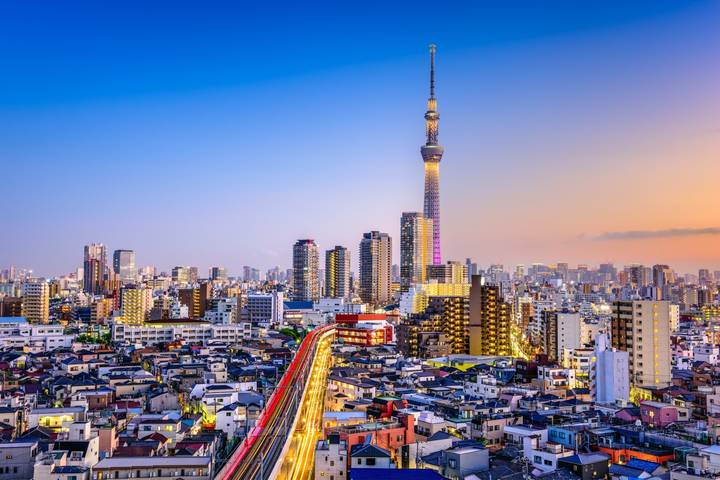
On Day 3, you leave Tokyo for Kamakura, once Japan’s capital for two centuries. The first visit is Hokoku-ji, where a bamboo grove and a cup of green tea offer a quieter start than the major city sights. Admission is included, as it is for the Great Buddha, the large bronze Daibutsu.
The route follows the Pacific coast to Enoshima, a small island linked to the mainland by a bridge. You have free time to walk and find lunch, which gives the day a little breathing room and lets you choose your own meal. Later, Odawara Castle provides a history stop before the overnight stay. The castle was restored in the 20th century, so think of it as a carefully rebuilt fortress rather than an untouched medieval structure.
This is a satisfying day because it breaks up the city-to-city sequence with temples, coastline and a castle. Still, your time at Enoshima is limited by the day’s onward drive, so choose a simple lunch plan and make the most of the walk.
A few more options to weigh up in Tokyo
- Tokyo Disney Resort – Tokyo Disneyland & Tokyo DisneySea Park Tickets
★ 4.8 · 99,488 reviews - SHIBUYA SKY Ticket
★ 4.7 · 46,509 reviews - JR Whole Japan Rail Pass
★ 4.8 · 29,150 reviews
Owakudani, Lake Kawaguchiko and Mount Fuji
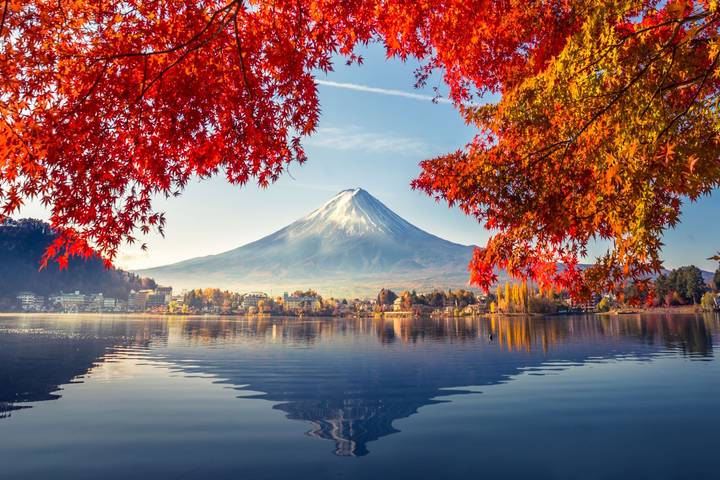
Day 4 is the tour’s most varied nature day. Owakudani is a volcanic area known for steam vents, bubbling mud and sulfurous gases. Access can close when volcanic activity or gas levels make it unsafe; if so, the planned alternative is Kitaguchi Hongu Fuji Sengen Shrine.
At Oshino Hakkai, you visit a village with eight ponds and views of Mount Fuji. Then comes a boat ride on Lake Kawaguchiko, followed by the drive up to Mount Fuji’s Fifth Station at 2,305 meters. The elevation and weather can change the experience, and in winter the road may be closed or shortened. Fuji views are never guaranteed, so treat clear skies as luck rather than a promise.
You stay near Kawaguchiko at a ryokan-style property, with dinner and access to an onsen, or public hot spring bath. Room styles may vary: some are Japanese-style with tatami, others Western-style, and the accommodation can occasionally be replaced by a Western-style hotel. One particularly positive account describes a traditional room, a relaxing bath and excellent Fuji views, but conditions and room assignments vary. Pack a small overnight bag if you prefer not to rummage through your main case after the drive.
A restored village, waterfalls and the long ride to Kyoto
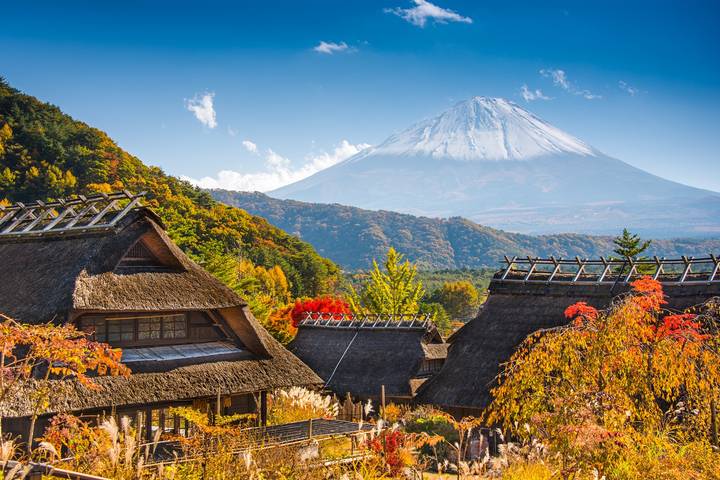
The next morning, Iyashi no Sato Nenba offers a look at traditional houses restored after the village was destroyed by a typhoon in 1966. The buildings now serve as shops, restaurants and cultural spaces. It is a more intimate stop than the major temples, with time to browse crafts and see how the village has been reimagined.
Shiraito Falls brings a brief nature stop, with water dropping about 20 meters. Then the coach continues to Nagoya for the Toyota Museum before the long onward ride to Kyoto. The museum adds variety, especially if cars and industrial design interest you, but this is also one of the more transit-heavy days. It is worth bringing a book, headphones or something else to make the coach hours comfortable.
Kyoto’s garden temples and famous gates
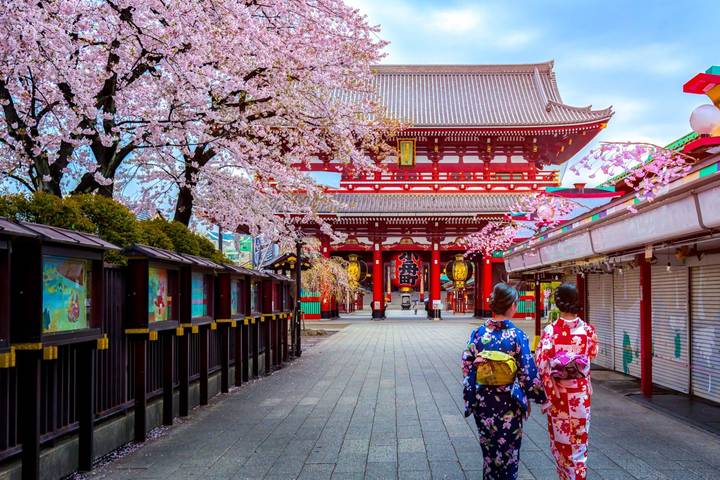
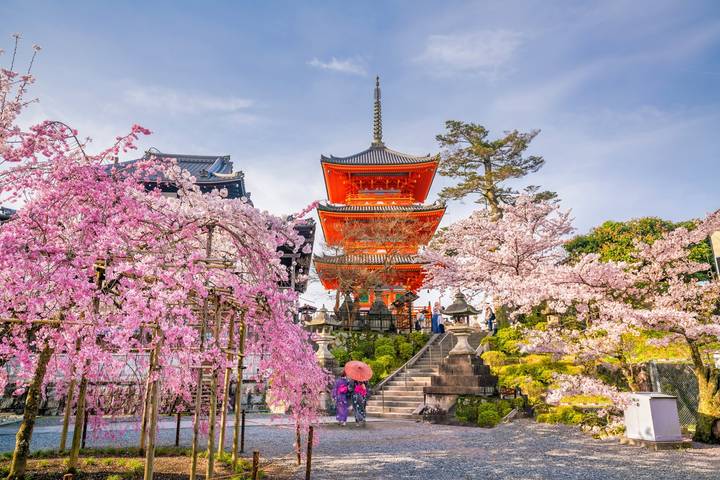
Day 6 is devoted to Kyoto, with visits to Arashiyama, Tenryu-ji, the bamboo grove, Kinkakuji, Fushimi Inari and the Imperial Palace. The order can vary. Arashiyama’s Togetsukyo Bridge gives you a view of the surrounding hills, while Tenryu-ji’s Zen garden is arranged around a pond with rocks, pines and maples. The nearby bamboo grove is memorable, though the schedule may not leave much time to wander at your own pace.
Kinkakuji, the Golden Pavilion, is among Kyoto’s most recognizable sights. Fushimi Inari is known for its rows of red shrine gates, while the Imperial Palace adds a different kind of landmark to the day. Seeing these places with transport arranged is convenient, but expect a series of high-profile stops rather than an unhurried exploration of each neighborhood.
After the guided visits, you can spend free time in Gion. This is your chance to slow down, walk the traditional streets and choose dinner independently. The tour includes an evening transfer to the neighborhood, which saves you from figuring out the route on your own. Keep your return instructions clear, since the coach-tour schedule can involve fixed meeting times.
A completely different kind of day out:
- Mt Fuji and Hakone 1-Day Bus Tour Return by Bullet Train
★ 5.0 · 26,383 reviews - TOKYO SKYTREE® Ticket
★ 4.7 · 25,136 reviews - teamLab Borderless Tickets: MORI Building DIGITAL ART MUSEUM
★ 4.7 · 24,126 reviews - teamLab Planets TOKYO Ticket
★ 4.7 · 21,663 reviews
Nara’s Great Buddha and Osaka after dark

On Day 7, the route heads to Nara for Todaiji Temple and its Great Buddha, then continues through Nara Park, where deer roam freely among visitors. The scale of the temple and Buddha makes this one of the trip’s most memorable cultural visits. Keep snacks put away around the deer and follow local guidance; the animals are accustomed to people, but they remain animals.
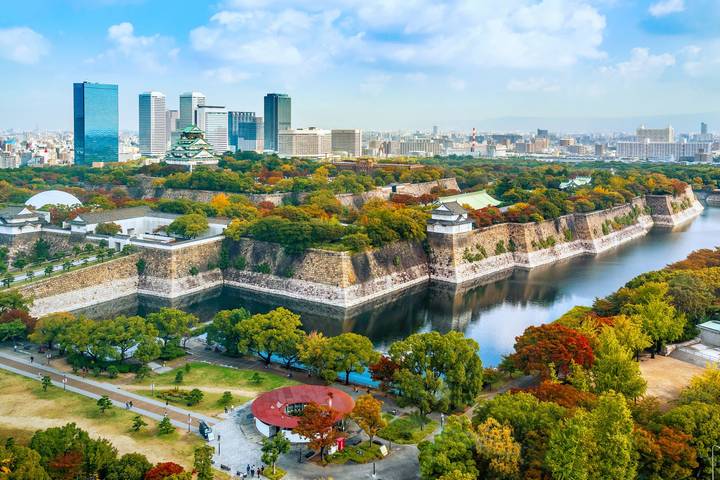
The group then travels to Osaka for a panoramic look at Dotonbori and free time for lunch. This is a good place to choose your own meal, though the schedule will shape how long you can browse. Osaka Castle follows, then the Umeda area and a view of the Umeda Sky Building. The building visit is described as optional, so confirm what is included in your departure’s schedule before counting on going up.
The final night is in Osaka, with breakfast on Day 8 before the tour ends. Flights home are not included, so allow enough time to reach the airport after checkout.
What the price covers, and what it does not
At a starting price of $2,560, value depends on what you want handled for you. The package includes the arrival shuttle, hotels, breakfast, selected admissions, guided city tours in Tokyo and Kyoto, transport between stops, basic travel insurance, two dinners and one lunch. Flights before and after the tour are extra, as are most lunches and dinners.
The hotel standard is described as four-star, but that does not mean luxury or identical rooms. Properties are selected for quality, price and location, often with public transport nearby rather than a central address. Rooms have a private bathroom and television, while room size, beds and facilities can differ. One account praised the Fuji-area stay and found the Kyoto hotel hectic at busy check-in and breakfast times. Another noted that a later Osaka hotel room felt cramped. These are useful reminders to pack compactly and keep expectations flexible.
Food scores lower than the tour’s itinerary and transport in its published category ratings. The included meals are limited, which leaves you room to try local places on your own, but one Tokyo hot-pot dinner drew criticism for slow service and queues at the food stations. If meals are a major part of your trip, budget for independent meals and do not expect every included dinner to be a highlight.
The price also buys structure. Japan’s rail and city transport can be straightforward, but moving between several regions, timed admissions and hotel changes takes planning. Here, the coach handles the long distances and the guide coordinates major stops. The cost is less attractive if you prefer to stay several nights in one place or want control over how long you spend at each sight.
Group size, walking and guide changes
This is a fully guided group tour, but group size can range from 2 to 72. A full coach can make boarding and regrouping slower, and guide or coach changes may happen every few days. That arrangement can bring different local expertise, but it can also make it harder to build a relationship with one guide or a steady group.
English is offered, though tours may be bilingual, usually English and Spanish. Some departures use two guides, one for each language; others may use one guide explaining in both. Guides named in positive feedback include Akane, David, Vanessa and Ken, while other comments describe uneven English commentary and communication. If clear English guidance is important to you, ask how the language arrangement works for your departure.
The tour is rated low intensity, but that should not be read as minimal walking. One account describes several days above 20,000 steps, including stairs, and notes that some older group members struggled with the longer walks. The coach reduces the need to navigate between regions, not the walking at temples, gardens and city stops. Comfortable walking shoes and a willingness to keep moving matter more than the rating suggests.
Who should book this Japan route?
I would choose this tour if you have one week, want a first overview of Japan and value having transport, admissions and major logistics arranged. It gives you a strong sweep of the country’s best-known sights, with a few quieter stops to balance the big-name cities. Families and solo travelers are welcome, but long coach rides, early starts and the possibility of a large mixed-age group may not suit every family.
I would look elsewhere if you want slow mornings, small groups, a fixed guide, or several open days for personal interests. You will see a lot, but you will also move on before every place has had time to sink in. Book it for breadth and convenience, not for deep time in any single city.
FAQ
Where does the tour start and end?
It starts in Tokyo and ends in Osaka. An arrival transfer to the hotel in Tokyo is included, but flights are not.
How long is the tour?
The trip lasts eight days, with seven nights on the route and departure after breakfast on Day 8.
Which places does the tour visit?
The route includes Tokyo, Kamakura, Enoshima, Odawara, the Hakone and Mount Fuji area, Kawaguchiko, Iyashi no Sato Nenba, Shiraito Falls, Nagoya, Kyoto, Nara and Osaka.
Are meals included?
Breakfast is included at the hotels, along with two dinners and one lunch. Other meals are not specified as included.
Is the Mount Fuji Fifth Station visit guaranteed?
No. Winter snow and other weather conditions can close the road or limit how far the coach can go. Owakudani can also close due to volcanic activity or gases, with a shrine visit planned as an alternative.
What kind of accommodation is provided?
The tour uses hotels described as four-star, with a ryokan-style stay near Kawaguchiko planned. Rooms and facilities vary, and the ryokan may have Japanese-style or Western-style rooms; occasionally, a Western-style hotel is used instead.
Is the tour conducted in English?
English-speaking guiding is offered in Tokyo, Kyoto and Osaka. Some departures may be bilingual in English and Spanish, and guides can change during the trip.
How much walking should I expect?
The tour is rated low intensity, but visits to temples, gardens and city areas involve walking and stairs. One account describes days exceeding 20,000 steps, so comfortable shoes are a sensible choice.
Just added in Tokyo
- Fish Market & Tokyo Skyline Private Walking Tour★ 5.0 · 14 reviews
- Mt. Fuji & Hakone Cherry Blossom private One Day Tour★ 4.5 · 35 reviews
- 25-Min Downtown Helicopter Tour : Tokyo Skytree and Tokyo Tower★ 5.0 · 19 reviews
- Private Tour with a Local Guide – Learn about daily life in Japan★ 5.0 · 22 reviews
- Tokyo: 3-Hour Bike/E-Bike Tour of the City’s Highlights★ 5.0 · 209 reviews
- Official Japan Go-Kart Through Tokyo Bay / Ginza (IDP Required)★ 4.5 · 71 reviews
- 30-Min Tokyo Central Private Heli Tour– Asakusa, Skytree, Shibuya★ 5.0 · 13 reviews
- Tokyo 2-Hour Genuine Samurai Experience: Kendo in Japan★ 5.0 · 112 reviews
Multi-Day Tours That Visit Kamakura, compared.


Tokyo to Osaka by Rail – Private Tour (14 Days) with Explore!
Read our review →
Highlights of Japan 13-Day Tour by Travel Chasers
Read our review →
Japanese Scenes and Mount Fuji 19-Day Tour by Europamundo
Read our review →
Discovering Kamakura and Mount Fuji by Europamundo – 2-Day Tour
Read our review →
Japanime: 7-Day Tour of Tokyo’s Anime Scene by The Dragon Trip
Read our review →
Essential Japan and Hakone end Tokyo by Europamundo – 11-Day Tour
Read our review →Browse the lists this tour appears in