
Reviewed · MULTI-DAY TOURS THAT VISIT TAKAYAMA
Highlights of Japan 13-Day Tour by Travel Chasers – Reviews & Prices
In 13 days, this tour takes you from Tokyo’s shrine-lined streets to thatched farmhouses in the Japanese Alps, with a bullet-train ride back to the capital. It covers a lot of ground, but mixes famous sights with hands-on stops such as a tea farm, a miso maker and an Iga Ninja demonstration.
I like the contrast between modern and traditional Japan, and the way the route links celebrated places such as Kyoto and Miyajima with quieter stops like Gujo Hachiman and Kurashiki. I also like that hotels, transport and a tour leader are included, which makes a multi-city trip simpler to manage.
The trade-off is pace. You change hotels often, spend substantial time on the coach and may walk for up to about three hours over a sightseeing day, with breaks. If you prefer slow mornings or long stays in one city, this trip may feel like a sampler rather than a deep visit.
- A broad route: Tokyo, Kamakura, Hakone, Osaka, Hiroshima, Kyoto, Takayama, Shirakawa-go and Kanazawa are among the stops.
- Everyday culture, not just monuments: Visit a green tea farm, a miso factory, a Toyota museum and a sake shop.
- A strong guide can make the trip: Jamie Seymour and Ken Simpson have led highly praised departures, though staff assignments vary.
- Transport is handled: The group travels by air-conditioned coach and takes the Shinkansen from Kanazawa to Tokyo.
- Meals are limited but useful: Breakfast is included daily, with three group dinners; most lunches and many dinners are on your own.
- Expect a full schedule: The tour is rated medium intensity, and group size can reach 40.
In This Review
- A fast, rewarding cross-section of Japan
- Tokyo sets the pace
- From Kamakura and Hakone to a tea farm
- Ninjas, sumo and Osaka’s food streets
- Hiroshima, Miyajima and a sobering history lesson
- Kyoto’s temples, gates and bamboo paths
- Castles, canals and an old mountain town
- Kanazawa and the fast train back
- What the pace and price mean in practice
- Should you book this Japan tour?
- FAQ
- What is included in the tour price?
- How much walking should I expect?
- Can I join if I use a cane?
- Are international flights included?
- Is travel insurance required?
- Can I request a vegetarian meal?
- Are optional excursions included?
A fast, rewarding cross-section of Japan
This is a guided group tour for someone who wants a first look at Japan without arranging every train, hotel and transfer alone. Over 13 days, you move from Tokyo’s immense city scale to old merchant districts, sacred sites, samurai homes and mountain villages. The range is the main attraction: few days feel alike.
It is also a greatest-hits route, with major landmarks and little time to linger. The schedule includes one-night stays in many cities, several sightseeing stops on travel days and a return to Tokyo at the end. You will see more places than you can absorb in depth. I’d treat it as an orientation trip, then note where you’d like to return.
The tour begins and ends in Tokyo. The listed price starts at $3,965, based on the cheapest room option, and includes 12 hotel nights, a tour leader, coach transport, the Shinkansen ride and the scheduled activities. International flights, travel insurance, optional excursions and most lunches are extra. That package can be good value if you want an organized route through several regions, but compare the total cost after adding meals, flights and paid activities.
Tokyo sets the pace
Day 1 is deliberately simple: check into the hotel from 3:00 PM, collect the tour information pack and meet the group over an included Japanese dinner at a local restaurant. It is a practical way to settle in and begin learning the group’s rhythm.
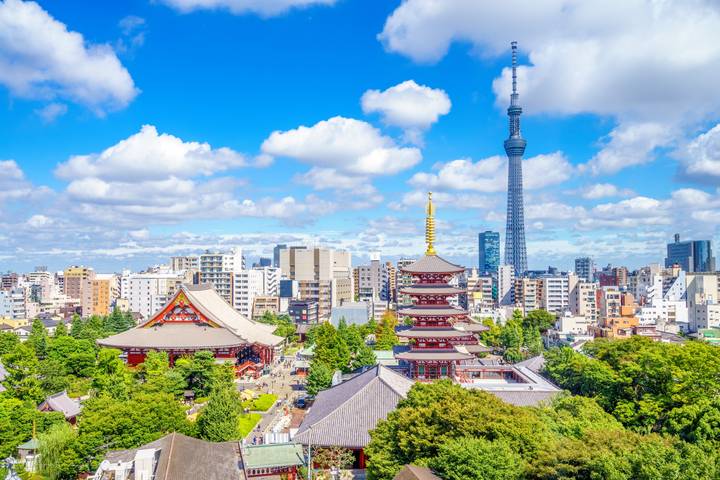
Day 2 brings a guided Tokyo tour, including Meiji Shrine and Senso-ji Temple. They offer a useful introduction to two different sides of the city: a major shrine setting and a historic Buddhist temple. Later, you have free time around Tsukiji Fish Market and Takeshita Street. Lunch and exploration are independent, so you can choose what interests you rather than follow a fixed group menu.
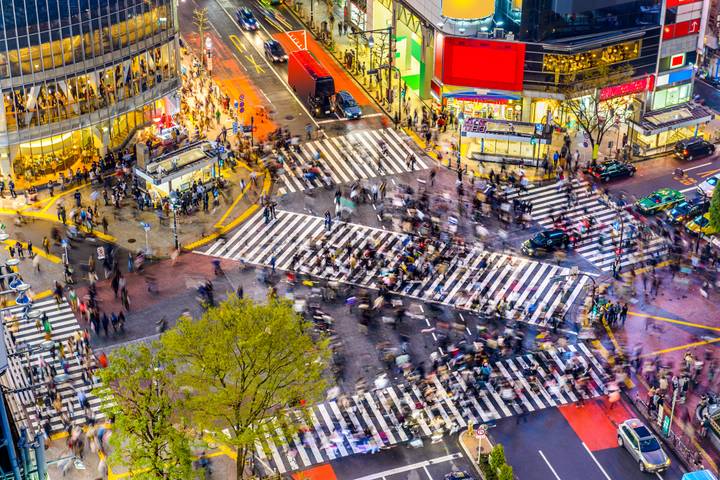
There is also an optional Tokyo+ evening, with Skytree Tower, dinner in Omoide Yokocho and a walk through Shinjuku. It costs extra, but can suit you if you want an organized first look at Tokyo after dark. If anime, manga or arcades are your priority, use free time in Tokyo for districts such as Akihabara, Shibuya or Harajuku. Those stops are not part of the scheduled tour.
A few more options to weigh up in Tokyo
- Tokyo Disney Resort – Tokyo Disneyland & Tokyo DisneySea Park Tickets
★ 4.8 · 99,488 reviews - SHIBUYA SKY Ticket
★ 4.7 · 46,509 reviews - JR Whole Japan Rail Pass
★ 4.8 · 29,150 reviews
From Kamakura and Hakone to a tea farm
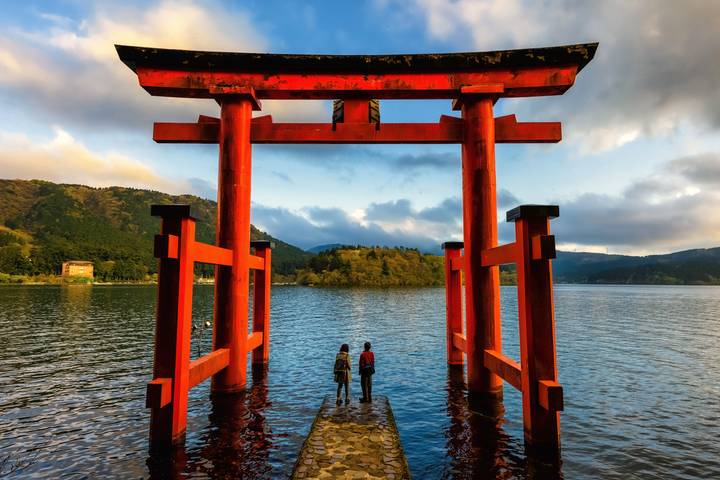
Day 3 packs Kamakura, Hakone and the drive to Shizuoka into one travel day. In Kamakura, the Great Buddha and Tsurugaoka Hachimangu Shrine provide a taste of Japan’s religious heritage in a coastal setting. At Hakone, the group visits the shrine by Lake Ashi and makes a Mount Fuji photo stop. There is free time for lunch and further exploration, followed by an unscheduled evening in Shizuoka.
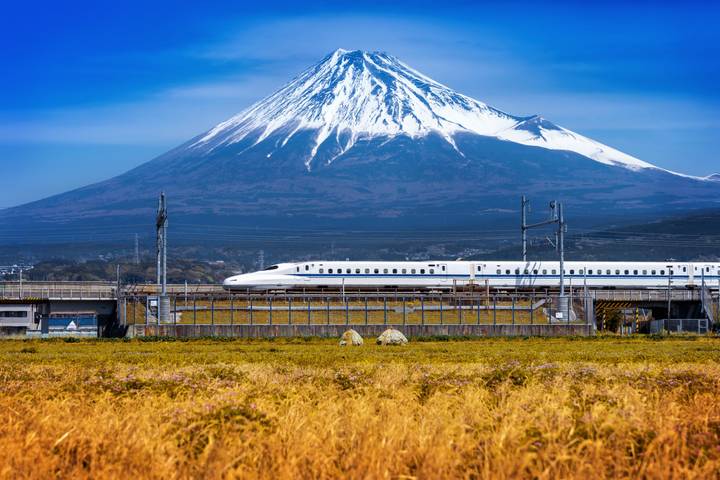
The appeal is variety; the cost is limited time at each stop. The Fuji view is a planned photo opportunity, not a full day in the area, so keep expectations aligned with a brief visit.
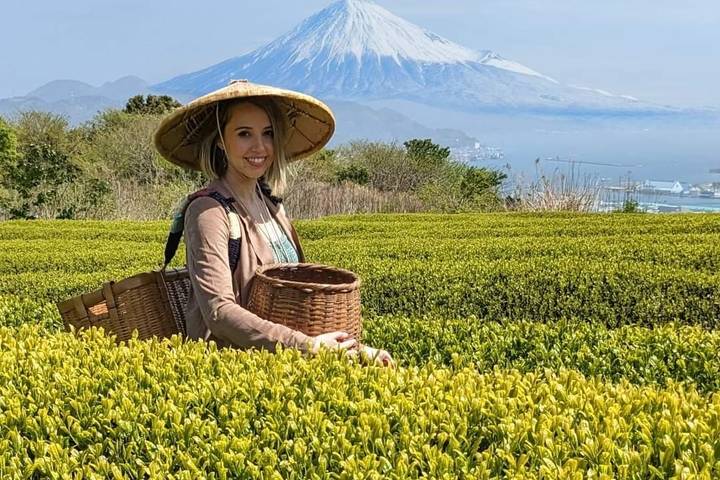
Day 4 adds a welcome change of subject. You visit a green tea farm in Makinohara, a miso factory and the Toyota Museum before reaching Iga. These stops explain how tea and miso are made and offer a look at vintage vehicles, rather than filling the day only with temples and scenery. The coach connects the stops, with lunch on your own. It is a long travel day, but the visits break it up.
Ninjas, sumo and Osaka’s food streets
In Iga, the Ninja Museum features a demonstration of ninja skills and weaponry. The schedule then calls for the Kehaya Sumo Museum, which introduces the history of sumo. The sumo visit depends on availability; if it is closed, the group visits Nara instead, where the tour information highlights temples and free-roaming deer. Ask about the plan for your departure if one stop matters especially to you.
Osaka brings an orientation tour and free time in Dotonbori, a handy place to sample street food at your own pace. There is an optional Wagyu dinner, paid separately. Osaka is known here through food and evening atmosphere rather than a long list of formal sights, which gives you some room to choose your own dinner and explore.
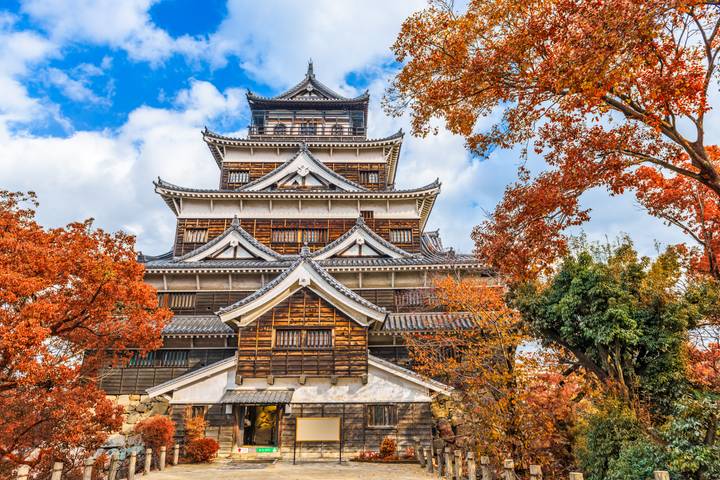
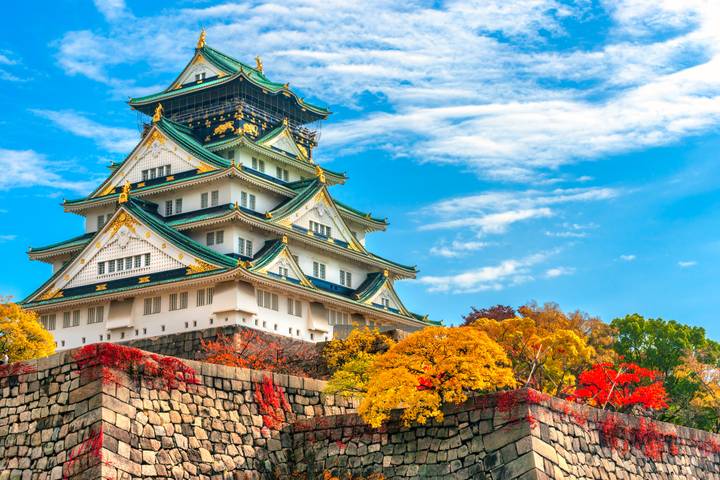
Day 6 is another coach day, with a stop at Himeji Castle on the route to Hiroshima. The castle dates to the 14th century and is valued for its architecture, hilltop views and preserved interior. You then continue to Hiroshima for two nights. Dinner is included, with okonomiyaki, a savory pancake associated with the city.
Hiroshima, Miyajima and a sobering history lesson
Day 7 balances a visit to the Peace Memorial Park and Museum with a trip to Miyajima Island and Itsukushima Shrine, famous for its floating torii gate. The group also crosses Kintaikyo Bridge, a historic bridge in Iwakuni. This is a full day, with time for lunch on your own; momiji manju, a local sweet, is a tempting regional specialty to look for.
The Peace Memorial Park and Museum give the tour a necessary change in tone. You’ll encounter the human cost of the 1945 atomic bombing and Hiroshima’s recovery. Allow yourself time to take in the exhibits rather than treating the museum as just another stop on a checklist. The evening is free, with Nagarekawa offered as an option for nightlife.
A completely different kind of day out:
- Mt Fuji and Hakone 1-Day Bus Tour Return by Bullet Train
★ 5.0 · 26,383 reviews - TOKYO SKYTREE® Ticket
★ 4.7 · 25,136 reviews - teamLab Borderless Tickets: MORI Building DIGITAL ART MUSEUM
★ 4.7 · 24,126 reviews - teamLab Planets TOKYO Ticket
★ 4.7 · 21,663 reviews
Kyoto’s temples, gates and bamboo paths
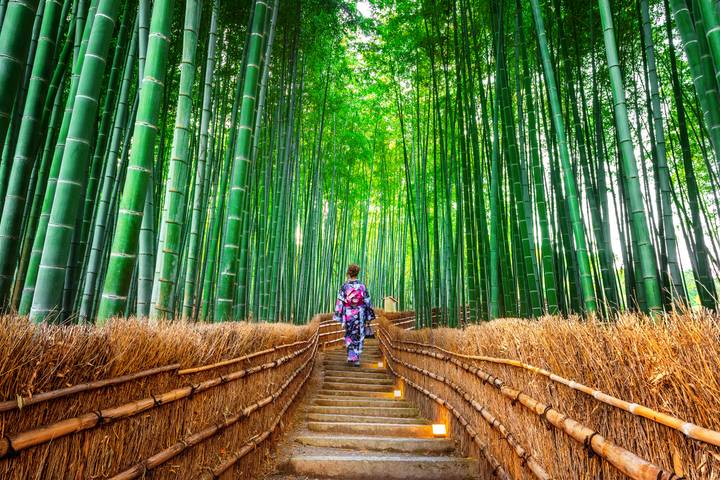
On Day 8, the route breaks at Kurashiki, where canals and old rice storehouses shape the historic center. You have free time to visit museums or take a punting boat, then continue to Kyoto. The day ends at the Arashiyama Bamboo Forest. The tall bamboo is striking, but the visit is a walk through a popular sight, not an extended nature outing.
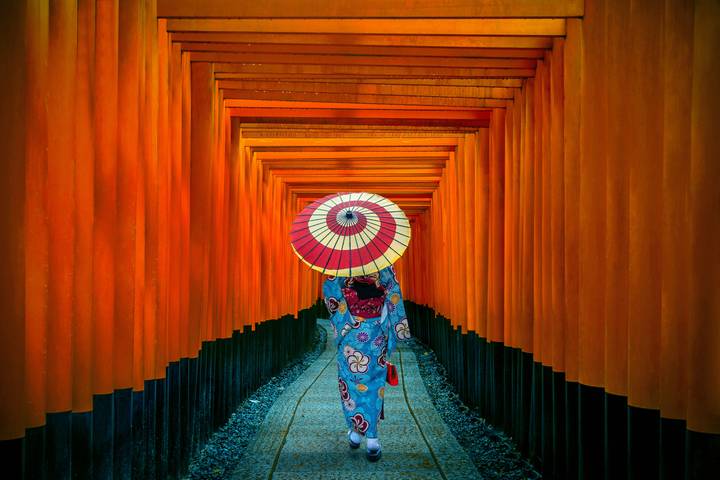
Day 9 focuses on Kyoto’s signature places: Fushimi Inari Taisha, Kiyomizu Temple and Kinkakuji, the Golden Pavilion. The rows of red torii gates at Fushimi Inari are a memorable setting; Kiyomizu Temple brings centuries of religious history; Kinkakuji’s gold-leaf-covered upper floors make it distinct from the day’s other stops. A paid evening excursion explores Gion’s traditional arts and culture.
Kyoto has far more temples and shrines than a single day can cover, so this schedule gives you an introduction, not a full survey. If you have a particular temple or neighborhood in mind, consider staying on after the tour. The listed program does not provide a free Kyoto day.
Castles, canals and an old mountain town
Day 10 starts in Hikone with Genkyuen Garden and Hikone Castle, then moves to Gujo Hachiman, a riverside town known for its waterways. You reach Takayama in the afternoon and walk through Sanmachi, a historic district associated with Edo-period merchants and artisans. The day ends with a sake tasting at a shop with sake vending machines, a playful detail after a succession of formal historic sites.
Takayama gets a fuller introduction the next morning. Takayama Jin’ya, once a government building, and the Gassho-Zukuri Minka-en Open Air Museum show how people lived and worked in earlier periods. At the museum, you can see traditional farmhouses with steep, thatched roofs, built for mountain conditions.
Then comes Shirakawa-go, a UNESCO World Heritage village in the Japanese Alps. The steep-roofed houses make this one of the route’s most distinctive stops. The group continues to Kanazawa and Kenrokuen Garden, where the changing seasons affect the garden’s appearance. A paid evening option offers temarizushi-making in a historic machiya townhouse.
Kanazawa and the fast train back
Day 12 begins in Kanazawa’s Nagamachi Samurai District. You walk the cobbled streets and visit a former samurai home, then board the Shinkansen to Tokyo. The train journey is included and can reach speeds of up to 320 kph. For many people, this is a highlight in its own right: a practical and memorable taste of Japan’s high-speed rail system.
The farewell dinner in Tokyo gives the group a final shared meal before the tour ends after breakfast on Day 13. If your flight is later, you can use the remaining time to explore, eat or take final photos. The tour’s endpoint is the Tokyo hotel, but transport to the airport is not included.
What the pace and price mean in practice
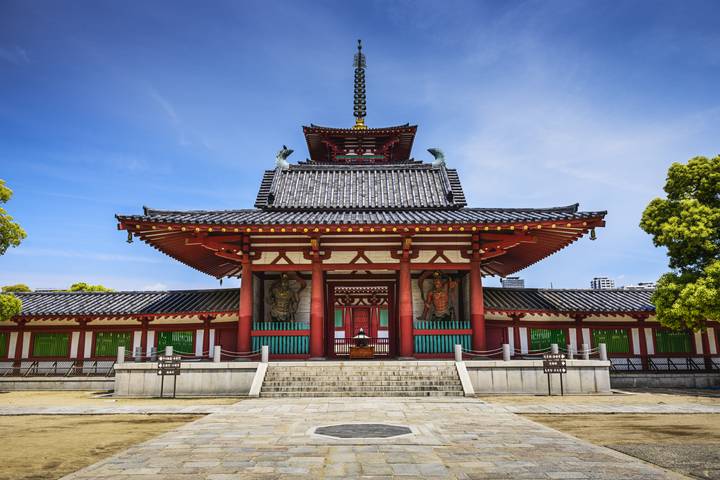
The package includes 12 nights in twin rooms with private bathrooms. Most hotels are described as three- or four-star standard, and a single room is available for an extra supplement, subject to availability. Past hotels have included Hotel Kazusaya in Tokyo and Hotel Mystays Premier Kanazawa, but the final list can change. You carry your own luggage between hotels and during transfers, so pack for frequent moves.
Meals include 12 breakfasts and three dinners. Vegetarian meals can be requested, but tell the operator about your needs in advance. Since many lunches and dinners are independent, you have flexibility to try local food, but should budget for those meals and for any optional excursions. Optional activities are generally paid in cash to the tour leader while on tour, and availability can vary.
The group can range from one to 40 people, with an English-speaking tour leader throughout. Past departures have been led by Jamie Seymour and Ken Simpson, both singled out for organization, practical recommendations and care for the group. Their assistants and coach drivers were also praised. Staff change between departures, however, and one traveler reported serious problems communicating with a guide. I’d confirm the language arrangements with the operator if clear spoken English is especially important to you.
The tour is rated medium intensity. Expect regular walking, with some sightseeing days involving up to about three hours of walking in total, breaks included. Surfaces may be uneven, with steps and busy areas. A cane is welcome, but consider whether you can manage the pace and your own luggage. The minimum age is 10, and children younger than that cannot join.
Should you book this Japan tour?
Book it if you want a guided first trip with a wide range of places, reliable coach logistics, hotel stays and a mix of famous sights and specific cultural stops. The strongest features are the varied route, the included transport and the chance to visit places such as Shirakawa-go, Miyajima and Takayama in one trip. Past tour leaders have earned especially strong praise, though no particular guide is guaranteed.
Think twice if you want long stays, plenty of unscheduled time or a quieter pace. The itinerary is busy, lunches are mostly independent and optional excursions add to the price. For a first visit, or for anyone who values coverage and organization over lingering, this is a practical way to get a broad taste of Japan.
FAQ
What is included in the tour price?
The tour includes 12 hotel nights in twin rooms with private bathrooms, 12 breakfasts, three dinners, an English-speaking tour leader, coach transport, a Shinkansen trip from Kanazawa to Tokyo and the scheduled activities. Flights, insurance, optional excursions and most other meals are not included.
How much walking should I expect?
The tour has a medium-intensity rating. Some sightseeing days can involve up to about three hours of walking in total, with breaks. Some places have uneven surfaces, steps or busy areas.
Can I join if I use a cane?
Travelers using a cane are welcome, but the daily pace and walking distances may be demanding. You are also responsible for carrying your own luggage between hotels and during transfers, so consider whether that will be manageable.
Are international flights included?
No. You book and pay for your own international flights, including travel to the Tokyo start point and from the Tokyo end point.
Is travel insurance required?
Yes. Adequate travel insurance, including medical cover, is a condition of joining the tour. The stated cover includes trip interruption and delay, medical expenses, quarantine expenses, and emergency evacuation or repatriation.
Can I request a vegetarian meal?
Yes. Vegetarian options are available on request. Tell the operator your preference before the tour.
Are optional excursions included?
No. Optional excursions are extra and are generally booked during the tour and paid in cash to the tour leader. Some activities may need to be booked in advance, and availability can change.
Just added in Tokyo
- Wonders Of Japan 10-Day Tour by Travel Talk★ 4.5 · 14 reviews
- Wonders of Japan end Tokyo GO 15-Day Tour by Europamundo★ 4.2 · 10 reviews
- Wonders of Japan end Tokyo 15-Day Tour by Europamundo★ 4.2 · 10 reviews
- Wonders of Japan End Osaka by Europamundo – 12-Day Tour★ 4.2 · 58 reviews
- Wonders of Japan End Osaka (including Fukuyama) 12-Day Tour by Europamundo★ 4.2 · 58 reviews
- Wonders of Japan End Osaka GO by Europamundo – 12-Day Tour★ 4.2 · 58 reviews
- Walk Japan – Kumano Kodo Trail 12-Day Tour by Explore!★ 4.7 · 20 reviews
- Visions of Japan with Hiroshima & Osaka 15-Day Tour by Globus★ 5.0 · 75 reviews
Multi-Day Tours That Visit Takayama, compared.



Tokyo to Osaka by Rail – Private Tour (14 Days) with Explore!
Read our review →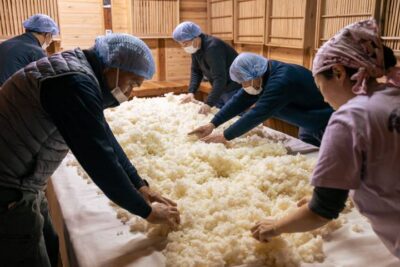
Japan: Land of the Rising Sun 12-Day Tour by Intrepid Travel
Read our review →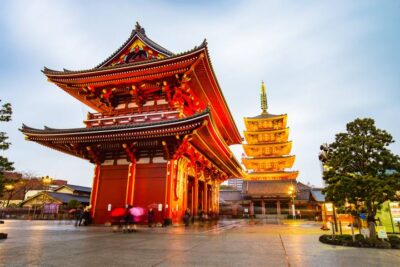
Stunning Japan with Shirakawa-go by Stunning Tours – 8-Day Osaka to Tokyo Tour
Read our review →
Visions of Japan with Hiroshima & Osaka 15-Day Tour by Globus
Read our review →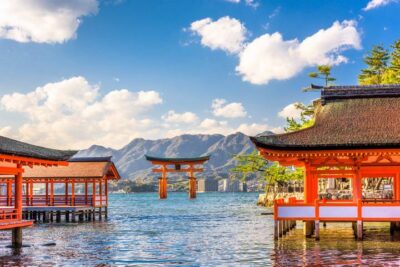
Best of Japan by Contiki – 13-Day Tokyo to Osaka Tour
Read our review →
14 Days Japan Panoramic (Private 3 Star Hotels) by Stunning Tours
Read our review →Browse the lists this tour appears in