
Reviewed · PRIVATE TOURS IN TOKYO
Freely set up plans Guided Private Tours in Tokyo
Tokyo is easier with a local at your side. This private tour lets you choose from four to ten hours and shape the day around temples, markets, gardens, shopping, or animal cafés. I like the freedom to change the plan and the practical help with Tokyo’s famously complex train system. The main catch is that admission fees are extra, and a full day can mean a serious amount of walking.
The strongest part is the human touch. Guides such as Kono, Yumi, Yoshio, Yumiko, and Yoshi have helped families, couples, and first-time visitors make sense of the city. Still, service can vary, and a few bookings had problems with guide assignment or cancellation, so confirm the meeting details carefully.
In This Review
- Key points to know before booking
- Why a private Tokyo guide can save your day
- Starting at Tsukiji Jogai Market
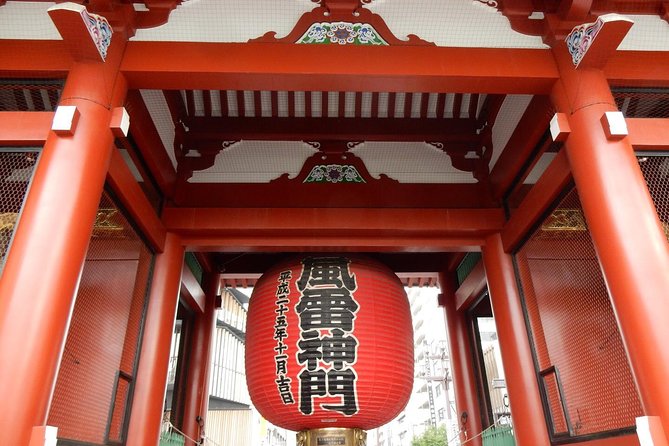
- Senso-ji and the atmosphere of Asakusa
- Tokyo Skytree for a high view
- Ueno Zoo for a longer family stop
- Shibuya Crossing in thirty minutes
- Meiji Jingu and Tokyo’s quieter side
- Tokyo Tower and the classic skyline
- Shinjuku Gyoen’s three garden styles
- Hamarikyu Gardens beside Tokyo Bay
- The Imperial Palace’s East Gardens and Edo Castle ruins
- Animal cafés, with an important ethical pause
- Public transportation is part of the experience
- Guide quality and the small risk of inconsistency
- How to build a sensible four, six, or ten-hour day
- What the $132.14 price really buys
- Should you book this private Tokyo tour?
- FAQ
- How long does the private Tokyo tour last?
- Where does the tour begin?
- Is transportation included?
- Are attraction admission fees included?
- Is this a group tour?
- Can I cancel for a full refund?
Key points to know before booking
- Choose your own Tokyo day: Select a four to ten-hour tour and request the sights that matter most to you.
- Meet in your hotel lobby: Pickup is offered at hotels within Tokyo’s 23 wards.
- Use the city like a local: Your English-speaking guide accompanies you on public transportation between sights.
- Mix famous sights with personal interests: Pair Tsukiji and Senso-ji with gardens, observation towers, animal cafés, or neighborhood walks.
- Plan for extra costs and walking: Entry tickets are not included, and Tokyo’s stations can involve many stairs and long corridors.
- A strong but not perfect record: The experience carries a 4.7 rating from 130 ratings, with 93 percent recommending it.
Why a private Tokyo guide can save your day
Tokyo is not difficult because the sights are hard to find. It is difficult because the city is huge, the rail network is dense, and every district has its own rhythm. A private guide gives you someone to connect the dots.
You are not locked into one fixed route. You can ask for the places you care about, then work with the guide to decide what fits your available time. A first visit might focus on Tsukiji, Asakusa, Shibuya, and Meiji Jingu. A family might prefer Ueno Zoo and an animal café. A repeat visitor could spend more time in gardens, markets, or the Imperial Palace area.
I especially like this format for a first day in Tokyo. A guide can show you how to use the trains, explain basic customs, suggest places for lunch, and help you understand what you are seeing. One visitor used the first day to learn about markets, trains, and useful places for the rest of the trip. That is the sort of practical help that keeps paying off after the tour ends.
The tour costs $132.14 per person. That is a fair price for a private guide if you are a small group and use the time well. The value is less convincing if you only want to be driven past landmarks or spend most of the day shopping on your own. You are paying for planning, interpretation, navigation, and flexibility, not just transportation.
More Private Tours in Tokyo
- Tokyo 6hr Private Tour with Government-Licensed Guide
★ 5.0 · 3,902 reviews - Private Tour to Mt. Fuji and Hakone (Fully Licenced Operator)
★ 5.0 · 1,910 reviews - Tokyo Customized Private Tour (Must See Places in 1 Day)
★ 5.0 · 1,499 reviews
Starting at Tsukiji Jogai Market
Tsukiji Jogai Market is a good opening stop because it introduces Tokyo through food. The outer market has wholesale and retail shops, traditional Japanese ingredients, prepared foods, and restaurants. You may find seafood, kitchen goods, snacks, and small places where lunch becomes part of the sightseeing.
Allow about one hour here. Your guide can explain what you are seeing and help you decide how much time to spend browsing or eating. Several successful days included a sushi lunch, and fresh tuna was a particular highlight for one group.
The market can be crowded, and one hour passes quickly. If food is your priority, tell the guide before the day begins. You may want to protect time for sushi rather than trying to squeeze in every other stop.
Senso-ji and the atmosphere of Asakusa

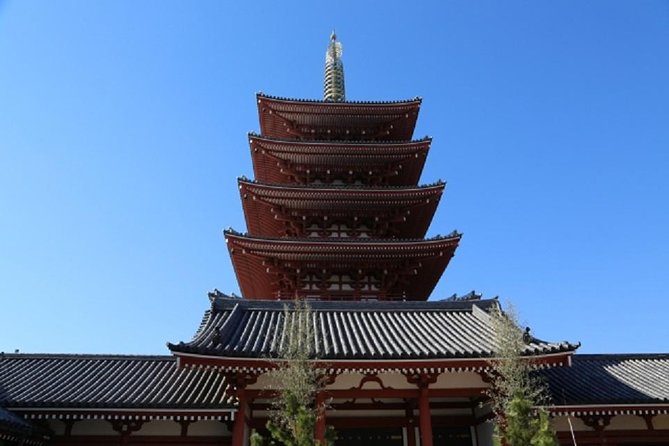
Senso-ji is one of Tokyo’s major sights, and it gives you a clear introduction to Buddhist temple architecture and local worship. The grounds include the five-story pagoda and Hozo-mon Gate, also called the Treasure-House Gate.
Plan on about one hour. This stop works well after Tsukiji because Asakusa feels different from the market district. Your guide can explain the buildings, customs, and proper behavior while you move through the temple grounds.
Senso-ji is popular, so do not expect a quiet private visit. The benefit of having a guide here is not solitude. It is context. You can ask questions as you go instead of simply taking pictures and moving on.
Tokyo Skytree for a high view
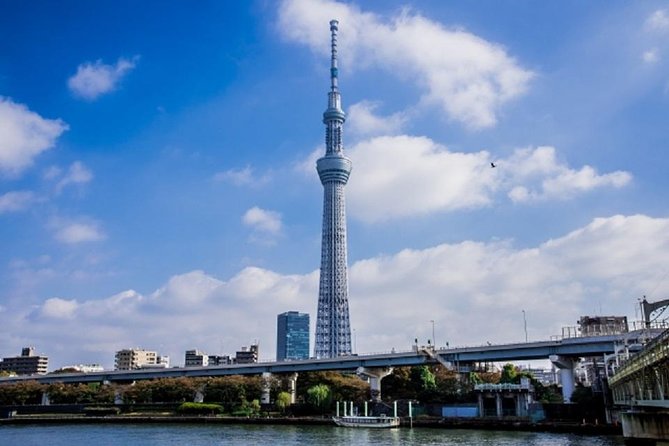
Tokyo Skytree reaches 634 meters and has observation areas at about 340 and 450 meters. Admission is not included, so you will need to pay separately if you want to go up.
The tower can fit well into a half-day plan, but it is not an automatic choice for a short tour. If you have only four hours, spending an hour at Skytree may mean giving up a temple, garden, or market. If wide city views are high on your list, it can be a worthwhile use of time.
Ask your guide how the tower fits with your other choices. The tour is designed around your priorities, and that means you should decide if you want time above the city or more time on the streets.
A completely different kind of day out:
- Tokyo Disney Resort – Tokyo Disneyland & Tokyo DisneySea Park Tickets
★ 4.8 · 99,488 reviews - SHIBUYA SKY Ticket
★ 4.7 · 46,509 reviews - JR Whole Japan Rail Pass
★ 4.8 · 29,150 reviews - Mt Fuji and Hakone 1-Day Bus Tour Return by Bullet Train
★ 5.0 · 26,383 reviews
Ueno Zoo for a longer family stop
Ueno Zoo opened in 1882 as Japan’s first zoo. It now houses about 400 species, including the Sumatran tiger. The suggested visit lasts about two and a half hours, making it one of the largest time commitments in the possible plan.
That longer visit can work well for families or anyone who wants a slower day. It does not pair easily with every major Tokyo landmark in a four or six-hour booking. If you choose Ueno Zoo, expect the guide to build the rest of the route around it.
Admission is extra for you and the guide. Be clear about that cost when you plan the day. A private guide can help you reach the zoo and explain the wider Ueno area, but the zoo itself is not part of the tour price.
Shibuya Crossing in thirty minutes
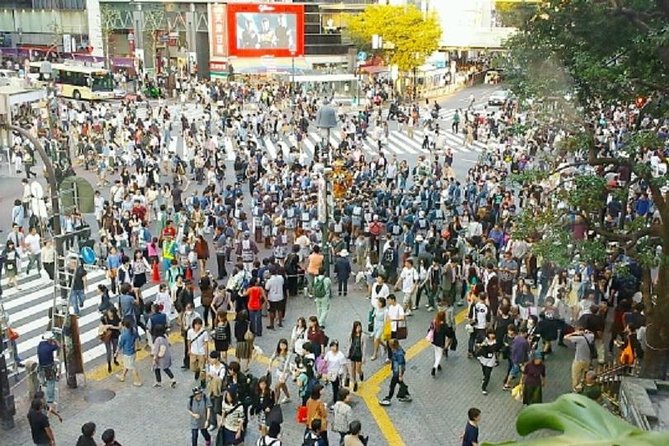
Shibuya Crossing is Tokyo’s famous scramble intersection. About 500,000 people use the crossing in a day, and as many as 3,000 can move through it during one green light.
The planned stop is about thirty minutes, which is sensible. You can watch the crossing, take photographs, and experience the sheer movement of the district without spending half the day there.
This is a quick urban stop, not a guided museum visit. It works best as part of a route that also includes Meiji Jingu, Harajuku, or another nearby interest. Your guide can help you avoid wasting time getting oriented in the station and surrounding streets.
Meiji Jingu and Tokyo’s quieter side
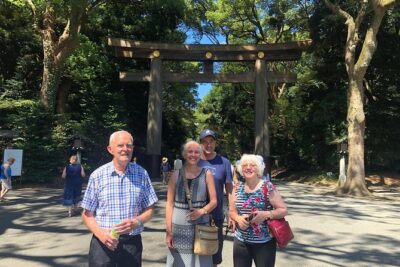
Meiji Jingu was built in 1920 and honors Emperor Meiji and Empress Shoken. It is visited by Japanese worshippers as well as international visitors, and the grounds offer a calmer contrast to Shibuya’s crowds.
Set aside about one hour. This is a good place to ask your guide about Shinto customs, shrine etiquette, and the role of the imperial family in modern Japanese life. You will get more from the visit if you treat it as a living religious site rather than just another photo stop.
Meiji Jingu is one of the better choices for a first-time visit because it connects Tokyo’s modern energy with older traditions. It also gives the day some breathing room after crowded markets and stations.
Tokyo Tower and the classic skyline
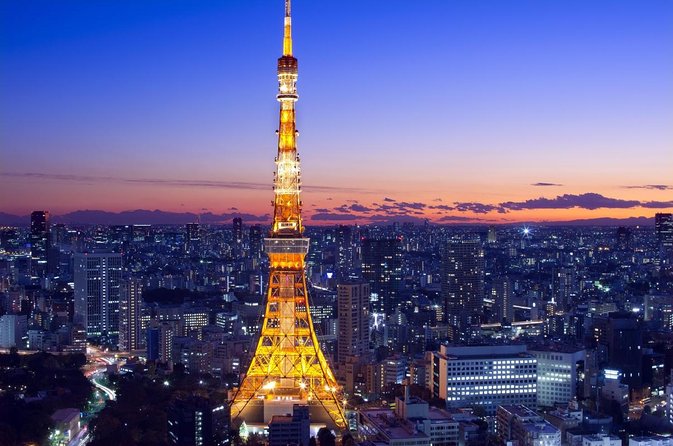
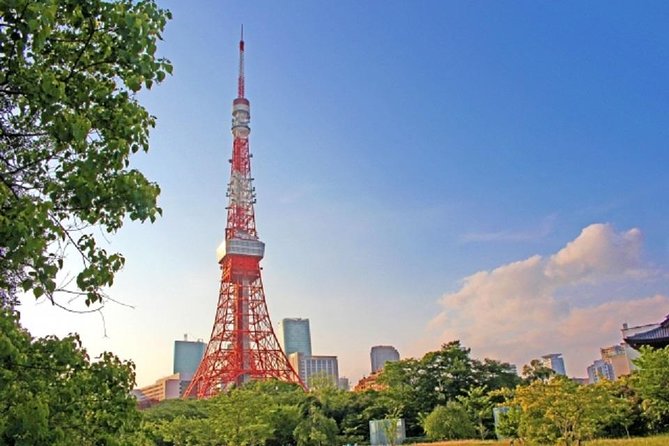
Tokyo Tower rises 333 meters and dates from 1958. It has viewing areas, a café, and Tower Shrine. The lighting changes between Landmark Light and Diamond Veil, so the experience can look different depending on the time of day.
Admission is extra. The tower is a good choice if you want a classic Tokyo image and a view from central Tokyo. It may be less useful if you have already selected Skytree, since both take time and offer high viewpoints.
For a short tour, choose one tower rather than trying to collect both. A guide can help you balance famous sights with places where you will spend more time walking, eating, and learning.
Shinjuku Gyoen’s three garden styles
Shinjuku Gyoen National Garden combines a formal garden, a landscaped garden, and a Japanese garden. It began as an imperial garden in 1906 and offers a change from Tokyo’s dense streets.
The suggested visit is one hour, with admission extra. It is a good pick for you if gardens, seasonal scenery, and a slower pace matter more than checking off another landmark.
The garden also helps break up a demanding day. Tokyo sightseeing can become a chain of stations and sidewalks. One well-chosen garden gives you time to pause without leaving the city.
Hamarikyu Gardens beside Tokyo Bay
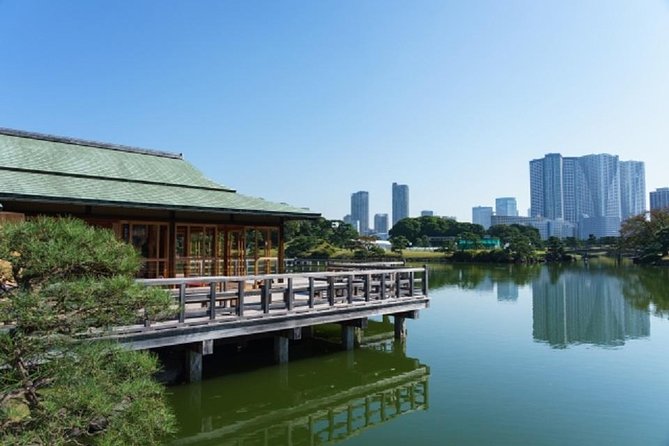
Hamarikyu Gardens covers about 250,165 square meters and surrounds Shioiri Pond. A seawater moat, fed by Tokyo Bay, surrounds the garden. It opened to the public in 1946.
Allow about one hour, plus the additional admission fee. The garden is a useful choice if you want a quiet historic setting near the modern central city. It can pair nicely with Tsukiji because both areas are connected to Tokyo’s waterfront and food culture.
As with Shinjuku Gyoen, do not treat this as a quick photo stop. The value comes from slowing down. If you choose too many far-flung sights, you may spend more time on trains than in the gardens.
The Imperial Palace’s East Gardens and Edo Castle ruins
The East Gardens of the Imperial Palace occupy part of the former Edo Castle grounds. The Imperial Palace complex includes the residences of the Emperor and Empress, the palace, and the Imperial Household Agency. During the Tokugawa period, the site served as the center of shogun rule.
The suggested visit lasts about one hour, and admission is extra. This is one of the best choices if you want political and historical context rather than only modern city scenes.
Ask your guide to connect the castle ruins and palace area with Tokyo’s development. That explanation can turn stones, walls, and garden paths into a clear story about power in Japan.
Animal cafés, with an important ethical pause
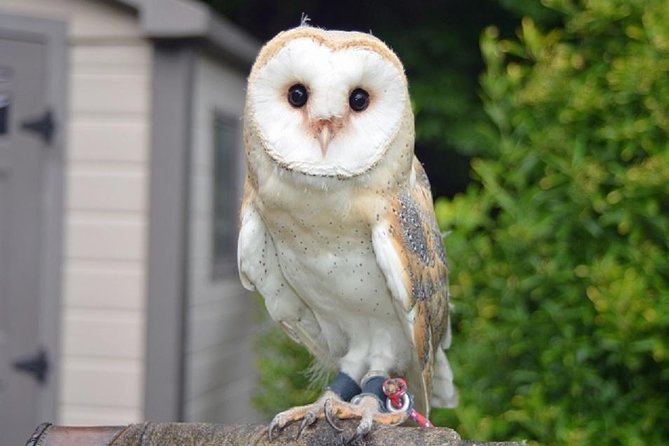
The tour can include Owl Cafe Tokyo Akiba Fukurou, where you interact with owls in a café setting. The visit lasts about one hour, costs extra, and uses classical music as part of the setting.
Chiku Chiku Cafe offers contact with hedgehogs and serves drinks rather than lunch or dinner. Some hedgehogs may be active while others may sleep in your hands. Again, allow about one hour and pay admission separately.
These are highly specific choices, and they show how flexible the day can be. They also deserve a little thought before you book. Animal cafés are not the same as temples, markets, or gardens, and the experience will appeal to some people more than others. One guide helped arrange an owl café visit, while another booking found that an animal café was closed. Tell your guide which café matters most so the plan can be checked before the day.
Public transportation is part of the experience
The guide meets you in your hotel lobby if you are staying within Tokyo’s 23 wards. From there, you use public transportation to reach the sights. This is a major advantage because Tokyo’s rail system can feel like a maze even if you are used to subways at home.
You will still need to walk. Stations can involve long passages, stairs, and transfers. One six-hour tour included four sights and required a great deal of walking. Another visitor recorded roughly 22,000 steps during a rainy day.
That is useful information, not a minor footnote. Wear comfortable shoes, carry water, and tell the guide early if you need regular breaks. Guides have adjusted routes for families and people with mobility concerns, but Tokyo’s public transport system is not always easy for disabled visitors. Rain makes the walking feel longer, and one unhappy day involved more time between stations than at the attractions.
The guide’s ability matters here. Kono was praised for moving groups efficiently through the trains, while Yoshi and Yoshio were singled out for making the system easier to understand. A good guide is not just pointing out platforms. The guide is managing time, transfers, group pace, and your energy.
Guide quality and the small risk of inconsistency
The strongest praise centers on the guides. Yumi was patient with a family of five and made room for questions. Yumiko was praised for excellent English, strong explanations, and staying flexible when the tour ran over time. Yoshio was appreciated for his patience, kindness, historical knowledge, and ease with the train network.
Kono appears often in the feedback, especially for Tsukiji, sushi, temples, animal cafés, photographs, and rainy-day navigation. Funiko handled a group of eight carefully and checked that everyone stayed together. These details matter because a private tour succeeds or fails through the guide, not the brochure.
There are two cautions. One guide’s English was difficult for the group to understand, and the guide walked too far ahead. Two serious service complaints described a guide arriving on the wrong day or a booking being canceled because no guide was available, with refund delays reported.
Those incidents do not erase the strong 4.7 rating and 93 percent recommendation figure, but they should affect how you book. Confirm the date, hotel, pickup time, and preferred sights before arrival. If a particular guide is important to you, request that person, but do not assume the request is guaranteed unless confirmed.
How to build a sensible four, six, or ten-hour day
For four hours, choose two nearby areas. Tsukiji and Asakusa make a food-and-temple combination. Shibuya and Meiji Jingu create a modern-and-traditional pairing. Avoid trying to visit both towers, Ueno Zoo, and the Imperial Palace in a short booking.
For six hours, four sights may be possible if they are planned carefully. A practical route could include Tsukiji, Senso-ji, Shibuya, and Meiji Jingu, though transport and walking will still take time. Add a lunch break rather than treating food as an afterthought.
For eight to ten hours, you can consider a wider mix, such as a market, temple, garden, and tower. Even then, Tokyo is too large to see everything. Your day will be better if you choose a theme instead of collecting distant points on a map.
Group discounts may improve the price for families or friends. Since this is a private activity, only your own group participates. That makes it easier to stop for photos, adjust the pace, and accommodate different interests than on a large bus tour.
What the $132.14 price really buys
At $132.14 per person, the cost is easiest to justify for a group that wants hands-on help. You receive an English-speaking professional guide, hotel-lobby pickup in the 23 wards, and guidance using Tokyo’s public transport.
You do not receive admission tickets. The listed stops with extra fees include Tokyo Skytree, Ueno Zoo, Tokyo Tower, Shinjuku Gyoen, the animal cafés, Hamarikyu Gardens, and the Imperial Palace East Gardens. Admission costs for both you and the guide are excluded.
The price also does not guarantee that every one of the twelve possible stops fits into your chosen duration. Think of the places as a menu. Your guide helps you select a workable meal, not swallow the whole menu in one sitting.
Free cancellation is available up to 24 hours before the start time. Changes or cancellations inside that 24-hour window are not accepted for a refund.
Should you book this private Tokyo tour?
Book it if you want a flexible first look at Tokyo, need help with trains, or have a short stay and a clear list of priorities. It is especially useful for families, small groups, cruise visitors with limited time, and anyone who wants a local guide rather than a fixed sightseeing circuit.
Choose it carefully if mobility is a concern, you dislike long walks, or you need flawless booking coordination. Ask for a route with fewer transfers and confirm every detail before you arrive.
I would book the four to six-hour option with two nearby districts, then use the guide for the things you cannot easily figure out alone: train routes, shrine customs, market choices, and neighborhood context. That approach gives you a useful introduction without turning Tokyo into a race.
FAQ
How long does the private Tokyo tour last?
You can choose a tour lasting approximately four to ten hours.
Where does the tour begin?
Pickup is offered in the lobby of your hotel if it is located within Tokyo’s 23 wards.
Is transportation included?
The guide accompanies you using Tokyo’s public transportation system. The included information specifically lists public transportation to and from the guide.
Are attraction admission fees included?
No. Admission fees are not included for customers or guides. This applies to places such as Tokyo Skytree, Ueno Zoo, Tokyo Tower, Shinjuku Gyoen, the animal cafés, Hamarikyu Gardens, and the Imperial Palace East Gardens.
Is this a group tour?
No. This is a private activity, so only your own group participates. Group discounts are also offered.
Can I cancel for a full refund?
Yes, if you cancel at least 24 hours before the experience start time. Cancellations or changes made less than 24 hours before the start time are not refunded.
Just added in Tokyo
- Mount Fuji Full Day Sightseeing Tour from Tokyo★ 4.5 · 101 reviews
- Mt Fuji Customizable Private Tour English Speaking Driver Pick-up★ 5.0 · 69 reviews
- From Tokyo Kamakura, Hachimangu Shrine and Enoshima Full Day Tour★ 4.5 · 36 reviews
- Tokyo: Harajuku Meiji Shrine to Shibuya Crossing Guided Tour★ 5.0 · 27 reviews
- Discover the Art of Ikebana in Tokyo’s Historic Yanaka District★ 5.0 · 60 reviews
- Shinjuku Food and Drink Walking Tour★ 5.0 · 13 reviews
- Flavors of Japan Food Tour in Tokyo★ 5.0 · 39 reviews
- Ebisu Local Food Tour: Shibuya’s Most Popular Neighborhood★ 5.0 · 20 reviews
Private Tours in Tokyo, compared.
Tokyo 6hr Private Tour with Government-Licensed Guide
Read our review →
Private Tour to Mt. Fuji and Hakone (Fully Licenced Operator)
Read our review →
Tokyo Customized Private Tour (Must See Places in 1 Day)
Read our review →
Mount Fuji Full-Day Private Tour from Tokyo (Customizable)
Read our review →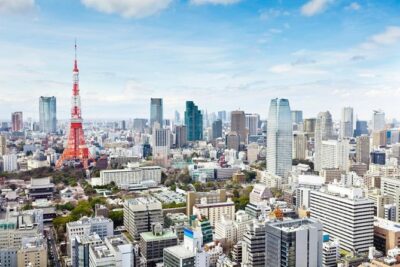
Tokyo 4hr Private Tour with Government-Licensed Guide
Read our review →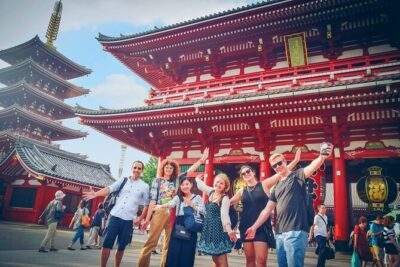
Tokyo Customized Private Tour: See Top Attractions in 1 Day
Read our review →
Mt Fuji Private Tour with English Speaking Driver
Read our review →
Mt. Fuji & Hakone Private Day Tour with English-Speaking Driver
Read our review →Browse the lists this tour appears in