
Reviewed · TEMPLES AND SHRINES
From Osaka: Nara, Kiyomizu-dera & Fushimi Inari Trip
Three famous sights, one long day. This $49 day trip from Osaka links Nara Park, Kyoto’s Kiyomizu-dera Temple, Sannenzaka, and Fushimi Inari Taisha in one organized outing. I like the way it combines wildlife, temple architecture, old streets, and Shinto shrine paths without asking you to arrange several train journeys yourself.
I also like that the tour includes Kiyomizu-dera admission and offers bilingual English and Spanish guiding. Guides Angeles and Alejandro received especially strong praise for their explanations of religion, architecture, and construction. The main drawback is time: the distances are long, traffic can interfere with the schedule, and Nara may receive less time than you would want.
In This Review
- The day’s best features at a glance
- Why this $49 day trip can be useful
- Meeting at Osaka Mode Gakuen
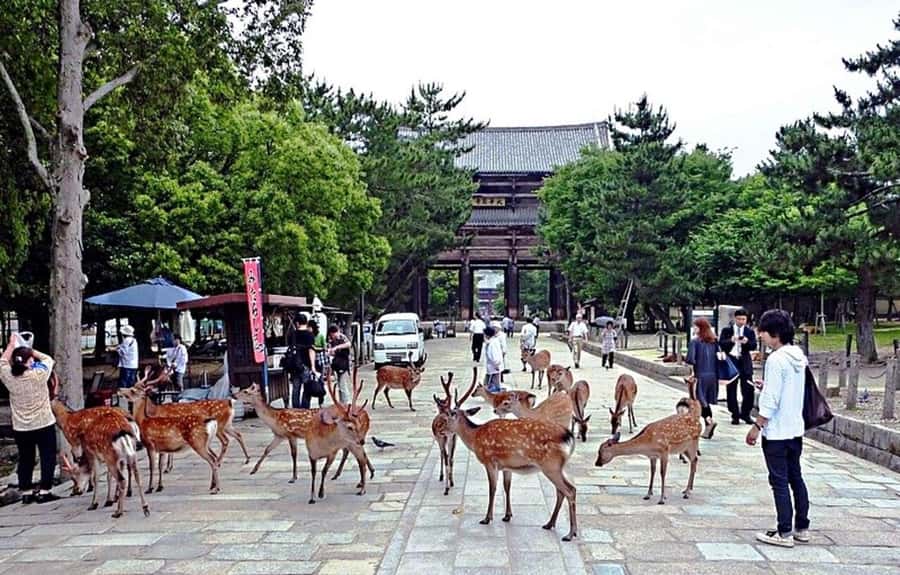
- Nara Park and its free-roaming deer
- Kiyomizu-dera and the view from its wooden stage
- Sannenzaka and Kyoto’s old wooden streets
- Fushimi Inari’s red torii gates
- The guides and the value of explanation
- Long distances, bus time, and schedule changes
- Who should book this experience
- Should you book the Nara and Kyoto day trip?
- FAQ
- How much does the day trip cost?
- Where does the tour start?
- How early should I arrive?
- Does the tour include hotel pickup?
- Which languages are available?
- Is admission to Kiyomizu-dera included?
- Are food and drinks included?
- Is the tour suitable for wheelchair users?
The day’s best features at a glance
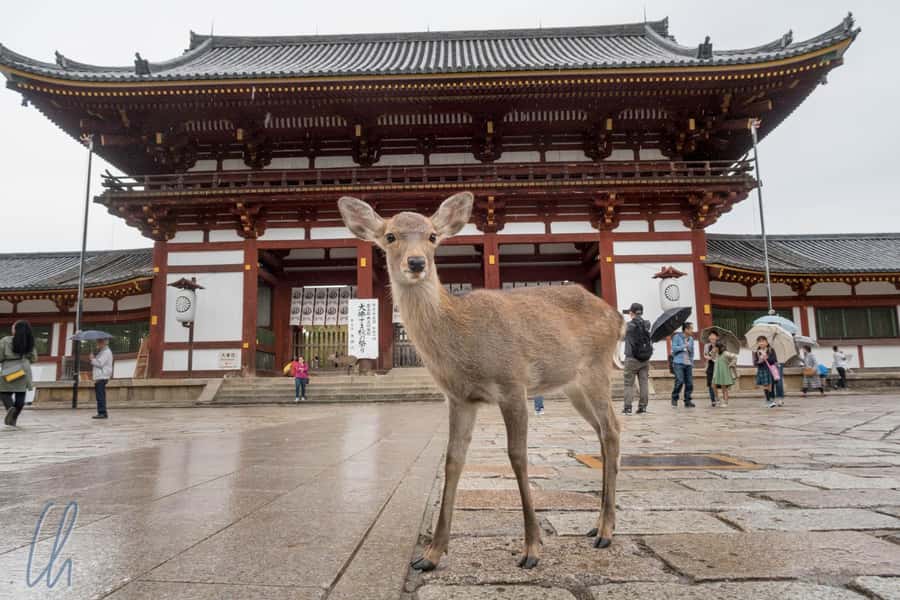
- Free-roaming deer in Nara Park: You can walk among hundreds of deer in a large park setting and feed or interact with them.
- Kiyomizu-dera’s wooden stage: The temple gives you broad views over Kyoto and a chance to see one of the city’s best-known Buddhist sites.
- Otowa Waterfall: Its sacred waters are associated with wish-making, adding a small ritual moment to the temple visit.
- Sannenzaka’s preserved streets: Narrow cobbled lanes, wooden buildings, shops, and tea houses give you a taste of old Kyoto.
- Fushimi Inari’s red torii paths: The tour finishes at a shrine famous for its long corridors of red gates winding toward Mount Inari.
- Helpful bilingual guidance: English and Spanish support can make the religious and architectural details much easier to understand.
Why this $49 day trip can be useful

At $49 per person, this is priced as an easy introduction to three major sights rather than a slow, deeply focused tour of each location. The value comes from the transportation and route planning. You can leave the driving, transfers, and basic coordination to someone else while moving between Osaka, Nara, and Kyoto in one day.
That matters because these places are spread across different parts of the Kansai region. Planning them independently means checking several train routes, allowing for station transfers, and deciding how much time to give each stop. This tour removes much of that work.
The price includes transportation from the meeting point, a bilingual guide, and access to Kiyomizu-dera. Food and drinks are not included, and the tour does not collect you from your hotel. You should therefore think of the $49 as a sightseeing and transport fee, not an all-inclusive day out.
I would consider it good value if your priority is seeing the main landmarks in a single day. I would be more cautious if you prefer long meals, quiet temple visits, or enough time to explore every side street at your own pace.
More Temples and Shrines in Osaka
- Osaka: Katsuo-ji Temple
★ 4.9 · 996 reviews - Osaka: Minoh, Katsuoji Temple, & Minoh Falls Full-day Tour
★ 4.9 · 172 reviews - Sagano Romantic Train & Arashiyama, Kiyomizudera, Fushimi Inari Taisha Day Tour
★ 4.5 · 171 reviews
Meeting at Osaka Mode Gakuen
The starting point is at the corner of the Osaka Mode Gakuen building. Look for the guide holding an Amigo Tours sign, and arrive at least 10 minutes before departure for check-in.
This meeting arrangement is simple, but it requires care. There is no hotel pickup, so you need to reach the starting point independently and allow time to find the correct corner. The end of the activity is back at the same meeting point, which makes the return plan straightforward.
Bring comfortable shoes, water, sunscreen, and a camera. The practical warning here is not a minor one: you will walk a lot, and you will spend a fair amount of time on the bus. Shoes that feel fine for a short city stroll may not feel fine by the end of a full day across three sightseeing areas.
Nara Park and its free-roaming deer
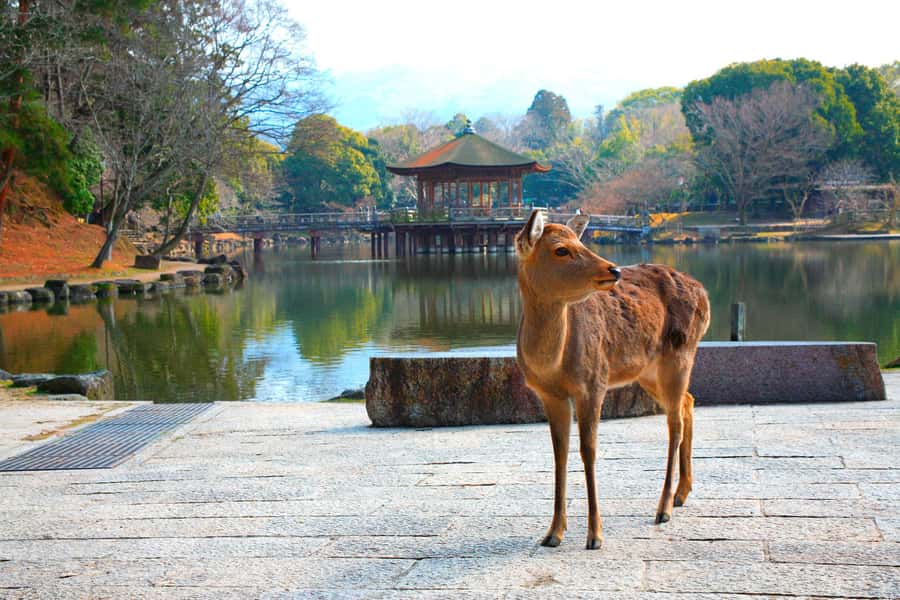
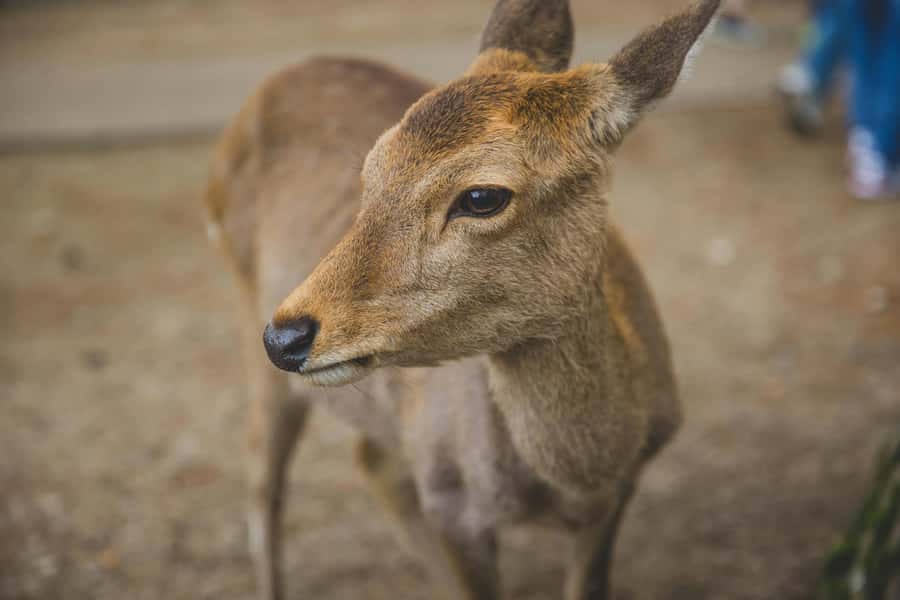
Nara is a memorable opening stop because the park’s deer move freely around the public grounds. You can see them among the trees and paths, feed them, and interact with them while taking in the calm setting.
The deer are the star here, but the experience is not only about taking a quick animal photo. Nara Park gives the day an outdoor start before the temples and shrine paths later on. The change of pace is welcome. You get open space, natural surroundings, and a chance to observe one of Japan’s most familiar cultural symbols in person.
I would keep your expectations practical. This is a group day trip with several major stops, so Nara is not designed as a long, unhurried exploration. One visitor found that roughly 1.5 hours in Nara felt too short, especially compared with a longer Kiyomizu-dera stop. That is useful guidance if Nara is your main reason for booking.
Use your time well. Enjoy the deer early, take your photographs, and stay alert for instructions about where and when to meet the group. If you want to explore more of Nara beyond the park, this schedule may feel tight.
Kiyomizu-dera and the view from its wooden stage
Kiyomizu-dera is the most substantial temple visit on the route. The site is listed as a UNESCO World Heritage site, and admission is included in the tour price. Its wooden stage is the visual centerpiece, giving you sweeping views across Kyoto.
The temple’s design is part of the appeal. You are not simply walking into a quiet hall and leaving again. The visit includes elevated viewpoints, temple buildings, and the famous Otowa Waterfall. The wooden stage also helps you understand how the temple relates to the surrounding hills and city.
The waterfall is tied to sacred waters believed to grant wishes. This is one of those small details that makes a visit feel more personal. You can pause, watch the ritual, and consider the role of water and prayer in Japanese religious practice.
Kiyomizu-dera is also the stop most affected by scheduling changes. On one occasion, the order was rearranged and the group spent about 2.5 hours there in the morning. That provided plenty of time at the temple, but it was considered too long by someone who found the timing awkward before lunch.
For you, the lesson is simple: a longer Kiyomizu-dera visit can be a gift if you want photographs and time to look around. It can feel slow if the weather is poor, you are hungry, or you hoped for more time in Nara. Traffic, weather, local events, and other operating issues can change the order.
More Temples and Shrines in Japan:
- [Kyoto & Nara Day Tour] Sagano Scenic Railway & Nara Park & Fushimi Inari Taisha Thousand Torii Gates & Togetsukyo Bridge & Bamboo Grove & Kimono Forest (Departing from Osaka)
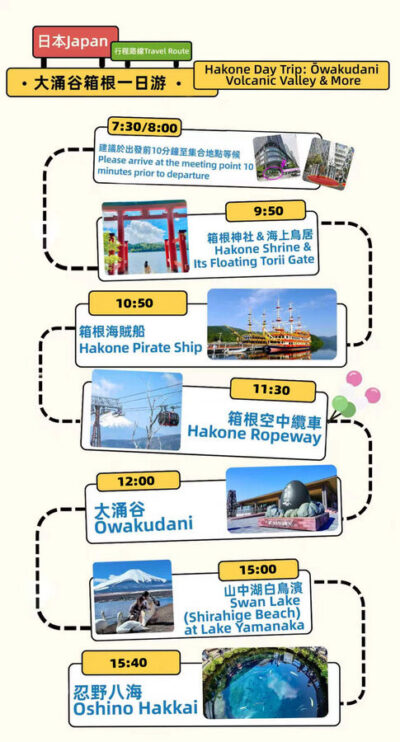
★ 4.9 · 10,942 reviews - Mount Fuji & Hakone – Lake Ashi Torii Gate, Hakone Shrine, Hakone Pirate Ship, Hakone Ropeway, Owakudani, Lake Yamanaka & Oshino Hakkai Day Trip: Sea, Land, and Air Panoramic Tour from Tokyo
★ 4.8 · 7,989 reviews - Kyushu One-Day Tour: Yufuin no Mori Train & Yufuin Town & Nyoirin-ji Temple & Dazaifu & Hell Hot Springs (Departing from Fukuoka)
★ 4.9 · 4,474 reviews - Kyoto: Fushimi Inari, Kinkakuji, Bamboo Grove 1 Day Bus Tour
★ 4.8 · 4,316 reviews
Sannenzaka and Kyoto’s old wooden streets
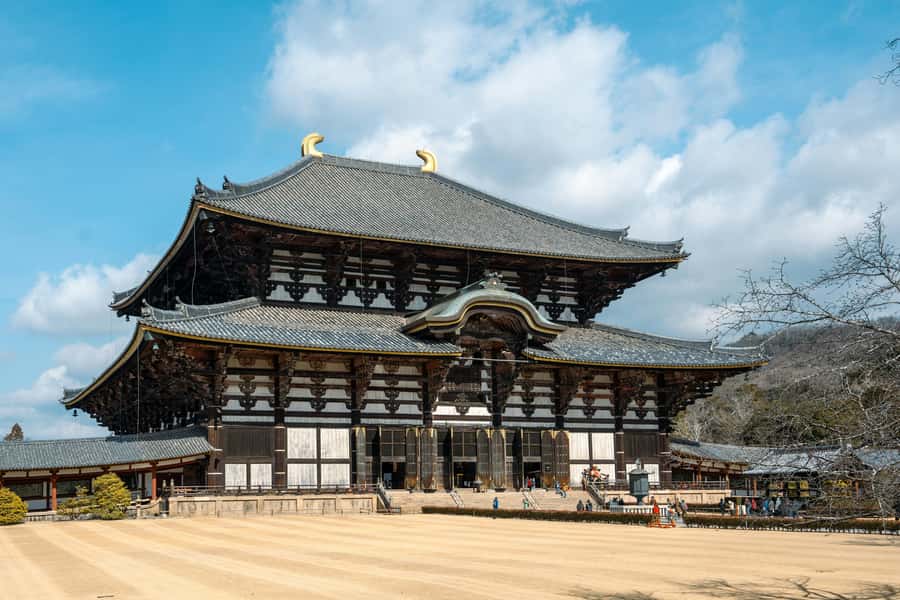
The route also includes a walk through Sannenzaka, one of the most atmospheric parts of the Kyoto visit. Its narrow cobbled streets are lined with traditional wooden houses, shops, and tea houses.
This section helps connect the major temple to everyday Kyoto. You are not only moving between formal sights. You can see preserved architecture and streets that retain a traditional appearance, even though they are part of a popular sightseeing area.
I like this portion because it gives you a chance to slow your pace after the temple grounds. Look up at the wooden facades, notice the slope of the streets, and allow time for the visual details. The tour does not include food or drinks, so if you want a snack or tea, those costs are yours. Depending on the schedule, you may have to keep any stop brief.
Sannenzaka is also a place where comfortable shoes matter. The cobbled surfaces and steady walking add to the day’s physical demands. Keep your camera ready, but do not let photographs make you lose track of the group.
Fushimi Inari’s red torii gates
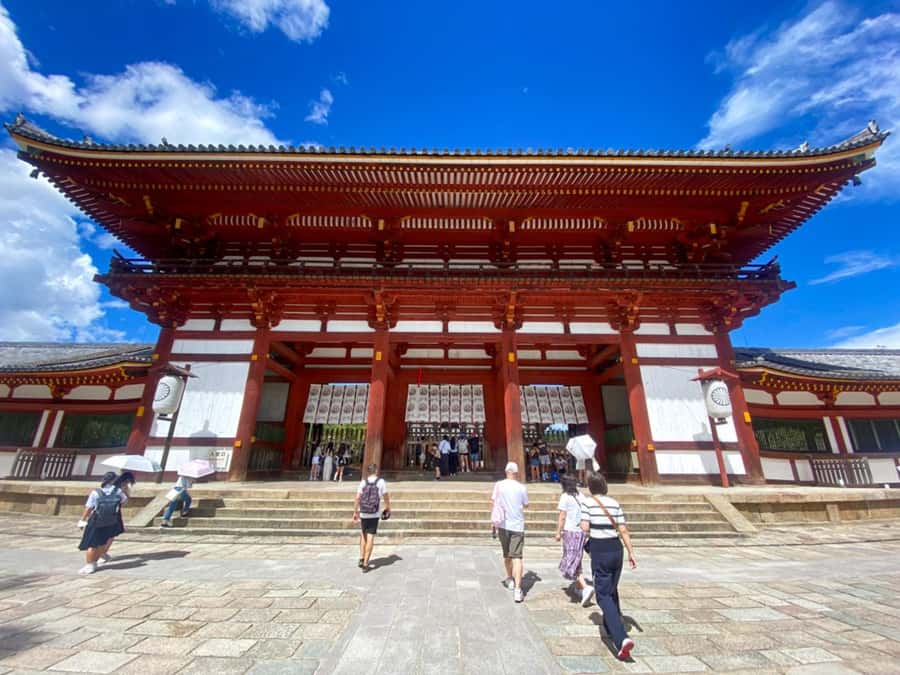
The final major stop is Fushimi Inari Taisha, known for its long paths of red torii gates climbing toward Mount Inari. The repeated gates create a strong visual rhythm, and the walk offers a different kind of religious setting from Kiyomizu-dera.
At Fushimi Inari, you can take a peaceful walk beneath the gates and absorb the shrine’s spiritual atmosphere. The route description does not promise a full climb to the summit, so you should think of this as an opportunity to explore part of the torii paths within the available time.
This is a good final stop because the gates are instantly recognizable and easy to appreciate even during a shorter visit. At the same time, it is worth knowing that Fushimi Inari is not a single compact monument. The paths wind up the mountain, and the amount you see depends on the schedule and your walking speed.
Stay aware of the meeting time. It is easy to keep walking when each turn reveals another line of gates. The tour ends with a return journey to Osaka, so missing the group would create a serious problem.
The guides and the value of explanation
The guide can make a major difference on a day built around religious sites. Angeles and Alejandro were praised for clear explanations of religious beliefs, architectural styles, and construction methods. That kind of context helps you understand what you are looking at instead of simply collecting photographs.
The tour offers English and Spanish guiding, which is useful if you want explanations in one of those languages. You should still expect the day to include practical group management, meeting times, and movement between sites. It is not a private lecture or a custom itinerary.
I especially value the attention to architecture. Kiyomizu-dera and Fushimi Inari can both look familiar from photographs, but an explanation of how a building was made or why a religious feature matters gives the visit more depth. The guide is also helpful in a place like Nara, where the deer can easily become the whole story.
Long distances, bus time, and schedule changes
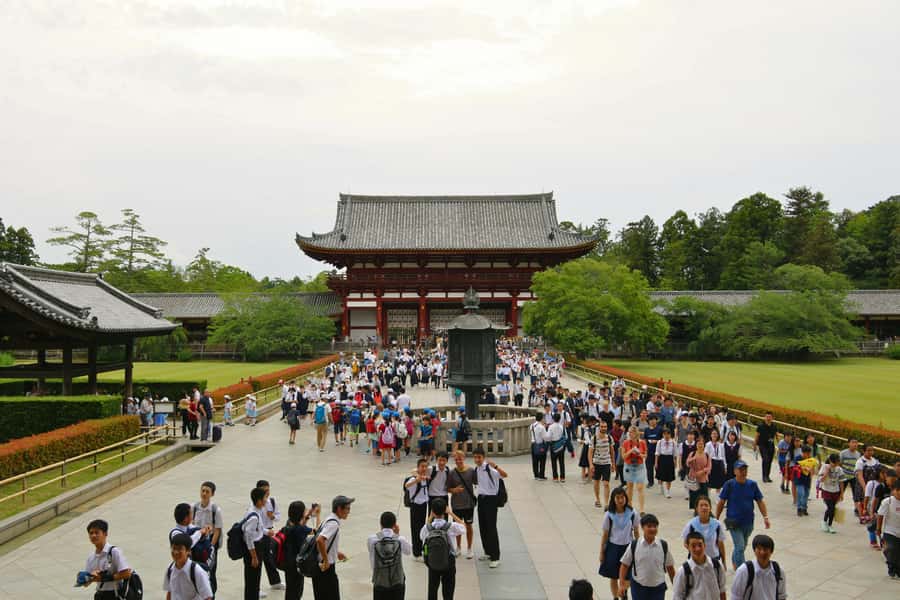
The central trade-off is efficiency versus freedom. You cover three important places from one Osaka meeting point, but you do so on a fixed schedule with long distances between stops.
Traffic can affect the order and timing. The itinerary may change because of weather, local events, or other operating conditions, though the aim is to complete all the planned stops whenever possible. You should treat the published order as a plan, not a guarantee.
One unusual scheduling issue is the contrast between the Kyoto and Nara stops. A rearranged day placed Kiyomizu-dera in the morning for about 2.5 hours and left only around 1.5 hours in Nara. That may suit someone who mainly wants Kyoto, but it will disappoint you if Nara’s deer are the priority.
The bus time is not wasted if you welcome a break between walking sections. It can also feel long if you are hoping for a relaxed, flexible day. Bring water, wear practical clothes, and use the ride to rest rather than expecting constant sightseeing.
Who should book this experience
I would recommend this trip to a first-time visitor staying in Osaka who wants a broad introduction to Nara and Kyoto without arranging separate transport. It suits you especially well if you want major landmarks, basic cultural explanation, and a bilingual guide.
Families and older visitors should consider the walking demands carefully. The experience is not suitable for wheelchair users, and the combination of long distances, temple grounds, cobbled streets, and shrine paths requires reasonable mobility.
This is also a good choice for a short Osaka stay. If you have only a few days, visiting Nara Park, Kiyomizu-dera, and Fushimi Inari together can save planning time. The cost is modest for the amount of ground covered, provided you accept the fixed pace.
I would choose a different plan if you want to spend an entire day in Nara, climb extensively at Fushimi Inari, shop slowly in Sannenzaka, or stop for a proper meal whenever you like. Independent travel will give you more control, but it will also require more planning.
Should you book the Nara and Kyoto day trip?
Book it if you want three major cultural stops in one day, appreciate clear guiding, and prefer organized transportation from Osaka. The combination of Nara’s deer, Kiyomizu-dera’s architecture, Sannenzaka’s old streets, and Fushimi Inari’s red gates gives you a strong first look at the region.
Go in with realistic expectations. This is a busy sightseeing day, not a slow cultural retreat. The $49 price is attractive because it handles transportation and includes Kiyomizu-dera admission, but you pay for that convenience with fixed timing and limited freedom.
My most practical advice is to decide which stop matters most to you before booking. If you would be happiest seeing the deer, prepare for Nara time to feel short. If Kyoto’s temples and shrine gates are your priority, the schedule should serve you well. Either way, arrive early, wear good shoes, carry water, and keep an eye on the guide’s meeting instructions.
FAQ
How much does the day trip cost?
The price is $49 per person.
Where does the tour start?
Meet the guide at the corner of the Osaka Mode Gakuen building. The guide will be holding an Amigo Tours sign.
How early should I arrive?
You should arrive at least 10 minutes before departure for check-in.
Does the tour include hotel pickup?
No. Hotel pickup and drop-off are not included. You need to reach the Osaka meeting point independently.
Which languages are available?
The tour provides a bilingual guide in English and Spanish.
Is admission to Kiyomizu-dera included?
Yes. Access to Kiyomizu-dera is included.
Are food and drinks included?
No. You need to pay for your own food and drinks.
Is the tour suitable for wheelchair users?
No. The experience is not suitable for wheelchair users.
Just added in Japan
- A One-of-a-Kind Sushi Experience in a Special Place of Japan★ 5.0 · 15 reviews
- Tokyo Cute Bento Cooking Class – Make a Kawaii Character Lunchbox★ 5.0 · 126 reviews
- Japanese Home Cooking Class & Walk in Todoroki Temple Tokyo★ 5.0 · 88 reviews
- Japan Tokyo Tower Observatory Deck E-Ticket★ 4.0 · 34 reviews
- Catch a Baseball Game in Tokyo with a Local – Tickets Included★ 5.0 · 24 reviews
- JDM Experience with Fast&Furious RX-7 (English speaking Driver)★ 5.0 · 57 reviews
- Tokyo Private Day Tour by Car with English speaking Driver Guide★ 4.0 · 29 reviews
- Japan Classic 10 Day – One Life Adventures★ 5.0 · 129 reviews
Temples and Shrines, compared.
![[Kyoto & Nara Day Tour] Sagano Scenic Railway & Nara Park & Fushimi Inari Taisha Thousand Torii Gates & Togetsukyo Bridge & Bamboo Grove & Kimono Forest (Departing from Osaka)](https://media.japanvisits.com/wp-content/uploads/kyoto-nara-day-tour-sagano-scenic-railway-nara-park-fushimi-inari-taisha-thousand-torii-gates-togetsukyo-bridge-bamboo-grove-kimono-forest-departing-from-osaka-k110001-400x257.jpg)
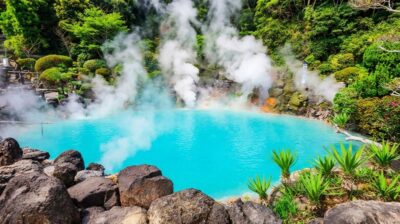
Kyushu One-Day Tour: Yufuin no Mori Train & Yufuin Town & Nyoirin-ji Temple & Dazaifu & Hell Hot Springs (Departing from Fukuoka)
Read our review →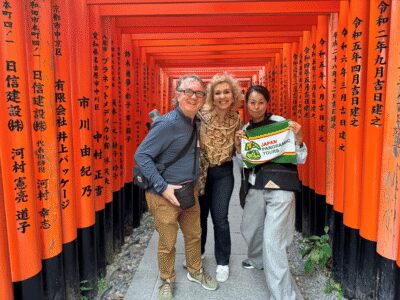
Fushimi Inari, Kinkakuji, Bamboo Grove 1 Day Bus Tour
Read our review →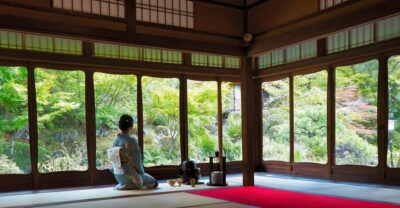
Tea Ceremony in a Traditional Tea House in Kiyomizu
Read our review →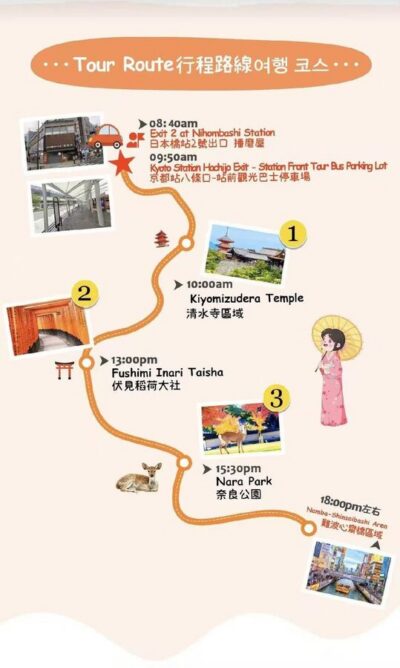
Kyoto Nara Day Trip │ Kiyomizu-dera Temple + Fushimi Inari-taisha Shrine + Nara Park (Departing from Osaka/Kyoto)
Read our review →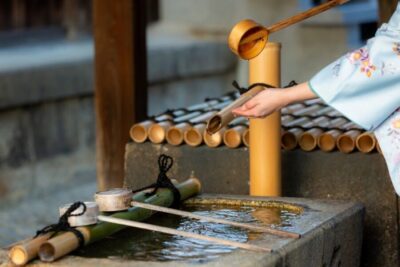
Browse the lists this tour appears in