
Reviewed · TEMPLES AND SHRINES
Osaka: Minoh, Katsuoji Temple, & Minoh Falls Full-day Tour
Osaka has a quieter side. This six-and-a-half-hour outing trades city traffic for temple gardens, mountain air, and a waterfall reached by a gentle park walk. I especially like the chance to see Katsuoji Temple’s hundreds of Daruma dolls and the easy return route beside the river. I also like that an English-speaking guide handles the train and bus connections, though the day includes a fair amount of walking and is not suited to wheelchair users or people with major mobility limits.
The price is $135 per person, including entry fees, public transportation, and the guide. Food is extra, and the route uses ordinary public trains, buses, and a short taxi ride rather than a private coach. That makes the trip feel more local, but it also means standing, changing vehicles, and keeping track of the group in public places.
In This Review
- Key points at a glance
- Leaving Osaka Station for Minoh
- Katsuoji Temple and its sea of Daruma dolls
- A short taxi ride to Minoh Falls
- Walking through Minoh Park to Ryuan-ji
- Returning by train to Osaka
- What $135 includes, and what it does not
- Who will enjoy this day most
- Small details that make the day better
- Should you book the Minoh day trip?
- FAQ
- How long does the tour last?
- Where does the tour meet?
- How do I recognize the meeting point?
- Is transportation included?
- Is lunch included?
- How much walking is involved?
- Is the tour suitable for wheelchair users?
Key points at a glance
- Hundreds of Daruma dolls at Katsuoji Temple: These red, round figures symbolize perseverance and good luck, and you can buy one as a keepsake.
- A 33-metre waterfall in Minoh Park: Minoh Falls gives you time to sit, eat your own lunch, and enjoy the sound of falling water.
- A scenic walk of roughly two kilometres: The route from the falls toward the station is mostly flat, with gradual slopes and many places to stop.
- Public transport with a guide: You travel by subway, bus, taxi, and train, so you avoid the stress of working out the route yourself.
- A strong cultural and nature combination: Katsuoji Temple, Ryuan-ji, forest paths, and mountain scenery make this more than a simple waterfall visit.
- Flexible pacing: Guides such as Adam, Warren, Justin, and Joel have been praised for patience, clear explanations, and adjusting the pace for the group.
Leaving Osaka Station for Minoh
The meeting point is Akatsuki Plaza on the first floor of the North Gate Building inside JR Osaka Station. It is just north of the Central Exit ticket gates, near the North Central Exit. Look for the guide holding a SNOW MONKEY RESORTS sign.
The plaza is a wide open area with two escalators on either side. Stay on the first floor and do not go up them. This detail matters because Osaka Station is large, busy, and full of signs pointing in several directions.
If you arrive on the Midosuji Subway Line from Namba or Shinsaibashi, follow signs toward JR Osaka Station. Continue toward the Central Exit, then walk north toward Yodobashi Camera after the ticket gates. Akatsuki Plaza is on the first floor before the escalators.
From there, the trip starts with about 40 minutes on the subway and 25 minutes by bus. You are not sitting in a tour coach watching Japan pass by. You are using the same clean, efficient system that residents use, with a guide making sure the connections and turns are manageable.
That arrangement is one of the tour’s biggest practical benefits. Minoh is close enough to Osaka for an independent visit, but the route can still feel confusing if you are unfamiliar with the station system and local bus stops. A guide also helps you avoid losing time at the start of a day when the schedule is already fairly full.
More Day Trips in Osaka
- From Osaka: Himeji Castle, Arima Onsen & Mt. Rokko Day Tour
★ 4.6 · 339 reviews - Osaka Day Tour: Amanohashidate & Ine Bay
★ 5.0 · 280 reviews - Kyoto and Nara Day Trip from Osaka
★ 4.0 · 175 reviews
Katsuoji Temple and its sea of Daruma dolls
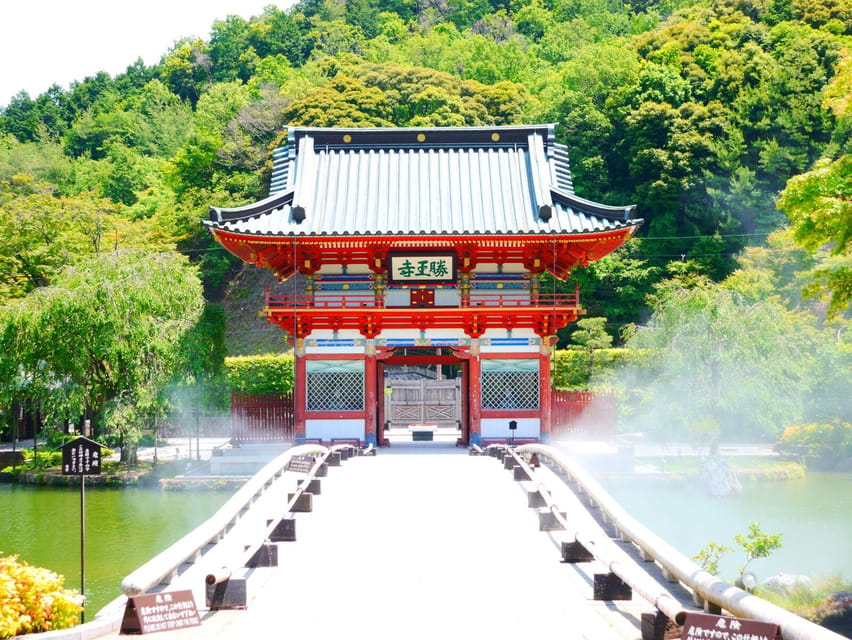
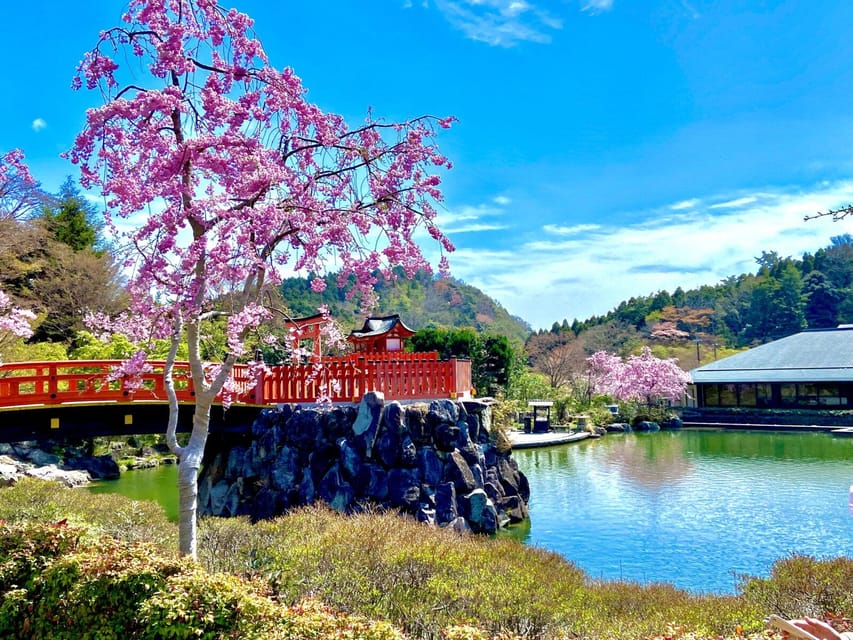
Katsuoji Temple receives about two hours and 15 minutes, giving you enough time to look beyond the main photo stop. The temple dates back to the Nara period and sits among gardens, ponds, bridges, seasonal flowers, and wooded hills in northern Osaka.
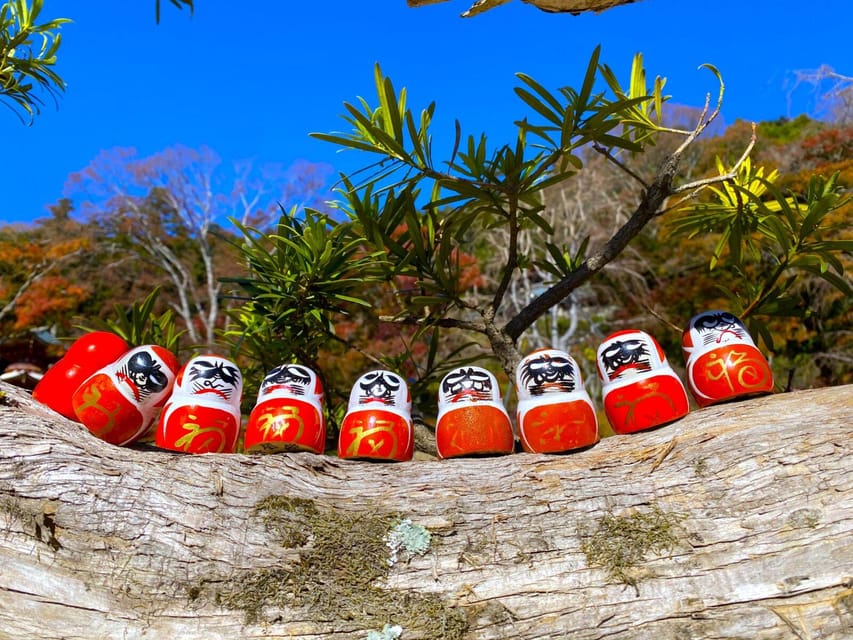
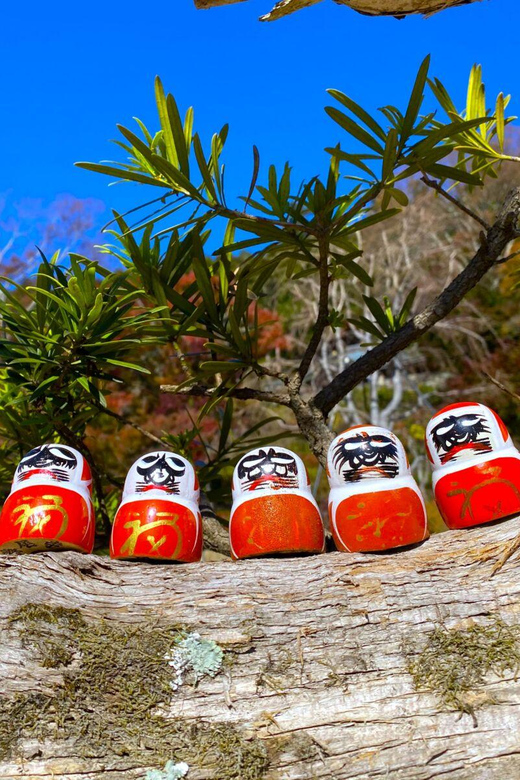
The Daruma dolls are the main visual surprise. You will see them placed across the temple grounds, often gathered on shelves, tucked into corners, or set among the gardens. Their blank eyes and rounded shape are instantly recognizable, but the guide can explain the custom behind them and why they represent determination and good fortune.
You can purchase a Daruma doll at the temple. It is a more meaningful souvenir than a generic shop item because it connects to a Japanese tradition of setting a goal and remembering the need for persistence. The dolls also travel well compared with fragile ceramics, though you should still pack one carefully.
Katsuoji is not only about the dolls. Take time to notice the pond, the bridge, the carefully arranged plantings, and the traditional buildings. The setting changes with the seasons. Autumn brings striking leaf color, while summer visitors should expect heat and humidity. Rain can make the gardens feel especially quiet, but it also makes paths and steps slippery, so footwear matters.
The temple visit works best when you allow yourself to slow down. Some tours push from one sight to the next, but this route gives you time for photographs, quiet observation, and questions. Several guides have also pointed out smaller religious details around the grounds, including shrines and figures that are easy to pass without context.
There are optional cultural extras, too. You might choose to buy a Daruma or collect a handwritten goshuin stamp, a temple visit record written in calligraphy. One visitor particularly enjoyed finding layered stamps around the grounds. These purchases are not part of the $135 price, so bring spending money if they interest you.
A short taxi ride to Minoh Falls
After Katsuoji Temple, the group takes a taxi for about 10 minutes to Minoh Falls. The short ride is useful because it links two different parts of the Minoh area without requiring you to retrace the temple route on foot.
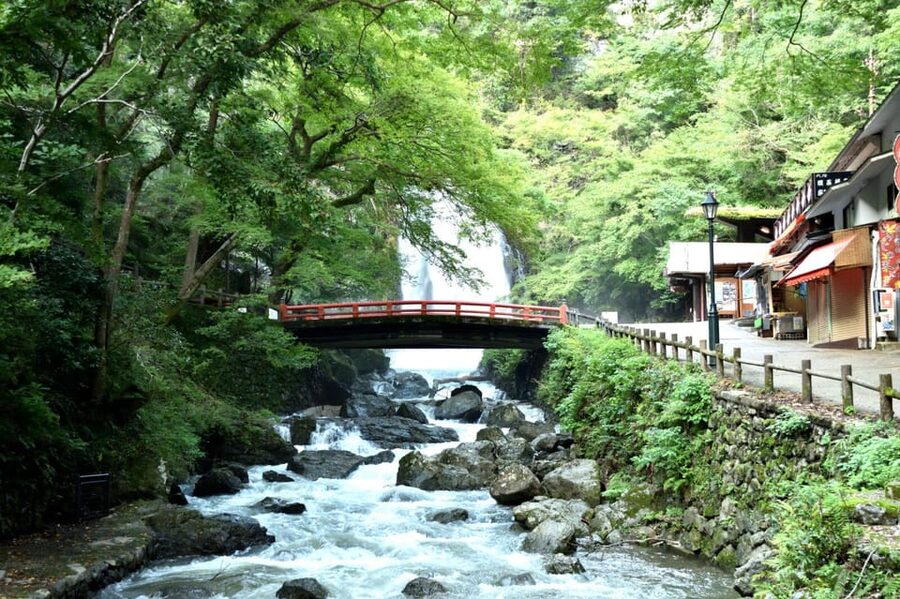
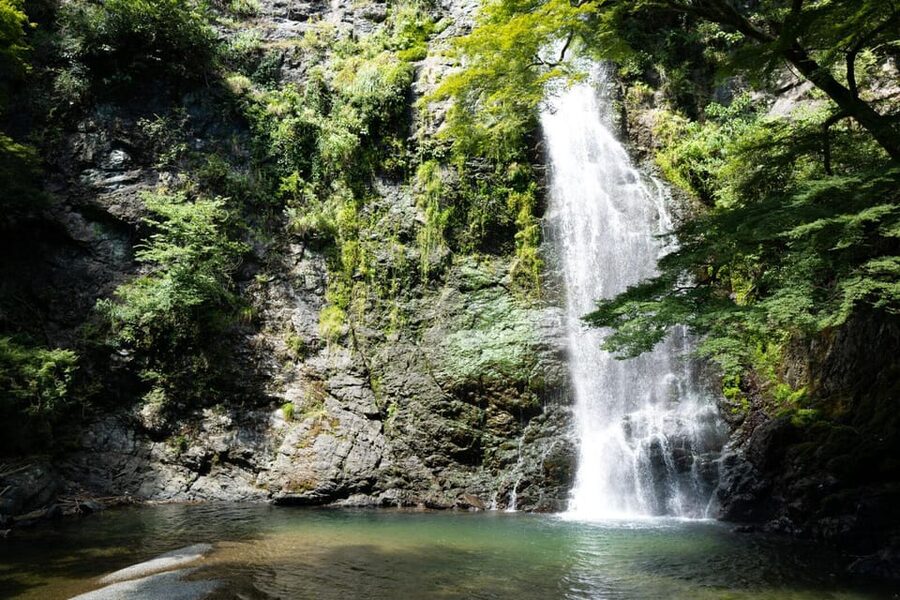
The waterfall drops 33 metres into a rocky setting surrounded by trees. The stop lasts about an hour and includes time to sit near the falls and eat a packed lunch. Food and drinks are not included, so you need to bring your own meal or purchase something along the way, depending on what the guide recommends and what is available that day.
I like this pause because it prevents the waterfall from becoming a quick photograph followed by an immediate departure. You can listen to the water, rest your legs, and enjoy a simple lunch in front of the falls. It is also a sensible midpoint in a day that involves several changes of transport and a long walk later.
Do not expect a huge wilderness expedition. Minoh Falls is a popular local escape from Osaka, and the experience is about an accessible natural setting rather than a remote trek. The sound of water and the wooded valley still provide a clear break from the city.
Weather makes a real difference here. On a hot day, the shaded forest and waterfall provide relief, but you should carry water and wear a hat. On a rainy day, the falls and forest remain attractive, yet rain protection and shoes with good grip become important. Sunshade and rain protection are both recommended.
Walking through Minoh Park to Ryuan-ji
After the waterfall, the tour continues on foot through Minoh Park toward Ryuan-ji and the station. The guided portion around Ryuan-ji lasts about 50 minutes, including walking and stops.
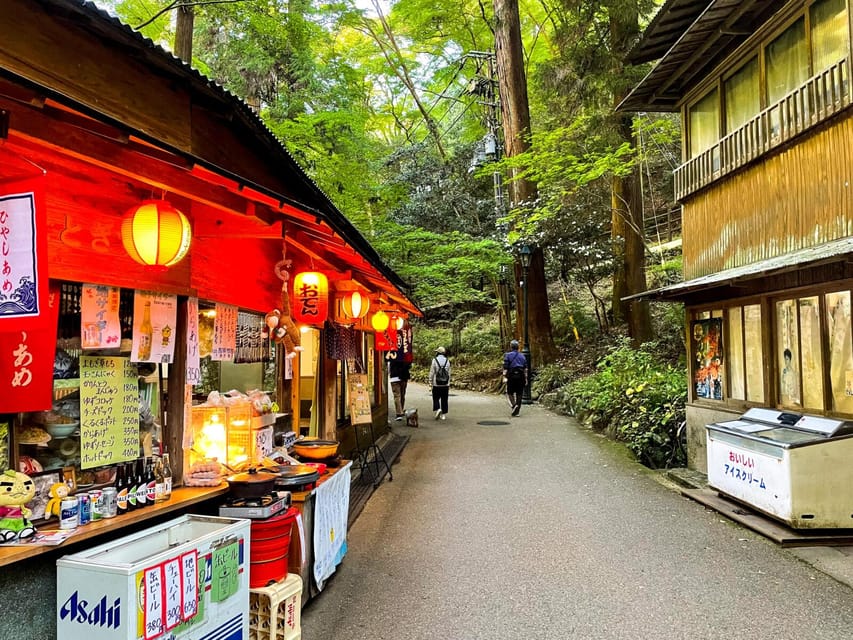
The walk is one of the strongest parts of the day. The route follows the river valley, with water running over rocks and boulders and forest on either side. The path is described by several participants as mostly flat, with gentle inclines and declines rather than a hard mountain hike. One estimate put the return walk at roughly two kilometres.
You will stop at scenic points and places of interest along the way. That gives the guide room to explain the area instead of treating the path as dead time between attractions. In autumn, the changing leaves can make this stretch the visual high point. In summer, the shade and sound of the river help soften the heat, though the humidity can still be tiring.
Ryuan-ji adds another layer of culture to the nature walk. It helps the day feel balanced: Katsuoji provides the major temple gardens and Daruma figures, Minoh Falls provides the natural centerpiece, and Ryuan-ji gives you another religious site before returning to Osaka.
The route is manageable for many people who are comfortable walking, but you should not read moderate walking as a tiny stroll. You are outdoors for hours, using public transport, climbing some steps, and walking after lunch. Comfortable shoes are essential. There are toilet stops through the day, which is helpful, especially for families and anyone who prefers regular breaks.
The guide’s role is especially useful on this portion. Adam has been praised for setting a steady pace and taking frequent rests when needed. Warren has also been singled out for pointing out photo spots and local details while keeping the walk relaxed. The exact guide depends on the departure, but the repeated praise for Adam, Warren, Justin, Joel, and Joe suggests that the company places real value on the human side of the outing.
More Temples and Shrines in Osaka
- Osaka: Katsuo-ji Temple
★ 4.9 · 996 reviews - Sagano Romantic Train & Arashiyama, Kiyomizudera, Fushimi Inari Taisha Day Tour
★ 4.5 · 171 reviews - Osaka Temple Cool Foot Bath & Matcha Experience〈45min〉
★ 4.9 · 82 reviews - Learning Zen of Japanese Calligraphy in kimono near Osaka Castle
★ 4.5 · 53 reviews
Returning by train to Osaka
The final leg takes about 50 minutes by train back to Osaka Station, ending at Akatsuki Plaza. By then, you will have used a subway, bus, taxi, and train. That may sound like a lot of transport, but it is part of the attraction for people who want to see how the Osaka area works beyond the central neighborhoods.
The guide keeps the group together and explains when and where to meet after free time. Still, you need to pay attention. Public stations can be crowded, and the instructions warn you to call immediately if you become separated or forget the meeting point.
The return is not glamorous, but it is efficient. You finish near the same central Osaka base where you began, without needing to find a distant coach parking area or arrange your own connection home.
What $135 includes, and what it does not
At $135, this is not the cheapest way to visit Minoh. You could potentially use public transport independently and pay only the regular fares and temple admission. The extra cost pays for more than getting from one station to another.
You are paying for:
- Entry fees to the visited attractions
- Subway, bus, taxi, and train transportation used during the tour
- An English-speaking guide
- Route planning and coordination
- Cultural explanation at Katsuoji Temple, Minoh Falls, and Ryuan-ji
- Help with pacing, directions, photographs, and local suggestions
The value is strongest if you are new to Osaka, do not want to study several train and bus routes, or want context for what you are seeing. Guides have offered lunch ideas, snack suggestions, photography help, and explanations of Buddhist and Shinto customs.
The value is weaker if you are already confident with Japanese public transport and prefer to spend as long as you like at one site. The schedule has a set structure, and food is not included. You should budget separately for lunch, drinks, snacks, and any Daruma or goshuin purchase.
The tour receives a 4.9 rating from 172 reviews, with especially strong praise for organization, pacing, and the guides’ friendly manner. That does not remove the basic tradeoff: you pay for convenience and interpretation, not luxury transport.
Who will enjoy this day most
I would recommend this experience to you if you want a peaceful break from Osaka’s shopping streets and major city sights. It suits people who enjoy temples, gardens, local customs, forest paths, and a day that mixes culture with nature.
It is also a good choice for solo visitors. Guides have helped solo participants with photographs, and small groups can become sociable without feeling like a large bus excursion. Couples, families with older children, and people who appreciate a slower pace should also find the format appealing.
You should think twice if you dislike public transportation, need a completely flat route, or want to avoid being outdoors for most of a day. The official guidance says the tour is not suitable for wheelchair users or people with mobility impairments. Although Adam accommodated one person who needed extra rest, the route still includes steps, uphill sections, station transfers, and extended walking.
Summer requires extra care. July and August can be hot and humid, so carry water, use sun protection, and avoid treating the waterfall walk as effortless. Autumn may offer the most dramatic leaf color, but seasonal conditions can change and the tour operates in varied weather.
Small details that make the day better
Arrive early at Akatsuki Plaza. Finding the correct part of Osaka Station is easier when you are not rushing.
Wear shoes that are comfortable for several hours. Sandals or smooth-soled shoes are a poor match for steps, forest paths, and wet weather.
Bring lunch money and water. Food and drinks are excluded, and the waterfall stop is designed to include time for your own meal.
Carry rain protection and sunshade. The tour stays outdoors for long periods, and the timetable can change with weather and train conditions.
Listen carefully before free time. The guide will tell you where and when to regroup, but you are responsible for staying with the plan.
If you want a Daruma or goshuin stamp, allow time for it at Katsuoji Temple. These are optional purchases, not included extras.
Should you book the Minoh day trip?
Book it if you want an easy, well-explained escape from Osaka and are happy to walk. The combination of Katsuoji Temple’s Daruma-filled gardens, a 33-metre waterfall, Ryuan-ji, and a river-valley path offers more variety than a basic temple visit or waterfall stop.
I would especially choose it for a first Osaka visit when you want one day outside the city but do not want to manage several transport connections alone. The repeated praise for Adam, Warren, Justin, Joel, and Joe also points to a consistently attentive guiding style, though your assigned guide will vary.
Skip it if you want a private vehicle, a short outing, or complete freedom to set your own timetable. For everyone else, $135 is a fair price for a full day of transport, admissions, route planning, and cultural explanation, provided you arrive ready for a real walking day.
FAQ
How long does the tour last?
The tour lasts 390 minutes, or about six and a half hours. The schedule includes transportation, Katsuoji Temple, Minoh Falls, Ryuan-ji, and the return train to Osaka.
Where does the tour meet?
Meet at Akatsuki Plaza on the first floor of the North Gate Building inside JR Osaka Station. It is north of the Central Exit ticket gates and near the North Central Exit.
How do I recognize the meeting point?
Look for a wide open area with two escalators on either side. Stay on the first floor and look for the guide holding a SNOW MONKEY RESORTS sign.
Is transportation included?
Yes. The tour includes public transportation and the listed route uses a subway, bus, taxi, and train. There is no dedicated tour coach.
Is lunch included?
No. Food and drinks are not included. You have time to eat your own lunch near Minoh Falls.
How much walking is involved?
The tour includes moderate walking outdoors for several hours, including steps and gradual uphill or downhill sections. The walk from Minoh Falls toward the station is generally described as mostly flat and roughly two kilometres.
Is the tour suitable for wheelchair users?
No. The tour is not suitable for wheelchair users or people with mobility impairments. Comfortable shoes, sun protection, and rain protection are recommended.
More Temples and Shrines in Japan
- Kyushu One-Day Tour: Yufuin no Mori Train & Yufuin Town & Nyoirin-ji Temple & Dazaifu & Hell Hot Springs (Departing from Fukuoka)
★ 4.9 · 4,474 reviews - Kyoto: Fushimi Inari, Kinkakuji, Bamboo Grove 1 Day Bus Tour
★ 4.8 · 4,316 reviews - Kyoto: Tea Ceremony in a Traditional Tea House in Kiyomizu
★ 4.9 · 3,519 reviews - Kyoto Nara Day Trip │ Kiyomizu-dera Temple + Fushimi Inari-taisha Shrine + Nara Park (Departing from Osaka/Kyoto)
★ 4.7 · 3,408 reviews
More Day Trips in Japan
- Mt. Fuji Instagram-Worthy Spots Day Tour: Ladder Town, Oshino Hakkai, Lake Kawaguchi, Lawson Convenience Store (Departing from Tokyo Station or Shinjuku Station)
★ 4.8 · 35,467 reviews - 【Mount Fuji Magnificent Scenery Exploration Day Tour】Arakurayama Sengen Park & Kawaguchiko Oishi Park & Oshino Hakkai & INS Famous Lawson & Hikawa Clock Shop (Departing from Tokyo)
★ 4.9 · 12,075 reviews - [Kyoto & Nara Day Tour] Sagano Scenic Railway & Nara Park & Fushimi Inari Taisha Thousand Torii Gates & Togetsukyo Bridge & Bamboo Grove & Kimono Forest (Departing from Osaka)
★ 4.9 · 10,942 reviews - Mount Fuji & Hakone – Lake Ashi Torii Gate, Hakone Shrine, Hakone Pirate Ship, Hakone Ropeway, Owakudani, Lake Yamanaka & Oshino Hakkai Day Trip: Sea, Land, and Air Panoramic Tour from Tokyo
★ 4.8 · 7,989 reviews
Just added in Japan
- Japanese Home Cooking Class & Walk in Todoroki Temple Tokyo★ 5.0 · 88 reviews
- A One-of-a-Kind Sushi Experience in a Special Place of Japan★ 5.0 · 15 reviews
- Tokyo Cute Bento Cooking Class – Make a Kawaii Character Lunchbox★ 5.0 · 126 reviews
- Japan Tokyo Tower Observatory Deck E-Ticket★ 4.0 · 34 reviews
- Catch a Baseball Game in Tokyo with a Local – Tickets Included★ 5.0 · 24 reviews
- JDM Experience with Fast&Furious RX-7 (English speaking Driver)★ 5.0 · 57 reviews
- Tokyo Private Day Tour by Car with English speaking Driver Guide★ 4.0 · 29 reviews
- Japan Classic 10 Day – One Life Adventures★ 5.0 · 129 reviews
Temples and Shrines, compared.
![[Kyoto & Nara Day Tour] Sagano Scenic Railway & Nara Park & Fushimi Inari Taisha Thousand Torii Gates & Togetsukyo Bridge & Bamboo Grove & Kimono Forest (Departing from Osaka)](https://media.japanvisits.com/wp-content/uploads/kyoto-nara-day-tour-sagano-scenic-railway-nara-park-fushimi-inari-taisha-thousand-torii-gates-togetsukyo-bridge-bamboo-grove-kimono-forest-departing-from-osaka-k110001-400x257.jpg)
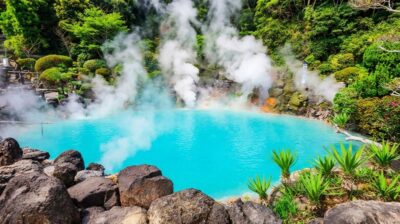
Kyushu One-Day Tour: Yufuin no Mori Train & Yufuin Town & Nyoirin-ji Temple & Dazaifu & Hell Hot Springs (Departing from Fukuoka)
Read our review →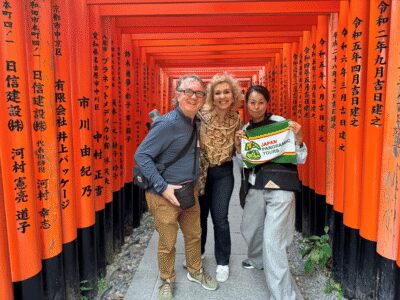
Fushimi Inari, Kinkakuji, Bamboo Grove 1 Day Bus Tour
Read our review →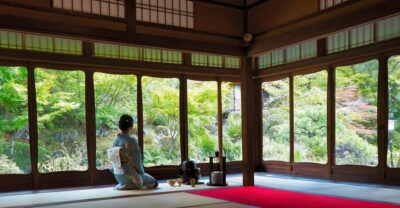
Tea Ceremony in a Traditional Tea House in Kiyomizu
Read our review →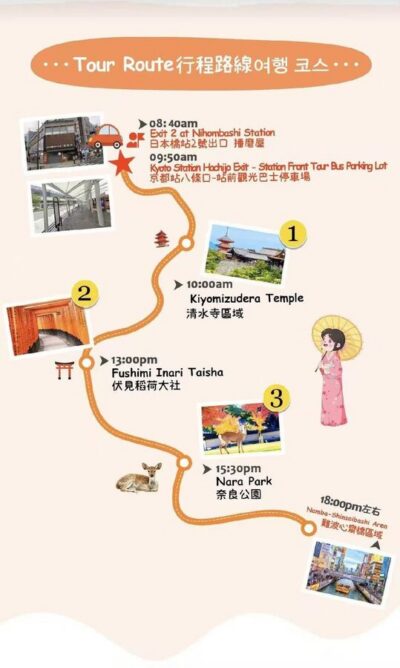
Kyoto Nara Day Trip │ Kiyomizu-dera Temple + Fushimi Inari-taisha Shrine + Nara Park (Departing from Osaka/Kyoto)
Read our review →
Browse the lists this tour appears in