
Reviewed · FULL-DAY
From Tokyo to Kyoto and Nara: A Captivating Full-Day Private Tour
Kyoto and Nara in one very long day. This private tour uses Japan’s fast bullet trains to connect Tokyo with two major cultural centers, giving you a practical way to see far more when your schedule is tight. I especially like the private guide and the chance to adjust the plan, along with the help arranging train travel that can otherwise feel confusing. The main drawback is cost: the advertised $490 group price does not include train tickets, local transport, guide pickup fees, meals, or temple admission.
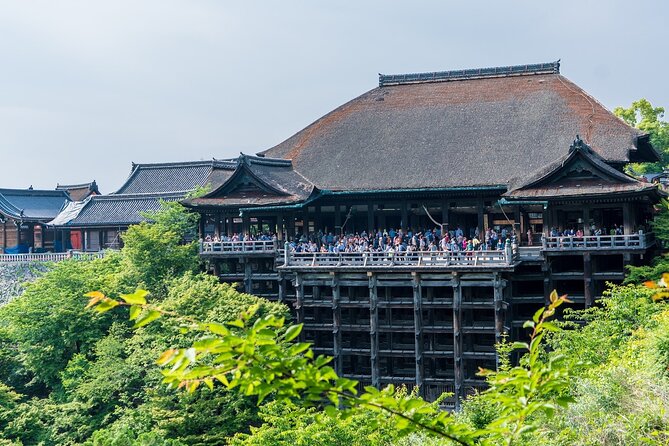
The plan covers Nara Park, Todaiji Temple, Kinkakuji, Gion, and Fushimi Inari Shrine, with about an hour at each stop. That is an impressive list, but it also means a fast pace and limited time for quiet wandering. Guides such as Ahmed, Yuka, Moto, Midori, and Yuji Hino have been praised for clear explanations, family-friendly help, flexibility, and even photography.
In This Review
- Key points to know before booking
- What this Tokyo to Kyoto and Nara tour is really trying to do
- The bullet train saves time, but not money
- Nara Park: deer, open space, and one important tip
- Todaiji Temple and the Great Buddha
- Kinkakuji: Kyoto’s golden postcard
- Lunch beneath Kyoto Station
- Gion: Kyoto’s old streets in a short visit
- Fushimi Inari and the red torii gates
- Why the private guide matters
- Value, pace, and who should book
- Should you book this one-day Japan trip?
- FAQ
- How long does the tour last?
- Is the tour private?
- Are bullet train tickets included?
- Does the $490 price include transportation?
- Is a Tokyo pickup fee required?
- Are lunch and temple admission included?
- Which places are included in the route?
- Can I cancel for a full refund?
Key points to know before booking
- The $490 price is only the starting price: Bullet train tickets, transport, a possible Tokyo pickup fee, lunch, and temple admission are extra.
- You see Kyoto and Nara in roughly 10 hours: This is designed for a first look, not a slow cultural stay.
- The train booking help has real value: You avoid handling the bullet train reservation yourself, but you still pay the ticket cost separately.
- The guide can shape the day around you: Previous itineraries have been changed to suit limited time, children, train delays, and personal interests.
- Todaiji is the Nara highlight: The Great Buddha Hall and its enormous bronze Buddha give the Nara portion a powerful sense of scale.
- Fushimi Inari needs self-discipline: The red gates continue uphill, so you will need to decide how far to walk before returning to the schedule.
What this Tokyo to Kyoto and Nara tour is really trying to do
This is not a relaxed transfer from Tokyo to Kyoto. It is a high-energy sightseeing mission for someone who has only one available day and wants to collect major sights in both Kyoto and Nara.
The tour lasts about 10 hours. In that time, you travel from Tokyo to the Kansai region by bullet train, meet your guide at the arrival station, visit Nara, continue to Kyoto, and then return by train. The arrangement removes much of the planning burden, but it cannot remove the distance. Tokyo, Kyoto, and Nara are not close together, and even Japan’s speedy rail network cannot turn this into an easygoing day.
I see the strongest case for this tour among people on a business trip, a cruise stop, or a short first visit to Japan. One person described having only one free day during a business trip and wanting the entire trip organized from hotel pickup through the return journey. That is exactly the problem this service aims to solve.
Because the activity is private, you are not tied to a large group’s pace. Up to 10 people can participate, though the larger your group becomes, the more important it is to discuss transport arrangements and timing before the day begins.
More Private Tours in Tokyo
- Tokyo 6hr Private Tour with Government-Licensed Guide
★ 5.0 · 3,902 reviews - Private Tour to Mt. Fuji and Hakone (Fully Licenced Operator)
★ 5.0 · 1,910 reviews - Tokyo Customized Private Tour (Must See Places in 1 Day)
★ 5.0 · 1,499 reviews
The bullet train saves time, but not money
The bullet train is the backbone of the experience. The provider arranges the booking, so you do not have to stand in line or work through Japanese-language booking pages yourself. Your guide meets you at the arrival station, allowing the sightseeing portion to begin without another round of navigation.
The ticket is not included. The stated estimate is about ¥28,000 per person for a Tokyo to Kyoto and return ticket, depending on the ticket type. That is a major addition to the $490 group price, especially for a family or a group of several adults.
Other listed costs need careful attention:
- Transportation is listed as cash up to ¥100,000 for groups of up to five people.
- For more than five people, the information again lists ¥100,000 per booking, so confirm the exact arrangement before paying.
- A Tokyo Station pickup can involve a ¥60,000 guide cost, paid in cash to the guide.
- Lunch is extra.
- Todaiji and Kinkakuji admission together are listed at ¥1,300 per person.
These charges can change the value calculation completely. A small private group may find the service worthwhile for the planning help and personal attention. A larger group should ask for a full written cost estimate, since the transport and guide charges are substantial.
Nara Park: deer, open space, and one important tip
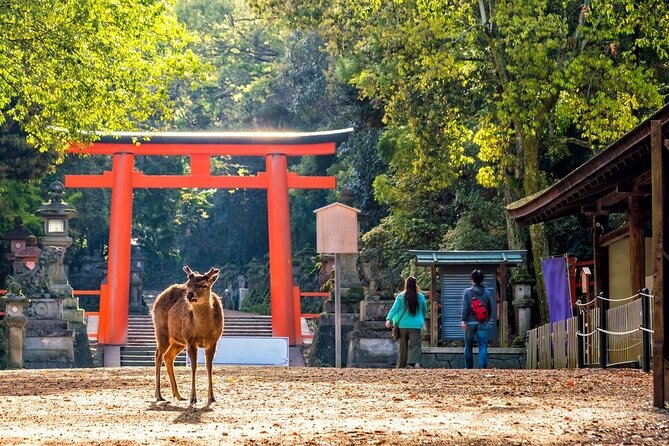
The day begins with about an hour in Nara Park. This is one of the more relaxed parts of the schedule, at least in feel. Deer move freely through the park, and you can walk among them in an open setting rather than viewing them behind barriers.
If you feed the deer, keep your attention on what is happening around you. One family specifically noted that the deer were charming but advised care when feeding them. The supplied information does not specify a feeding procedure, so follow your guide’s instructions and keep food and paper away from curious animals.
An hour gives you time to see the park and enjoy the encounter, but not enough time to explore every corner. That is the pattern for the whole day: you get a clear taste of each place, with little spare time for detours.
The park also gives your guide a useful chance to explain the connection between Nara’s public spaces, temples, and religious traditions. If you are traveling with a child, this may be the easiest stop to make immediately engaging. Moto was praised for working well with a five-year-old, which suggests that the private format can help families keep the day manageable.
Todaiji Temple and the Great Buddha
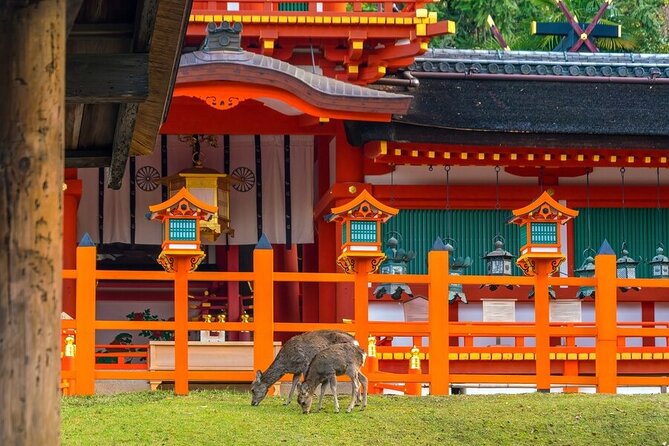
The Nara portion continues to Todaiji Temple and the nearby Kasuga Shrine area, with about an hour scheduled for this part of the visit. Admission is not included, and the listed combined entrance cost for Todaiji and Kinkakuji is ¥1,300 per person.
Todaiji is the reason many people will accept such a long journey from Tokyo. The Great Buddha Hall houses one of the world’s largest bronze Buddha statues, and the scale is difficult to appreciate from photographs alone. The building and statue create a strong visual center for the Nara visit, even when your time is short.
A guide adds value here because the site contains details that are easy to pass without context. Yuji Hino, for example, explained the source and arrangement of the pathway stones to one visitor, along with the symbolism behind them. That kind of explanation turns a quick temple visit into something more meaningful.
English signs are available inside much of Todaiji, but not every place elsewhere provides the same help. An English-speaking guide can explain the details that signs leave out, including religious customs, architectural choices, and the meaning of objects you might otherwise treat as decoration.
The limitation is obvious: one hour is enough for the principal hall and a focused explanation, not a full visit to every building and surrounding site. If Todaiji is your main reason for going to Nara, tell the guide early. The itinerary is described as flexible, and your priorities should shape the available time.
A completely different kind of day out:
- Tokyo Disney Resort – Tokyo Disneyland & Tokyo DisneySea Park Tickets
★ 4.8 · 99,488 reviews - SHIBUYA SKY Ticket
★ 4.7 · 46,509 reviews - JR Whole Japan Rail Pass
★ 4.8 · 29,150 reviews - Mt Fuji and Hakone 1-Day Bus Tour Return by Bullet Train
★ 5.0 · 26,383 reviews
Kinkakuji: Kyoto’s golden postcard
In Kyoto, the tour visits Kinkakuji, commonly called the Golden Pavilion. The building shines beside a pond, with carefully arranged gardens providing the setting that makes the view so famous.
This is a highly photographed sight, and you should expect the main pleasure to come from seeing the pavilion from the designated walking route rather than entering the building. The schedule allows about an hour, including the garden path and time for photographs.
The pavilion is one of the tour’s strongest first-visit choices because it offers an immediate sense of Kyoto’s traditional visual style. Gold leaf, water, clipped greenery, and temple architecture combine into a scene that is easy to understand even if you know little about Japanese history.
Admission is extra. Also, the site can feel much less tranquil than its pictures suggest when many people are present. Your guide’s role is useful here: they can explain what you are seeing, keep the visit moving, and help you make the best use of a limited hour.
Lunch beneath Kyoto Station
Lunch is scheduled at Porta Dining, the underground dining area beneath Kyoto Station. It is not included, so you choose and pay for your own meal.
This is a sensible practical stop. Kyoto Station is a major transport hub, and an underground dining area offers several choices without requiring a long detour. The guide can suggest traditional Japanese dishes, and one visitor particularly appreciated a guide’s lunch recommendation.
Do not expect a leisurely restaurant experience. The day has several major stops still ahead, and lunch is part of a tightly organized route. If you have dietary restrictions, tell the provider before the tour, since the available information does not explain how special meals are handled.
Gion: Kyoto’s old streets in a short visit
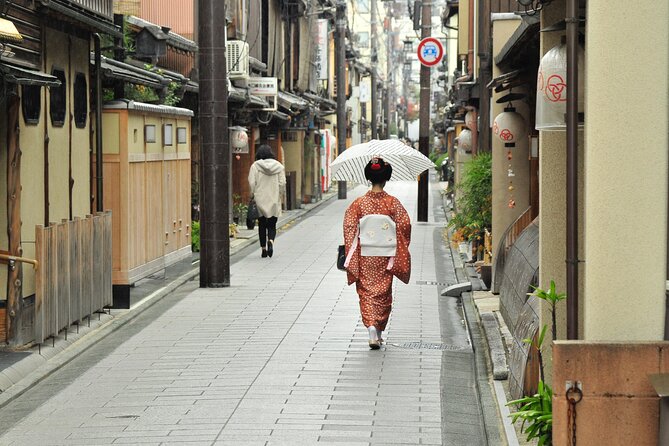
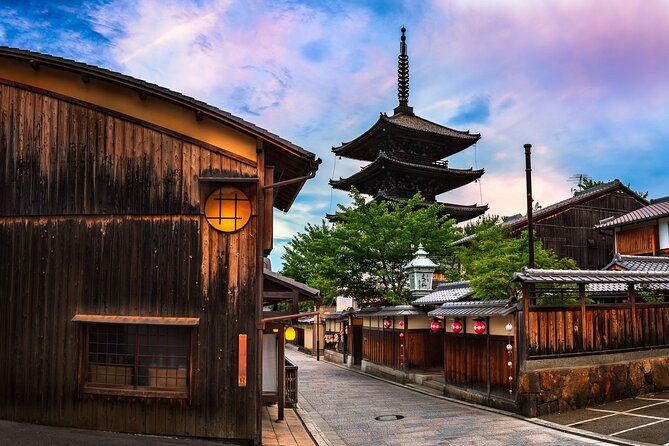
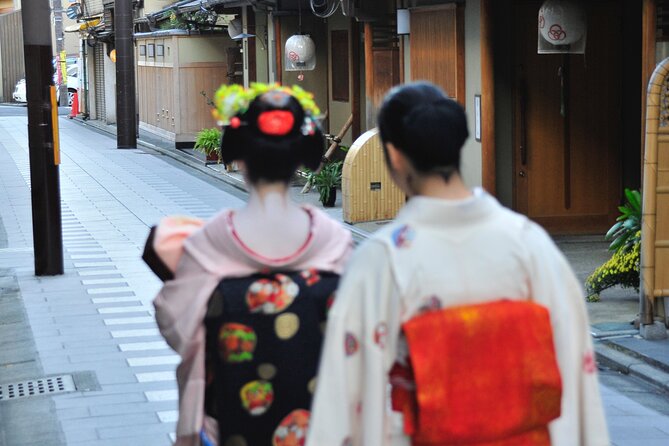
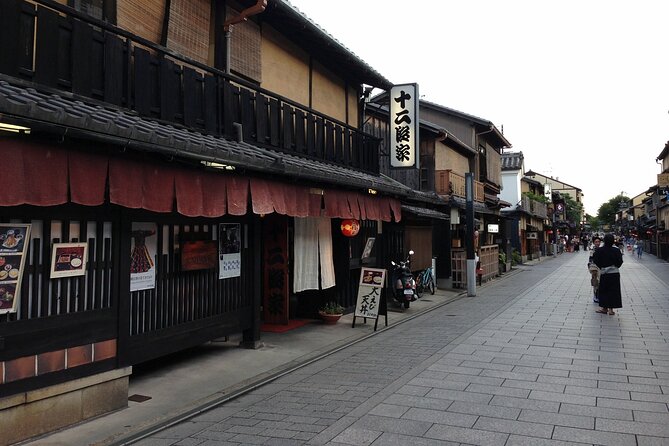
Gion offers a change of mood after the large temple grounds. You walk through Kyoto’s famous geisha district, known for traditional wooden machiya houses and narrow streets with a strong sense of place.
The scheduled hour lets you see the character of the district without turning the visit into a long neighborhood walk. Your guide can explain the area’s cultural traditions and help you understand the difference between a historic entertainment district and a stage set for photographs.
Be respectful here. The information describes Gion as a place of cultural heritage, not as a guaranteed opportunity to see geisha. Walk quietly, avoid blocking entrances, and follow any posted rules about photography.
Gion is also one of the stops most likely to benefit from a flexible itinerary. If your group cares more about temples than city streets, you may prefer to shorten this visit. If you want a taste of Kyoto beyond famous buildings, keep the full hour.
Fushimi Inari and the red torii gates
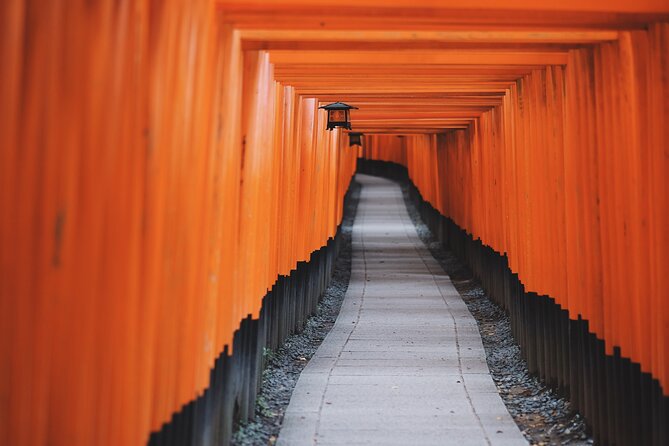
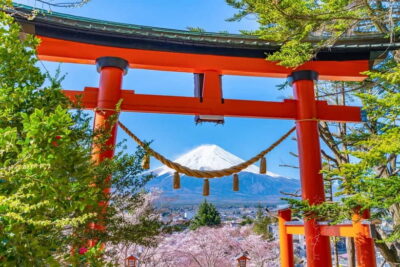
The final Kyoto stop is Fushimi Inari Taisha, known for its long paths of red torii gates running through wooded slopes. The first section gives you the famous visual experience quickly, but the gates continue much farther uphill.
With only about an hour, you cannot reasonably treat this as a complete mountain hike. Walk as far as your group can comfortably manage, take in the repeating gates, and return with enough time to stay on schedule.
The stop works well as a closing image because it feels different from Kinkakuji and Gion. Instead of a single pavilion or historic street, you experience a path that gradually changes as it rises. The route is also the point where physical fitness matters most. The tour asks for a moderate fitness level, and the uphill sections may be tiring after Nara and several hours of travel.
Wear comfortable shoes and do not let the famous gate tunnel pressure you into walking farther than your body allows. The guide can help you judge how much time remains.
Why the private guide matters
The best part of this experience is not simply having someone point out major buildings. It is having one person manage a difficult day while adapting the explanations and pace to your group.
Several guides have received strong praise for their work. Ahmed was described as accommodating, a good storyteller, helpful with city navigation, and skilled at taking photographs. Yuka was valued for explaining Japanese history and culture, both past and present. Moto worked especially well with a young child, while Midori was described as warm, attentive, and helpful.
The service also appears able to cope with changes. One itinerary was adjusted twice before the final plan suited the group. Another guide helped when a train schedule was delayed. Those details matter because a Tokyo to Kyoto day trip has little spare time. A small delay can affect every later stop.
Your experience will depend on the guide assigned to you, so it is sensible to state your interests when booking. Ask for emphasis on religion, architecture, photography, food, family pacing, or major highlights. The private setup gives you a better chance of receiving useful explanations instead of generic commentary.
Value, pace, and who should book
At $490 per group of up to 10, the headline price may look attractive. It becomes less simple after adding bullet train tickets, transport, the possible Tokyo pickup fee, lunch, and entrance fees. You should compare the full cost against the value of personal planning help, an English-speaking guide, and the chance to see Kyoto and Nara in one day.
I would not choose this tour for a slow, reflective Kyoto visit. You will spend a large portion of the day moving between cities, and each stop receives roughly an hour. Kyoto deserves several days, and Nara can easily fill a full day on its own.
I would consider it for:
- A first visit with only one free day
- A business trip with limited sightseeing time
- Families that want a private pace
- Groups that dislike arranging complex train travel
- People who want temple context rather than self-guided sightseeing
- Visitors who value a flexible plan and personal assistance
I would look elsewhere if you want Arashiyama’s bamboo forest as a central stop. One experience with Ahmed included that area, but the listed plan here focuses on Nara Park, Todaiji, Kinkakuji, Gion, and Fushimi Inari. Confirm your desired stops before booking, since not every famous Kyoto sight fits into this route.
Free cancellation is available up to 24 hours before the start time. Cancellations or changes within 24 hours are not refunded, and poor weather may lead to a new date or a full refund. The activity requires moderate physical fitness, so the combination of walking, temple grounds, station transfers, and the Fushimi Inari slope should factor into your decision.
Should you book this one-day Japan trip?
Book it if your priority is seeing the major sights of Kyoto and Nara from Tokyo with as little planning work as possible. The guide support, private format, and ability to adjust the day make the long schedule more practical than attempting the same route alone.
Before committing, ask for the complete cost in yen, confirm the Tokyo pickup arrangement, and make sure you understand which transport is covered. If you accept the pace and the extra charges, this can be a productive first look at Japan’s old imperial centers. If you have more than one day, spend that extra time in Kyoto rather than trying to repeat this marathon.
FAQ
How long does the tour last?
The tour lasts approximately 10 hours.
Is the tour private?
Yes. Only your group participates, with a maximum group size of up to 10 people.
Are bullet train tickets included?
No. Bullet train tickets from Tokyo to Kyoto and back are extra. The stated estimate is ¥28,000 per person, depending on the ticket type.
Does the $490 price include transportation?
No. Transportation costs are listed separately. For up to five people, the stated cash amount is up to ¥100,000 per booking. Confirm the exact transport cost before booking.
Is a Tokyo pickup fee required?
A Tokyo Station pickup may involve a ¥60,000 guide cost, paid in cash to the guide. Confirm the pickup location and fee in advance.
Are lunch and temple admission included?
No. Lunch is extra. Admission to Todaiji Temple and Kinkakuji is also extra, with a listed combined cost of ¥1,300 per person.
Which places are included in the route?
The planned stops are Nara Park, Todaiji Temple and the Kasuga Shrine area, Kinkakuji, Porta Dining beneath Kyoto Station, Gion, and Fushimi Inari Taisha Shrine.
Can I cancel for a full refund?
Yes, if you cancel at least 24 hours before the experience start time. Cancellations or changes made within 24 hours are not refunded. If poor weather cancels the experience, you are offered another date or a full refund.
Just added in Tokyo
- Toyosu Market Morning Tuna Auction and Tsukiji Food Tour with Licensed Guide★ 4.5 · 146 reviews
- Tsukiji Food and Toyosu Market with Government-Licensed Guide★ 5.0 · 158 reviews
- JDM Itasha trip to famous car meet up spot Daikoku Parking★ 4.5 · 175 reviews
- Tokyo Spectacular View Day-Cruise in 90 Minutes★ 5.0 · 25 reviews
- Master the art of Sushi : Toyosu Market Tour & Tuna Cutting★ 5.0 · 60 reviews
- Private Tour: Tokyo’s Oldest Sake Brewery and Riverside Walk★ 5.0 · 25 reviews
- Tokyo’s Scariest Shitamachi Ghost Tour★ 4.0 · 30 reviews
- 3-Hour Tokyo Private E-Bike Tour Starting from Your Hotel★ 5.0 · 117 reviews
Full-Day, compared.

Mount Fuji Full-Day Private Tour from Tokyo (Customizable)
Read our review →
Hiroshima / Miyajima Full-day Private Tour with Government Licensed Guide
Read our review →
Mount Fuji Full-Day Small Group driver-guide tour (with Pick-up option)
Read our review →

5 Top Highlights of Kyoto Full Day Bike Tour (E-bike option)
Read our review →
Full Day Biking Tour Exploring the Best of Kyoto
Read our review →Browse the lists this tour appears in