
Reviewed · 7-DAY EXPERIENCES
Imperial Capitals of Japan Small Group Tour (7 Days) by Firebird Tours Review
Tokyo’s imperial grounds, the red gates of Fushimi Inari, and a day near Mt. Fuji give this seven-day trip a useful sweep of Japan’s city life, sacred sites, and scenery. It starts in Tokyo and ends in Kyoto, with the Shinkansen ride between them serving as part of the experience, not just a transfer.
I like the mix of guided visits and free evenings, which gives you help with the big sights without filling every hour. I also like the small-group limit of 14 and the planned stays at four-star hotels, including Hotel Kanra Kyoto, which one past participant particularly liked.
The trade-off is pace and price: at from $3,628, this is a short, organized introduction rather than a slow visit, and the ratings for guiding, transport, food, and itinerary are mixed. The Mt. Fuji day also depends on the mountain being visible, so keep expectations flexible.
In This Review
- At a glance
- Seven days from Tokyo’s palace to Kyoto’s red gates
- Day 1: A soft landing in Tokyo
- Day 2: Tokyo by train, from the palace to Asakusa
- Day 3: Mt. Fuji and Ashi Lake
- Day 4: The Shinkansen to Kyoto
- Day 5: Kyoto’s palace, bamboo grove, and tea ritual
- Day 6: Fushimi Inari’s gates and 1,001 Kannon figures
- Day 7: Departure from Kyoto
- What the hotels and service add
- Is $3,628 good value?
- Who should book this Japan tour?
- FAQ
- How long is the tour, and where does it start and end?
- What is the maximum group size?
- Which hotels are included?
- Are meals included?
- Is the Tokyo-to-Kyoto train included?
- Is the tour suitable for someone looking for light activity?
- Can I leave the tour after Day 3?
- Which months have departures?
At a glance
- Tokyo to Kyoto in seven days: Three nights in Tokyo, then three in Kyoto, with arrival and departure transfers included.
- A small group, not a private trip: The maximum group size is 14, and the same English-speaking group travels through the full itinerary.
- Tokyo by public train: A private guide leads the city day, including the Imperial Palace, Nihonbashi, Tokyo Sky Tree, and Asakusa.
- A full day outside Tokyo: A private guide and driver take you toward Mt. Fuji and Ashi Lake.
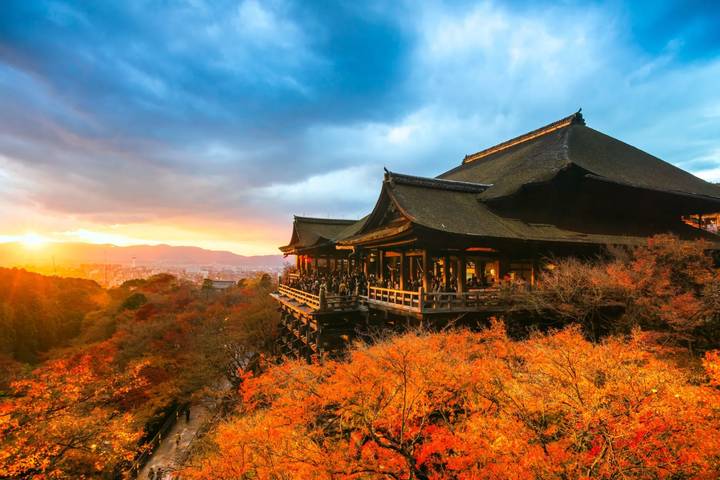
- Kyoto’s major sights: The program includes the Bamboo Forest, Kinkakuji, Fushimi Inari, and Sanjusangendo.
- A cultural activity with participation: At the tea ceremony, you wear a kimono, try matcha, and have Japanese sweets.
Seven days from Tokyo’s palace to Kyoto’s red gates
This trip packs a lot into a week, but its route makes sense. You begin in Tokyo, take a day trip toward Mt. Fuji, then ride the Shinkansen to Kyoto for three nights. That split gives you a look at two very different cities without asking you to unpack every night.
The tour is partially guided. You have scheduled guides for key sightseeing days, while evenings and some transitions are yours to manage. The group size is capped at 14, and the operator says the same English-speaking group stays together from start to finish. That can make the days feel more sociable than a string of separate private excursions, while still leaving room to wander on your own.
The listed price starts at $3,628, based on the cheapest room option. Four-star hotels, breakfasts, selected lunches, guides, some entrance fees, intercity train tickets, and airport transfers are included. The price is substantial, so the value depends on how much you want the planning and guided logistics handled for you. It is less compelling if your main goal is to spend long, unstructured stretches in each city.
A few more options to weigh up in Tokyo
- Tokyo Disney Resort – Tokyo Disneyland & Tokyo DisneySea Park Tickets
★ 4.8 · 99,488 reviews - SHIBUYA SKY Ticket
★ 4.7 · 46,509 reviews - JR Whole Japan Rail Pass
★ 4.8 · 29,150 reviews
Day 1: A soft landing in Tokyo
A driver meets you at Tokyo airport and takes you to Park Hotel Tokyo. The rest of the day is open, a sensible cushion after a long flight and a chance to adjust before a full sightseeing day.
The meeting-point details deserve a quick check before departure. The tour information names the airport arrivals hall for pickup, but also lists the National Art Center as a start point. Confirm the exact airport meeting instructions with Firebird before you fly so you are not left trying to decode two different locations after landing.
Day 2: Tokyo by train, from the palace to Asakusa
You meet a private guide after breakfast and use Tokyo’s public trains to get around. That is a practical introduction to the city’s transit system, and it avoids spending the day watching Tokyo pass through a car window. Lunch is included, though the exact restaurant or menu is not specified.
The day begins at the Imperial Palace, the Emperor’s residence since 1868, then continues to Nihonbashi. The historic business district grew around a bridge that has linked the two sides of the Nihonbashi River since the 17th century. These stops offer useful contrast: one is the seat of the modern imperial household, the other a district shaped by trade and city life.
Next comes Tokyo Sky Tree, with a visit to the observation deck at 350 meters. On a clear day, the height gives you a broad view over the city; weather and haze can limit it, so treat the view as a bonus rather than a guarantee. The schedule then turns to Asakusa and Sensoji, described in the tour information as Tokyo’s oldest temple, followed by Nakamise shopping street, where you can browse souvenirs and local sweets.
This is a full day with several changes of scene. If you prefer to linger at temples or shop slowly, you may find the pace brisk. Still, a guide can make the first Tokyo day easier to navigate, especially when you are learning the rail system and getting your bearings.
Day 3: Mt. Fuji and Ashi Lake
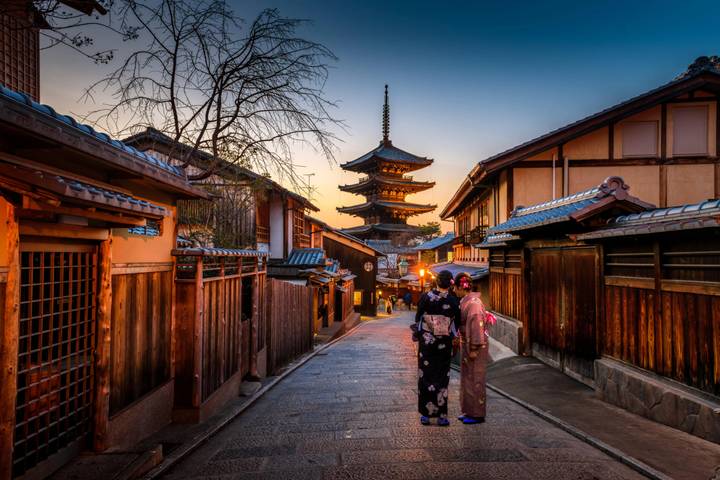
A private guide and driver take you out of Tokyo for a full day in Fuji-Hakone-Izu National Park. Mt. Fuji is Japan’s highest mountain and a sacred site, with temples and shrines linked to its religious history. The program describes a walk through an atmospheric crater area and visits to nearby temples and shrines, followed by time at Ashi Lake, formed by volcanic activity around 3,000 years ago.
The combination is a strong change of pace after Tokyo: mountain scenery, a volcanic lake, and places of worship rather than city streets and department-store districts. A driver is especially helpful on a day with several stops beyond central Tokyo. The description mentions Ashi Lake, but does not clearly confirm a boat cruise, so do not assume a cruise is included.
Mt. Fuji is weather dependent. The mountain may be partly or fully obscured, even when the rest of the day goes ahead. I would pack for changing conditions and enjoy the area for its temples and lake as well as the chance of a clear view.
A completely different kind of day out:
- Mt Fuji and Hakone 1-Day Bus Tour Return by Bullet Train
★ 5.0 · 26,383 reviews - TOKYO SKYTREE® Ticket
★ 4.7 · 25,136 reviews - teamLab Borderless Tickets: MORI Building DIGITAL ART MUSEUM
★ 4.7 · 24,126 reviews - teamLab Planets TOKYO Ticket
★ 4.7 · 21,663 reviews
Day 4: The Shinkansen to Kyoto
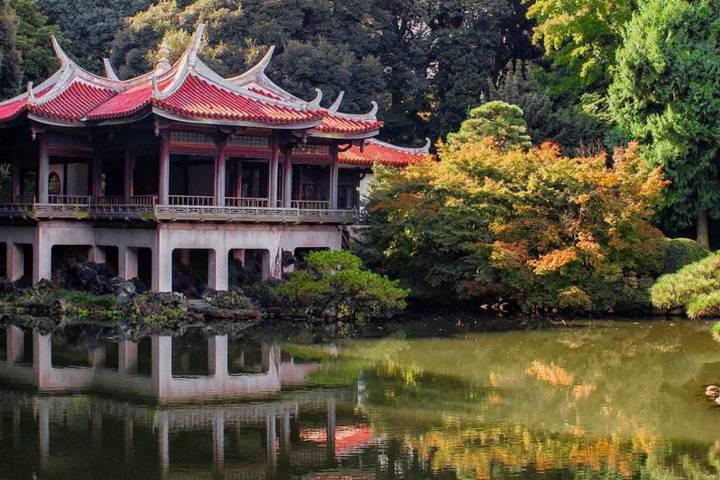
After breakfast, you take the Shinkansen from Tokyo to Kyoto and check in at Hotel Kanra Kyoto. The bullet-train ride is a defining piece of travel in Japan: quick, comfortable intercity transport that makes this two-city itinerary possible in a week.
The tour includes the train ticket, but the information does not specify the departure time or seat class. You have one night without a guided sightseeing program after arriving, so you can settle into the hotel and save your energy for Kyoto’s full day ahead.
Day 5: Kyoto’s palace, bamboo grove, and tea ritual
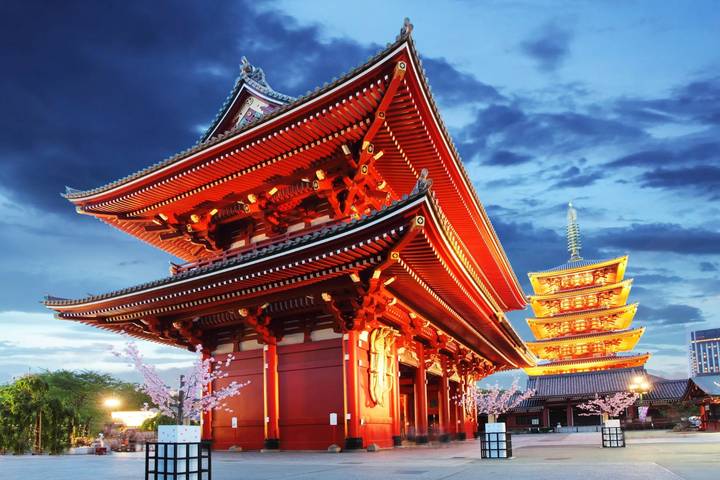
The Kyoto day starts at the Imperial Palace, home of the Imperial Family from 794 to 1868, when Kyoto was Japan’s capital. You see the buildings from outside and explore the public gardens. This is not the same as touring palace interiors, a distinction worth keeping in mind if rooms and furnishings are your main interest.
Then you head to Arashiyama, the district best known here for its Bamboo Forest. The tall bamboo makes a striking setting, but it is also one of Kyoto’s most photographed spots. Go expecting a popular attraction, not a quiet woodland walk. The guided visit helps you fit it into the day, though the time available for exploring is not stated.
Kinkakuji, the Golden Pavilion, is next. Its gold-covered exterior and setting make it one of Kyoto’s most recognizable temples, and the visit adds a formal religious site to a day that otherwise moves between palace gardens and the natural feel of Arashiyama. The route ends with a traditional tea ceremony. You wear a kimono, taste matcha, and have Japanese sweets made to pair with the tea.
That hands-on activity is a welcome counterpoint to looking at famous sights. It gives you a structured way to encounter a Japanese custom, even if it is a brief introduction rather than an in-depth study. Breakfast is included; other meals on this day are not specified.
Day 6: Fushimi Inari’s gates and 1,001 Kannon figures
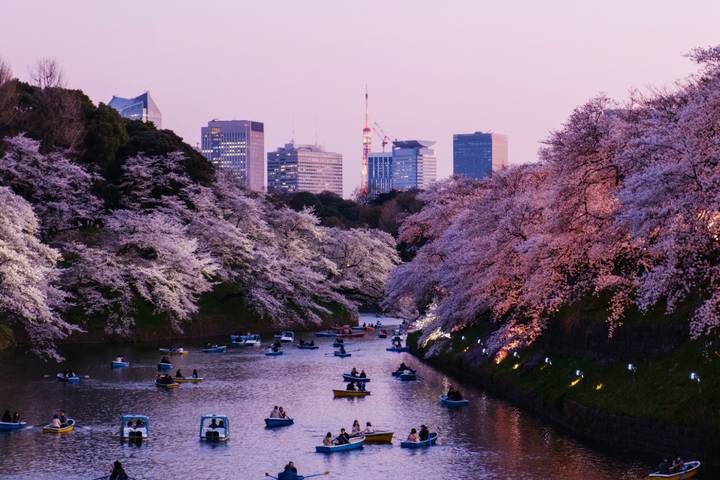
You use public trains for this half-day with a guide. At Fushimi Inari Shrine, thousands of red torii gates line trails leading into the forest on Mount Inari. The shrine is dedicated to Inari, the Shinto god of rice, and the walk gives you a chance to see more than the main entrance if you have the energy and time.
The exact length of the hike is not stated. The tour is rated low intensity, but the shrine trails involve walking, and the route you take can make the visit more or less demanding. Comfortable shoes are a sensible choice.
The second stop is Sanjusangendo Temple, known for its 1,001 life-sized statues of Kannon, the goddess of mercy. It offers a very different kind of visit from Fushimi Inari: quiet, interior, and focused on an extraordinary collection of religious figures. The tour returns you to your hotel with the evening free.
Day 7: Departure from Kyoto
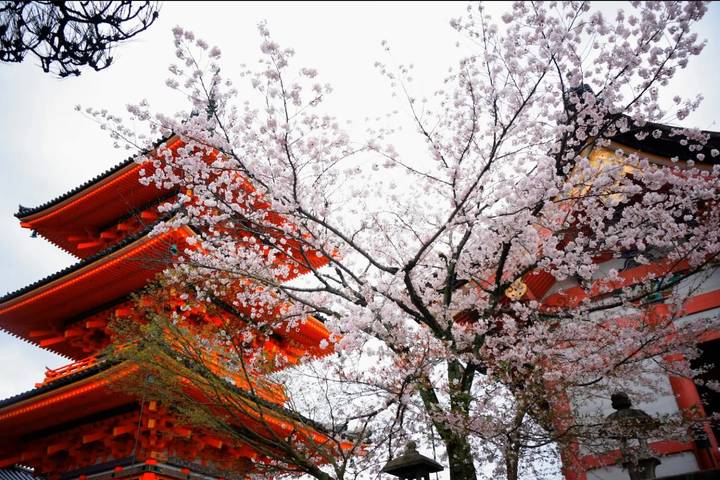
You check out in the morning, and a private driver takes you to Kyoto airport. The trip ends in Kyoto, so make sure your onward flight leaves from the airport covered by the transfer arrangement. The information does not specify flight times or whether the transfer includes a stop elsewhere.
What the hotels and service add
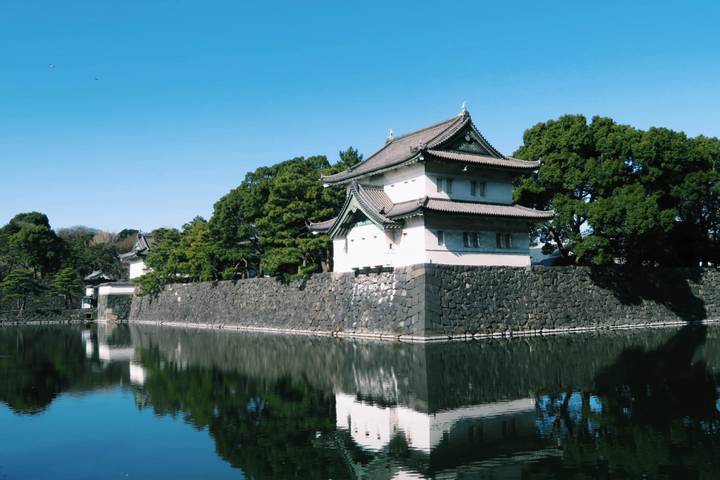
The stay is split between Park Hotel Tokyo for three nights and Hotel Kanra Kyoto for three nights. Both are listed as four-star hotels, and breakfast is included at the hotels. One person who took the tour especially liked the Kyoto hotel, while another found both hotels very good. That is encouraging, though it is not a promise that every room or preference will match.
Service feedback is more mixed. Firebird Tours has an operator rating of 4.8 out of 5 from 19 ratings, while this tour is rated 4 out of 5 from two ratings. One participant described destination specialist Olia as quick to answer questions and found the Firebird app useful for keeping trip details organized. Another found the booking process cumbersome, with a lot of email back-and-forth.
Guide quality is also a consideration. The tour includes English-speaking guides, but the available ratings for guides are 3 out of 5, and one participant found the quality varied. The operator’s high overall score is reassuring, but it does not remove the value of confirming details in writing, especially the airport meeting point and what is included on the Mt. Fuji day.
Is $3,628 good value?
At the starting price, you are paying for more than hotel nights. The package bundles four-star accommodation, breakfast, guided city visits, some entrance fees, the Tokyo-to-Kyoto train, and airport transfers. On the Tokyo sightseeing day, you also have lunch. For a first visit, that structure can save planning time and ease the challenge of reaching several sights across two cities.
The price looks less attractive if you are comfortable arranging trains, hotels, and guides yourself, or if you want long stretches of unscheduled time. The itinerary covers headline sights quickly, and the ratings for itinerary, transport, guides, and food are each 3 out of 5. The accommodation rating is 4 out of 5, and the tour-operator rating is 4.8 out of 5. With only two ratings for the tour itself, these numbers are useful signals, not a final verdict.
Departures are offered in October and November. The group is for ages 12 and up, with a maximum of 14 people. The physical rating is low intensity, but expect walking at city sights, temples, gardens, and the Fushimi Inari trails.
Who should book this Japan tour?
I would consider this trip if you have one week, want Tokyo and Kyoto in the same itinerary, and prefer guides for the major visits without being escorted every hour. It is especially useful for a first visit when public transport, city layout, and the volume of famous sights can make planning feel like a second job.
It is a less natural fit if you want a leisurely pace, a guaranteed view of Mt. Fuji, or detailed access inside every palace. Before booking, confirm the exact pickup point, how the Ashi Lake visit is handled, and the day-by-day timing. If you value a compact introduction, four-star hotels, and a small group more than a low price, this is a workable way to connect Japan’s two former imperial capitals.
FAQ
How long is the tour, and where does it start and end?
It lasts seven days, starting in Tokyo and ending in Kyoto.
What is the maximum group size?
The maximum group size is 14. The operator says the same English-speaking group travels together from start to finish.
Which hotels are included?
You stay at Park Hotel Tokyo for three nights and Hotel Kanra Kyoto for three nights. Both are listed as four-star hotels.
Are meals included?
Breakfast is included at the hotels. Lunch is included on the Tokyo sightseeing day. Other meals are not listed as included.
Is the Tokyo-to-Kyoto train included?
Yes. The itinerary includes intercity transportation by Shinkansen from Tokyo to Kyoto.
Is the tour suitable for someone looking for light activity?
It is rated low intensity. The program still includes walking at temples, gardens, city sights, and the Fushimi Inari trails.
Can I leave the tour after Day 3?
The operator says it can arrange for you to leave after Day 3 and return to Tokyo for departure. The quoted estimate for that shorter arrangement is around 35 to 40 percent of the full tour price.
Which months have departures?
The listed departure months are October and November.
Just added in Tokyo
- Wonders Of Japan 10-Day Tour by Travel Talk★ 4.5 · 14 reviews
- Wonders of Japan end Tokyo GO 15-Day Tour by Europamundo★ 4.2 · 10 reviews
- Wonders of Japan end Tokyo 15-Day Tour by Europamundo★ 4.2 · 10 reviews
- Wonders of Japan End Osaka by Europamundo – 12-Day Tour★ 4.2 · 58 reviews
- Wonders of Japan End Osaka (including Fukuyama) 12-Day Tour by Europamundo★ 4.2 · 58 reviews
- Wonders of Japan End Osaka GO by Europamundo – 12-Day Tour★ 4.2 · 58 reviews
- Walk Japan – Kumano Kodo Trail 12-Day Tour by Explore!★ 4.7 · 20 reviews
- Visions of Japan with Hiroshima & Osaka 15-Day Tour by Globus★ 5.0 · 75 reviews
7-Day Experiences, compared.


Essential Japan GO by Europamundo – 7-Day Tokyo to Osaka Tour
Read our review →
Tokyo, Kyoto and Hiroshima end Tokyo by Europamundo – 7-Day Tour
Read our review →
Tokyo, Kyoto and Hiroshima end Tokyo GO 7-Day Tour by Europamundo
Read our review →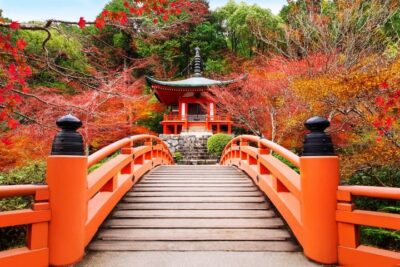
Tokyo, Kyoto and Hiroshima 7-Day Tour by Europamundo
Read our review →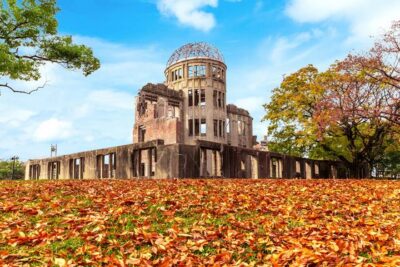
Tokyo, Kyoto and Hiroshima GO by Europamundo – 7-Day Tour
Read our review →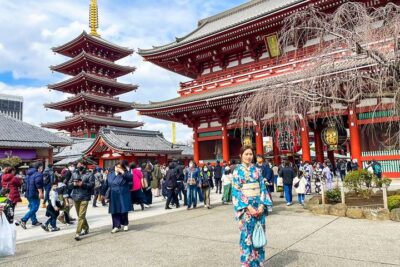
7-Day Best Japan Mini Group Tour with 3/4 Stars Hotels by Agate Travel
Read our review →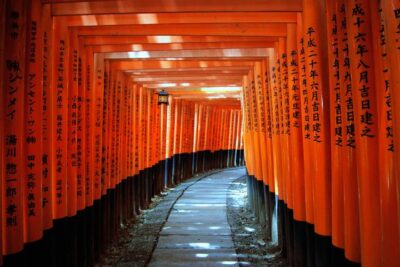
Browse the lists this tour appears in