Reviewed · MULTI-DAY TOURS THAT VISIT HIMEJI
Japan Family Holiday by Intrepid Travel – 12 Days, Tokyo to Kyoto – Reviews & Prices
Tokyo’s calligraphy brushes and neon streets give way to Hakone hot springs, Hiroshima’s Peace Park and Kyoto’s temple paths on this 12-day family trip. The journey itself is part of the fun: you’ll ride the shinkansen, local trains, a cable car and a boat, with a leader helping your family manage the changes.
I like the mix of hands-on activities, such as calligraphy and puzzle boxes, and serious cultural visits, especially Hiroshima. I also like that you get time to make some of Kyoto your own, rather than moving as a group every hour. One trade-off: you’ll spend plenty of time on your feet, and you’ll need to handle your own luggage through train stations.
In This Review
- At a glance
- Tokyo: calligraphy, street life and a dinner cruise
- Hakone: ryokan customs and a chance at Fuji views
- Hiroshima: a necessary pause in the journey
- Himeji and Kyoto: castles, market food and shrine paths
- Arashiyama and a free day to shape
- What the price covers, and what it doesn’t
- Who should book this Japan family trip?
- FAQ
- Does the tour start and end in the same city?
- How many nights are in hotels and traditional inns?
- Are meals included?
- Are flights and travel insurance included?
- How much walking and luggage handling should I expect?
- What is the group size and minimum age?
At a glance
- Tokyo to Kyoto in 12 days: See Tokyo, Hakone, Hiroshima, Miyajima, Himeji and Kyoto, with a clear route by rail.
- A memorable night at a ryokan: Spend two nights in Hakone, with futons, tatami mats and the option of a traditional onsen bath.
- Culture with kid appeal: Try calligraphy, ride a pirate-ship-style boat on Lake Ashinoko and puzzle over hand-crafted secret boxes.
- History with weight: Visit the A-Bomb Dome and Peace Memorial Park in Hiroshima, then see Himeji Castle on the way to Kyoto.
- Time to choose your own pace: Several afternoons and a full day in Kyoto are free, with optional activities available at extra cost.
Tokyo: calligraphy, street life and a dinner cruise
Your first day is deliberately light. Arrive at your own pace, then meet the group and leader at 5 pm. An optional dinner gives you an easy first meal with the other families, but it is not included, so you can also settle in quietly if jet lag has other plans.
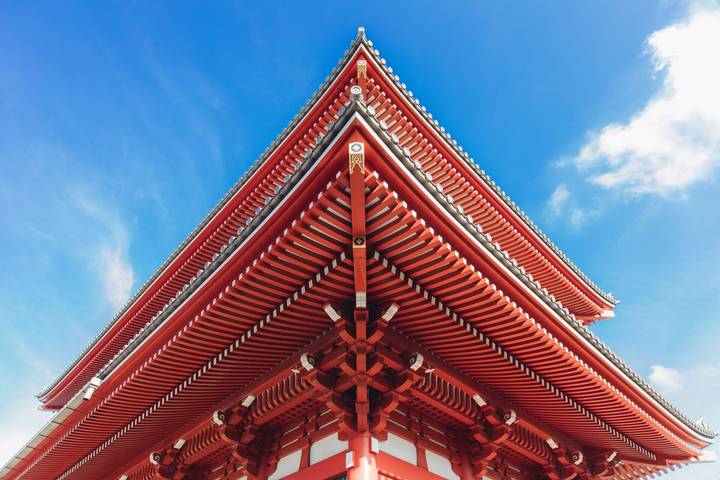
On day two, Sensoji Temple introduces you to Asakusa, one of Tokyo’s older temple districts. The nearby shopping street is useful for a first look at snacks and souvenirs, while the afternoon is open for lunch or a self-guided visit to Akihabara’s manga shops. You’ll need to decide how to use that free time; this is not a trip that escorts you to every attraction.
The evening brings a group dinner aboard a boat on Tokyo Bay, with monjayaki cooked on a hot plate. It is a sociable, distinctly local meal, though its soft, gooey texture may be a new experience for children. If someone in your family is cautious about food, check dietary needs with Intrepid before departure.
Day three mixes a calligraphy lesson in Shinjuku with a group lunch, a walk through Harajuku and free time in Shibuya. The contrast is part of the appeal: you move from a traditional art form to Takeshita Street’s youth fashion, then finish near the famous pedestrian crossing. Harajuku’s crepes and 3D latte art are optional purchases, not included meals.
A few more options to weigh up in Tokyo
- Tokyo Disney Resort – Tokyo Disneyland & Tokyo DisneySea Park Tickets
★ 4.8 · 99,488 reviews - SHIBUYA SKY Ticket
★ 4.7 · 46,509 reviews - JR Whole Japan Rail Pass
★ 4.8 · 29,150 reviews
Hakone: ryokan customs and a chance at Fuji views
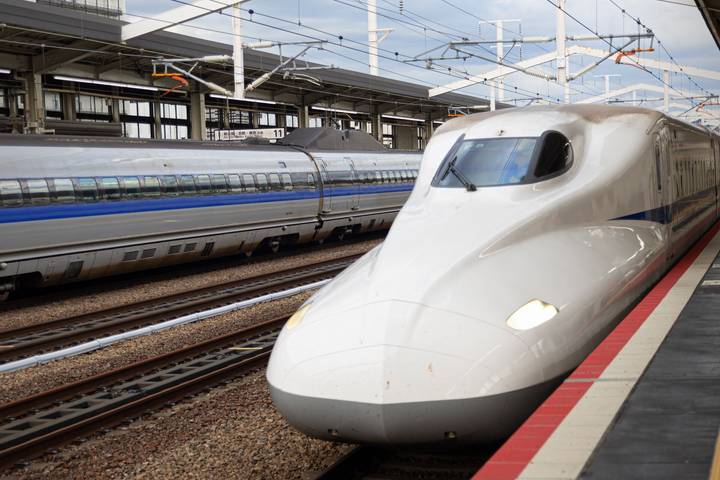
On day four, the shinkansen takes you from Tokyo toward Hakone, with the journey itself offering a first taste of Japan’s famously fast rail system. The tour describes speeds of up to 285 kilometres per hour. The railway is efficient, but the practical part is yours: keep your bags manageable and be ready to move through stations with the group.
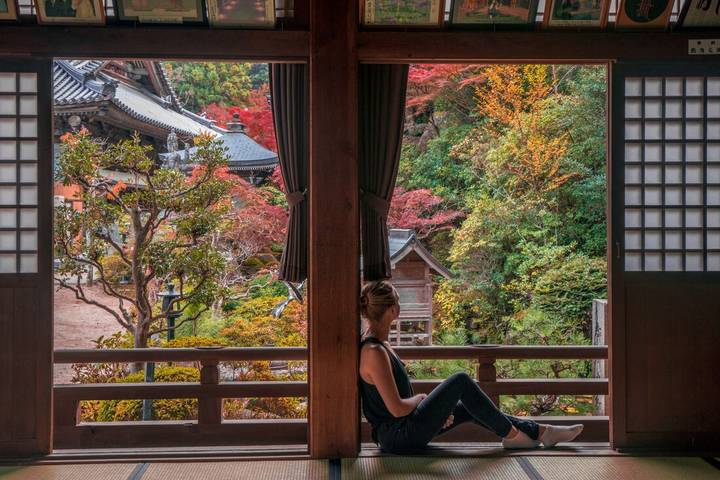
Hakone is the trip’s change of pace. You stay two nights in a traditional inn, where rooms may have tatami floors and futons rather than beds. Onsen bathing is part of the experience, but it is optional. If sitting or getting up from a floor is difficult for anyone in your family, take the room style seriously when deciding if this trip fits.
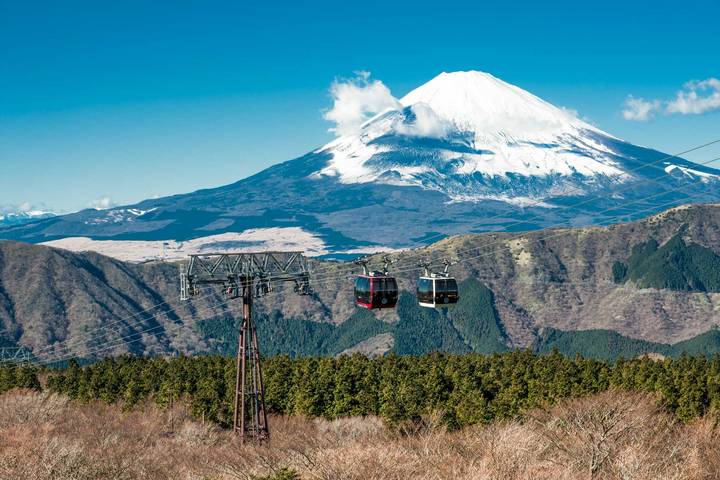
Day five pairs the ropeway ride to Owakudani with a cruise on Lake Ashinoko and a visit to the Karakuri Secret Box Museum. The views of Mount Fuji depend on the weather, so enjoy the volcanic valley and lake even if clouds hide the mountain. The puzzle boxes give children something to work on beyond the scenery.
The afternoon is free for a grassland walk or an optional hot spring theme park, which has different baths and water slides. Those activities are not included in the tour price. Check current opening details and costs before setting your family’s expectations.
Hiroshima: a necessary pause in the journey
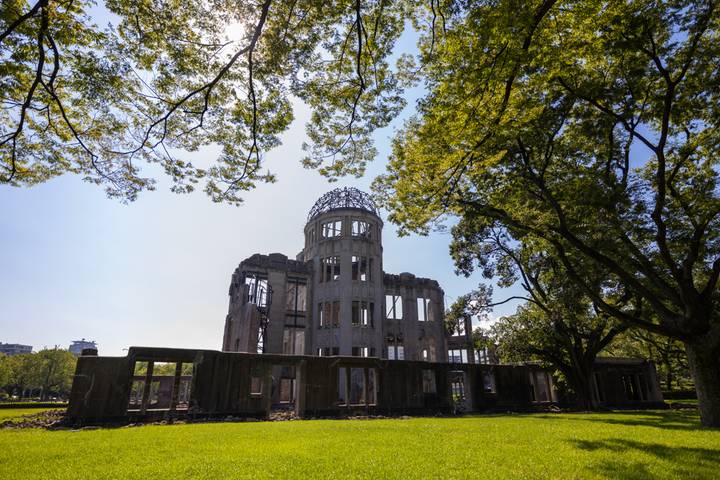
Day six is a long rail transfer from Hakone to Hiroshima, followed by a visit to the A-Bomb Dome and Peace Memorial Park. The subject is difficult, but the visit gives the itinerary historical depth and a chance to discuss the human cost of the 1945 bombing. The Peace Memorial Museum is listed as optional, so you can decide as a family how much time and detail feel right.
Hiroshima-style okonomiyaki makes a good dinner choice if you want to try a local specialty. This version layers yakisoba noodles into the savoury pancake, with toppings that can include meat, seafood or vegetables. The meal is listed among the included dinners, while the museum visit is not.
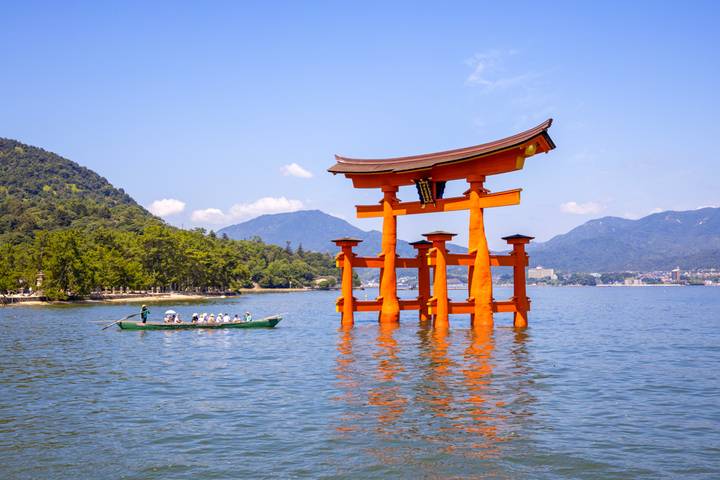
The next morning, a short ferry ride takes you to Miyajima Island. Itsukushima Shrine and its bright orange torii gate are the main draw, while Momiji Park, the Mt. Misen cable car and the island’s free-roaming deer offer other ways to spend the day. Shrine entry and the cable car may add costs, so plan your preferred version of the outing in advance.
You return to Hiroshima in the afternoon, leaving the option of a visit to the reconstructed castle. That makes for a full two days, but the mix of solemn history and island scenery helps vary the pace.
Himeji and Kyoto: castles, market food and shrine paths
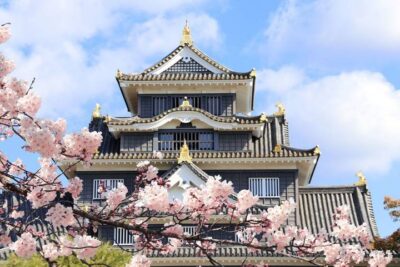
On day eight, you travel by bullet train toward Kyoto, stopping at Himeji Castle along the way. The castle’s defensive design is the lesson here: moats, towers and walled routes were arranged to confuse attackers. It is a striking contrast to the modern trains you have been riding, and a useful introduction to Japan’s feudal past.
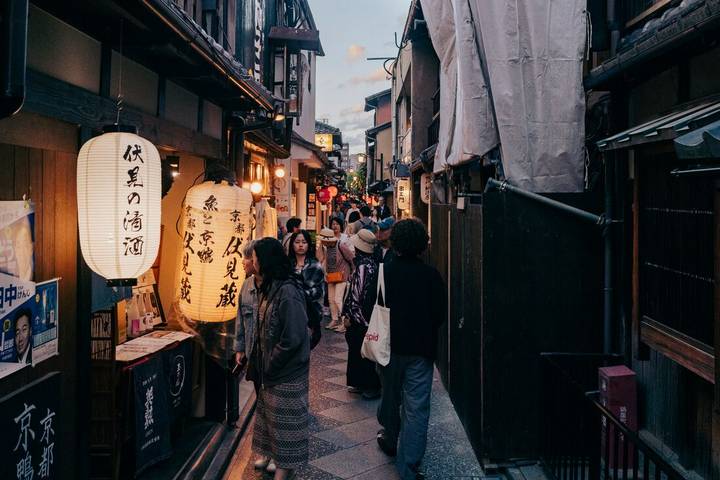
After reaching Kyoto, you visit Nishiki-Koji Market, where you can see ingredients and specialties associated with Kyoto cooking. The day ends with a walk in Gion, where you may see geiko or maiko on their way to engagements. Treat that as a possibility, not a promised sighting, and be respectful if you do see someone passing through the district.
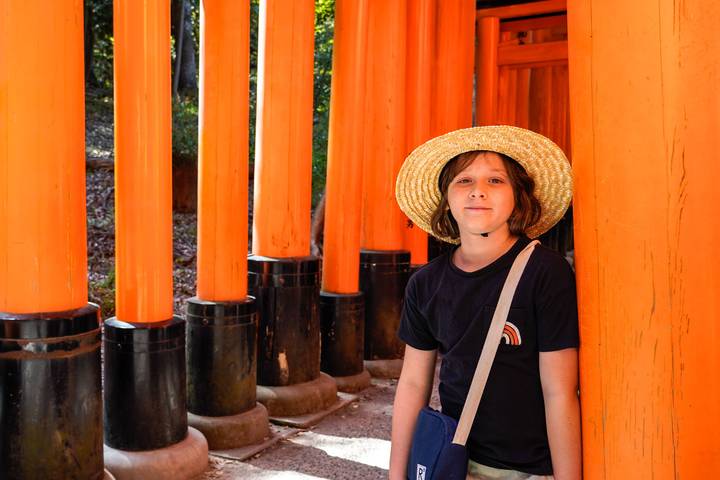
Day nine takes you to Fushimi Inari Shrine, known for its long paths of red torii gates. The leader may take the group beyond the most crowded stretch to quieter sections, a worthwhile option if the children have the energy to walk farther. Another temple or shrine visit adds context to Kyoto’s long role as Japan’s imperial seat.
The afternoon is free for optional activities such as a tea ceremony, a maiko performance or an obanzai cooking class. These experiences have separate prices, and the cooking class and tea ceremony can be significant extras. You can also simply rest or explore at your own pace.
A completely different kind of day out:
- Mt Fuji and Hakone 1-Day Bus Tour Return by Bullet Train
★ 5.0 · 26,383 reviews - TOKYO SKYTREE® Ticket
★ 4.7 · 25,136 reviews - teamLab Borderless Tickets: MORI Building DIGITAL ART MUSEUM
★ 4.7 · 24,126 reviews - teamLab Planets TOKYO Ticket
★ 4.7 · 21,663 reviews
Arashiyama and a free day to shape
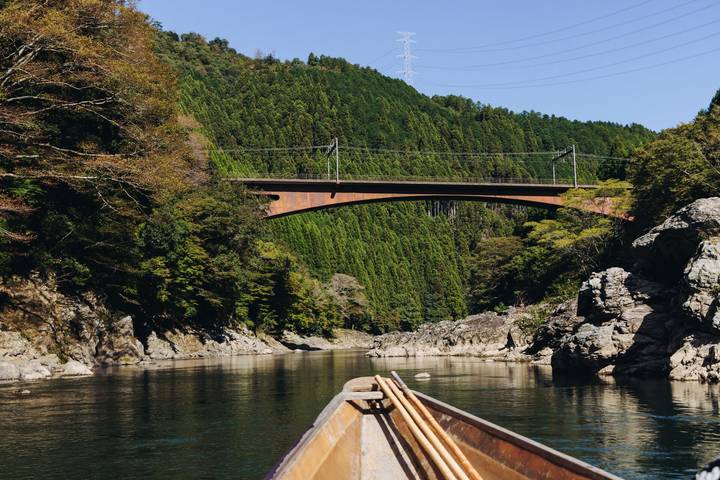
Day ten heads west to Arashiyama for a boat ride down the Hozu River. The riverbanks change with the seasons: autumn brings Japanese maples, while spring can bring plum or cherry blossoms. This is one of the itinerary’s more scenic outings, though the exact seasonal show depends on your dates.
The visit continues near Tenryu-ji Temple and Arashiyama’s bamboo grove. The temple gardens are an extra-cost visit, and the grove is popular, so expect company at this well-known sight. In your free time, you can consider a rickshaw ride, Toei Kyoto Studio Park or a swordplay performance, all at additional cost.
Day eleven is a full free day in Kyoto. The city is described as largely flat, with well-maintained roads, and bike hire is available for a ride along the Kamo River. Other options include the Manga Museum, a ramen-making session or a costume makeover. This flexibility is valuable: you can choose an activity that suits your family, or take a quieter day after a busy itinerary.
The tour ends after breakfast on day twelve. It finishes in Kyoto, not Tokyo, so plan your onward travel or extra nights there rather than assuming a return transfer is part of the trip.
What the price covers, and what it doesn’t
The advertised starting price is $5,475. Flights and travel insurance are not included, and many optional activities and meals are extra. The tour does include nine hotel nights and two nights in a ryokan, along with 11 breakfasts, one lunch and three dinners. Core activities include the calligraphy lesson, Tokyo Bay dinner cruise, Hakone ropeway and lake cruise, Hiroshima Peace Park visit, Miyajima outing, Himeji Castle and several Kyoto visits.
For a family, the value is less about getting every expense bundled and more about having a leader coordinate a complicated route across several cities. You cover a lot of ground by rail, and a leader can help your group make sense of stations, local customs and free-time options. On one July 2023 departure, leader Yuji was praised for keeping the days moving while helping families feel confident navigating on their own. Leaders vary by departure, so Yuji is not guaranteed.
Room arrangements deserve a close look before booking. Families of two are assigned a twin room. Families of three may get a triple room, but that could mean a mattress or extra bed squeezed into a twin; if no triple is available, one person may need a separate room. Families of four or more will most likely use two twin rooms, which may not be adjoining.
The trip is listed as low intensity, but that does not mean effortless. You’ll walk most days, manage your own bags and navigate busy stations. Pack light and bring comfortable shoes. The group size is two to 16, and the trip is described as suitable from age five, making it a better match for children who can manage walking and follow a group schedule than for families hoping for a resort-style holiday.
Who should book this Japan family trip?
Book it if you want a structured introduction to Japan that balances big-name sights with hands-on experiences and some free time. It is especially suited to families with school-age children who are curious about trains, food, temples and Japanese pop culture. The combination of Tokyo, Hakone, Hiroshima and Kyoto gives you varied days without requiring you to plan every transfer yourself.
Think twice if your family needs large rooms, dislikes changing hotels or finds long walking days difficult. The ryokan stay is a genuine cultural experience, but floor bedding and shared bathing arrangements may not suit everyone. Also budget beyond the starting price for flights, insurance, optional activities and meals not listed as included.
I would book this trip for a family that wants to see several sides of Japan and is comfortable with a brisk rail itinerary. If you prefer a slower holiday, fewer destinations or guaranteed private room arrangements, a shorter or tailor-made trip may be a better fit.
FAQ
Does the tour start and end in the same city?
No. It starts in Tokyo and ends in Kyoto. There are no activities planned after breakfast on the final day.
How many nights are in hotels and traditional inns?
The accommodation includes nine hotel nights and two nights in a ryokan. The ryokan uses Japanese-style rooms, which may have tatami floors and futons.
Are meals included?
The tour includes 11 breakfasts, one lunch and three dinners. Other meals are not included, and vegetarian, vegan, halal and kosher options can be requested.
Are flights and travel insurance included?
No. Flights and insurance are not included. Travel insurance is required for international travellers on the tour.
How much walking and luggage handling should I expect?
You should be fit enough to spend much of each day on your feet and handle your luggage in train stations. Comfortable shoes and light packing are recommended.
What is the group size and minimum age?
The group size is listed as two to 16 people, and the trip information gives a minimum age of five. Check the specific departure details when booking.
Just added in Tokyo
- Mt. Fuji & Hakone Cherry Blossom private One Day Tour★ 4.5 · 35 reviews
- Fish Market & Tokyo Skyline Private Walking Tour★ 5.0 · 14 reviews
- 25-Min Downtown Helicopter Tour : Tokyo Skytree and Tokyo Tower★ 5.0 · 19 reviews
- Private Tour with a Local Guide – Learn about daily life in Japan★ 5.0 · 22 reviews
- Tokyo: 3-Hour Bike/E-Bike Tour of the City’s Highlights★ 5.0 · 209 reviews
- 30-Min Tokyo Central Private Heli Tour– Asakusa, Skytree, Shibuya★ 5.0 · 13 reviews
- Tokyo 2-Hour Genuine Samurai Experience: Kendo in Japan★ 5.0 · 112 reviews
- Official Japan Go-Kart Through Tokyo Bay / Ginza (IDP Required)★ 4.5 · 71 reviews
Multi-Day Tours That Visit Himeji, compared.
Japan Delight with Hiroshima 8-Day Tour by Stunning Tours
Read our review →
14 Days Japan Panoramic (Private 3 Star Hotels) by Stunning Tours
Read our review →
Wonders of Japan End Osaka GO by Europamundo – 12-Day Tour
Read our review →
Wonders of Japan End Osaka (including Fukuyama) 12-Day Tour by Europamundo
Read our review →
Wonders of Japan End Osaka by Europamundo – 12-Day Tour
Read our review →
Tokyo, Kyoto and Hiroshima end Tokyo by Europamundo – 7-Day Tour
Read our review →
Tokyo, Kyoto and Hiroshima end Tokyo GO 7-Day Tour by Europamundo
Read our review →