
Reviewed · MULTI-DAY TOURS THAT VISIT TAKAYAMA
Japan Highlights (incl. flight) 11-Day Tour by MEIERS WELTREISEN Review
Japan’s big sights come in quick succession on this 11-day route: from Kyoto’s temple gardens to Hiroshima’s Peace Park, Himeji Castle, the Japanese Alps and Mount Fuji, then on to Tokyo. It is a broad introduction to Japan, with a guide handling the transfers and a Shinkansen ride built into the journey.
I like two things in particular: the variety of places, from historic towns to a modern capital, and the practical touches, including separate luggage transport on the train day and an onsen bath at the Fuji area hotel. Arno, who traveled in May 2026, gave the trip five stars and praised both the number of sights and the guide.
The main trade-off is pace. You change hotels several times, have only one free day in Tokyo, and some Kyoto visits and the Nikko excursion are optional. The tour is for German-speaking customers, and its travel documents are provided only in German.
In This Review
- Japan Highlights at a glance
- What the $3,529 starting price covers
- Kyoto’s temples, tea and market streets
- Fushimi Inari, Nara and Hiroshima
- Miyajima and Hiroshima’s Peace Park
- Shinkansen to Himeji, then on to Takayama
- Takayama and the Fuji Five Lakes
- Kamakura and the journey into Tokyo
- A free day in Tokyo, or an optional Nikko trip
- Tokyo’s shrines, neighborhoods and skyline
- Who should book this tour?
- FAQ
- Is the tour guided in English?
- Where does the tour start and finish?
- Are international flights included?
- How many hotel nights are included?
- Which meals are included?
- Is the Nikko excursion included?
- Are the Kyoto sightseeing stops included?
- What happens to my large luggage on the train day?
- Is Mount Fuji guaranteed to be visible?
- How physically demanding is the tour?
Japan Highlights at a glance
- Osaka to Tokyo in 11 days: The route includes Kyoto, Nara, Hiroshima, Miyajima, Himeji, Takayama, the Fuji area, Kamakura and Tokyo.
- A German-speaking guide throughout: Your guide accompanies the group from day 2 through day 10. Group size ranges from 2 to 50.
- Flights and eight hotel nights included: The package includes an economy-class flight from Germany to Osaka and back from Tokyo, plus eight nights in mid-range hotels.
- A useful train-and-luggage plan: You ride the Shinkansen from Hiroshima to Himeji, while your large bags travel separately to Himeji.
- Some choices come at extra cost: Kyoto’s main sightseeing day and the Nikko day trip are listed as optional. Confirm which excursions and entrance fees are covered by your chosen package.
- A packed schedule, with weather caveats: Mount Fuji views and the Kamikochi stop depend on conditions; Narai-juku is the alternative on other dates.
What the $3,529 starting price covers
The starting price is $3,529, based on the cheapest room option. It includes international economy flights, airport taxes and fees, eight hotel nights, eight breakfasts, one dinner, transfers and transport listed for the route, and the services of a German-speaking guide. You also get a reserved second-class Shinkansen seat from Hiroshima to Himeji, separate transport for large luggage that day, an audio guide receiver and earpiece, and sightseeing entrance fees according to the itinerary.
That package can be good value if you want flights, hotels and a long list of major sights arranged together. Japan’s rail and coach transfers are part of the appeal, but they also take time; the guided structure saves you from organizing each leg yourself. The price alone does not tell you whether every optional excursion is included, so check the excursion package details before booking, especially for Kyoto and Nikko.
Meals are limited beyond breakfast. The included dinner is in Hiroshima, where the group has okonomiyaki, a savory local dish often compared with Japanese pizza. You will need to plan most lunches and dinners yourself, which leaves room to choose what and where you eat but means the total holiday cost will be higher than the tour price.
A few more options to weigh up in Osaka
- Universal Studios Japan Studio Pass
★ 4.8 · 89,883 reviews - Universal Studios Japan Express Pass
★ 4.7 · 53,138 reviews - Osaka Amazing Pass
★ 4.7 · 21,697 reviews
Kyoto’s temples, tea and market streets
You land in Osaka, meet your guide at the airport and transfer to Kyoto. After checking in at the Hearton Hotel Kyoto or an equivalent mid-range hotel, the rest of the day is free. That gives you a gentle first look around, though after a long flight you may prefer a simple meal and an early night.
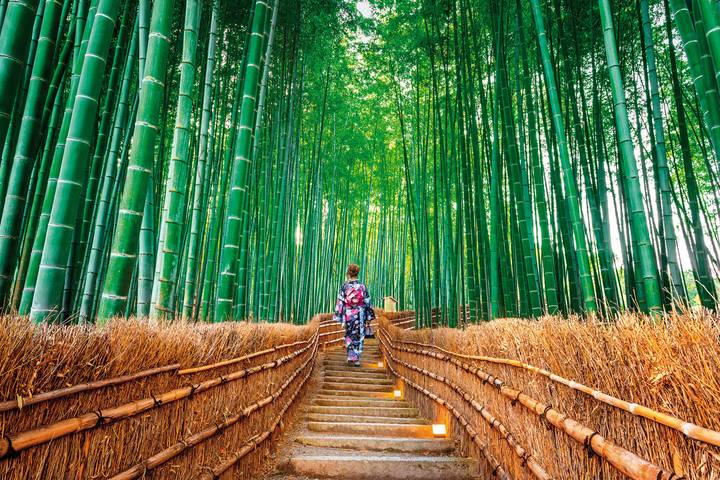
You have two nights in Kyoto. Day 3 offers Arashiyama’s bamboo grove, Tenryuji temple and its gardens, the Golden Pavilion, and the old imperial palace Gosho. Nijo Castle may replace Gosho on closed days. A tea ceremony with a tea master adds a more focused cultural stop: you learn about a tradition practiced for roughly 450 years, with matcha and tea sweets included.
Nishiki Market is left for you to explore at your own pace. That is a sensible way to end a sightseeing day, since you can browse food stalls and decide when to stop for lunch or a snack. Do check whether the Kyoto excursion package is included in the price you are considering. The day’s visits are described as optional, so the tour’s headline price may not cover every stop.
Fushimi Inari, Nara and Hiroshima
The group leaves Kyoto for Fushimi-Inari Shrine, known for its long galleries of red gates. It is one of Japan’s most recognizable sights, but the visit is also a chance to walk through a major Shinto shrine rather than simply pause for a photograph.
In Nara, you visit Todaiji Temple and its enormous bronze Great Buddha. The temple is a UNESCO World Heritage Site and one of the route’s major historic stops. Sika deer roam freely around the city, making for an amusing change of pace; keep food and belongings in mind, as the deer may nibble at what they can reach.
You then continue to Hiroshima for two nights at the Oriental Hotel Hiroshima or an equivalent. The included group dinner is a useful chance to try okonomiyaki, a hearty pancake-like dish with toppings and sauces. It is the only dinner listed as included, so plan on paying for your other evening meals.
Miyajima and Hiroshima’s Peace Park
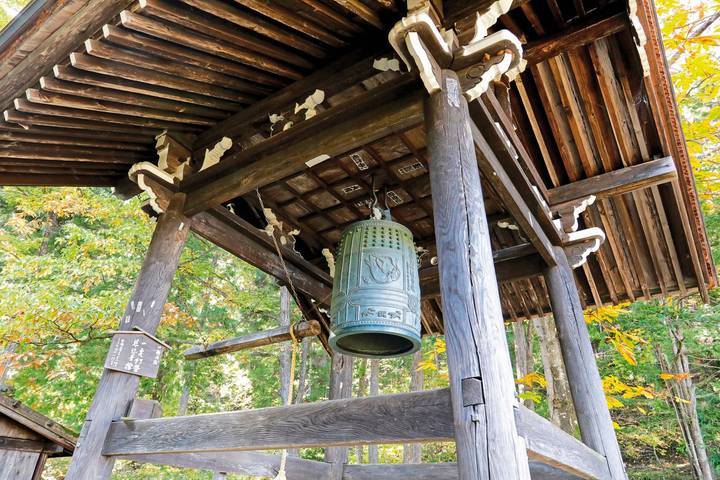
Miyajima is a sacred island in the Inland Sea, best known for Itsukushima Shrine and its red gate, which appears to float on the water at high tide. Tides affect the view, so the scene may differ from the classic photographs. The shrine’s long-standing importance gives the visit more context than a quick stop at a scenic landmark.
Back in Hiroshima, the Peace Museum, Peace Park and Atomic Bomb Dome bring the trip into close contact with the city’s more recent history. The mood shifts sharply from shrine and island scenery to remembrance. Allow yourself time to take in the memorials at a measured pace.
There is a practical wrinkle before the next day’s journey: your large luggage is sent ahead to Himeji by coach. You travel with hand luggage for the night and the train ride. Pack a change of clothes and anything you need for the evening in your smaller bag, rather than assuming your main suitcase will be beside you.
A completely different kind of day out:
- Osaka Aquarium Kaiyukan Ticket
★ 4.8 · 14,894 reviews - Osaka Castle Ticket
★ 4.7 · 12,450 reviews - Umeda Sky Building & Kuchu Teien Observatory Ticket in Osaka
★ 4.7 · 10,062 reviews - HARUKAS 300 Observatory Ticket
★ 4.8 · 9,924 reviews
Shinkansen to Himeji, then on to Takayama
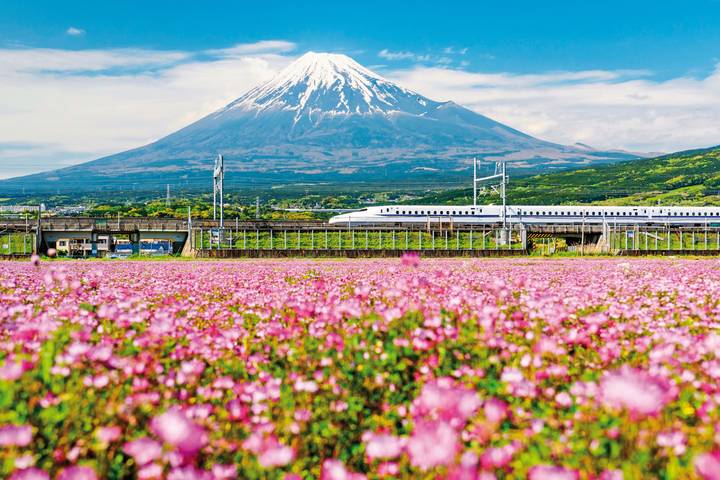
You ride the Shinkansen from Hiroshima to Himeji, with a reserved second-class seat. The bullet train is a highlight in its own right, but this leg also shows how the tour combines rail with coach transport to cover a wide area.
In Himeji, you visit the White Heron Castle, a UNESCO World Heritage Site, and the Kokoen garden complex nearby. The castle is a major draw, with a restored exterior and a striking position above the city. The garden visit gives you a quieter counterpoint to the castle grounds before a long onward transfer.
By evening, you reach Takayama in the Japanese Alps and stay one night at the Spa Alpina Hotel or an equivalent. That short stay is the cost of a far-reaching route: you get a taste of this alpine town, but not much time to settle in.
Takayama and the Fuji Five Lakes
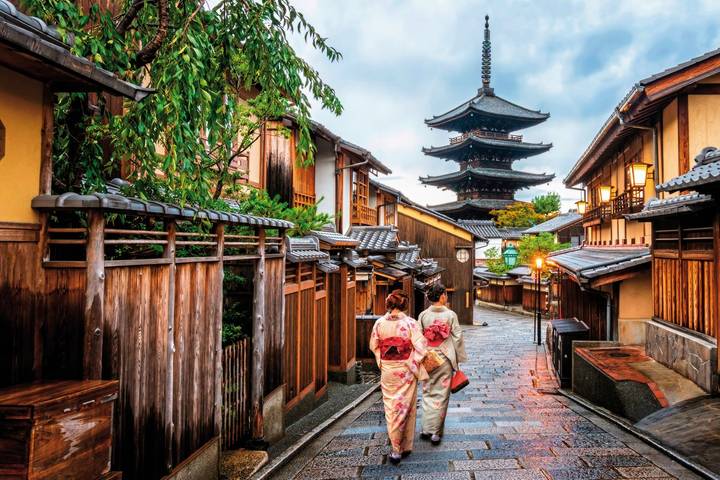
Takayama’s morning begins at its market, followed by the old Jinya provincial administration and the historic town streets, with sake breweries and miso shops. On clear days, you may see the surrounding mountains, some higher than 3,000 metres. The stops offer a change from the grand temples and city sights, though the visit is relatively brief.
From May through October, and when conditions allow, the route may include Kamikochi, a high alpine valley with an optional walk. On other dates, the alternative is Narai-juku, a preserved post town. These are seasonal alternatives, not guaranteed stops, so check which one is planned for your departure.
The group then heads to Lake Kawaguchi in the Fuji Five Lakes area. Mount Fuji is visible when the weather cooperates, but cloud can hide it. An early night at the Noborisaka Hotel or Route Inn Kawaguchiko gives you time to use the hotel’s onsen hot spring bath. If you want to try a local dish, houtou is a thick wheat noodle served in a stew-like soup.
Kamakura and the journey into Tokyo
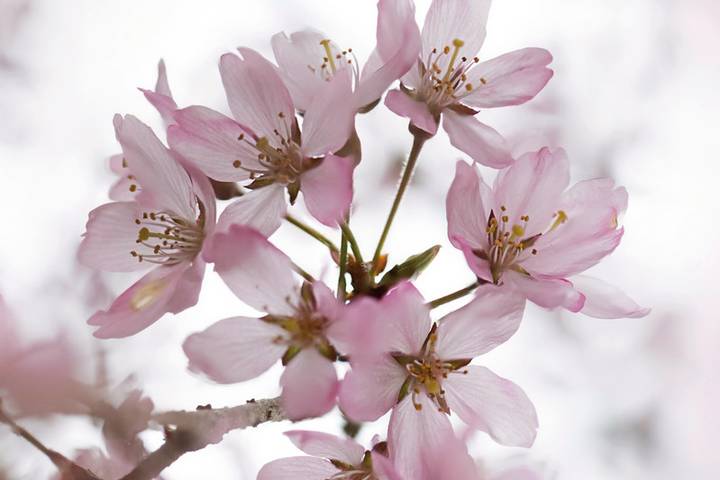
If visibility is good, the day begins at Chureito Pagoda for a view of Mount Fuji. This is another weather-dependent stop, and clear skies are never guaranteed. The schedule then follows the Pacific coast to Kamakura, where you visit Hasedera Temple and its seasonal gardens, followed by the Great Buddha.
Tokyo comes into view later in the day. You have two nights at The b Asakusa or The b Akasaka, or an equivalent mid-range hotel. An optional Japanese evening with dinner and a visit from geishas may be offered in Tokyo, with possible timing changes to Kyoto or another day. Confirm the details if this experience matters to you; it is not part of the stated inclusions.
A free day in Tokyo, or an optional Nikko trip
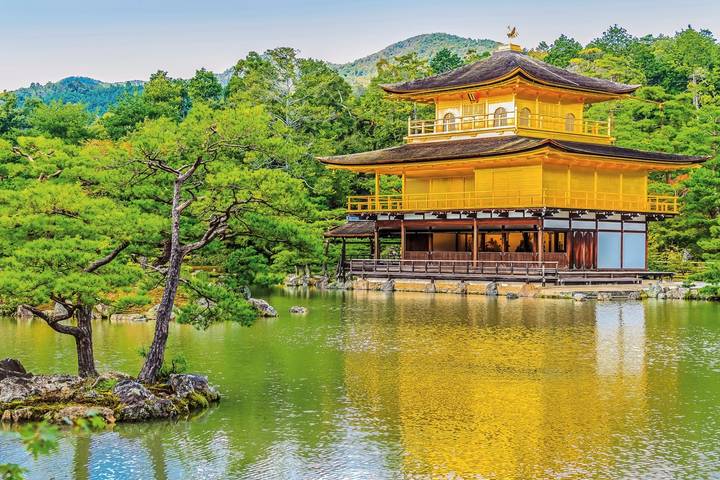
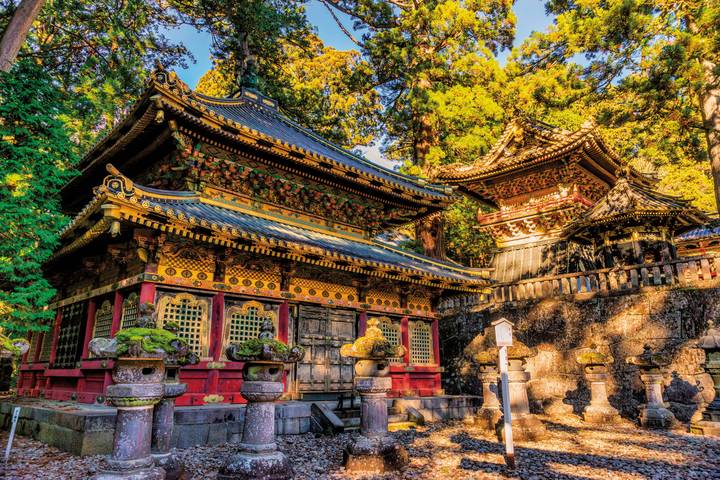
Day 9 is your only full day with a choice between exploring Tokyo on your own and joining an optional day trip to Nikko. The Nikko excursion visits Toshogu Shrine, the ornate 17th-century mausoleum, and Rinnoji Temple, known for its large religious figures. Forests of cedar and cypress form part of the setting.
Nikko makes sense if you want another major shrine complex and are comfortable giving up a day in Tokyo. If you choose the city instead, you have more time for neighborhoods or sights beyond the guided highlights. The tour does not specify what you might choose to visit independently, so plan your own day around your interests.
Tokyo’s shrines, neighborhoods and skyline
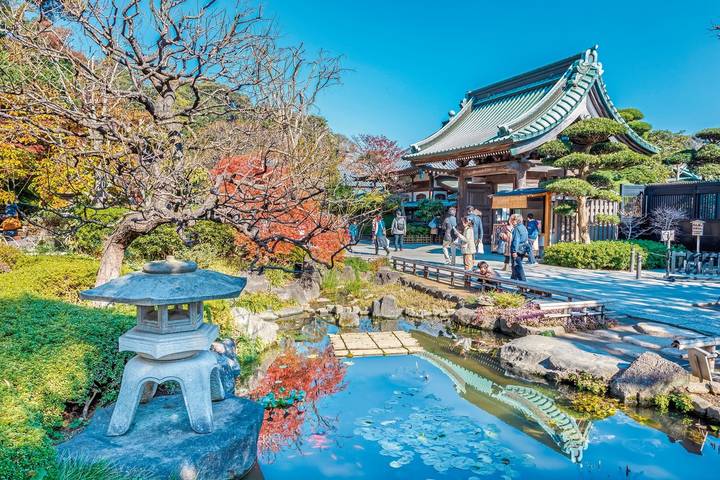
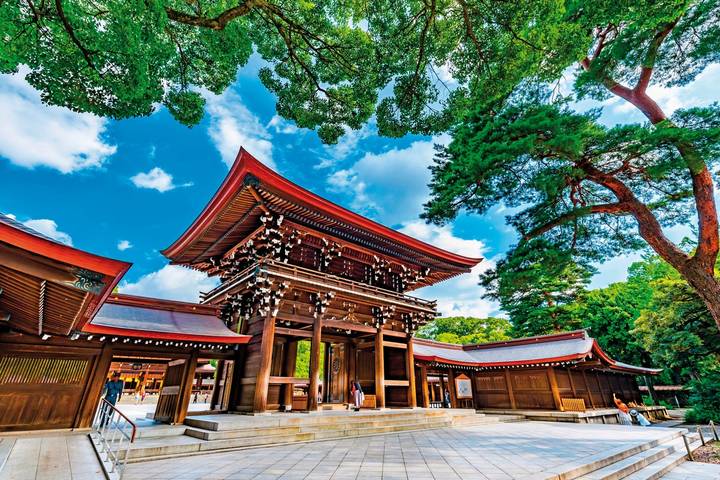
The final sightseeing day covers Meiji Shrine, Omotesando, Harajuku, Shibuya and Asakusa. At Meiji Shrine, you learn about Shintoism in a forest planted with more than 120,000 trees. From there, the route moves from Omotesando’s modern architecture to Harajuku’s fashion-focused streets and the famous Shibuya Crossing.
The group also visits the Hachiko statue, then Nakamise-dori and Sensoji Temple in Asakusa. A visit to a Tokyo Skytree viewing platform brings the city’s scale into focus from above. It is a brisk tour through very different parts of Tokyo, rather than a deep look at any one neighborhood.
The schedule places the airport transfer and return flight to Germany after the sightseeing, with arrival in Germany on day 11. That makes for a long final day. Check your flight timing before you book, and keep in mind that the viewing platform may be moved to day 8 if needed.
Who should book this tour?
I would consider this trip if you want a guided first visit to Japan and value seeing several regions over spending extra nights in one place. The mix is appealing: Kyoto and Nara for temples, Hiroshima and Miyajima for history and scenery, Takayama for a smaller mountain town, and Tokyo for a final urban contrast. Flights and most major transport are arranged, and the tour’s single five-star account from May 2026 praises the breadth of sights and the guide. That is encouraging, but one account is a small evidence base, not a guarantee of every departure.
It is less suited to you if you want slow mornings, lots of free time, or an English-language tour. The guide is German-speaking, and all travel documents are provided in German. Several hotel changes, long transfer days and optional excursions also mean you should check the exact inclusions and pace before committing.
Book it if your priority is seeing Japan’s classic sights with a guide and you are happy to keep moving. Look elsewhere if you want a relaxed, independent trip or need a tour in another language.
FAQ
Is the tour guided in English?
No. The tour has a continuous German-speaking guide from day 2 through day 10, and travel documents are provided only in German.
Where does the tour start and finish?
It starts in Osaka and ends in Tokyo. The international return flight is from Tokyo to Germany.
Are international flights included?
Yes. The package includes economy-class flights from Germany to Osaka and from Tokyo to Germany, with airport taxes and fees. Airlines may include Emirates, China Airlines or another reputable carrier.
How many hotel nights are included?
The tour includes eight hotel nights: two in Kyoto, two in Hiroshima, one in Takayama, one in the Fuji area and two in Tokyo.
Which meals are included?
Eight breakfasts and one dinner are included. The dinner is in Hiroshima and features okonomiyaki.
Is the Nikko excursion included?
The Nikko day trip is listed as optional. Confirm its price and inclusions before booking.
Are the Kyoto sightseeing stops included?
The Kyoto visits on day 3 are presented as an optional excursion package. Check whether that package is included in the price you are offered.
What happens to my large luggage on the train day?
Your large luggage is transported separately from Hiroshima to Himeji. You travel with hand luggage for that night and the following journey.
Is Mount Fuji guaranteed to be visible?
No. Views from Lake Kawaguchi and Chureito Pagoda depend on the weather.
How physically demanding is the tour?
It is rated low intensity, with light physical activities expected. The itinerary includes walks at temples, shrines, markets and sightseeing areas.
Just added in Osaka
- Tour – Japan Bonsai (12 Days) by Bavaria Fernreisen★ 4.0 · 4 reviews
- Stunning Japan with Shirakawa-go by Stunning Tours – 8-Day Osaka to Tokyo Tour★ 4.4 · 105 reviews
- South Japan Express 6-Day Tour by Europamundo★ 4.6 · 28 reviews
- Southern Japan Experience by Intrepid Travel – 12 Days from Osaka★ 4.0 · 10 reviews
- Osaka Hiroshima Snapshot 6 Day – One Life Adventures★ 4.9 · 15 reviews
- Osaka Discovery 4 Days – Universal Fun & Kyoto Heritage by Vio Travel★ 5.0 · 1 review
- On Trails through Ancient Japan 16-Day Tour by DIAMIR Erlebnisreisen★ 5.0 · 1 review
- Japan to the World Expo (incl. flight) 10-Day Tour by MEIERS WELTREISEN★ 3.0 · 1 review
Multi-Day Tours That Visit Takayama, compared.



Tokyo to Osaka by Rail – Private Tour (14 Days) with Explore!
Read our review →
Japan: Land of the Rising Sun 12-Day Tour by Intrepid Travel
Read our review →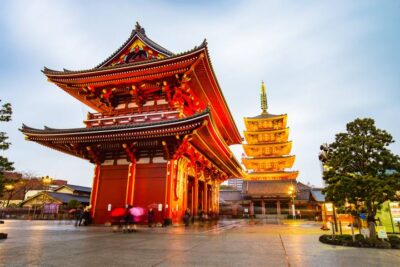
Stunning Japan with Shirakawa-go by Stunning Tours – 8-Day Osaka to Tokyo Tour
Read our review →
Visions of Japan with Hiroshima & Osaka 15-Day Tour by Globus
Read our review →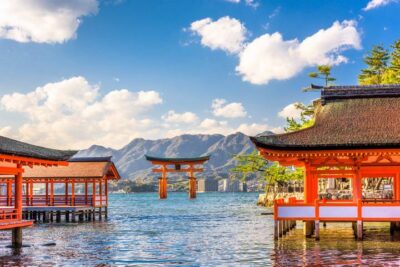
Best of Japan by Contiki – 13-Day Tokyo to Osaka Tour
Read our review →
14 Days Japan Panoramic (Private 3 Star Hotels) by Stunning Tours
Read our review →Browse the lists this tour appears in