Reviewed · MULTI-DAY TOURS THAT VISIT UJI
Japan Real Food Adventure by Intrepid Travel – 11 Days, Tokyo to Osaka: Itinerary & Reviews
Japan Real Food Adventure follows food from the market stall to the cooking lesson to the dinner table. Over 11 days, you’ll make sushi in Tokyo, cook regional dishes in Kanazawa, taste tea in Uji and prepare okonomiyaki in Osaka. I like that the food stops also open a window onto local life, from a family home to a Buddhist temple.
Two details make this trip especially appealing: the small group, capped at 12, keeps market walks and public transport manageable, and the local leader helps you find dishes and places you might miss on your own. The main trade-off is comfort: you’ll spend much of the day on your feet, handle your own luggage, and sleep on a futon in a temple for one night.
In This Review
- What makes this food trip worth considering
- From Tsukiji sushi to Asakusa sweets
- Kanazawa’s garden, market and home kitchen
- Kyoto markets, geiko culture and Uji tea
- A night at Koya-san, then Osaka’s food lanes
- What the price includes, and what it does not
- Guide, rooms and dietary needs
- Who will enjoy this route most
- Should you book the Japan Real Food Adventure?
- FAQ
- Where does the tour start and finish?
- How many people are in the group?
- Which meals are included?
- Can dietary requirements be accommodated?
- What is the accommodation like?
- Can I skip the Koya-san temple stay?
- Is there a single supplement?
- Do I need to arrange luggage transfers?
What makes this food trip worth considering
- Sushi in Tokyo: Walk Tsukiji Outer Market, learn sushi-making techniques and taste what you prepare.
- A home-cooked lunch in Kanazawa: Shop for seasonal ingredients at Omicho Market, then cook regional food in a local home.
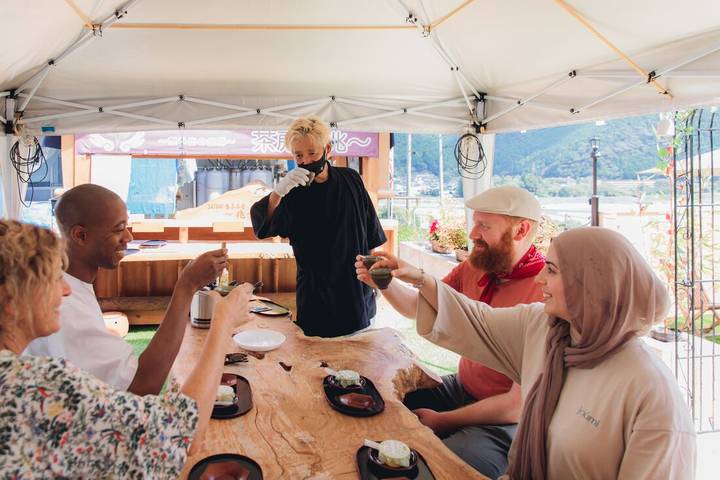
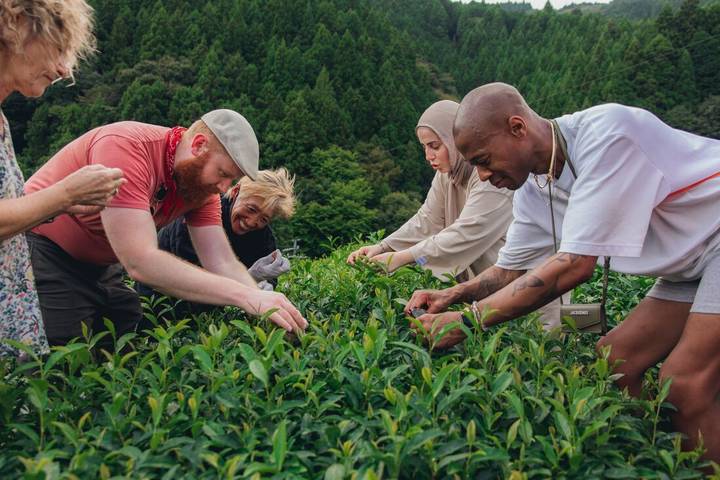
- Tea with its roots in Uji: Visit a tea farm, taste five teas and learn traditional ways to prepare sencha and matcha.
- A temple stay at Koya-san: Visit Okuno-in, join the monks’ morning routine and share plant-based shojin ryori.
- Osaka cooking and snacks: Make okonomiyaki, explore food halls and markets, and finish with a kushikatsu dinner.
- A practical pace, with a comfort caveat: The tour is rated low intensity, but expect plenty of walking, train stations and one traditional overnight stay.
From Tsukiji sushi to Asakusa sweets
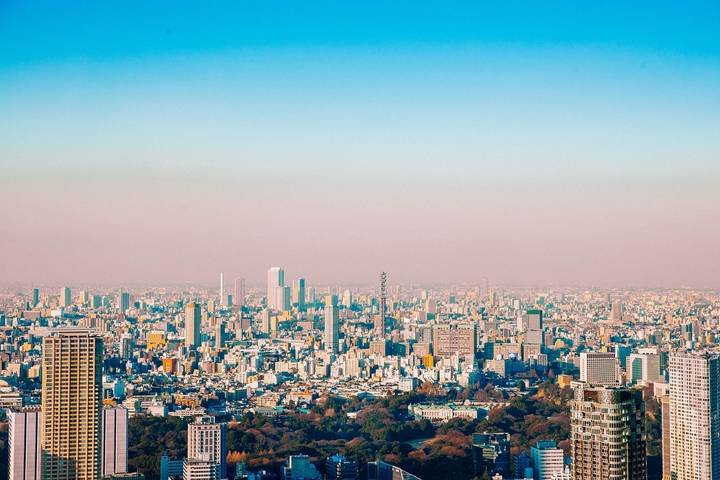
Your first evening begins with a 6 pm group meeting and a welcome dinner. It’s a useful, low-pressure introduction to Japanese food and your fellow travellers. If you arrive early, Tokyo’s museums, izakayas and karaoke bars are possible ways to fill the time, but the tour does not include a pre-meeting activity.
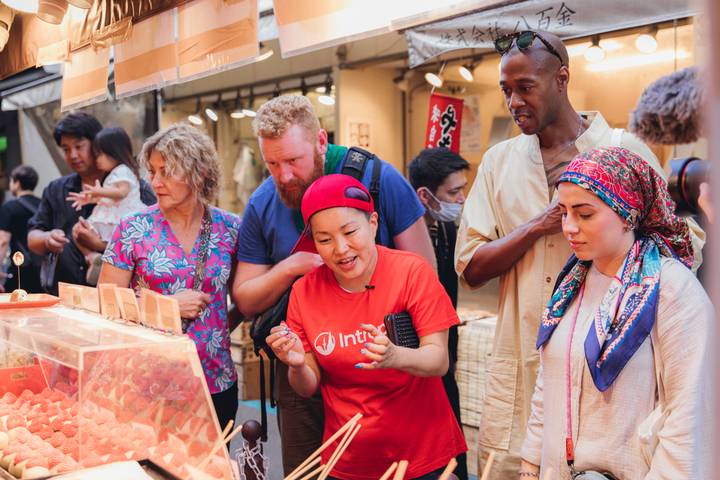
On day two, the food focus starts at Tsukiji Outer Market. You’ll walk among stalls where seafood is sold and ready to sample, then take a sushi-making class covering the dish’s history, fish selection, slicing and rice preparation. The included tasting makes this more than a demonstration: you get to eat the results.
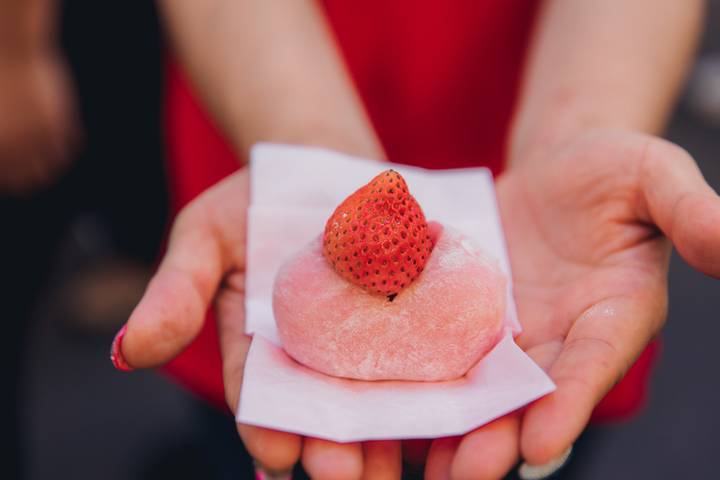
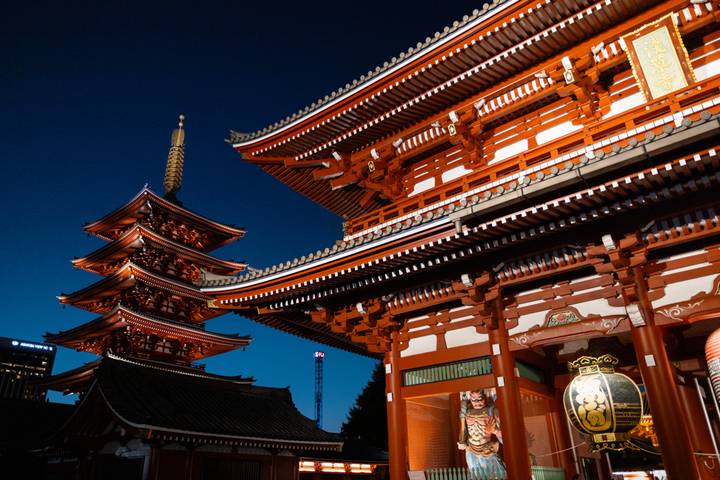
The afternoon shifts from food to old Tokyo, with a guided walk in Asakusa and time at Senso-ji, the city’s oldest temple. Leave room for a sweet snack such as dorayaki or daigaku imo, or make your own plans for dinner. Monjayaki in Tsukishima is suggested as an optional evening meal, not an included one.
A few more options to weigh up in Tokyo
- Tokyo Disney Resort – Tokyo Disneyland & Tokyo DisneySea Park Tickets
★ 4.8 · 99,488 reviews - SHIBUYA SKY Ticket
★ 4.7 · 46,509 reviews - JR Whole Japan Rail Pass
★ 4.8 · 29,150 reviews
Kanazawa’s garden, market and home kitchen
A train carries you north to Kanazawa on day three. Your lunch is an ekiben, a boxed meal sold for train journeys, a small but fitting way to sample everyday Japanese food in transit. After an orientation walk, you’ll explore Chaya-gai, a district of preserved wooden teahouses associated with geiko performances.
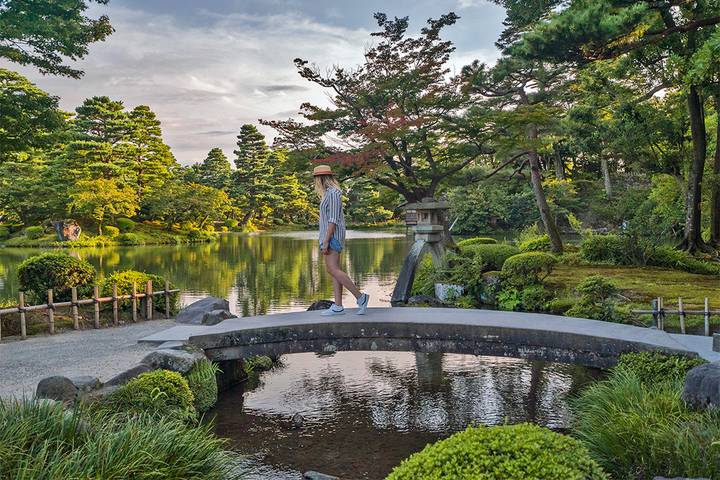
Day four balances a major garden visit with hands-on cooking. Kenroku-en is a large, carefully designed garden of ponds, bridges, waterfalls and teahouses. You can stop for matcha if you wish, but the tea is optional.
At Omicho Market, your leader helps you notice what is in season and how to judge fresh seafood and vegetables. Then you visit a local home for a regional cooking class and eat the lunch you have prepared. I like this combination: the market gives ingredients a local context, and cooking turns the lesson into something you can remember beyond a list of dishes.
The afternoon is free, which gives you room to explore at your own pace. An optional dinner offers local specialties, including seafood from the Sea of Japan. Keep in mind that optional meals add to the overall cost, so the advertised starting price is not the full budget for every meal.
Kyoto markets, geiko culture and Uji tea
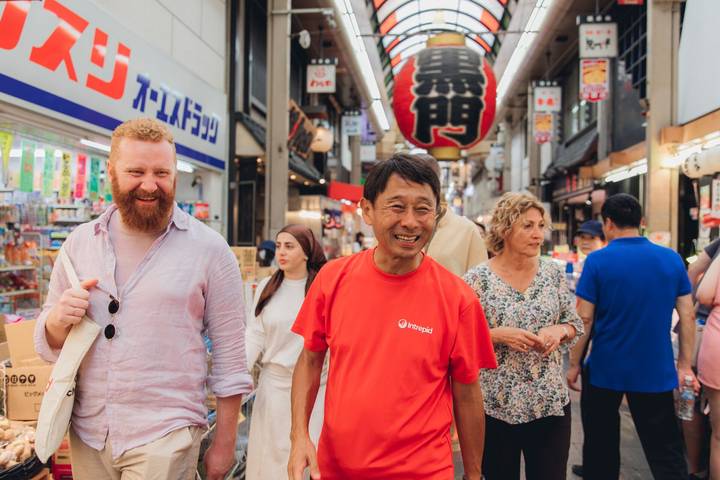
The train to Kyoto brings you to the former capital, where the tour’s food and cultural stops sit close together. Nishiki Market, a covered market with a history of about 400 years, is the setting for a guided food walk. You’ll choose local bites for lunch, which may include tamagoyaki, matcha sweets, beef sushi or tako-tamago, a cooked baby octopus with a quail egg.
Later, a walk through Gion introduces you to geiko culture and the district’s narrow streets. Seeing a geiko or maiko is possible, but not promised. Dinner is optional, with dishes such as nishin soba or gyu katsu among the possibilities.
Uji makes a welcome change of pace from Kyoto’s busy city streets. At a tea farm, you’ll learn about growing and harvesting, taste five Japanese teas and practise brewing sencha and matcha. A leader-led walk through Uji includes Ujigami Shrine, described as Japan’s oldest surviving shrine. You then have free time to explore.
Back in Kyoto, you’ll visit Fushimi Inari Shrine and walk among its famous torii gates before going to a sake brewery for a lesson and tasting. The rest of the day is free. This is a good point in the trip to choose your own pace: Kyoto has several included group visits, but not every hour is scheduled.
A night at Koya-san, then Osaka’s food lanes
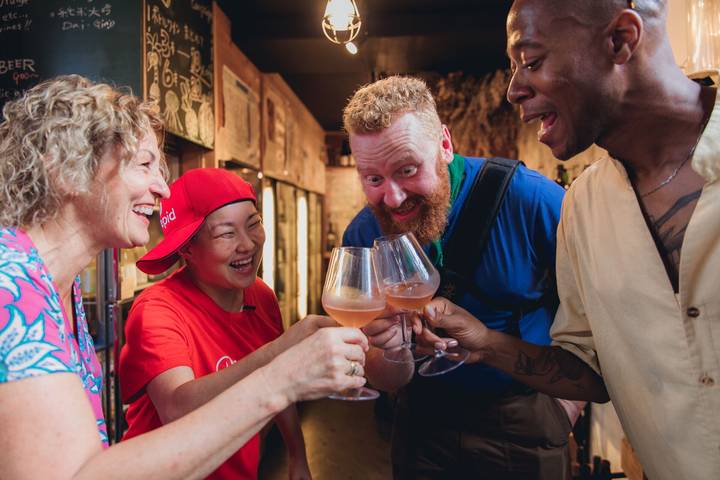
Day eight starts early, with public transport to Koya-san, a centre of Shingon Buddhism founded in the eighth century. You’ll visit Okuno-in, the mausoleum of Kobo Daishi, then stay in a working temple. In the morning, you join the monks’ prayer routine, and dinner is shojin ryori, a traditional plant-based meal made with seasonal vegetables and mountain plants.
This is one of the tour’s most distinctive stops, and also its least hotel-like. Traditional Japanese accommodation may mean a futon on tatami, a small bathroom and shared bathing facilities. The temple stay is just one night, but if sleeping on the floor or getting up from it is difficult for you, ask Intrepid about the specific room arrangements before booking. You cannot swap this night for another hotel and receive a price reduction.
In Osaka, Kuromon Market and Doguyasuji Arcade bring the focus back to food shopping. The arcade sells kitchen tools, Japanese bowls and plastic food models. An okonomiyaki class follows, with lunch included. In the evening, you can seek out a tachinomi, a standing bar, though drinks and any additional food are at your own expense.
The next day includes a visit to a depachika, the food hall found in the basement of a department store. It’s a practical look at the prepared food and ingredients people buy in daily life. You’ll also walk through Dotonbori, known for its bright signs, canal, restaurants and shops, with snacks included. The farewell dinner is kushikatsu, skewered meat and vegetables battered and fried.
The final morning is free after breakfast. Osaka deserves extra time if your schedule allows: the group itinerary gives it less time than Kyoto, and the tour ends here rather than including an airport transfer or departure activity.
A completely different kind of day out:
- Mt Fuji and Hakone 1-Day Bus Tour Return by Bullet Train
★ 5.0 · 26,383 reviews - TOKYO SKYTREE® Ticket
★ 4.7 · 25,136 reviews - teamLab Borderless Tickets: MORI Building DIGITAL ART MUSEUM
★ 4.7 · 24,126 reviews - teamLab Planets TOKYO Ticket
★ 4.7 · 21,663 reviews
What the price includes, and what it does not
The tour starts at $4,552 for the cheapest room category. For that price, the value lies in the combination of transport, a local leader, market visits, cooking and tasting activities, and accommodation across six destinations. You are paying for more than meals: the leader helps make unfamiliar menus and local customs easier to navigate, while the small group makes shared transport and food stops more practical.
Included meals are 10 breakfasts, 6 lunches and 3 dinners. The welcome dinner, sushi tasting, Kanazawa cooking lunch, Nishiki Market food, okonomiyaki lunch, Dotonbori snacks and farewell meal help anchor the route in food. Many other meals are left open, so allow extra funds for dinners and personal snacks. International flights, travel insurance, optional activities and other services are not included.
The tour combines trains, bullet trains, buses and other public transport. Japan is easy to explore this way, but busy stations can mean stairs, crowds and time spent moving bags. Pack light. A luggage transfer from Kyoto to Osaka is recommended and costs around 3,000 yen, according to the tour information.
Guide, rooms and dietary needs
The English-speaking group leader stays with the group and helps with local orientation, food choices and practical questions. Past leaders praised by name include Hiro, Hiroko Kosaki, Michie and Morry, but the leader assigned to your departure can vary. The small group size, maximum 12, is a real advantage for market visits and getting around together.
Accommodation includes nine hotel nights and one temple night. Japanese hotel rooms can be compact, and double rooms are not guaranteed during busy periods; a twin room may be provided instead. The temple stay follows traditional customs, and some Japanese-style properties may have small or shared bathing facilities. Air conditioning is available at some ryokans, but not all, so check the arrangements for your departure.
Vegetarian, vegan, halal and kosher options can be requested, but many included meals are fixed and may not be adjustable. Japan’s cuisine often includes meat and seafood, so review the planned meals with Intrepid before booking if you have strict dietary requirements. The shojin ryori dinner at Koya-san is plant-based, but that does not mean the rest of the tour is designed around a vegetarian or vegan diet.
Who will enjoy this route most
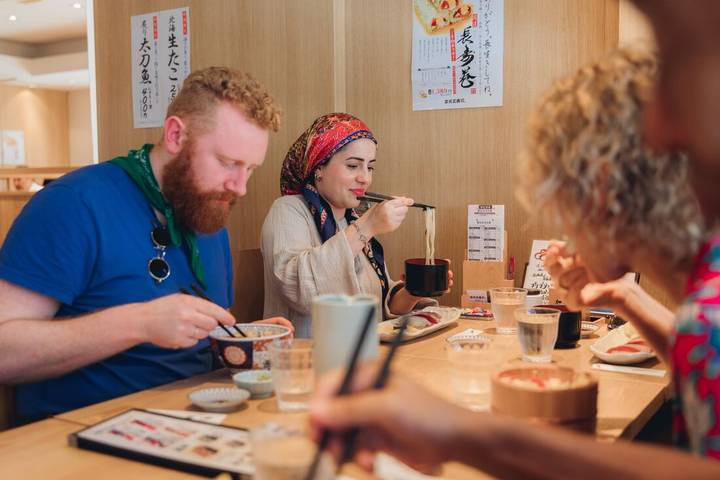
This trip suits curious eaters who want to try a broad range of Japanese food while learning how it is made and where it comes from. It works particularly well if you like a mix of planned activities and free time, and you are happy to walk, use public transport and eat some meals independently.
It is less suitable if you want large, comfortable hotel rooms every night, prefer a slow pace or need extensive flexibility around included meals. The low-intensity rating should not be mistaken for a low-activity holiday: expect to be on your feet for much of the day, with luggage to manage at stations. Ages 15 and up are accepted.
Should you book the Japan Real Food Adventure?
Book it if food is your main reason for visiting Japan and you want practical introductions to sushi, tea, sake, regional cooking and Osaka street food, along with temples and historic districts. The home cooking class, Uji tea farm and Koya-san stay give the route more substance than a simple restaurant crawl.
Think twice if the futon stay is a deal-breaker, you need every meal to be individually adaptable, or you want more time in Osaka. Before paying, confirm the room setup and dietary arrangements for your departure, and budget for meals and activities that are not included. If those points work for you, this is a well-paced way to meet Japan through its kitchens as well as its landmarks.
FAQ
Where does the tour start and finish?
It starts in Tokyo and ends in Osaka. The first group meeting is at 6 pm on day one, and the tour ends after breakfast on day 11.
How many people are in the group?
The maximum group size is 12. The tour is guided in English and is open to ages 15 and up.
Which meals are included?
The tour includes 10 breakfasts, 6 lunches and 3 dinners. Other meals, optional activities and services are not included.
Can dietary requirements be accommodated?
Vegetarian, vegan, halal and kosher options can be requested. Many included meals are fixed and may not be changed, so check your specific needs with Intrepid before booking.
What is the accommodation like?
There are nine hotel nights and one temple night. The Koya-san stay uses traditional Japanese accommodation, which may involve a futon on tatami and small or shared facilities.
Can I skip the Koya-san temple stay?
The tour does not allow you to substitute another stop for the temple stay. You could arrange separate accommodation at your own cost, but the tour price would not be reduced.
Is there a single supplement?
No single supplement is currently available for this trip because room options are limited.
Do I need to arrange luggage transfers?
You are responsible for handling your luggage on public transport. A transfer from Kyoto to Osaka is recommended and costs around 3,000 yen.
Just added in Tokyo
- Mt. Fuji & Hakone Cherry Blossom private One Day Tour★ 4.5 · 35 reviews
- Fish Market & Tokyo Skyline Private Walking Tour★ 5.0 · 14 reviews
- 25-Min Downtown Helicopter Tour : Tokyo Skytree and Tokyo Tower★ 5.0 · 19 reviews
- Private Tour with a Local Guide – Learn about daily life in Japan★ 5.0 · 22 reviews
- Tokyo: 3-Hour Bike/E-Bike Tour of the City’s Highlights★ 5.0 · 209 reviews
- Official Japan Go-Kart Through Tokyo Bay / Ginza (IDP Required)★ 4.5 · 71 reviews
- 30-Min Tokyo Central Private Heli Tour– Asakusa, Skytree, Shibuya★ 5.0 · 13 reviews
- Tokyo 2-Hour Genuine Samurai Experience: Kendo in Japan★ 5.0 · 112 reviews
Multi-Day Tours That Visit Uji, compared.
Walk Japan – Kumano Kodo Trail 12-Day Tour by Explore!
Read our review →
10-Day Private Japan Family Tour with Kids by UME Travel – Tokyo to Osaka
Read our review →
9 Days All Inclusive Japan Classics (Private Guide and Driver) by UME Travel
Read our review →
11 Day Explorer Central Japan Snow Monkey Park by UME Travel – Tokyo to Osaka
Read our review →
A Taste of Japan – Tokyo, Kyoto and Osaka by Explore! – 12-Day Tour
Read our review →
15 Days Japan Autumn Castles Expedition by UME Travel – Tokyo to Osaka
Read our review →
Essence of Japan 14-Day Tour by Across Africa Tours & Travel
Read our review →