

Reviewed · WALKING TOURS
Kanazawa Private/Group Walking Tour: Local & Major Highlight
Kanazawa rewards curious walkers. This private or small-group tour links the city’s best sights with local stories, from samurai homes and castle grounds to food stalls and wooden teahouses. I especially like the way guides such as Emi and Yu Noda connect old customs with daily life in modern Japan.
The personal approach is a major strength. Guides adjust the route to your hotel, interests, mobility needs, and plans after the tour. I also like the practical help, including café stops, restaurant suggestions, and even assistance booking a meal on busy holidays.
The main consideration is pace. In three hours, you see a lot, but some stops are brief, and the tour is primarily on foot. One review also noted that a guide’s English was a little difficult to follow, though most comments praise the guides’ communication.
In This Review
- Key points at a glance
- Why this route works so well in Kanazawa
- Starting in Nagamachi, where samurai life feels close
- Omicho Market brings history down to the plate
- Oyama Shrine explains Kanazawa’s power and faith
- Kanazawa Castle shows the city’s political center
- A café break gives the walking route breathing room
- Kenrokuen rewards a slower look
- Higashi Chaya ends among wooden teahouses
- The guides are the heart of the experience
- Is $48 a fair price?
- Practical advice before you go
- Who should book this Kanazawa walk?
- FAQ
- How much does the Kanazawa walking tour cost?
- How long does the tour last?
- Which languages are available?
- Is hotel pick-up available?
- Are food and drinks included?
- Is the tour wheelchair accessible?
- Should you book it?
Key points at a glance

- A smart first-day introduction: The route covers Kanazawa’s market, samurai quarter, castle, garden, shrine, and geisha district.
- Excellent local guidance: Emi, Yu Noda, Hirofumi, and Aiko are praised for warmth, preparation, storytelling, and useful recommendations.
- Good cultural balance: You learn about the Edo period, religious customs, samurai families, local food, and present-day Japan.
- Flexible private touring: Hotel meet-up is available on request in central areas, and the route can be adjusted to your plans.
- Accessible with planning: A guide adapted the route for a wheelchair user and helped arrange transport from a cruise terminal.
- Strong value at $48: The price is reasonable for three or four hours of private or small-group guiding, especially for first-time visitors.
Why this route works so well in Kanazawa

Kanazawa can look easy on a map, yet its sights spread across several historic districts. A self-guided visit may leave you admiring fine walls and gardens without understanding how they fit together.
This tour gives you that connecting thread. You move from the city’s food culture at Omicho Market to samurai life in Nagamachi, then into the political world of Kanazawa Castle and the refined garden beside it. Oyama Shrine adds a religious and local angle, while Higashi Chaya finishes the route with traditional wooden architecture and geisha culture.
I like this structure because it does not treat Kanazawa as a collection of pretty photographs. The guide explains how power, faith, food, craft, and family life shaped the city. You get major sights, but also the small details that are easy to miss alone.
The format is private or small group, and the tour lasts from two to four hours depending on the option selected. The fuller route is the better choice if you want to visit every listed stop. A shorter version will need a quicker pace or fewer interior visits.
More Walking Tours in Kanazawa:
- Kanazawa: Private Walking Tour with a Local
★ 4.8 · 141 reviews - True Kanazawa: Private Walking tour with a Local guide
★ 5.0 · 66 reviews - Kanazawa: City Highlights & Hidden Gems Private Walking Tour
★ 4.8 · 42 reviews
Starting in Nagamachi, where samurai life feels close
The Nagamachi Samurai District is a fitting place to begin. Preserved residences and earthen walls give the area a quiet, old-fashioned character. You are not simply looking at a castle and moving on. Here, the guide can explain how samurai families lived and how the district related to Kanazawa’s ruling household.
The scheduled visit is about 20 minutes, so expect an introduction and a walk through the area rather than an extended house-by-house study. That brevity is useful if you have only three hours, but history fans may wish for more time.
Yu Noda is especially well suited to this part of the route. Several visitors describe his stories about the Edo period, samurai, and traditional life as clear and engaging. Emi is also praised for making Kanazawa’s past easy to understand without turning the walk into a lecture.
If you have a strong interest in architecture or the lives of warrior families, tell your guide at the start. The private format gives you a better chance of shaping the discussion.
Omicho Market brings history down to the plate
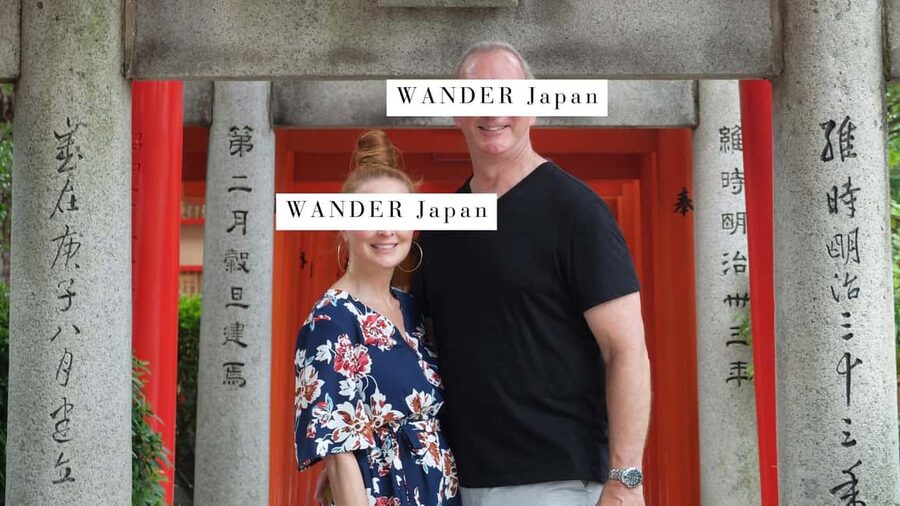
Omicho Market provides a lively change of mood. The focus here is local food, especially fresh seafood and the everyday food traditions of Kanazawa. You can expect the guide to point out what you are seeing and explain how the market fits into local life.
The market visit lasts around 20 minutes. Food and drinks are not included, so bring cash or a credit card if you want to buy something. The tour price does not cover tastings or lunch, which is worth remembering when you compare the total cost of the day.
I like having a guide in a market because the best experience often comes from knowing what deserves your attention. A guide can also help you make sense of unfamiliar foods and suggest a restaurant for later. Yu’s restaurant recommendations received repeated praise, and one couple liked a suggested restaurant so much that they returned the next day.
Do not expect a long meal here. This is an orientation stop, not a food tour. If market eating is your priority, ask for extra time or plan to return after the walk.
Oyama Shrine explains Kanazawa’s power and faith
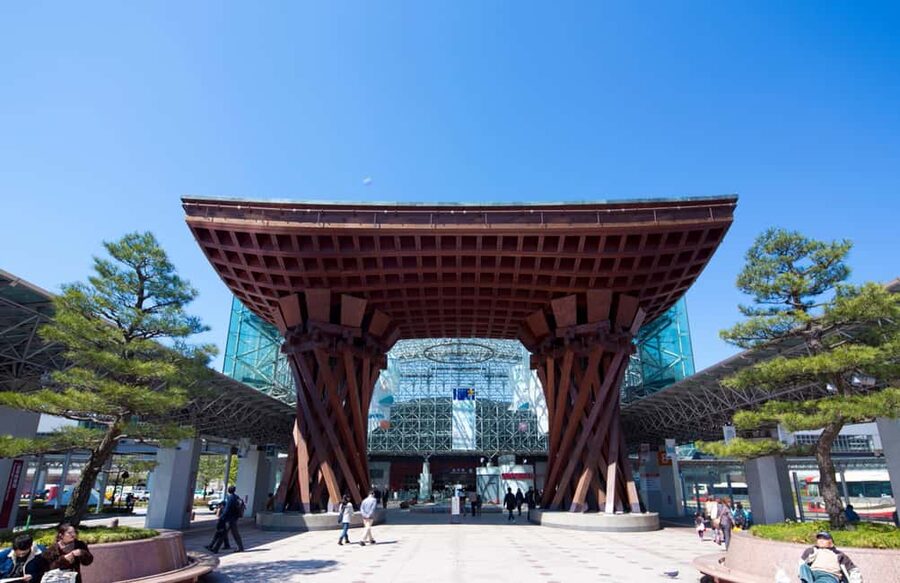
Oyama Shrine is one of the route’s most useful stops because it adds context beyond samurai walls and gardens. The guide discusses the local leader associated with Kanazawa Castle and his wife, while also explaining the relationship between Shinto and Buddhism in Japan.
That religious background can be confusing when you visit Japanese sites on your own. Shrines and temples follow different traditions, yet their history in Japan is closely connected. A good guide helps you notice the difference in a practical way, without burying you in technical terms.
The visit lasts about 20 minutes and includes time for photographs, a guided walk, and sightseeing. Depending on the season, you may also see plum blossoms and enjoy the calm atmosphere around the shrine.
This stop is less visually grand than Kenrokuen or the castle, but I would not cut it too quickly. It is where the tour moves from sightseeing into cultural understanding.
A few more options to weigh up in Kanazawa
- World Heritage Shirakawa-go and Experience Tours from Kanazawa
★ 5.0 · 4,049 reviews - Kanazawa: Kenrokuen Tea Ceremony Experience
★ 4.8 · 1,139 reviews - Kanazawa Half Day Tour (Private Guide)
★ 5.0 · 361 reviews - Kanazawa Full Day Tour (Private Guide)
★ 5.0 · 323 reviews
Kanazawa Castle shows the city’s political center
From Oyama Shrine, the route continues toward Kanazawa Castle Park. The walk is short, and the castle visit is scheduled for about 30 minutes.
You will see imposing architecture and learn about the castle’s place in the city’s past. The guide brings the Edo period into focus with stories about the ruling family, military power, and the people connected to the castle.
Thirty minutes is enough for a useful overview and some photographs, but not for every corner of the grounds. If you want a slow visit inside the castle buildings, you may need to return independently. The tour is designed to give you the meaning of the site, then keep moving.
This is one area where guide quality matters most. The architecture can be impressive, but dates and names alone are forgettable. Yu is frequently praised for turning the history into personal stories and clear explanations. Emi is also described as proud of Kanazawa and eager to answer questions.
A café break gives the walking route breathing room
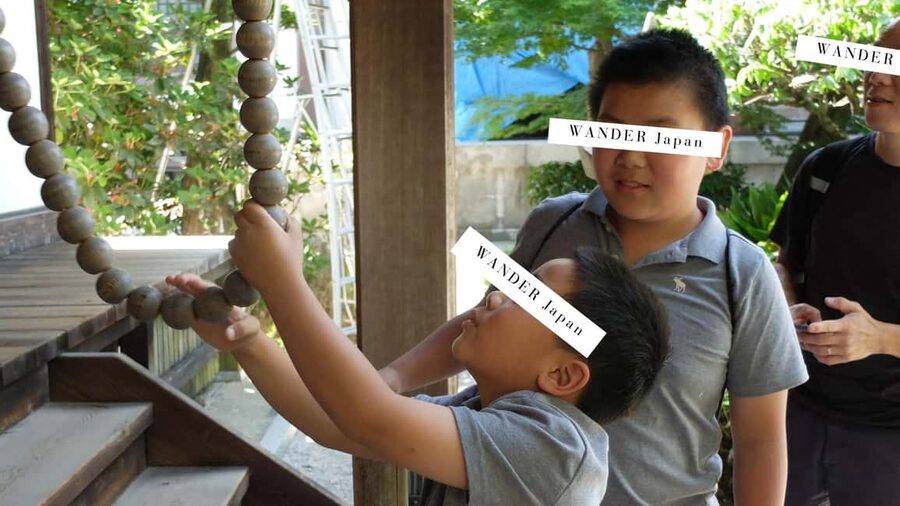
A 20-minute stop at a local café breaks up the sightseeing. The guide chooses a favorite café, where you can pause with tea or coffee and look toward the castle scenery.
Food and drinks are your own responsibility. The value here is not a free refreshment, but the chance to sit down, ask questions, and talk through what you have seen. On a walking tour, that pause matters, especially in warm weather or during a busy day of sightseeing.
Past groups have enjoyed tea experiences, including matcha and a sakura latte. Those details suggest the café stop may vary, so treat it as a flexible local recommendation rather than a fixed tasting.
I would use this moment to ask for lunch advice, transport help, or suggestions for the rest of your stay. Guides have helped with restaurant choices and bookings, including on national holidays when many places were closed.
Kenrokuen rewards a slower look

Kenrokuen is one of Japan’s three most beautiful gardens, and the tour allows around 30 minutes here. That is enough to see the main character of the garden and hear how traditional Japanese gardening creates seasonal interest.
The garden changes with the time of year. Plum blossoms can add color in late winter and early spring, while other seasons bring their own flowers and foliage. The appeal is not just a single view. Paths, water, trees, stones, and carefully framed scenes work together as you walk.
Thirty minutes will feel short if gardens are your main interest. I would take the guided visit as an introduction, then return later if your schedule allows. The guide helps you understand what to look for, but you may want extra quiet time afterward.
This is also a good place to slow the group down if you are traveling with older relatives or a child who needs a break. The tour can be adapted, but tell the guide about mobility concerns before the walk begins.
Higashi Chaya ends among wooden teahouses

The final major stop is Higashi Chaya District, a traditional geisha area known for preserved wooden teahouses. It has a different feel from Nagamachi. The samurai quarter points toward warrior households, while Higashi Chaya presents the refined entertainment culture associated with geisha.
The scheduled visit is about 20 minutes, followed by some free time and the option to continue on your own. That makes it a practical ending. You receive an introduction from the guide, then have room to look around, take photographs, or choose your next stop.
Again, the time is limited. If you want to examine interiors, shop for local crafts, or sit for tea, plan to stay after the official tour. The tour’s final drop-off options include locations in Kanazawa, giving you a useful base for continuing your afternoon.
I like ending here because it leaves you in a district that is easy to explore at your own speed. You are not rushed straight back to a hotel after the final explanation.
The guides are the heart of the experience
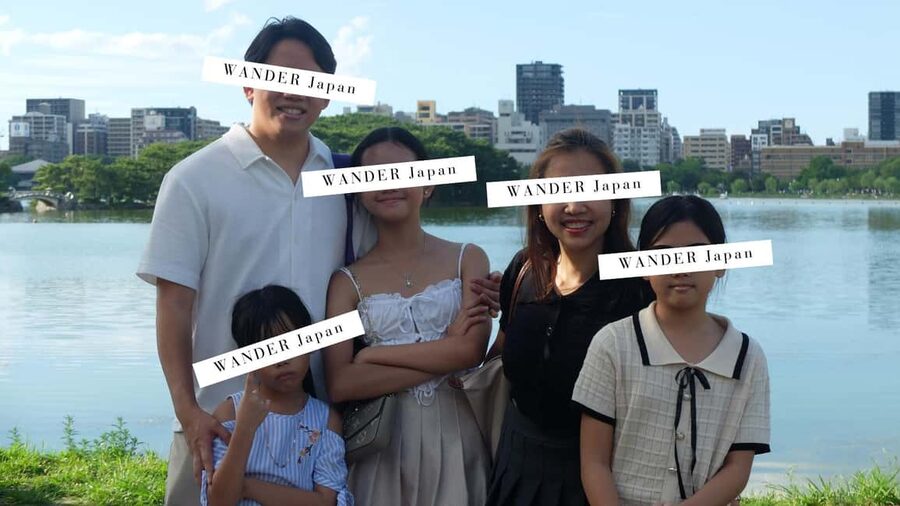
The strongest pattern in the feedback is not one particular monument. It is the guides.
Emi is praised for her passion, humor, preparation, and love of Kanazawa. She has also followed up after tours to research questions and send helpful information. That kind of effort is valuable when you want more than a memorized script.
Yu Noda receives especially strong praise for excellent English, patience, personal stories, and an easy conversational style. He worked well with families, answered an 11-year-old’s many questions, helped with restaurant bookings, and provided useful tips for the rest of a stay.
Hirofumi contacted a group through WhatsApp the day before, adjusted the route around their hotel, and considered their plans after the tour. Aiko was praised for linking historical information with the way Kanazawa feels today.
There is one fair warning. One person found the guide’s English somewhat hard to understand. Language ability can vary by guide, so if clear English is essential, confirm the language arrangement when booking or request a guide whose communication style suits your group.
Is $48 a fair price?
At $48 per person, the tour offers good value if you want context and personal help rather than simple transportation between sights.
You are paying for a private or small-group guide, a three or four-hour route, hotel meet-up on request in central areas, and advice tailored to your interests. Food, drinks, and most transport are extra. The experience is mainly a walking tour, though public transport or a short bus ride may be used.
The price makes the most sense for first-time visitors, couples, families, and anyone with limited time in Kanazawa. A guide can help you avoid spending half a day wondering how the castle, garden, market, and historic districts connect.
For a large group, the per-person cost may be particularly attractive. For a solo visitor on a tight budget, walking alone is cheaper, but you lose the explanations and local recommendations. The best value comes when you use the guide to shape the rest of your stay.
Practical advice before you go
Wear comfortable shoes. The route includes several walks between districts, with sightseeing stops rather than long periods of sitting.
Bring cash and a credit card. Food and drinks are not included, and market or café purchases may vary in payment options.
Book the longer option if you want all the main stops without feeling hurried. The exact itinerary can change by day, so think of the route as a flexible plan rather than a fixed performance.
Ask for a central hotel meet-up if that is useful. One guide adapted the meeting arrangement for a cruise passenger and helped with a taxi into town. Another adjusted the tour for a wheelchair user. The tour is listed as wheelchair accessible, but you should still discuss your route and transport needs in advance.
I would also schedule this early in your Kanazawa stay. The tour gives you restaurant ideas, neighborhood orientation, and suggestions for later visits. Several guides have helped people plan what to do after the walk.
Who should book this Kanazawa walk?
I would recommend it most strongly to first-time visitors who want the city explained in plain language. It also suits families, since Yu has shown patience with children’s questions, and couples who prefer a private conversation to a large tour group.
It is a good choice for anyone interested in the connection between samurai culture, religion, food, gardens, and geisha districts. The route gives you a broad introduction in a short time.
You may want something else if your priority is a long food tasting, extended castle interiors, or a slow garden visit. This tour touches many places, so depth at each stop is limited. You can solve that by choosing four hours and returning to your favorite site afterward.
FAQ
How much does the Kanazawa walking tour cost?
The listed price is $48 per person.
How long does the tour last?
The tour lasts between two and four hours, depending on the option selected.
Which languages are available?
Live guiding is available in English and Japanese.
Is hotel pick-up available?
Hotel meet-up is available on request for central locations. The meeting point can vary depending on the option booked.
Are food and drinks included?
No. Food and drinks are not included, so bring cash or a credit card for market and café purchases.
Is the tour wheelchair accessible?
Yes, the activity is listed as wheelchair accessible. A guide has also adapted the route for a wheelchair user, but you should discuss your specific needs before the tour.
Should you book it?
Book this tour if you want to understand Kanazawa quickly and personally. For $48, you get a well-planned route through the market, samurai district, shrine, castle, garden, and geisha quarter, plus the chance to ask a local guide all the questions that arise along the way.
The best reason to choose it is the human touch. Emi, Yu Noda, Hirofumi, and Aiko have helped shape tours around individual interests, mobility needs, restaurants, and onward plans. Choose the four-hour option if you dislike rushing, bring payment cards for optional food and drinks, and treat the final district as an invitation to keep exploring.
Just added in Kanazawa
- Taste of Kanazawa (Food tasting in Omicho Market & Higashi Chaya)★ 5.0 · 58 reviews
- Shirakawago & Kanazawa from Kanazawa★ 5.0 · 51 reviews
- Takayama and Shirakawago/Photoshoot by professional photographer★ 5.0 · 67 reviews
- Kanazawa: Sushi & Japanese Cooking Class at a Historic School★ 5.0 · 66 reviews
- Private Tour of Shirakawago from Kanazawa (Half Day)★ 5.0 · 24 reviews
- Kanazawa private 1 day/Photoshoot by professional photographer★ 5.0 · 33 reviews
- Private Tour of Shirakawago and Gokayama from Kanazawa★ 5.0 · 50 reviews
- Kanazawa private half day/Photoshoot by professional photographer★ 5.0 · 38 reviews
Walking Tours, compared.
Kyoto Geisha Walking Tour: Gion District & Hidden Gems
Read our review →
Tokyo Tsukiji Fish Market Food and Culture Walking Tour
Read our review →
Gion Magical Night Walking Tour with Geisha Trivia
Read our review →
Imperial Palace and Shogun Historical Walking Tour
Read our review →
Gion Geisha District Walking Tour – Stories of Geisha
Read our review →

Shinjuku Local Bar and Izakaya Guided Walking Tour
Read our review →
Browse the lists this tour appears in