
Reviewed · CASTLES AND HISTORIC SITES
Kanazawa Private Tour: Highlights of an Old Samurai Town
Kanazawa rewards slow looking. This seven-hour private walking tour links the city’s best-known sights with an English-speaking guide, taking you from the seafood stalls of Omicho Market to Kanazawa Castle, Kenrokuen Garden, the D. T. Suzuki Museum, and a carefully preserved samurai home. I like the mix of famous places and quieter cultural stops, and I especially like having a guide who can explain how Kanazawa grew under the Maeda family rather than simply pointing at old buildings.
The private format is another strong point. Your group can ask questions, adjust the pace, and sometimes request small changes, as guides such as Yumiko, Yuri, Toshiko, Kazu, Makiko, and Yumi have done for past groups. The main caution is physical: this is a long day on foot, with uneven surfaces and mountain paths, and private transport is not included unless you pay extra.
In This Review
- Key points to know before booking
- Why Kanazawa makes a good alternative to Japan’s biggest cities
- Starting at Omicho Market, Kanazawa’s food center
- Kanazawa Castle and the Maeda family story
- Kenrokuen Garden and the art of careful design
- The D. T. Suzuki Museum, a quiet change of pace
- Nomura Family Samurai House and a more personal view of the past
- What the private guide adds to the day
- Walking, buses, and the real pace of seven hours
- Is $171.73 per person a fair price?
- Who should book this Kanazawa tour?
- Should you book it?
- FAQ
- How long does the Kanazawa private tour last?
- What sights are included?
- Is hotel pickup included?
- Is this a private tour?
- Are admissions included?
- Is transportation included?
- Is the tour suitable for people with walking difficulties?
- Can vegetarian food be arranged?
- What happens if the weather is severe?
Key points to know before booking
- Five major stops in about seven hours: The route covers Omicho Market, Kanazawa Castle, Kenrokuen Garden, the D. T. Suzuki Museum, and Nomura Family Samurai House.
- A genuinely private experience: Only your group participates, with a maximum of eight people per booking.
- The guide is central to the value: English-speaking guides provide context, answer questions, and may help with practical matters such as bus travel or train arrangements.
- Public buses are included: Bus tickets are covered, but taxis, cars, and private buses cost extra.
- Good for first-time visitors: The route gives you a clear introduction to Kanazawa’s food, gardens, samurai culture, architecture, and Buddhist thought.
- Plan for a walking day: Easy-to-walk shoes are important, and severe winter weather can change the schedule.
Why Kanazawa makes a good alternative to Japan’s biggest cities
Kanazawa is often compared with Kyoto and Tokyo because of its arts, gardens, historic districts, and traditional culture. Yet it feels quieter than those famous destinations. That contrast is part of the appeal. You can spend a morning moving between major sights without the same pressure to rush through packed streets.
This tour gives you a useful first look at that balance. You see a working food market, a former feudal stronghold, one of Japan’s best-known gardens, a modern museum devoted to Zen thought, and a samurai residence with its own garden. These places do not tell the same story, which keeps the day from feeling like a parade of similar old buildings.
I also like the private setup for Kanazawa because the city is best understood through small details. A guide can explain why a gate matters, point out a seasonal food at the market, or help you understand a design choice in a garden. The experience is not just about checking off five addresses.
More Castles and Historic Sites in Kanazawa
- Kanazawa: Samurai Residence Remains Nomura Family admission
★ 4.4 · 111 reviews - Kanazawa: Samurai, Matcha, Gardens and Geisha Full-Day Tour
★ 4.9 · 75 reviews - Full-Day Tour from Kanazawa: Samurai, Matcha, Gardens and Geisha
★ 5.0 · 68 reviews
Starting at Omicho Market, Kanazawa’s food center
The first stop lasts about 40 minutes at Omicho Market. Locals have long treated it as Kanazawa’s kitchen, and the market gathers seasonal fish, fruit, and other food from the surrounding region. Seafood is a major part of the scene, including crabs from the Sea of Japan.
This is a good opening because it puts present-day Kanazawa before its castles and old homes. You begin with the city as a living place, not just a historic one. The market also gives your guide plenty to explain, from seasonal produce to the importance of seafood in local eating habits.
The admission charge is free, but you should not confuse that with a quick photo stop. Forty minutes allows time to look at the displays, watch the sellers at work, and ask questions. Food and drinks are not included in the tour price, so any snack or meal you choose to buy is your responsibility.
The market can also be the most tempting place to lose track of time. If you enjoy trying local food, you may want more than 40 minutes. That is one reason to speak up early if tasting food is a priority, though the guide may need to keep the rest of the day on schedule.
Kanazawa Castle and the Maeda family story
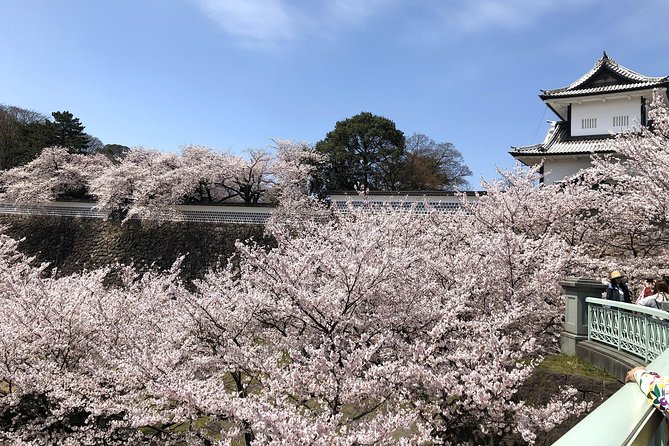
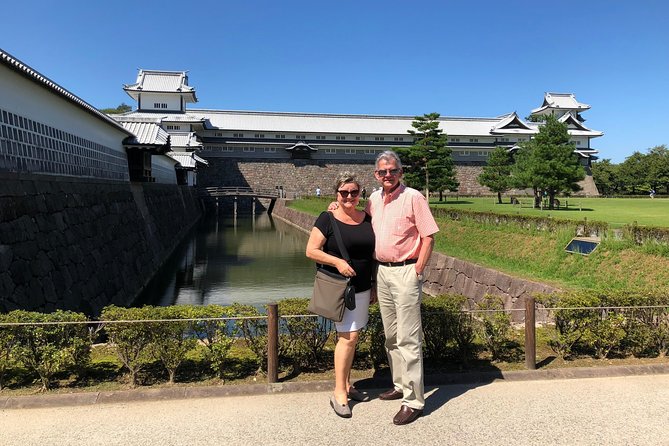
From Omicho Market, the tour continues to Kanazawa Castle for about 45 minutes. The castle became a residence in 1583 and remained associated with 14 generations of the Maeda family of the Kaga clan until 1869. It was a major symbol of Kaga Hyakumanges, the powerful domain connected with Kanazawa.
The castle stop works best when your guide adds the political background. Without that context, you may see gates, walls, and reconstructed buildings without understanding why Kanazawa became such an important cultural center. With explanation, the castle becomes the starting point for the city’s long connection to art, design, craftsmanship, and refined living.
Only Ishikawa Gate and the 30 Nagaya rowhouse survived from the original castle complex, according to the tour information. That is worth knowing before you arrive. You are not walking through a fully intact medieval fortress. You are seeing historic remains alongside restored or reconstructed elements, with the setting and story doing much of the work.
The 45-minute visit is enough for an introduction, but it is not an exhaustive castle study. If you want to examine every building or read every sign, you may feel hurried. For a first visit, though, the shorter stop helps preserve time for the garden and samurai district.
Kenrokuen Garden and the art of careful design
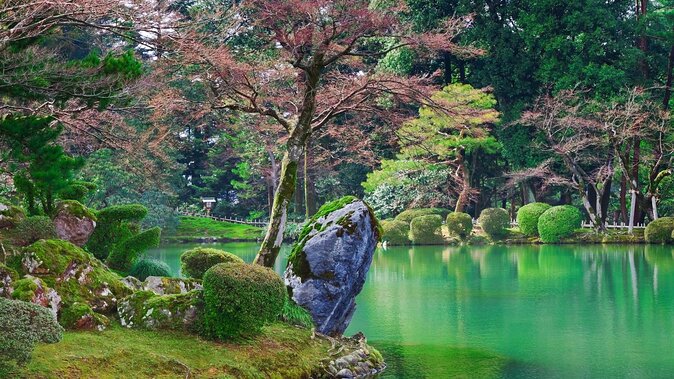
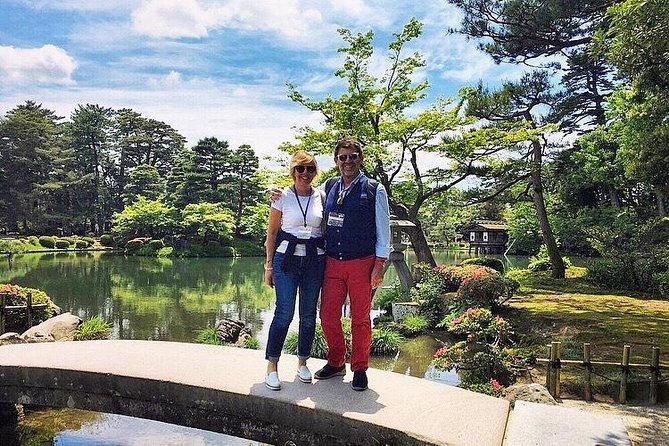
Kenrokuen receives about an hour, making it the longest stop on the route. It is listed among Japan’s three famous national gardens, along with Mito Kairakuen and Okayama Korakuen. The garden is designed to offer beauty across the seasons, and winter scenery is a particular part of its appeal.
I see this as the visual center of the day. Kanazawa Castle explains power and place. Kenrokuen shows how that power was expressed through cultivated space, water, trees, paths, and carefully framed views. Your guide can help you notice the relationships between the garden’s parts instead of treating it as one large pretty picture.
The garden is also a good reason to think about timing. Its appearance changes with the season, so spring, summer, autumn, and winter offer different sights. Severe winter weather can force changes to the agenda, and the walking surfaces may be harder in poor conditions.
Do not assume an hour means a flat, effortless stroll. The tour notes mention mountain paths and uneven surfaces. Wear shoes that are easy to walk in, and expect the day to feel active even though the pace is described as relaxing. Anyone with significant walking difficulty should think carefully before booking.
More Private Tours in Kanazawa
- Kanazawa Half Day Tour (Private Guide)
★ 5.0 · 361 reviews - Kanazawa Full Day Tour (Private Guide)
★ 5.0 · 323 reviews - 1 Day Private Charter Tour to Shirakawa-go & Takayama
★ 4.5 · 253 reviews - Kanazawa: Private Walking Tour with a Local
★ 4.8 · 141 reviews
The D. T. Suzuki Museum, a quiet change of pace
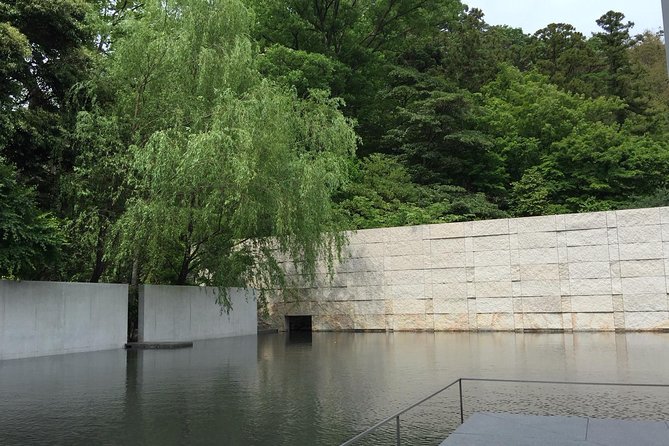
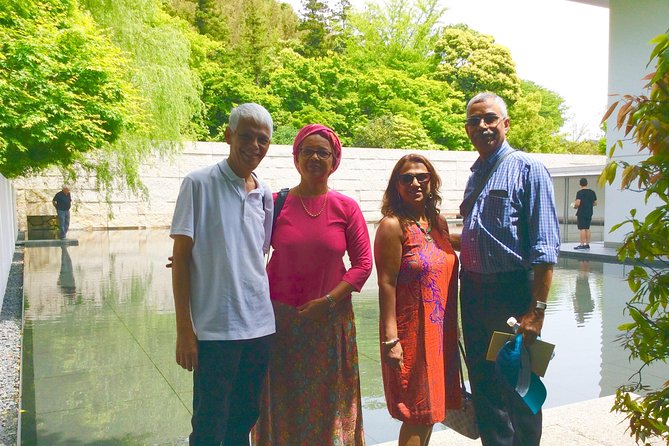
The D. T. Suzuki Museum takes about 50 minutes. It honors Suzuki Daisetsu, a Buddhist philosopher born in Kanazawa who helped introduce Zen culture to audiences outside Japan. The museum also reflects the work of architect Yoshio Taniguchi, noted in the tour description.
This stop changes the rhythm. After the market, castle, and garden, you move into a place shaped by ideas, silence, and architecture. It is not simply another historic building. It gives you a way to consider how Kanazawa’s cultural identity reaches beyond samurai history and seasonal beauty.
The museum may appeal most to people who enjoy philosophy, Zen, architecture, or quiet spaces. If your main interest is food or feudal Japan, 50 minutes here may feel longer than the castle visit. A good guide can make the stop more accessible by explaining Suzuki Daisetsu’s place in Japanese and international Buddhist thought.
The private format matters here. You can ask for a basic explanation without feeling that you are slowing down a large group. You can also tell your guide if you want more time with the architecture or prefer to keep the discussion focused on Kanazawa.
Nomura Family Samurai House and a more personal view of the past
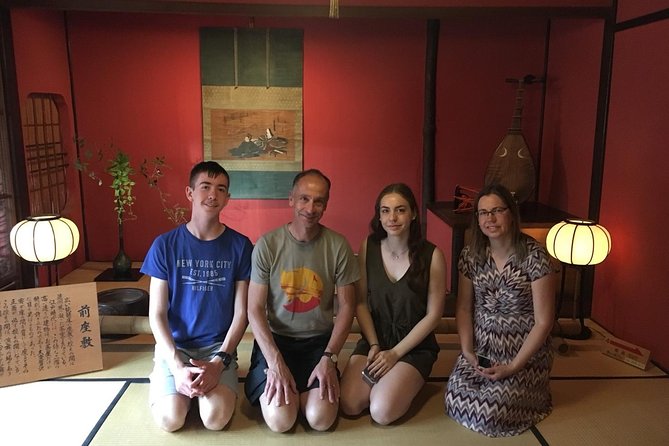
The final listed stop is Nomura Family Samurai House, with about 50 minutes inside. The residence is preserved with displays that help show how samurai families lived in an earlier period. Its attached garden is a major part of the appeal.
This is a more intimate experience than the castle. A castle tells you about a ruling family and a domain. A samurai house gives you a closer look at domestic space, decoration, gardens, and daily life. The small garden helps you see how indoor rooms and outdoor design were meant to work together.
I would pay attention to the difference between a grand public monument and a private residence. The house is not large, but its scale is exactly what makes it useful. You get a more human sense of status and household life instead of only seeing military walls and official gates.
Fifty minutes should give you enough time to see the displays and garden without turning the visit into a long museum session. As with the other stops, your guide is important. The details can be easy to miss if you do not know what you are looking at.
What the private guide adds to the day
The strongest praise for this experience centers on the guides. Yumiko was described as warm, flexible, and deeply interested in Kanazawa. Yumi was praised for being dedicated and for making the day feel personal. Yuri helped a group find a traditional lunch restaurant, a pleasant coffee and tea stop, a local parade, and the bus system.
Those examples show the practical benefit of a private tour. The guide is not only there to recite dates. Guides have helped with questions outside the formal route, offered food suggestions based on personal tastes, and even assisted with train arrangements at Kanazawa Station. One guide recommended the Ninja Temple and made a reservation, adding an extra experience to the day.
You should not assume every request or extra stop is guaranteed. The published route is built around five major places, and the schedule has limits. Still, a private booking gives you a much better chance of shaping the day than a large group tour.
English ability also appears to be a strength. Kazu was praised for clear English and informative explanations, while Yumiko’s English was described as very good. Since guides vary, it is still sensible to state your interests clearly when booking and at the start of the tour.
Walking, buses, and the real pace of seven hours
The tour lasts about seven hours, but the listed stop times add up to roughly four hours and 15 minutes. The rest of the day is used for walking, moving between sights, waiting for or riding public buses, and handling the transitions that make an urban tour work.
Bus tickets are included. Private taxis, cars, and buses are not, although they can be arranged for an extra fee. This is an important price detail. The standard tour is not a chauffeured sightseeing experience, so you should be comfortable using public transport and walking between places.
Pickup and drop-off are included in the tour details, but the stated meeting point is Kanazawa Station, at 1 Kinoshinbo-machi. Confirm the exact pickup arrangement when you book, especially if you are staying at a hotel outside the central area. Clear communication here will prevent a needless start-of-day mix-up.
The walking requirement is not a minor note. Uneven surfaces and mountain paths are specifically mentioned, and the tour calls for a moderate level of physical fitness. Wear supportive shoes, keep your day bag light, and save demanding footwear for another outing.
Is $171.73 per person a fair price?
At $171.73 per person, this is not the cheapest way to see Kanazawa. The price includes an English guide, hotel pickup and drop-off, admission fees, bus tickets, and a private group experience. Food and drinks are extra, as are private taxis or cars.
The value depends on how much you want from the day. For one or two people, the cost may feel high compared with using a city map and visiting the sights independently. For a family or small group of up to eight, the per-person price can make more sense, especially because the guide can keep the day together and adapt explanations to your interests.
Admission fees also reduce the amount of extra planning. You do not need to sort out each listed entry separately, and public bus tickets are covered. The bigger saving is time and mental effort. A guide connects the stops so you are not spending the day working out routes, translations, and historical context.
I would pay this price if I had limited time in Kanazawa, wanted a strong first orientation, or valued personal help with food and transport questions. I would skip it if I preferred long, unhurried visits at one or two sites, or if I was happy arranging buses and admissions alone.
Who should book this Kanazawa tour?
This experience suits first-time visitors who want the main sights in one organized day. It is also a good fit for couples, families, and small groups who prefer private attention over a fixed large-group schedule.
You will get the most from it if you enjoy a blend of food culture, Japanese gardens, samurai history, architecture, and Buddhist ideas. The day is not focused only on castles or shopping, so its range is a real strength.
It may not suit anyone with walking disabilities or a low tolerance for uneven ground. It is also less suitable if you want private vehicle transport throughout the day. In that case, the extra cost of taxis or a private car should be considered before booking.
Free cancellation is available up to 24 hours before the start time. Changes made within 24 hours are not accepted, and poor weather can lead to a different date or a full refund. Vegetarian meals can be accommodated if you advise the provider when booking, though food itself is not included.
Should you book it?
Book this tour if you want a well-shaped introduction to Kanazawa and prefer having a local English-speaking guide beside you. The mix of Omicho Market, Kanazawa Castle, Kenrokuen, the D. T. Suzuki Museum, and Nomura Family Samurai House gives you a broad picture of the city in one day.
The best reason to choose it is the guide’s personal help. Yumiko, Yuri, Yumi, Kazu, Makiko, and Toshiko have each been praised for warmth, flexibility, clear explanations, or practical assistance. That human element can turn a series of sights into a connected day.
Skip it if you want to explore at your own pace, need step-free access, or expect a private car. For most active visitors with a single day in Kanazawa, though, the price buys more than admission tickets. It buys structure, local insight, and a much easier way to get oriented in this old samurai town.
FAQ
How long does the Kanazawa private tour last?
The tour lasts approximately seven hours.
What sights are included?
The route includes Omicho Market, Kanazawa Castle, Kenrokuen Garden, the D. T. Suzuki Museum, and Nomura Family Samurai House.
Is hotel pickup included?
Yes. Hotel pickup and hotel drop-off are included in the tour details. The stated meeting point is Kanazawa Station, so confirm the exact pickup arrangement when booking.
Is this a private tour?
Yes. Only your group participates, and the maximum booking size is eight people.
Are admissions included?
Yes. The tour includes all listed admission fees and taxes.
Is transportation included?
Bus tickets are included. Private taxis, cars, and buses are not included and are available for an additional fee.
Is the tour suitable for people with walking difficulties?
The tour is not recommended for people with walking disabilities. Uneven surfaces and mountain paths are part of the experience, and a moderate level of physical fitness is advised.
Can vegetarian food be arranged?
Yes. A vegetarian option is available if you advise the provider at the time of booking. Food and drinks are not included in the tour price.
What happens if the weather is severe?
The agenda may change during severe winter weather. If poor weather causes the experience to be canceled, you can choose another date or receive a full refund.
Just added in Kanazawa
- Taste of Kanazawa (Food tasting in Omicho Market & Higashi Chaya)★ 5.0 · 58 reviews
- Shirakawago & Kanazawa from Kanazawa★ 5.0 · 51 reviews
- Takayama and Shirakawago/Photoshoot by professional photographer★ 5.0 · 67 reviews
- Kanazawa: Sushi & Japanese Cooking Class at a Historic School★ 5.0 · 66 reviews
- Private Tour of Shirakawago from Kanazawa (Half Day)★ 5.0 · 24 reviews
- Kanazawa private 1 day/Photoshoot by professional photographer★ 5.0 · 33 reviews
- Private Tour of Shirakawago and Gokayama from Kanazawa★ 5.0 · 50 reviews
- Kanazawa private half day/Photoshoot by professional photographer★ 5.0 · 38 reviews
Castles and Historic Sites, compared.

Imperial Palace and Shogun Historical Walking Tour
Read our review →
Tokyo Castle & Imperial PalaceーShogun Walking Tour
Read our review →
Nijo-jo Castle and Ninomaru Palace Guided Tour
Read our review →
Samurai Ninja Museum Guided tour and Experience
Read our review →Browse the lists this tour appears in