Reviewed · PRIVATE TOURS
Kumano Kodo Pilgrimage Tour with Licensed Guide & Vehicle
Sacred trails, shrines, and one giant torii. This private Kumano Kodo day tour packs the Kii Peninsula’s most important sights into roughly eight hours, with a licensed English-speaking guide and private vehicle doing the hard work between scattered locations. I like the custom itinerary, which lets you choose three or four sites, and I like the personal guiding, especially the thoughtful planning described by guests who toured with Kiyoko, Yuka, Yuki, and Hira.
The catch is simple: you are seeing pilgrimage highlights, not completing a long section of the Kumano Kodo on foot. Six listed stops each allow about 30 minutes, and traffic can change the plan. At $744.66 per group of up to two, this is a serious spend, but it can make sense when your time is short and public transport would consume much of your day.
In This Review
- Key points to know before booking
- What the Kumano Kodo means beyond a scenic walk
- Starting at Kumano Kodo Nakahechi Michi-no-Eki
- Kumano Hongu Taisha and the original shrine grounds
- Oyunohara and the world’s largest torii
- Kumano Hayatama Taisha in Shingu City
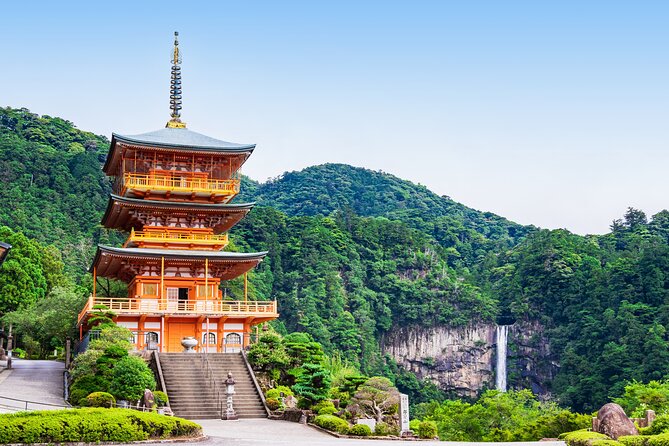
- Kumano Nachi Taisha and the long stair approach
- Nachi Falls, a 133-meter final highlight
- Why the private vehicle changes the value
- What the guides add to the day
- Is $744.66 good value for eight hours?
- Who should book this Kumano Kodo tour?
- Final call: a smart shortcut through sacred Kumano
- FAQ
- How long does the Kumano Kodo private tour last?
- How many people can join the private tour?
- Which major Kumano shrines are included?
- Is Nachi Falls included?
- Are lunch and entrance fees included?
- Can I cancel for a full refund?
Key points to know before booking
- Three grand shrines in one day: Visit Kumano Hongu Taisha, Kumano Hayatama Taisha, and Kumano Nachi Taisha, the sacred trio known as the Kumano Sanzan.
- A private car saves precious time: The shrines and mountain sites are spread across Wakayama Prefecture, so door-to-door transport matters.
- You choose the focus: The experience includes a customizable walking tour of three or four sites from the scheduled sights.
- Nachi Falls adds the visual punch: Japan’s tallest single-drop waterfall falls 133 meters beside the Nachi shrine complex.
- The guides tailor the day well: Kiyoko, Yuka, Yuki, and Hira have all been praised for planning, patience, local explanations, and careful attention.
- This is a highlights tour, not a full pilgrimage: You get sacred sites and selected walks, but not a multi-day trek along the entire route.
What the Kumano Kodo means beyond a scenic walk
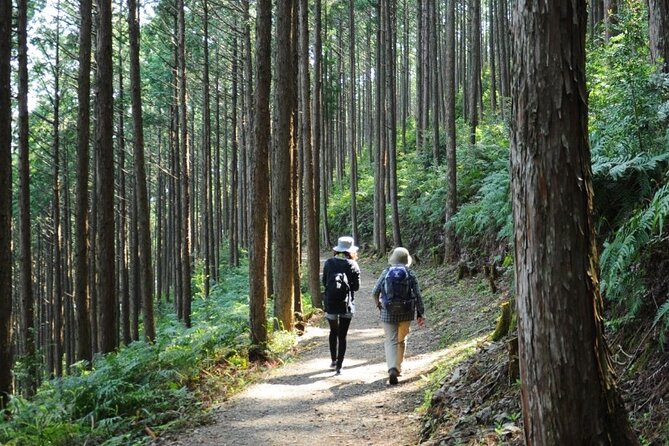
The Kumano Kodo is a network of old pilgrimage paths across southern Kansai. The routes run through the Kii Peninsula, linking shrines and temples in forests, river country, and mountain country. People have regarded the Kumano area as sacred since prehistoric times.
The three major shrines are called the Kumano Sanzan. Kumano Hongu Taisha, Kumano Hayatama Taisha, and Kumano Nachi Taisha each connect to one of the area’s sacred mountains. Over time, Buddhist influence shaped the way the three deities were worshipped together.
That context makes this more than a shrine-hopping drive. Your guide can explain why these places matter and how the pilgrimage network connects them. The private format also gives you room to ask questions, rather than simply stepping out of a vehicle, taking a photo, and moving on.
Still, I would set your expectations correctly. You are not walking for hours through the full Kumano Kodo system. This experience is designed for a concentrated look at important sites, with short visits and selected walks. If your main goal is a long physical pilgrimage, you need a different plan.
More Private Tours in Japan:
- Tokyo 6hr Private Tour with Government-Licensed Guide
★ 5.0 · 3,902 reviews - Private Tour to Mt. Fuji and Hakone (Fully Licenced Operator)
★ 5.0 · 1,910 reviews - Tokyo Customized Private Tour (Must See Places in 1 Day)
★ 5.0 · 1,499 reviews
Starting at Kumano Kodo Nakahechi Michi-no-Eki
The first scheduled stop is Kumano Kodo Nakahechi Michi-no-Eki, a roadside station connected with the Nakahechi pilgrimage route. It is allowed about 30 minutes and has no admission charge.
This is a useful opening point because it introduces the old route before you reach the grand shrines. You can get a sense of the region’s road network and the connection between modern travel and the historic pilgrimage paths. Your guide can also help explain where this section fits within the larger Kumano Kodo system.
Do not expect a long walk here based on the stated timing. Think of it as a short orientation stop. The value comes from having a guide place the route in context, especially if you have only read about Kumano Kodo as a general hiking destination.
Kumano Hongu Taisha and the original shrine grounds
Kumano Hongu Taisha is one of the three principal Kumano shrines. It has its own deity and also enshrines the deities associated with the other two major shrines, making it an important place to begin understanding the Kumano Sanzan.
The scheduled visit is about 30 minutes, with no admission charge listed. That is enough for a focused look, but not an unhurried study of every detail. You will want to keep your pace steady and listen closely while your guide explains the shrine’s role.
I especially like this stop for first-time visitors because it gives the pilgrimage story a central point. The shrine is not just another attractive religious building. It helps you see how the three major sites belong to one sacred system.
The short timing can also be a limitation. If you enjoy quiet shrine visits, photography, or reading every sign, you may wish to ask the provider ahead of time if Hongu should receive more of the day. The itinerary can change according to traffic, and the tour welcomes special requests, so it is worth raising your priorities before departure.
Oyunohara and the world’s largest torii
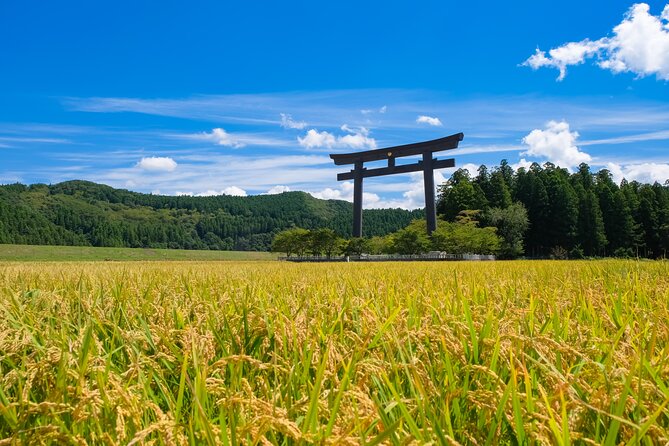
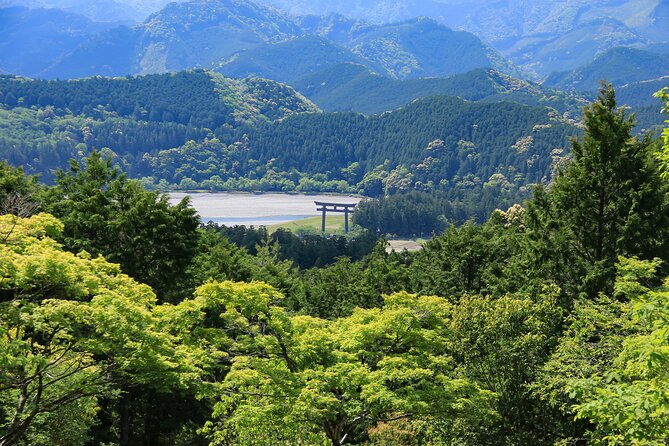
A short visit to Kumano Hongu Taisha Kyushachi Oyunohara reveals what changed after a major flood in 1889. This was the original location of Kumano Hongu Taisha Grand Shrine. Today, two small stone shrines remain, watched over by the world’s largest torii gate.
This is one of the most distinctive stops because it shows absence as clearly as presence. The grand religious center is no longer here, yet the surviving stone shrines and enormous gate preserve the memory of the original site.
You have about 30 minutes, so use the time to look beyond the scale of the torii. The important story is the relationship between the old grounds, the flood, and the shrine’s later location. A guide adds real value here because the remains may not explain themselves fully to a first-time visitor.
For anyone interested in sacred places shaped by nature, Oyunohara may be one of the day’s most thought-provoking stops. It also gives you a break from the larger shrine compounds and focuses attention on the older ground beneath them.
A few more options to weigh up in Japan
- (Okinawa’s No. 1 Popular Northern Day Trip) Chinese-speaking guide · Includes admission tickets · 1 person can book: Churaumi Aquarium · Cape Manzamo · Kouri Island · American Village
★ 4.7 · 1,846 reviews - Shiraito Falls & Forest Cafe & Handmade Flower Salt Pudding & Grilled Seafood & Totoro Forest & Sakurai Futamigaura & Angel’s Wings & Coconut Tree Swing Day Tour (Departing from Hakata Station, with Mandarin, English, and Cantonese speaking guide)
★ 4.9 · 1,840 reviews - Tokyo: Shinjuku Local Bar and Izakaya Guided Walking Tour
★ 4.9 · 1,794 reviews - Tokyo: Private City Highlights Tour with Local Guide
★ 4.8 · 1,433 reviews
Kumano Hayatama Taisha in Shingu City
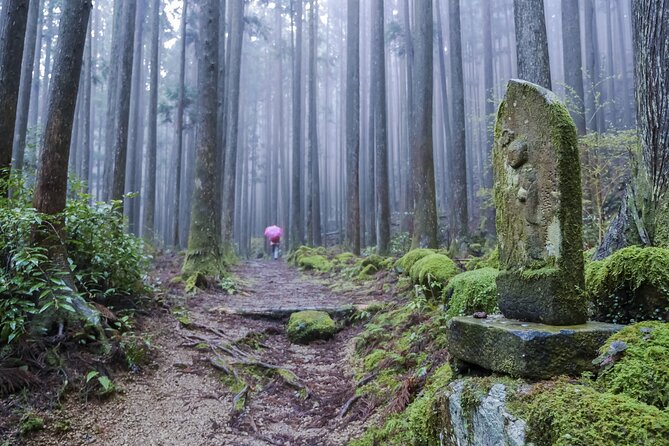
Kumano Hayatama Taisha sits in Shingu City on the southeast coast of the Kii Peninsula. It is another of the three important Kumano shrines and forms the coastal part of the Kumano Sanzan.
The tour allows about 30 minutes here, with no admission charge listed. That makes this a quick but worthwhile stop if your goal is to see all three grand shrines in one day. You can compare its setting and character with Hongu and Nachi while your guide explains how the three sites relate.
The main benefit is breadth. Without private transport, covering shrines in different parts of the peninsula can take a great deal of planning. With a driver, you can use the day for the places themselves instead of managing every connection.
The tradeoff is that the schedule may feel brisk. If Hayatama is your favorite type of site, perhaps because of its position in Shingu City or its place among the three major shrines, ask whether you can give it more time by dropping another stop.
Kumano Nachi Taisha and the long stair approach
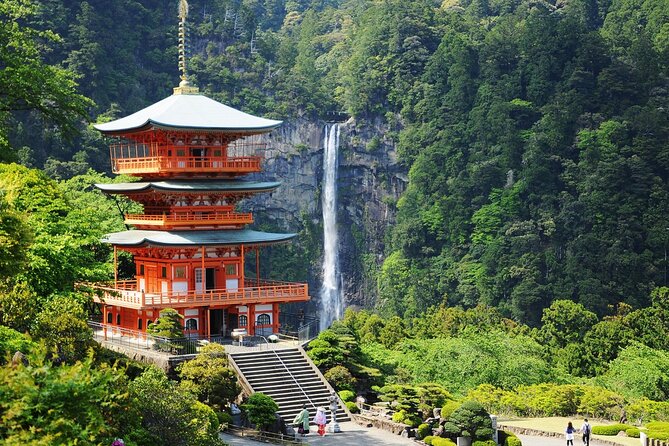
Kumano Nachi Taisha is inland from the coastal hot spring resort of Katsuura. It belongs to a larger religious complex with neighboring sites, and it is one of the day’s major highlights.
The experience may involve substantial stair climbing, depending on the route you and your guide choose. One guest praised Yuki for walking up all the steps while explaining the enshrinement of the deities. That detail matters if you want more than a quick look from the car. It also matters if anyone in your group has limited mobility.
The shrine’s setting beside Nachi Falls gives it a strong sense of place. You are not visiting an isolated building. The religious complex, the forested mountain setting, and the falling water work together as one destination.
Give your guide an honest picture of your walking ability before the day begins. Another guest described a sister who could not walk to some locations, and the guide adjusted the experience as much as possible. That does not mean every path is easy or accessible, but it does show why early communication is useful.
Nachi Falls, a 133-meter final highlight
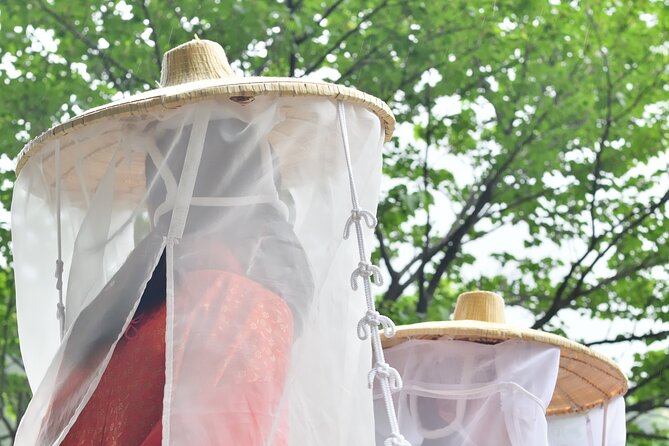
Nachi Falls is the tallest waterfall in Japan when measured as a single uninterrupted drop. The water falls 133 meters, with a depth of 10 meters and roughly one ton of water dropping over the cliff each second.
You have about 30 minutes here. That is enough to see the main view and take in the scale, though weather and walking conditions can affect how long you want to stay. The falls are the visual high point of the route, and their connection with Nachi Taisha makes the visit feel tied to the area’s religious traditions rather than simply a nature photo stop.
Weather deserves attention. One tour took place during a storm, with heavy rain making the drive more difficult. Yet the wet conditions also made the waterfall especially powerful. You should not count on that dramatic effect, and you should take bad weather seriously, but the story shows how strongly conditions can shape this outing.
Comfortable walking shoes and rain protection are sensible choices, although the supplied details do not specify equipment or clothing requirements. Ask your guide about the day’s walking plan if rain is forecast.
Why the private vehicle changes the value
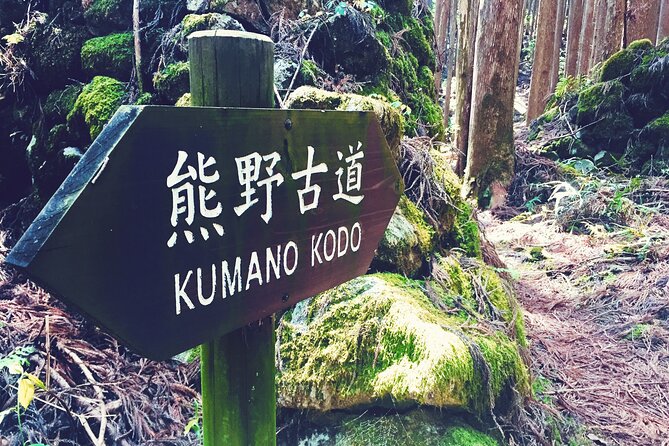
The private vehicle is the practical heart of this experience. The stops are spread across Wakayama Prefecture, and the route includes mountain and coastal locations. A driver lets you connect Hongu, Oyunohara, Shingu, Nachi, and the waterfall without building the day around multiple public transport links.
The vehicle also supports a more personal rhythm. Guides have adjusted plans around children, walking limits, preferred sights, and lunch choices. One guide helped organize a stop at a lively sushi restaurant, while another arranged a day around a group’s interest in the riverbed onsen. Those examples show the benefit of discussing your interests rather than accepting a fixed route without question.
The listed capacity is up to two people per group. The tour is private, so only your party participates, but you cannot combine multiple tour groups. The information also says that a limited number of car seats and booster seats are available, with no rear-facing seats. Contact the provider directly if you need child seating.
What the guides add to the day
The strongest part of this experience is the human support. Kiyoko has been praised for patience and for shaping a day around three small children. Yuka has planned routes carefully and explained the stories and history of the shrines. Yuki has joined the stair climb at Nachi and explained the deities clearly. Hira has prepared detailed plans ahead of time and responded carefully to questions.
Those details give you a useful picture of the guiding style. You are not simply being transported between photo stops. You can expect help with timing, route choices, shrine context, and practical decisions during the day.
The provider assigns the guide, so you cannot assume a particular person will lead your tour. Still, the repeated praise for preparation, kindness, and flexibility is encouraging. Contact before the tour with your preferred sites, walking needs, family concerns, and lunch wishes. The more clearly you explain what matters to you, the more useful the customization can be.
Is $744.66 good value for eight hours?
At $744.66 for up to two people, the cost works out to about $372 per person when two people share the booking. That is not a budget excursion. It becomes easier to justify if you value a private car, an English-speaking licensed guide, and the ability to see several distant sites in one day.
You also avoid the hidden cost of a poorly planned route. Time lost changing buses, waiting for connections, or trying to understand unfamiliar roads can reduce your actual sightseeing. Here, the driver handles the movement while the guide focuses on the places.
The price does not include entrance fees, lunch, or personal expenses. The provider says guide entry fees are covered only for sights included under the expected visits, so ask about any added locations or special requests before you commit. Since the tour offers three or four selected sites from the wider list, confirm exactly what your quoted plan includes.
For a couple with only one available day in Kumano, I think the price can be fair. For a solo visitor, the per-person cost is much harder to defend. Families should also check the group limit and child-seat arrangements carefully.
Who should book this Kumano Kodo tour?
I would choose this experience if you have a tight schedule and want the three grand shrines plus Nachi Falls without arranging a complex route yourself. It also suits people who prefer a private day, want explanations in English, or need help adjusting the pace.
Families may benefit from the flexible planning, especially when children or different walking abilities shape the day. Couples who enjoy sacred sites, Japanese history, and dramatic natural views should also find plenty here.
I would not choose it as a substitute for a multi-day Kumano Kodo hike. The schedule favors access and variety over long stretches of walking. You also need to accept that traffic, rain, and the distance between sites may force changes.
Free cancellation is available if you cancel at least 24 hours before the local start time. Changes or cancellations inside that window are not accepted for a refund. The tour offers pickup, a mobile ticket, service animals are allowed, and most people can participate, but specific walking conditions should be discussed in advance.
Final call: a smart shortcut through sacred Kumano
Book this tour if your aim is to see the Kumano Sanzan and Nachi Falls in one carefully managed day. The private vehicle solves the peninsula’s biggest practical problem, while the guides add the stories and personal attention that turn a fast route into a meaningful visit.
Skip it if your dream is to walk the old pilgrimage roads for days or if $744.66 feels too high for a highlights outing. Before booking, send your ideal three or four sites, your walking limits, your lunch preference, and any child-seat needs. That small bit of planning should help the provider shape a day that fits you rather than forcing you into a standard schedule.
FAQ
How long does the Kumano Kodo private tour last?
The experience lasts approximately eight hours.
How many people can join the private tour?
The stated price covers a group of up to two people. Only your group participates, and multiple tour groups cannot be combined.
Which major Kumano shrines are included?
The scheduled sights include Kumano Hongu Taisha, Kumano Hayatama Taisha, and Kumano Nachi Taisha, the three shrines known together as the Kumano Sanzan.
Is Nachi Falls included?
Yes. Nachi Falls is a scheduled stop, with about 30 minutes allocated to see the 133-meter single-drop waterfall.
Are lunch and entrance fees included?
No. Lunch, entrance fees, and personal expenses are not included. Guide entry fees are covered only for sights listed under the expected visits.
Can I cancel for a full refund?
Yes, if you cancel at least 24 hours before the experience start time. Cancellations or changes made less than 24 hours before the start are not accepted for a refund.
Just added in Japan
- Yokosuka: Boat Trip to an Uninhabited Island★ 5.0 · 16 reviews
- Yokosuka : Scenic Hidden Gem Hike and Naval Port Cruise★ 5.0 · 13 reviews
- Very popular in Harajuku♡Animal petting zoo★ 4.6 · 39 reviews
- Yokohama Port: Private Customizable Tour with Transfer★ 5.0 · 19 reviews
- Yokohama Private Tour with a Local: Highlights & Hidden Gems★ 4.4 · 13 reviews
- Yokohama Half Day Tour with a Local Expert Guide★ 4.0 · 20 reviews
- Yokohama Full Day Tour with a Local Expert Guide★ 4.3 · 23 reviews
- Kamakura: Private Guided Walking Tour with Local Guide★ 4.8 · 60 reviews
Private Tours, compared.
Tokyo 6hr Private Tour with Government-Licensed Guide
Read our review →
Private Tour to Mt. Fuji and Hakone (Fully Licenced Operator)
Read our review →
Tokyo Customized Private Tour (Must See Places in 1 Day)
Read our review →
Mount Fuji Full-Day Private Tour from Tokyo (Customizable)
Read our review →
Tokyo 4hr Private Tour with Government-Licensed Guide
Read our review →
Kyoto 6hr Private Tour with Government-Licensed Guide
Read our review →
Tokyo Customized Private Tour: See Top Attractions in 1 Day
Read our review →