
Reviewed · MARKETS AND FOOD HALLS
Osaka: Wakayama Cat Train, Seafood market, Hot Springs Tour
Small cats, giant tuna, dramatic cliffs. This 10-hour Wakayama day trip packs an unusual mix of rural Japan, seafood, hot springs, and Pacific views into one outing from Osaka. I especially like the Tama station story and the chance to watch a real tuna-cutting demonstration. The main thing to consider is the long bus ride, with about four hours on the road.
The tour is well suited to you if you want several hard-to-reach sights without arranging local trains, buses, and tickets yourself. Guide Tiger receives especially strong praise for clear explanations, WhatsApp updates, and keeping the day organized. The cat-train ride itself is short, so you should come for the full Wakayama package rather than expect a long railway journey.
In This Review
- Key reasons this Wakayama day trip works
- Why this $83 trip is worth considering
- Meeting at Nipponbashi and leaving Osaka
- Kishi Station and the Tama cat story
- The cat train: cute, but shorter than expected
- ToreTore Ichiba and the tuna-cutting show
- The optional hot spring stop in Shirahama
- Senjojiki: broad rock and open Pacific views
- Sandanbeki Cave and the pirate stories
- How the guide affects the day
- The time tradeoff and who should book
- My verdict: book it for variety, not for one attraction
- FAQ
- Where does the tour depart from?
- What time should I arrive?
- How long does the tour last?
- Which cat train will I ride?
- How long is the cat-themed train ride?
- Is lunch included?
- Is the tuna-cutting show guaranteed?
- Is the hot spring included?
- Is Sandanbeki Cave admission included?
- What languages are available?
Key reasons this Wakayama day trip works
- Kishi Station has a remarkable local story: A calico cat named Tama became stationmaster and helped bring attention back to a rural railway line.
- The cat train changes by operating day: You may ride the Tama Train, Strawberry Train, or Toy Train, so the design is a pleasant surprise.
- ToreTore Ichiba gives you lunch with a show: Watch a tuna being cut, then choose seafood to eat at your own cost.
- Shirahama adds Japan’s hot-spring tradition: The optional bath connects your day to a resort area with more than 1,300 years of onsen culture.
- Senjojiki and Sandanbeki are genuinely different: One is an open rock plateau by the Pacific; the other leads down to sea-level caves.
- The $83 price buys convenience: Round-trip transport, a guide, the train ride, tolls, fuel, and parking are covered, while lunch and optional admissions are extra.
Why this $83 trip is worth considering
At $83 per person, this is not a budget local-bus outing, but it covers the parts that make a Wakayama day complicated to arrange independently. You get air-conditioned transport from Osaka, a professional driver, a multilingual guide, expressway costs, parking, and the cat-themed train fare.
I see the value in the route’s variety. In one day, you move from a tiny countryside station to western Japan’s largest seafood market, then on to a long-running hot-spring resort and two oceanfront rock sites. You pay separately for lunch, the optional hot spring, and Sandanbeki Cave admission, so keep cash with you.
The tradeoff is time. The ride from Osaka takes about 1.5 hours in the morning and roughly 2.5 hours back, with traffic able to change the schedule. This is a good choice if you prefer a full day with a guide and vehicle. It is less appealing if you want slow meals, long walks, or a relaxed railway excursion.
More Markets and Food Halls in Japan:
- Tokyo Tsukiji Fish Market Food and Culture Walking Tour
★ 5.0 · 3,184 reviews - Tokyo: Tsukiji Fish Market Food and Walking tour
★ 5.0 · 1,724 reviews - Senkyaku Banrai Toyosu Manyo Club Onsen Experience in Tokyo
★ 4.7 · 1,690 reviews
Meeting at Nipponbashi and leaving Osaka
The meeting point is Nipponbashi Station Exit 2, near the Namba and Shinsaibashi area, at 8:30am. Use the address 1-chōme-3-6 Nipponbashi, Chuo Ward, Osaka, 542-0073, and arrive at least 15 minutes early.
This area can be crowded with several tour groups, so do not treat the departure time casually. The operator sends details the evening before, including information about the vehicle, driver, guide, and meeting point. I would check that message before leaving your hotel and keep your phone available.
The vehicle depends on group size, but transport is by air-conditioned bus or coach. You cannot eat inside, so have breakfast before meeting the group and carry water in a suitable container if allowed by the guide. Comfortable shoes matter later, especially at the rock sites.
Kishi Station and the Tama cat story
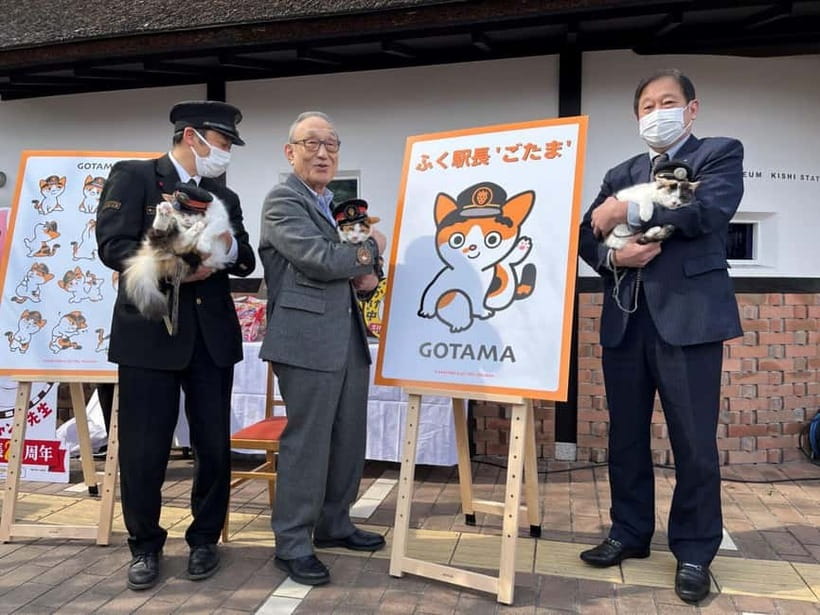
Kishi Station is the first unusual stop, and its cat-shaped design sets the tone for the day. The small station became famous because of Tama, a calico cat who greeted passengers and was treated as the stationmaster.
The story is more than a cute photo opportunity. The station was once at risk of closure, and Tama’s presence helped draw attention to the local railway and surrounding community. Today, Nitama, known as Second Tama, continues the station’s feline tradition.
You can look around the station, visit the Tama Shop, collect cat stamps, and browse souvenirs. The scale is modest, which is part of the charm. Do not expect a large attraction with hours of displays. This is a short, characterful stop built around a local story, a small station, and the gentle oddness of a cat railway mascot.
The cat station can appeal to families and anyone who enjoys Japan’s fondness for carefully developed local mascots. It also gives you a glimpse of a quieter part of Honshu, far from Osaka’s dense streets and neon signs.
The cat train: cute, but shorter than expected
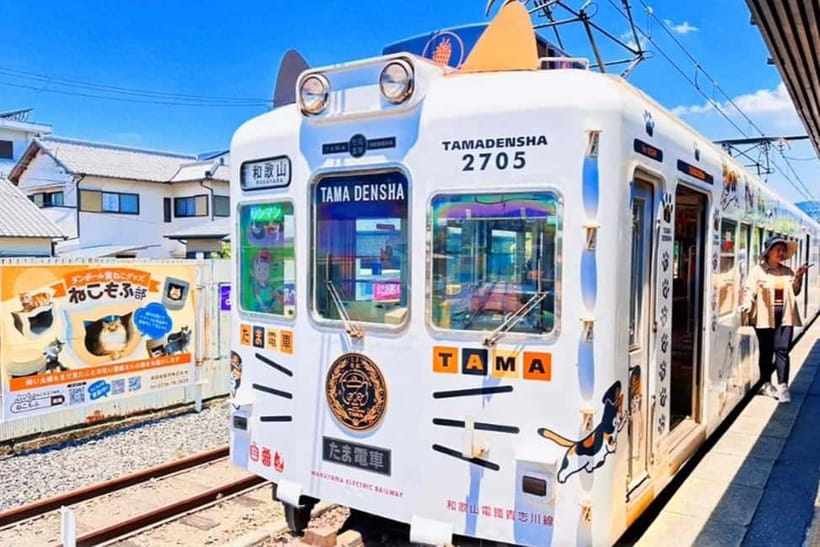
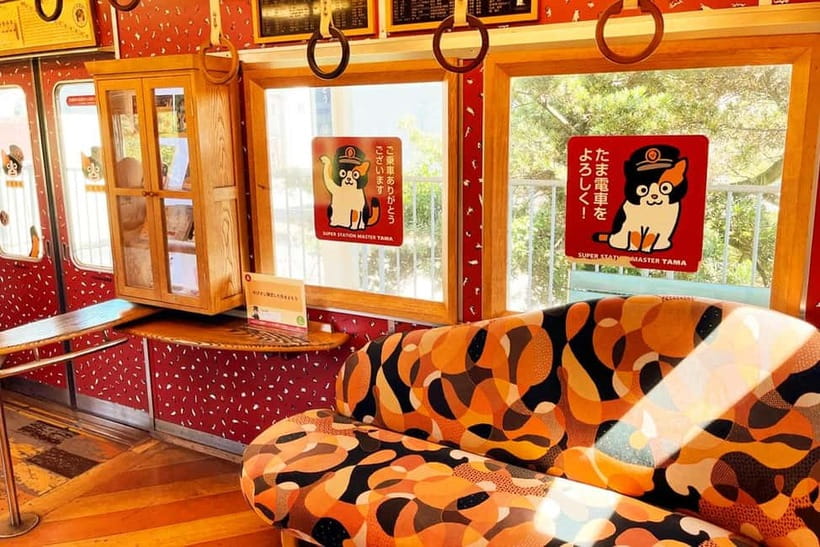
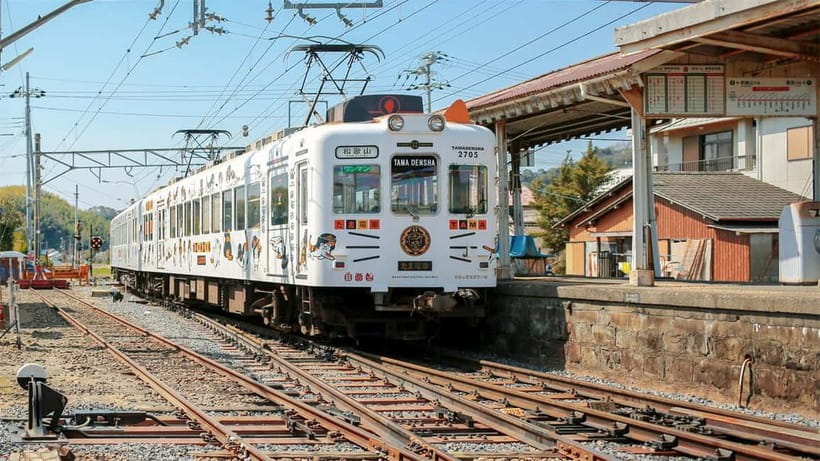
The railway portion is the most whimsical part of the day. Depending on the schedule, you may board the Tama Train, Strawberry Train, or Toy Train. Each has its own theme, and the design in service changes from day to day.
Set your expectations correctly. The cat-themed ride itself lasts about 15 minutes, even though the wider panoramic train portion is listed at around 70 minutes. That means you should not book this tour expecting a long, dedicated rail journey through Wakayama.
I like the train because it gives the Tama story a physical continuation. You are not just hearing about a cat-linked railway, you are riding one of its decorated trains. Still, the ride is a small slice of the full excursion. The exact train cannot be guaranteed, and the short onboard time may feel underwhelming if this is your main reason for booking.
This stop works best when you treat the train as one charming chapter, not the whole book.
More Onsen and Wellness in Japan:
- Solaniwa Onsen Ticket in Osaka
★ 4.7 · 4,554 reviews - Kyushu One-Day Tour: Yufuin no Mori Train & Yufuin Town & Nyoirin-ji Temple & Dazaifu & Hell Hot Springs (Departing from Fukuoka)
★ 4.9 · 4,474 reviews - From Osaka: Himeji Castle, Arima Onsen & Mt. Rokko Day Tour
★ 4.6 · 339 reviews - Osaka: Nara and Uji Day Trip with Deer Park and Hot Spring
★ 4.4 · 302 reviews
ToreTore Ichiba and the tuna-cutting show
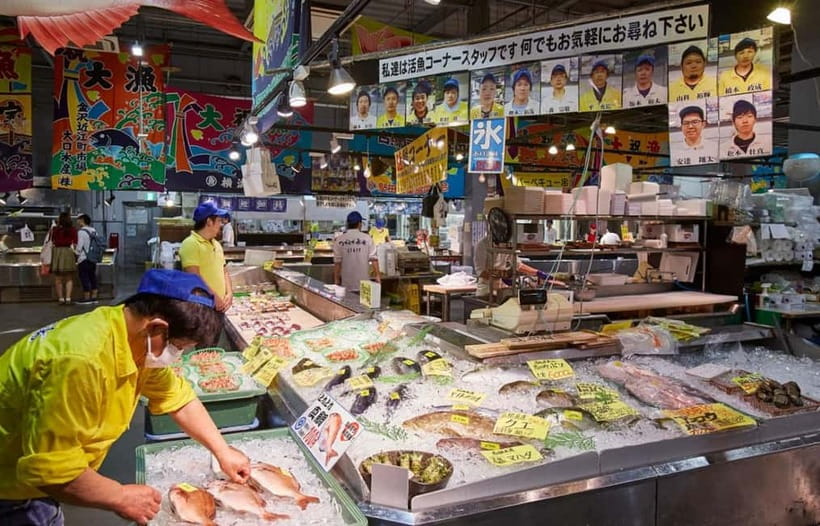
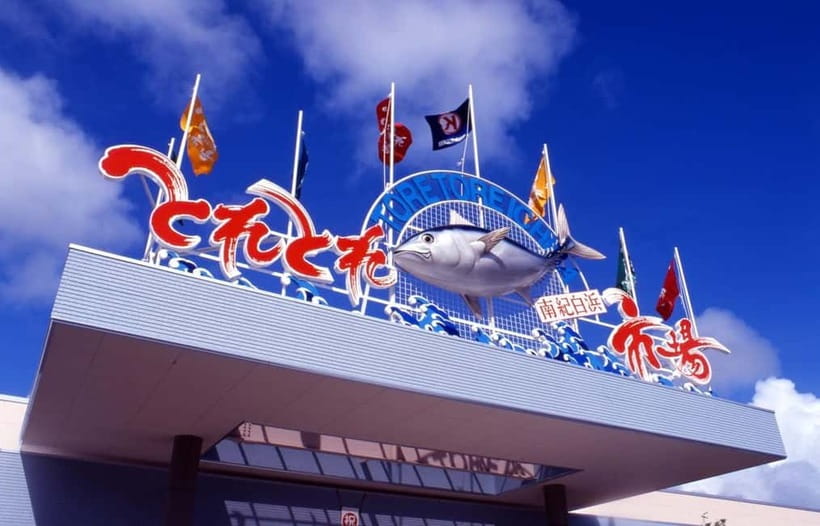
The tour then heads to ToreTore Ichiba, a major seafood market in the Nanki Shirahama area and the largest seafood market in western Japan. You get about two hours here for the guided visit, tuna show, lunch, shopping, and general exploring.
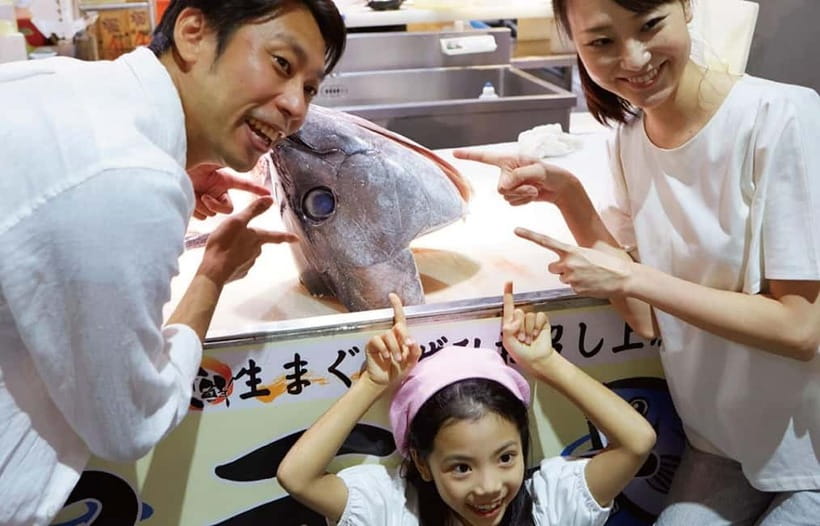
The tuna-cutting demonstration is the market’s big event. A large tuna is broken down with quick, precise cuts while the staff explains the fish’s anatomy. The show runs two or three times daily, but the timing is not fixed, and bad weather or other special circumstances can cancel it.
That uncertainty is worth knowing before you arrive. The demonstration is a bonus, not a guaranteed centerpiece. If it is running, head toward it promptly when the guide gives instructions. If it is canceled, the market still gives you a useful food stop with fresh seafood and local products.
Lunch is not included. You can choose from items such as tuna sashimi bowls, grilled seafood, octopus rice, and other market dishes. Some outdoor seating includes BBQ tables, so you may be able to buy seafood and cook it yourself. Food choices and prices are your responsibility, but this arrangement lets you spend according to your appetite.
The market also has a souvenir area with seasoned seafood, gourmet foods, and local gifts. I would save room in your bag and avoid buying anything that needs special handling unless you know you can carry it safely for the rest of the day.
The optional hot spring stop in Shirahama
Shirahama is one of Japan’s long-established hot-spring resorts, with more than 1,300 years of onsen tradition. Ancient Japanese texts mention the area, and the springs were once visited by emperors.
The optional Toretore Onsen experience adds a quieter pause after the market. The spring water is described as sodium bicarbonate water, known for a smooth feel on the skin. The facility also features Japan’s first salt-stone bedrock bath.
The practical point is that onsen entry costs extra. You should also know that tattoo policies can restrict entry, a common issue at Japanese hot springs. If you have tattoos, ask before paying or joining the bath.
I like the idea of adding the onsen because it changes the pace of the day. You have spent the morning moving between sights and then eating at a busy market. A hot bath can make the outing feel more connected to Shirahama itself. But if you prefer the coastal scenery, shopping, or extra time at the cliffs, you may decide the optional bath is not worth the added cost and time.
Senjojiki: broad rock and open Pacific views
Senjojiki means a place that suggests many tatami mats, an apt image for this wide rock plateau. Layers of large stone slabs spread toward the sea, shaped by the Pacific and exposed to the weather.
You get about 30 minutes here, enough for photographs and a short look around. The appeal is visual rather than museum-based: horizontal rock, open water, and the sense of standing at the edge of the coast.
Sunset can be especially beautiful if the timing works, but traffic and the day’s schedule control that possibility. I would not count on a perfect sunset. Instead, see it as a potential bonus.
Wear shoes with a good grip and stay aware of uneven rock. The tour is not designed as a long coastal hike, so you should use the time for the main viewpoints rather than trying to cover every slab.
Sandanbeki Cave and the pirate stories
Sandanbeki offers a different kind of coastal stop. Here, you can take an elevator 36 meters down toward sea level and enter caves associated with Heian-era pirates.
Admission is optional and not included. Inside, exhibits recreate the pirate-era stories, while natural erosion has shaped the cave walls and chambers. The enclosed setting contrasts nicely with Senjojiki’s wide horizon.
The stop is also short, around 30 minutes. If you want to enter the cave, listen carefully to the guide’s timing and keep the extra admission money ready. If you skip the cave, you can still enjoy the photo stop and coastal views, but the visit will be less substantial.
Together, Senjojiki and Sandanbeki make a sensible pair. One gives you open rock and sky. The other takes you below the cliffs into a more enclosed, story-filled space.
How the guide affects the day
A day with this much driving and several separate stops depends heavily on communication. Guide Tiger is praised for being friendly, organized, and attentive to where everyone is. He has also used WhatsApp updates in English and Chinese, which can be useful when a group is spread around a market or viewpoint.
English, Japanese, and Chinese guiding is available. The exact guide is not guaranteed, but the strong feedback about Tiger gives you a useful benchmark for the kind of support the operator aims to provide.
Good guiding matters most at ToreTore Ichiba, where food choices, cooking arrangements, and the tuna show may not be obvious at first glance. It also helps at the cat station, where the Tama story gives meaning to a stop that could otherwise take only a few minutes.
The driver deserves credit too. You are on the road for much of the day, and a comfortable coach plus steady driving makes a real difference.
The time tradeoff and who should book
This outing is best for you if you want to see Wakayama’s highlights without renting a car or working out a chain of local connections. It suits first-time visitors to the region, families who enjoy unusual attractions, seafood fans, and anyone who wants a guided day outside Osaka.
The route is also useful if you have already seen Osaka’s central sights and want a change of pace. Citrus plantations, small-city views, ports, countryside, and the Pacific coast appear between the main stops.
I would be more cautious if you dislike long coach rides. The return journey can take 2.5 hours or more when traffic is heavy, especially on weekends, public holidays, and peak travel dates. The guide may change the order of stops, shorten visits, or reduce stops to keep the day moving.
The tour is not suitable for wheelchair users. The uneven rock areas, elevator access, optional cave visit, and hot-spring arrangements also mean you should consider your own mobility before booking.
Free cancellation is available up to 24 hours before departure, and you can reserve now and pay later. That flexibility helps when your Osaka plans are still changing, but punctuality on the day is essential. Late arrivals and no-shows are not refunded.
My verdict: book it for variety, not for one attraction
I would recommend this tour if you want a big, varied day and value having transport, a guide, and the planning handled for you. The strongest parts are the unusual Tama story, the fresh seafood market, the dramatic coastal stops, and the chance to add a traditional hot spring.
I would not choose it solely for the cat train. The themed ride is delightful but short, and the exact design depends on the schedule. I would also budget for lunch and decide in advance if the onsen and Sandanbeki Cave are worth their separate fees.
For $83, the package offers solid value for a long day from Osaka, especially when you consider the distance and number of included services. Book it if your ideal day includes a little cuteness, a lot of scenery, good seafood, and several hours on the road.
FAQ
Where does the tour depart from?
The meeting point is Nipponbashi Station Exit 2, near the Namba and Shinsaibashi area, at 1-chōme-3-6 Nipponbashi, Chuo Ward, Osaka, 542-0073.
What time should I arrive?
The pickup time is 8:30am. You should arrive at least 15 minutes before departure because late arrivals and no-shows are not refunded.
How long does the tour last?
The full experience lasts about 10 hours. The estimated return to Osaka is 6:40pm, although traffic and schedule conditions can affect arrival time.
Which cat train will I ride?
The operating train changes daily. You may ride the Tama Train, Strawberry Train, or Toy Train, depending on the schedule.
How long is the cat-themed train ride?
The cat-themed portion lasts around 15 minutes. The wider panoramic train segment is listed at approximately 70 minutes.
Is lunch included?
No. Lunch is at your own expense at ToreTore Ichiba, where you can choose from seafood dishes such as sashimi bowls, grilled seafood, and octopus rice.
Is the tuna-cutting show guaranteed?
No. The show usually takes place two or three times per day, but the timing is random. It may be canceled because of weather or other special circumstances.
Is the hot spring included?
No. The hot spring is an optional experience, and admission costs extra.
Is Sandanbeki Cave admission included?
No. Sandanbeki Cave admission is optional and not included in the tour price.
What languages are available?
The tour offers live guiding in English, Japanese, and Chinese.
More Train Experiences in Japan
- Mt Fuji and Hakone 1-Day Bus Tour Return by Bullet Train
★ 5.0 · 26,383 reviews - [Kyoto & Nara Day Tour] Sagano Scenic Railway & Nara Park & Fushimi Inari Taisha Thousand Torii Gates & Togetsukyo Bridge & Bamboo Grove & Kimono Forest (Departing from Osaka)
★ 4.9 · 10,942 reviews - Mt Fuji & Hakone Cruise, Drum Show Bullet Train 1 Day from Tokyo
★ 4.0 · 7,413 reviews - Tokyo Mt Fuji 5th St & Hakone Cruise Bus Tour w/Bullet Train
★ 4.4 · 5,024 reviews
Just added in Japan
- A One-of-a-Kind Sushi Experience in a Special Place of Japan★ 5.0 · 15 reviews
- Tokyo Cute Bento Cooking Class – Make a Kawaii Character Lunchbox★ 5.0 · 126 reviews
- Japanese Home Cooking Class & Walk in Todoroki Temple Tokyo★ 5.0 · 88 reviews
- Japan Tokyo Tower Observatory Deck E-Ticket★ 4.0 · 34 reviews
- Catch a Baseball Game in Tokyo with a Local – Tickets Included★ 5.0 · 24 reviews
- Tokyo Private Day Tour by Car with English speaking Driver Guide★ 4.0 · 29 reviews
- Japan Classic 10 Day – One Life Adventures★ 5.0 · 129 reviews
- JDM Experience with Fast&Furious RX-7 (English speaking Driver)★ 5.0 · 57 reviews
Markets and Food Halls, compared.
Tokyo Tsukiji Fish Market Food and Culture Walking Tour
Read our review →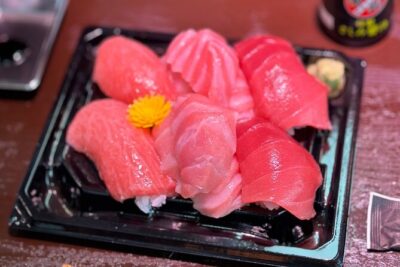

Senkyaku Banrai Toyosu Manyo Club Onsen Experience in Tokyo
Read our review →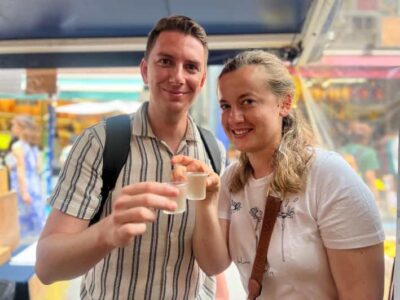
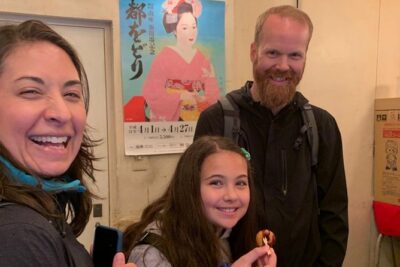
Nishiki Market Brunch Walking Tour (7 Tastings + Brunch)
Read our review →
Tokyo Sushi Making Class in Tsukiji with Professional Chef
Read our review →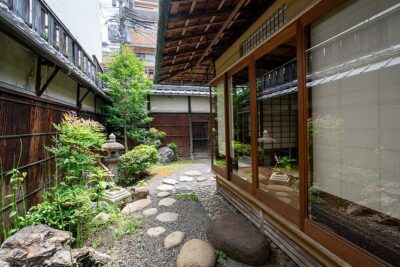
Tsukiji Fish Market Guided Tour and Sushi Making with Pro Chef
Read our review →Browse the lists this tour appears in