
Reviewed · TEMPLES AND SHRINES
Kyoto Highlights: Arashiyama & Fushimi Inari by Private Car
Kyoto rewards an early start. This private car tour makes a long day from Osaka much easier, and I especially like the custom itinerary and direct hotel or port pickup. You get Arashiyama’s bamboo grove, Tenryu-ji, Okochi Sanso, and Fushimi Inari without wrestling with several train lines. The main catch is price: at $675 per group, it makes the most sense for four to six people.
I also like the breathing room a private vehicle gives you. Guides such as Thomas, Kevin, Lito, Shoji, and Levy have earned praise for friendly explanations, good timing, family care, and flexible planning. Still, expect a fair amount of walking, extra charges for admission and lunch, and traffic that can eat into your sightseeing time.
In This Review
- Key points to know before booking
- Why this Osaka to Kyoto day trip makes sense
- Arashiyama: Kyoto’s scenic western side
- Tenryu-ji Temple and its calm garden
- Walking the Bamboo Forest Street
- Okochi Sanso Garden and matcha
- A brief look at Gion
- Fushimi Inari and its endless red gates
- What the private vehicle adds
- Guides, language, and the human side
- Lunch, timing, and the extra costs
- Who will get the most from this tour?
- Should you book it?
- FAQ
- Where does the tour start?
- How long does the tour last?
- How many people can join the private tour?
- What languages can the driver-guide speak?
- Are admission fees included?
- Is lunch included?
- Is the tour suitable for children?
- Can the itinerary be changed?
Key points to know before booking
- Arashiyama gets the largest share of the day: You visit Tenryu-ji, the famous bamboo road, Okochi Sanso Garden, the river area, and the town itself.
- Fushimi Inari is adjustable: You walk through the red torii gates for about 1 hour and 15 minutes, but the guide can help set a realistic turning point.
- A private car saves energy: Pickup and drop-off are available in Osaka, Kyoto, or Kobe, with port pickup offered in Osaka.
- The group price works best with six people: The base cost equals $112.50 per person for six, before admissions and food.
- Guides add the human touch: Thomas, Kevin, Lito, Shoji, Levy, Hugo, and others have been praised for clear English, humor, cultural insight, and patience.
- Plan for extras: Entrance fees run about ¥1,600 to ¥2,100 per person, lunch is not included, and a required child seat costs ¥1,000 per child.
Why this Osaka to Kyoto day trip makes sense
Kyoto is close enough to visit from Osaka, yet the city’s famous sights are spread across different areas. Arashiyama lies on the western side of Kyoto, while Fushimi Inari is south of the central districts. Public transport can handle both, but you will spend time changing trains, finding exits, and walking between stations and gates.
A private air-conditioned vehicle solves much of that trouble. You start at 8:30 a.m., meet your English-, Spanish-, or French-speaking driver-guide, and ride directly to the first stop. The exact drive time depends on traffic, time of day, and your final drop-off point, so the eight-hour estimate should be treated as a guide rather than a stopwatch.
I see the biggest value here for a first Kyoto visit from an Osaka hotel or cruise port. You can cover two major areas in one day and leave the route to someone who knows the roads. If you already know Kyoto well, the custom feature lets you adjust the plan around your priorities.
The tour is priced per group of up to six, not per person. That matters. Six people pay $112.50 each before admissions and lunch, which is fairly reasonable for a full private vehicle and guide. Two people pay $337.50 each, making the same service much harder to justify unless convenience is your top concern.
More Temples and Shrines in Osaka
- Osaka: Minoh, Katsuoji Temple, & Minoh Falls Full-day Tour
★ 4.9 · 172 reviews - Sagano Romantic Train & Arashiyama, Kiyomizudera, Fushimi Inari Taisha Day Tour
★ 4.5 · 171 reviews - Osaka Temple Cool Foot Bath & Matcha Experience〈45min〉
★ 4.9 · 82 reviews
Arashiyama: Kyoto’s scenic western side
The first major stop is Arashiyama, a district known for wooded hills, the Katsura River area, historic religious sites, and a busy but attractive town center. You have about an hour to stroll around the area, with time shaped by your interests and the day’s traffic.
This is a good place to begin because it mixes nature, temples, and ordinary town streets. You can walk by the river, browse shops, and get a feel for the district before entering the more formal temple grounds. The guide can help you decide how much time to give each part.
Arashiyama can also be crowded, especially around the best-known paths. A private car gets you close to the sightseeing area, but it cannot remove the crowds once you are on foot. Wear shoes that can handle uneven paths and allow extra time for photos.
The listed Arashiyama portion includes Tenryu-ji, the bamboo forest, and Okochi Sanso Garden. Those stops work well together, but they are not quick roadside photo calls. You should expect a steady walking pace and several changes in scenery.
Tenryu-ji Temple and its calm garden
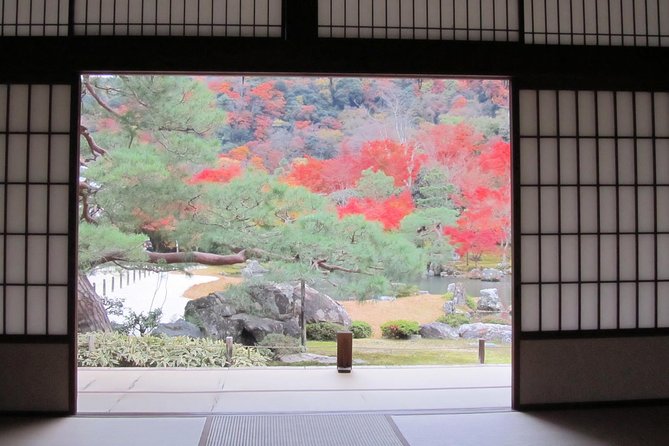
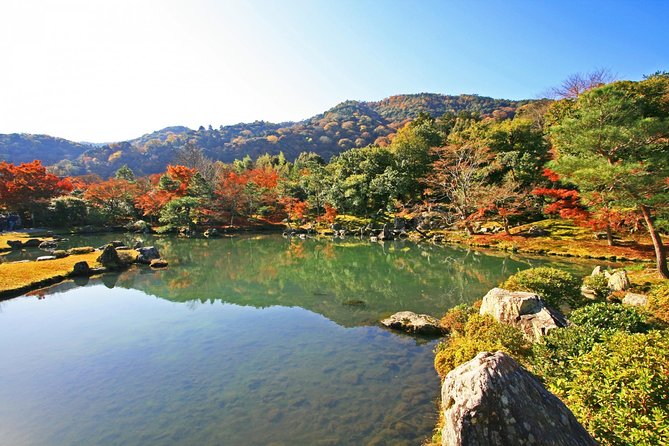
Tenryu-ji is one of the day’s strongest stops. Its garden is the main attraction, with carefully arranged water, trees, rocks, and open views toward the surrounding hills. The design offers a quiet contrast to the busy streets outside.
You have about 45 minutes here. That is enough for a focused visit, though not enough for a slow inspection of every hall and garden corner. The temple grounds also provide views of prayer halls, meditation spaces, and bamboo areas.
Admission is not included. The full extra cost for entrance tickets across the day is given as approximately ¥1,600 to ¥2,100 per person, so budget for this before you leave. The exact amount per stop is not specified, but you should not assume the quoted tour price covers temple admission.
I would give Tenryu-ji your full attention rather than racing through it. The garden is the sort of place that works best when you stop, look, and let the design settle in. Your guide can add context, but this is also a good moment to enjoy a little quiet.
Walking the Bamboo Forest Street
The bamboo grove is the image most people associate with Arashiyama. A narrow road rises gently through tall bamboo, with green stalks on both sides and light filtering through the leaves. It is an appealing walk, even though the famous photographs can make it look more empty and spacious than it feels in practice.
The planned visit lasts about 20 minutes. That is enough to walk a portion of the road and take pictures, but it is not a long forest hike. The path is free, and you do not need a ticket.
I like that the tour places the grove beside Tenryu-ji and Okochi Sanso rather than treating it as the only reason to come to Arashiyama. The bamboo road is short, and its charm improves when you see it as one part of a larger district.
Your guide may need to manage the pace here. A family that wants many photos can use time quickly, while a group with mobility limits may prefer a shorter walk. The schedule is flexible, but traffic or other delays can force changes.
A completely different kind of day out:
- Osaka Go Karting Tour with Funny Costume
★ 5.0 · 2,658 reviews - Osaka Castle: Museum and Tower Entry Ticket
★ 4.5 · 2,380 reviews - Osaka: Shinsekai Food Tour with 13-15 Dishes at 5 Eateries
★ 4.8 · 2,204 reviews - Osaka Food Tour: 13 Dishes at 5 Local Eateries
★ 5.0 · 2,149 reviews
Okochi Sanso Garden and matcha
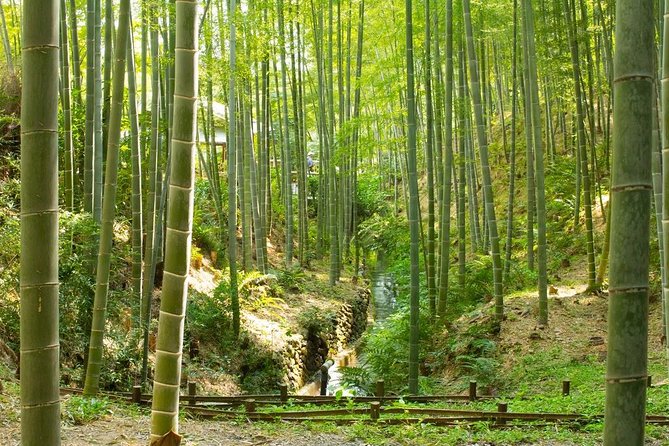
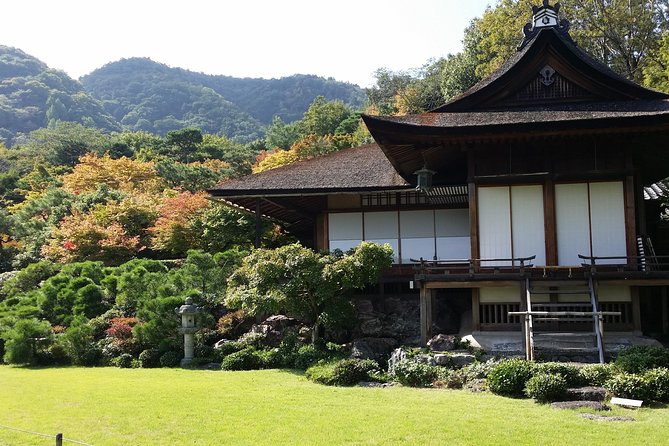
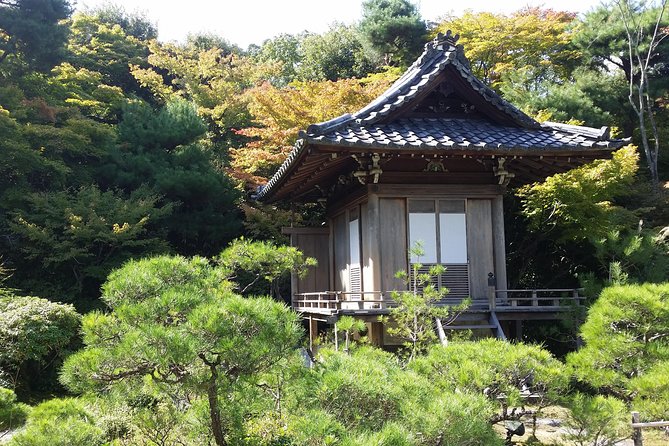
Above the bamboo grove sits Okochi Sanso, the former estate of actor Okochi Denjiro. Much of the property was built in the 1930s, and the garden has a more personal, hillside feel than the larger temple grounds.
The visit lasts about an hour and includes a cup of matcha and a small sweet. That refreshment is a welcome pause after walking through Arashiyama, and the elevated position gives you views over the area.
Admission is extra, so remember that the free bamboo road does not mean the whole Arashiyama section is free. The garden’s entrance fee is part of the overall admission budget.
This stop is especially useful for people who want more than a quick photograph. You can move through the garden at a slower pace and enjoy the design, plants, and views. The hillside paths may still require moderate fitness, so ask the guide to adjust the walking plan if needed.
A brief look at Gion
The tour includes a short drive through Gion, with about ten minutes for a stroll and photographs. That is enough to see a small part of the district, but not enough for a full Gion visit.
Gion is known for traditional streets and wooden architecture, and it gives you a taste of central Kyoto between the western and southern parts of the day. The short stop works as a scenic introduction rather than a detailed cultural tour.
I would keep expectations in check here. If Gion is high on your list, tell the company before the tour and ask how much time can be shifted from another stop. The itinerary is described as a model course, so adjustments are possible, but the final plan depends on traffic and your interests.
Fushimi Inari and its endless red gates
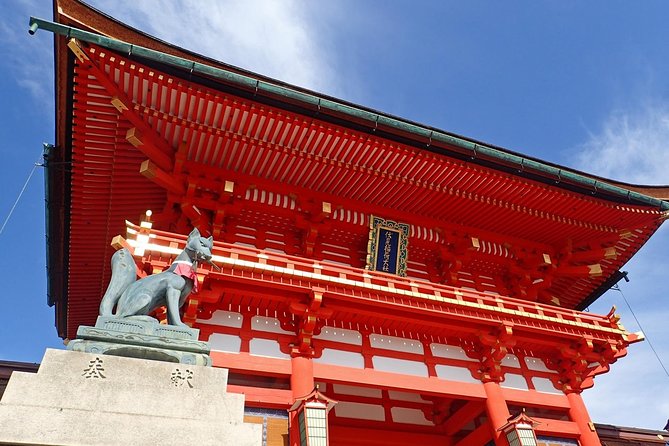
Fushimi Inari-taisha is the day’s most recognizable shrine. Its hillside route is lined with thousands of red torii gates, creating a tunnel-like walk that climbs higher into the wooded mountain.
You have about 1 hour and 15 minutes here. That gives you time to enter the shrine grounds and walk beneath a substantial section of gates, but it is not enough to climb to every upper point at a relaxed pace. The private format helps because your guide can suggest a turning point based on your energy and schedule.
The shrine itself has no admission fee. The real cost is physical effort and time. The path rises, and you will walk on an incline for much of the route. Comfortable shoes are not a minor suggestion here.
Fushimi Inari is also a place where a private guide can make the visit feel less confusing. You can ask about the shrine’s role, the meaning of the gates, and the customs you see along the way. The route may look simple, but it is easy to wander farther than planned and then hurry through the rest of the day.
If you have children, older family members, or someone with limited stamina, agree on a sensible stopping point before you begin. The guide can adapt the visit, but the shrine is still a walking stop, not a vehicle-access sightseeing point.
What the private vehicle adds
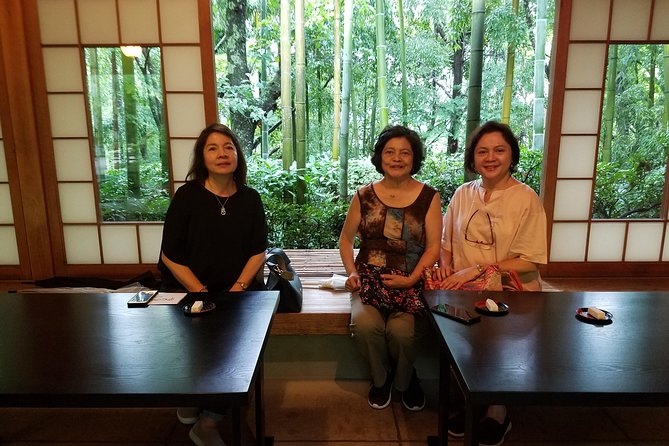
The vehicle is private, air-conditioned, and supplied with bottled water. Only your own group takes part, so you do not have to wait for strangers or follow a fixed group pace at every stop.
That privacy has practical value. Families can pause for photos, ask for a lunch recommendation, or request small changes without negotiating with a busload of people. One guide, Daniel, was praised for adapting the day around mobility limits, while Shoji was praised for adjusting the plan for a three-generation family.
The car can also hold luggage in the trunk, subject to available space. This may help if you are moving between Osaka and Kyoto, or if you need to bring bags from a port pickup. Confirm your luggage needs in advance rather than assuming the trunk will fit everything.
Vehicle comfort deserves a realistic note. One booking party found the car too small and uncomfortable for their group, despite booking a private tour. The company also offers a larger nine-passenger vehicle for groups of seven to nine, and groups of six or fewer can choose that larger vehicle for extra space at an additional cost. If comfort matters, ask about the vehicle model and seating before paying.
Guides, language, and the human side
The driver-guide can speak English, Spanish, or French. The strongest part of the guide service is not just transport. It is the chance to hear about Japanese daily life, history, and customs while moving between places.
Thomas has been praised for arriving early, handling Osaka and Kyoto traffic, speaking Japanese fluently, and communicating well in English. Kevin has earned praise for patience with photography, family-friendly explanations, and finding suitable lunch options, including vegetarian food. Lito has been praised for humor, photographs, and shaping the day around personal interests.
Other guide names connected with positive experiences include Hugo, Levy, Shoji, and Kelvin. Hugo was noted for explaining everyday life in Japan, while Levy was praised for working well with children. These details matter because the tour has a broad model route, and the guide’s judgment helps decide what you actually see when the clock gets tight.
Guide assignments can change. One group had a guide fall ill on the day, and the company rearranged its staff so the outing could continue with limited delay. That suggests useful backup planning, though it cannot guarantee a particular guide.
Lunch, timing, and the extra costs
Lunch is not included. That gives you freedom, but it also means the meal uses part of your eight-hour day. Some guides have recommended restaurants based on dietary needs, including vegetarian food, so tell the company about restrictions before the morning begins.
The stated stop times add up to roughly four and a half hours, leaving the rest for driving, pickup, drop-off, meals, and schedule changes. Osaka to Kyoto traffic can be unpredictable, especially during busy periods. You may see all the main stops, but you should not expect a leisurely full visit to every district.
Entrance fees run about ¥1,600 to ¥2,100 per person. A child seat costs ¥1,000 per child on the day, and Japanese law requires car seats for children under six or children shorter than 140 centimeters. Request the seat in advance.
Gratuities are optional. The tour accepts mobile tickets, and confirmation is provided at booking. Free cancellation is available up to 24 hours before the start time. Changes made inside that window are not accepted, so check your Osaka hotel, port schedule, and group plans carefully.
Who will get the most from this tour?
I would choose this for a first visit to Kyoto from Osaka, especially when you have only one free day. It fits families, small groups, cruise passengers, and people who value door-to-door service more than the lowest possible price.
It also works well for mixed-age groups. A private car lets you shorten the uphill walk at Fushimi Inari, spend longer in a garden, or adjust the day around a child or older relative. The moderate fitness requirement still applies, but you have more control than on a large group excursion.
I would think twice if you are traveling alone or as a pair on a tight budget. Public transport costs much less, and independent visitors can reach both areas with planning. I would also avoid booking this without asking about vehicle size if six adults will ride with luggage.
Should you book it?
Book this Kyoto private car tour if you want to cover Arashiyama and Fushimi Inari in one day without managing Kyoto’s transport network. The best value appears with four to six people, and the flexible guide service can make a real difference for families, first-time visitors, and anyone with special food or mobility needs.
Skip it if you prefer slow temple visits, long walks, or the cheapest route. The day is busy, the Gion stop is brief, lunch and admissions cost extra, and traffic may trim the schedule. For a short Osaka stay, though, the private vehicle, adaptable plan, and strong guide service make this a practical way to see two of Kyoto’s biggest sights.
FAQ
Where does the tour start?
The tour starts at 8:30 a.m. Pickup is offered from hotels or ports in Osaka, and pickup or drop-off can also be arranged in Kyoto or Kobe.
How long does the tour last?
The experience lasts approximately eight hours. Transfer times vary with traffic, time of day, and your preferred drop-off location.
How many people can join the private tour?
The price covers one group of up to six people. Groups of seven to nine can book a larger vehicle for an increased price.
What languages can the driver-guide speak?
The driver-guide is available in English, Spanish, or French.
Are admission fees included?
No. Entrance fees are extra and are estimated at ¥1,600 to ¥2,100 per person.
Is lunch included?
No. Lunch is not included in the tour price.
Is the tour suitable for children?
Yes, families can join, but a moderate amount of walking is involved. Japanese law requires car seats for children under six years old or shorter than 140 centimeters. A child seat costs ¥1,000 per child and should be requested in advance.
Can the itinerary be changed?
Yes. The route is a model course and can be adjusted around your interests. Traffic, timing, and other outside factors may require changes on the day.
Just added in Osaka
- Osaka: 2-Hour Nightlife District Walking & Local Food Culture★ 5.0 · 199 reviews
- Osaka Japanese Cooking And Matcha Class near Osaka Castle★ 5.0 · 22 reviews
- Osaka Dotonbori Daytime Food Tour★ 5.0 · 24 reviews
- Osaka Dotonbori Wonder Cruise★ 4.0 · 28 reviews
- Osaka Food Walking Tour with Market Visit★ 4.5 · 14 reviews
- Cooking Ramen&Gyoza/KatsuCurry/Bento/Okonomiyaki+Store Tour@Osaka★ 5.0 · 138 reviews
- Osaka Private Pop Culture Tour: Historic Tenma to Dotonbori★ 4.5 · 13 reviews
- Osaka Cooking Class and Sake Tasting with Local Supermarket Visit★ 5.0 · 79 reviews
Temples and Shrines, compared.
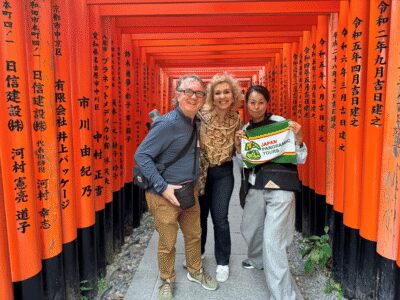
Fushimi Inari, Kinkakuji, Bamboo Grove 1 Day Bus Tour
Read our review →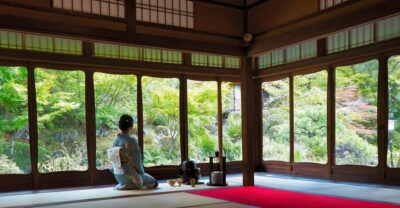
Tea Ceremony in a Traditional Tea House in Kiyomizu
Read our review →
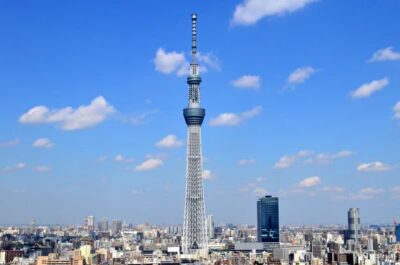
Meiji Shrine, Asakusa, Skytree Bus Tour and Cruise
Read our review →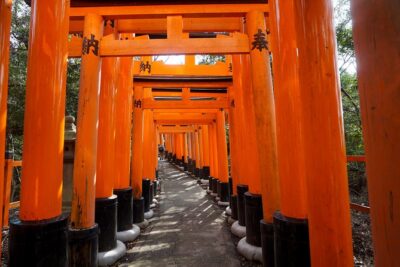
Fushimi Inari Hidden Hiking Tour (Private Option Available)
Read our review →
Asakusa Walking Tour with Sensoji Temple Visit
Read our review →
Kamakura & Enoshima Day Trip including Temple Tickets
Read our review →
Kyoto/Osaka: Nara, Fushimi Inari Taisha, Arashiyama Bus Tour
Read our review →Browse the lists this tour appears in