
Reviewed · SUNSET AND EVENING TOURS
Kyoto Private Night Tour with a Local – Bars, Bites & Culture
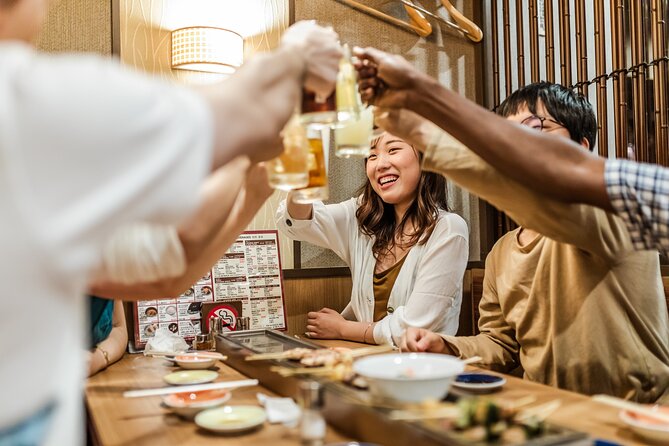
Kyoto changes after sunset. This private evening walk is interesting because it trades the city’s busiest daytime sights for lantern-lit lanes, old wooden houses, shrines, bars, and local neighborhoods. I especially like the one-party format, which lets you set the pace, and the chance to shape the route around food, history, drinks, or nightlife.
The strongest guides, including Taiga, Miki, Kenya, Chai, Oulan, and Hanako, have made the evening feel personal rather than scripted. You can ask for a quiet cultural walk, a food-focused outing, or a few local bars. The main thing to watch is the timing: the tour is described as lasting two to three hours in one place and as a four-hour experience elsewhere, so confirm the length before you go.
In This Review
- Key points at a glance
- Why Kyoto works so well after sunset
- Starting near Shijo Kawaramachi
- Gion’s wooden lanes and lantern light
- Tatsumi Bridge and Shimbashi after dark
- Pontocho’s narrow nightlife street
- Yasaka Shrine when the crowds have gone
- A smaller shrine and a quieter pause
- What the guides do best
- Price, drinks, and what you really receive
- Who will get the most from this evening
- Practical ways to improve your evening
- Should you book the Kyoto night walk?
- FAQ
- How long does the Kyoto private night tour last?
- Is this a private tour?
- What drinks are included?
- Is food included in the price?
- Does the tour include transportation?
- Where does the tour start and end?
- Can the itinerary be customized?
Key points at a glance
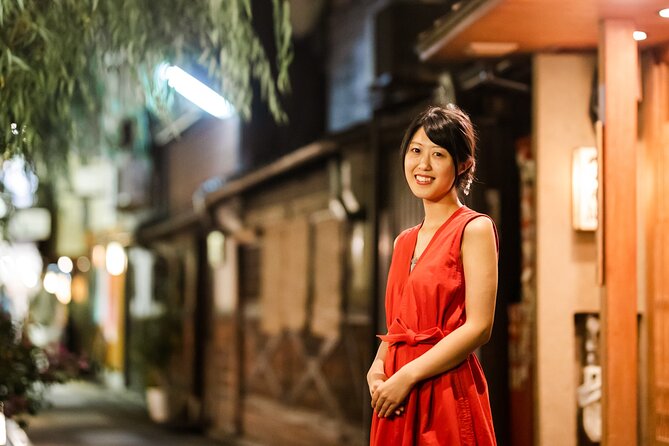
- Gion after dark: See lantern-lit lanes, wooden townhouses, teahouses, and quieter streets after the daytime crowds thin out.
- A private route: Only your party joins, and a pre-tour questionnaire helps your host plan around your interests.
- Two drinks included: Choose local beer or a non-alcoholic drink, but extra food, drinks, attraction tickets, and transport cost more.
- Pontocho nightlife: Your host can help you find an intimate bar or izakaya, including places with no English menu.
- Yasaka Shrine at night: The shrine offers a calmer setting for learning about Shinto customs and local legends.
- Flexible quality: The best experiences depend heavily on your assigned host, so clear requests before the tour matter.
Why Kyoto works so well after sunset
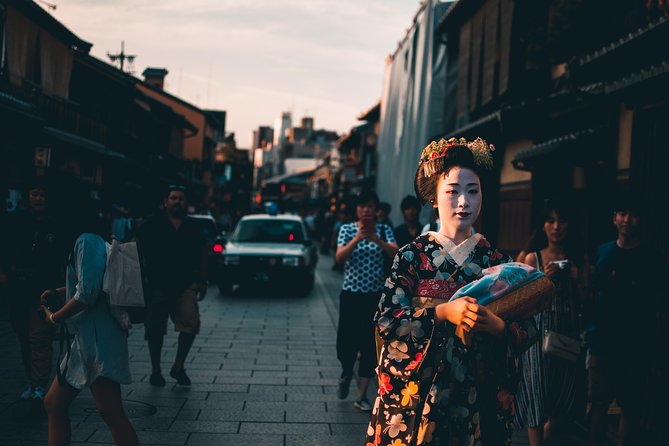
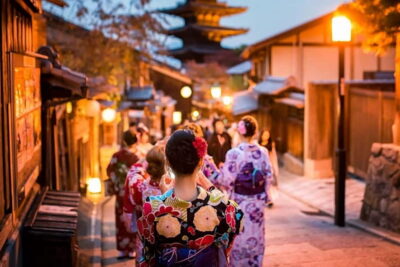
Gion is famous for its traditional streets, but daytime can be crowded and overly staged. At night, the mood shifts. Paper lanterns glow outside restaurants, wooden facades look more graceful, and the narrow lanes feel less like a sightseeing route and more like a working neighborhood.
You will not simply walk from one major monument to another. The point is to notice small details: a tucked-away teahouse, a refined restaurant entrance, an old lane, or the contrast between traditional buildings and modern nightlife. A good host explains what you are seeing without turning every stop into a lecture.
The evening also gives you a better chance to ask questions. Past guests have praised guides for explaining local customs, Japanese religions, restaurant etiquette, and the difference between shrines and temples. Hanako, for example, connected older traditions with modern Kyoto and offered useful suggestions for restaurants and shops after the walk.
You should keep expectations realistic. This is not a formal historical tour led by a certified academic guide. City Unscripted matches you with a local host, and the quality can vary. One unhappy customer felt the guide lacked local knowledge and provided too little explanation. That criticism matters, especially if you want serious historical detail.
More Sunset Tours in Kyoto:
- Kyoto Bar Hopping Night Tour
★ 5.0 · 613 reviews - Kyoto Foodie Night Tour
★ 5.0 · 376 reviews - Kyoto: Gion Sunset Walking Tour with Local Guide
★ 4.7 · 351 reviews
Starting near Shijo Kawaramachi
The stated meeting point is Matsumoto Kiyoshi Kyoto Shijo Kawaramachi, at 103-2 Hashimotocho, Shimogyo Ward. The tour ends back at the meeting point.
This location puts you near the central shopping and dining area, a useful starting point for an evening in Gion and Pontocho. Your host should contact you after booking and use your questionnaire to shape the route. I would treat that exchange as an important part of the booking, not a minor formality.
Tell the host exactly what you want. Say if you prefer:
- Quiet streets and temples
- Local food and izakayas
- Cocktails or small bars
- Traditional culture and architecture
- Photography
- A slower pace for older family members
- A particular dish, such as okonomiyaki
- A route that includes a specific shrine or neighborhood
Kenya made a special effort to find okonomiyaki for one family and introduced them to sparkling sake. Toga arranged a speakeasy-style bar around a specific request. These examples show the value of being direct. The more clearly you explain your interests, the more useful the host can make the evening.
Gion’s wooden lanes and lantern light
The first major section usually centers on Gion, Kyoto’s historic entertainment district. Your host may guide you through narrow streets lined with wooden townhouses, small restaurants, tea houses, and lanterns.
The pleasure here is visual and atmospheric. You might pass a lane that looks ordinary in daylight but becomes striking under soft evening light. Your host can point out areas that are easy to miss if you stick to the broad streets and well-known viewpoints.
The route may include Tatsumi Bridge, a well-known crossing over the Shirakawa River. From there, you can reach Shimbashi, often regarded as one of the most picturesque parts of Gion. The elegant wooden buildings and calm canal-side setting make this a good place for photographs, particularly if your guide enjoys taking pictures.
Chai received special praise for making the walk fun and for capturing strong night photographs. Oulan was also appreciated for his photography and willingness to answer questions. If pictures matter to you, mention that before the tour so your host can allow time for stops.
You might spot geisha or maiko in Gion, but this is never guaranteed. Several people were fortunate enough to see them, yet you should not treat that as the purpose of the walk. If you do encounter performers, behave quietly, keep a respectful distance, and follow your guide’s lead.
Tatsumi Bridge and Shimbashi after dark
Tatsumi Bridge is more than a photo stop. It helps connect the older lanes of Gion with the polished streets around Shimbashi. The area gives you a sense of Kyoto’s careful balance between preservation and present-day dining.
The wooden townhouses here often hold restaurants, cafes, and tea houses. Some are highly refined and expensive. Others are simply attractive from the outside. Your host can explain the character of the area and may suggest places for a later meal.
One strength of a private walk is that you can linger if the setting appeals to you. A large group often has to keep moving. With only your party, you can pause for photos, ask questions, or adjust the pace.
The limitation is that you may not enter many buildings. Attraction tickets are not included, and the experience is mainly a walking route through public streets. If you want temple interiors, formal tea ceremonies, or museum visits, ask about those possibilities in advance and expect extra costs where applicable.
A few more options to weigh up in Kyoto
- Kyoto: Izakaya Bars Guided Walking Tour
★ 4.9 · 815 reviews - Kyoto : Bar Hopping Tour in Pontocho Alley at Night
★ 4.8 · 18 reviews - Kyoto: KITSUNE Nightclub Admission Ticket with Drink
★ 4.2 · 13 reviews - Tokyo Bar Hopping Tour in Shinjuku (All-You-Can-Drink + Dinner)
★ 5.0 · 3,587 reviews
Pontocho’s narrow nightlife street
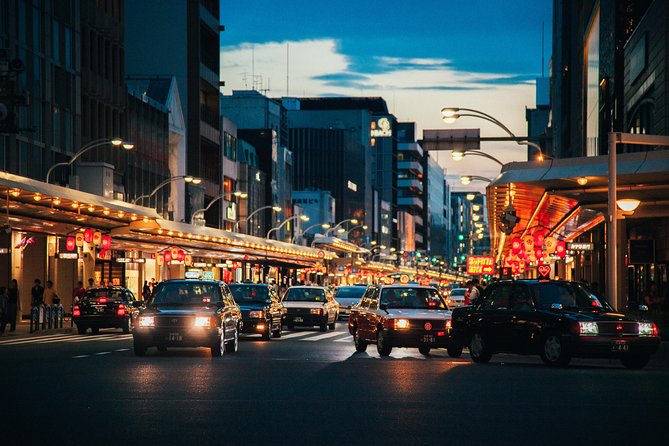
Pontocho is one of the evening’s most useful stops for people who want to eat or drink. Its narrow historic street is packed with small bars and izakayas, creating a very different mood from Gion’s traditional architecture.
Your host can help you choose a place for a drink or snack. This is where the local connection can save you from wandering past closed doors or choosing a restaurant at random. One especially appealing experience involved a local izakaya with no English translations, where the host helped make the meal approachable.
Food and additional drinks are not included in the listed price. The package includes two drinks, with a choice of local beer or a non-alcoholic beverage, but you should budget separately for snacks, meals, cocktails, and anything beyond those two drinks.
The bar portion is not necessarily a long pub crawl. The overall outing is a private walking experience, and the route depends on your interests and host. If you want cocktails, small bars, or a particular style of Japanese drink, say so clearly. Toga’s successful speakeasy outing shows that specific requests can work well.
Yasaka Shrine when the crowds have gone
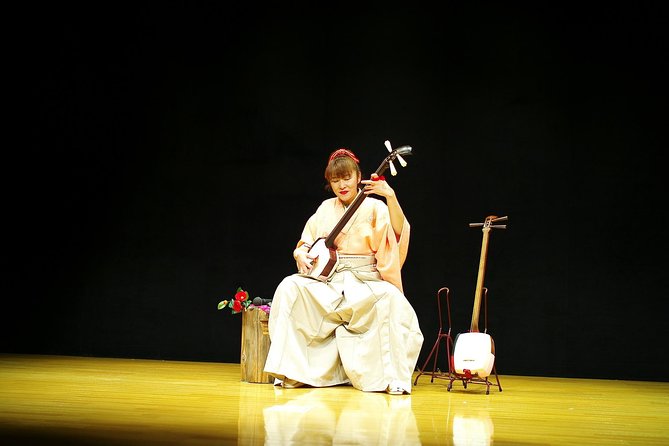
Yasaka Shrine is one of the most meaningful stops on the route. Seeing it after dark gives you a quieter setting than a daytime visit, with the illuminated buildings and open grounds offering a calm break from the nightlife streets.
Your host can explain Shinto customs, local traditions, and the shrine’s associated legends. This part of the walk adds cultural context to an evening that could otherwise become only a food-and-drink outing.
I like the balance here. You can enjoy Kyoto’s nightlife without losing sight of the city’s religious traditions. A strong guide will explain what is appropriate at a shrine, how Shinto practice differs from Buddhism, and why the site matters locally.
Do not expect a full religious tour. The time available is limited, and the depth of explanation depends on your host. One customer felt that the shrine’s history was not explained well enough. If cultural detail is important to you, put that request in writing before the evening.
A smaller shrine and a quieter pause
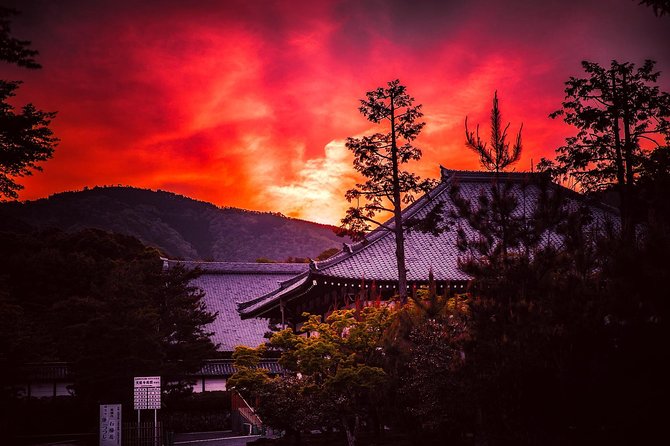
The route may also include a small shrine in the Gion area. Compared with Yasaka Shrine, this stop is less grand and more reflective. It gives you a chance to slow down, look closely, and experience a corner of Kyoto without a major attraction competing for your attention.
The exact shrine can depend on your customized itinerary. That flexibility is useful, but it also means you should not assume every listed stop will appear in exactly the same order or for the same length of time.
For some people, this will be the most appealing part of the evening. Kyoto is not only its famous temples and best-known streets. A modest local shrine can help you understand how religious places fit into daily life.
What the guides do best
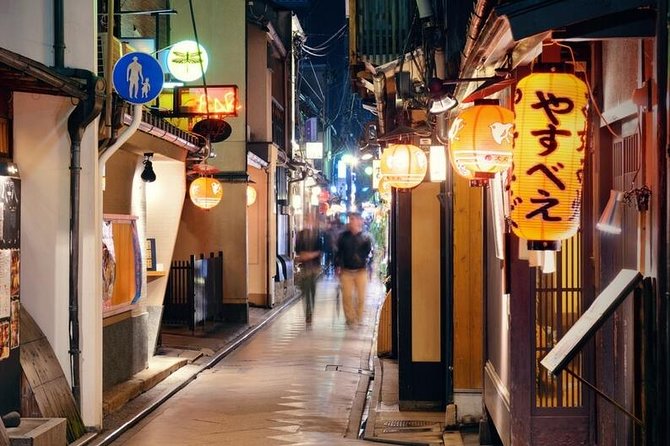
The most praised quality across the experience is the host’s personal attention. Amy created a tailored plan and kept the evening organized. Mia adjusted the route to suit her party. Nehal modified the pace for older family members and was appreciated for being considerate.
Taiga received especially warm praise for taking people through less obvious Gion lanes, explaining the area’s past, and stopping at a local restaurant and bar. Axel combined city history and Japanese culture with small local drinking spots, and his group was lucky enough to see geisha.
Miki was praised for her communication before the tour and for her strong connection to Kyoto. Hanako offered cultural explanations that reached from older traditions to present-day life, then suggested places to eat afterward. These are the moments that make the format worthwhile: you are not just following a guide between stops, you are getting practical help for the rest of your stay.
Still, do not assume every host will deliver the same depth. The overall rating is 4.8 out of 5, with 96 percent recommending the experience, but one very negative account described four hours of walking with limited information and an underwhelming food stop. That is a sharp reminder to use the questionnaire carefully and ask for a guide with strong local and historical knowledge if that is your priority.
Price, drinks, and what you really receive
At $150.35 per person, this is not a cheap walk. The value depends on your group size and how much you use the private format.
For a couple or small family, the price buys personal planning, a host focused only on your party, local recommendations, and help navigating evening food and drink choices. The two included drinks add some value, especially if your host takes you to a local beer stop or introduces you to a non-alcoholic option.
The price does not cover extra food, additional drinks, attraction tickets, or transportation. Public transport or taxis may be used between sites, with those costs discussed separately with the host. Since the tour is mainly on foot, comfortable shoes matter more than arranging a private vehicle.
There is also an important duration inconsistency. The tour summary gives approximately two to three hours, while the included features describe a four-hour private walking experience. Confirm the expected length, start time, and planned stops before the evening. One customer had tour times changed twice shortly before departure, which caused serious problems with a tightly planned Kyoto visit. If your schedule is packed, ask for firm timing and avoid placing an important reservation immediately afterward.
Who will get the most from this evening
I would recommend this experience most strongly to first-time Kyoto visitors who want help making sense of Gion after dark. It also suits couples, families, and small groups who prefer conversation and flexibility over a fixed public tour.
It is a good fit if you want to:
- See Gion when it is quieter and more atmospheric
- Combine architecture, culture, food, and nightlife
- Ask many questions
- Find an izakaya or bar you might miss alone
- Request a slower or more active pace
- Receive restaurant and shopping suggestions for later
Families can enjoy it, and one guide successfully handled a large party with patience. Older people can participate, but the route is primarily on foot, so discuss mobility needs ahead of time. Public transport or taxis may help connect distant areas, but those costs are extra.
I would be more cautious if your main goal is a formal lecture on Kyoto’s history, guaranteed geisha sightings, or a carefully fixed four-hour itinerary. The tour’s strength is its personal, flexible nature. That same flexibility creates uneven results.
Practical ways to improve your evening
Complete the questionnaire with real detail. A vague request for a night tour gives the host less to work with. Name dishes, neighborhoods, drink styles, religious sites, or photography goals.
Remind your host about the two included drinks at the beginning. One person forgot they were part of the package and did not receive them, while the provider acknowledged the problem. A quick reminder avoids confusion.
Wear shoes suitable for several hours of walking. The tour moves through narrow streets and may include public transport or a taxi if the route requires it.
Keep some flexibility for food costs. The included drinks do not cover a full meal, and popular dining streets can offer everything from simple snacks to expensive restaurants. Ask your host about the likely price range before sitting down.
Finally, do not book this as a guaranteed bar crawl. It can include bars, izakayas, local food, shrines, and cultural stops, but your final route depends on the host and your requests.
Should you book the Kyoto night walk?
Book it if you want a private introduction to Gion and Pontocho, especially if you value local suggestions, a relaxed pace, and the freedom to shape the evening. The strongest hosts turn a simple walk into a useful orientation for the rest of your Kyoto stay.
Before paying, confirm the tour duration, start time, walking expectations, and your preferred focus. Ask for cultural explanation if that matters to you, and state clearly that you want to use the two included drinks.
I would choose this experience for atmosphere, conversation, and flexible local guidance. I would choose a more formal licensed sightseeing tour for detailed historical teaching or a fixed itinerary. At $150.35 per person, it earns its price only when the host listens well and builds the evening around you.
Free cancellation is available up to 24 hours before the start time for a full refund. Changes or cancellations inside that window are not accepted, so protect your schedule before confirming.
FAQ
How long does the Kyoto private night tour last?
The tour information gives two different durations: approximately two to three hours in the summary and four hours in the included experience details. Confirm the expected length with your host before the tour.
Is this a private tour?
Yes. Only your party participates, with a private local host.
What drinks are included?
Two drinks are included. You can choose local beer or a non-alcoholic beverage.
Is food included in the price?
No. Additional food, drinks, and attraction tickets are not included. You should pay separately for snacks, meals, or extra beverages.
Does the tour include transportation?
The experience is mainly a walking tour. Public transportation or local taxis may be used between sites, but transportation is not included and may cost extra.
Where does the tour start and end?
It starts at Matsumoto Kiyoshi Kyoto Shijo Kawaramachi, 103-2 Hashimotocho, Shimogyo Ward, Kyoto. The activity ends back at the meeting point.
Can the itinerary be customized?
Yes. After booking, you receive a questionnaire about your interests and preferences. You can communicate directly with your host to plan around history, food, cultural sites, nightlife, or hidden corners.
Just added in Kyoto
- The “Golden Route” and Ancient Japan by DIAMIR Erlebnisreisen – 14-Day Tour★ 2.0 · 2 reviews
- Japan: Castles & Cuisine by G Adventures – 6-Day Kyoto to Osaka Tour★ 4.5 · 4 reviews
- Cycle Japan by Explore! – 13-Day Kyoto to Tokyo Tour★ 4.7 · 12 reviews
- Cycle Japan by Intrepid Travel – 11-Day Kyoto to Tokyo Tour★ 4.8 · 2 reviews
- Classic Japan by Intrepid Travel – 11-Day Kyoto to Tokyo Tour★ 4.4 · 14 reviews
- Ancient & Modern Japan 14-Day Tour by Exodus Adventure Travels★ 4.4 · 40 reviews
- 5 Day Cultural Adventure of Kyoto, Nara & Osaka by Tourist Journey★ 2.5 · 2 reviews
- 12 Days Kinosaki Onsen Escape: A Journey Through Japan’s Timeless Towns by UME Travel★ 4.8 · 5 reviews
Sunset and Evening Tours, compared.
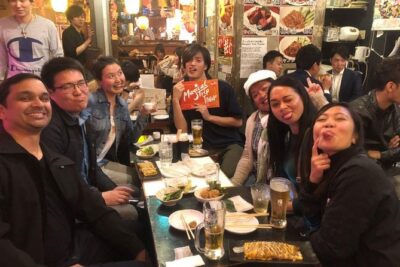
Shibuya Meltdown Nightlife Tour: All-You-Can-Drink Bar Hopping
Read our review →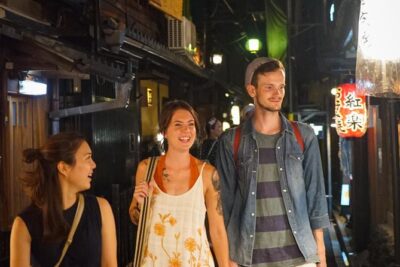
Tokyo After 5: Authentic Japanese Food & Drink Night Tour
Read our review →

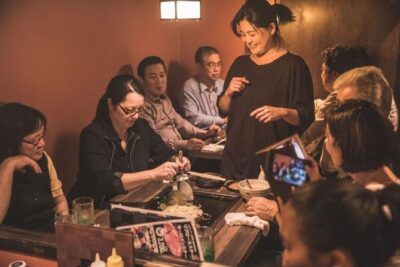
Osaka After Dark: Small-Group Night Food Tour (Max 6)
Read our review →Browse the lists this tour appears in