
Reviewed · TEMPLES AND SHRINES
Lake Biwa Tour: Shirahige Shrine, Ukimido ,La Collina Omihachiman
Lake Biwa rewards a full day. This tour packs sacred lakeside sights, mountain scenery, Zen architecture, and Japanese sweets into one long outing from Osaka or Kyoto. I like the striking floating torii gate at Shirahige Shrine, and I like the unusual La Collina complex, where local confectionery is sold in a fairytale setting designed by architect Terunobu Fujimori. The main thing to consider is the schedule: it can mean a long day in a shared vehicle, with extra admission costs and less time at stops if traffic gets bad.
I also like that the tour changes with the season. From May through October, you ride toward a Lake Biwa observatory, while from November through April, the mountain stop changes to Sanzen-in Temple in rural Ohara. That gives the day a different character depending on your travel date.
The tour costs $65.03 per person and includes transport, fuel, tolls, a driver, and a multilingual guide. It does not include the ropeway, temple admissions, food, or drinks. The cable car alone is listed at about $28, so the final cost can be much higher than the headline price.
In This Review
- Key points at a glance
- Leaving Osaka for Japan’s biggest lake
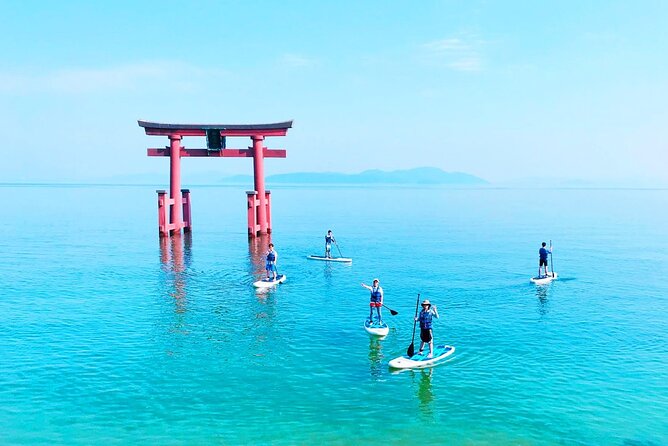
- Shirahige Shrine and the torii in Lake Biwa
- Choosing between the ropeway and Sanzen-in Temple
- Lake Biwa Observatory from May through October
- Sanzen-in Temple from November through April
- Mangetsu-ji Temple and the Ukimido Floating Hall
- La Collina Omihachiman, the day’s most playful stop
- What the $65.03 price really covers
- The schedule, group size, and practical limits
- Who should book this Lake Biwa day trip?
- Should you book it?
- FAQ
- Where does the tour start?
- What time does the tour finish?
- Can I return to Kyoto after starting in Osaka?
- Which attractions are included in the base price?
- Is the ropeway included?
- Which seasonal attraction does the tour visit?
- How much are the temple admissions?
- How large is the group?
- Can I cancel for a refund?
Key points at a glance
- Shirahige Shrine’s floating torii: A memorable first stop on the shore of Lake Biwa, with about 30 minutes for photographs and a quick look around.
- Seasonal mountain stop: From May 1 through October 30, 2025, the tour visits Lake Biwa Observatory and uses a ropeway. From November 1, 2025 through April 30, 2026, it visits Sanzen-in Temple instead.
- Ukimido’s waterside setting: Mangetsu-ji Temple’s Floating Hall offers a compact, peaceful stop with views across the lake.
- La Collina Omihachiman: The most unusual stop, with local sweets, a grass-covered roof, and architecture by Terunobu Fujimori.
- A long shared outing: The day runs roughly from 8:00 AM to 6:30 PM, with a maximum group size of 45.
- A worthwhile budget only if you value convenience: Transport is covered, but admissions and meals are extra, and the ropeway can add a serious charge.
Leaving Osaka for Japan’s biggest lake
The day begins at 8:00 AM in Osaka, with a 9:20 AM start from Kyoto also listed for the route. The tour finishes around 6:30 PM, and you can be dropped off in either Osaka or Kyoto. That makes this a useful choice if you want to see Lake Biwa without arranging several train connections and local buses yourself.
The air-conditioned vehicle is a practical advantage. Lake Biwa’s sights are spread out, and a private car or taxi would cost far more than this group tour. Fuel, highway fees, tolls, and driver overtime are included, which removes several costs that can quietly add up on a full-day private outing.
The trade-off is flexibility. This is a shared group tour, and as many as 45 people may be in the vehicle. The group can include people speaking different languages. You should expect fixed departure times and short transitions between stops rather than the freedom to linger wherever you like.
Traffic matters here. The operator warns that weekends, holidays, and peak seasons can bring delays, and the guide may shorten time at individual stops to keep the day moving. I would not plan a dinner reservation, evening show, or train connection immediately after the scheduled return.
More Temples and Shrines in Osaka
- Osaka: Minoh, Katsuoji Temple, & Minoh Falls Full-day Tour
★ 4.9 · 172 reviews - Sagano Romantic Train & Arashiyama, Kiyomizudera, Fushimi Inari Taisha Day Tour
★ 4.5 · 171 reviews - Osaka Temple Cool Foot Bath & Matcha Experience〈45min〉
★ 4.9 · 82 reviews
Shirahige Shrine and the torii in Lake Biwa
The first major sight is Shirahige Shrine, reached at about 10:20 AM. The shrine is known for its torii gate sitting in the lake, an image that gives the morning a strong visual beginning. You have about 30 minutes here, and admission to the shrine area is free.
This is a photography stop more than a long cultural visit. The gate is the focus, so you can get a memorable view without needing a large block of time. If you enjoy Japanese religious sites, the setting also offers a useful reminder that sacred spaces are not limited to large temple compounds. Here, the lake itself shapes the experience.
The short visit has a downside. Thirty minutes does not leave much room for a slow examination of the shrine or an extended walk. You will want to be ready when the vehicle arrives, since late arrivals are not refunded and the schedule has little spare time.
I would also keep your expectations realistic about the viewpoint. The information supplied for the tour does not promise a private viewing area or a boat ride. This is a roadside lakeside stop focused on seeing and photographing the floating torii from shore.
Choosing between the ropeway and Sanzen-in Temple
The most important detail to check before booking is the seasonal change in the middle of the day. The tour does not visit both the observatory and Sanzen-in Temple on the same date.
From May 1 through October 30, 2025, the tour goes to the Lake Biwa Observatory. From November 1, 2025 through April 30, 2026, it visits Sanzen-in Temple instead. The seasonal arrangement means your experience depends heavily on when you go.
Lake Biwa Observatory from May through October
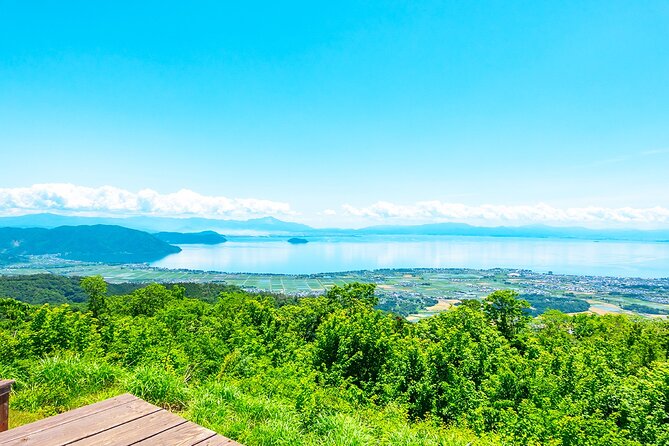
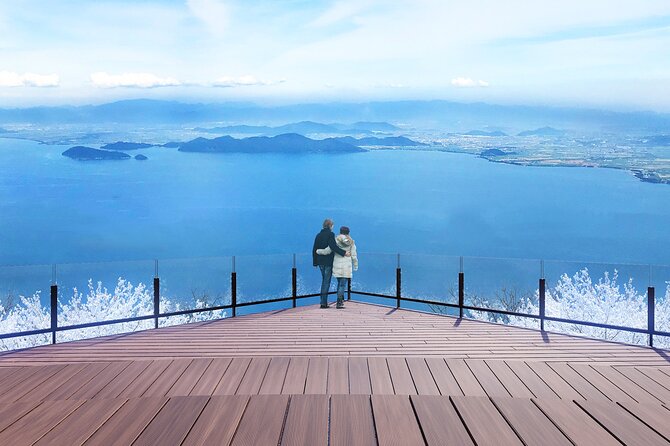
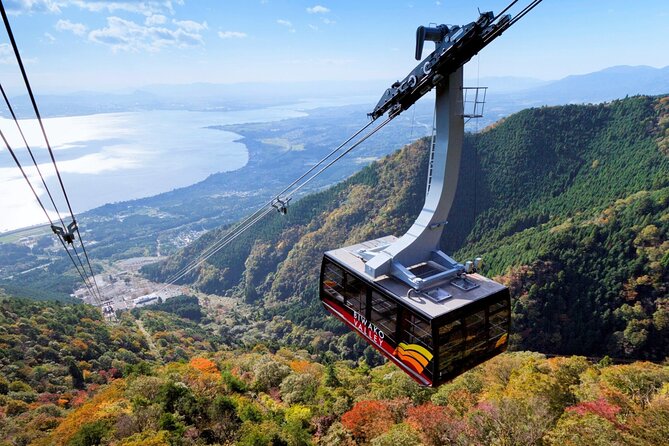
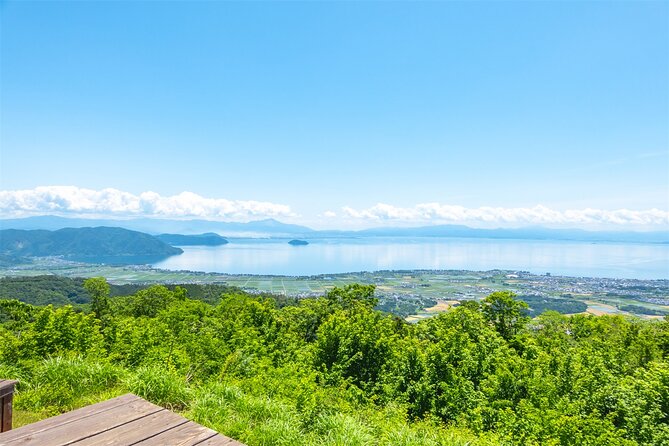
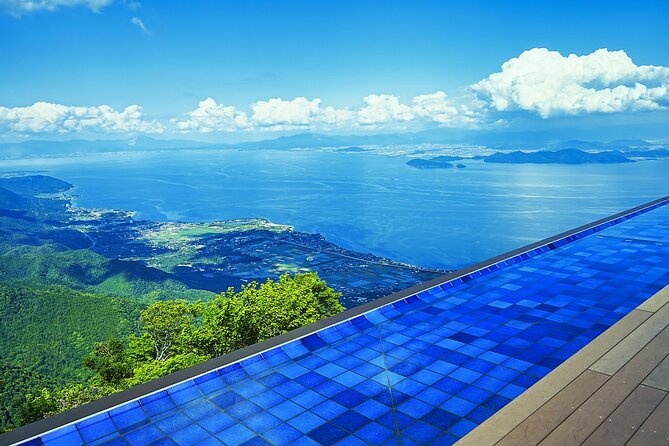
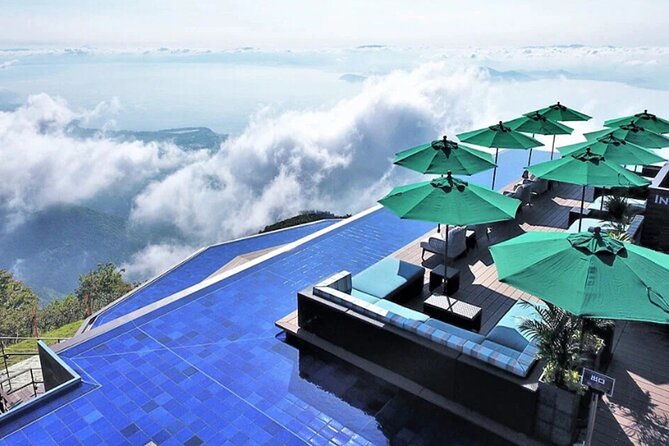
The warm-season version allows about two hours of free time at the Lake Biwa Observatory. The tour describes the ropeway as Japan’s fastest, and the ride leads to broad views over Lake Biwa. The cable car ticket is not included and costs around $28 according to the supplied information.
That extra fee is the key question. If you love high viewpoints, cable cars, and wide lake scenery, the ride may be the highlight of the day. One strong account of the outing praised the mountain trip, the cable car, and the ski lift as fun parts of the experience. Another person described Lake Biwa as gorgeous but found the bus ride rather long.
You also have time for lunch at your own expense during this stop. Two hours gives you more breathing room than the 30-minute shrine visit, but the ticket price changes the value calculation. At $65.03 for the base tour, adding approximately $28 for the ropeway brings the outing close to $93 before lunch or any other admissions.
The wording about a ski lift appears in the experience feedback, while the formal details focus on the ropeway. I would ask the guide on the day exactly which lifts are operating, especially if weather affects the mountain facilities.
A completely different kind of day out:
- Osaka Go Karting Tour with Funny Costume
★ 5.0 · 2,658 reviews - Osaka Castle: Museum and Tower Entry Ticket
★ 4.5 · 2,380 reviews - Osaka: Shinsekai Food Tour with 13-15 Dishes at 5 Eateries
★ 4.8 · 2,204 reviews - Osaka Food Tour: 13 Dishes at 5 Local Eateries
★ 5.0 · 2,149 reviews
Sanzen-in Temple from November through April
The cooler-season version substitutes Sanzen-in Temple for the observatory and also allows about two hours. The temple sits in the Ohara countryside and is described as a quiet Zen site away from central Kyoto. Admission is around $5 and is not included.
This option should appeal to you if temple grounds, seasonal scenery, and a slower rural setting sound better than a high viewpoint. It also keeps the extra admission cost modest compared with the ropeway version. The temple stop includes free time and optional lunch at your own expense.
The two-hour allocation is useful because a temple visit can feel rushed if you only have a few minutes for the approach, halls, and grounds. Still, this is not a guided temple study with a long lecture promised. The multilingual guide may provide general explanations, but the exact amount of commentary can vary.
Language is worth considering. One person specifically found the tour effectively limited to English and Japanese and was disappointed when Spanish explanations were not available. The tour is advertised as multilingual, but you should not assume that every language will be offered in equal detail on every departure.
Mangetsu-ji Temple and the Ukimido Floating Hall
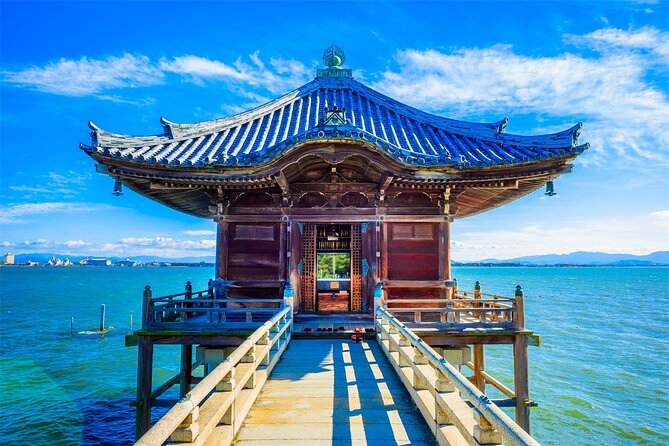
Around 2:00 PM, the tour reaches Mangetsu-ji Temple, home to the Ukimido Floating Hall. The stop lasts about 30 minutes, and admission is around $2, paid separately.
The Floating Hall is a compact sight with a strong sense of place. Built over the water, it gives you an architectural counterpoint to the torii at Shirahige Shrine. The morning gate is seen from the shore, while Ukimido brings you closer to a structure connected directly to the lake.
The temple belongs to the Rinzai Zen tradition, according to the tour information. For me, that detail adds meaning to what might otherwise be a quick photo stop. The small admission fee makes this an easy extra cost to accept, although half an hour is not enough for a long visit.
You should keep the timing in mind. By this point, the day has already included a major transfer, a shrine, and either a mountain or temple stop. The floating hall is best treated as a quiet pause rather than another large attraction requiring extensive exploration.
La Collina Omihachiman, the day’s most playful stop
The final featured stop arrives at about 3:10 PM, with one hour at La Collina Omihachiman. Admission is free, and the time can be used for local sweets and a look at the architecture.
La Collina was designed by Terunobu Fujimori, and its grass roof gives the complex an almost storybook appearance. This is not simply a shop added to a sightseeing route. The building itself is part of the attraction, with a style that feels playful and deliberately different from the temples and shrines earlier in the day.
I can see why this stop received especially warm praise. It offers a change of pace after the religious sites and mountain scenery, and the sweets provide a local flavor without requiring a full restaurant meal. You can browse, buy treats, and enjoy the setting during a manageable one-hour visit.
Food is not included, so bring money for anything you want to purchase. The tour description does not specify a tasting allowance or meal, and you should not count on lunch being covered at any stop. If sweets are a major reason for booking, the one-hour period should be enough for a focused visit, but not for a leisurely meal and a long architectural exploration.
What the $65.03 price really covers
At first glance, $65.03 is a reasonable price for a 10.5-hour outing from Osaka or Kyoto. You receive an air-conditioned vehicle, a professional driver, a multilingual guide, fuel, tolls, highway fees, and driver and guide overtime. The included transport is the main value.
The price becomes less simple when you add the required extras. The approximate costs are:
- Lake Biwa ropeway: about $28, seasonal
- Sanzen-in Temple: about $5, seasonal
- Mangetsu-ji Temple: about $2
- Food and drinks: not included
If you travel during the observatory season and take the ropeway, the base price plus that ticket reaches roughly $93 before food. If you visit during the Sanzen-in season, the extra admission cost is much smaller.
I would judge the tour as good value if you want several far-flung sights in one day and do not want to manage the transport. I would judge it less favorably if you prefer long visits, quiet pacing, or the freedom to skip a stop. A private day trip would offer more control, but it would not match this price.
The overall rating supplied for the experience is 4.5 out of 5 from 21 ratings. That fits the tour’s strengths: the scenery is memorable, the range of stops is broad, and the day is easy to arrange. The weaker side is also clear: long driving time, a potentially late vehicle, unclear expectations about the bus appearance, and language limitations can affect the experience.
One guide named Casper received especially warm praise for being excellent. That suggests the guide can make a real difference, particularly on a long shared outing. Since guide assignments can vary, I would treat Casper’s presence as a pleasant possibility rather than a feature you can count on.
The schedule, group size, and practical limits
The full day lasts about 10 hours and 30 minutes. The first meeting point is in Osaka, while Kyoto is also listed as a starting point, and there are drop-off locations in both Osaka and Kyoto. Confirm the exact meeting instructions at booking, because late arrivals and no-shows are not eligible for a refund.
The vehicle may hold up to 45 people. That is a sizable group, and it explains why the schedule needs firm departure times. You should keep your phone charged for the mobile ticket and arrive early enough to locate the meeting point without rushing.
The tour is described as suitable for most people and near public transportation. No special accessibility details are supplied, so if you need specific assistance, ask the provider before paying. Weather can also change the day. Some attractions may be adjusted or canceled without notice if conditions or other unforeseen events make the planned visit difficult.
Free cancellation is available up to 24 hours before the local start time. Changes made inside that 24-hour window are not accepted, and cancellations made too late are not refunded.
Who should book this Lake Biwa day trip?
I would recommend this tour to you if you have limited time in the Kansai region and want a broad introduction to Lake Biwa, nearby temples, and Omihachiman without planning a complicated route. It suits families, friends, and culture-focused visitors who are comfortable with a full day and a shared vehicle.
It is also a good fit if you like variety. In one outing, you see a sacred gate in the water, a major lake viewpoint or a rural Zen temple, a floating hall, and an imaginative sweets complex. Few stops receive more than two hours, but the range keeps the day moving.
I would hesitate if your priority is a slow temple visit, a quiet photographic session, or a precise timetable. The road connections are long, traffic can shorten stop times, and the different-language group may mean that explanations are brief or not available in your preferred language.
Should you book it?
Book this Lake Biwa tour if convenience and variety matter more to you than independent pacing. The Shirahige torii, the Ukimido Floating Hall, and La Collina give the day plenty of visual character, while the included vehicle and highway costs make the base price sensible.
Before booking, check your travel date carefully. Choose the tour knowing that May through October means a ropeway and an added cost of about $28, while November through April means Sanzen-in Temple and a much smaller admission fee. Add money for meals, arrive early, and leave your evening open for traffic.
FAQ
Where does the tour start?
The main meeting location is in Osaka. A 9:20 AM start from Kyoto is also listed for the tour.
What time does the tour finish?
Drop-off is scheduled for around 6:30 PM, making the total outing approximately 10 hours and 30 minutes.
Can I return to Kyoto after starting in Osaka?
Yes. The tour lists drop-off locations in both Osaka and Kyoto.
Which attractions are included in the base price?
The base price includes the guided tour, air-conditioned vehicle, professional driver, fuel, tolls, highway fees, and guide and driver overtime. Attraction admissions, food, and drinks are not included.
Is the ropeway included?
No. The cable car or ropeway ticket is not included and costs around $28 according to the supplied tour information.
Which seasonal attraction does the tour visit?
From May 1 through October 30, 2025, the tour visits Lake Biwa Observatory. From November 1, 2025 through April 30, 2026, it visits Sanzen-in Temple instead.
How much are the temple admissions?
Sanzen-in Temple costs around $5, and Mangetsu-ji Temple costs around $2. Both fees are paid separately.
How large is the group?
The shared vehicle can have a maximum of 45 people. Participants speaking different languages may travel together.
Can I cancel for a refund?
You can cancel at least 24 hours before the experience start time for a full refund. Cancellations or changes made less than 24 hours before the start time are not accepted, and late arrivals or no-shows are not refunded.
Just added in Osaka
- Osaka: 2-Hour Nightlife District Walking & Local Food Culture★ 5.0 · 199 reviews
- Osaka Japanese Cooking And Matcha Class near Osaka Castle★ 5.0 · 22 reviews
- Osaka Dotonbori Daytime Food Tour★ 5.0 · 24 reviews
- Osaka Dotonbori Wonder Cruise★ 4.0 · 28 reviews
- Osaka Food Walking Tour with Market Visit★ 4.5 · 14 reviews
- Cooking Ramen&Gyoza/KatsuCurry/Bento/Okonomiyaki+Store Tour@Osaka★ 5.0 · 138 reviews
- Osaka Private Pop Culture Tour: Historic Tenma to Dotonbori★ 4.5 · 13 reviews
- Osaka Cooking Class and Sake Tasting with Local Supermarket Visit★ 5.0 · 79 reviews
Temples and Shrines, compared.
Fushimi Inari, Kinkakuji, Bamboo Grove 1 Day Bus Tour
Read our review →
Tea Ceremony in a Traditional Tea House in Kiyomizu
Read our review →
Meiji Shrine, Asakusa, Skytree Bus Tour and Cruise
Read our review →
Fushimi Inari Hidden Hiking Tour (Private Option Available)
Read our review →
Asakusa Walking Tour with Sensoji Temple Visit
Read our review →
Kamakura & Enoshima Day Trip including Temple Tickets
Read our review →
Kyoto/Osaka: Nara, Fushimi Inari Taisha, Arashiyama Bus Tour
Read our review →Browse the lists this tour appears in