
Reviewed · PRIVATE TOURS IN TAKAYAMA
Magome & Tsumago Nakasendo Full-Day Private Trip with Government-Licensed Guide
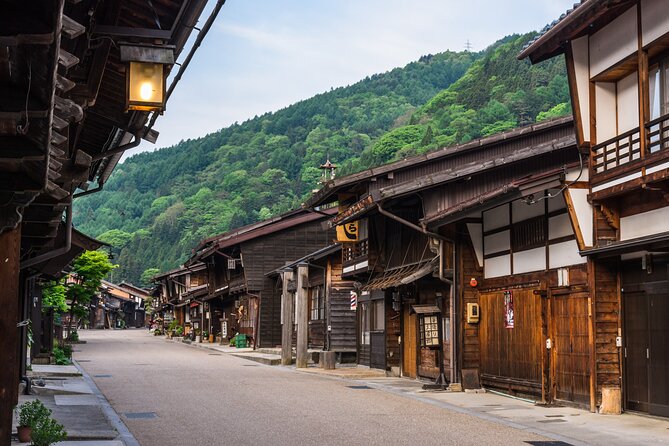
Step back into old Japan on foot. This private day trip links the preserved post towns of Magome and Tsumago, two of the most appealing stops on the historic Nakasendo route. I like the personal attention of a private guide and the chance to explore both villages without tackling the entire five-day trail. I also like that the route can be adjusted to suit your interests.
The main catch is easy to miss: this particular experience is not the full hiking course. It uses local buses and walking between sights, while the separate Nakasendo Trail day hike is the option for a true trail walk. Public transport, meals, and entrance fees cost extra, so the $154.37 per-person price is best judged as a guide fee rather than an all-inclusive day package.
In This Review
- Key things to know before booking
- Why Magome and Tsumago make a strong day trip
- Magome’s sloping street and valley views
- Tsumago’s quiet streets and working history
- What the private guide adds
- Walking, buses, and the important trail distinction
- What the $154.37 price really covers
- Who will get the most from this experience
- Practical advice for a smoother day
- Should you book the Magome and Tsumago private tour?
- FAQ
- How long does the tour last?
- Is this a private tour?
- Is the full Nakasendo hiking trail included?
- How much walking should I expect?
- Is transportation included?
- Is lunch included?
- Are entrance fees included?
- Is an English-speaking guide provided?
- Can the tour be customized?
- Is the tour available in winter?
- Can I cancel for a full refund?
Key things to know before booking
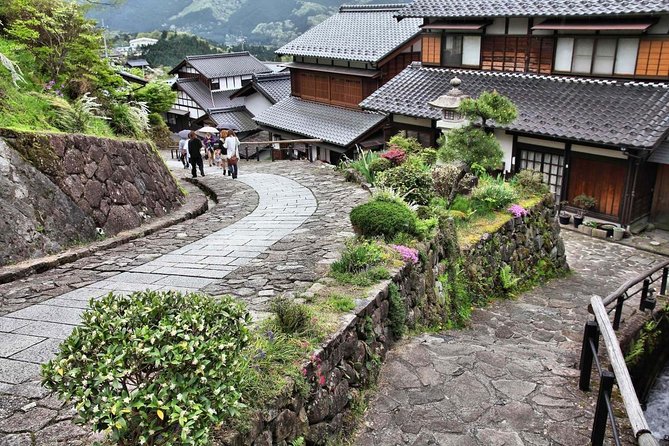
- Magome gives you uphill views: Its sloping stone street leads past traditional houses, craft shops, small museums, and valley views.
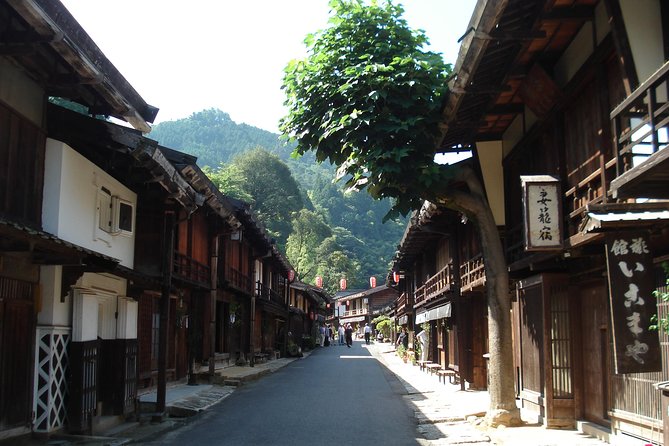
- Tsumago preserves an older mood: Unpaved streets, concealed utility cables, historic inns, and quiet temples create a more restrained village setting.
- The guide is the main value: A licensed local English-speaking guide can explain the Nakasendo, Japanese customs, and the purpose of each historic building.
- This is a private outing: Only your party joins, so the pace and interests can be adjusted without fitting into a large group.
- Expect about six hours on foot: The tour involves substantial walking, but it is not the full Nakasendo hiking trail.
- Carry cash: Bus fares and other public transport costs are not included, and lunch and admissions may also be extra.
Why Magome and Tsumago make a strong day trip
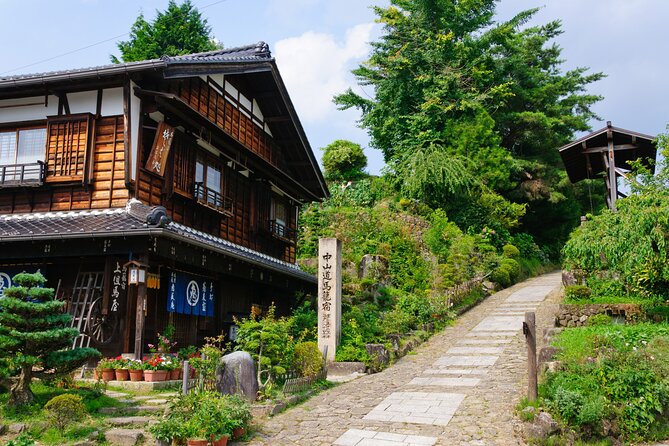
The Nakasendo was an old inland route linking Edo, now Tokyo, with Kyoto. Its post towns gave merchants and officials places to rest, eat, and sleep during long journeys. Magome and Tsumago are two of the best-known surviving settlements along this route.
You can visit both independently, but the logistics take more thought than the simple village names suggest. You need to coordinate local buses, know where to meet your guide, and understand what you are seeing once you arrive. A private guide removes much of that guesswork and gives the buildings and street plan a human story.
This experience suits you best if you want a concentrated introduction to the area. You can see two historic towns in one day, ask questions as you go, and avoid committing several days to the entire Nakasendo route.
The six-hour length is also useful for a wider Japan itinerary. It is long enough to feel like a proper excursion, but shorter than a multi-day trek. Just keep the distinction clear: this booking is described as a walking tour that uses local buses, not a dedicated hike along the complete trail between the towns.
More Private Tours in Takayama
- Kanazawa/Takayama: Shirakawago & Takayama Private Day Tour
★ 4.8 · 172 reviews - Takayama Half-Day Private Tour with Government Licensed Guide
★ 5.0 · 69 reviews - Magome & Tsumago Nakasendo Trail Day Hike with Government-Licensed Guide
★ 5.0 · 38 reviews
Magome’s sloping street and valley views
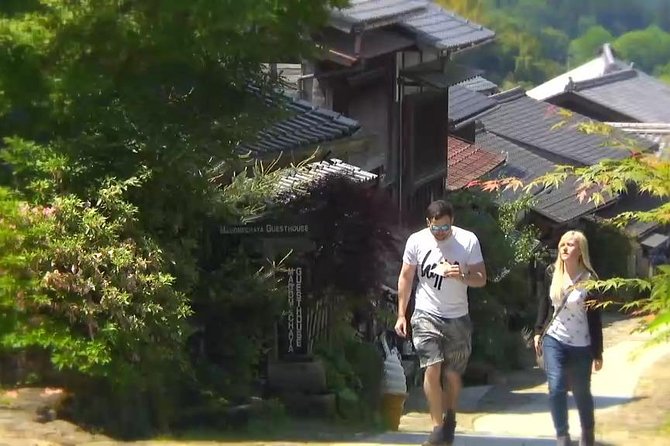
Magome is the more dramatic of the two towns at first glance. Its main route climbs a slope, with a broad stone walkway lined by trees and traditional wooden buildings. The incline gives the village a layered appearance and opens views toward the surrounding valley.
I like Magome because it feels polished without being reduced to a single photo stop. Traditional houses share the street with craft shops, restaurants, and small museums. You can look at the town as a preserved historic site, but you can also pause for a drink, browse local work, or watch daily life continue around the old route.
The small museums add useful context. They cover the town’s past, the artists who lived there, and the way people once worked and lived. Their modest scale makes them easier to fit into a short visit than a large formal museum.
Plan your energy here. The sloping street makes Magome less flat and effortless than Tsumago, especially if you are walking for much of the day. A guide can help you decide how much time to spend inside the museums, along the street, and at the viewpoints.
Food and drink are another good reason not to rush. The route information points to restaurants near the top of the village for food and valley views, or lower down if you want to spend time among local residents. Lunch is not included, so this is one of the places where you will need your own budget.
The private format helps here. If you care about architecture, village preservation, local crafts, or simply taking your time with the views, you can tell your guide. A fixed group itinerary would be less forgiving when one person wants a museum and another wants a long meal.
Tsumago’s quiet streets and working history
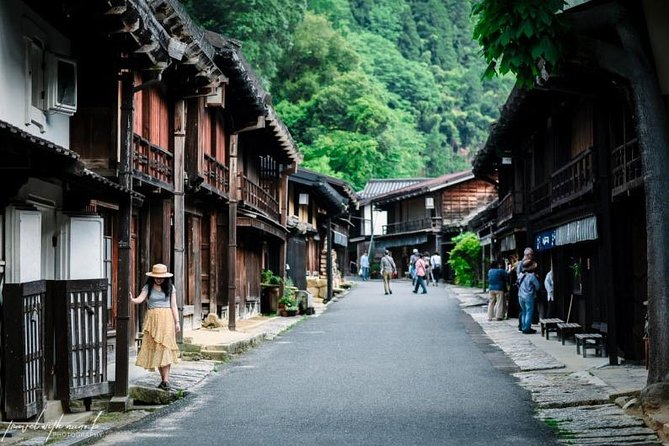
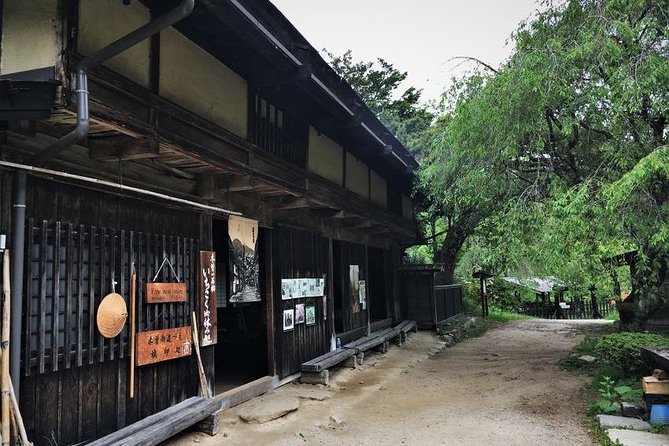
Tsumago feels different from Magome. It is almost flat, and its unpaved streets create a quieter, more old-fashioned setting. The town was among Japan’s earliest major historic preservation projects, and that work is visible in details such as concealed utility cables and the careful treatment of traditional buildings.
The difference between the two towns is part of the appeal. Magome offers a sloping approach, open views, and a more orderly stone walkway. Tsumago is calmer and more enclosed, with a street surface and building arrangement that make the old post-town function easier to picture.
Several important structures help explain how Tsumago worked. The Honjin was the principal inn for important officials and merchants using the Nakasendo. The Wakihonjin served as a secondary inn. You can also see the old notice board used for decrees from the shogun and a Buddhist temple dating to the sixteenth century.
Entrance fees are not generally included, except for sights specifically covered under the guide’s arrangements, so ask your guide what you will pay before entering. That small check can prevent confusion when you are carrying only limited Japanese cash.
Tsumago is described as especially atmospheric after dark, when lanterns light the streets and the village grows quiet. The standard experience lasts about six hours, so you should not assume the tour will remain until nighttime. Still, the evening description explains why some people may want to discuss a later schedule or a custom plan with the provider.
What the private guide adds
The central benefit is not simply getting from one village to the next. It is having a person who can connect the street, buildings, and customs into a story you can follow.
The guide is a government-licensed local English speaker. That matters in an area with fewer foreign-language signs and less international tourist infrastructure than Japan’s most famous cities. You can ask about the post towns, preservation work, local life, and the Nakasendo rather than relying only on short plaques.
Guide Yoshi has been praised for adding historical background, helping with the route, and pointing out quiet views and waterfalls along the Nakasendo area. He has also shared more personal touches, including folding origami cranes before a tour and helping a father and son record videos during their outing. Those details suggest a warm, flexible style, though your guide and exact experience may vary.
A private guide can also keep the day from becoming a rushed checklist. If you want more time in Magome’s museums, you can say so. If Tsumago’s old inns matter more to you, the day can lean in that direction. The advertised experience can be customized to your needs and interests.
There is one limit. The guide does not include a private vehicle. You meet on foot at a designated point and use local buses as needed. That keeps the trip closer to ordinary local transport, but you must be ready to handle bus fares and accept that the schedule depends on public service.
A completely different kind of day out:
- Kanazawa: World Heritage Shirakawa-go Morning Guided Tour
★ 4.9 · 988 reviews - Kanazawa: World Heritage Shirakawa-go & Two Local Experience
★ 4.9 · 274 reviews - Departing from Takayama [Regular sightseeing bus] World Heritage Sites Shirakawago and Gokayama Ainokura
★ 4.5 · 137 reviews - 1-Day Takayama Tour: Explore Scenic Takayama and Shirakawago
★ 5.0 · 113 reviews
Walking, buses, and the important trail distinction
The wording around hiking deserves careful attention. The tour summary suggests about six hours of walking, but the additional information says this is not a hiking course and that local buses are used. The provider specifically directs people seeking a trail hike to book the separate Magome and Tsumago Nakasendo Trail Day Hike.
In practical terms, you should book this experience for historic villages, guided walking, and local transport. Do not book it expecting a continuous full-day trek along the mountain path.
The distinction matters because the classic trail between Magome and Tsumago has a different physical demand and purpose. A dedicated hike requires suitable trail conditions and more attention to weather and footing. This village-focused tour is a better choice if you want to see the two settlements but do not have time, interest, or confidence for the full route.
The provider also says hiking is unavailable from December through the end of February because of icy conditions. That restriction refers to hiking, but winter visitors should still clarify the exact plan before booking. Most people can participate, and service animals are allowed, but you should be comfortable with several hours of walking and local bus travel.
What the $154.37 price really covers
At $154.37 per person, this is not the cheapest way to visit Magome and Tsumago. The price becomes easier to justify when you value a private licensed guide and the ability to shape the day around your own party.
You are paying for guidance, interpretation, and convenience rather than transport or meals. The listed inclusions are a licensed local English-speaking guide and meeting the guide on foot. Public transport, admissions, lunch, and personal expenses are separate. There is no private vehicle.
For one person, the cost may feel high compared with visiting independently. For a couple or family, the private format can offer better value, particularly if you want a slower pace or have different interests from a standard group itinerary. Group discounts may also affect the final per-person price.
I would budget for bus fares, lunch, and possible entrance fees. Bring cash, since the instructions specifically advise it for public transport. Also confirm which sights have guide entry fees covered, because the inclusion applies only to places listed under the tour’s What to Expect section.
The booking pattern, with reservations made about 60 days ahead on average, suggests you should not leave this until the last minute if your Japan schedule is fixed. That is planning advice, not a claim that every date sells out, so check availability for your own dates.
Who will get the most from this experience
I would choose this tour if you want historic Japan outside the biggest city centers and prefer explanation to independent wandering. It is especially useful for a first visit to the Nakasendo area, when the names of the old inns, notices, and post-town buildings may otherwise blur together.
It also suits families and small private groups. The guide can adjust the day, and you avoid the social compromises of joining strangers. A parent and child can focus on filming, history, or the scenery, while a group interested in architecture can spend more time studying the old buildings.
You should think twice if your main goal is a serious hike. This is not the right booking for a continuous trail walk, particularly if you are seeking a physical challenge. Choose the dedicated hiking experience instead.
Independent visitors who are comfortable with buses, Japanese transport information, and self-guided sightseeing can also save money by going alone. You will give up the guide’s historical explanations and the convenience of having one person help organize the day, but you may prefer that freedom.
Practical advice for a smoother day
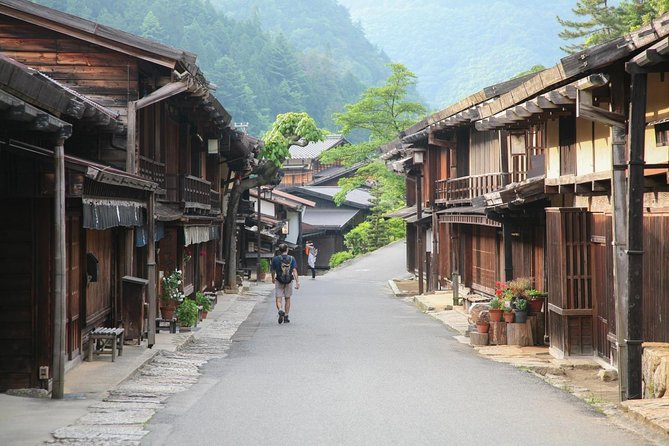
Wear shoes suitable for several hours of walking. Even though this is not the full trail hike, Magome’s slope and the movement between sights make comfort important.
Start with a clear conversation about the day’s balance. Tell the guide if you care most about museums, food, architecture, photography, village life, or the Nakasendo story. The tour is designed to be customized, so the more specific you are, the more useful the private format becomes.
Ask about the meeting point and bus costs before setting out. Pickup is on foot, and there is no private vehicle. Keep cash ready for transport, lunch, and any entrance fees that are not covered.
Allow room for the two towns to feel different. Magome rewards a slower look at its sloped street and views. Tsumago works best when you notice its unpaved lanes, old inns, concealed cables, notice board, and temple rather than rushing from one landmark to the next.
The cancellation terms are straightforward: you can receive a full refund if you cancel at least 24 hours before the local start time. Cancellations or changes inside that window are not accepted for a refund.
Should you book the Magome and Tsumago private tour?
Book it if you want a six-hour introduction to two historic Nakasendo towns, a private English-speaking guide, and a flexible day without taking on the entire five-day route. The strongest reasons are the contrast between Magome and Tsumago, the guide’s local interpretation, and the chance to ask questions at your own pace.
Do not book it for a true trail hike. Select the separate hiking tour instead, and remember that hiking is not available from December through February because of icy conditions.
For most people, the price is fair only if you will use the guide well. Ask questions, request time for the places that interest you, and plan for transport and food costs. If you do that, this outing offers a focused and thoughtful look at an older side of Japan that can be difficult to understand from a map alone.
FAQ
How long does the tour last?
The experience lasts approximately six hours.
Is this a private tour?
Yes. Only your group participates, and multiple tour groups cannot be combined.
Is the full Nakasendo hiking trail included?
No. This experience is described as a walking tour that uses local buses. A separate Nakasendo Trail day hike is available for people who want to hike the trail.
How much walking should I expect?
You should expect to walk for about six hours, although this is not the full hiking course.
Is transportation included?
No. Public transportation fees are extra, and the tour does not include a private vehicle. You meet your guide on foot at a designated meeting point.
Is lunch included?
No. Lunch is an additional personal expense.
Are entrance fees included?
Entrance fees are not generally included. Guide entry fees are covered only for sights listed under the experience’s What to Expect information.
Is an English-speaking guide provided?
Yes. The experience includes a licensed local English-speaking guide.
Can the tour be customized?
Yes. The tour can be customized to suit your needs and interests.
Is the tour available in winter?
Hiking is not available from December through the end of February because of icy conditions. Confirm the exact plan if you are visiting during that period.
Can I cancel for a full refund?
Yes. You must cancel at least 24 hours before the local start time for a full refund. Changes or cancellations made less than 24 hours before the start are not accepted for a refund.
Just added in Takayama
- Takayama Old Town Walking Tour with Local Guide★ 4.5 · 50 reviews
- Takayama Local Cuisine, Food & Sake Cultural Tour with Government-Licensed Guide★ 5.0 · 17 reviews
- Takayama Half Day Tour (Private Guide)★ 5.0 · 15 reviews
- Private Transfer from Takayama to Kanazawa Including Shirakawago★ 5.0 · 17 reviews
- Takayama Rice Ball and Miso Soup Making at a buddhist temple★ 5.0 · 13 reviews
- Takayama: Authentic Sake Tasting at a Historic Brewery★ 5.0 · 65 reviews
- Takayama Full-Day Private Tour with Government Licensed Guide★ 4.5 · 13 reviews
- Shuriken Experience in Takayama★ 5.0 · 46 reviews
Private Tours in Takayama, compared.
Kanazawa/Takayama: Shirakawago & Takayama Private Day Tour
Read our review →
Takayama Half-Day Private Tour with Government Licensed Guide
Read our review →
Magome & Tsumago Nakasendo Trail Day Hike with Government-Licensed Guide
Read our review →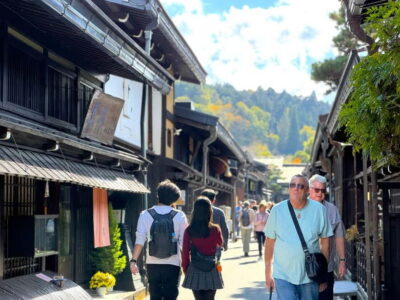
Takayama: Takayama Jinya & Old Town Private Walking Tour
Read our review →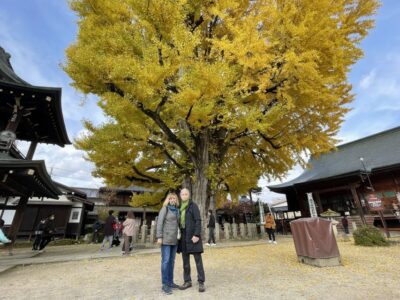
Takayama: Private Walking Tour with a Local Guide
Read our review →
Takayama Local Cuisine, Food & Sake Cultural Tour with Government-Licensed Guide
Read our review →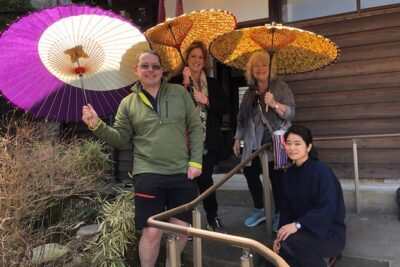
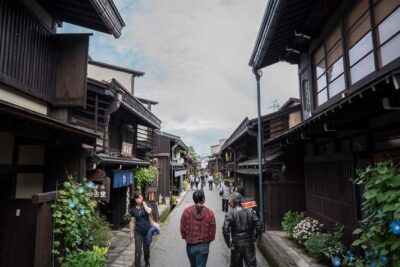
Takayama Full-Day Private Tour with Government Licensed Guide
Read our review →Browse the lists this tour appears in