
Reviewed · PRIVATE TOURS IN TAKAYAMA
Takayama Half-Day Private Tour with Government Licensed Guide
Takayama rewards a slower look. This private four-hour tour lets you shape the day around two or three places, with a licensed English-speaking guide to explain the town’s past, customs, and food. I like the private format and the freedom to adjust the route. The main catch is that you walk between sights, pay your own transport and admission fees, and cannot cover every stop in four hours.
The strongest guide reports name Yuko, Yoko, Lily, Mitsu, Yoshi, and Tatsuya Ito as warm, flexible hosts who answered questions, changed plans, and offered useful local ideas. I also like that the tour can include small pleasures such as Hida beef, sake tasting, tea, engraved chopsticks, or a craft activity. Just remember that the exact guide and final route are not guaranteed, so it pays to state your interests clearly when booking.
In This Review
- Key points at a glance
- What this four-hour Takayama tour really offers
- Sanmachi Suji, where old Takayama feels most immediate
- Takayama Jinya explains the town’s political importance
- Hida Folk Village adds mountain scenery and traditional homes
- Festival museums reveal why Takayama is famous
- The Higashiyama Walking Course trades shops for quiet streets
- Markets, temples, and heritage houses fill out the menu
- Showa-era museums suit curious minds, not every first visit
- The best itinerary combinations for different interests
- What the guides add to the experience
- Timing, fees, and the practical fine print
- Should you book this private Takayama walk?
- FAQ
- How long is the Takayama private tour?
- How many people can join the tour?
- Is the tour customizable?
- Is transportation included?
- Is hotel pickup offered?
- Are entrance fees included?
- Does the price include lunch?
- Can most people participate?
- What is the cancellation policy?
Key points at a glance
- Choose your own two or three sights: You are not pushed through a fixed checklist.
- Walk Takayama with a local guide: The tour focuses on explanation, orientation, and conversation rather than simple transportation.
- Old town and festival culture fit especially well: Sanmachi Suji, Takayama Jinya, and the float museums make a strong first visit.
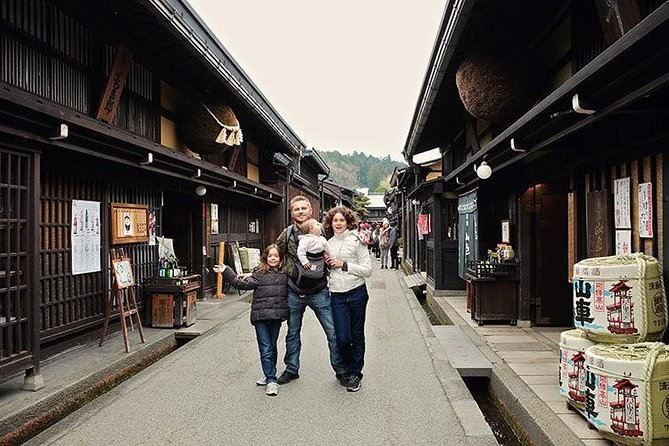
- The private setup suits families and couples: Only your party joins, making it easier to set the pace and ask questions.
- Food and craft tips can add local flavor: Past tours included Hida beef, sake, tea, engraved chopsticks, and sarubobo making.
- Budget for extras: Admission, transport, lunch, and personal purchases are not included in the $122.23 per-person price.
What this four-hour Takayama tour really offers
Takayama is compact enough to explore on foot, but its appeal is not obvious from a quick station-area stroll. The old merchant streets, government buildings, shrine grounds, mountain culture, and festival traditions each tell a different part of the town’s story.
This experience works best as a guided introduction. You choose two or three locations from a broad menu, then meet your guide on foot within the designated Takayama area. The guide does not drive you around, and there is no private vehicle included. That keeps the experience personal and simple, but it also means you should select nearby sights rather than trying to connect distant places in one rushed outing.
At $122.23 per person, the price is not a bargain walking tour. It becomes easier to justify for a small private group, especially if you value a flexible route and a guide who can answer questions in English. Group discounts may improve the value, while admission fees and transport costs will add to the total.
A four-hour private guide can also save planning time. Instead of working out which museum fits beside which shrine, you can tell the guide whether you prefer architecture, religion, food, festivals, crafts, or outdoor walking. The best use of this tour is not seeing everything. It is seeing a few places with enough time to understand them.
More Private Tours in Takayama
- Kanazawa/Takayama: Shirakawago & Takayama Private Day Tour
★ 4.8 · 172 reviews - Magome & Tsumago Nakasendo Trail Day Hike with Government-Licensed Guide
★ 5.0 · 38 reviews - Takayama: Takayama Jinya & Old Town Private Walking Tour
★ 4.5 · 32 reviews
Sanmachi Suji, where old Takayama feels most immediate
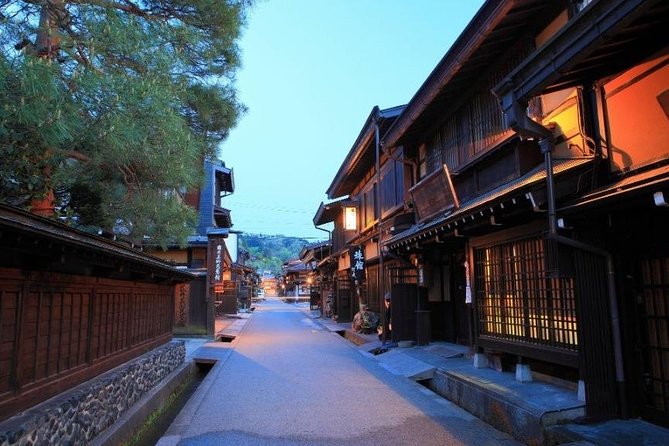
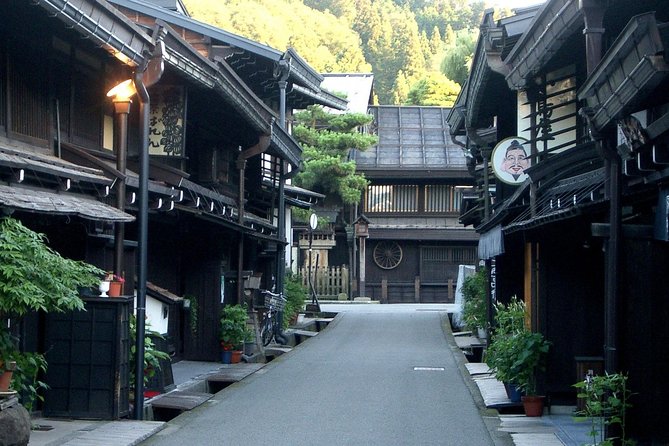
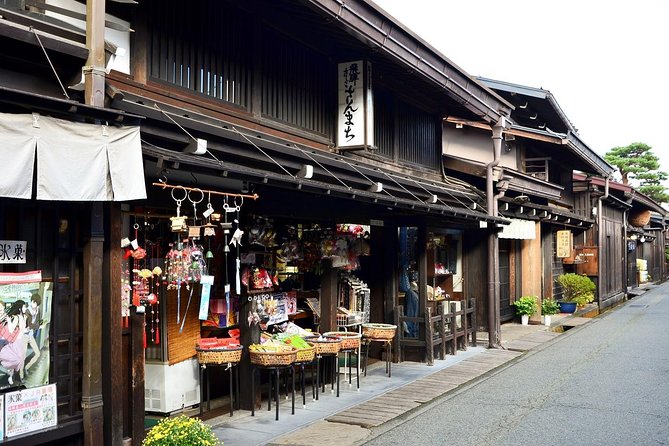
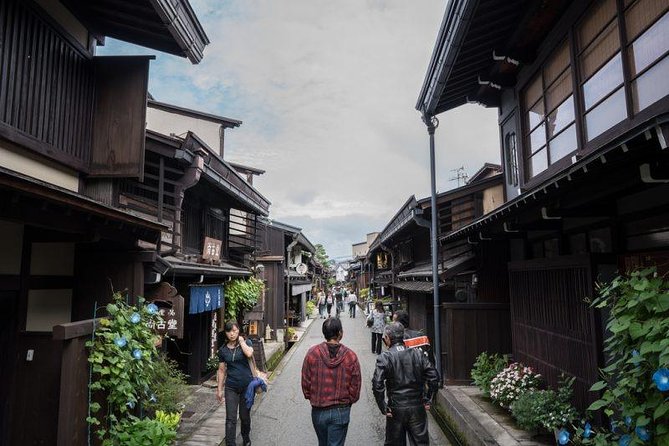
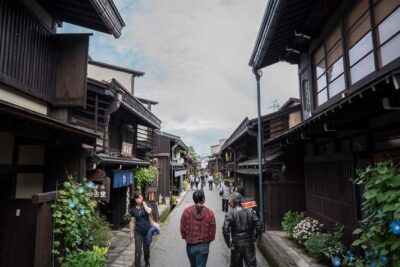
Sanmachi Suji is the natural choice for a first visit. This old-town district preserves houses and shops dating from the Edo period, from 1603 to 1868. Dark wooden facades line narrow streets, and local shops sell regional food, crafts, and other specialties.
A guide helps you read the street instead of merely photographing it. You can ask why the buildings look the way they do, how merchant life shaped the district, and which local products are worth your attention.
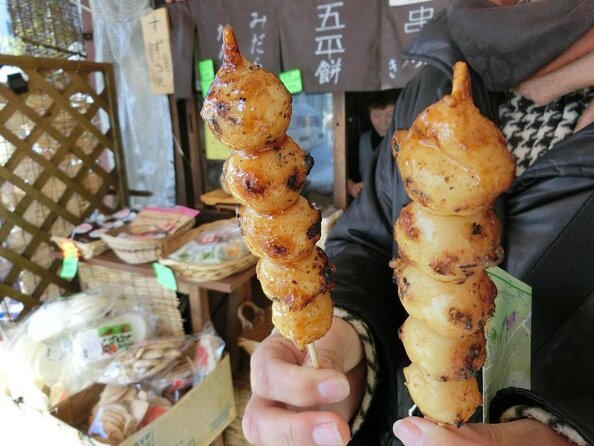
The suggested visit is only 15 minutes, which is enough for an introduction but short for serious browsing. If you want to shop, taste food, or stop for Hida beef, tell your guide before the tour. Several successful outings included food advice, with Yoshi taking one guest to a less touristy Hida beef restaurant and Yuko helping a family fit local shopping into the morning.
Takayama Jinya explains the town’s political importance
Takayama Jinya is one of the most useful stops for understanding why this mountain town mattered. The Hida region had valuable timber, so in 1692 it came under the direct control of the Tokugawa shogunate. Takayama Jinya served as the local government office.
The building gives historical weight to the old-town visit. Sanmachi Suji shows merchant streets and daily commerce, while the Jinya points to official power and resource control. A good guide can connect those two sides of Takayama rather than presenting them as unrelated sights.
Admission is not included. The suggested time is 15 minutes, so you should confirm how much time you want inside before settling on this stop. If you care about Japanese administration, architecture, or the political structure of the Edo period, this is one of the better choices.
Hida Folk Village adds mountain scenery and traditional homes
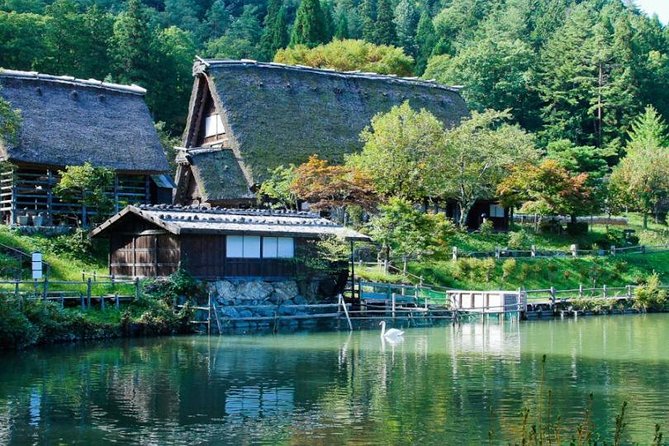
Hida no Sato, or Hida Folk Village, is an open-air museum with more than 30 traditional houses from the Hida region. It offers a different setting from central Takayama, with buildings arranged in a rural environment rather than along an urban street.
This is a strong pick if you want an outdoor experience. One guide, Yoko, built a route around the folk village, the morning market, and Shiroyama Park for a party that preferred being outside. Another guide described the houses as a way to see how earlier residents adapted to life in the mountainous Hida area.
The listed time is 15 minutes, but that is a very quick look. Since the tour allows only two or three sites, Hida no Sato may make more sense as one of two major stops rather than a quick addition to several central sights. Admission is listed as free for this experience, but confirm current arrangements when booking, since the tour terms separately note that entry fees are generally not included.
A completely different kind of day out:
- Kanazawa: World Heritage Shirakawa-go Morning Guided Tour
★ 4.9 · 988 reviews - Kanazawa: World Heritage Shirakawa-go & Two Local Experience
★ 4.9 · 274 reviews - Departing from Takayama [Regular sightseeing bus] World Heritage Sites Shirakawago and Gokayama Ainokura
★ 4.5 · 137 reviews - 1-Day Takayama Tour: Explore Scenic Takayama and Shirakawago
★ 5.0 · 113 reviews
Festival museums reveal why Takayama is famous
Takayama’s festivals are held in spring on April 14 and 15, and in autumn on October 9 and 10. They are counted among Japan’s three most beautiful festivals, and the city’s float museums let you see the craftsmanship even when the festival itself is not taking place.
There are two related choices. The Takayama Festival Floats Exhibition Hall, next to Sakurayama Hachimangu Shrine, displays four actual floats. Hida Takayama Art and Festa Forest, also called Matsuri no Mori, presents full-sized replicas and explains the festival world through its large yatai floats.
These museums are especially worthwhile with a guide. The floats can look impressive but puzzling without context. Past tours praised first-hand explanations of the floats, and one visitor who expected Takayama to be too small for four hours found that the festival material added much more depth.
Both museum options list admission as not included. Each has a suggested visit of 15 or 30 minutes. If festivals and craftsmanship are your main interests, choose one museum and pair it with Sanmachi Suji or Sakurayama Hachimangu Shrine rather than trying to see both quickly.
The Higashiyama Walking Course trades shops for quiet streets
The Higashiyama Walking Course passes through Takayama’s temple district, rural edges, and Shiroyama Park on a wooded hill. Its suggested time is 30 minutes, making it a good alternative to another indoor museum.
This route suits you if you want greenery, temples, and a calmer side of town. It also gives the guide room to talk about religious sites and local life at walking pace. The path may be less convenient in poor weather, and the tour does not include private transport, so ask about the walking distance before choosing it.
Mitsu specifically suggested the Higashiyama temple area and Shiroyama Park as places worth returning to. That is useful advice if you have more time after the tour, particularly if your first half-day focuses on the old town and festival displays.
Markets, temples, and heritage houses fill out the menu
The Hida-Takayama Miyagawa Morning Market runs beside the Miyagawa River, while the Jinya-mae Market is another daily option. The markets generally operate from around 7 a.m. to noon, or from 8 a.m. in winter.
Timing matters here. A morning booking is essential if the market is a priority, and even then you should confirm the start time. The market makes a good pairing with Sanmachi Suji because both are central and connect food, commerce, and local products.
Hida Kokubunji Temple is about a five-minute walk from JR Takayama Station. Its three-story pagoda was built in 1820, and a Buddhist statue is thought to have an especially long connection to the temple. With a suggested 30-minute visit, it offers a manageable introduction to Buddhist architecture near the station.
Sakurayama Hachimangu Shrine is tied to the autumn Takayama Festival and sits beside the Festival Floats Exhibition Hall. It is a sensible combination if you want the shrine and festival traditions in one area.
The Kusakabe Folk Museum occupies a private residence built in the Meiji period in an Edo architectural style. Yoshijima Heritage House dates to 1908 and was historically connected with sake brewing. Both are smaller, more focused choices, each listed at 10 minutes, and both require an admission fee.
Showa-era museums suit curious minds, not every first visit
Takayama Showakan recreates streets and interiors from the 1950s. Its displays include a barbershop and Midget Alley, among other period scenes. Hida Takayama Retro Museum adds old films, magazines, posters, toys, games, pachinko, and other Showa-era objects.
These museums offer a playful look at modern Japanese life rather than old Takayama architecture. They may be a hit with families, pop-culture fans, or anyone interested in postwar Japan. For a first visit, though, I would usually place them behind Sanmachi Suji, Takayama Jinya, a festival hall, or Hida Folk Village.
The short 10-minute suggested visits make these easy to add only if they match your interests. Admission fees are not included.
The best itinerary combinations for different interests
Because you can choose only two or three sites, your choices matter. Here are practical combinations:
For a first visit: Choose Sanmachi Suji, Takayama Jinya, and one festival museum. This gives you old streets, political history, and the city’s famous festival tradition.
For an outdoor morning: Choose Hida Folk Village, the Miyagawa Morning Market, and the Higashiyama Walking Course. Confirm that the market fits your start time, especially in winter.
For architecture and local homes: Combine Sanmachi Suji with the Kusakabe Folk Museum or Yoshijima Heritage House. Add Hida Kokubunji Temple if you prefer religious architecture over a house museum.
For families: Ask about a route that includes the Retro Museum or Showakan. Past outings also included engraved chopsticks, sake tasting, arts and crafts, and sarubobo, the local good-luck charm, though these additions are not promised parts of the standard tour.
For food-focused visitors: Put Sanmachi Suji and the morning market near the top of your list. Ask your guide in advance about Hida beef, sake, or tea. Yoshi arranged a Hida beef meal for one guest, while Mitsu organized a tea tasting with a specialist for another group.
What the guides add to the experience
The biggest strength here is the human side of the tour. Guides named Yuko, Yoko, Lily, Mitsu, Yoshi, Yuriko, Annie, and Tatsuya Ito received especially warm praise for clear explanations, patience, and willingness to adjust plans.
That does not mean every guide will have the same style. One account described a pleasant bike ride but felt the guide could not answer basic questions about Shinto symbolism. That is a useful warning: if religious details, festival customs, or architecture matter to you, state that clearly when arranging the tour.
The strongest experiences came when the guide and party treated the route as a conversation. Yuko helped visitors understand the city and gave ideas for the afternoon. Lily offered historical context. Annie shared personal stories about life in the area. Mitsu shifted plans after hearing a guest’s interest in tea.
You should also tell the guide about walking pace, food needs, children, mobility concerns, and indoor or outdoor preferences. Most people can participate, and service animals are allowed, but this remains a walking tour with no private vehicle.
Timing, fees, and the practical fine print
The advertised duration is about four hours. The tour is private, so only your party participates, and group discounts may be available. Pickup means meeting the guide on foot within a designated area of Takayama, not hotel transport by car.
The $122.23 price per person includes a licensed local English-speaking guide and a customized plan using two or three selected sites. It does not include transportation, entrance fees, lunch, or personal spending. The terms also say guide entry fees are covered only for sights included in the stated selection, so confirm costs for museums and heritage houses before you commit to them.
The experience has a 4.9 out of 5 rating from 69 ratings, with 99 percent recommending it. Those figures suggest a reliable level of satisfaction, but the occasional complaint about limited explanations shows why matching your interests with the guide matters.
Free cancellation is available up to 24 hours before the start time for a full refund. Changes or cancellations inside that window are not accepted or refunded.
Should you book this private Takayama walk?
Book it if you want a well-organized introduction without joining a large group. It is particularly useful for first-time visitors, families, couples, history fans, and anyone who wants help choosing between Takayama’s old streets, homes, shrines, markets, and festival displays.
I would also book it if you care about personal recommendations. Hida beef, sake, tea, crafts, engraved chopsticks, and sarubobo-making can turn a standard sightseeing walk into a more personal day, though you must request those interests in advance.
Skip it if you want a low-cost, self-guided walk, a vehicle-based tour, or a complete sweep of every attraction listed. Four hours passes quickly, and the extra admission and food costs can raise the final bill.
For the best value, choose three nearby sights, book for the morning if you want the market, and send the guide a short list of priorities before arrival. That approach gives you the flexibility this tour promises without wasting half the morning crossing town.
FAQ
How long is the Takayama private tour?
The tour lasts approximately four hours.
How many people can join the tour?
Only your own party participates. Multiple separate tour groups cannot be combined.
Is the tour customizable?
Yes. You can customize the tour by choosing two or three sites from the available attractions.
Is transportation included?
No. Transportation fees and private transportation are not included. The tour is conducted on foot, with an on-foot meeting within the designated Takayama area.
Is hotel pickup offered?
Pickup is offered on foot within the designated area of Takayama. This does not mean private vehicle pickup.
Are entrance fees included?
No general admission fees are included. Guide entry fees are covered only for sights listed within the tour’s stated selection.
Does the price include lunch?
No. Lunch and other personal expenses are separate.
Can most people participate?
Yes. Most travelers can participate, and service animals are allowed. The experience is a walking tour.
What is the cancellation policy?
You can cancel up to 24 hours before the experience start time for a full refund. Cancellations or changes made less than 24 hours before the start time are not accepted or refunded.
Just added in Takayama
- Takayama Old Town Walking Tour with Local Guide★ 4.5 · 50 reviews
- Takayama Local Cuisine, Food & Sake Cultural Tour with Government-Licensed Guide★ 5.0 · 17 reviews
- Takayama Rice Ball and Miso Soup Making at a buddhist temple★ 5.0 · 13 reviews
- Takayama Half Day Tour (Private Guide)★ 5.0 · 15 reviews
- Private Transfer from Takayama to Kanazawa Including Shirakawago★ 5.0 · 17 reviews
- Takayama: Authentic Sake Tasting at a Historic Brewery★ 5.0 · 65 reviews
- Takayama Full-Day Private Tour with Government Licensed Guide★ 4.5 · 13 reviews
- Shuriken Experience in Takayama★ 5.0 · 46 reviews
Private Tours in Takayama, compared.
Kanazawa/Takayama: Shirakawago & Takayama Private Day Tour
Read our review →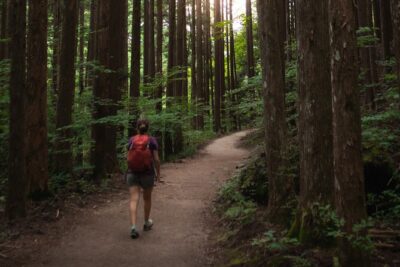
Magome & Tsumago Nakasendo Trail Day Hike with Government-Licensed Guide
Read our review →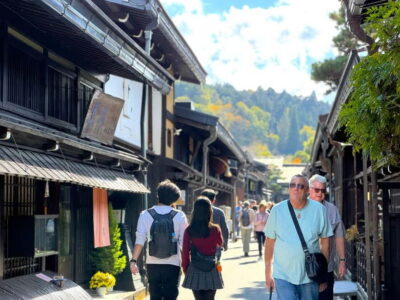
Takayama: Takayama Jinya & Old Town Private Walking Tour
Read our review →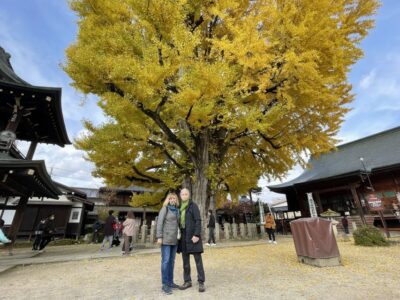
Takayama: Private Walking Tour with a Local Guide
Read our review →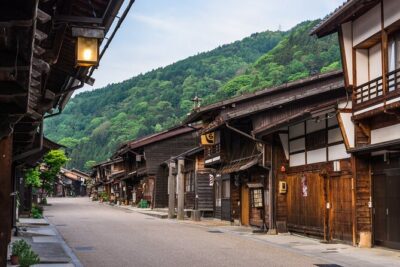
Magome & Tsumago Nakasendo Full-Day Private Trip with Government-Licensed Guide
Read our review →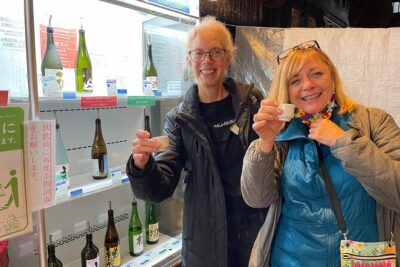
Takayama Local Cuisine, Food & Sake Cultural Tour with Government-Licensed Guide
Read our review →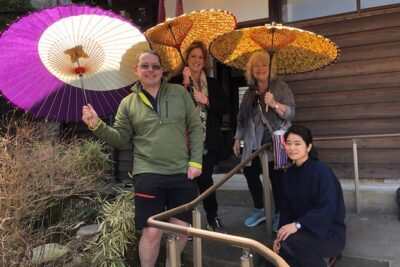
Takayama Full-Day Private Tour with Government Licensed Guide
Read our review →Browse the lists this tour appears in