
Reviewed · WALKING TOURS
Takayama: Private Walking Tour with a Local Guide
Takayama rewards a slower look. This private walking tour pairs Edo-era streets and local markets with a guide who can explain the customs behind what you see. I especially like the flexible four-to-six-hour format, and the chance to shape the route around your interests rather than follow a fixed script. The main catch is that entrance fees, food, and transportation are extra, so the $119 price is not the full day’s cost.
The guides also seem to be a major part of the experience. Lily, Annie, Mitsu, Yoko, and Yoyo are praised for clear English, friendly company, local food advice, and tailoring the pace. Annie even arranged Hida beef lunch, sake tasting, and green tea tasting for one group. Still, your tour is not fully confirmed until a guide accepts it, so read the booking terms carefully.
In This Review
- Key points at a glance
- Why a private guide helps in Takayama
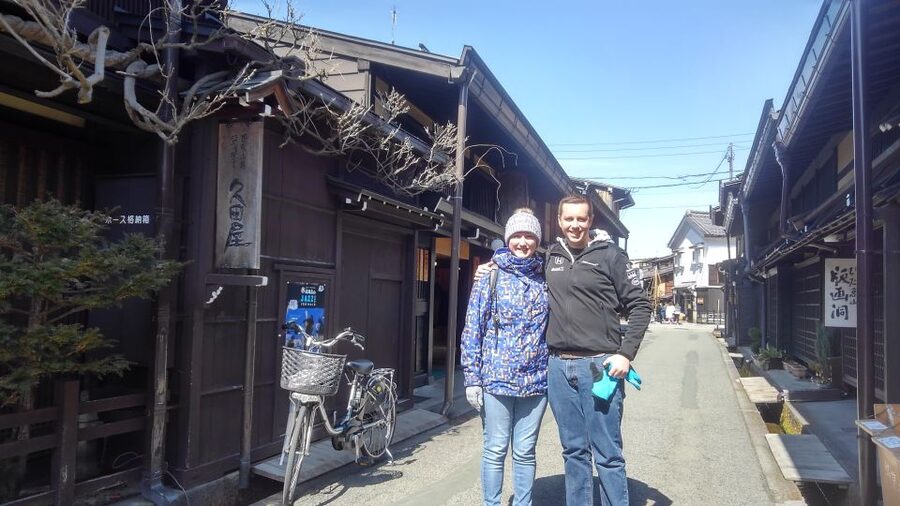
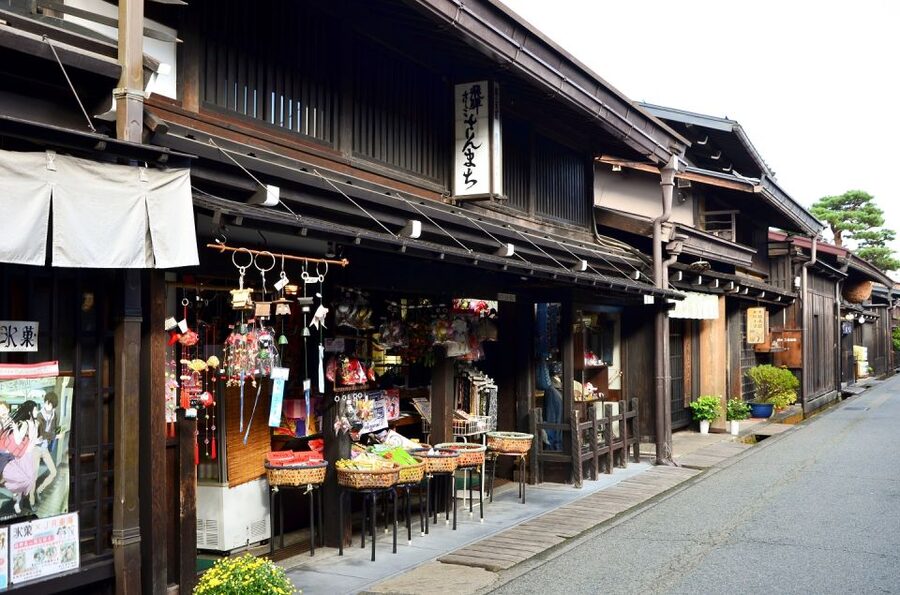
- Sanmachi Street and Takayama’s Edo-period core
- Morning markets beside the Miyagawa River
- Takayama Jinya and the old government system
- Hida Folk Village and traditional mountain homes
- Festival floats, shrines, and local tradition
- Temples, a giant ginkgo, and Meiji-era design
- What the guides add to the day
- Is $119 per person good value?
- Timing, access, and booking details
- Who should book this Takayama tour?
- Should you book it?
- FAQ
- Where does the tour take place?
- How long does the tour last?
- How much does the tour cost?
- Is the tour private?
- Which languages are available?
- Is a licensed guide included?
- Are food and drinks included?
- Are entrance fees included?
- Is transportation included?
- Can I cancel for a full refund?
- Is the booking confirmed immediately?
Key points at a glance
- Sanmachi Street brings old Takayama to life: Browse Edo-period wooden buildings, local shops, snacks, and regional specialties.
- The route can change to fit you: Your guide can focus on temples, food, museums, architecture, markets, or the wider Hida area.
- Hida Folk Village needs extra planning: It is a valuable stop, but it is outside the central old-town stroll and may require transportation.
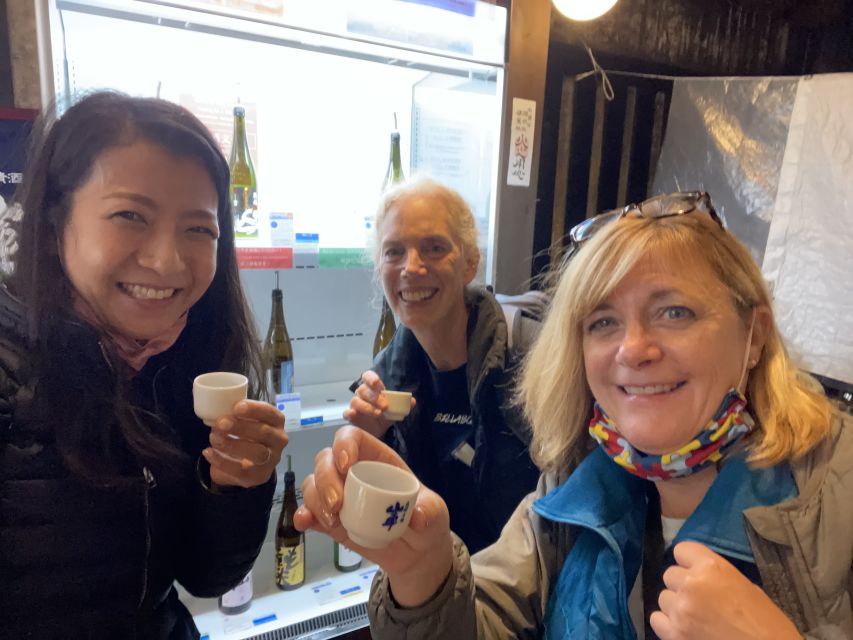
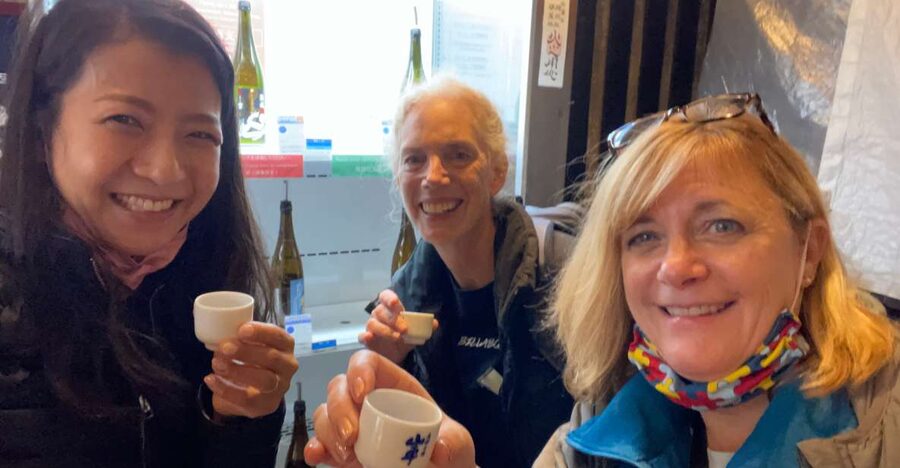
- Local food advice is a strong point: Guides have helped arrange Hida beef, ramen, sake tasting, and green tea tasting.
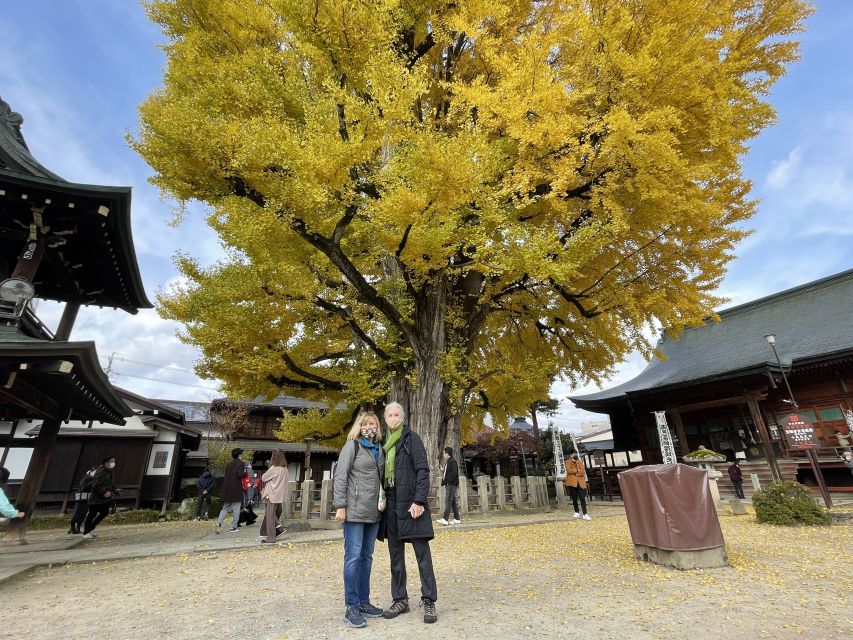
- Takayama’s small details matter: The 1,260-year-old ginkgo at Hida Kokubunji and the working history of Takayama Jinya give the city depth.
- Budget for add-ons: Food, admission charges, and public or private transport are not included in the $119 per-person fee.
Why a private guide helps in Takayama
Takayama is easy to admire but harder to understand on your own. You can walk through the old quarter, photograph the wooden facades, and visit a temple without knowing why the town developed this way or how its festivals connect to local life. A good guide turns those sights into a readable story.
The private format is the biggest advantage. You are not tied to a group’s pace or a preset list of stops. If you have already visited the morning market, your guide can spend more time on temples. If food is your priority, you can ask for local specialties and restaurant suggestions. If you are interested in architecture, the old homes and government buildings deserve more attention.
The four-to-six-hour length gives you room to see several parts of Takayama without treating every stop as a quick photograph. Four hours should work well for the central old town and a few major sights. Six hours gives you a better chance of adding Hida Folk Village or several museums, though the added admissions and transport costs need to be considered.
The experience is offered as a private group tour, with English or Japanese-speaking guides. That matters if you want to ask detailed questions or pause when something catches your eye. The guide can also adjust the amount of explanation to suit you, rather than delivering a speech meant for a large crowd.
More Private Tours in Takayama
- Kanazawa/Takayama: Shirakawago & Takayama Private Day Tour
★ 4.8 · 172 reviews - Takayama Half-Day Private Tour with Government Licensed Guide
★ 5.0 · 69 reviews - Magome & Tsumago Nakasendo Trail Day Hike with Government-Licensed Guide
★ 5.0 · 38 reviews
Sanmachi Street and Takayama’s Edo-period core
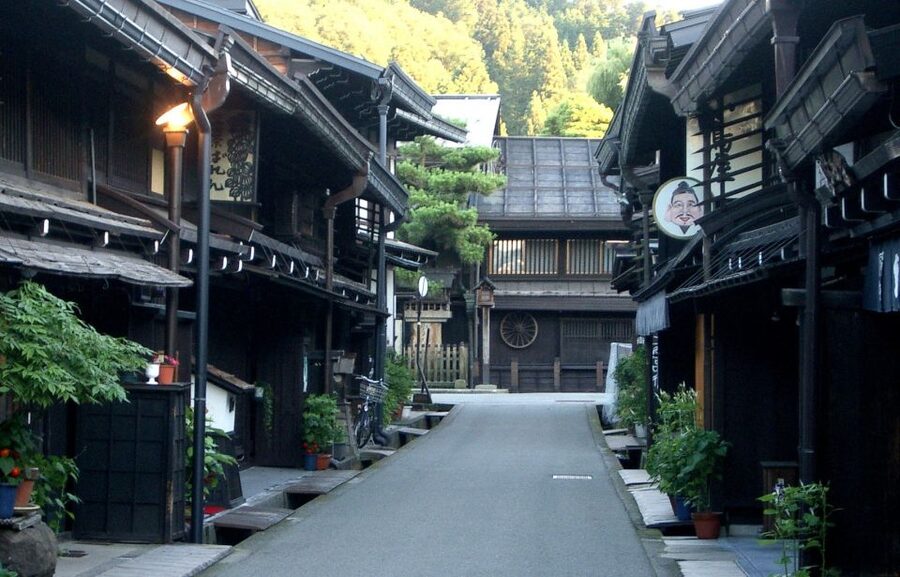
Sanmachi Street is the natural starting point for understanding Takayama. Its houses and shops date from the Edo period, from 1603 to 1868, when the town was an important center in the mountain region of Gifu Prefecture.
The street is attractive, but it is not a museum frozen in time. Shops sell local crafts, snacks, and regional products, and people come here to eat and browse. I like this mixture of working town and preserved architecture. It gives the old quarter a pulse without asking you to imagine an entirely vanished past.
Your guide can explain the details that are easy to miss, such as the design of the wooden shopfronts and the role of local products in Hida culture. This is also one of the best places to ask for practical food advice. Several guides have recommended local restaurants, including Hida beef and ramen.
Sanmachi can become crowded, especially around popular shops and food stops. A private guide helps you move with purpose, but the tour cannot remove the crowds. If quiet streets matter to you, tell your guide at the start and ask how to shape the route.
Morning markets beside the Miyagawa River
Takayama has two daily morning markets, the Miyagawa Market along the river and the Jinya-mae Market in front of Takayama Jinya. They generally run from 7:00 AM to noon, with an 8:00 AM start in winter.
Timing is important here. A morning tour gives you the best chance to see the stalls before they close. A later afternoon tour cannot include the market, so check the start time before booking if produce, crafts, and local snacks are high on your list.
The markets sell regional produce, handmade items, and small foods that are easy to sample while walking. They offer a more everyday view of Takayama than the formal museums do. I would use your guide to ask what is local, what is seasonal, and which products make sensible gifts.
Food is not included in the tour, and neither are purchases. That is no bad thing. You can spend only what interests you, but bring room in your budget if you expect to snack or buy crafts.
Takayama Jinya and the old government system
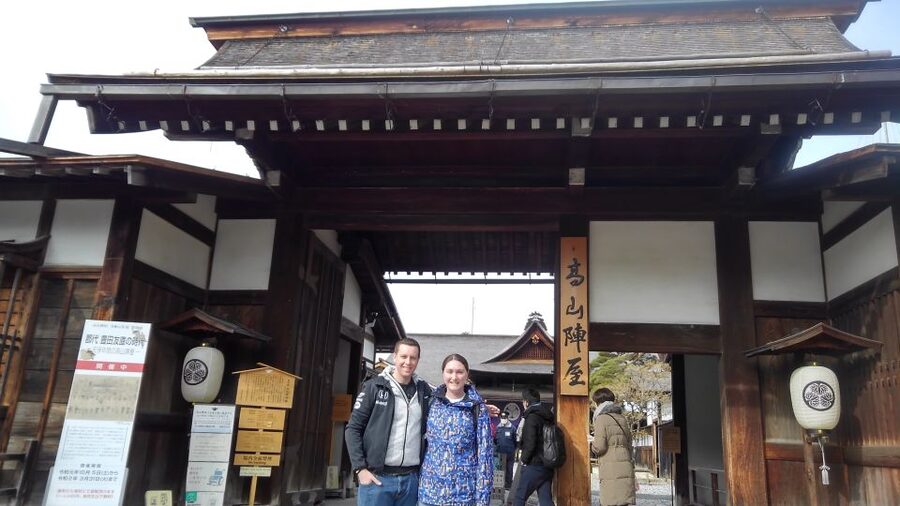
Takayama Jinya is one of the most important stops in the central area. It served as a local government office under officials sent from Edo, now Tokyo. The complex remained in official use until 1969 and is now open as a museum.
This stop gives you a different view of the town. Sanmachi shows commerce and private life. Takayama Jinya shows administration, authority, and the way the region was governed. A guide can help connect the building to the wider political structure of Japan during the Edo period.
The Jinya-mae Market sits in front of the building, which makes the two stops easy to pair if your timing is right. Admission is not included, so ask your guide about the current entrance fee when planning the route.
If you have already seen several Japanese government or castle buildings, you may find the explanations more useful than the rooms themselves. For first-time visitors to Takayama, though, it is a strong stop because it explains why this small mountain city mattered.
More Walking Tours in Takayama:
- Takayama Old Town Walking Tour with Local Guide
★ 4.5 · 50 reviews - Takayama: Takayama Jinya & Old Town Private Walking Tour
★ 4.5 · 32 reviews - Takayama: Edo-Period Old Town Walking Tour
★ 4.5 · 22 reviews - Takayama: Private Night Walking Tour with Dinner
★ 4.5 · 13 reviews
Hida Folk Village and traditional mountain homes
Hida Folk Village is an open-air museum with more than 30 traditional houses from the Hida region. The homes date from the Edo period and were moved from their original locations to create the museum in 1971.
This is a good choice if you want to understand how people lived in the surrounding mountain district, not just how merchants lived in central Takayama. The houses provide a wider sense of regional architecture and daily life. The setting also adds some of the natural beauty associated with Gifu Prefecture.
The practical issue is time. Hida Folk Village is not simply another storefront on Sanmachi Street. A visit can use a large part of a four-hour tour, and transportation is not included. If you want to add it, I would choose the six-hour option and confirm how you will reach it and what transport costs will apply.
One guide tailored a six-hour tour to include Hida Folk Village, along with a local ramen stop. That is the kind of planning this experience handles well. You get the stop you want without sacrificing every other part of the day.
Festival floats, shrines, and local tradition
Takayama Festival Floats Exhibition Hall, also called Yatai Kaikan, shows important parts of the city’s famous festival. The festival takes place over two days in spring and two days in autumn, and it is considered one of Japan’s three most beautiful festivals, along with Kyoto’s Gion Matsuri and the Chichibu Yomatsuri.
The hall displays four of the actual floats used in the festival. Seeing them indoors gives you time to study their decoration and construction without needing to visit during festival dates. If you are in Takayama at another time of year, this is the practical way to learn what the event looks like.
Sakurayama Hachimangu Shrine is next to the exhibition hall and serves as the autumn venue for the Takayama Festival. Pairing the shrine with the floats makes sense. The hall explains the objects, while the shrine explains their religious setting.
Entrance fees are extra, and you may not want to pay for every museum on the route. Tell your guide which subjects matter most. A person interested in festivals may prefer the floats, while someone focused on architecture may get more from Takayama Jinya and Kusakabe Folk Museum.
Temples, a giant ginkgo, and Meiji-era design
Hida Kokubunji Temple is a useful central stop, especially if you want a quiet break from the shopping streets. Its three-story pagoda was built in 1820, and the main building contains a Buddhist statue thought to date from the Heian period.
The temple’s most striking detail may be the huge ginkgo tree on the grounds. It is said to be more than 1,260 years old. That single tree gives the visit a sense of time that no display case can quite match.
Kusakabe Folk Museum offers another change of mood. It is a private historic residence built during the Meiji period in an Edo architectural style. The entire building is designated an important cultural property of Japan.
I would not rush these stops. Takayama’s appeal is partly in the contrast between a compact street, a temple courtyard, a merchant home, and a government complex. A guide can help you decide how much time to spend inside each place, particularly if your group includes people with different interests.
What the guides add to the day
The strongest part of this tour is not a single building. It is the guide’s ability to connect places and adapt the day.
Lily has been praised for clear English, strong knowledge of Takayama’s history, and useful food recommendations. Annie is described as flexible and good at setting the right pace. She has also helped arrange Hida beef lunch, sake tasting, and green tea tasting.
Mitsu is a particularly good choice in spirit for anyone who wants local knowledge and small discoveries. She is described as knowing the city’s corners well and explaining details with warmth. Yoko has tailored routes to personal interests and shared information about local customs and everyday life. Yoyo also adjusted an afternoon route for people who had already visited some sights earlier in the day.
Guide assignments can vary, so you should not assume you will receive a particular person. Still, the repeated praise for Lily, Annie, Mitsu, Yoko, and Yoyo suggests that the provider has several guides who understand the value of a personal route.
The communication before the tour is worth noting. One guide adjusted the plan before arrival, which is exactly what you want from a private experience. Send your priorities early: food, temples, history, architecture, the market, Hida Folk Village, or a slower pace.
Is $119 per person good value?
At $119 per person, this is not a cheap walking tour. The price makes more sense when you are traveling as a small private group and want several hours of personal guidance rather than a quick introduction.
The fee includes a licensed local guide, but not food, drinks, admission charges, or transportation to and during the tour. That can add up if you visit several museums, eat Hida beef, taste sake, and travel to Hida Folk Village.
I see the value in the route planning and local advice. A guide who saves you from wasting time, explains the city’s background, and helps you find a good local meal can make a short stay in Takayama much more rewarding. The value is strongest for first-time visitors, families, couples, and anyone staying only a day.
If you are happy to walk the old quarter independently and skip museums, you may find the price hard to justify. Takayama’s central streets are manageable on your own. You are paying for context, flexibility, and access to a local person, not merely for directions.
Timing, access, and booking details
The tour lasts four to six hours, with start times based on availability. Choose a morning start if the Miyagawa and Jinya-mae markets are essential. Choose a longer tour if you want to include Hida Folk Village along with central Takayama.
The tour is listed as wheelchair accessible, but you should still discuss your preferred route with the guide before the day. Historic buildings, market streets, and museum grounds can differ in surface and access, so a tailored plan is useful.
The tour is not confirmed until a guide accepts it. Guides generally make contact within seven days, but if nobody has accepted, updates continue until 24 hours before the start. If you need certainty far ahead, keep this point in mind before building an important travel day around the booking.
Cancellation is free up to 24 hours before the start, and you can reserve now and pay later. Those terms help if your Japan plans are still shifting.
Who should book this Takayama tour?
I would choose this tour if you have limited time and want a local person to organize the day around your interests. It is also a good fit if you care about food, want historical context, or prefer conversation to reading signs and guidebooks.
Families may appreciate the private pace. Couples can build in a food stop or focus on old houses and temples. Photographers may prefer a route that balances Sanmachi with quieter religious sites and the scenery around Hida Folk Village.
Independent explorers should think twice. You can visit many central sights without a guide, and the extra admission and meal costs are yours to cover. The tour earns its price when you want help choosing, understanding, and connecting the stops.
Should you book it?
Book it if you want a flexible half-day with a local guide, especially if this is your first visit to Takayama or you have only one day. Ask early about Hida Folk Village, market timing, entrance fees, and transport. Also share your food interests before the tour, since guides have arranged Hida beef, ramen, sake, and green tea experiences.
Skip it if you prefer a self-guided walk and plan to visit only Sanmachi Street and the central temple area. For everyone else, the private format, strong guide feedback, and adjustable pace make this one of the more useful ways to get beyond Takayama’s pretty wooden facades.
FAQ
Where does the tour take place?
The tour takes place in Takayama, also known as Hida-Takayama, in Gifu Prefecture on Honshu, Japan.
How long does the tour last?
The tour lasts between four and six hours. Available starting times depend on the date you choose.
How much does the tour cost?
The listed price is $119 per person.
Is the tour private?
Yes. It is offered for a private group.
Which languages are available?
The tour is available with a live guide in English or Japanese.
Is a licensed guide included?
Yes. The package includes a guided tour with a licensed local guide.
Are food and drinks included?
No. Food and drinks are not included. Guides may recommend or help arrange local meals and tastings, but you pay for those separately.
Are entrance fees included?
No. Admission fees for places such as museums and exhibition halls are not included.
Is transportation included?
No. Transportation to the meeting point and any public or private transportation used during the tour are extra.
Can I cancel for a full refund?
Yes. You can cancel up to 24 hours before the tour starts for a full refund.
Is the booking confirmed immediately?
No. The tour is confirmed after a guide accepts it and contacts you. Most guides contact you within seven days, but guide availability can take longer to settle.
Just added in Takayama
- Takayama Old Town Walking Tour with Local Guide★ 4.5 · 50 reviews
- Takayama Local Cuisine, Food & Sake Cultural Tour with Government-Licensed Guide★ 5.0 · 17 reviews
- Takayama Half Day Tour (Private Guide)★ 5.0 · 15 reviews
- Private Transfer from Takayama to Kanazawa Including Shirakawago★ 5.0 · 17 reviews
- Takayama Rice Ball and Miso Soup Making at a buddhist temple★ 5.0 · 13 reviews
- Takayama: Authentic Sake Tasting at a Historic Brewery★ 5.0 · 65 reviews
- Takayama Full-Day Private Tour with Government Licensed Guide★ 4.5 · 13 reviews
- Shuriken Experience in Takayama★ 5.0 · 46 reviews
Walking Tours, compared.
Kyoto Geisha Walking Tour: Gion District & Hidden Gems
Read our review →
Tokyo Tsukiji Fish Market Food and Culture Walking Tour
Read our review →
Gion Magical Night Walking Tour with Geisha Trivia
Read our review →
Imperial Palace and Shogun Historical Walking Tour
Read our review →
Gion Geisha District Walking Tour – Stories of Geisha
Read our review →

Shinjuku Local Bar and Izakaya Guided Walking Tour
Read our review →
Browse the lists this tour appears in