
Reviewed · WORKSHOPS
Osaka: Kendo Workshop Experience
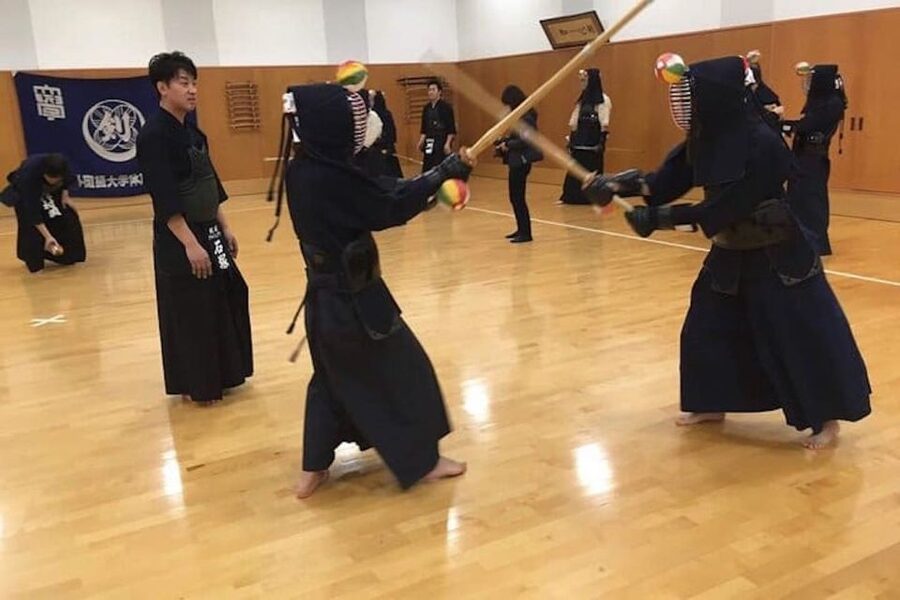
Samurai training begins with manners. This two-hour Osaka workshop gives you a real introduction to kendo, from bowing and footwork to striking with a bamboo sword, rather than a quick costume photo. I like the careful progression from etiquette to practice, and I like the chance to wear armor, face a teacher, and try a match-style mini-game. The main consideration is physical: this is not suitable for children under nine, pregnant women, wheelchair users, or people with mobility impairments.
The setting at Shigino Kaikan hall is part of the appeal. You hear bamboo swords collide, instructors call out, and the dojo’s quiet order makes the activity feel serious without making it unfriendly. English and Japanese instruction is available, and the group is kept small, usually built around two participants, so you can receive close attention.
In This Review
- Key points before you book
- What makes this kendo workshop different
- Arriving at Shigino Kaikan hall
- Changing clothes and learning the first rules
- Basic instruction with the bamboo sword
- Kendo culture between the physical exercises
- Putting on the men and facing the teacher
- The match-style mini-game
- Watching national-level demonstrations
- Photos, the towel, and the end of the session
- What the $116 price includes
- Who should book this experience
- My final call on the Osaka kendo workshop
- FAQ
- Where does the Osaka kendo workshop take place?
- How long does the kendo experience last?
- What languages are available?
- Is kendo equipment included?
- Do I need previous kendo experience?
- How many people can join?
- Is food included in the price?
- Can I cancel the booking?
Key points before you book
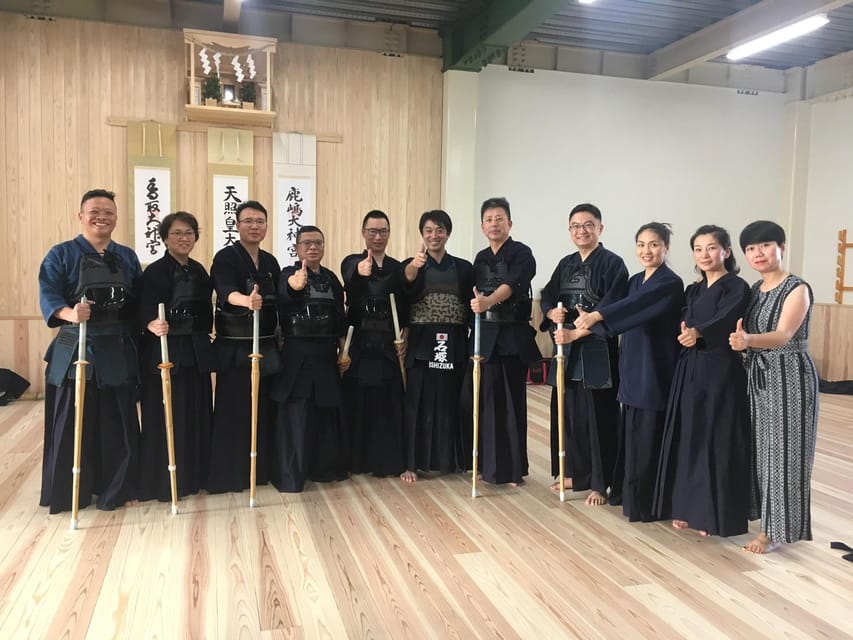
- A full two-hour introduction: You move from changing clothes and etiquette through basic instruction, sword practice, armor, a mini-match, demonstrations, and photos.
- Real equipment included: Kendo armor, bamboo swords, a special towel, and mineral water are provided.
- Small-group teaching: The experience is limited to two participants, making it easier for an instructor to correct your stance and timing.
- More than hitting: You also learn about kendo culture, martial-arts manners, and the ideas of unify your spirits and lifelong kendo.
- A strong instructor element: Yamasaki sensei has been praised for clear English, sharp corrections, humor, and patient teaching.
- A useful timing tip: Wear comfortable clothes that allow movement, and leave room in your schedule for changing before and after the session.
What makes this kendo workshop different
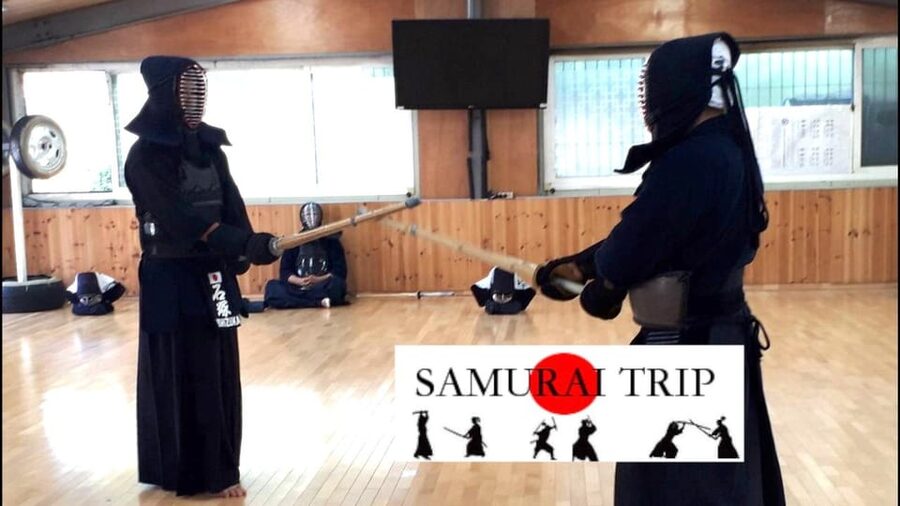
Many samurai-themed activities are built around clothing and photographs. This one gives you a structured first lesson in kendo. You still get a memorable picture at the end, but the photo comes after practice, etiquette, and contact with the equipment.
Kendo is a Japanese martial art using bamboo swords called shinai. The session does not ask you to arrive with experience. The instructors teach the basic movements and show you how to hit safely. That matters because the sound and speed of kendo can feel intimidating at first, especially when you see an experienced teacher move.
The workshop also presents kendo as more than a sport. You learn about manners and the culture around training. The ideas of unifying your spirit and continuing kendo throughout life give the class a broader purpose. You are not simply learning how to swing a sword. You are learning why posture, respect, control, and repetition matter.
A few more options to weigh up in Japan
- Universal Studios Japan Studio Pass
★ 4.8 · 89,883 reviews - Universal Studios Japan Express Pass
★ 4.7 · 53,138 reviews - Osaka Amazing Pass
★ 4.7 · 21,697 reviews
Arriving at Shigino Kaikan hall
The meeting point is 鴫野会館, or Shigino Kaikan hall. No hotel pickup or drop-off is included, so you need to make your own way there. The experience lasts two hours, but allow extra time around it for changing clothes and getting settled.
The booking information lists English and Japanese instruction. That is useful for international visitors, but the quality of the class also depends on the instructor leading your time slot. Yamasaki sensei has received especially strong praise for speaking excellent English, explaining movements simply, and keeping the mood relaxed with well-timed humor.
The small format is one of the best practical features. With a maximum of two participants listed, you should have more direct time with the teacher than you would in a large group. The activity may not feel private in every circumstance, since the information also says it is basically arranged for two people, but it is clearly designed to stay intimate.
Changing clothes and learning the first rules
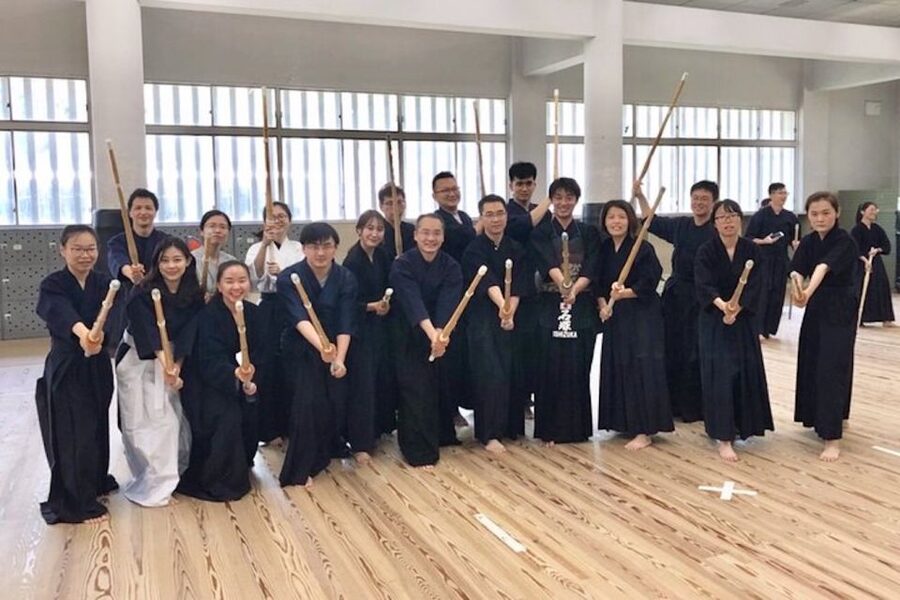
The workshop begins with changing clothes. Rental kendo armor and equipment are included, so you do not need to own a uniform or bring protective gear. A special Japanese hand towel is also supplied. You use this towel when putting on the face protector, called a men.
Then the formal side of kendo begins. You learn the etiquette of the dojo before handling the bamboo sword. This can feel slower than a standard sightseeing activity, but it is important. Bowing, attention, and respectful conduct are part of how kendo is practiced, not decorative extras added for visitors.
I like this opening because it gives the rest of the lesson meaning. When you later face the instructor or begin a practice match, you understand that the activity is controlled and ceremonial as well as physical. The class asks you to pay attention before it asks you to strike.
Basic instruction with the bamboo sword
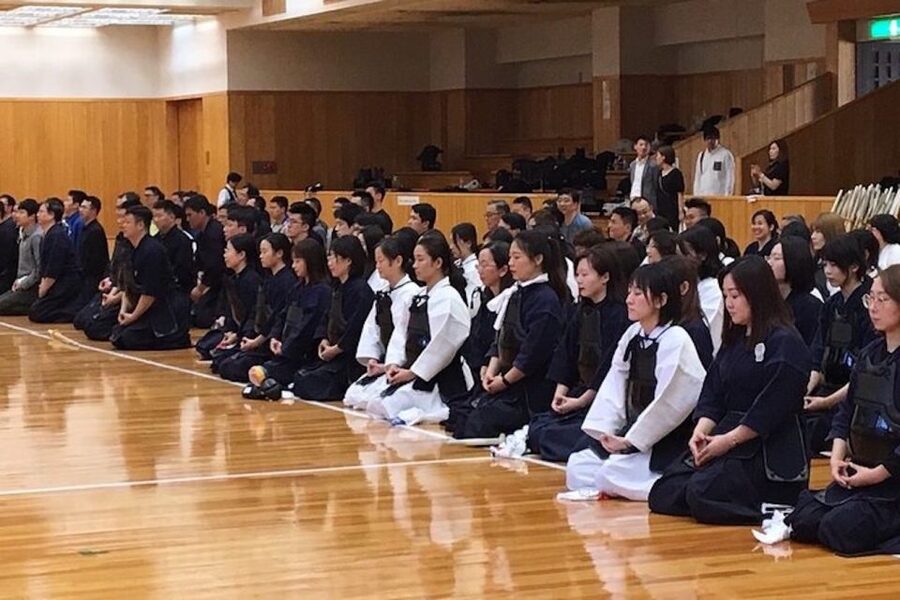
The next stage introduces the basic movements and the mechanics of hitting. You learn how to handle the bamboo sword, how to position yourself, and how to make a controlled strike. The instructors work with beginners, so you do not need previous martial-arts training.
Expect repetition. Kendo depends on form, and the teacher may watch your posture, arm position, timing, and movement closely. That close correction is one reason the small group matters. A general demonstration can show you what to do, but an instructor can point out what you are doing differently.
One particularly useful feature is the chance to strike the teacher. This gives you a clear target and lets you understand the distance and rhythm of the exercise. It also makes the lesson feel real without turning it into a dangerous contest.
You should not expect to leave with polished technique after two hours. You can expect a genuine first step, with enough structure to understand what good form is supposed to feel like. That is a better promise than pretending a short activity can turn you into a trained swordsman.
A completely different kind of day out:
- Tokyo Disney Resort – Tokyo Disneyland & Tokyo DisneySea Park Tickets
★ 4.8 · 99,488 reviews - SHIBUYA SKY Ticket
★ 4.7 · 46,509 reviews - Mt. Fuji Instagram-Worthy Spots Day Tour: Ladder Town, Oshino Hakkai, Lake Kawaguchi, Lawson Convenience Store (Departing from Tokyo Station or Shinjuku Station)
★ 4.8 · 35,467 reviews - JR Whole Japan Rail Pass
★ 4.8 · 29,150 reviews
Kendo culture between the physical exercises
At intervals, the physical work is balanced with explanations about kendo culture. You learn about the history of kendo and its manners as a martial art, along with the competitive side of matches and striking.
These pauses are helpful if you have never seen kendo before. They explain why the session includes bows, discipline, and quiet attention. The class connects the actions of the body to the values behind them.
For some people, these talks will be the most meaningful part of the workshop. For others, they may feel like a break from the more exciting sword work. The balance is sensible, but anyone looking only for fast action should know that this is a lesson in a martial art, not a continuous combat show.
Putting on the men and facing the teacher
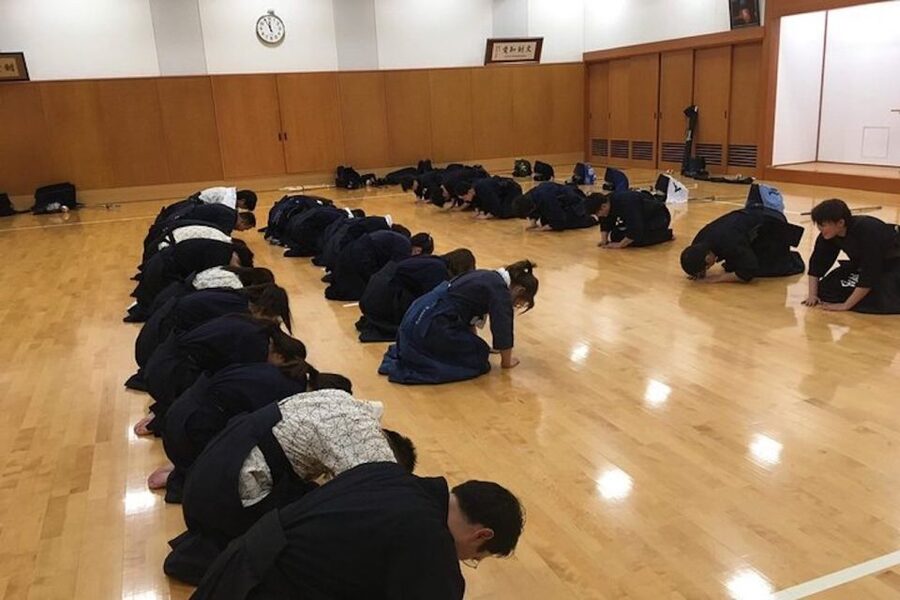
After the basic practice, you put on the men, the protective face equipment used in kendo. This is a memorable turning point. The gear changes your sense of the room, and the sound of the bamboo sword becomes sharper and more immediate.
You then practice striking the teacher again while wearing the protective equipment. The activity is designed to be safe with experienced instruction, but it remains physical. You need to follow directions carefully and accept that the instructor controls the pace.
The special hand towel included with the experience has a practical purpose here. It is used when putting on the face protector, so it is not just a souvenir handed out at the end. You also receive free mineral water, which is welcome during a session involving armor and repeated movement.
The match-style mini-game
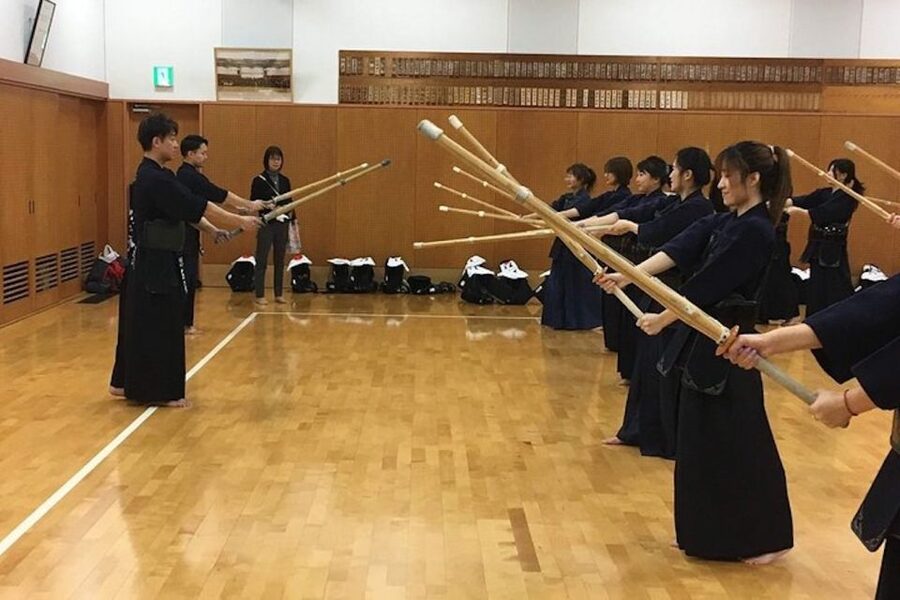
The workshop finishes the active portion with a match-style mini-game. This gives you a taste of competitive kendo without suggesting that you are ready for a formal tournament.
The mini-game is a smart choice for beginners. You have already learned the basic etiquette, practiced strikes, and worked with the teacher. Now you can use those movements in a simple contest format. You will understand more clearly how distance, timing, and concentration affect a match.
Do not expect a long or advanced bout. The goal is participation. The program is designed so that a beginner can take part, which makes this a good option for couples, friends, or family members old enough to meet the age requirement.
If you are nervous about contact, tell the instructor. The information emphasizes safe teaching by experienced instructors, and the small format should make it easier to ask questions. Still, you should be comfortable with physical activity and wearing protective equipment.
Watching national-level demonstrations
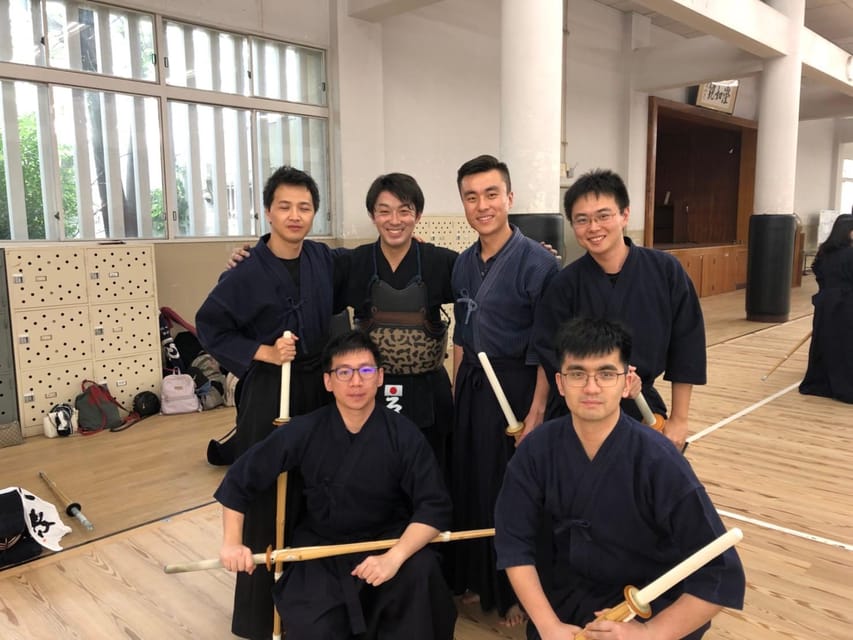
After your own practice and mini-match, national-level instructors give demonstrations. This may be the most impressive visual section of the experience.
Seeing advanced technique close up helps you understand the gap between a first lesson and expert kendo. The speed, accuracy, and timing are easier to appreciate after you have tried the basic movements yourself. A demonstration before your practice might look like a blur. Afterward, you can recognize more of what the instructor is doing.
This section also gives the workshop a sense of scale. You are not only playing at samurai training for a photograph. You are seeing the discipline at a high level and gaining a small window into what years of practice can produce.
Photos, the towel, and the end of the session
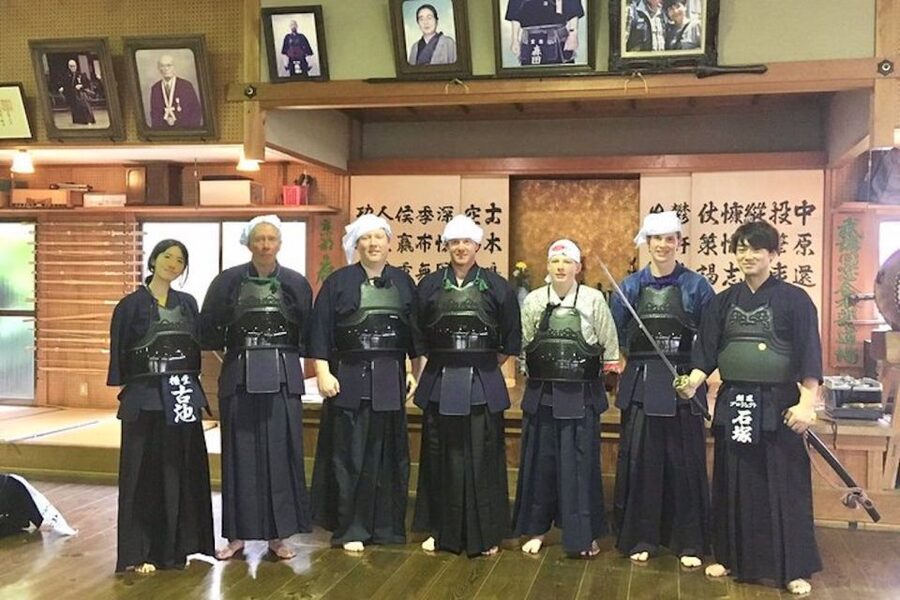
The formal closing includes etiquette and photography. You can take a picture in your kendo equipment to remember the experience, but the photograph feels more satisfying because it follows real participation.
The class ends after you change clothes. Keep this in mind when planning the rest of your day. The advertised duration is two hours, but changing is part of the program, and you do not want to rush straight into another appointment.
Afterward, you can visit an izakaya, a Japanese restaurant or drinking spot. A special samurai meal is available on the menu there. Food is not included, and the restaurant visit is separate, but it is a fitting way to continue the theme without confusing dinner with the workshop itself.
What the $116 price includes
At $116 per person, this is not a bargain-priced Osaka attraction. The value depends on what you want from the experience.
You receive professional instruction, rental armor and equipment, mineral water, and a Japanese hand towel. You also get a two-hour lesson with a small group, direct practice with the teacher, a mini-match, demonstrations by national-level instructors, and a photograph opportunity.
That is a stronger package than a short dressing-up activity. The price makes more sense if you value instruction and access to authentic equipment. It may feel high if you only want a quick samurai picture or a general cultural demonstration.
The included equipment saves you from renting anything separately. The small group is also important to the price because personal correction is central to learning kendo. I would consider it fair value for someone who wants an active, guided introduction rather than a passive show.
Who should book this experience
I would recommend this workshop to adults and older children who want a hands-on cultural activity in Osaka. It suits people interested in martial arts, Japanese etiquette, traditional training, or activities that feel different from temple visits and food tours.
It is also a good choice for two friends or relatives. A French pair of brothers, aged 22 and 18, had a particularly strong experience with the instruction and techniques, and the format works well when both participants are willing to learn and laugh at their first awkward movements.
You do not need prior kendo experience. In fact, beginners are likely to get the most from the clear sequence of instruction. People who have already practiced kendo may also enjoy the chance to work with a Japanese instructor, though the session remains an introduction rather than advanced training.
This is not suitable for children under nine, pregnant women, people with mobility impairments, or wheelchair users. Pets, alcohol, and drugs are not allowed. Since food and transportation are excluded, factor those costs into your plans.
My final call on the Osaka kendo workshop
Book this if you want to do more than wear a costume. The careful etiquette, real bamboo swords, direct practice with the teacher, small group, and national-level demonstrations make it a substantial two-hour experience.
Skip it if you want a relaxed activity with little physical effort, or if your schedule cannot allow time for changing and a focused class. At $116, the price asks you to value instruction, equipment, and authenticity.
For the right person, this is a memorable first encounter with kendo. You may not leave as a samurai, but you will understand why posture, manners, control, and spirit matter in the art.
FAQ
Where does the Osaka kendo workshop take place?
The meeting point is 鴫野会館, known as Shigino Kaikan hall, in Osaka on Honshu.
How long does the kendo experience last?
The planned experience lasts two hours. This includes changing, instruction, practice, demonstrations, etiquette, and photography.
What languages are available?
Instruction is available in English and Japanese.
Is kendo equipment included?
Yes. Rental kendo armor and equipment are included, along with a special Japanese hand towel and mineral water.
Do I need previous kendo experience?
No. The instructors teach the basic course, including etiquette, basic movements, bamboo-sword strikes, striking the teacher, and a match-style mini-game.
How many people can join?
The activity is listed as a small-group experience limited to two participants. The information also says it is basically arranged for two people.
Is food included in the price?
No. Food is not included. You can visit an izakaya afterward, where a special samurai meal is available separately.
Can I cancel the booking?
You can cancel up to 24 hours in advance for a full refund. The reserve-now, pay-later option lets you book without paying immediately.
Just added in Japan
- A One-of-a-Kind Sushi Experience in a Special Place of Japan★ 5.0 · 15 reviews
- Tokyo Cute Bento Cooking Class – Make a Kawaii Character Lunchbox★ 5.0 · 126 reviews
- Japanese Home Cooking Class & Walk in Todoroki Temple Tokyo★ 5.0 · 88 reviews
- Japan Tokyo Tower Observatory Deck E-Ticket★ 4.0 · 34 reviews
- Catch a Baseball Game in Tokyo with a Local – Tickets Included★ 5.0 · 24 reviews
- JDM Experience with Fast&Furious RX-7 (English speaking Driver)★ 5.0 · 57 reviews
- Tokyo Private Day Tour by Car with English speaking Driver Guide★ 4.0 · 29 reviews
- Japan Classic 10 Day – One Life Adventures★ 5.0 · 129 reviews
Workshops, compared.
Sushi Making Tokyo Roll and Authentic Japanese Sushi Class
Read our review →
Gion Make Your Own Chopsticks with Engraving Option
Read our review →
Roll and Authentic Sushi Making Class in Asakusa
Read our review →
Ramen Cooking Class at Ramen Factory in Kyoto
Read our review →
Tokyo Asakusa Chopsticks Workshop: Make Your Own Pair
Read our review →
Ring Making Workshop : Vintage Japanese Coin Ring
Read our review →Browse the lists this tour appears in