
Reviewed · TEMPLES AND SHRINES
Osaka: Mind & Spirit Balance Temple Reiki Healing
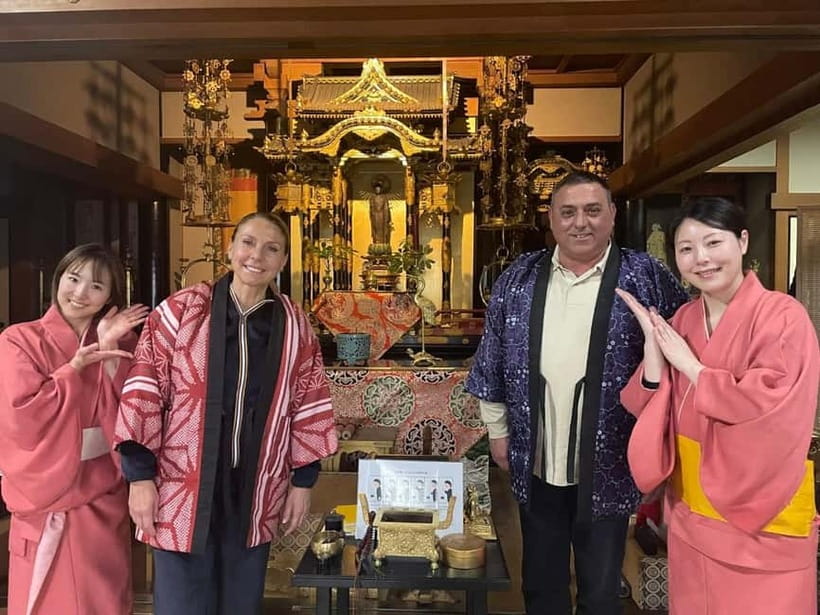
A temple can reset more than your sightseeing plan. Osaka’s Mind & Spirit Balance Temple experience pairs Reiki healing with a full-body oil massage, foot bath, incense, and a traditional tea ceremony. I like the calm setting and the way the visit adds context about Japanese worship, rather than treating the temple as a pretty room for a spa treatment. I also like the small group limit of three, which keeps the session personal.
The main consideration is that the tea ceremony may be shared with other people, even though your treatments are individual. At $161 for two hours, this is not a budget massage, but the price covers several distinct experiences, including a yukata, Japanese sweets, guided temple customs, and smartphone photos.
In This Review
- Five details that shape the experience
- A two-hour pause inside Osaka
- Finding the temple without losing time
- Changing into a yukata and settling in
- Incense, bells, and a gentler look at worship
- The foot bath and scrub massage
- Oil massage and the non-contact Reiki session
- Matcha, wagashi, and the final change of pace
- What $161 gets you in Osaka
- Who will enjoy this temple wellness experience
- Should you book it?
- FAQ
- Where does the Osaka Reiki experience take place?
- What should I search for if I cannot find the meeting point?
- How long does the experience last?
- How much does it cost?
- What treatments are included?
- Is Reiki a hands-on treatment?
- Is the tea ceremony private?
- Is a yukata included?
- What happens during the cultural portion?
Five details that shape the experience
- A working temple setting: You visit a small temple in central Osaka, offer incense, and learn about Japanese worship culture before the treatments begin.
- Reiki is non-contact: The Reiki portion uses no physical contact and is designed to support relaxation and emotional balance.
- Arisa and Naomi are named hosts: Arisa is praised for her gentle, professional treatment, while Naomi also receives warm mention for caring service.
- The treatments are private, the tea may not be: Your massage and other treatments are individual, but the tea ceremony can include other people.
- The meeting point needs care: Search Google Maps for Japanese Massage -the one&only- or the nearby restaurant Tossa de coracao, not the temple name.
- You leave with a keepsake: The experience includes smartphone photos in your yukata, so you have more than a relaxed body to take home.
A two-hour pause inside Osaka
Osaka is famous for food, shopping, bright signs, and a quick pace. This activity gives you a very different two hours. Instead of moving from one sight to the next, you slow down inside a small temple and let the visit unfold through touch, scent, sound, and tea.
The format is useful if you want more than a standard massage. You are not simply shown a treatment room, given an hour of oil massage, and sent back into the city. The experience connects several Japanese practices: incense offering, meditation, a foot bath, massage, Reiki, a yukata, and matcha with wagashi.
I would think of it as a wellness activity with a cultural layer. It is not a substitute for visiting a major historic temple, and it is not a formal religious ceremony for visitors to observe from the sidelines. Its value comes from the chance to receive explanations and take part in small rituals in a quiet setting.
The total time is 120 minutes. That is long enough for the activity to feel like a real break, but short enough to fit into a full Osaka itinerary. You could place it on a busy sightseeing day when your feet need help, or schedule it near the end of your Japan trip when you want a calm final memory.
More Temples and Shrines in Osaka
- Osaka: Katsuo-ji Temple
★ 4.9 · 996 reviews - Osaka: Minoh, Katsuoji Temple, & Minoh Falls Full-day Tour
★ 4.9 · 172 reviews - Sagano Romantic Train & Arashiyama, Kiyomizudera, Fushimi Inari Taisha Day Tour
★ 4.5 · 171 reviews
Finding the temple without losing time
The meeting instructions matter. Enter Japanese Massage -the one&only- into Google Maps. If you search for the temple itself, you may be directed to the back entrance and end up wandering around the wrong side.
The nearby restaurant Tossa de coracao is another useful landmark. The meeting place is right next to it. I would save both names before setting out, especially if you are arriving after dark or do not have a reliable data connection.
The experience is in Osaka on Honshu, but the exact neighborhood and nearest station are not provided. That means you should allow extra time to locate the entrance rather than cutting it close. A late arrival would be a poor start to an appointment built around calm.
The group is limited to three people. That is a real advantage in a small temple, where a large party could change the mood. Your treatment is individual, but remember that the tea portion may be shared. If you need every part of the visit to be private, contact the provider in advance.
Changing into a yukata and settling in
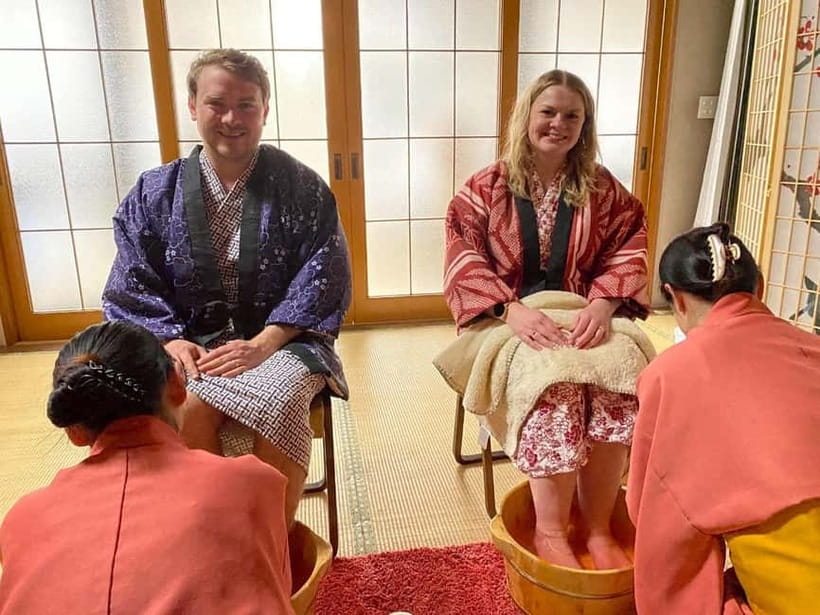
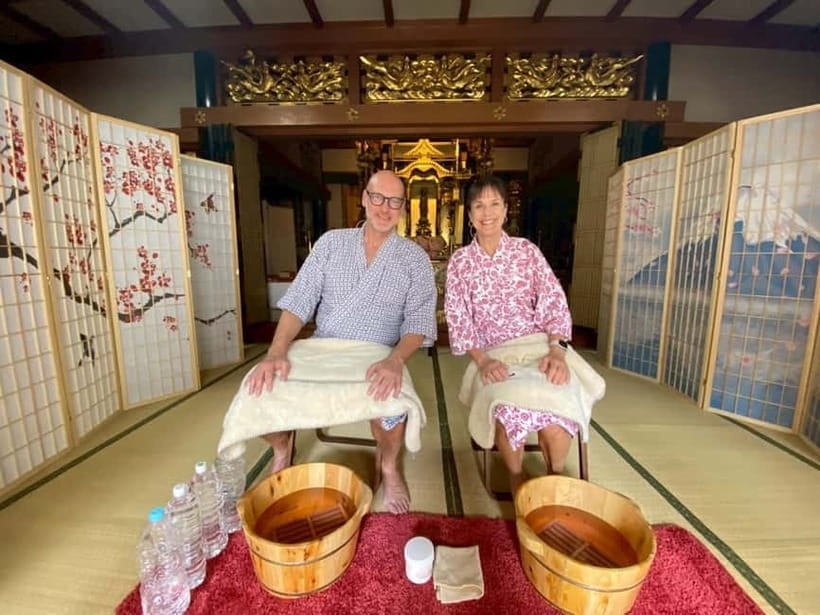
The visit begins with a welcome drink and a change into a yukata. A yukata is a light Japanese robe, often associated with summer festivals, inns, and relaxed settings. Here, it helps mark a change from ordinary sightseeing to a slower, more ceremonial experience.
You should expect the yukata to be part of the activity, not a costume rental for walking around Osaka. The complimentary smartphone photo gives you a simple souvenir from the visit. It also makes the robe feel connected to the temple experience rather than just another item on a photo checklist.
The welcome drink gives you a moment to settle before the cultural portion begins. This small pause matters. Massage and Reiki work better when you are not still checking directions, thinking about your next train, or trying to rush through the opening instructions.
Incense, bells, and a gentler look at worship
The temple visit includes an incense offering and an introduction to the temple’s history and Japanese worship culture. You also take part in meditation with a bell and kneaded incense.
These details give the treatment a stronger sense of place. Incense is not only a pleasant smell here. It helps you pay attention to the room and to the act of arriving. The bell creates a clear break from Osaka’s city noise, while kneaded incense adds a hands-on element to the meditation.
I like this part because it gives you basic cultural guidance. Many visitors enter Japanese temples unsure of what to do, where to stand, or how much participation is appropriate. An explanation removes that uncertainty without turning the visit into a long lecture.
You should keep your expectations sensible. This is an introduction to worship customs within a wellness program, not an in-depth temple study. If your main goal is architecture, religious art, or detailed Buddhist history, a dedicated temple tour would offer more. If you want a brief and respectful introduction before relaxing, this format makes good sense.
More Temples and Shrines in Japan:
- [Kyoto & Nara Day Tour] Sagano Scenic Railway & Nara Park & Fushimi Inari Taisha Thousand Torii Gates & Togetsukyo Bridge & Bamboo Grove & Kimono Forest (Departing from Osaka)
★ 4.9 · 10,942 reviews - Mount Fuji & Hakone – Lake Ashi Torii Gate, Hakone Shrine, Hakone Pirate Ship, Hakone Ropeway, Owakudani, Lake Yamanaka & Oshino Hakkai Day Trip: Sea, Land, and Air Panoramic Tour from Tokyo
★ 4.8 · 7,989 reviews - Kyushu One-Day Tour: Yufuin no Mori Train & Yufuin Town & Nyoirin-ji Temple & Dazaifu & Hell Hot Springs (Departing from Fukuoka)
★ 4.9 · 4,474 reviews - Kyoto: Fushimi Inari, Kinkakuji, Bamboo Grove 1 Day Bus Tour
★ 4.8 · 4,316 reviews
The foot bath and scrub massage
The foot bath is one of the most practical parts of the experience. Osaka days can mean plenty of walking, and a warm foot bath gives your body an immediate reason to slow down. It also prepares you for the treatment that follows.
The foot care includes a scrub massage. This is a useful contrast to the later full-body work because it starts with a small, focused treatment. You feel attention move from the feet, which carry you through the city, toward the rest of the body.
I would especially value this portion after several days in Japan. It is not flashy, but it addresses the tiredness that often builds under an ambitious sightseeing plan. The foot bath also creates a clear transition from the temple introduction to the hands-on wellness portion.
The supplied details do not specify the water temperature, scrub ingredients, or exact length of the foot treatment. You should therefore avoid expecting a particular product or spa technique. What is clear is that the foot bath and scrub are included within the two-hour program.
Oil massage and the non-contact Reiki session
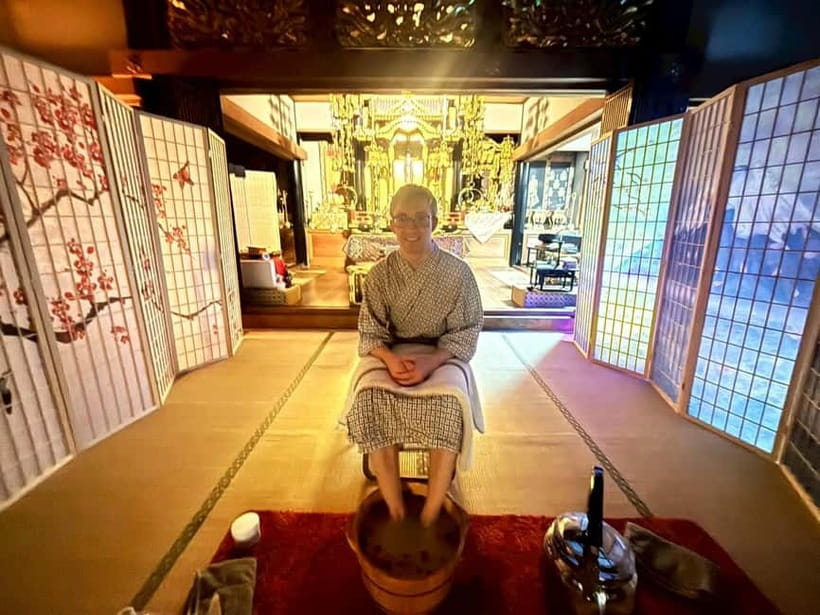
The treatment includes a full-body oil massage with essential oils and a Reiki session. The massage provides the physical work, while Reiki uses a different approach.
Reiki is described here as a non-contact Japanese energy healing method intended to promote deep relaxation and emotional balance. That point is important. You should not expect Reiki to feel like another massage, because it does not rely on physical pressure in the same way.
I appreciate that the activity makes the distinction clear. If you are looking for firm muscle work, ask yourself how much of your ideal session should involve an oil massage and how much should involve quiet, non-contact relaxation. If you enjoy gentle wellness practices, the combination may feel well balanced.
The strongest praise centers on the quality of the treatment and the sense of calm afterward. Arisa is singled out for kind, professional care and strong massage technique. Naomi is also praised for her warm attention, including when she looked after a parent and child together. Those details suggest that the human side of the session is a major part of its appeal.
Still, Reiki is not a medical treatment, and the experience presents it as a way to relax and restore balance. You should book it for rest and personal reflection, not as a replacement for medical care or physical therapy.
Matcha, wagashi, and the final change of pace
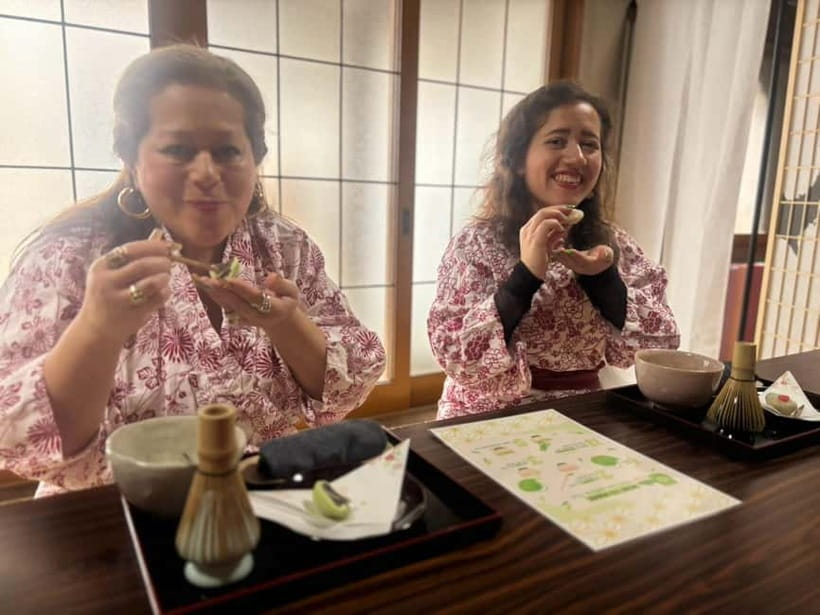
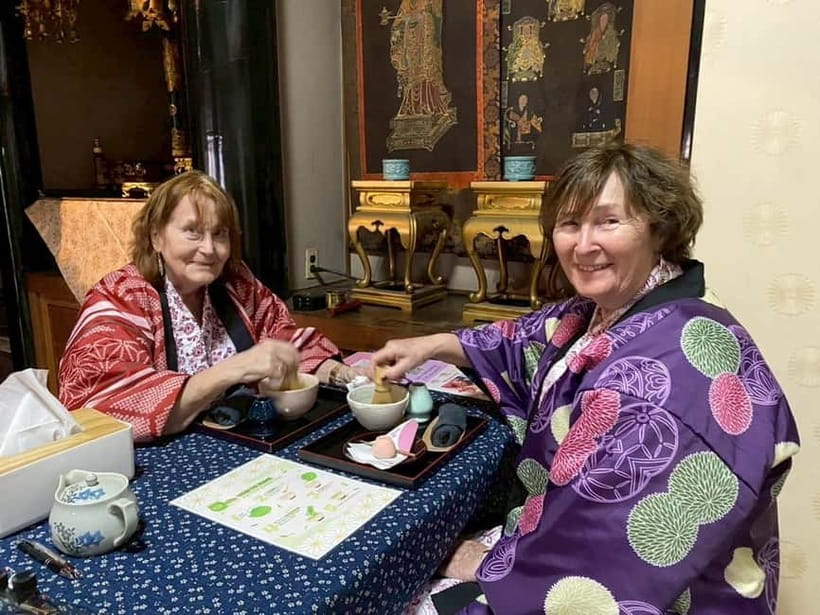
The tea ceremony closes the experience. You receive traditional Japanese tea with wagashi, the small sweets served alongside it, while learning about the ceremony’s cultural and historical meaning.
This ending works well because tea asks you to sit still after the massage. The ceremony has its own rhythm, and the sweets add a simple taste of Japanese hospitality. You do not need to know the correct gestures in advance. The cultural explanation is part of the activity.
The tea portion may be shared with other people. That is the clearest privacy limitation in the program. Your massage and treatment are individual, but the tea ceremony can bring the small group together. For many people, that shared element will feel natural. If you are booking a couples session or marking a private occasion, contact the provider first and ask about a fully private arrangement.
The tea ceremony is also where the cultural value becomes most visible. You are not only receiving a service. You are learning why the tea is presented in a particular way and how the ceremony fits into Japanese tradition. The explanation keeps the activity from becoming a quick cup of matcha added at the end.
What $161 gets you in Osaka
At $161 per person, the cost is high for a two-hour massage. If you compare it only with local spa prices, you may decide it is expensive.
The better comparison is with a bundled cultural and wellness activity. Your fee includes the Reiki session, full-body oil massage, foot bath and scrub, yukata experience, incense offering, meditation, temple introduction, tea ceremony with wagashi, and smartphone photos. You are paying for the setting and guided structure as well as the treatments.
I see the price as fair for someone who wants several small Japanese experiences in one appointment. It is less compelling for someone who wants only a long, intense massage. The program spreads its time across many parts, so no single treatment receives the entire two hours.
The small group limit also adds value. A maximum of three people is more personal than a large commercial wellness class. Keep in mind, though, that the tea may still be shared, and the exact time devoted to each stage is not provided.
Free cancellation is available up to 24 hours before the start time, and you can reserve now while paying later. Those terms help if your Osaka plans are still shifting. Check the available start times before booking because the activity lasts two hours.
Who will enjoy this temple wellness experience
I would recommend it to you if you want:
- A quiet break from Osaka’s busy streets
- A first introduction to incense, meditation, tea, and Japanese worship customs
- A massage combined with non-contact Reiki
- A small-group activity rather than a large class
- A meaningful final activity before leaving Japan
- A gentle experience for two people, including a parent and child, as long as the treatments suit everyone
The activity is also a good fit for a person who enjoys atmosphere as much as technique. The temple setting, yukata, incense, bell, and matcha create a complete mood.
I would be more cautious if you want a clinical massage, a highly athletic treatment, or total privacy throughout. Reiki may not appeal to you if you prefer treatments with a clearly physical method. The tea ceremony may also feel less intimate if other participants are present.
The experience has received a perfect five-star rating from 41 reviews, and the praise is consistent around the massage, kindness of the staff, peaceful temple setting, and emotional lift afterward. That does not guarantee that every person will respond to Reiki in the same way, but it does point to a reliable strength: the staff and the overall feeling of care.
Should you book it?
Book this if you want Osaka to give you a quiet cultural memory, not just another meal, shop, or city view. The best reason to choose it is the combination of a small temple, professional massage, non-contact Reiki, and tea with wagashi.
At $161, it asks you to value the whole two-hour experience rather than the massage alone. I would book it near the end of a long Japan trip, after several demanding sightseeing days, or as a thoughtful activity for a small party.
Before you go, save the correct map name, arrive with time to spare, and decide if a shared tea ceremony suits your plans. If you want a fully private visit, contact Japanese Massage 唯一無二, the one&only, before paying. For the right person, this is a calm, carefully paced way to connect body care with Japanese tradition.
FAQ
Where does the Osaka Reiki experience take place?
It takes place at a small temple in Osaka, on Honshu, Japan. For directions, search Google Maps for Japanese Massage -the one&only-.
What should I search for if I cannot find the meeting point?
Search for the restaurant Tossa de coracao. The meeting place is right next to it.
How long does the experience last?
The experience lasts 120 minutes, or two hours.
How much does it cost?
The listed price is $161 per person.
What treatments are included?
The activity includes Reiki healing, a full-body oil massage with essential oils, a foot bath, and a scrub massage.
Is Reiki a hands-on treatment?
No. Reiki is described as a non-contact Japanese energy healing method intended to support relaxation and emotional balance.
Is the tea ceremony private?
The treatments are individual, but the tea ceremony may be shared with other people. Contact the provider if you prefer a completely private experience.
Is a yukata included?
Yes. You receive a welcome drink, change into a yukata, and receive a complimentary smartphone photo as a keepsake.
What happens during the cultural portion?
You visit the temple, make an incense offering, learn about the temple’s history and Japanese worship culture, and take part in meditation with a bell and kneaded incense. The experience ends with traditional tea and wagashi.
Just added in Japan
- A One-of-a-Kind Sushi Experience in a Special Place of Japan★ 5.0 · 15 reviews
- Tokyo Cute Bento Cooking Class – Make a Kawaii Character Lunchbox★ 5.0 · 126 reviews
- Japanese Home Cooking Class & Walk in Todoroki Temple Tokyo★ 5.0 · 88 reviews
- Japan Tokyo Tower Observatory Deck E-Ticket★ 4.0 · 34 reviews
- Catch a Baseball Game in Tokyo with a Local – Tickets Included★ 5.0 · 24 reviews
- JDM Experience with Fast&Furious RX-7 (English speaking Driver)★ 5.0 · 57 reviews
- Tokyo Private Day Tour by Car with English speaking Driver Guide★ 4.0 · 29 reviews
- Japan Classic 10 Day – One Life Adventures★ 5.0 · 129 reviews
Temples and Shrines, compared.
![[Kyoto & Nara Day Tour] Sagano Scenic Railway & Nara Park & Fushimi Inari Taisha Thousand Torii Gates & Togetsukyo Bridge & Bamboo Grove & Kimono Forest (Departing from Osaka)](https://media.japanvisits.com/wp-content/uploads/kyoto-nara-day-tour-sagano-scenic-railway-nara-park-fushimi-inari-taisha-thousand-torii-gates-togetsukyo-bridge-bamboo-grove-kimono-forest-departing-from-osaka-k110001-400x257.jpg)
Kyushu One-Day Tour: Yufuin no Mori Train & Yufuin Town & Nyoirin-ji Temple & Dazaifu & Hell Hot Springs (Departing from Fukuoka)
Read our review →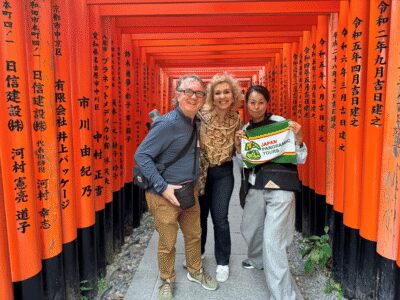
Fushimi Inari, Kinkakuji, Bamboo Grove 1 Day Bus Tour
Read our review →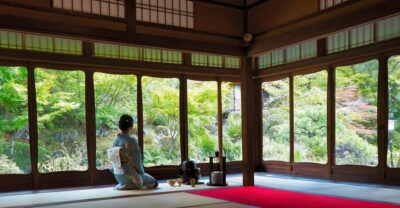
Tea Ceremony in a Traditional Tea House in Kiyomizu
Read our review →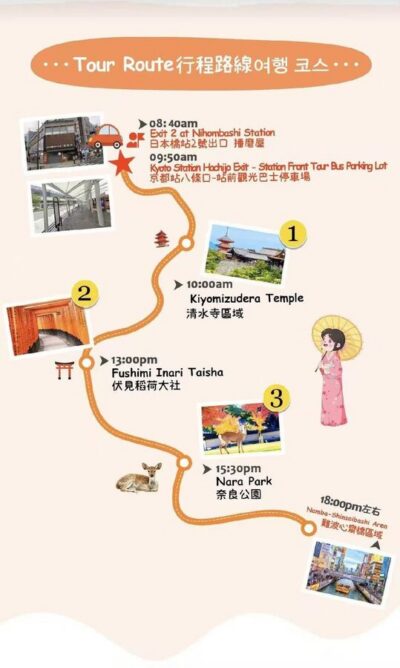
Kyoto Nara Day Trip │ Kiyomizu-dera Temple + Fushimi Inari-taisha Shrine + Nara Park (Departing from Osaka/Kyoto)
Read our review →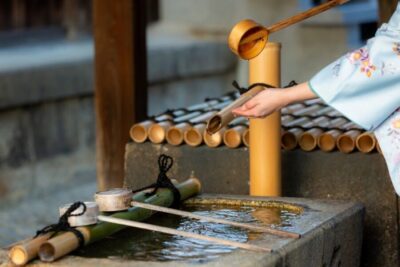
Browse the lists this tour appears in