
Reviewed · WORKSHOPS
Osaka: Sashiko Japanese Craftsmanship Workshop
Small stitches, lasting memories. This two-hour Osaka workshop gives you a calm, hands-on introduction to Sashiko, the Japanese sewing art that began as a way to mend and strengthen clothing. I especially like the patient instruction from Jun and the fact that you leave with a useful handmade item, not just a quick demonstration.
The small group, limited to eight people, makes it easier to ask questions and get help with your stitching. The main consideration is that the class has a minimum of two participants, so solo bookers may need to change dates, pay a 3,000-yen supplement, or accept a refund if no second participant joins.
In This Review
- Key points to know
- What Sashiko means beyond decoration
- Entering the workshop space in Osaka
- The first lesson: history, tools, and basic stitches
- Making your own geometric coaster
- Why the small group size matters
- A quiet activity for a busy Osaka day
- The shopping corner and what you can continue at home
- Is $67 a fair price?
- Who should book this Sashiko class?
- Practical details before you book
- Should you book the Osaka Sashiko workshop?
- FAQ
- How long does the Sashiko workshop last?
- How much does the workshop cost?
- What will I make during the class?
- Are tools and materials included?
- Is the workshop suitable for beginners?
- Which languages are available?
- How many people can join the workshop?
- Can I be met at Kyobashi Station?
- What happens if I book alone and the minimum group is not reached?
- Is cancellation available?
Key points to know

- You make geometric Sashiko coasters: The project is practical, manageable, and easy to carry home.
- Jun provides hands-on instruction: English and Japanese guidance is available, with a relaxed approach suited to beginners.
- The workshop takes place in a historic house: Wooden stairs and exposed framework add character to the setting.
- The group is capped at eight people: This keeps the class personal without making it feel too private.
- You learn the story behind the stitches: The session connects patterns with Japanese customs and everyday life.
- A small shopping corner is available: You can browse original JunAle goods, sewing kits, threads, and clothing.
What Sashiko means beyond decoration
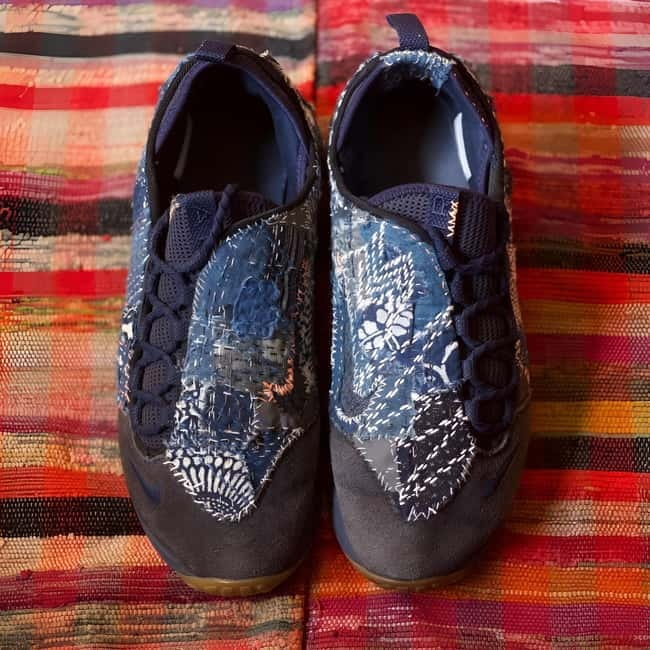
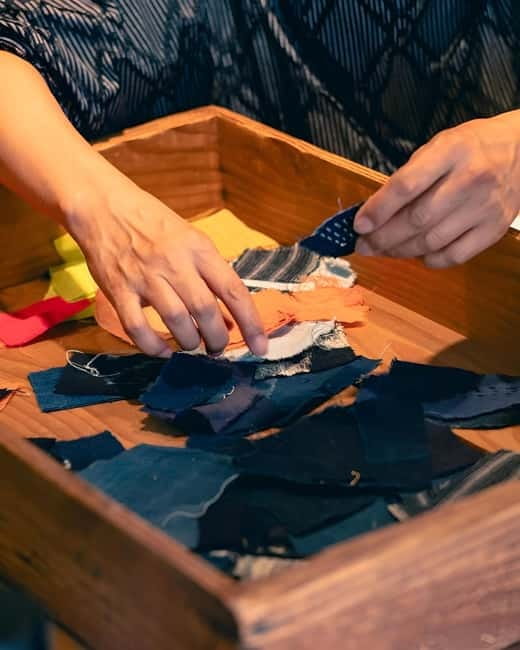
Sashiko translates roughly as little stabs, a plain name for a craft built from repeated running stitches. During the Edo period, from 1603 to 1868, people in rural Japan used it to repair, reinforce, and insulate clothing.
Farmers and fishermen needed garments that could survive hard work and cold winters. Instead of discarding worn fabric, they joined layers and strengthened weak spots with rows of white or colored thread. The result was useful first, attractive second.
That practical beginning still shapes the appeal of Sashiko today. You are not simply copying a decorative pattern. You are learning a technique rooted in repair, thrift, patience, and care for materials.
Over time, different parts of Japan developed their own designs. Many patterns use repeated geometric shapes, and some carry symbolic meanings. The workshop introduces this background before you begin stitching, so your coaster has a little cultural context behind it.
I like that balance. The class does not treat Sashiko as a vague souvenir craft. It explains why the stitches look the way they do and how the technique grew from ordinary clothing into a respected art form.
A few more options to weigh up in Japan
- Universal Studios Japan Studio Pass
★ 4.8 · 89,883 reviews - Universal Studios Japan Express Pass
★ 4.7 · 53,138 reviews - Osaka Amazing Pass
★ 4.7 · 21,697 reviews
Entering the workshop space in Osaka
The workshop is held in a small, welcoming space with a characterful old-house setting. One participant described the wooden stairs and visible framework as an unexpected highlight. That detail matters because the surroundings add a sense of place without taking attention away from the craft.
You are not walking into a large commercial studio built only for short activities. The atmosphere is more personal and homelike, which suits a slow handcraft. The setting also helps connect the activity to older Japanese ways of making and repairing things.
With advance notice, you can be met at Kyobashi Station. Transportation to and from the venue is not included, so you need to arrange your own route. The information provided does not specify a fixed meeting time or exact walking directions, so check the starting time and venue instructions carefully before setting out.
The class is wheelchair accessible. If you need specific assistance at the venue, it is sensible to mention that when booking, even though the activity is listed as accessible.
The first lesson: history, tools, and basic stitches
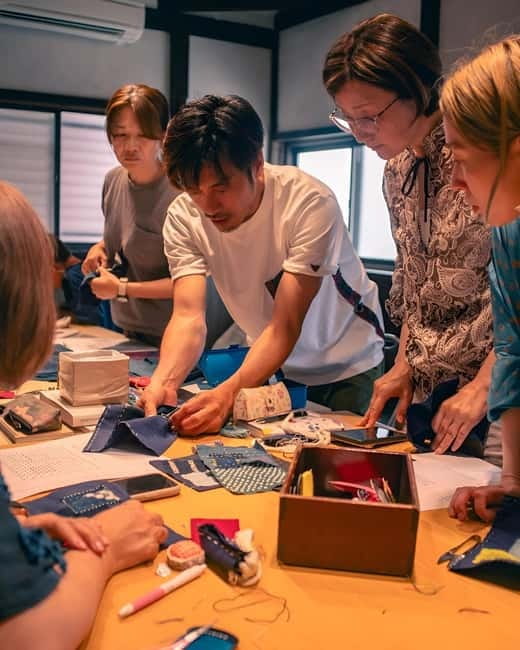
The session begins with an introduction to Sashiko and its place in Japanese craft. You learn how the method was once used to make clothing warmer and more durable, then see how regional patterns developed over time.
Next comes a demonstration of the basic stitching technique. Materials are supplied, including fabric, needles, thread, and the other tools needed for the project. You do not need to pack a sewing kit or buy supplies before arriving.
The instructor shows you how to form neat, repeated stitches and how to follow a geometric pattern. Precision matters, but perfection is not the point. Sashiko works because individual stitches form a larger rhythm, so you can concentrate on keeping the pattern consistent rather than worrying about every tiny flaw.
English and Japanese instruction is available. Jun is praised for being patient, friendly, and encouraging. One session included participants from different countries, and the relaxed teaching style helped everyone take part. Another class was taught by Nene, who was comfortable communicating with Australian participants and added an extra stitch for people who finished early.
That suggests a useful point for experienced sewers: you may move through the basic coaster quickly. If you already sew or embroider, ask if there is an additional stitch or technique to try. The workshop is aimed at beginners, but the instruction can stretch a little for people with more experience.
Making your own geometric coaster
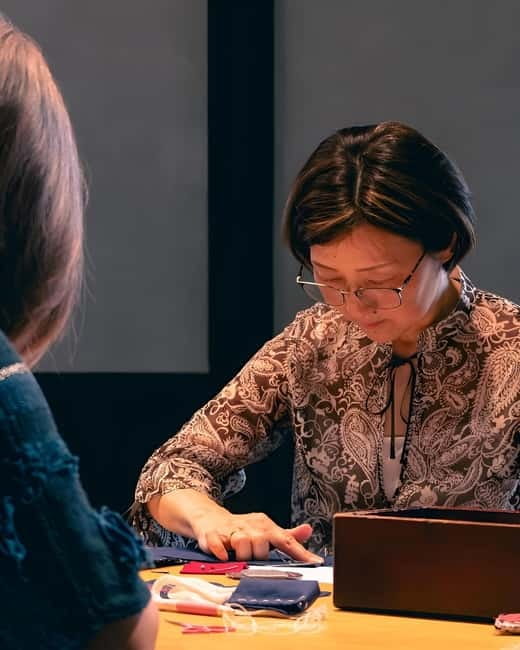
Your main project is a Sashiko coaster. This is a smart choice for a two-hour class. It is small enough to finish during the session but substantial enough to show the regularity and character of the craft.
You begin by working on a simple geometric design. The repeated pattern gives you a clear guide, yet the process still leaves room for your own pace and hand control. As you stitch, you start to see why Sashiko is often described as calming and meditative.
The work is hands-on from start to finish. You are not watching an artisan make a sample while you take photos. You handle the needle, thread, and fabric yourself, with help available when your spacing or stitch direction needs adjustment.
I like the way a coaster turns the lesson into something useful. You can take it home as a small piece of textile art, but it is also an object you can actually use. That gives the souvenir more meaning than a factory-made trinket.
Do not expect to produce a large textile or master the full craft in two hours. The completed item is modest in size, and the session is an introduction rather than an advanced course. Still, you finish with a real sense of progress and a pattern you can continue practicing later.
A completely different kind of day out:
- Tokyo Disney Resort – Tokyo Disneyland & Tokyo DisneySea Park Tickets
★ 4.8 · 99,488 reviews - SHIBUYA SKY Ticket
★ 4.7 · 46,509 reviews - Mt. Fuji Instagram-Worthy Spots Day Tour: Ladder Town, Oshino Hakkai, Lake Kawaguchi, Lawson Convenience Store (Departing from Tokyo Station or Shinjuku Station)
★ 4.8 · 35,467 reviews - JR Whole Japan Rail Pass
★ 4.8 · 29,150 reviews
Why the small group size matters
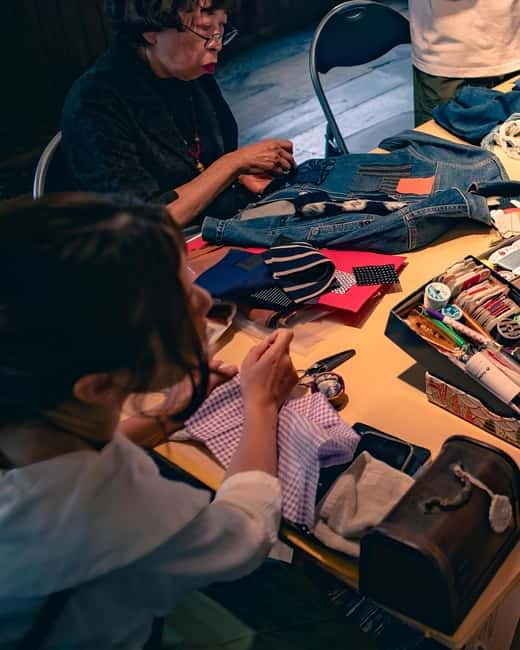
The class is limited to eight participants. That is large enough to create a friendly social setting, but small enough for the instructor to check your work and answer questions.
The group format has another advantage. You can see how other people approach the same pattern. Some may stitch slowly and carefully, while others finish early and ask for a more advanced technique. This creates a pleasant exchange without turning the class into a noisy group production.
Several sessions have been described as open, calm, and friendly. One group attended to celebrate a birthday, while another included teenagers and adults who all enjoyed the activity. That makes the workshop a good fit for families with older children, couples, friends, and solo participants who enjoy meeting people through a shared activity.
The only catch for a solo booking is the minimum group requirement. If two people do not sign up, the provider may offer another date, ask for a 3,000-yen supplement, or issue a full refund. If your Osaka schedule is tight, this is worth considering before you make the reservation.
A quiet activity for a busy Osaka day

Osaka can be loud, fast, and food-focused. A Sashiko class offers a useful change of pace. For two hours, your attention narrows to fabric, thread, and the next stitch.
That does not mean the class is passive. You still need to pay attention to the pattern and handle the needle carefully. But the repeated motion can feel restful, especially after a day of busy streets, shopping, and train connections.
One participant described the activity as both interesting and meditative. Another left eager to continue making Sashiko pieces at home. Those reactions make sense because the workshop gives you enough instruction to understand the basic process without overwhelming you with technical detail.
The atmosphere also helps. The teaching is described as supportive rather than strict, so beginners can enjoy the process without feeling tested. If your first stitches are uneven, that is part of learning. The point is to understand the structure of the craft and gain confidence with the technique.
The shopping corner and what you can continue at home

Next to the workshop area is a small shopping corner with JunAle original goods, sewing kits, hand-dyed threads, and clothing. These items are not included in the workshop price, but they give you a chance to continue practicing after you return home.
The sewing kits may be especially useful if your coaster leaves you wanting another project. Hand-dyed thread also offers a way to experiment with color instead of staying with the materials used in class.
Cash payments receive discounts on these items. The available information does not give the discount amount, so ask at the workshop before deciding what to buy.
I would treat the shopping corner as optional, not as part of the value calculation. The essential materials and completed project are already included in the $67 price. Buy something only if you genuinely want a reminder of the craft or supplies for future work.
Is $67 a fair price?
At $67 per person, this is not the cheapest activity you can add to an Osaka schedule. The value comes from the combination of personal instruction, supplied materials, cultural background, a small group, and a finished project to take home.
You are paying for more than a short craft demonstration. The session gives you a usable introduction to Sashiko, direct help from an instructor, and time to make something yourself. For anyone interested in embroidery, textiles, Japanese design, or traditional skills, that package is reasonably priced.
The value is less obvious if you want a major sightseeing attraction or a large souvenir. A coaster is a small object, and the class will not turn you into an expert in one afternoon. If you are not interested in sewing, two hours with a needle may feel longer than expected.
For people who enjoy making things, though, the price compares well with many short creative activities. You gain a skill you can repeat at home, and your finished work carries the memory of the setting and instruction.
Who should book this Sashiko class?
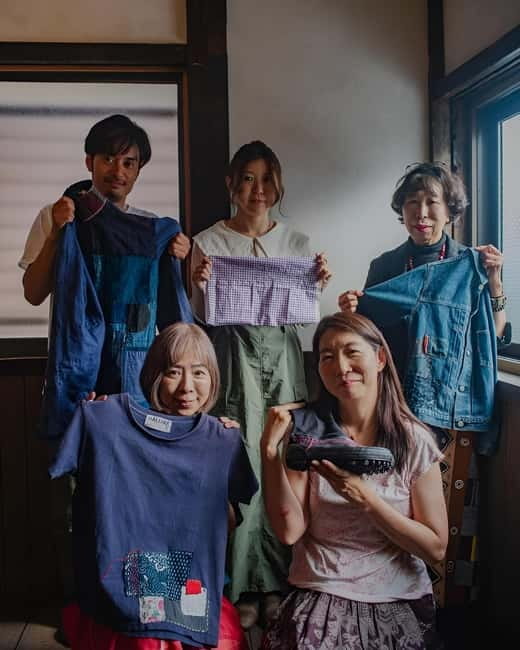
I would recommend it most strongly to:
- People who enjoy embroidery, sewing, quilting, or textile art
- Beginners who want a gentle first introduction to Japanese handcraft
- Families with teens who can focus on a small, careful project
- Couples and friends looking for a quieter Osaka activity
- Anyone who values a handmade souvenir over a mass-produced purchase
- Visitors interested in the link between Japanese culture and everyday materials
You do not need previous sewing experience. The class is designed for complete beginners, and the instructor provides the needed guidance.
If you have limited patience for repetitive handwork, think twice. Sashiko is built on rhythm and repetition. It is not a fast activity with constant changes of scenery.
Experienced sewers should not dismiss it as too basic. The main lesson is introductory, but you may be able to finish early and learn an additional stitch, as happened in one session. Tell the instructor about your experience and ask how you can extend the project.
Practical details before you book
The workshop lasts two hours and is offered at set starting times, subject to availability. All tools and materials are provided, so you can arrive without special equipment.
Instruction is available in English and Japanese. The group size is limited to eight, and the venue is wheelchair accessible. Transportation is not included, but advance arrangements may allow you to meet at Kyobashi Station.
Cancellation is free up to 24 hours before the activity for a full refund. You can also reserve now and pay later, which helps if your Osaka plans are still shifting.
Personal or travel insurance is not included. You should arrange that separately if you want coverage.
Should you book the Osaka Sashiko workshop?
Book it if you want a hands-on cultural activity rather than another sightseeing stop. The strongest reasons are the patient instruction, the small group, the peaceful old-house setting, and the chance to take home a handmade coaster you created yourself.
I would be especially happy to recommend it to anyone who already enjoys sewing, though beginners appear to be well supported. Families with teens and friends celebrating a special occasion should also find the format easy to enjoy.
Skip it if you dislike repetitive crafts, need a guaranteed solo departure, or want a large finished souvenir. For everyone else, $67 buys a thoughtful introduction to a distinctly Japanese tradition, plus a small reminder that carries your own uneven, careful stitches.
FAQ
How long does the Sashiko workshop last?
The workshop lasts two hours.
How much does the workshop cost?
The price is $67 per person.
What will I make during the class?
You will make a Sashiko textile piece, such as a coaster, using geometric patterns.
Are tools and materials included?
Yes. Fabric, needles, thread, and other necessary Sashiko tools and materials are provided.
Is the workshop suitable for beginners?
Yes. The class is designed for complete beginners as well as people with previous craft experience.
Which languages are available?
Instruction is available in English and Japanese.
How many people can join the workshop?
The group is limited to eight participants.
Can I be met at Kyobashi Station?
You may be met at Kyobashi Station with advance notice.
What happens if I book alone and the minimum group is not reached?
You may be offered another date, asked to pay a 3,000-yen solo supplement, or given a full refund.
Is cancellation available?
Yes. You can cancel up to 24 hours in advance for a full refund.
Just added in Japan
- A One-of-a-Kind Sushi Experience in a Special Place of Japan★ 5.0 · 15 reviews
- Tokyo Cute Bento Cooking Class – Make a Kawaii Character Lunchbox★ 5.0 · 126 reviews
- Japanese Home Cooking Class & Walk in Todoroki Temple Tokyo★ 5.0 · 88 reviews
- Japan Tokyo Tower Observatory Deck E-Ticket★ 4.0 · 34 reviews
- Catch a Baseball Game in Tokyo with a Local – Tickets Included★ 5.0 · 24 reviews
- JDM Experience with Fast&Furious RX-7 (English speaking Driver)★ 5.0 · 57 reviews
- Tokyo Private Day Tour by Car with English speaking Driver Guide★ 4.0 · 29 reviews
- Japan Classic 10 Day – One Life Adventures★ 5.0 · 129 reviews
Workshops, compared.
Sushi Making Tokyo Roll and Authentic Japanese Sushi Class
Read our review →
Gion Make Your Own Chopsticks with Engraving Option
Read our review →
Roll and Authentic Sushi Making Class in Asakusa
Read our review →
Ramen Cooking Class at Ramen Factory in Kyoto
Read our review →
Tokyo Asakusa Chopsticks Workshop: Make Your Own Pair
Read our review →
Ring Making Workshop : Vintage Japanese Coin Ring
Read our review →Browse the lists this tour appears in