
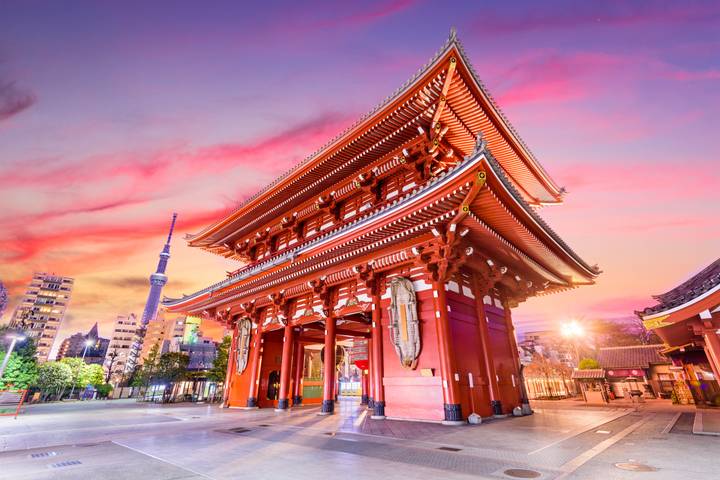
Reviewed · 7-DAY EXPERIENCES
Spirit of Japan 7-Day Tour by TruTravels: Itinerary & Reviews
Tokyo’s glowing streets, Hakone’s mountain views, and Kyoto’s rows of red torii gates make this a concentrated introduction to Japan. I like the mix of big-name sights and hands-on moments: a sake tasting in Tokyo gives local flavors some context, while the samurai class offers a playful change of pace from temple visits.
I also like that the route moves from Tokyo to Kyoto by way of Hakone, rather than keeping you in one city. The trade-off is speed: seven days means early starts and limited free time, and the included four-to-eight-bed dorm rooms are a better fit for flexible, sociable travelers than anyone seeking privacy.
In This Review
- At a glance
- A quick route from Tokyo to Kyoto
- Tokyo’s temples, sake, and late nights
- Hakone’s ropeway and sightseeing cruise
- Fushimi-Inari and the move to Kyoto
- Bamboo, gold, and samurai in Kyoto
- What the price includes, and what it doesn’t
- Who will get the most from this week?
- Should you book the Spirit of Japan tour?
- FAQ
- How long is the Spirit of Japan tour?
- What cities and areas does the tour visit?
- What is the age range?
- How large is the group?
- What kind of accommodation is included?
- Are meals included?
- Is transport included?
- What language is the tour guided in?
- Are flights and travel insurance included?
At a glance

- Tokyo after dark: Explore Shinjuku’s neon-lit streets and Omoide Yokocho’s compact food and bar lanes.
- A taste of tradition: Visit Senso-ji, take part in a sake tasting, and attend a tea ceremony.
- Hakone by cable car and cruise: Ride a ropeway and take a sightseeing cruise, with Mount Fuji visible on clear days.
- Kyoto’s signature sights: Walk through Fushimi-Inari’s red gates, the Arashiyama Bamboo Forest, and the grounds of Kinkaku-ji.
- A young, social group: The tour is for ages 18 to 39, with groups of 4 to 20 and an English-speaking leader.
- Budget for meals: Six nights of dorm accommodation, activities, and transport are included, but no meals are.
A quick route from Tokyo to Kyoto
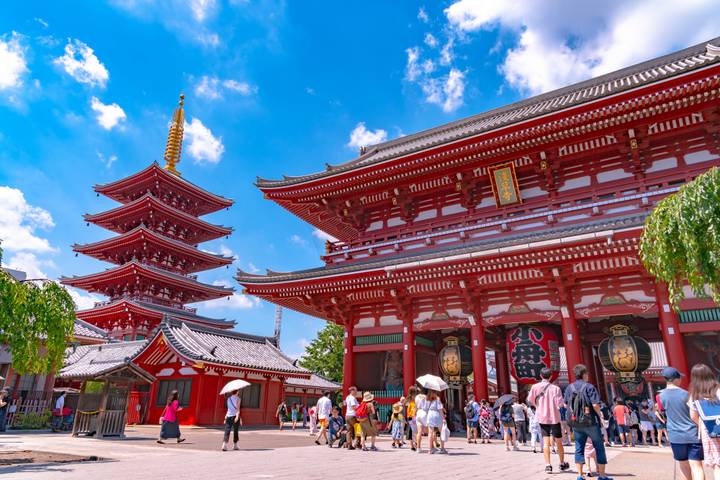
The Spirit of Japan tour packs three distinct settings into a week: Tokyo, the Hakone area, and Kyoto. It’s a straightforward way to connect some of Japan’s most recognizable sights without planning every train and activity yourself. Public transport and a bullet train are part of the trip, and a group leader accompanies the tour.
That convenience comes with a brisk pace. You get three days in Tokyo, travel through Odawara and Hakone, then continue to Kyoto for the final stretch. You’ll see plenty, but this isn’t a slow trip with long, unscheduled afternoons. If you want to linger at every shrine or add several museums, plan to extend your stay before or after the tour.
The group size ranges from 4 to 20. That’s small enough to share the experience with a manageable group, but large enough that you won’t always be moving at your own pace. The tour is guided in English and has a low physical-intensity rating, though expect walking at city sights and some early starts.
A few more options to weigh up in Tokyo
- Tokyo Disney Resort – Tokyo Disneyland & Tokyo DisneySea Park Tickets
★ 4.8 · 99,488 reviews - SHIBUYA SKY Ticket
★ 4.7 · 46,509 reviews - JR Whole Japan Rail Pass
★ 4.8 · 29,150 reviews
Tokyo’s temples, sake, and late nights
Day one is about arriving, checking into the hostel, and meeting the group over a welcome dinner. The evening may include a first look at Tokyo nightlife. Since no meals are included, treat the dinner as a chance to eat together, not a covered meal, and budget for food throughout the week.
On day two, the group visits Senso-ji in Asakusa. The temple’s large red lantern and traditional architecture make it an immediate visual contrast with Tokyo’s modern streets. An early visit is useful for seeing the temple grounds before the day builds, though the tour does not promise a specific arrival time. Take a little time to notice the surrounding neighborhood, too: the area around a major temple is part of the visit, not just the approach to a photo stop.
The afternoon sake tasting gives the day a different kind of cultural introduction. You’ll sample different sakes and learn about brewing styles and regional varieties. It’s a useful starting point if sake is new to you, and a more focused experience than simply ordering a drink at dinner.
In the evening, the group heads to Shinjuku for its nightlife, neon signs, and busy streets. This is one of the tour’s more social stretches. You can join the group or take a quieter night, but remember that the next day still has more sightseeing.
Day three combines Yoyogi Park and Meiji Shrine, then moves to Omoide Yokocho for food and bars. Meiji Shrine offers a calmer setting after the intensity of the city center, while Omoide Yokocho is known for its narrow lanes and small food and drink spots. Dinner is not included, so this is a natural place to choose your own meal and keep spending in check. Karaoke is optional at the end of the day, a lighthearted way to round out Tokyo if you still have energy.
Hakone’s ropeway and sightseeing cruise

On day four, the route heads to Odawara, the gateway to Hakone. Odawara Castle is noted as a local point of interest, but a castle visit is not listed as an included activity. If seeing it matters to you, ask the group leader how much free time the schedule allows rather than assuming there will be a stop.
The included cable car ride and sightseeing cruise are the day’s main attractions. The boat is described as a pirate ship cruise, and the route is likely on Lake Ashi. From there, you may see Mount Fuji on a clear day. That view is weather dependent, so enjoy the lake and surrounding mountains for what they are, rather than making the trip hinge on a Fuji sighting.
The cable car and boat add variety to a week built largely around city walks and cultural stops. They also make this a day with several transitions, so keep your day bag light and follow the leader’s timing. The tour provides public transport and a bullet train overall, but the exact transport sequence and departure times are not specified.
Fushimi-Inari and the move to Kyoto
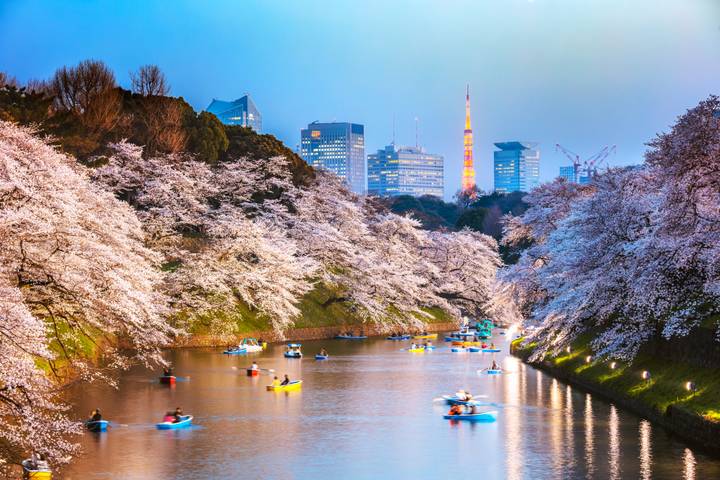
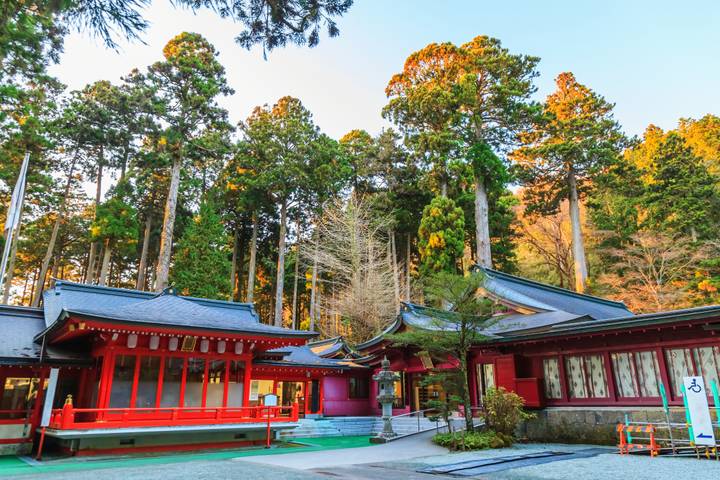
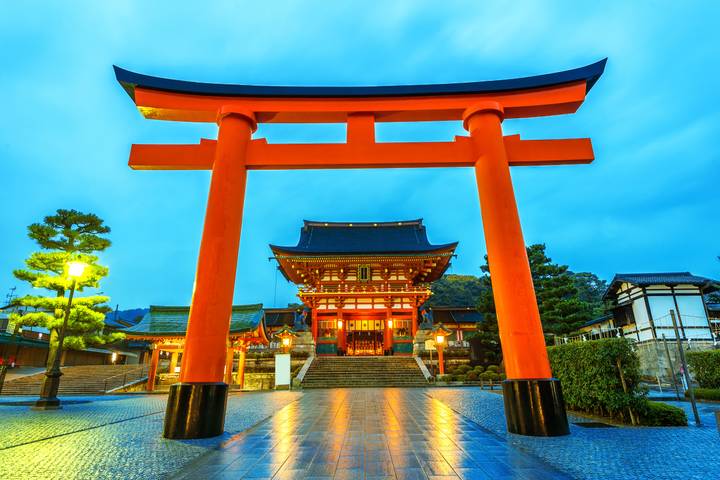
Day five starts early at Fushimi-Inari Shrine, whose long paths are lined with thousands of vermillion torii gates. An early visit is a sound choice for a famous site where the paths can grow busier later. You can walk as far as the group’s schedule allows, but don’t expect an unlimited hike through the entire shrine complex.
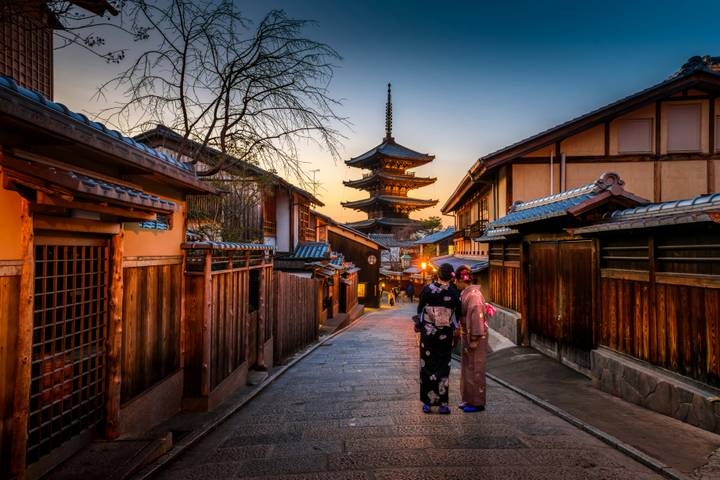
The program then moves to Gion, Kyoto’s well-known geisha district, and includes a traditional tea ceremony. This is a chance to learn the etiquette and techniques involved in preparing and serving matcha, rather than simply watching someone make tea. The ceremony provides a quieter, more deliberate counterpoint to Tokyo’s nightlife and Hakone’s scenic rides.
The schedule places the journey from Hakone to Kyoto on this day, so expect a substantial travel component alongside the shrine and cultural activity. Since the exact times aren’t provided, it’s wise to keep expectations flexible and avoid arranging independent plans that depend on a precise arrival time.
A completely different kind of day out:
- Mt Fuji and Hakone 1-Day Bus Tour Return by Bullet Train
★ 5.0 · 26,383 reviews - TOKYO SKYTREE® Ticket
★ 4.7 · 25,136 reviews - teamLab Borderless Tickets: MORI Building DIGITAL ART MUSEUM
★ 4.7 · 24,126 reviews - teamLab Planets TOKYO Ticket
★ 4.7 · 21,663 reviews
Bamboo, gold, and samurai in Kyoto
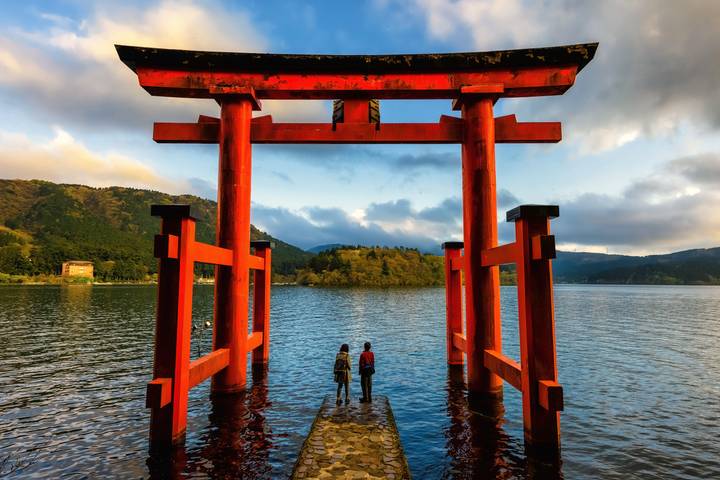
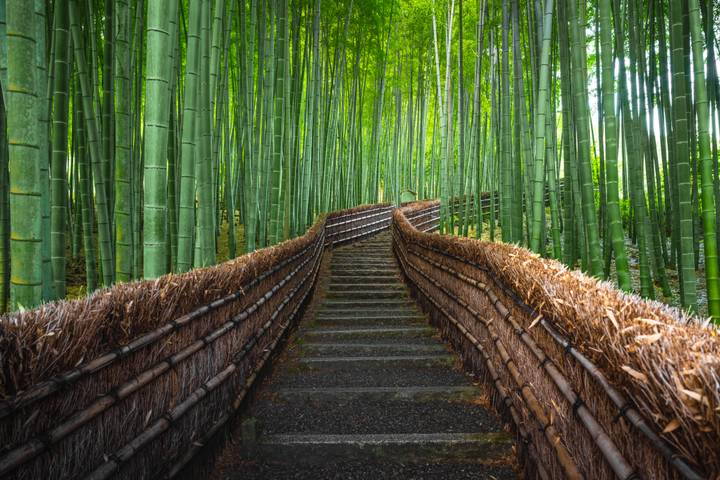
Day six begins at Arashiyama’s Bamboo Forest. Walking beneath tall bamboo stalks gives you a different sense of scale and quiet from the dense streets of Tokyo. It is a popular, well-known spot, so the experience depends partly on timing and the number of people around. The tour includes a visit, but does not specify how long you’ll have there.
The day also includes Gion, a tea ceremony, and Kinkaku-ji, commonly called the Golden Temple. The temple’s gold-covered exterior reflects in a pond, making it one of Kyoto’s most recognizable sights. You’ll view the temple from its grounds, where the setting is part of the appeal, rather than treating it as a long indoor visit.
A samurai class rounds out the day with basic sword techniques and an introduction to samurai culture. It’s a hands-on break from sightseeing and likely to suit anyone who wants to do more than look at historic sites from the outside. The experience is included, though details such as the length of the class and what to wear are not specified.
One scheduling point is worth checking before departure: the published program lists a tea ceremony on both day five and day six. That may mean two sessions or a schedule detail that needs clarification. Ask TruTravels which day or days include the ceremony, so you know what to expect.
Day seven is a departure day, with the guide available to help with onward transport, restaurant ideas, or next steps. There is no listed group activity, so you can use the time for last-minute shopping or make your own plans in Kyoto.
What the price includes, and what it doesn’t
The tour starts at $1,595, based on the cheapest room option. The price includes six nights in dorm accommodation, a group leader, public transport and a bullet train, plus the listed activities. That package can offer good value if you want the main transport and sightseeing organized in one booking, particularly on a first visit when handling each transfer yourself may feel like extra work.
The accommodation is in shared rooms of four to eight beds, and rooms can be mixed sex. That’s a clear compromise in comfort for the price and social atmosphere. If you need a private room or more quiet, check whether an upgrade is available before booking. The listed price is for the cheapest room, and an upgrade may change the total.
Meals are not included, including breakfast. Set aside money for all food, drinks, and any optional activities or services. International flights and travel insurance are also your responsibility. The tour description calls out many activities as included, but it does not provide a daily meal allowance or detailed free-time budget, so plan based on your own eating habits and spending style.
The booking terms state a $280 deposit, with the balance due 65 days before departure. Interest-free payments every two weeks are available, and there is no booking fee. These payment options may help spread the cost, but they don’t change the need to budget separately for flights, insurance, food, and personal spending.
Who will get the most from this week?
This tour is aimed at ages 18 to 39 and suits people who want company, a full schedule, and a guided route between headline sights. The group setting can make it easier to meet people, especially during the Tokyo evenings and shared meals. The single review available gives the trip five stars and describes it as fun and immersive, with a strong sense of learning about Japan. That is encouraging, though one review is too small a sample to tell you how every departure will feel.
I’d consider this tour if you have one week, value included transport and activities, and are comfortable sharing a room. It is also a practical choice if you want a first taste of Japanese temples, food culture, and city life without arranging every detail yourself.
I’d look elsewhere, or add extra nights, if you want private accommodation, included meals, or long stretches of free time. Seven days is enough for a lively sampler, not a slow exploration of Japan. You’ll leave with a useful first look at Tokyo, Hakone, and Kyoto, and a good reason to return for more.
Should you book the Spirit of Japan tour?
Book it if the appeal is a social, fast-moving week with major sights, guided transport, and a handful of cultural activities. The sake tasting, tea ceremony, and samurai class give the route more character than a run of photo stops, while Hakone breaks up the city time with a cable car ride and cruise.
Before you commit, make sure shared dorms and self-funded meals work for you, and ask about the duplicate tea ceremony listing and any room upgrade options. If you can accept the pace and the practical trade-offs, this is a convenient way to connect Tokyo and Kyoto in a single week.
FAQ
How long is the Spirit of Japan tour?
The tour lasts seven days and starts in Tokyo, ending in Kyoto.
What cities and areas does the tour visit?
The route includes Tokyo, Odawara, Hakone, and Kyoto.
What is the age range?
The tour is listed for ages 18 to 39.
How large is the group?
Groups range from 4 to 20 people.
What kind of accommodation is included?
The tour includes six nights in dorm rooms with four to eight beds. Rooms can be mixed sex.
Are meals included?
No. The tour includes no meals, including breakfast.
Is transport included?
Public transport and a bullet train are included.
What language is the tour guided in?
The tour is fully guided in English by a group leader.
Are flights and travel insurance included?
No. International flights and travel insurance are not included.
Just added in Tokyo
- Wonders Of Japan 10-Day Tour by Travel Talk★ 4.5 · 14 reviews
- Wonders of Japan end Tokyo GO 15-Day Tour by Europamundo★ 4.2 · 10 reviews
- Wonders of Japan end Tokyo 15-Day Tour by Europamundo★ 4.2 · 10 reviews
- Wonders of Japan End Osaka by Europamundo – 12-Day Tour★ 4.2 · 58 reviews
- Wonders of Japan End Osaka (including Fukuyama) 12-Day Tour by Europamundo★ 4.2 · 58 reviews
- Wonders of Japan End Osaka GO by Europamundo – 12-Day Tour★ 4.2 · 58 reviews
- Walk Japan – Kumano Kodo Trail 12-Day Tour by Explore!★ 4.7 · 20 reviews
- Visions of Japan with Hiroshima & Osaka 15-Day Tour by Globus★ 5.0 · 75 reviews
7-Day Experiences, compared.


Essential Japan GO by Europamundo – 7-Day Tokyo to Osaka Tour
Read our review →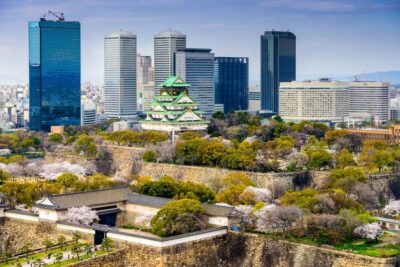
Tokyo, Kyoto and Hiroshima end Tokyo by Europamundo – 7-Day Tour
Read our review →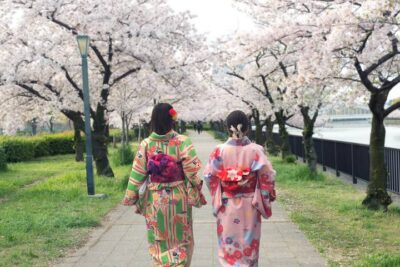
Tokyo, Kyoto and Hiroshima end Tokyo GO 7-Day Tour by Europamundo
Read our review →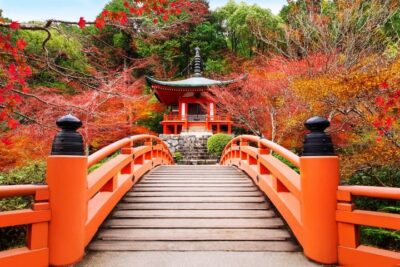
Tokyo, Kyoto and Hiroshima 7-Day Tour by Europamundo
Read our review →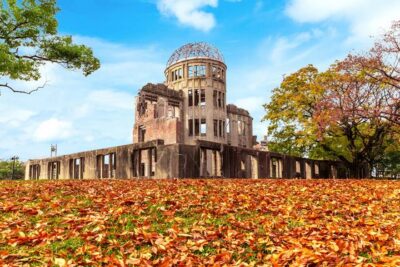
Tokyo, Kyoto and Hiroshima GO by Europamundo – 7-Day Tour
Read our review →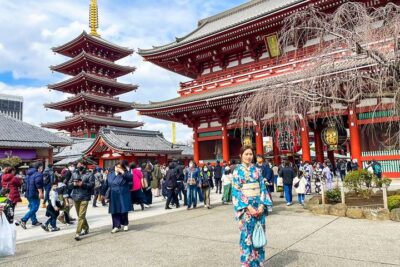
7-Day Best Japan Mini Group Tour with 3/4 Stars Hotels by Agate Travel
Read our review →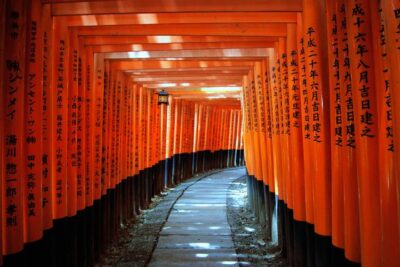
Browse the lists this tour appears in