
Reviewed · WORKSHOPS
Sushi Class in Osaka Dotonbori
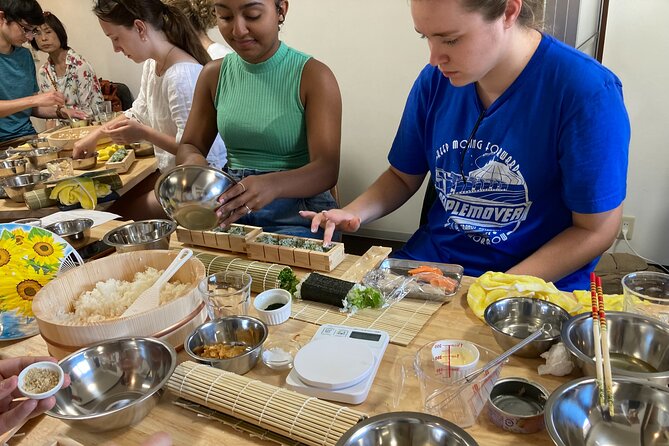
Sushi is easier than it looks. This three-hour class near Dotonbori gives you a friendly, hands-on way to make three Japanese favorites: salad roll, nigiri, and Osaka-style pressed sushi. You work in a small class of no more than eight people, with an apron provided and ingredients ready to use.
I like the small class size, which allows the teachers to slow down, answer questions, and help with each step. I also like the mix of sushi styles, especially oshizushi, a Kansai specialty you may not meet as often outside Osaka. The main drawback is the meeting point: the class is inside Masters Residence Dotonbori I, and several people have found the building harder to locate than expected.
In This Review
- Key points before you book
- Why this Osaka sushi class is worth your morning
- Finding Masters Residence Dotonbori I
- The three sushi styles you will make
- Salad roll with colorful fillings
- Nigiri, Japan’s classic hand-shaped sushi
- Oshizushi, Osaka’s pressed sushi
- Clear instruction and a relaxed pace
- From prepared ingredients to a filling lunch
- Vegetarian and gluten-free choices
- Is the class good for children and solo visitors?
- Timing, price, and practical value
- Who should book this experience?
- Final verdict: a practical Osaka food experience
- FAQ
- Where does the sushi class meet?
- What time does the class start?
- How long does the sushi class last?
- How many people can join the class?
- What kinds of sushi will I make?
- Is a vegetarian menu available?
- Is a gluten-free option available?
- Can I cancel for a full refund?
Key points before you book
- Three distinct sushi styles: Make a salad roll, hand-shaped nigiri, and traditional Osaka pressed sushi.
- A genuinely small class: The maximum is eight people, so the instructors can give personal help.
- A full meal at the end: You eat your sushi with miso soup after finishing the preparation.
- Good for beginners and families: Clear demonstrations and patient teaching make the class approachable, including for children who can participate with their family.
- Dietary choices are available: Vegetarian options with eggs or without eggs, plus a gluten-free option, must be requested when booking.
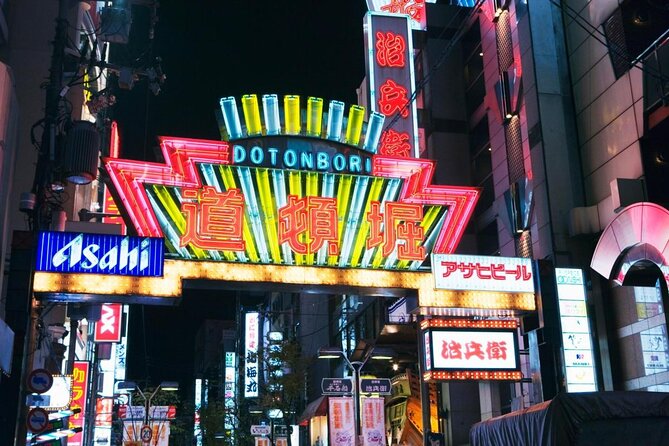
- Allow extra time to find the room: Go to Room 807 at Masters Residence Dotonbori I, then press 807 and the 呼出, or call, button.
Why this Osaka sushi class is worth your morning
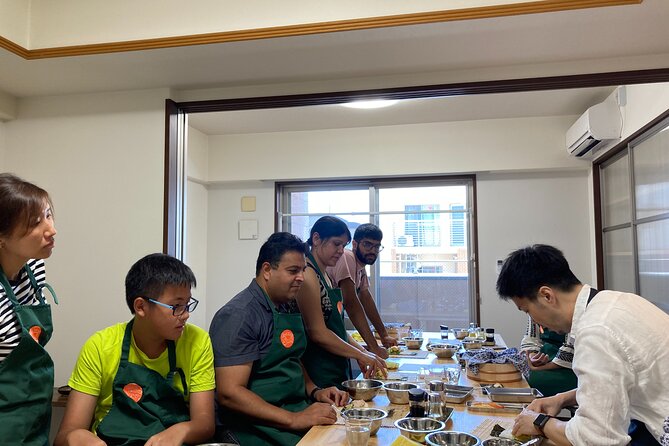
The appeal here is not just the meal. Sushi can look simple on a restaurant plate, but the small details matter: how you spread rice, where you place fillings, how firmly you press, and how you shape rice for nigiri. A teacher standing nearby can correct those details before they become habits.
The class also gives you three very different techniques in one sitting. The salad roll introduces rolling and layering. Nigiri teaches you to shape rice and place a topping on it. Oshizushi shows you a regional method linked closely to Osaka and the wider Kansai area.
At $71.16 per person, this is not the cheapest lunch in Osaka. You can eat sushi for less, especially at a casual restaurant. But the price includes instruction, prepared ingredients, an apron, and a substantial meal that you make yourself. If you value a practical activity as much as the food, the cost is reasonable.
I would think of it as a cooking lesson with lunch included, not simply a meal with a demonstration. The best value comes from the skill you can take home. One participant was so inspired by the class that they bought ingredients afterward to try new combinations at home.
A few more options to weigh up in Osaka
- Osaka Go Karting Tour with Funny Costume
★ 5.0 · 2,658 reviews - Osaka Castle: Museum and Tower Entry Ticket
★ 4.5 · 2,380 reviews - Osaka: Shinsekai Food Tour with 13-15 Dishes at 5 Eateries
★ 4.8 · 2,204 reviews
Finding Masters Residence Dotonbori I
The class begins at 9:30 am at Cooking Sun in Osaka’s Chuo Ward, at Shimanouchi 2-chome 9-14, Room 807. The listed meeting point is inside Masters Residence Dotonbori I, rather than in an obvious street-level shop.
This matters because the building can be easy to miss. Google Maps has reportedly directed people to the building across the street, and the residence name is shown on a placard at the correct entrance. I would arrive early and check the building sign before trying the intercom.
When you reach Room 807, press 807 and then the 呼出 button so the staff can open the door. This is a small detail, but it prevents an awkward start when you are standing in a residential-style building wondering how to enter.
The location is near public transportation, which helps when you are coming from another part of Osaka. Still, do not cut the timing close. A few extra minutes for the building search will make the morning calmer.
The three sushi styles you will make
The class covers three types of sushi, each with a different look and method. That variety keeps the lesson active and gives you a better feel for how broad the word sushi really is.
Salad roll with colorful fillings
The salad roll is a familiar starting point because it uses a nori sheet and several recognizable fillings. You work with crab-flavored kamaboko, lettuce, cucumber, avocado, and tuna mixed with mayonnaise.
The roll also includes tamagoyaki, or Japanese rolled omelet, in the center. That sweet egg adds a soft texture and gives you another useful Japanese cooking idea to take home.
You will learn how to position the fillings and roll everything into a neat cylinder. The ingredients are prepared before class, so you can focus on assembly rather than spending the morning chopping and cooking every component.
That setup is helpful for first-time cooks. It keeps the pace moving and lets you concentrate on hand position, pressure, and presentation. The tradeoff is that you will not be doing every part of the meal from raw ingredients.
A completely different kind of day out:
- Osaka Food Tour: 13 Dishes at 5 Local Eateries
★ 5.0 · 2,149 reviews - Hungry Osaka Street Food Tour:15 Tastings & 3 Drinks with a Local
★ 5.0 · 1,727 reviews - Osaka: Tea Ceremony Experience
★ 4.9 · 1,426 reviews - Osaka Kickstart: Hotspots & Hidden Gems Tour
★ 5.0 · 1,306 reviews
Nigiri, Japan’s classic hand-shaped sushi
Nigiri is the style most people picture first: a small piece of vinegared rice with fish, shellfish, or another topping placed on top. In this class, the activity includes sushi ingredients such as fish, shellfish, and omelet as possible toppings.
The challenge is making rice that holds together without becoming heavy. You will shape a bite-sized portion with your hands, then place the topping neatly over it. The teachers demonstrate the technique and help you through each stage.
Nigiri is a good test of what you have learned. The ingredients are simple, but the finished piece looks best when the rice is compact and the topping sits evenly. Beginners should not expect restaurant-perfect pieces on the first try. That is part of the fun, and the taste does not depend on perfect symmetry.
Oshizushi, Osaka’s pressed sushi
Oshizushi is the most regionally special part of the class. This Kansai style uses a square wooden frame, sushi rice, and toppings. You fill the frame, press the rice so it bonds with the toppings, then remove the finished block and cut it into pieces.
In Osaka, this is also called box sushi. The square shape gives it a different feel from rolled sushi or nigiri, and it connects your meal to local food traditions rather than focusing only on the styles most common abroad.
The pressing technique is straightforward, but you need to use enough pressure to hold the sushi together without crushing it. The finished piece is cut just before eating, which makes the process feel more like constructing a small food box than shaping individual bites.
For me, this is the strongest reason to choose this class over a generic sushi lesson. You get a direct introduction to a Kansai specialty, not just a basic lesson in rolling maki.
Clear instruction and a relaxed pace
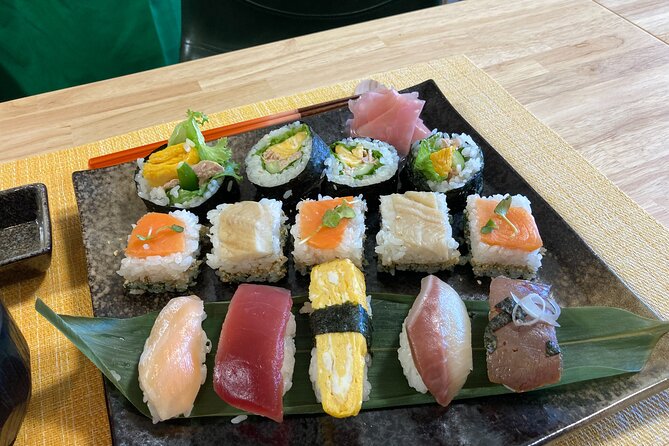
The teachers demonstrate each technique, then guide you as you work. Several participants have described the English instruction as clear, patient, and easy to follow. The instructors are willing to answer questions, including questions from people who already have some sushi-making experience.
The class appears particularly suitable for beginners. You do not need to arrive with knife skills or prior cooking knowledge. Ingredients are prepared, the apron is provided, and the process is broken into manageable steps.
The small group limit helps here. With no more than eight people, the instructor can watch what you are doing instead of giving a speech from the front of a large room. One account described the teacher helping a participant with physical difficulties, while another praised the slow explanations.
The tone may vary by instructor. Most of the available feedback praises the staff as friendly and helpful, but one person found the hosts less dynamic than expected. If you want a high-energy cooking show, this may feel calm. If you prefer careful explanations and time to ask questions, that slower pace is an advantage.
Instructors named in the class feedback include Ami, Jaimi, and Yoshi. The teaching team has also been praised for explaining Japanese food customs, regional differences, and the background of the ingredients without making the lesson feel like a lecture.
From prepared ingredients to a filling lunch
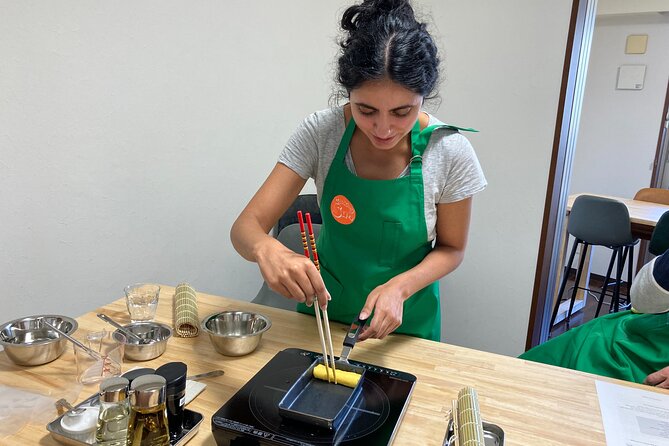
Because much of the preparation is done before you arrive, the class focuses on the parts you can realistically repeat at home. You assemble, shape, press, and roll rather than spending most of the session on setup.
That design works well for a three-hour activity. You get enough practical work to feel involved, but you are not left waiting while rice cooks or ingredients are processed. It also helps families and mixed-ability groups stay together.
At the end, you eat the sushi you made with miso soup. This is more filling than a quick tasting, and it gives you a chance to compare the three styles side by side.
The meal is also the payoff for all the careful shaping. Even if a roll is slightly loose or your first nigiri is uneven, it still tastes good when you sit down and eat it. Several people described leaving with a full belly, which supports the idea that the class functions as both an activity and lunch.
Vegetarian and gluten-free choices
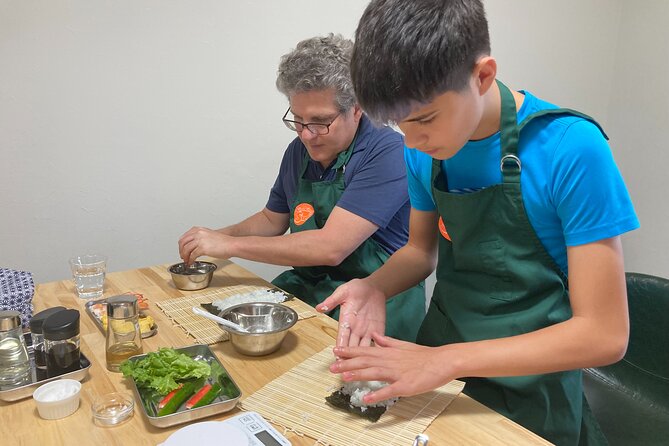
Vegetarian options are available with eggs or without eggs. A gluten-free option is also available, but you must request your preference when booking.
This is important because the standard ingredient list includes crab-flavored kamaboko, tuna, fish, shellfish, nori, and other items that may not fit your diet. Do not wait until you arrive to explain a restriction. Put the request in your booking details so the teachers can prepare properly.
The egg distinction is especially useful for vegetarians who eat eggs and those who do not. The supplied information does not list every replacement ingredient, so ask the provider if you need to confirm the exact menu before paying.
Is the class good for children and solo visitors?
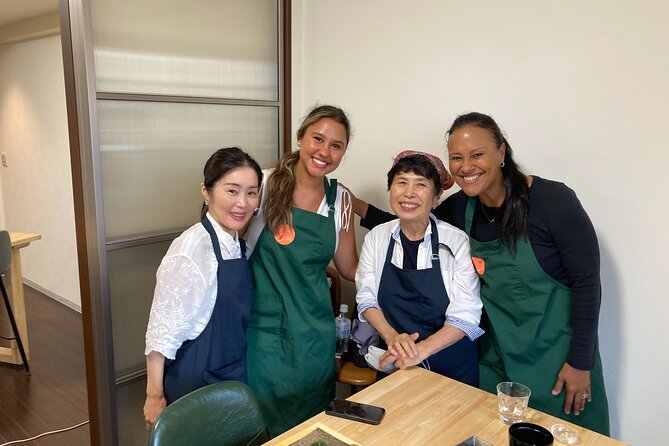
The class suits families because children can participate alongside their parents. A 12-year-old and a parent were both able to make sushi, including tamagoyaki, and enjoyed taking photos during the activity.
The small group format also works well for solo visitors. One person ended up taking the class alone with the staff and described it as a very positive experience. You should expect more direct attention in that situation, though the exact class size depends on the day.
For couples, this is a pleasant shared activity without requiring advanced cooking ability. You can help each other with rolling and shaping, then compare your finished pieces over lunch.
I would skip it if you want a quiet restaurant meal with no participation. You will be handling food, following instructions, and making several items yourself. The class asks for attention, but the work is simple enough for most beginners.
Timing, price, and practical value
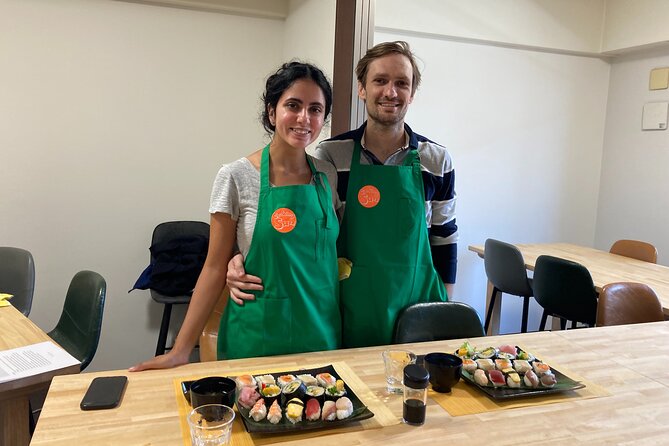
The activity lasts about three hours and starts at 9:30 am. That makes it a useful morning plan in Osaka, with lunch built into the end of the session.
At $71.16, the cost is best judged against what you receive. You get a small class, a teacher-led lesson, prepared ingredients, an apron, three sushi styles, and miso soup. You also leave with techniques you can practice again, especially rolling, shaping nigiri, and using a sushi press.
The value is weaker if you measure the booking only by food quantity. Osaka has plenty of inexpensive places to eat sushi, and a restaurant will serve you more quickly. The class earns its price through personal instruction and the regional focus on oshizushi.
The perfect audience is someone who wants a practical cultural activity and a meal in the same block of time. It is also a good choice if you enjoy food but want something more active than a market visit.
Booking at least several weeks ahead is sensible. The activity is booked, on average, 74 days in advance, and the maximum of eight people limits the number of available places. For a specific morning during a busy Osaka trip, I would not leave it until the last minute.
Free cancellation is available if you cancel at least 24 hours before the 9:30 am start time. Changes or cancellations inside that window are not accepted for a refund, so check your Osaka schedule before confirming.
Who should book this experience?
Book this class if you want to learn by doing, value patient instruction, or have a strong interest in Japanese food. It is especially well suited to beginners, families with children, couples, and solo visitors who like a personal lesson.
It is also a smart pick for anyone curious about Osaka’s local food traditions. The pressed sushi section gives the activity a clear regional identity, while the salad roll and nigiri keep the lesson familiar and varied.
You may want another option if you dislike planned group activities, have very specific dietary needs that require detailed confirmation, or mainly want the cheapest possible sushi lunch. The building entrance also requires a little patience and advance planning.
Final verdict: a practical Osaka food experience
I would recommend the Sushi Class in Osaka Dotonbori for most first-time sushi makers. The strongest points are the small class, patient teachers, generous hands-on practice, and the chance to make oshizushi, a style closely tied to Osaka and Kansai.
The class is not perfect. The room can be difficult to find, and the teaching style may feel quiet rather than theatrical. But those are minor concerns beside the personal help, dietary flexibility, and satisfying meal at the end.
If you want to leave Osaka with more than restaurant memories, book it. Arrive early, request any dietary option in advance, and treat the $71.16 fee as payment for both lunch and a skill you can use after Japan.
FAQ
Where does the sushi class meet?
The class meets at Cooking Sun, Masters Residence Dotonbori I, Room 807, in Shimanouchi, Chuo Ward, Osaka, postal code 542-0082.
What time does the class start?
The class starts at 9:30 am.
How long does the sushi class last?
The experience lasts approximately three hours.
How many people can join the class?
The class has a maximum of eight participants.
What kinds of sushi will I make?
You will make a salad roll, nigiri sushi, and oshizushi, also known as pressed or box sushi.
Is a vegetarian menu available?
Yes. Vegetarian options are available with eggs or without eggs. You must request your preference when booking.
Is a gluten-free option available?
Yes. A gluten-free option is available if you request it when booking.
Can I cancel for a full refund?
Yes, if you cancel at least 24 hours before the experience start time. Cancellations or changes made less than 24 hours before the start are not eligible for a refund.
Just added in Osaka
- 1.5〜2 Hours Traditional Kintsugi Work Shop in Namba Osaka★ 5.0 · 75 reviews
- The Dark Side of Osaka Walking Tour★ 5.0 · 49 reviews
- Three Types of Ramen Cooking Class in Osaka★ 5.0 · 119 reviews
- Samurai Show, Tea Ceremony, Japanese Traditional Activities★ 5.0 · 56 reviews
- Traditional Japanese Music show & Experience Tour in Osaka★ 5.0 · 25 reviews
- Traditional Home cooking Experience in Osaka, Japan★ 5.0 · 14 reviews
- Sushi and Japnese foods cooking class in Osaka★ 5.0 · 51 reviews
- Osaka Street Food Festival :Takoyaki&Okonomiyaki for Families★ 5.0 · 13 reviews
Workshops, compared.
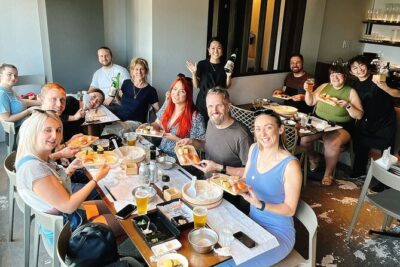
Sushi Making Tokyo Roll and Authentic Japanese Sushi Class
Read our review →
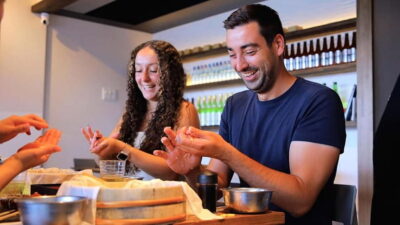
Roll and Authentic Sushi Making Class in Asakusa
Read our review →
Ramen Cooking Class at Ramen Factory in Kyoto
Read our review →
Sushi Making Class in a Happi Coat near a Famous Spot
Read our review →

Sushi Making Osaka Roll and Authentic Japanese Sushi Class
Read our review →Browse the lists this tour appears in